
再全球化

Search documents
中金缪延亮 | 提升人民币计价货币地位:从“中国制造”到“中国定价”
中金点睛· 2026-03-11 23:36
Core Viewpoint - The article discusses the importance of international trade pricing power and how enhancing the pricing power of the Renminbi (RMB) can reduce exchange rate risks for Chinese economic entities. It emphasizes the need for China to leverage its manufacturing advantages and adapt to changing global economic conditions to increase the RMB's role in international trade pricing [3][5]. Group 1: International Trade Pricing Power - International trade pricing power is a rule-making authority that determines who bears the exchange rate risk in trade. Enhancing this power can lower the risks faced by domestic economic entities [3]. - The choice of pricing currency in international trade is influenced by three main factors: upstream intermediates, downstream competitors, and transaction costs. The dominant currency pricing (DCP) is a significant aspect of vehicle currency pricing (VCP) [4][14]. - The current international macroeconomic environment presents opportunities for enhancing RMB pricing power, which requires appropriate policy responses [5][12]. Group 2: Factors Influencing Pricing Currency Choice - The choice of pricing currency in international trade is determined by the interplay of upstream intermediates, downstream competitors, and transaction costs. This framework helps understand the dynamics of currency selection [14][21]. - Upstream intermediates influence the choice between producer currency pricing (PCP) and VCP. A complete domestic supply chain increases the likelihood of using PCP [18]. - Downstream competitors affect the choice between local currency pricing (LCP) and VCP. In competitive markets, firms are likely to adopt the same currency as their competitors to avoid price volatility [19][20]. Group 3: Enhancing RMB Pricing Power - To enhance RMB pricing power, China should focus on increasing PCP by leveraging its manufacturing advantages and expanding its supply chain capabilities [28][29]. - The rise of Direct-to-Consumer (DTC) business models can empower Chinese exporters to negotiate better pricing terms, allowing for greater use of RMB in pricing [34][35]. - Exploring RMB pricing mechanisms for key commodities where China has a competitive edge can also enhance its international pricing position [36]. Group 4: Reducing DCP and Becoming VCP - The restructuring of international trade and currency systems can weaken the dominance of the DCP, providing an opportunity for the RMB to increase its share as a VCP [45]. - The development of digital currencies and AI payment systems can lower transaction costs, making it easier for non-dominant currencies like the RMB to compete with the DCP [37][40]. - China's exploration of Central Bank Digital Currency (CBDC) and tokenized deposits can enhance the efficiency and security of RMB transactions, further supporting its international pricing power [42][43].


2026抓好这些主线!博道基金张建胜:AI硬件的下半场或在存力和互联,重视AI应用!
Zhong Guo Zheng Quan Bao· 2026-01-15 08:20
Core Viewpoint - The current market equates "investing in technology" with "buying AI," with light modules being seen as entry tickets to the AI market. However, some fund managers, like Zhang Jiansheng from Bodao Fund, adopt a different approach by focusing on early-stage investments in various hot sectors without chasing extreme trends, achieving significant returns instead [1]. Investment Strategy - Zhang Jiansheng's investment framework emphasizes a "bottom-up, moderately diversified, and balanced growth" approach, with a strong focus on valuation and drawdown control. His cautious risk preference stems from his early career experiences during market volatility [2]. - His investment style features distinct left-side trading characteristics, where he sets target market values for companies and gradually sells once prices reach those levels, avoiding high premium purchases [2]. - The core selection logic revolves around three dimensions: competitive barriers, industry prosperity, and valuation, with a higher weight on competitive barriers outside the TMT sector and a greater emphasis on industry prosperity within TMT [2]. Market Insights - Zhang believes that to earn excess returns from highly valued leading companies, one must possess deep industry knowledge. He prefers to identify "left-side" targets with lower market attention and reasonable valuations, which allows for manageable downside risks [3]. - His portfolio construction strategy involves limiting single industry holdings to no more than 25% and maintaining a balanced allocation across high-end manufacturing, TMT, and consumer sectors, resulting in effective drawdown control [3]. Portfolio Construction - Zhang's focus on valuation enables him to uncover opportunities in less popular market segments, such as his early 2024 positioning in the Hong Kong stock market and the 2025 focus on innovative pharmaceuticals, where valuations had reached attractive historical lows [4]. - He aims to capitalize on valuation recovery in innovative pharmaceuticals, gradually realizing profits as valuations improve, while also recognizing that low valuations do not guarantee price increases [4]. - His investment in the semiconductor storage sector in 2025 was based on a dual assessment of valuation and industry trends, identifying low valuations alongside positive industry signals as a favorable investment combination [5]. 2026 Market Outlook - Zhang holds an optimistic view of the A-share market, supported by three key factors: a significant decrease in risk premiums, ongoing regulatory support for the capital market, and signs of corporate earnings recovery [6]. - In terms of investment focus for 2026, he highlights three areas: AI, particularly in storage and connectivity, with an emphasis on the shift from "technology-first" to "product-first" among leading companies; resource sectors benefiting from "re-industrialization" and "re-globalization," with a particular interest in silver; and valuation recovery opportunities in traditional industries like chemicals and consumer sectors [6][7].
天赐良基日报:国新国证基金总经理谌重离任;跨境ETF规模突破万亿元
Mei Ri Jing Ji Xin Wen· 2026-01-14 08:38
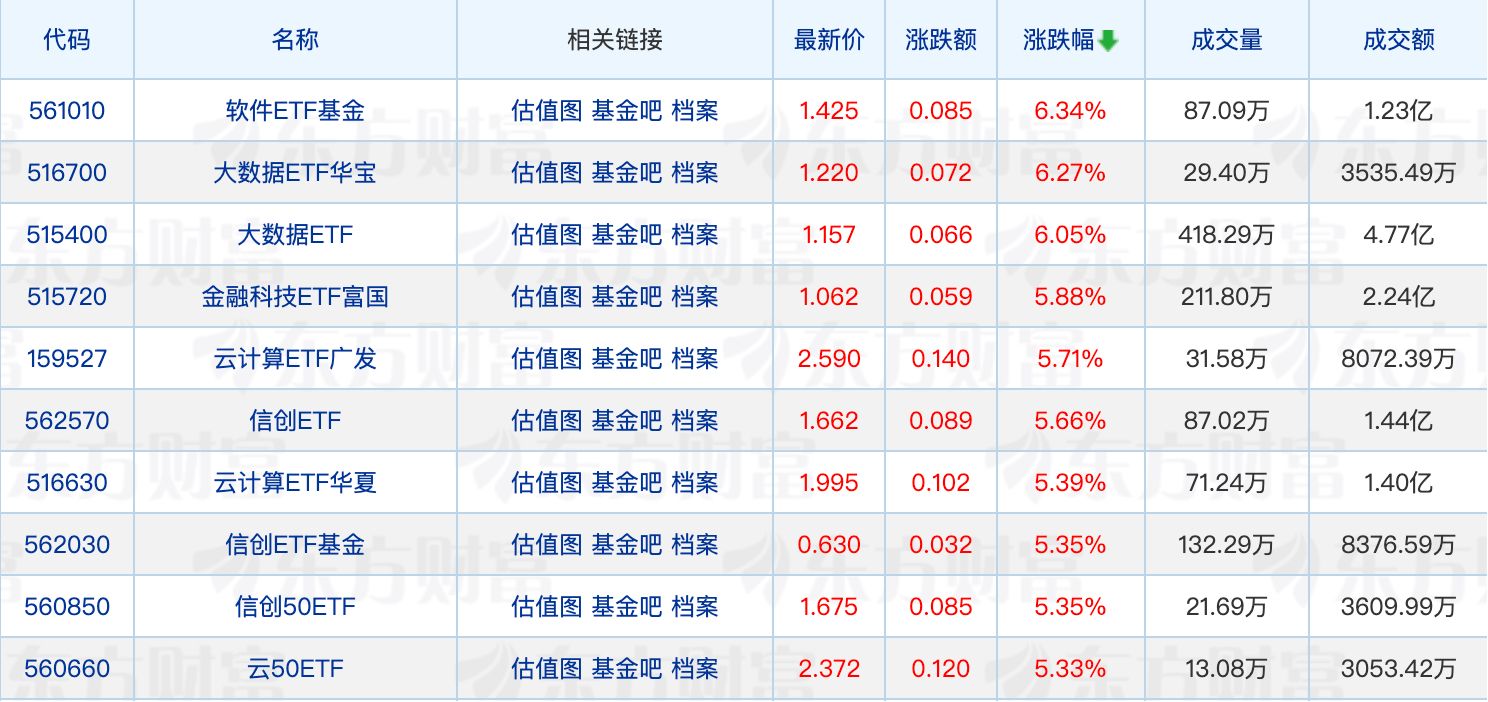
Group 1 - The general manager of Guoxin Guozheng Fund, Chen Zhong, has resigned due to personal reasons, effective January 13, with deputy general manager Zhang Peng taking over the role [1] - The total scale of cross-border ETFs has surpassed 1 trillion yuan, reaching 1.0008 trillion yuan as of January 13, marking a historical milestone [2] - Five actively managed equity funds have seen gains exceeding 20% in the first five trading days of 2026, largely driven by heavy investments in the pharmaceutical sector, including innovative drugs and medical services [3] Group 2 - Fund manager Zhang Jiansheng from Baodao Fund has identified three major investment directions for 2026, focusing on AI hardware sectors, resource products benefiting from re-industrialization and re-globalization, and valuation recovery opportunities in traditional industries like chemicals and consumer goods [4][5][6][7] Group 3 - The market experienced fluctuations, with the Shanghai Composite Index falling by 0.31% while the Shenzhen Component Index and the ChiNext Index rose by 0.56% and 0.82%, respectively, with a total trading volume of 3.94 trillion yuan, an increase of 290.4 billion yuan from the previous trading day [8] - Software ETFs led the market with a gain of 6.34%, while energy metals, insurance, and banking sectors faced declines [8][9] - The top-performing ETFs included Software ETF, Big Data ETFs, and Cloud Computing ETFs, while the worst performer was the Electric Grid ETF, which fell by 5.81% [9][11] Group 4 - AI is increasingly being applied in various financial scenarios, including securities research, banking credit, and consumer finance, indicating a broad future potential for financial technology ETFs [12]
年度展望丨张建胜:“稳健”与“精打细算”
Xin Lang Cai Jing· 2026-01-14 05:12
Core Viewpoint - The investment outlook for 2026 is characterized by a cautious optimism, emphasizing the importance of maintaining a disciplined approach to valuation and investment selection, particularly in the context of a recovering market after a prolonged downturn [1][10]. Market Performance - In 2025, both A-shares and Hong Kong stocks experienced a slow bull market, with public equity funds averaging over a 30% increase, marking it as a significant year for equities [2]. Market Divergence - The market in 2025 was marked by extreme divergence, with sectors like non-ferrous metals and communication equipment seeing over 60% annual gains, while consumer sectors like food and beverage faced negative returns [3]. AI Investment Trends - The capital expenditure in AI, amounting to hundreds of billions, is primarily concentrated among industry leaders, reflecting a level that corresponds to one or two years of net profits for these giants, indicating resilience despite potential delays in returns [4]. Real Estate and Consumption Recovery - A potential recovery in Chinese real estate and consumer sectors is anticipated, with signs that the most challenging phase for cyclical industries may soon pass, leading to valuation recovery opportunities [5]. Investment Opportunities - The investment landscape for 2026 is expected to broaden, with opportunities not only in non-linear growth sectors like AI but also in cyclical industries that may begin to see valuation corrections [6]. Global Trade Dynamics - Despite geopolitical tensions and trade frictions, China's trade surplus exceeded one trillion dollars in the first eleven months of 2025, showcasing the resilience and global competitiveness of Chinese manufacturing [7]. Re-globalization of Chinese Companies - Many leading Chinese companies are experiencing a "re-globalization" trend, with over 30% of their revenues coming from overseas markets, often growing faster than domestic operations [8]. Key Investment Directions for 2026 - The main investment focuses for 2026 include: 1. Non-linear growth in AI, particularly in storage and connectivity sectors, with an emphasis on AI application investments [9]. 2. Resource products and high-end manufacturing benefiting from re-industrialization and re-globalization [9]. 3. Valuation recovery opportunities in traditional industries such as chemicals and consumer goods [9]. Investment Mindset - The investment approach for 2026 will prioritize a "steady" mindset, emphasizing the importance of learning from past market experiences and maintaining a disciplined valuation strategy [10].
博道基金张建胜: 追求成长但不为高溢价“买单”
Zhong Guo Zheng Quan Bao· 2026-01-13 22:29
Core Viewpoint - The current market equates "investing in technology" with "buying AI," with many investors viewing optical modules as a ticket to the AI market. However, some fund managers, like Zhang Jiansheng from Baodao Fund, adopt a different approach by focusing on growth without chasing extreme hot stocks, achieving significant returns through early-stage investments in various sectors [1][2]. Investment Strategy - Zhang Jiansheng's investment framework emphasizes a "bottom-up, moderately diversified, and balanced growth" approach, with a strong focus on valuation and drawdown control. His cautious risk preference stems from early career experiences during market volatility [2]. - His investment style features distinct left-side trading characteristics, where he sets target market values for companies and gradually sells once stock prices reach predetermined levels, avoiding high premium purchases [2][3]. Market Insights - Zhang believes that leading companies with high market attention and expectations require deep industry knowledge to generate excess returns. He prefers to identify "left-side" targets with lower market attention and reasonable valuations, which helps manage downside risks [3][4]. - His portfolio construction strategy involves limiting single industry holdings to no more than 25%, maintaining a balanced allocation across high-end manufacturing, TMT, and consumer sectors, which aids in drawdown control [3][4]. Valuation Focus - Zhang's emphasis on valuation allows him to uncover opportunities in less popular market segments, such as his early 2024 positioning in the Hong Kong stock market and the 2025 focus on the innovative drug sector, where he aims to profit from valuation recovery [4][5]. - He recognizes that low valuations do not guarantee stock price increases; thus, identifying marginal changes in industry dynamics is crucial. His investment in semiconductor storage reflects a dual assessment of valuation and industry trends [5][6]. 2026 Market Outlook - Zhang maintains an optimistic view of the A-share market, supported by three key factors: a significant decrease in risk premiums, ongoing regulatory support for capital markets, and signs of corporate earnings recovery [6][7]. - In terms of investment focus for 2026, he highlights three areas: AI, particularly in storage and connectivity, resources and high-end manufacturing benefiting from "re-industrialization" and "re-globalization," and valuation recovery opportunities in traditional industries like chemicals and consumer sectors [6][7].
追求成长但不为高溢价“买单”
Zhong Guo Zheng Quan Bao· 2026-01-13 20:46
Core Insights - The current market perception equates "investing in technology" with "buying AI," with popular sectors like optical modules seen as entry points into the AI trend [1] - Zhang Jiansheng, a fund manager at Baodao Fund, adopts a unique investment style that focuses on early-stage opportunities rather than chasing hot stocks, achieving significant returns [1][2] - His fund, Baodao Shengyan A, reported over 45% annual returns in 2025 and a cumulative return of over 65% in three years, showcasing strong mid-to-long-term performance [1] Investment Strategy - Zhang's investment framework emphasizes a "bottom-up" approach, moderate industry diversification, and a balanced growth focus, with a strong emphasis on valuation and drawdown control [2][3] - He maintains a cautious risk preference shaped by his early career experiences during market volatility, leading to a left-side trading characteristic where he buys and sells based on predetermined market cap targets [1][2] Stock Selection Criteria - Zhang's stock selection is guided by three main dimensions: competitive barriers, industry prosperity, and valuation, with a particular focus on avoiding high premium valuations in the TMT sector [2] - He prefers to invest in lesser-known stocks with lower valuations and moderate market attention, allowing for a more controlled downside risk [2][4] Portfolio Construction - The portfolio is diversified across high-end manufacturing, TMT, and consumer sectors, with no single industry exceeding 25% of holdings, resulting in better drawdown control compared to peers [3] - Zhang's strategy includes a tiered approach to portfolio construction, where some positions are taken on the left side while waiting for clearer signals on the right side [4] Market Outlook for 2026 - Zhang holds an optimistic view on the A-share market, supported by three key factors: a significant decrease in risk premiums, ongoing regulatory support for capital markets, and signs of corporate earnings recovery [5] - Investment focus areas for 2026 include AI, particularly in storage and connectivity sectors, as well as traditional industries like chemicals and consumer sectors where valuation recovery opportunities exist [5][6]
博道基金张建胜:不在风口追高,成长投资更需“精打细算”
点拾投资· 2026-01-13 11:00
Core Viewpoint - Zhang Jian Sheng's investment philosophy emphasizes a low-risk approach, focusing on absolute returns rather than high-risk growth stocks, which has led to impressive performance metrics, including a 45.97% return in 2025 and a 65.38% return over the past three years [1]. Group 1: Investment Characteristics - The investment strategy is characterized by a top-down approach with a concentrated selection of stocks, typically holding 1-2 stocks per industry, resulting in low turnover rates [2]. - The portfolio is industry-balanced, primarily focusing on high-end manufacturing, TMT (Technology, Media, and Telecommunications), and consumer sectors, without betting on specific sub-sectors [3]. - A moderately contrarian style is adopted, with an emphasis on valuation and avoiding pure beta returns, leading to early buying and selling of growth stocks compared to peers [3][11]. Group 2: Sector Insights - In the AI industry chain, there is a preference for storage and connectivity segments, with increased focus on AI application investments starting in 2026 [3][20]. - The consumer sector faces challenges with insufficient overall consumption, leading to investments in companies adapting to changes in consumption channels [4]. - In the Hong Kong innovative drug sector, the phase of valuation recovery has ended, with current investments concentrated in companies with overseas commercialization channels [5][23]. - The overall valuation in the metals sector, excluding gold, remains low, and the anticipated interest rate cuts in the US are favorable for commodities [6]. Group 3: Market Outlook - The outlook for the bull market is optimistic, with the belief that it is entering its second half, necessitating a more stable mindset and a balanced portfolio approach [6][19]. - The investment opportunities for 2026 are expected to diversify beyond non-linear growth sectors like AI and resources, with a focus on cyclical industries experiencing valuation recovery [19]. - The "re-globalization" narrative is seen as beneficial for Chinese companies, enhancing their performance and long-term growth potential, which may lead to a revaluation of core Chinese assets, including those in the Hong Kong market [18][19]. Group 4: Investment Strategy Adjustments - The investment approach will involve a slower trading pace, with a more cautious evaluation of opportunity costs, while maintaining a left-side investment framework [28]. - Emphasis will be placed on large-cap stocks due to the increasing influence of passive and quantitative funds in the market [29]. - The strategy will focus on companies with price elasticity and those that can create demand through supply, which may become advantageous in the current bull market environment [29].

全球经济2025年闪耀板块与2026年主要风险
Guo Ji Jin Rong Bao· 2026-01-12 07:21
Global Economic Outlook - The global economy is projected to grow by 3.2% in 2025, with developed economies at 1.6% and emerging markets at 4.2% [1] - The year 2025 is expected to showcase several sectors that significantly exceed market expectations [1] Capital Market Dynamics - The evolution of global capital markets in 2025 is influenced by three core drivers: a shift in monetary policy towards interest rate cuts, escalating geopolitical tensions, and asset revaluation and reallocation [3] - Global mergers and acquisitions (M&A) are anticipated to reach $4.5 trillion in 2025, a nearly 50% increase from 2024, marking the second-highest level on record [4] - The M&A landscape will focus on strategically driven "super deals," with 68 transactions exceeding $10 billion, including significant deals in the streaming and railway sectors [4] International Trade Trends - Despite facing challenges from U.S. unilateral tariff policies and trade protectionism, global trade is expected to grow by approximately 7% in 2025, reaching a record $35 trillion [6] - The global value chain trade remains robust, accounting for about 46% of global trade, with a shift towards resilience, sustainability, and inclusivity [6] Future Economic Drivers - Artificial Intelligence (AI) and green transition are projected to shape global economic growth trajectories in 2026, with AI expected to contribute trillions to global GDP [10] - The green industry is transitioning from policy-driven to market-driven, with significant investments anticipated in clean energy and green technologies [10] Risks and Uncertainties - The global economy faces numerous risks, including trade policies and geopolitical tensions, which could disrupt recovery processes [11] - High levels of debt in various countries, particularly in the U.S., may constrain fiscal policy and impact market confidence in dollar assets [11]
专访弗吉尼亚大学教授:世界迎来基于伙伴关系的“多节点”格局
2 1 Shi Ji Jing Ji Bao Dao· 2025-12-16 12:23
Core Insights - The world is entering a "multi-node" structure based on partnerships rather than alliances, influenced by the current geopolitical climate and the instability of U.S. policies [1][2] - The U.S. is facing significant internal political polarization, leading to ineffective governance and a lack of coherent policy, which complicates international relations [1][2] - Countries are increasingly aware of global political uncertainties and are seeking partnerships with other nations facing similar challenges to mitigate risks [2] Geopolitical Landscape - The current geopolitical environment is characterized by a shift towards a "multi-node" cooperation model, where each country acts as a node in a complex global network [2] - The notion of a multi-polar world is seen as flawed, as it implies a hierarchy among nations, whereas the current reality is more intricate with each nation having its own perspective [2] Economic Implications - The U.S. dollar has weakened significantly this year due to tariffs and other factors, and it is expected to face long-term pressure [3] - Concerns about the future of the dollar are rising, as countries begin to distance themselves from U.S. influence, particularly in light of rising debt and dollar depreciation [4] Regional Cooperation - The weakening of international organizations due to protectionist policies has prompted countries to strengthen regional ties and establish new organizations [4] - The Regional Comprehensive Economic Partnership (RCEP) is highlighted as a positive development for its inclusive nature, and there are hopes for China's participation in the Comprehensive and Progressive Agreement for Trans-Pacific Partnership (CPTPP) to enhance its regional and global economic standing [4]
南方财经党委副书记杨云飞:中国经济处于“创新质变”的前夜
2 1 Shi Ji Jing Ji Bao Dao· 2025-12-05 07:39
Core Insights - The forum highlighted the transformative impact of the new technological revolution, particularly driven by artificial intelligence, indicating that China is on the brink of an "innovative qualitative change" [1] Group 1: Technological Revolution - The rise of generative AI represents a disruptive shift in foundational technology platforms, with unprecedented complexity affecting the control of capital, computing power, and energy [2] - Traditional network effects are weakening, leading to an escalation in commercial competition, where future tech giants will compete based on systemic and ecological strengths [2] Group 2: Business Dynamics - A pragmatic return to business practices is emerging, as the performance gap between top AI models is rapidly narrowing, suggesting a forthcoming period of commercial value diffusion [2] - The acceleration of breakthroughs in frontier technologies is slowing, which will enhance profitability in downstream sectors as AI models transition from digital to physical realms [2] Group 3: Globalization and Market Expansion - The new cycle of globalization necessitates the development of "outbound wisdom" and "open ecosystems," as many countries face a shortage of new technological supply [2] - For Chinese companies, international expansion is becoming essential, with a call to actively shape global technology ethics, data security, and innovation ecosystems [2]