钢铝

Search documents
美英达成贸易协议条款 含进口汽车配额和钢铝关税
财联社· 2025-06-16 22:48
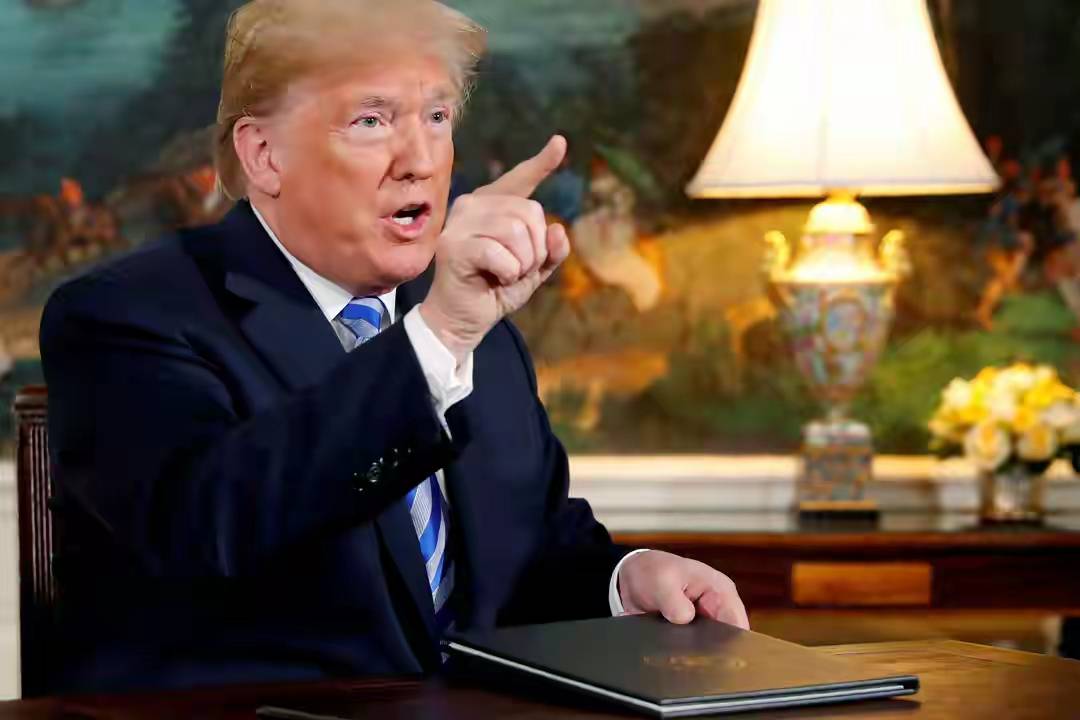
此外,双方承诺通过建立某些航空航天产品的免关税双边贸易,来强化航空航天和飞机制造的供应链。 美国废除了此前三项行政命令中对英国航空航天业征收的关税。 (本文来源:央视 新闻) 当地时间6月16日,美国白宫发表声明表示,美国总统特朗普与英国首相斯塔默共同宣布了贸易协议的 一般条款。 据悉,在一般条款中,美国计划为英国汽车进口设定每年10万辆的配额,征收关税税率为10%。英国承 诺,努力满足美国对输美钢铝产品供应链安全以及相关生产设施所有权性质的要求。在英国满足这些要 求的前提下,美国计划迅速对英国生产的钢铝制品以及某些衍生钢铝制品设定"最惠国"税率配额。 ...


美英达成贸易协议条款 含进口汽车配额和钢铝关税
news flash· 2025-06-16 22:42
Core Points - The United States and the United Kingdom have announced a trade agreement that includes specific terms regarding automotive imports and tariffs [1] - The U.S. plans to set an annual quota of 100,000 vehicles for U.K. automotive imports, with a tariff rate of 10% [1] - The U.K. has committed to meeting U.S. requirements for the supply chain security of steel and aluminum products [1] - Upon meeting these requirements, the U.S. will establish "most favored nation" tariff rate quotas for U.K.-produced steel and aluminum products [1] - Both countries aim to strengthen the aerospace supply chain through the establishment of duty-free bilateral trade on certain aerospace products [1] - The U.S. has eliminated tariffs on the U.K. aerospace industry that were previously imposed through three executive orders [1]
关税谈判遇阻,日本向美国递出“投名状”
Qi Lu Wan Bao Wang· 2025-06-12 13:22
"对等关税"暂缓措施将于7月9日到期,钢铝关税已于6月4日起从25%提高至50%。随着时间推移,日企 的损失会进一步扩大。难怪赤泽亮正6日结束第五轮谈判后叹息:"日本经济每天都在产生重大损失,哪 怕提前一秒钟也好。" 不幸的是,日本手里能打的牌并不多。于是,日本将"应对中国的措施"作为打开局面的筹码,企图以此 作为"投名状"。 此前的谈判中,日本投其所好地提出采购美国液化天然气等能源产品,购买美国玉米等农产品,提供军 舰维修、破冰船建造技术,进口1万亿日元(约合69.9亿美元)美企芯片产品,协助生产芯片制造所需 的晶圆等材料,并在稀土供应链上与美国加强合作,向美方提供加工利用技术,探索在石墨和镓领域开 展合作。日方希望以此"打动"美国,换取美方在关税问题上让步。 然而,日方的如意算盘未必能如愿。此前英美达成关税协议,将10万辆以内的汽车关税降至10%,打了 率先与美国展开谈判的日本一记耳光。6月11日,中美经贸磋商机制首次会议在英国伦敦结束,中国商 务部国际贸易谈判代表兼副部长李成钢表示,双方进行了专业、理性、深入、坦诚的沟通,原则上就落 实日内瓦会谈共识达成了框架。日媒越发担心,中美之间的谈判使日本在美国眼 ...
特朗普通告全球,必须交出“投降书”!越南突然被点名,中方态度明确
Sou Hu Cai Jing· 2025-06-06 12:47
Group 1 - The U.S. government has raised steel and aluminum tariffs to 50%, applying pressure on multiple countries to submit trade negotiation proposals by a specified deadline, which has sparked widespread controversy and concern internationally [1][3] - The current actual tariff level in the U.S. is the highest since 1938, and if the "reciprocal tariffs" are fully implemented, it will reach the highest level since the 1890s, directly impacting the stability of the global trade system [1][3] - The OECD has downgraded U.S. economic growth forecasts for 2025 from 2.2% to 1.6% and for 2026 to 1.5%, indicating significant negative repercussions on the U.S. economy due to the tariff policies [3][6] Group 2 - Vietnam has been specifically targeted by the U.S. to reduce its reliance on Chinese materials and components, which poses a significant threat to its economy as a large portion of its manufacturing relies on Chinese imports [3][4] - The structural dependency of Vietnam on Chinese intermediate products means that the costs of decoupling will far exceed the benefits gained from tariff reductions, complicating the trade relationship [4][6] - The increase in tariffs has led to rising costs in various sectors, including automotive and construction, with reports indicating an 8%-12% increase in metal packaging food prices in U.S. supermarkets [6][9] Group 3 - The U.S. tariff policy is causing a global chain reaction, with the EU and Japan considering countermeasures, and the uncertainty in international trade rules is leading to a decline in global investment and trade volumes [6][7] - Developing countries, particularly those reliant on steel and aluminum imports, are facing increased cost pressures, while African agricultural nations are losing market share due to increased U.S. agricultural exports [6][9] - The international community is showing a clear trend of division, with many countries refusing to take sides in the U.S.-China conflict, and multilateral cooperation mechanisms are gaining importance as a counter to unilateralism [7][9] Group 4 - China is positioning itself as a responsible global player, with significant increases in investment in ASEAN countries and cross-border e-commerce with Vietnam, indicating resilience in supply chains despite external pressures [9] - The U.S. tariff strategy is seen as an attempt to restructure the global economic order, but data suggests that this approach is leading to a "lose-lose" situation for all parties involved [9] - The future of the global economy hinges on whether unilateralism will undermine globalization or if cooperation can be fostered to create a more resilient governance system [9]
整理:每日全球大宗商品市场要闻速递(6月3日)
news flash· 2025-06-03 07:29
Energy - Abu Dhabi National Oil Company has revised its August Murban crude oil export forecast down from 1.77 million barrels per day to 1.705 million barrels per day [2] - The U.S. has proposed allowing Iran to conduct low-level uranium enrichment activities, while Iranian officials describe the U.S. nuclear agreement proposal as "incoherent and disconnected" [2] - The U.S. Department of Justice is investigating India's Adani Group for allegedly importing Iranian liquefied petroleum gas, which the group denies [3] Metals and Mining - Goldman Sachs has raised its aluminum price forecast for the second half of 2025 to $2,280 per ton [3] - Gold prices are nearing historical highs, with experts suggesting a significant possibility of surpassing $3,500 per ounce [3] Trade and Agriculture - Vietnamese companies are set to sign a memorandum of understanding to purchase $2 billion worth of U.S. agricultural products [3] - EU trade officials are scheduled to meet, with the EU reiterating warnings regarding retaliatory tariffs [3] - The India-EU free trade agreement is progressing, with nearly half of the topics reaching consensus, and an agreement expected within the year [3]
法院出手叫停 特朗普关税政策搁浅
Bei Jing Shang Bao· 2025-05-29 14:34
Core Viewpoint - The U.S. International Trade Court has blocked President Trump's tariff policy, ruling that the president overstepped his authority by imposing tariffs on countries with trade surpluses with the U.S. [2][4] Group 1: Court Ruling and Implications - The court's 49-page ruling prohibits the Trump administration from enforcing tariffs imposed under the International Emergency Economic Powers Act (IEEPA), stating that the Act does not grant the president the authority to issue global tariffs or retaliatory tariffs [4][5] - The ruling halts the implementation of a 10% universal tariff on most U.S. imports and certain tariffs on China, Mexico, and Canada, but does not affect the 25% tariffs on the automotive and steel industries [4][6] - This ruling is considered one of the most significant judicial setbacks for the Trump administration, effectively nullifying the legal basis for the tariff strategy during his second term [6][7] Group 2: Future Trade Negotiations - The ruling complicates ongoing trade negotiations with approximately 18 countries, as the Trump administration has relied on the "reciprocal tariffs" as leverage [6][7] - Experts believe that the court's decision may lead trade partners to halt further concessions until there is a clearer legal framework from the U.S. judicial system regarding tariff disputes [7][8] Group 3: Potential Outcomes and Strategies - If the Trump administration's appeal is unsuccessful, it could significantly undermine the strategy of using high tariffs to compel trade partners to make concessions and reduce the trade deficit [8][9] - Analysts suggest that the administration may seek alternative legal avenues to impose tariffs, potentially using different legal justifications to circumvent the court's ruling [9]
深观察丨欧盟:希望美国好好谈
Sou Hu Cai Jing· 2025-05-27 13:38
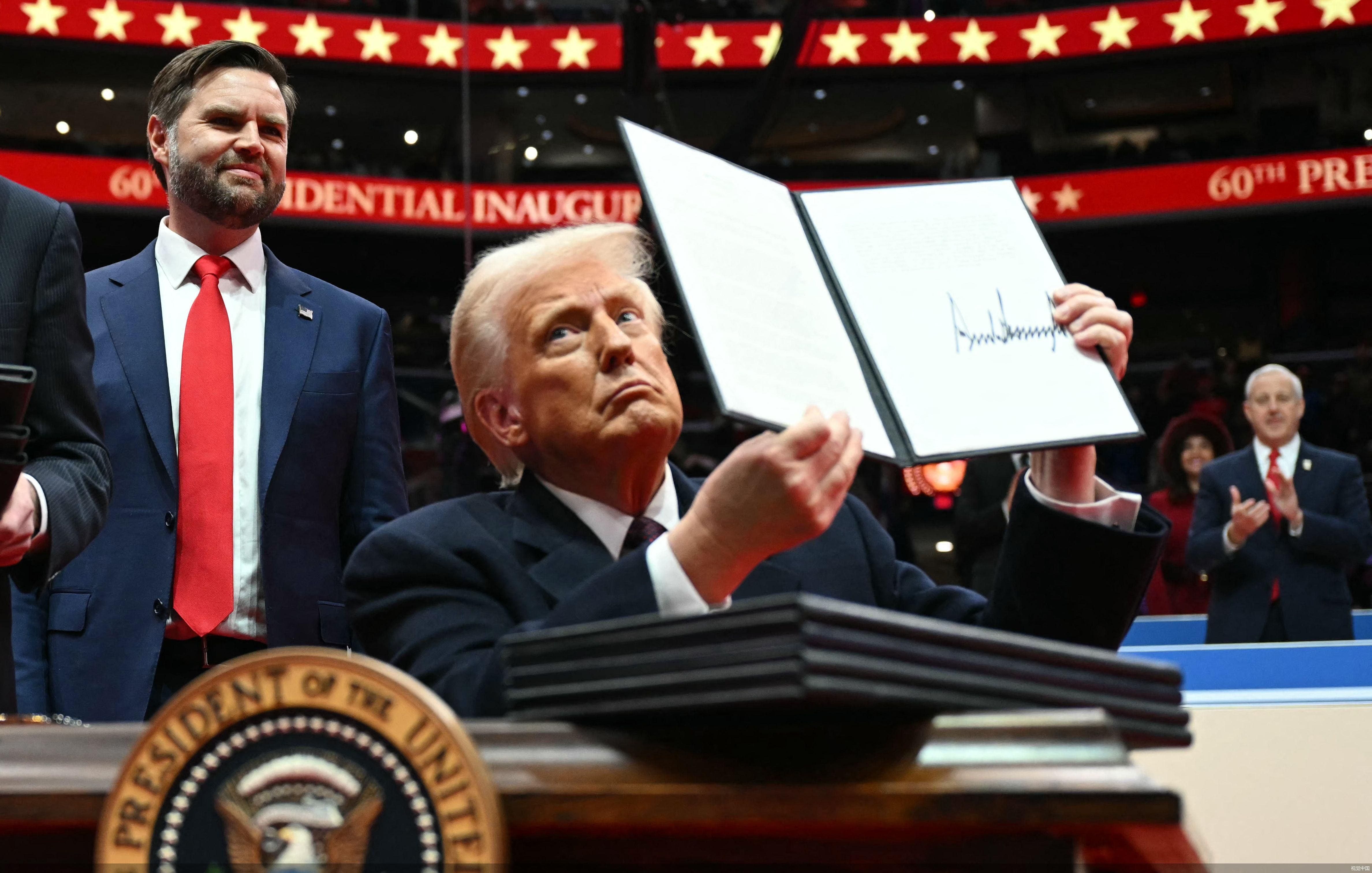
Core Points - The U.S. President has postponed the planned 50% tariffs on EU products from June 1 to July 9 to allow for negotiations [1][2] - The U.S. originally intended to impose a 20% "reciprocal tariff" on EU imports, but has retained a 10% "baseline tariff" [2][4] - The EU has expressed that the U.S. government's aggressive stance is unacceptable and emphasized the need to maintain their position without escalating the dispute [4][12] Group 1 - The U.S. government's recent threats and subsequent postponement reflect the uncertainty in its tariff policy, which is seen as a negotiation tactic [7][9] - Experts warn that imposing high tariffs could lead to an economic recession in the U.S., with potential impacts on GDP and inflation [9][11] - The current tariffs on EU products include a 10% baseline tariff and a 25% tariff on automobiles and steel, which are already significant burdens [11][12] Group 2 - The EU is committed to reaching an agreement with the U.S. before the July 9 deadline [13] - The EU has stated that it will not concede on key issues and is open to cooperation only if the U.S. is willing to negotiate fairly [17]
关税谈判延长 美欧继续博弈
Bei Jing Shang Bao· 2025-05-26 14:49
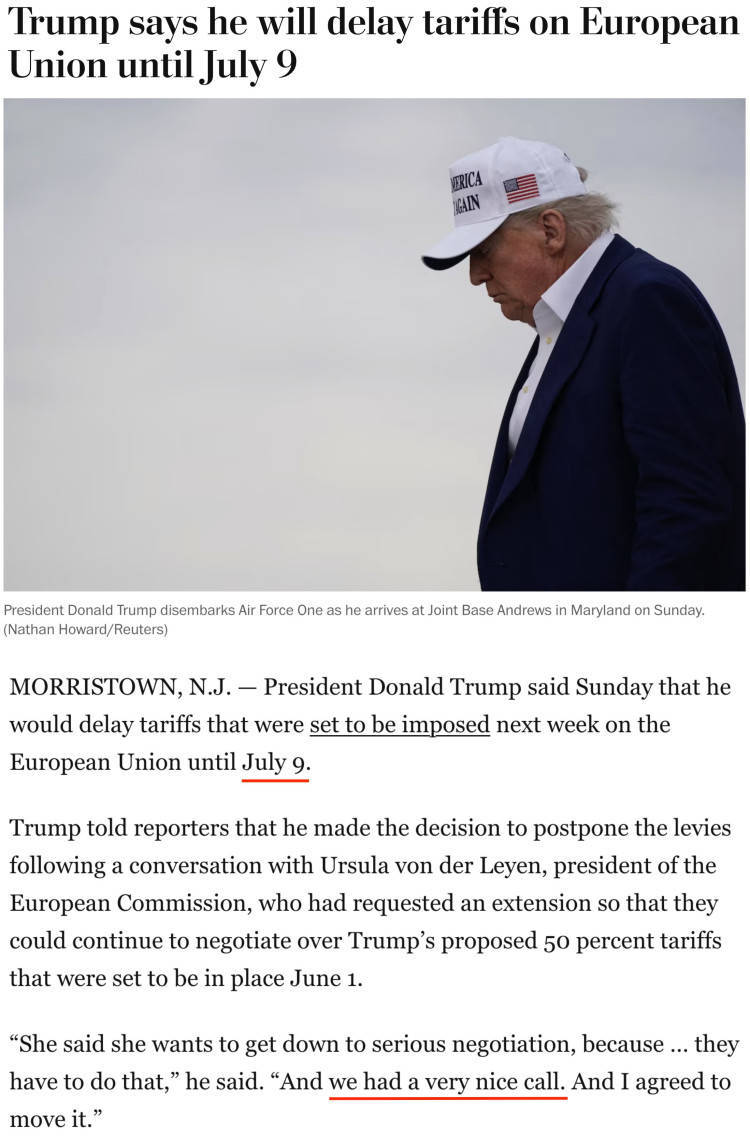
Core Viewpoint - The recent shift in President Trump's stance on tariffs against the EU indicates a desire to maintain negotiation space and avoid escalating trade tensions, despite ongoing deep-seated economic relationship restructuring between the US and EU [2][3]. Group 1: Tariff Negotiations - Trump initially threatened to impose a 50% tariff on EU imports starting June 1, citing a lack of progress in negotiations [3]. - Following a conversation with EU Commission President Ursula von der Leyen, Trump agreed to extend the deadline for imposing tariffs to July 9, suggesting a willingness to continue discussions [3][4]. - The EU's strategy involves a dual approach: proposing conditions for tariff reductions while also demonstrating a strong stance to wait for potential shifts in the US position [4]. Group 2: Economic Impact and Market Reactions - The capital markets reacted positively to the tariff delay, with US stock index futures rising and the euro appreciating against the dollar [5]. - Despite the positive market response, analysts express concerns that the ongoing tariff threats could lead to a prolonged period of uncertainty in US-EU trade relations [5][6]. Group 3: Long-term Implications - The trade dispute reflects a broader trend of distancing between the US and EU, with both sides recognizing that a trade war would be detrimental [8][9]. - Analysts suggest that the traditional "value-based alliance" between the US and EU is evolving into a more loose-knit alliance focused on mutual interests rather than shared values [9].
欧美诉求鸿沟难弥 伦敦银几乎持平于33美元
Jin Tou Wang· 2025-05-26 00:57
Group 1: Silver Market Analysis - London silver is currently trading above $33.54, with an opening price of $33.03 per ounce and a current price of $33.48, reflecting a 1.33% increase [1] - The highest price reached today was $33.54, while the lowest was $32.88, indicating a short-term bullish trend in the silver market [1] - The trading range for platinum metal over the past month has been between $31.65 and $33.70, with recent price movements showing uncertainty as it fluctuates around the 20-period exponential moving average [3] Group 2: EU-US Trade Negotiations - EU and US tariff negotiations have resumed but remain fraught with uncertainty, with the EU willing to make concessions on purchasing US natural gas, weapons, and agricultural products, while rejecting US demands to eliminate VAT and weaken digital regulations [2] - The US continues to impose a 25% tariff on EU steel and aluminum products and maintains a 10% baseline tariff on nearly all other goods, threatening additional tariffs on pharmaceuticals, semiconductors, and other key sectors [2] - The EU has initiated public consultations on a list of nearly €100 billion worth of goods in response to US tariffs and plans to file a complaint with the WTO regarding US tariffs on cars and parts [2]
加拿大想发“美难财”,使劲向中国说好话,中方直接把话挑明
Sou Hu Cai Jing· 2025-05-13 14:52
Group 1 - China has not imported US LNG for nearly two and a half months since imposing a 15% retaliatory tariff in February, with imports dropping from 65,700 tons in February to zero in March compared to 412,500 tons last year [1][3] - The Chinese government is diversifying its natural gas supply channels and is not solely reliant on the US, focusing on increasing domestic production and utilizing cheaper alternatives such as coal and renewable energy [3][5] - The trade tensions have led to Canada imposing high tariffs on Chinese electric vehicles and steel products, prompting China to retaliate with tariffs on Canadian agricultural products [5][6] Group 2 - There is a call from various sectors in Canada for a pragmatic cooperation with China, suggesting a need to reassess past policies towards China to improve bilateral relations [7] - The Chinese ambassador to Canada emphasized the strong complementary nature of economic relations between China and Canada, particularly in the energy sector [6][7]