
航空航天产品

Search documents
海格通信(002465):客户采购节奏调整,业绩承压明显
Changjiang Securities· 2026-04-01 06:33
Investment Rating - The investment rating for the company is "Buy" and is maintained [7]. Core Insights - The Beidou navigation and smart ecological sectors have become the core growth engines, with revenue share continuously increasing. The smart ecological sector, relying on the integration of "Beidou + 5G" and intelligent unmanned systems, has achieved rapid growth, effectively offsetting the revenue decline in wireless communication due to adjustments in customer procurement rhythms, thus supporting overall profitability stability [2][6]. - In 2025, the company achieved operating revenue of 4.388 billion yuan, a year-on-year decrease of 10.81%, and a net profit attributable to the parent company of -786 million yuan, a year-on-year decrease of 1579.92% [4][6]. Financial Performance - The company expects to achieve net profits attributable to the parent company of 216 million yuan, 676 million yuan, and 824 million yuan for the years 2026, 2027, and 2028, respectively, with year-on-year growth rates of 128%, 212%, and 22% [6]. - The gross profit margin for 2025 was 23.74%, a decrease of 5.05 percentage points year-on-year. The gross profit margins for various segments were as follows: wireless communication at 32.18% (down 6.51 percentage points), Beidou navigation at 46.83% (down 8.05 percentage points), aerospace at 25.30% (down 15.36 percentage points), and smart ecology at 12.27% (down 0.72 percentage points) [11].

凯撒铝业2025Q4转化加工收入环比增长4%至3.65亿美元,净利润环比减少30%至2800万美元
HUAXI Securities· 2026-03-07 12:37
Investment Rating - Industry rating: Recommended [5] Core Insights - In Q4 2025, the conversion processing revenue increased by 4% quarter-on-quarter to $365 million, while net profit decreased by 30% to $28 million [2][4] - The total shipments for Q4 2025 were 27.4 million pounds (12.43 thousand tons), a 1% increase from the previous quarter but a 6% decrease year-on-year [2] - The net sales for Q4 2025 reached $929 million, reflecting a 10% quarter-on-quarter increase and a 21% year-on-year increase, primarily due to rising average selling prices [3] Summary by Sections Operating and Performance Overview - Q4 2025 shipments were 27.4 million pounds, with a quarter-on-quarter increase of 1% and a year-on-year decrease of 6% [2] - The annual shipment volume for 2025 was 110.8 million pounds, down 5% year-on-year [2] Financial Performance - Q4 2025 net sales were $929 million, up 10% quarter-on-quarter and 21% year-on-year, driven by an increase in average selling prices [3] - The average selling price increased by 48% due to alloy metal hedging costs [3] - Q4 2025 net profit was $28 million, a 30% decrease quarter-on-quarter but a 40% increase year-on-year [4] Revenue by Business Segment 1. **Aerospace/High-Strength Applications** - Q4 2025 shipments were 46.8 million pounds, a 12% increase quarter-on-quarter but a 23% decrease year-on-year [9] - Q4 2025 net sales were $213 million, a 17% increase quarter-on-quarter but a 5% decrease year-on-year [9] 2. **Packaging Applications** - Q4 2025 shipments were 145.1 million pounds, a 1% increase quarter-on-quarter but a 5% decrease year-on-year [9] - Q4 2025 net sales were $440.6 million, a 12% increase quarter-on-quarter and a 33% increase year-on-year [9] 3. **General Engineering Applications** - Q4 2025 shipments were 58.6 million pounds, a 3% decrease quarter-on-quarter but a 6% increase year-on-year [9] - Q4 2025 net sales were $200 million, a 4% increase quarter-on-quarter and a 32% increase year-on-year [9] 4. **Automotive Extrusions** - Q4 2025 shipments were 23.5 million pounds, a 2% decrease quarter-on-quarter but a 9% increase year-on-year [9] - Q4 2025 net sales were $75.4 million, unchanged quarter-on-quarter and a 33% increase year-on-year [9] Cash Flow and Liquidity - The adjusted EBITDA for 2025 was $310 million, with total liquidity of $547 million as of December 31, 2025 [10] - The company announced a quarterly cash dividend of $0.77 per share on January 13, 2026 [10] 2026 Outlook - For 2026, the company expects conversion revenue to grow by 5% to 10% year-on-year, with adjusted EBITDA projected to increase by 5% to 15% [11]
郑栅洁:“十五五”时期将实施一批投资万亿级以上的能源重大工程
中国能源报· 2026-03-06 10:07
Core Viewpoint - The National Development and Reform Commission emphasizes the growth potential of six emerging pillar industries, projecting their output to approach 6 trillion yuan by 2025 and potentially exceed 10 trillion yuan by 2030 [1]. Group 1: Emerging Industries - The six key emerging industries identified are integrated circuits, aerospace, biomedicine, low-altitude economy, new energy storage, and intelligent robotics [1]. - The expected output for these industries is nearly 6 trillion yuan by 2025, with a possibility of doubling to over 10 trillion yuan by 2030 [1]. Group 2: Strategic Projects - During the 14th Five-Year Plan period, the government plans to implement several strategic projects, including major energy projects like the Yarlung Tsangpo River downstream hydropower and the "Shage Desert" new energy base [1]. - Additional significant infrastructure projects include the promotion of the Three Gorges waterway new channel and the completion of the "eight vertical and eight horizontal" high-speed railway main channels and national expressway network [1].

定调积极,扩内需和科技创新是重点
Huajin Securities· 2026-03-06 00:50
Policy Direction - The overall tone is positive, emphasizing the expansion of domestic demand and technological self-reliance[4] - The economic growth target for 2026 is set at 4.5%-5%, aligning with market expectations[7] - A new special fund of 100 billion yuan is established to promote domestic demand[9] Fiscal and Monetary Policy - Continued emphasis on proactive fiscal policy, with an increase in the deficit scale and public budget expenditure compared to last year[7] - Monetary policy remains accommodative, focusing on maintaining reasonable price increases and utilizing tools like reserve requirement ratio cuts and interest rate reductions[7] Market Impact - Short-term implementation of proactive fiscal and monetary policies is expected to support market confidence[14] - The "14th Five-Year Plan" is likely to drive structural recovery in profits and credit, reinforcing the slow bull market in A-shares[20] Industry Focus - Beneficial sectors include TMT, new energy, machinery, military, non-ferrous metals, chemicals, and new consumption[2] - Emphasis on developing emerging industries such as integrated circuits, aerospace, and biomedicine, as well as future industries like quantum technology and hydrogen energy[9] Risk Factors - Historical experiences may not apply to future conditions, and unexpected policy changes could impact economic recovery[3] - Economic recovery may fall short of expectations due to external disturbances or unforeseen events[28]
亚洲洞察-IEEPA 失效 = 短期缓解,中期迷雾-Asia Insights - Asia_ IEEPA invalidation = Near-term relief, medium-term fog
2026-03-01 17:23
Summary of Key Points from the Conference Call Industry Overview - The conference call primarily discusses the implications of the US Supreme Court's (SCOTUS) ruling on the International Emergency Economic Powers Act (IEEPA) tariffs and its impact on trade policies affecting Asia [1][6][24]. Core Insights and Arguments - **Tariff Changes**: The SCOTUS ruling invalidated all tariffs imposed under IEEPA, leading to a temporary 15% import surcharge on most goods imported into the US under Section 122 of the Trade Act of 1974, effective for 150 days from February 24, 2026 [2][3][4]. - **Effective Tariff Rate Reduction**: The effective tariff rate is expected to decrease significantly for China (from 33.9% to 27.7%), followed by Cambodia, Indonesia, Vietnam, and India, which will benefit from lower tariffs on labor-intensive products [10][16][24]. - **Trade Policy Uncertainty**: Despite the near-term relief from lower tariffs, medium-term trade policy uncertainty is anticipated, particularly with the upcoming US midterm elections and potential future tariff increases under Sections 232 and 301 [6][25][26]. - **Impact on Trade Negotiations**: Trade negotiations between Asia and the US are expected to continue but at a slower pace due to legal uncertainties surrounding existing trade agreements [11][14][26]. Additional Important Content - **Sector-Specific Benefits**: Labor-intensive sectors such as textiles, toys, and electrical machinery are expected to benefit the most from the tariff reductions, while sectors already under Section 232 tariffs will see no changes [17][24]. - **Exemptions from Tariffs**: Certain products, including critical minerals, pharmaceuticals, and specific agricultural products, will be exempt from the new 15% tariff [7]. - **Legal Implications for Trade Deals**: The legality of existing bilateral trade agreements is uncertain, as many were based on the now-invalidated IEEPA modifications. Countries with negotiated tariff rates above 15% may face challenges in finalizing their agreements [12][13]. - **Market Reactions**: The initial market response to the SCOTUS ruling has been mixed, with expectations of a broad outperformance of Asian currencies against the USD, although potential future tariff increases could dampen this effect [27][28][29]. Conclusion - The SCOTUS ruling presents a complex landscape for Asia's trade dynamics, offering short-term relief through lower tariffs while introducing significant uncertainty regarding future trade policies and negotiations with the US. The overall sentiment is cautiously optimistic, with a focus on navigating the evolving trade environment [24][25][26].
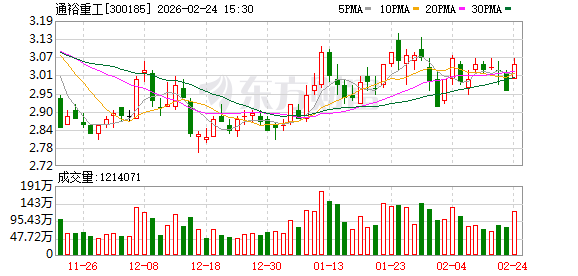
通裕重工:公司的产品涵盖能源电力、石化等领域
Zheng Quan Ri Bao· 2026-02-24 12:44
Core Viewpoint - Tongyu Heavy Industry's product range includes various sectors such as energy power (including wind, hydro, thermal, and nuclear power), petrochemicals, shipbuilding, offshore equipment, metallurgy, aerospace, mining, and cement [2] Group 1 - The company operates in multiple industries, showcasing a diverse portfolio [2] - Key sectors include renewable energy sources like wind and hydro, as well as traditional energy sources like thermal and nuclear power [2] - Other significant areas of operation encompass petrochemicals, shipbuilding, and offshore equipment [2] Group 2 - The company is also involved in metallurgy, aerospace, mining, and cement industries, indicating a broad market presence [2] - This diversification may provide resilience against market fluctuations in any single sector [2] - The company's engagement in both traditional and renewable energy sectors reflects a strategic approach to evolving market demands [2]

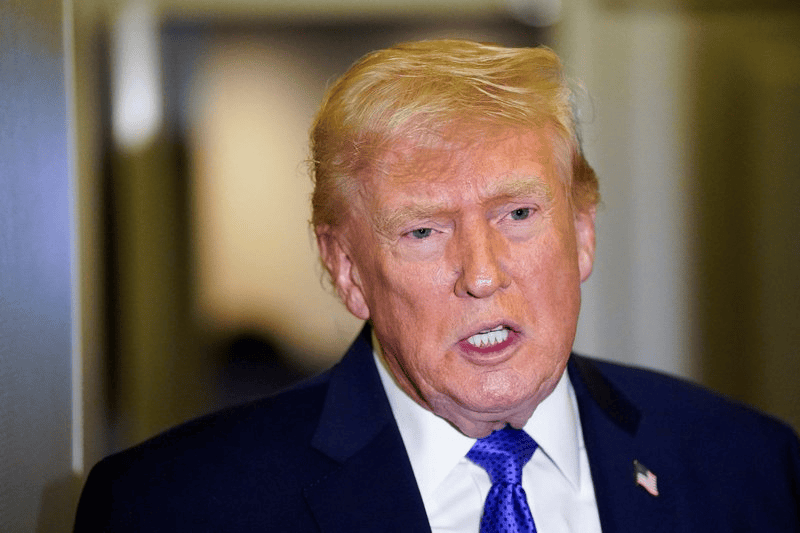
特朗普“改道”征税:15%,150天
Guo Ji Jin Rong Bao· 2026-02-23 09:40
Core Viewpoint - The U.S. Supreme Court has halted Trump's global tariffs implemented under the International Emergency Economic Powers Act (IEEPA), leading to a significant shift in U.S. trade policy and increasing global trade uncertainty [1][5]. Group 1: Legal and Political Implications - The Supreme Court's ruling is seen as a major limitation on Trump's powers and a setback for his economic agenda for a second term [1]. - Legal scholars suggest that the ruling marks a critical moment in the legal battle over Trump's tariffs, emphasizing the need to define the boundaries of presidential power [5]. - Trump's immediate response includes plans to impose a new 10% global tariff for 150 days, which he later increased to 15% [1][10]. Group 2: Market Reactions - Following the Supreme Court's decision, U.S. stock markets experienced a temporary relief rally, with the Dow Jones rising by 0.47% and the S&P 500 by 0.69% [6]. - Investors' risk appetite improved, overshadowing concerns about economic slowdown and persistent inflation [6]. Group 3: Economic Impact and Future Projections - The long-term economic impact of the ruling remains uncertain, with the U.S. Commerce Department reporting a core inflation rate of 3% as of December [7]. - Market expectations for interest rate cuts have slightly shifted, with traders now anticipating a potential cut in July rather than June [7]. - The ruling is viewed as a policy adjustment rather than a turning point in the economic cycle, with asset prices still influenced by growth, inflation, and fiscal constraints [7]. Group 4: Refund and Legal Challenges - A significant issue arising from the ruling is whether previously paid tariffs will be refunded, with over $130 billion collected in tariffs to date [8]. - Numerous companies, including Costco, have filed lawsuits seeking refunds for tariffs paid under the now-invalidated policy [8][9]. - The political discourse around potential refunds has intensified, with calls for direct payments to American families to offset the costs of illegal tariffs [9]. Group 5: International Responses - Multiple countries are assessing their responses to the new tariffs, with France and Germany indicating they are in discussions regarding the implications of Trump's global tariffs [15][16]. - Canada welcomed the Supreme Court's ruling but noted that challenges remain due to existing tariffs under the Trade Expansion Act [15]. - Mexico is taking a cautious approach, evaluating the legal scope of the ruling and its actual impact on its trade relations with the U.S. [16].
特朗普新征10%全球统一关税后,当下美国对东西方主要经济体的贸易协定和关税税率如何计算?
Sou Hu Cai Jing· 2026-02-21 16:12
Core Viewpoint - The recent U.S. Supreme Court ruling declared that the large-scale tariffs imposed by the Trump administration were illegal, affirming that the power to levy taxes belongs to Congress, not the President. This has led to the introduction of a new 10% temporary tariff on global imports, effective for 150 days, which aims to replace the illegal tariffs and maintain fiscal revenue while preserving trade negotiation leverage [1][5]. Current U.S. Tariff Calculation Logic - The new tariff structure will consist of a "base tariff + temporary additional tariff" model, moving away from the previous complex nested tariff system. The base tariffs will remain unchanged, while specific tariffs on key products like steel and aluminum will continue to apply without the additional 10% tariff [3][5]. - The temporary 10% tariff will be uniformly applied globally, with exemptions for certain products. The estimated amount of the illegal tariffs that may lead to refund lawsuits is between $130 billion and $175 billion [5][6]. Exemption Categories - Exemptions from the 10% tariff include critical minerals, energy products, certain agricultural products, pharmaceuticals, electronics, and aerospace products. Additionally, products covered under bilateral or multilateral trade agreements may also be exempt from the temporary tariff [6][8]. Trade Agreement Implications - The ruling has created uncertainty in U.S. export conditions, but existing trade agreements with various economies, such as the EU and ASEAN, will remain effective. The core terms of these agreements will not be invalidated by the new tariffs [8][10]. - The EU has expressed cautious optimism, maintaining that their trade agreement with the U.S. remains intact, while ASEAN countries are positioned to benefit significantly from the new tariff structure, as their previous higher tariffs will be reduced to 10% [9][12]. Specific Economic Impacts - The U.S. and the EU's trade agreement includes provisions for tariff reductions on industrial goods and energy products, with the EU benefiting from exemptions on certain goods. However, some key EU products like wine and spirits are not included in the tariff reduction list [9][15]. - ASEAN countries, particularly Indonesia, have recently established trade agreements that will continue to be effective, allowing for significant tariff reductions on U.S. imports, thus positioning them as major beneficiaries of the new tariff regime [12][19]. - The U.S. has a limited trade agreement with the UK, which will continue to provide tariff reductions on specific goods, ensuring that the core terms remain unchanged despite the new tariffs [15][16]. Future Considerations - The temporary nature of the 10% tariff, set for 150 days, may lead to further negotiations and adjustments in trade agreements. The potential for future tariff changes remains, as the Trump administration may seek to leverage other legal avenues to adjust tariffs and trade terms [18][19].
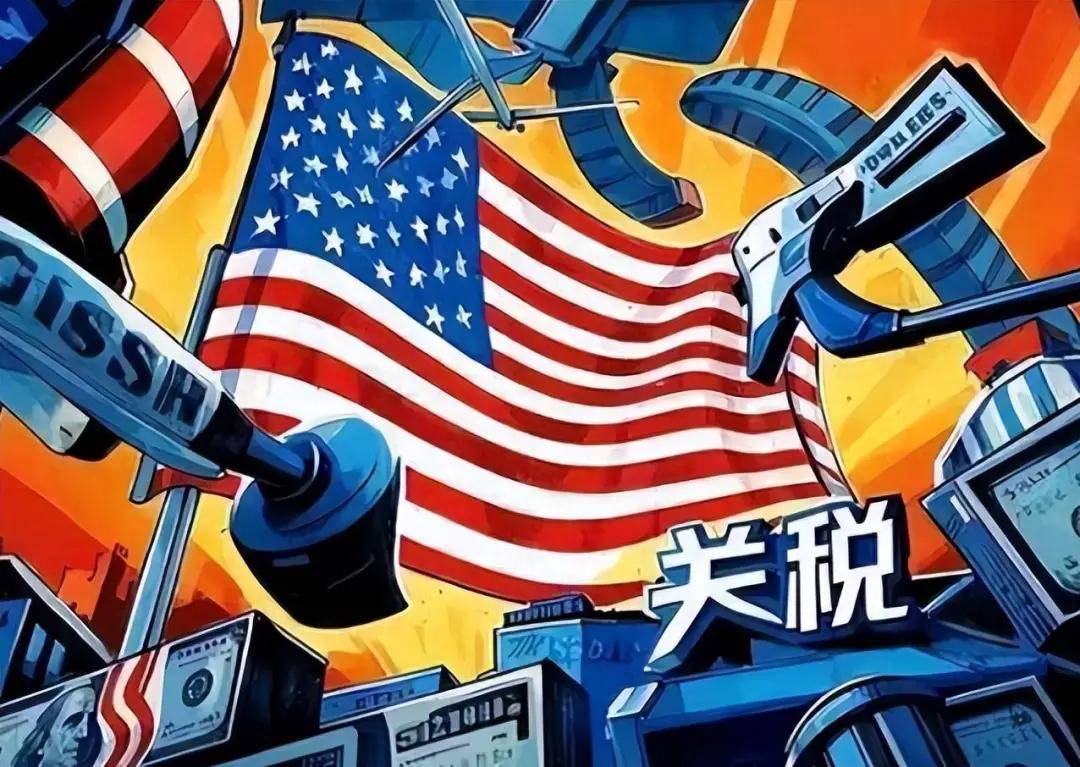
突发刷屏!白宫急宣:10%全球关税24日生效,为期150天,这些商品直接免交
Sou Hu Cai Jing· 2026-02-21 16:02
Group 1 - The U.S. government announced a temporary 10% tariff on all imported goods for 150 days, effective from February 24, following a Supreme Court ruling that deemed previous tariffs illegal [2][3] - The new tariff policy is based on the Trade Act of 1974, citing the need to address international payment issues, and is seen as a continuation of previous tariff strategies under a different legal framework [3][4] - The Supreme Court's ruling has left unresolved issues regarding the refund of approximately $170 billion in tariffs already paid by U.S. companies, leading to potential long-term legal battles [2][3] Group 2 - A long exemption list has been published, indicating that goods essential to the U.S. economy, such as certain energy resources, agricultural products, and pharmaceuticals, will not be subject to the new tariff [4][5][6] - Specific categories exempt from the tariff include energy and critical resources, essential daily consumer goods, transportation vehicles, and certain special items [5][6][7] Group 3 - The new tariff is expected to significantly impact U.S. businesses and consumers, with over 1,500 companies already filing lawsuits for tariff refunds, creating uncertainty in cash flow and operational costs [7][8] - Reports indicate that U.S. medium-sized enterprises have seen their monthly tariff expenses triple since early 2025, with tariffs now accounting for 15% of their international expenditures [8][9] - The Federal Reserve has expressed concerns about the economic implications of the new tariffs, particularly regarding inflation and the potential for trade retaliation from other countries [9][10] Group 4 - The global trade landscape is likely to be affected, with countries like Canada and Japan already responding with their own tariffs or restrictions on U.S. imports, indicating a shift in international trade dynamics [10][11] - Chinese exporters may face challenges as the 10% tariff applies globally, impacting various goods unless they fall under the exemption list, which could lead to reduced orders and profit margins [10][11] Group 5 - The temporary nature of the tariff raises questions about its long-term effectiveness in addressing trade deficits and economic issues, with many analysts viewing it as a political maneuver rather than a sustainable solution [11][12] - Future uncertainties include the potential extension of the tariff after 150 days, the resolution of refund issues, and the response of other nations to U.S. trade policies [11][12]
2月5日沪深两市涨停分析
Xin Lang Cai Jing· 2026-02-05 07:33
Group 1 - Company X is primarily engaged in the production and sales of wine, and has indirect stakes in robot technology through a private equity fund [2] - Company Y specializes in mosquito repellent products, including a range of mosquito repellent liquids [2] - Company Z, located in Quanzhou, Fujian, is a leading player in the compound seasoning market, offering products such as compound seasoning powder and natural extract seasonings [2] - Company A is a leading e-commerce platform for liquor in Fujian, managing brands like Luzhou Laojiao and Wuliangye for full-channel sales [2] - Company B is a key player in the tourism industry in Yichang, leveraging the world-class tourism resources of the Three Gorges to create a leisure cruise product system [2] Group 2 - Company C is a major retail market leader in Hohhot, with stores in Shenzhen and Chengdu focusing on duty-free shopping [2] - Company D is one of the earliest manufacturers of cigarette rolling paper in China, currently developing key materials for solid-state batteries [2] - Company E is involved in the production of rice wine and has a stake in a company that produces rice-flavored liquor [2] - Company F is the largest local chain supermarket in Zhejiang, with Alibaba as its second-largest shareholder, selling prepared dishes through both physical and online channels [2] - Company G is the only listed company registered in Pingtan Island, owning 900,000 acres of forest land and benefiting from forestry carbon trading [2] Group 3 - Company H is the only city commercial bank in mainland China with Taiwanese background [3] - Company I is a full-service securities firm [3] - Company J is a leading manufacturer of concrete water pipes and is acquiring a company to expand into aromatic product development [3] - Company K has made recent acquisitions in the environmental protection and biopesticide sectors [3] - Company L is acquiring a majority stake in a precision component manufacturer to enhance its robotics supply chain [3] Group 4 - Company M is involved in the solar energy sector, providing high-efficiency batteries and integrated energy storage solutions [6] - Company N is a major producer of soda ash and has a production capacity of 3 million tons, making it one of the leading soda ash manufacturers in China [6] - Company O is a leading manufacturer of automotive rubber components, producing O-rings, gaskets, and seals [7] - Company P specializes in silicon-based power semiconductors and has established stable production lines for 6-inch wafers [7]
