
煤炭

Search documents
A股TTM、全动态估值全景扫描:A股估值扩张,钢铁行业领涨
Western Securities· 2026-02-28 10:21
Core Conclusions - The overall valuation of A-shares has expanded this week, with the steel industry leading the gains. The weak accumulation of winter storage for steel this year has resulted in lower inventory pressure, and the seasonal increase in steel demand post-holiday, combined with strong price recovery expectations due to PPI rebound, supports a rebound in the steel sector. The current full dynamic valuation of the steel industry is at the historical 45.3 percentile, indicating further room for valuation improvement [1][8]. Valuation Overview - The overall PE (TTM) of A-shares increased from 23.10 times last week to 23.59 times this week, while the PB (LF) rose from 1.86 times to 1.90 times [10]. - The main board's PE (TTM) rose from 18.37 times to 18.79 times, and PB (LF) increased from 1.54 times to 1.57 times [18]. - The ChiNext board's PE (TTM) increased from 77.83 times to 80.11 times, and PB (LF) rose from 4.59 times to 4.69 times [20]. - The Sci-Tech Innovation board's PE (TTM) decreased from 227.96 times to 208.25 times, while PB (LF) increased from 5.75 times to 5.82 times [23]. Industry Valuation Levels - From a static PE (TTM) perspective, major industries such as consumer discretionary, midstream manufacturing, cyclical, and consumer staples have absolute and relative valuations above the historical median. Notably, consumer discretionary and midstream manufacturing are above the historical 90th percentile, while essential consumer goods, services, and financial services have relative valuations below the historical 10th percentile [28]. - In terms of PB (LF), industries like resources, cyclical, midstream manufacturing, TMT, and midstream materials have absolute and relative valuations above the historical median, with resources and cyclical industries exceeding the historical 90th percentile. Conversely, consumer staples, services, financial services, and essential consumer goods have both absolute and relative valuations below the historical median, with relative valuations below the historical 10th percentile [31]. - Analyzing full dynamic PE, industries such as consumer discretionary, midstream manufacturing, cyclical, and midstream materials have absolute and relative valuations above the historical median, while financial services and essential consumer goods are below the historical median, with consumer staples having relative valuations below the historical 10th percentile [33]. Performance and Yield Comparison - Current industries like construction materials, power equipment, media, non-bank financials, and steel exhibit both low valuations and high performance growth, indicating potential investment opportunities [3][52]. - The A-share non-financial equity risk premium (ERP) decreased from 0.70% to 0.63%, and the equity-bond yield spread fell from -0.20% to -0.25% this week [53].
A股市场运行周报第81期:主线未彰显、震荡或继续,维持弹性、继续等待
ZHESHANG SECURITIES· 2026-02-28 07:20
Market Overview - The A-share market continued to show strong fluctuations, with major indices displaying significant divergence, where the Shanghai Composite Index rose by 1.98% for the week[10] - The ChiNext Index and the STAR 50 Index increased by 1.05% and 1.20% respectively, while the Hang Seng Technology Index fell by 1.41%[10][52] Sector Performance - The non-ferrous metals sector rebounded significantly by 9.77%, driven by rare earth and minor metals, while the media and consumer finance sectors weakened, with declines of 5.10% and 1.18% respectively[13][50] - Resource sectors such as steel, chemicals, and oil & petrochemicals saw increases of 12.27%, 7.15%, and 5.61% respectively[50] Market Sentiment and Trading Dynamics - The average daily trading volume in the Shanghai and Shenzhen markets increased to 2.42 trillion yuan, up from 2.09 trillion yuan the previous week[21] - Margin trading data showed a slight increase, with the total margin balance reaching 2.66 trillion yuan, up from 2.58 trillion yuan[29] Investment Strategy - The recommendation is to maintain flexibility in medium-term positions while being cautious and waiting for trend opportunities, and to selectively trade lower-tier stocks for short-term gains[53] - Focus on sectors such as securities, construction materials, and banking, while increasing attention to event-driven opportunities in the oil and petrochemical industries[53] Risk Factors - Risks include potential underperformance of domestic economic recovery and uncertainties in global geopolitical situations[54]
内外煤倒挂,煤价仍有上行动能:煤炭
Huafu Securities· 2026-02-28 07:06
行 业 研 究 4022 煤炭 2026 年 02 月 28 日 内外煤倒挂,煤价仍有上行动能 投资要点: 动力煤 行 业 定 期 报 告 截至 2 月 27 日,秦港 5500K 动力末煤平仓价 745 元/吨,周环比 +18 元/吨,内蒙古、山西、陕西产地价持平。截至 2 月 27 日,动力 煤 462 家样本矿山日均产量 491.4 万吨,环比+51.5 万吨,年同比 +11.7%。本周电厂日耗大涨,电厂库存微跌,动力煤库存指数微跌, 秦港库存小涨,截至 2 月 9 日,动力煤库存指数为 173.6(-0.6)。非 电方面,甲醇、尿素开工率分别为 92.8%(持平)和 93.2%(持 平),仍处于历史同期偏高水平。 焦煤 截至 2 月 27 日,京唐港主焦煤库提价 1660 元/吨,周环比持平, 山西产地价大跌,河南产地价持平、安徽产地价格持平。截至 2 月 27 日,523 家样本矿山精煤日均产量 64.9 万吨(+19 万吨),年同比- 11.4%,523 家样本矿山精煤库存 264.7 万吨(-2.5 万吨),年同比- 30.6%;截至 2 月 27 日,中国日均铁水产量 257.7 万吨(+6 ...
春节中观景气跟踪:春节旅游景气提升,科技和资源涨价
GUOTAI HAITONG SECURITIES· 2026-02-28 05:44
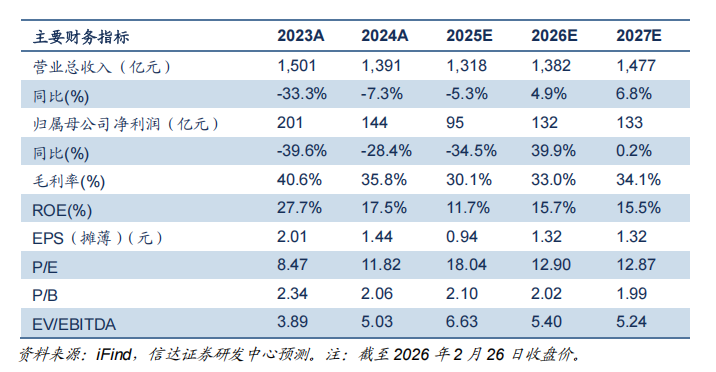
Group 1: Spring Festival Tourism - The Spring Festival travel demand significantly increased due to a 9-day extended holiday, with average daily cross-regional passenger flow up by 6.0% year-on-year during the first 24 days of the Spring Festival travel period [7][10] - Domestic average daily tourism volume and revenue during the Spring Festival increased by 5.7% and 5.5% year-on-year, respectively, recovering to 111.7% and 121.6% of the levels seen in 2019 [10][12] - Despite the increase in volume, the average daily spending per tourist was 149.8 yuan, down 11.3% year-on-year, indicating a need for improvement in consumer spending willingness [10][12] Group 2: Downstream Consumption - New home sales in 30 major cities increased by 47.7% compared to the same period last year, with first-tier cities seeing an 84.0% increase [18][21] - The average price of live pigs decreased by 0.9% week-on-week, attributed to a still ample supply [22][23] - The release of new real estate policies in Shanghai is expected to effectively stimulate pent-up housing demand [18] Group 3: Technology and Manufacturing - The prices of DRAM memory chips remained high, with average prices for DDR3, DDR4, and DDR5 increasing by 0.3%, 0.0%, and 0.1% respectively compared to pre-holiday levels [24][25] - The revenue of the semiconductor industry in Taiwan continued to grow rapidly, with storage sector companies seeing a year-on-year revenue increase of approximately 200% [24][25] - Lithium carbonate prices rose by 5.8% and lithium hydroxide prices by 5.1% due to increased expectations for downstream energy storage demand [26] Group 4: Upstream Resources - Coal prices increased slightly by 0.7% week-on-week, with port inventories continuing to decline [29][31] - Industrial metal prices showed a strong fluctuation, with copper and aluminum prices on the Shanghai Futures Exchange rising by 1.1% and 1.5% respectively [32][33] - International industrial metal prices also experienced upward trends due to expectations of interest rate cuts and geopolitical tensions [32][33]
未知机构:东财策略每日复盘20260227一市场概况2月27日A股结-20260228
未知机构· 2026-02-28 02:30
Summary of Key Points from Conference Call Records Company/Industry Overview - The records pertain to the A-share market in China, specifically focusing on the performance of various sectors and macroeconomic indicators as of February 27, 2026 [1][2]. Core Insights and Arguments - **Market Performance**: - The Shanghai Composite Index increased by 0.39% to close at 4162 points, while the Shenzhen Component Index decreased by 0.06% and the ChiNext Index fell by 1.04% [1]. - Total trading volume reached 2.49 trillion yuan, an increase of over 500 billion yuan compared to the previous day [1]. - A total of 3271 stocks rose, while 2068 stocks declined throughout the day [1]. - **Sector Performance**: - The top five performing sectors included: - Steel: +3.37% - Coal: +3.20% - Non-ferrous Metals: +3.10% - Utilities: +2.27% - Agriculture, Forestry, Animal Husbandry, and Fishery: +2.06% [1]. - The bottom five performing sectors were: - Building Materials: -1.45% - Telecommunications: -1.38% - Electronics: -0.71% - Automotive: -0.41% - Home Appliances: -0.39% [1]. - **Thematic Insights**: - The CPO concept faced declines due to external market pressures, while the commercial aerospace sector continued to rise, and rare earth permanent magnets showed strength [2]. - AI applications experienced a rebound [2]. Additional Important Information - **Monetary Policy**: - The People's Bank of China announced a reduction in the foreign exchange risk reserve ratio for forward foreign exchange sales from 20% to 0%, effective March 2, 2026, to support enterprises in managing exchange rate risks [2]. - **Space Exploration Initiatives**: - The China Manned Space Engineering Office plans to implement two manned flight missions and one cargo spacecraft supply mission in 2026, with astronauts from Hong Kong and Macau expected to participate [2]. - **Supply Chain Challenges**: - U.S. aerospace and semiconductor suppliers are facing significant rare earth shortages, leading at least two suppliers to refuse certain customer orders [2]. - **Market Outlook**: - High trading volumes indicate ample market liquidity, suggesting a continuation of structural rotation and a volatile upward trend [2]. - Short-term focus on domestic computing power hardware is advised, with potential price increases in rare earths and strategic metals driven by supply constraints and value reassessment [2]. - The upcoming Two Sessions and the emphasis on the 14th Five-Year Plan are expected to enhance interest in new productive forces [2]. - Attention is warranted on U.S. and European trade policies towards China, which may impact market risk appetite [2].
初步核算,全年能源消费总量61.7亿吨标准煤
Guo Jia Tong Ji Ju· 2026-02-28 02:02
Group 1 - The total supply of state-owned construction land in 2025 is projected to be 471,000 hectares, a decrease of 22.2% compared to the previous year [1] - Among the land supply, industrial and storage land is 138,000 hectares, down 10.8%; real estate land is 62,000 hectares, down 14.4%; and infrastructure land is 272,000 hectares, down 28.4% [1] - The area completed for afforestation in the year is 3.56 million hectares, with artificial afforestation accounting for 830,000 hectares, or 23.2% of the total afforestation area [1] Group 2 - The total energy consumption for the year is 6.17 billion tons of standard coal, an increase of 3.5% from the previous year [1] - Coal consumption increased by 0.1%, oil consumption increased by 3.6%, natural gas consumption increased by 2.0%, and electricity consumption increased by 5.0% [1] - The proportion of coal consumption in total energy consumption is 51.4%, a decrease of 1.8 percentage points from the previous year; the share of clean energy consumption is 30.4%, an increase of 1.8 percentage points [1] Group 3 - The energy consumption per unit of GDP, excluding raw material energy and non-fossil energy consumption, decreased by 5.1% compared to the previous year [2] - The carbon emissions trading market saw a transaction volume of 235 million tons of carbon emission allowances, with a transaction value of 14.63 billion yuan [2]
从“人控”到“数控”
Xin Hua She· 2026-02-28 01:42
Core Viewpoint - The article highlights the transformation of coal mining in Guizhou Province, China, from traditional methods to intelligent mining through the integration of advanced technologies such as 5G and artificial intelligence, enhancing efficiency and safety in coal production [1][7]. Group 1: Intelligent Mining Transformation - Guizhou's Linhua Coal Mine exemplifies the province's push towards intelligent mining, utilizing advanced technologies to shift from traditional to smart coal extraction [1]. - The Linhua Coal Mine has implemented a centralized control system that allows real-time monitoring and operation of mining equipment, showcasing a modernized work environment [2]. - Similar advancements are seen at Qianxi Energy Development's Qinglong Coal Mine, where intelligent systems have improved production efficiency and reduced reliance on manual labor [3]. Group 2: Efficiency and Safety Improvements - The introduction of intelligent mining machines has significantly increased coal production efficiency, with output rising from 1,000 tons to nearly 3,000 tons per shift [5]. - The use of smart equipment has reduced the physical strain on workers, as automated systems now handle tasks that previously required manual labor [5]. - Enhanced safety measures have been implemented through automated monitoring systems, reducing the need for human intervention and improving overall safety levels in coal mining operations [6]. Group 3: Strategic Development and Future Goals - Guizhou's approach to intelligent mining is based on addressing local geological challenges and prioritizing the most hazardous mines for technological upgrades [7]. - The province has established a two-phase plan for intelligent mining development, aiming for full mechanization and automation of production systems by 2020 and further advancements post-2021 [7]. - By 2030, Guizhou aims to establish 100 intelligent coal mines, continuing to expand the scope and quality of intelligent mining practices [8].
【信达能源】兖煤澳洲:量增本降显韧性,价涨利增看弹性
Xin Lang Cai Jing· 2026-02-28 01:20
Core Viewpoint - Yancoal Australia, a core overseas subsidiary of Yanzhou Coal Mining Company, reported a significant decline in revenue and net profit for 2025, attributed to falling international coal prices [10][11]. Financial Performance - In 2025, the company achieved a revenue of AUD 5.949 billion, a decrease of 14% year-on-year [10]. - The net profit attributable to shareholders was AUD 440 million, down 64% compared to the previous year [10]. - The average selling price of coal was AUD 146 per ton, a decline of 17% year-on-year, with thermal coal and metallurgical coal prices dropping by 15% and 26% respectively [11]. Production and Sales - The company reached a record high in coal production with an output of 38.6 million tons, an increase of 5% year-on-year [11]. - Total coal sales were 38.1 million tons, slightly below production due to port disruptions, with thermal coal sales at 32 million tons (down 1%) and metallurgical coal sales at 6.1 million tons (up 17%) [11]. Cost Management - Cash operating costs were AUD 92 per ton, a decrease of AUD 1 per ton year-on-year, remaining within the mid-range of the company's guidance [12]. - The reduction in costs was primarily due to increased production and improved productivity, although inflationary pressures and port congestion fees partially offset these gains [12]. Cash Position and Dividends - As of the end of 2025, the company had a strong cash position of AUD 2.1 billion and maintained a high dividend payout ratio of approximately 55% [12]. - The total dividend for 2025 was AUD 0.184 per share, amounting to AUD 243 million [12]. Outlook for 2026 - For 2026, the company expects a slight increase in production and cost guidance, with a projected net profit of AUD 540 million, contributing approximately RMB 1.638 billion to Yanzhou Coal Mining Company [12]. - The production guidance for 2026 is set between 36.5 million and 40.5 million tons, with cash operating costs expected to range from AUD 90 to AUD 98 per ton [12]. - The company anticipates a recovery in coal prices due to supply-side constraints, which may lead to improved profitability in 2026 [12]. Profit Forecast and Rating - The company is viewed positively due to its high-quality overseas coal assets and growth potential, with net profit forecasts for 2025-2027 at RMB 9.5 billion, RMB 13.2 billion, and RMB 13.3 billion respectively [13].



贵州力争到2030年建成智能煤矿100处
Xin Hua Cai Jing· 2026-02-28 00:52
Core Viewpoint - The article highlights the transformation of coal mining in Guizhou Province, China, through the adoption of smart technologies such as 5G and artificial intelligence, leading to a shift from traditional to intelligent mining practices, enhancing efficiency and safety in the industry [1][6]. Group 1: Intelligent Mining Transformation - Guizhou's Linhua Coal Mine exemplifies the province's push towards intelligent mining, utilizing advanced technologies to improve coal extraction processes [1][2]. - The transition from "human control" to "data control" is evident in the operations at Linhua Coal Mine, where real-time monitoring and control of equipment are facilitated through digital platforms [2][3]. - The implementation of smart mining technologies has led to significant improvements in production efficiency, with intelligent coal mining machines now capable of extracting nearly 3,000 tons of coal per shift, compared to 1,000 tons initially [5]. Group 2: Safety and Efficiency Enhancements - The introduction of smart technologies has reduced the physical strain on workers, with automated systems handling tasks that previously required manual labor, thus improving overall safety [5]. - The use of intelligent mining lamps for personnel tracking and communication has streamlined operations, making dispatch and command more efficient [4]. - The safety levels in coal mining have improved significantly, as many tasks that relied on human intervention are now monitored and managed by sensors and automated systems [5]. Group 3: Strategic Development and Future Goals - Guizhou's approach to intelligent mining is tailored to local conditions, focusing on addressing specific challenges such as geological complexity and high mining costs [6]. - The province's intelligent mining initiative is structured in two phases, with the first phase aimed at achieving 100% mechanization and automation of production support systems by 2020, and the second phase focusing on the establishment of smart mines from 2021 onwards [6]. - By 2030, Guizhou aims to establish 100 intelligent coal mines, continuing to expand the scope and quality of intelligent mining practices [7].
山煤国际(600546)2月27日主力资金净买入1244.50万元
Sou Hu Cai Jing· 2026-02-28 00:32
Core Viewpoint - Shanmei International (600546) has experienced a significant decline in its financial performance, with a notable drop in both revenue and net profit for the first three quarters of 2025 compared to the previous year [3] Financial Performance - For the first three quarters of 2025, the company's main revenue was 15.332 billion yuan, a decrease of 30.2% year-on-year [3] - The net profit attributable to shareholders was 1.046 billion yuan, down 49.74% year-on-year [3] - The net profit after deducting non-recurring gains and losses was 1.088 billion yuan, a decline of 50.23% year-on-year [3] - In Q3 2025, the single-quarter main revenue was 5.673 billion yuan, a decrease of 28.27% year-on-year [3] - The single-quarter net profit attributable to shareholders was 391 million yuan, down 50.53% year-on-year [3] - The single-quarter net profit after deducting non-recurring gains and losses was 406 million yuan, a decline of 49.65% year-on-year [3] - The company's debt ratio stood at 49.71% [3] - Investment income was 42.1974 million yuan, while financial expenses amounted to 1.56 billion yuan [3] - The gross profit margin was 34.71% [3] Market Activity - As of February 27, 2026, Shanmei International's stock closed at 11.79 yuan, an increase of 2.79% [1] - The trading volume was 274,600 hands, with a total transaction amount of 321 million yuan [1] - The net inflow of main funds was 12.445 million yuan, accounting for 3.88% of the total transaction amount [1] - Retail investors experienced a net outflow of 15.8426 million yuan, representing 4.94% of the total transaction amount [1] Financing and Margin Trading - On February 27, 2026, the financing buy amounted to 16.9773 million yuan, while financing repayment was 20.1962 million yuan, resulting in a net repayment of 3.2189 million yuan [2] - The stock had a margin trading balance of 488 million yuan [2] - The stock's short selling included 13,200 shares sold and 900 shares repaid, with a remaining short selling balance of 226,000 shares and a short selling balance of 2.6645 million yuan [2] Analyst Ratings - In the last 90 days, six institutions provided ratings for Shanmei International, with two buy ratings and four hold ratings [3] - The average target price set by institutions in the past 90 days was 11.3 yuan [3]

