化妆品

Search documents
安国市承香手作商贸中心(个体工商户)成立 注册资本10万人民币
Sou Hu Cai Jing· 2025-12-09 22:54
Core Viewpoint - An individual business entity named Anguo City Chengxiang Handmade Trading Center has been established, focusing on a wide range of retail and wholesale activities in cosmetics, personal hygiene products, and various other goods [1] Group 1: Company Overview - The legal representative of the newly established business is Chen Ze [1] - The registered capital of the business is 100,000 RMB [1] Group 2: Business Scope - The business operates in general projects including wholesale and retail of cosmetics, personal hygiene products, and daily chemical products [1] - It also engages in internet sales (excluding items requiring special licenses), sales of arts and crafts, health food (pre-packaged), and daily necessities [1] - Additional activities include personal internet live streaming services, network technology services, and cultural exchange activities [1] - The business is involved in the sale of traditional spice products, Chinese herbal medicine procurement, and jewelry wholesale and retail [1]
最高3000万!美妆激励潮来了
Xin Lang Cai Jing· 2025-12-09 13:42
Core Insights - The Chinese beauty industry is entering a new phase of policy explosion, with over 102 new regulations released since 2025, covering key aspects such as raw material innovation, registration, quality supervision, and personalized services, indicating a strategic shift from a "cosmetic manufacturing country" to a "cosmetic powerhouse" [1][71][96] Industry Overview - The total transaction value of the Chinese cosmetics market is projected to reach 1,073.822 billion yuan in 2024, making it the largest consumer market globally [4][71] - As of October 2025, there are over 20,000 registered cosmetic companies and 2,291,000 registered ordinary cosmetics in China [4][71] Regional Policies - Major production areas like Guangdong, Shanghai, Hainan, and Zhejiang have introduced targeted policies that leverage local industrial advantages, focusing on compliance and industry empowerment [4][72] - Guangdong has implemented a "strict regulation + strong support" policy, enhancing production compliance and providing substantial financial incentives for innovation [26][91] - Shanghai emphasizes its role as a "R&D hub + international window," with policies aimed at brand cultivation and innovation support [93] Specific Initiatives - Guangdong's policies include a one-time funding of up to 1 million yuan for approved national key laboratories and 100,000 yuan for new raw material registrations [92] - Shanghai's measures offer up to 200,000 yuan for new raw materials and 3 million yuan for projects promoting "Shanghai-made brands" [93][81] - Hainan is focusing on developing local resources like pearls and coconuts, with a special support policy for the cosmetics industry, offering up to 30 million yuan in direct funding [94][87] Regulatory Reforms - The National Medical Products Administration (NMPA) has released 20 core new policies since 2025, focusing on deepening regulatory reforms and activating innovation [96][97] - Key reforms include the introduction of a risk monitoring and evaluation management method, which shifts regulatory focus from post-event handling to proactive prevention [34][98] - The NMPA aims to achieve an internationally advanced level of cosmetic quality and safety regulation by 2035, with 24 reform measures targeting raw material innovation and registration efficiency [96][98] Technical Standards - The China National Institute of Standardization has published at least 65 technical standards and guidelines for cosmetics this year, providing essential technical support for regulatory compliance [53][54] - These standards aim to fill critical gaps in the regulatory framework, ensuring quality control and safety in the cosmetics market [53][54]

欧莱雅的“进击”
Bei Jing Shang Bao· 2025-12-09 13:12
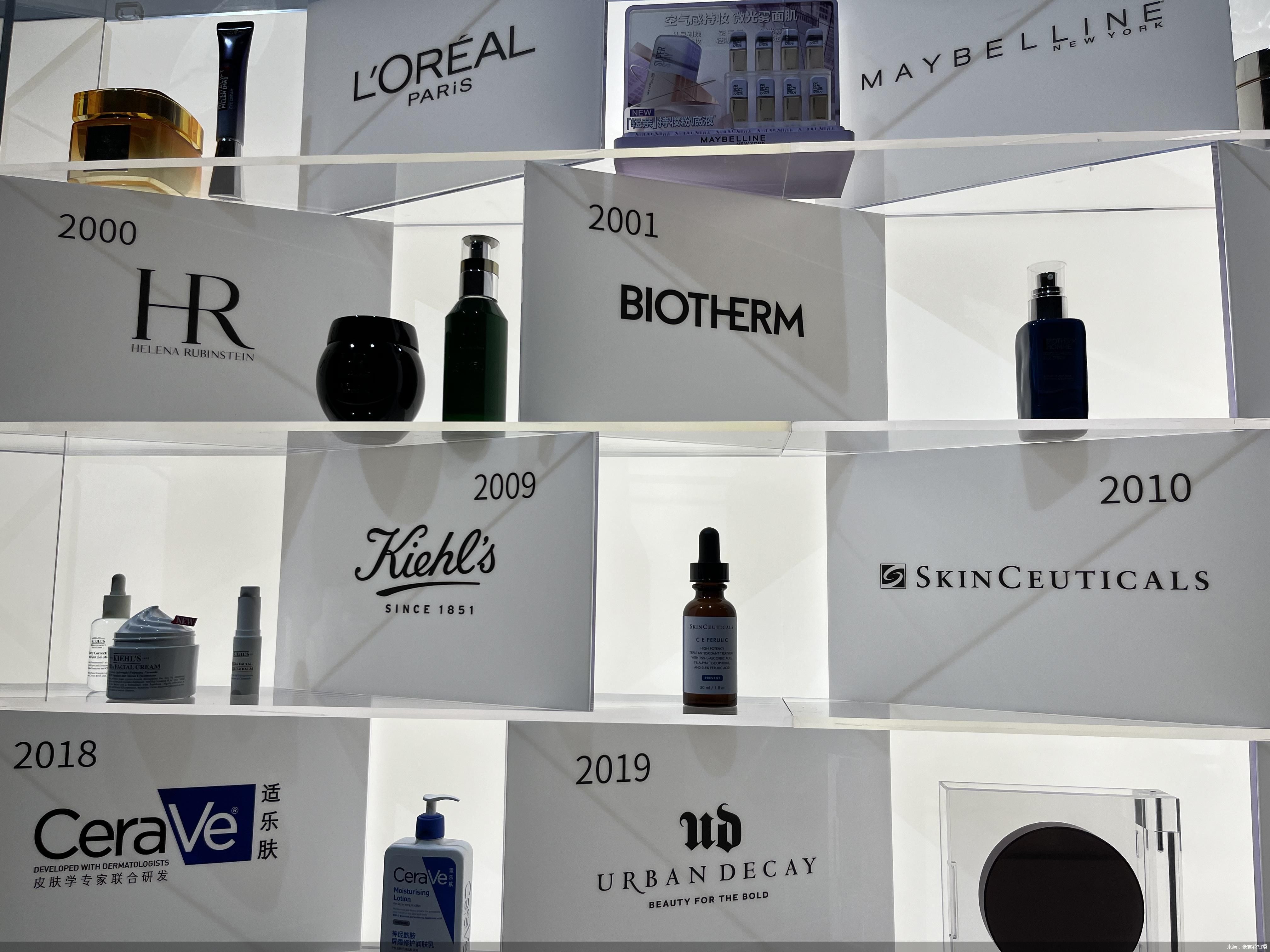
Core Viewpoint - L'Oréal is actively expanding its market presence through acquisitions and investments, particularly focusing on the medical aesthetics sector, in response to slowing growth in its core beauty business [2][9]. Group 1: Acquisitions and Investments - L'Oréal has acquired an additional 10% stake in Galderma, increasing its ownership to 20%, following an initial investment in 2024 [3]. - The company recently invested €4 billion to acquire beauty licenses for several luxury brands from Kering Group, including Creed and others, with a total agreement value of €40 billion [6]. - L'Oréal has also invested in domestic skincare brands, including a stake in Naturals and a minority investment in LAN [6]. Group 2: Medical Aesthetics Focus - The acquisition of Galderma is seen as a strategic move to enhance L'Oréal's presence in the medical aesthetics market, which includes skincare and aesthetic treatments [4]. - Galderma's product offerings, such as Restylane and Sculptra, have gained regulatory approval in China, indicating a strong market potential [3]. - L'Oréal's CEO emphasized the importance of the aesthetics business as a key extension of their core beauty operations, aiming to deepen collaboration with Galderma [3]. Group 3: Financial Performance - L'Oréal's sales for the first three quarters of the year reached €32.8 billion, reflecting a growth rate of approximately 1.2%, a decline from the previous year's 6% [9]. - The company's sales in the North Asia market, including China, saw a decline of 1.1% to €5.39 billion in the first half of 2025 [9]. - Overall, L'Oréal's projected sales growth for 2024 is 5.1%, significantly lower than the growth rates of 18.5% and 7.6% in 2022 and 2023, respectively [9].
2025年中国化妆品新原料行业短报告:“妆”备竞赛升级,谁最有可能定义下一代超级单品?
Tou Bao Yan Jiu Yuan· 2025-12-09 12:16
Investment Rating - The report does not explicitly provide an investment rating for the cosmetics new ingredients industry in China Core Insights - The report aims to systematically outline the development status and core characteristics of the new cosmetic ingredients industry in China, analyzing the definition management, efficacy orientation, filing patterns, and technological trends to provide valuable insights for industry participants to grasp R&D directions and optimize strategic layouts [3] Summary by Sections Overview of China's Cosmetic Ingredients - Cosmetic ingredients are the core foundation and value source throughout the entire industry chain, with innovation directly determining the efficacy, safety thresholds, and market competitiveness of end products. China implements a dual-track management system for new cosmetic ingredients, providing a clear regulatory pathway for ingredient innovation while imposing higher safety and efficacy requirements [7] - The analysis indicates that due to abundant local plant resources, natural and mild plant extracts have become mainstream, with maintaining skin barrier and antioxidant properties being two major functional claims. The industry shows a dual-track development path, rapidly following mature ingredients validated in international markets while actively exploring cross-application of food-grade materials [7][8] Overview of China's Cosmetic Filing New Ingredients - The data shows that chemical ingredients account for 46.0%, plant ingredients for 30.7%, biotechnology ingredients for 20.0%, and animal ingredients for 3.3% of the new filing ingredients in China. Chemical synthesis remains the dominant force in upstream development due to its advantages in formula stability, process maturity, and cost control [29] - The leading functions of these ingredients include skin protectants and antioxidants, which account for 43.0%, followed by moisturizers at 17.3% and anti-wrinkle agents at 9.0%. The focus of cosmetic R&D has shifted from superficial modification to maintaining and enhancing skin health [29][28] Development Trends of China's Cosmetic New Ingredients - Biomanufacturing technologies, including microbial fermentation, genetic engineering, enzyme engineering, and tissue culture, are profoundly influencing traditional chemical ingredient production methods, driving the transformation of cosmetic ingredients towards greener, low-carbon, and high-efficiency directions [7] - Despite facing adjustment pressures in end-consumer demand, the continuous growth of disposable income among residents lays a solid foundation for consumption upgrades. This demand will continue to compel upstream ingredient sectors to innovate substantively to activate potential consumer needs [7][41]
惠企政策“加油包”赋能浙江化妆品产业发展提速
Zhong Guo Xin Wen Wang· 2025-12-09 12:02
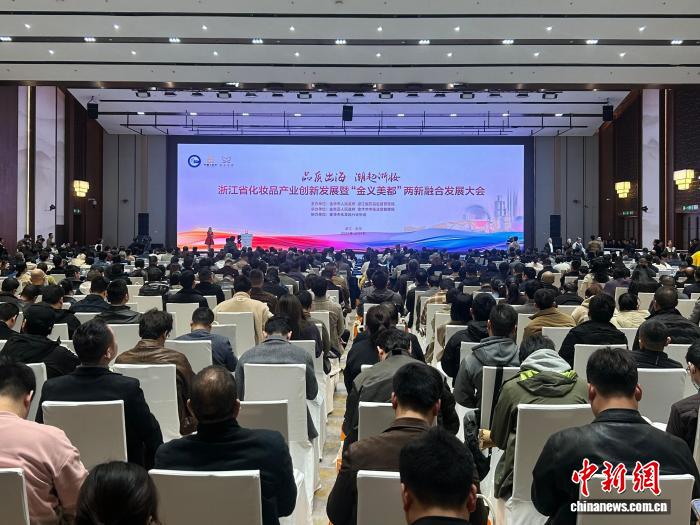
Core Viewpoint - The implementation of supportive policies in Zhejiang Province is accelerating the development of the cosmetics industry, enhancing confidence among local enterprises to innovate and develop new products [1][3]. Group 1: Policy Initiatives - Multiple favorable policies were announced at the "2025 Zhejiang Province Cosmetics Industry Innovation Development" conference, aimed at speeding up the growth of the cosmetics sector [1]. - The "Zhejiang Beauty 18 Measures" and the "Zhejiang Province Cosmetics Filing Management 'Empowerment' Reform Work Plan" were introduced to deepen regulatory oversight and support high-quality industry development [1][3]. Group 2: Industry Performance - Zhejiang Province's cosmetics industry ranks among the top in the country in terms of industry scale, brand competitiveness, and export share, indicating a strong industrial foundation [1]. - Over 60% of cosmetics production enterprises in Zhejiang are located in Jinhua, which has 437 cosmetics production companies and achieved an export value of 7.49 billion yuan from January to October this year, accounting for 15% of the national share [3][4]. Group 3: Innovation and Support Measures - The Zhejiang Provincial Drug Administration introduced four key measures to enhance enterprise experience, including direct handling of filings at the county level and expedited review processes for domestic cosmetics [3]. - A pilot program for facilitating cosmetics import and export trade was launched in Jinhua, aiming to establish it as a leading hub for trade facilitation in the cosmetics sector [4].
国家药监局:37批次化妆品不符合规定
Yang Shi Wang· 2025-12-09 10:46
根据《化妆品监督管理条例》《化妆品生产经营监督管理办法》《化妆品抽样检验管理办法》,国家药 品监督管理局已要求上海、山东、广东等省(市)药品监督管理部门对上述不符合规定化妆品涉及的注 册人、备案人、受托生产企业等依法立案调查,责令相关企业依法采取风险控制措施并开展自查整改。 各省(区、市)药品监督管理部门要依法责令相关化妆品经营者停止经营上述化妆品,并依法调查其进 货查验记录等情况,对违法产品进行追根溯源,发现违法行为的,依法严肃查处;涉嫌犯罪的,依法移 送公安机关。 央视网消息:国家药监局12月9日发布通告,在2025年国家化妆品抽样检验工作中,经浙江省食品 药品检验研究院等单位检验,产品标签标示名称为诗朗生姜去屑修护洗发露等37批次化妆品不符合规 定。 ...
毛利率高过欧舒丹 林清轩赢在推广营销
BambooWorks· 2025-12-09 09:43
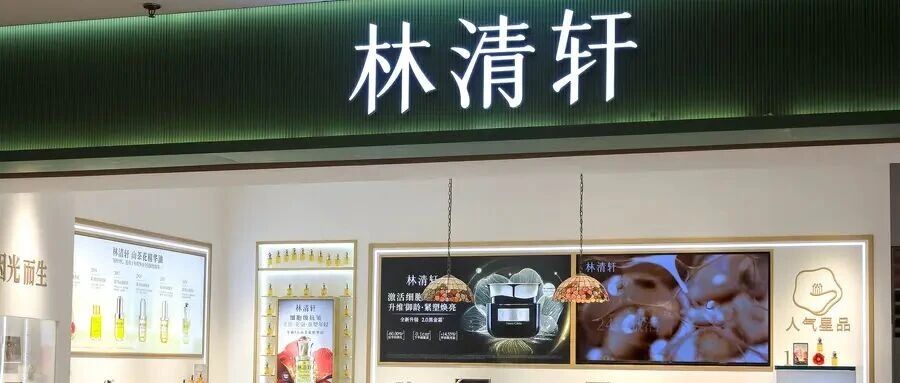
Core Viewpoint - The article highlights the impressive financial performance and high profit margins of Shanghai Linqingxuan Cosmetics Group Co., Ltd, a Chinese skincare brand, which is preparing for an IPO in Hong Kong. The company has achieved significant revenue growth and maintains a high gross margin, indicating strong market positioning and brand appeal [2][4]. Financial Performance - The company reported a gross margin of 81.2% in 2023, projected to reach 82.5% in 2024, with a mid-year gross margin of 82.4% [4]. - Revenue over the past three years has shown substantial growth: 690 million yuan, 805 million yuan, and 1.21 billion yuan, with net losses and profits fluctuating. The latest mid-year results show a revenue increase of 98% to 1.052 billion yuan and a profit increase of 110% to 182 million yuan [4]. - Despite high gross margins, the net profit margin was only 15% last year and 17% in the first half of this year, primarily due to high marketing and promotional expenses [4]. Product and Brand Strategy - Linqingxuan focuses on high-end skincare products, with its flagship product being camellia oil, which has sold over 45 million bottles since its launch [2][4]. - The company invests significantly in marketing, with sales and distribution expenses reaching 689 million yuan last year and 580 million yuan in the first half of this year, emphasizing brand image and lifestyle marketing [5]. - The brand has engaged various celebrities for endorsements and utilizes family members in promotional activities to enhance visibility and market presence [5]. Competitive Positioning - Linqingxuan has positioned itself as a challenger to international brands like Chanel, claiming that Chanel's new products mimic its offerings. The company has also launched a high-priced perfume to signal its premium positioning in the market [6]. - The brand's marketing strategies have included bold claims about product efficacy, which have led to regulatory fines, indicating a willingness to push boundaries in brand promotion [7]. Market Outlook - The recent revenue and profit growth suggest that the company is on the right track, but the sustainability of this growth and market acceptance remains to be seen [8].
国家药监局副局长徐景和在受理和举报中心调研并开展接访下访
Zheng Quan Shi Bao Wang· 2025-12-09 09:26
Core Viewpoint - The National Medical Products Administration (NMPA) emphasizes the importance of balancing safety and development, as well as regulation and service, to support high-quality industry development [1] Group 1: Regulatory Insights - The NMPA aims to implement the spirit of the 20th National Congress, focusing on legal administration and scientific regulation to effectively protect the legitimate rights and interests of enterprises [1] - There is a recognition of new challenges and tasks in the current complaint and reporting work, highlighting the need for legal thinking in addressing these issues [1] Group 2: Industry Support - The NMPA is committed to promoting social governance and achieving new results in handling complaints and reports, which is crucial for the development of the medical device and cosmetics industries [1]
化妆品板块12月9日跌0.37%,嘉亨家化领跌,主力资金净流出8817.78万元
Zheng Xing Xing Ye Ri Bao· 2025-12-09 09:11
Core Insights - The cosmetics sector experienced a decline of 0.37% on December 9, with Jiaheng Jiahua leading the drop [1] - The Shanghai Composite Index closed at 3909.52, down 0.37%, while the Shenzhen Component Index closed at 13277.36, down 0.39% [1] Company Performance - Qing Song Co. (300132) saw a closing price of 8.17, with an increase of 4.34% and a trading volume of 475,200 shares, amounting to a transaction value of 383 million [1] - Kesheng Co. (300856) closed at 15.70, up 3.36%, with a trading volume of 158,000 shares and a transaction value of 252 million [1] - Jiaheng Jiahua (300955) closed at 36.00, down 2.91%, with a trading volume of 64,600 shares and a transaction value of 23.4 million [2] Capital Flow - The cosmetics sector experienced a net outflow of 88.18 million from main funds, while retail investors saw a net inflow of 55.04 million [2] - Main funds showed a net inflow in Qing Song Co. of 20.05 million, while Jiaheng Jiahua experienced a net outflow of 2.01 million [3] - Retail investors contributed a net inflow of 804.95 million to Shuiyang Co. (300740), while Qingdao Jinwang (002094) saw a net outflow of 264.27 million [3]



销售费用“天花板”,研发“地板价”,自然堂IPO的资本迷局
Sou Hu Cai Jing· 2025-12-09 08:41
Core Viewpoint - Chando is attempting to redefine its position through an IPO, having submitted its listing application to the Hong Kong Stock Exchange on September 29, 2023, while also bringing in strategic investors like L'Oréal and CVC Capital from October 2024 to September 2025 [1][3]. Financial Performance - In 2024, Chando's sales and marketing expenses rose to 2.7 billion RMB, marking a three-year high, while revenue only grew by 3.6% to 4.601 billion RMB, indicating a stagnation in growth [3][5]. - Net profit decreased from 302 million RMB in 2023 to 190 million RMB in 2024, a decline of 37.1%, following a significant increase of 117% the previous year [3][5]. - The net profit margin fluctuated, with a drop from 6.8% in 2023 to 4.1% in 2024, while the adjusted net profit margin fell from 7.0% to 4.4% during the same period [3][5]. Marketing and Cost Structure - The increase in sales and marketing costs was attributed to heightened marketing activities, with marketing and promotion expenses rising to 75.8% of total sales and marketing costs in 2024, up from 70.0% in 2022 [7][9]. - Despite the increase in marketing expenses, the company has seen a stable gross margin around 70%, indicating effective pricing and cost control [10][11]. Brand and Product Portfolio - Chando operates multiple brands, including Chando, Maysu, and others, but the main brand Chando accounts for over 90% of total revenue, highlighting a reliance on a single brand for income [5][6]. - The product mix is heavily skewed towards skincare, which contributes 87.3% of total revenue, with other categories making up less than 13% [5][6]. Research and Development - R&D expenses have been declining, with the R&D expense ratio dropping from 2.8% in 2022 to 1.7% in 2025, raising concerns about the company's long-term competitiveness in a rapidly evolving market [12][13]. - The company faces challenges in maintaining innovation and product development, which are crucial for sustaining consumer trust and market relevance [12][13]. Strategic Outlook - The IPO presents an opportunity for Chando to redefine its business focus amidst increasing competition and market share erosion from emerging brands [14]. - The company's ability to manage funds, adjust investment priorities, and establish a balanced growth path will be critical for its future positioning in the capital and consumer markets [14].