
扫地机器人

Search documents
渗透率不足10%,中国品牌已占比80%!越南成扫地机器人新战场
Di Yi Cai Jing· 2025-09-25 07:30
Core Insights - The Southeast Asian market for robotic vacuum cleaners, particularly in Vietnam, is experiencing significant growth, with a projected sales increase of approximately 80% this year, reaching around $10 million [4][7] - Chinese brands dominate the market, holding about 80-90% of the market share, with major players including Ecovacs, Roborock, and others [8][10] - The market potential remains vast, with a low penetration rate of less than 10% for robotic vacuums in Vietnam, indicating room for expansion as consumer income levels rise [7][13] Market Dynamics - The Vietnamese robotic vacuum cleaner market has evolved significantly over the past eight years, with a shift from American brands like iRobot to a predominance of Chinese brands [8][10] - Ecovacs has established around 1,000 sales outlets across Vietnam, including dedicated stores and counters in major appliance retailers [5][11] - The average selling price of Ecovacs' products in Vietnam ranges from 2,600 to 7,000 RMB, making them accessible to a growing middle class [7][15] Competitive Landscape - The competition in the Southeast Asian robotic vacuum market is intensifying, with Chinese brands competing both online and offline [10][11] - The market is characterized by a focus on high-end, intelligent features such as full smart bases and advanced navigation systems, which are becoming standard for consumer purchases [10][11] - Ecovacs and other Chinese brands are leveraging local partnerships and marketing strategies to enhance brand visibility and consumer engagement [15][16] Future Outlook - The potential for growth in the Southeast Asian market is substantial, with estimates suggesting that if penetration reaches 15%, there could be a demand for approximately 750,000 units in major cities like Ho Chi Minh City and Hanoi [13] - As consumer preferences shift towards technology and quality, brands that offer unique product designs and experiences are likely to gain a competitive edge [13] - The overall global market for cleaning robots is expected to continue its stable growth, with increasing competition among brands [15]



云鲸扫地机被曝投诉频发 售后迟滞引不满
Xi Niu Cai Jing· 2025-09-23 10:18
Company Overview - Recent reports indicate that multiple consumers have experienced quality issues with the sweeping robots from Yunji, specifically the J5 series and Xiaoyao 002 models [2] - Users have reported problems such as unusual noises at night, malfunctioning base station buttons, and interruptions in the automatic cleaning function [2] - Complaints also include inadequate cleaning by the mop cloth, persistent issues even after part replacements, and long repair cycles [2] Customer Experience - Many consumers noted that customer service often suggested "restarting" or "factory resetting" the devices, which did not resolve the underlying issues [2] - Requests for returns were frequently denied on the grounds of being "beyond the time limit" [2] - The lack of a comprehensive repair network has further deteriorated user experience, with some areas lacking on-site repair services and factory repairs taking approximately 13 days [2] Company Background - Yunji Intelligent was founded in 2016 and entered the sweeping robot market with a focus on the "automatic mop washing" feature, positioning its products in the mid-to-high-end segment [2] - The company has begun to reveal shortcomings in product quality control and after-sales response amid increasing market competition [2] - Data from the Black Cat Complaint platform shows that complaints related to Yunji's sweeping machines have accumulated to nearly 3,000, covering various model malfunctions and after-sales experiences [2] Industry Analysis - The sweeping robot industry is becoming increasingly competitive, with leading brands continuously capturing market share [2] - Yunji initially gained attention through innovative features, but unstable quality control and weak after-sales support may undermine its brand reputation [2] - The company faces pressure in the high-end market due to these challenges [2]
小米16改名小米17!雷军:全面对标苹果,正面迎战;美的回应员工离职被欠薪:薪资已结清;大疆扫地机上市一月遭遇用户退货潮
雷峰网· 2025-09-16 00:28
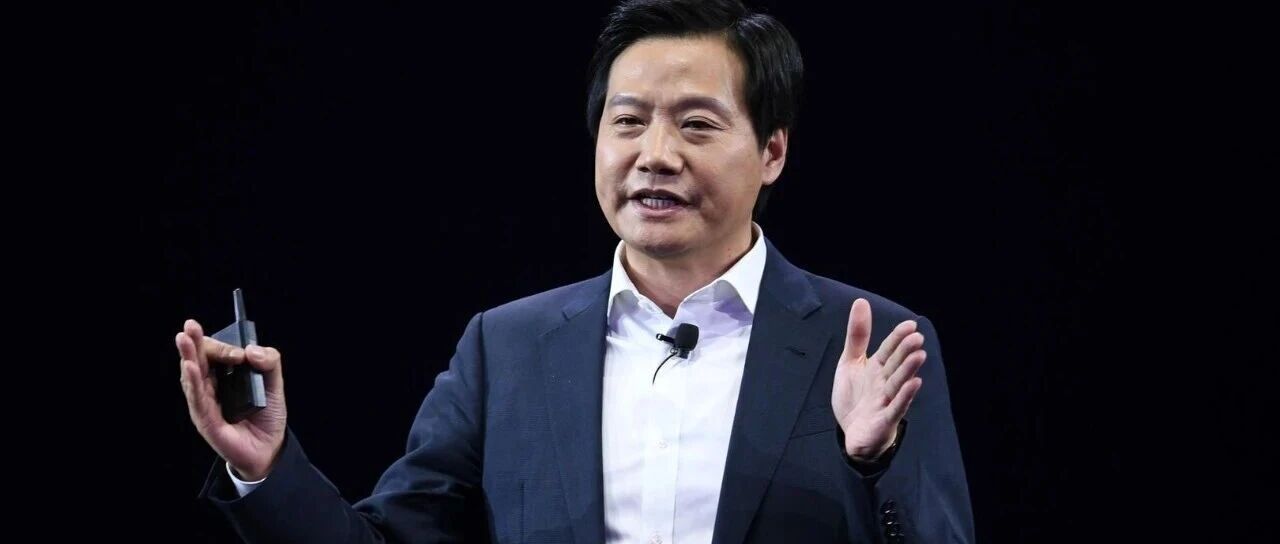
Group 1 - Xiaomi's next-generation smartphone has been renamed from Xiaomi 16 to Xiaomi 17, marking a significant leap in its digital series, with three models: Xiaomi 17, Xiaomi 17 Pro, and Xiaomi 17 Pro Max [4][6] - The company aims to directly compete with Apple's iPhone, emphasizing a cross-generation upgrade in product capabilities [4][6] - Xiaomi's founder, Lei Jun, expressed confidence in facing off against Apple, highlighting the need for innovation to avoid stagnation in the smartphone market [4][6] Group 2 - Midea Group responded to allegations of excessive working hours and unpaid wages, stating that the claims were unfounded and that the employee's salary was settled [9][10] - DJI's new robot vacuum, ROMO, faced a wave of returns within a month of its launch, with mixed user feedback on its performance [11] - Honor's former CEO Zhao Ming discussed the importance of developing unique marketing strategies while learning from Xiaomi's successes during a recent speech at Fudan University [20] Group 3 - JD.com and other major players are entering the hard discount supermarket sector, focusing on low prices and direct sourcing to attract price-sensitive consumers [19] - The hard discount model aims to reduce costs through digital supply chain management and efficient store operations, targeting ordinary families seeking value [19] - The competitive landscape in the retail sector is shifting as these giants leverage their scale to dominate the market [19] Group 4 - The electric vehicle market is facing challenges, with companies like Zhiji Auto reporting significant losses and low sales figures, raising concerns about their future viability [16][17] - Zhiji Auto's sales in the first eight months of the year reached 31,500 units, only 31.5% of its target, indicating a steep uphill battle to meet future goals [16][17] - The automotive industry is witnessing a trend of executives moving to new ventures, as seen with the former co-founder of Leap Motor starting a new electric vehicle brand in Australia [18][25] Group 5 - Nvidia is under investigation for potential antitrust violations related to its acquisition of Mellanox Technologies, highlighting regulatory scrutiny in the tech sector [28][29] - Alphabet, Google's parent company, has reached a market capitalization of $3 trillion, becoming the fourth company to achieve this milestone, driven by strong performance in cloud services and advertising [30] - Apple is reportedly developing a new line of smart glasses, aiming to enter the augmented reality market with a product that connects to the iPhone for data processing [31]


A股分析师前瞻:“慢牛”行情或延续,高景气赛道仍是首选
Xuan Gu Bao· 2025-09-14 14:08
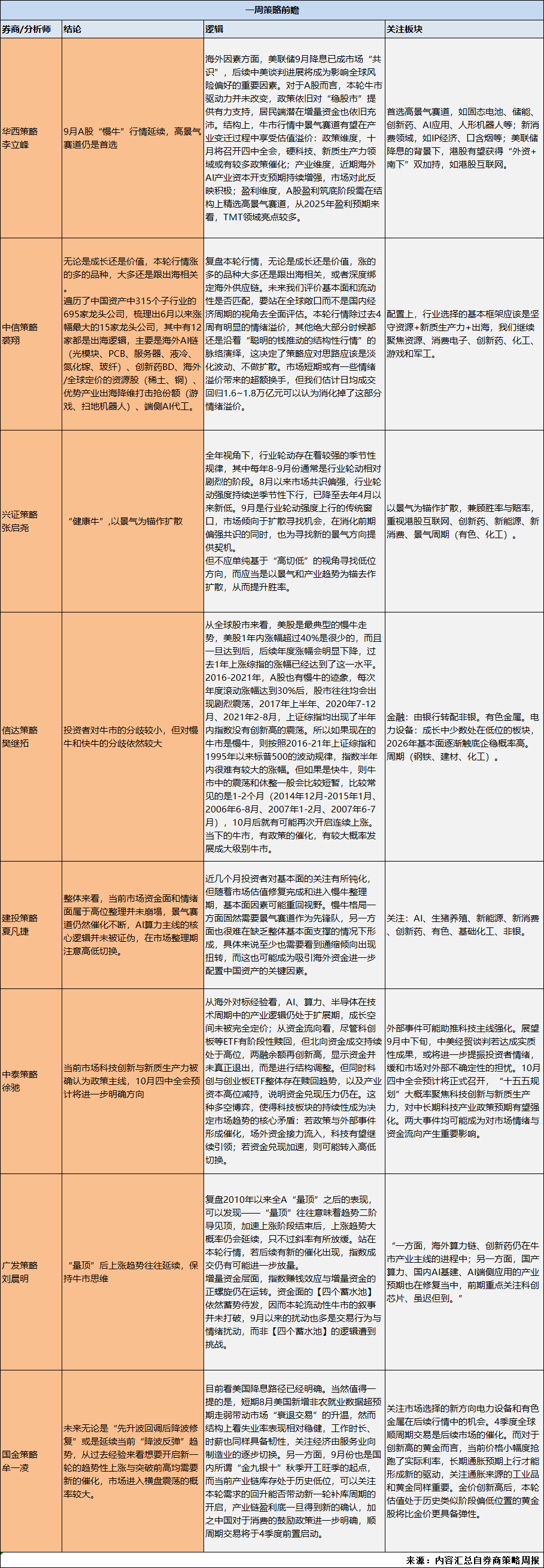
Group 1 - The core viewpoint is that the A-share market is experiencing a "slow bull" trend, with high-growth sectors being the preferred choice for investment [1][2] - Policy support is expected to strengthen with the upcoming Fourth Plenary Session in October, particularly in hard technology and new productivity sectors [1][2] - Recent increases in overseas AI industry capital expenditure are positively influencing market sentiment [1][2] Group 2 - A total of 12 out of the 15 leading companies with the highest gains since June are linked to overseas expansion, particularly in the AI supply chain and innovative pharmaceuticals [2][3] - The market consensus has been strong since August, but the intensity of sector rotation has decreased to a new low since April of the previous year [2][3] - The focus should be on high-growth sectors such as solid-state batteries, energy storage, and innovative pharmaceuticals, while also considering new consumption trends [1][2] Group 3 - The current market sentiment is characterized by a high degree of volatility, with a potential for a significant upward trend if new catalysts emerge [3][4] - The upcoming October meeting is anticipated to clarify the direction of the "14th Five-Year Plan," likely emphasizing technological innovation and new productivity [3][4] - The market is expected to see a shift towards cyclical trades as the economy transitions from service to manufacturing sectors [4]
顺为资本腾挪术:左手减持套现,右手押注新风口
Xin Lang Cai Jing· 2025-09-13 11:42
Group 1 - The core viewpoint of the article highlights the strategic moves of Lei Jun and his investment entities, particularly Xiaomi Group and Shunwei Capital, in the context of capital market dynamics, focusing on both divestments and new investments in emerging sectors [1][3][34] - Shunwei Capital has been actively reducing its stake in various companies, including Longqi Technology, with plans to sell up to 19.19 million shares, representing 4.09% of the total share capital, due to the shareholder's funding needs [1][10] - In the past year, Shunwei Capital has executed multiple rounds of divestments across several companies, including Qusleep Technology, Nanchip Technology, and Stone Technology, indicating a trend of capital withdrawal from certain investments [1][19] Group 2 - Longqi Technology, primarily engaged in smart product development and manufacturing, has seen significant financial support from Shunwei Capital and Tianjin Jinmi, which were crucial during its growth phase [4][8] - The partnership between Longqi Technology and Xiaomi has evolved from independent design to original design manufacturing (ODM), with Xiaomi becoming a major client, contributing significantly to Longqi's revenue [11][13] - Longqi Technology's financial performance has faced challenges, with a reported revenue decline of 10.65% year-on-year and a net profit drop of 34.53% in the first half of 2025, raising concerns about its reliance on smartphone manufacturing [13][34] Group 3 - Shunwei Capital, established in 2015, focuses on early and growth-stage investments in technology sectors, leveraging Xiaomi's ecosystem to provide strategic support to portfolio companies [14][23] - The investment strategy of Shunwei Capital emphasizes a balanced approach, targeting high-potential sectors such as advanced manufacturing and artificial intelligence, with over 60% of its investments directed towards these areas [21][28] - Recent investments by Shunwei Capital include significant funding in emerging fields, particularly in advanced manufacturing and AI, indicating a shift towards sectors with high growth potential [31][32]

顺为资本腾挪术:左手减持套现,右手押注新风口!
Sou Hu Cai Jing· 2025-09-11 04:06
Group 1 - Lei Jun, through Xiaomi Group and Shunwei Capital, has built a complex capital landscape, frequently reducing holdings while betting on new opportunities [2][3] - Shunwei Capital plans to reduce its stake in Longqi Technology by up to 19.19 million shares, accounting for 4.09% of the total share capital, due to the shareholder's funding needs [2][11] - In the past year, Shunwei Capital has frequently reduced its stakes in several companies, including QuSleep Technology, Nanchip Technology, and Stone Technology [2][11] Group 2 - Longqi Technology, primarily engaged in smart product R&D and manufacturing, has seen significant investment from Shunwei and Tianjin Jinmi, both controlled by Lei Jun [4][8] - The partnership between Longqi Technology and Xiaomi has evolved from independent design to original design manufacturing (ODM), making Xiaomi a key customer [11][12] - Longqi Technology's revenue heavily relies on smartphone OEM business, which constituted 77.9% of its revenue in 2024, but with a low gross margin of 4.92% [14][12] Group 3 - Shunwei Capital has invested in various sectors, focusing on advanced manufacturing, e-commerce, and artificial intelligence, with over 60% of its investments in these areas [30][25] - The firm has participated in 837 investment rounds, with a preference for early-stage investments, particularly in advanced manufacturing and AI [25][27] - The investment strategy emphasizes balancing high risks with high returns, leveraging Xiaomi's ecosystem for strategic support [34][25]



扫地机器人,从此只有“内战”了
Di Yi Cai Jing· 2025-09-10 12:24
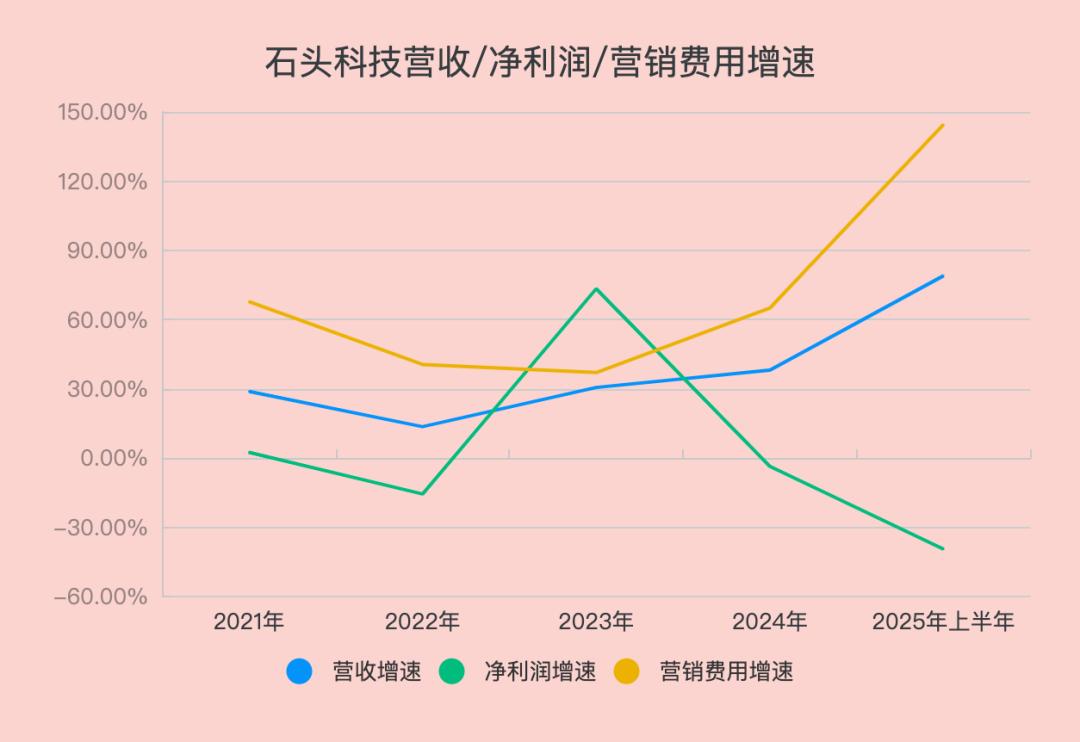
Global Market Overview - Chinese robotic vacuum companies are showcasing their latest products at the Berlin International Consumer Electronics Show, demonstrating their commitment to expanding globally [1] - As of now, Chinese companies hold the largest market share in the global robotic vacuum market, with iRobot's share dropping below 10% [1] - According to IDC, the global robotic vacuum market is expected to grow steadily, with a cumulative shipment of 11.263 million units in the first half of 2025, representing a year-on-year increase of 16.5% [2] - The top five companies in the market are Stone Technology, Ecovacs, Dreame, Xiaomi, and iRobot, with the top five collectively holding 64.8% of the market share, an increase of 4.8 percentage points from the previous year [2] Company Performance - iRobot has lost nearly half of its market share, dropping to around 8% in the first half of 2025 compared to the same period in 2024, and has fallen out of the top five in the second quarter [2][3] - Stone Technology and Dreame have shown significant growth, with their market shares increasing by 6 percentage points and 5 percentage points respectively [3] - Ecovacs and Stone Technology are the leading players in the market, with shares of 20.7% and 13.9% respectively [3] - Dreame's sales in the first seven months of the year have nearly reached the total sales of the previous year [3] Market Dynamics - The domestic market in China is highly concentrated, with the top five companies holding nearly 90% of the market share [6] - Ecovacs has maintained the top position in the domestic market for ten consecutive years, but faces increasing competition from Stone Technology and others [6] - Stone Technology reported a profit of 680 million RMB in the first half of 2025, a year-on-year decline of 40%, despite an 80% increase in revenue to 7.9 billion RMB [7] - Aggressive marketing strategies are leading to increased sales but may pressure short-term profits [8] Technological Innovations - The industry is witnessing a focus on technological advancements, particularly in navigation and obstacle avoidance algorithms [10] - Companies like Stone Technology and Dreame are exploring the integration of robotic arms into their products, although the practicality and user demand for such features remain uncertain [11][12] - Ecovacs is investing in embodied intelligence technology, focusing on developing smaller models for specific applications rather than large models due to resource constraints [12] Market Expansion and Challenges - Chinese companies are adopting a multi-channel strategy, combining online and offline sales to enhance market penetration [4][5] - New entrants like DJI are entering the market, indicating ongoing competition and potential shifts in market dynamics [9] - The Chinese market for robotic vacuums is still growing, with a projected overall increase of 12% in sales by 2025, and a household penetration rate of less than 5% compared to over 15% in the U.S. [9]
36氪晚报|京东iPhone 17系列上架6小时,预约量突破200万;蔚来申请在新加坡交易所暂停交易;亚马逊云科技在中国区域推出Amazon Graviton4实例
3 6 Ke· 2025-09-10 10:22
Group 1: Company Announcements - Cambrian plans to hold a semi-annual performance briefing on September 18, 2025, to address investor concerns [1] - ZhiMi Technology officially announced the establishment of an Astronomy Business Unit, focusing on large-diameter optical lens production [2] - NIO announced plans to issue 181.8 million Class A ordinary shares to fund core technology development for smart electric vehicles [7] Group 2: Market Performance - Cloud Whale Intelligence ranked fifth globally in the Q2 2025 market share for robotic vacuum cleaners, achieving a shipment of 524,200 units and an 8.5% market share [3] - Alibaba received a net buy of HKD 4.511 billion from southbound funds, leading the net buy list [4] Group 3: Industry Developments - South Korea plans to establish a KRW 150 trillion fund to invest in high-tech industries such as AI, chips, and robotics [8] - Amazon Web Services launched Amazon Graviton4 instances in China, optimized for various workloads [12] Group 4: Consumer Trends - JD.com reported over 2 million reservations for the iPhone 17 series within 6 hours of its launch announcement [9]


越卖越贵的扫地机器人,正被打工人抛弃
3 6 Ke· 2025-09-05 00:06
Core Insights - The sweeping robot industry is facing a decline in consumer satisfaction and sales despite rising prices, leading to a situation where many consumers abandon their devices after minimal use [1][2] - Major companies like Stone Technology and Ecovacs are experiencing revenue growth but declining profits, indicating a challenging market environment [1][4] - The market is becoming increasingly competitive with new entrants and high marketing and R&D costs, leading to a phenomenon known as "involution" within the industry [7][8] Industry Overview - The average online price of sweeping robots has increased from 1413 yuan in 2018 to 3207 yuan in 2024, more than doubling [1] - Despite a retail revenue increase to 193.6 billion yuan in 2024, the industry is struggling with profitability, as seen in Stone Technology's net profit decline of 39.55% in the first half of the year [2][4] - The sweeping robot market saw a peak in sales in 2020 with 6.54 million units sold, but has not returned to that level, with projected sales of 6.036 million units in 2024 [1][2] Company Performance - Stone Technology reported a revenue of 7.903 billion yuan in the first half of 2024, a year-on-year increase of 78.96%, but its net profit fell to 678 million yuan, a decrease of 39.55% [1][4] - Ecovacs has shown a slight recovery in net profit growth in 2024 after two years of negative growth, with marketing expenses growing at a slower rate than revenue [4][7] - Both companies are investing heavily in R&D, with Stone Technology's R&D expenses increasing by over 50% in 2024 [7][8] Market Dynamics - The sweeping robot market is not saturated, with a penetration rate of approximately 5.5% in China compared to over 10% in developed countries, indicating potential for growth [11] - New entrants like DJI and Midea are entering the market, with DJI's ROMO series already selling over 7000 units despite mixed reviews [11][12] - Companies are increasingly focusing on overseas markets, with Stone Technology's overseas revenue exceeding 50% of total revenue in 2024, reaching 6.388 billion yuan [15][16] Competitive Landscape - Stone Technology holds a 16% market share in global shipments, followed closely by iRobot and Ecovacs, indicating a highly competitive environment [10][9] - The competition is intensified by the lack of significant product differentiation, leading to rapid imitation of new technologies among companies [10][16] - Companies are expanding their presence in international markets, with Stone Technology focusing on Western Europe and Ecovacs targeting Asia-Pacific and the Middle East [12][16]
勇敢还是盲目?追觅高调跨界 要造“世界上最快的车”
2 1 Shi Ji Jing Ji Bao Dao· 2025-09-01 23:19
Core Viewpoint - The automotive market in China is highly competitive, and companies must excel in operational efficiency, supply chain control, technology reserves, and brand strength to survive [1][2][11] Group 1: Company Strategy and Development - Pursue Technology Integration: The company aims to leverage its existing technology in clean energy to support its automotive ambitions, with a focus on achieving "technological compounding" [2][3] - Dual Business Model: The company is adopting a "left hand and right hand model," where the left hand represents contract manufacturing (ODM) and the right hand focuses on self-developed vehicle projects [4][5] - Talent Acquisition: The company has built a team of over 1,000 professionals from leading automotive firms, indicating a strong commitment to developing its automotive capabilities [2][3] Group 2: Product Lines and Market Positioning - Diverse Product Lines: The company has planned five product lines, targeting various segments from high-end supercars to more affordable electric vehicles, aiming to cover a wide market spectrum [1][2] - Initial Product Development: The first mass-produced vehicle is currently in the design review stage, with plans to showcase prototypes in the near term [1][4] Group 3: Challenges and Market Environment - Underestimated Complexity: The company faces significant challenges in technology integration and market positioning, particularly in matching the performance of established brands like Bugatti [6][7][11] - Regulatory Hurdles: The company is constrained by the current regulatory environment, which has halted the issuance of new automotive manufacturing licenses, complicating its path to market entry [10][11] - Market Decline: The company's core business in the cleaning sector is experiencing a decline, which may drive its urgency to diversify into automotive manufacturing [11][12]