
可再生能源

Search documents
可再生能源vs化石燃料,谁将主导未来?
天天基金网· 2025-07-30 11:30
Core Viewpoint - The article highlights the contrasting paths of China and the United States in the renewable energy sector, with China leading significantly in renewable energy capacity and technology while the U.S. continues to invest heavily in fossil fuels [1][3][7]. Renewable Energy Capacity - In 2024, China's total power generation is projected to reach 10,073 TWh, compared to the U.S. at 4,387 TWh, showcasing China's dominance in renewable energy projects [1][3]. - China's renewable energy accounts for 34% of its total power generation, while the U.S. stands at 24% [1][3]. - Specific renewable energy capacities show China leading in solar (834 TWh vs. 303 TWh), wind (992 TWh vs. 453 TWh), hydro (1354 TWh vs. 236 TWh), and biomass (208 TWh vs. 47 TWh) [2]. Electric Vehicle Market - China exported electric vehicles worth $38 billion in the previous year, three times more than Tesla's annual exports of approximately $12 billion [4]. - The market share of electric vehicles in China has surpassed 50% and is expected to exceed 60% by the end of the year [6]. - The U.S. electric vehicle market is hindered by low charging infrastructure and unstable subsidy policies, while China is rapidly expanding its charging network [4][6]. Battery Technology - China dominates the lithium-ion battery market, with exports reaching $65 billion, which is 22 times that of the U.S. [4][6]. - The article emphasizes that the country with battery manufacturing capabilities will gain significant economic and geopolitical advantages, with China currently being the only winner in this domain [6]. Policy and Strategic Direction - The U.S. is focusing on reviving fossil fuel industries, while China is committed to renewable energy development, as evidenced by significant investments in solar, wind, and hydro projects [3][7]. - Historical patterns show that U.S. energy policies have fluctuated with political changes, while China maintains a consistent long-term strategy for renewable energy [8][10]. Global Influence - China is expanding its influence in the global renewable energy market by investing in projects across various countries, including Hungary, Saudi Arabia, and Indonesia [10]. - The article notes that most countries are not following the U.S. fossil fuel path, instead opting for renewable energy investments, which aligns with China's growing global influence [10].



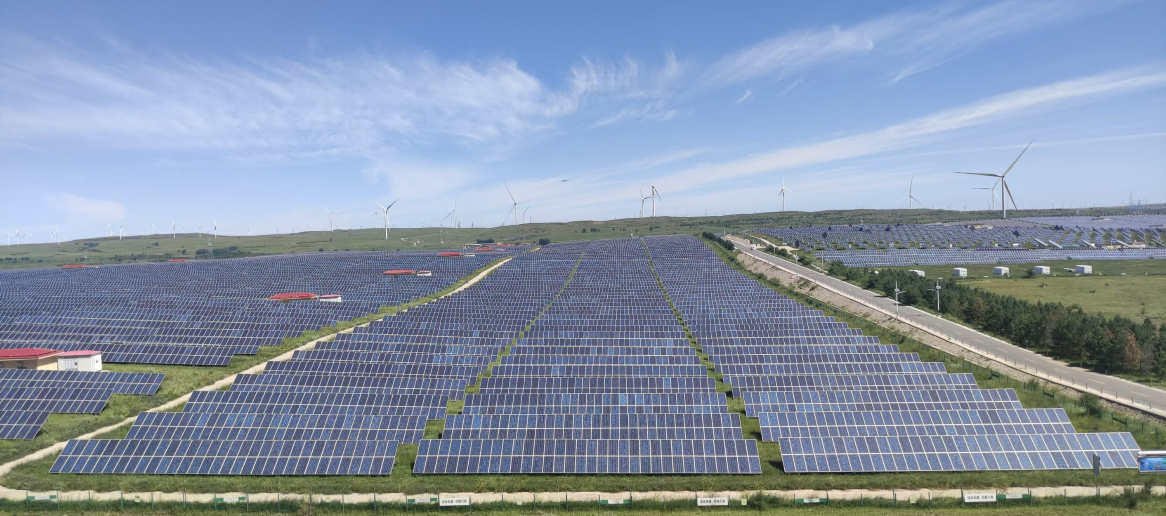
十年探索,为可再生能源建设提供“张家口样本”
Zhong Guo Neng Yuan Wang· 2025-07-30 09:01
Core Insights - The Zhangjiakou Renewable Energy Demonstration Zone has achieved significant milestones in its ten years since establishment, contributing to the high-quality development of the renewable energy industry in the Beijing-Tianjin-Hebei region and providing a replicable model for China's renewable energy sector [1][3] Group 1: Achievements and Developments - The demonstration zone has effectively utilized its abundant wind and solar resources, leading to breakthroughs in efficient development, intelligent transmission, diversified consumption, and energy storage regulation [1] - Since its approval in 2015, the total renewable energy generation has reached 3,478.64 billion kilowatt-hours, resulting in a reduction of approximately 280 million tons of carbon dioxide emissions [3] - The installed capacity of new energy connected to the grid has surged from 8.42 million kilowatts in 2015 to 42.435 million kilowatts, marking a growth rate of 403.9%, which now accounts for 88.1% of the city's total power generation capacity [3] Group 2: Infrastructure and Capacity - The Zhangbei Renewable Energy Flexible DC Demonstration Project has been completed, with an annual capacity to deliver 14 billion kilowatt-hours of green electricity to Beijing [3] - A 1,000-kilovolt ultra-high voltage clean energy corridor has been established, capable of delivering over 21 billion kilowatt-hours of green electricity annually to Xiong'an [3] - Zhangjiakou has built six power grid transmission channels with a total access capacity of 38 million kilowatts, ranking first in Hebei Province [3]
FXGT: 美国可再生能源受限 能源格局或重塑
Xin Lang Cai Jing· 2025-07-30 04:37
Core Viewpoint - The Trump administration's new policies are aimed at tightening federal approval processes for solar and wind energy projects, which may hinder investment in renewable energy and shift focus back to fossil fuels and nuclear energy [1][2] Group 1: Policy Changes - The Trump administration announced plans to restrict the development of solar and wind energy projects by tightening federal approval processes [1] - The final review authority for energy projects has been transferred to Interior Secretary Doug Burgum, who will oversee all approval stages for solar and wind projects [1] - The new regulations are intended to create a "level playing field" for coal and natural gas industries, countering the previous advantages given to renewable energy [1] Group 2: Impact on Renewable Energy - The combination of the new policies and the recently passed "One Big Beautiful Bill Act" is expected to slow down the development of renewable energy projects by reducing financial incentives and increasing administrative hurdles [1][2] - The removal of certain tax incentives and market support for renewable energy is likely to decrease the financial attractiveness of solar and wind projects [2] - Concerns have been raised that these changes could lead to a significant slowdown in the growth of the fastest-growing electricity sources in the U.S. [1][2] Group 3: Future Energy Supply Concerns - The new regulations may create pressure on the future electricity supply in the U.S., as demand for electricity continues to rise due to emerging technologies like artificial intelligence [2] - The policies are feared to make it difficult for the U.S. to meet the increasing electricity demand, potentially leading to a shift in the energy structure back towards fossil fuels and nuclear energy [2]
希腊经济呈企稳向好态势
Ren Min Ri Bao· 2025-07-29 23:23
希腊政府近期在向欧盟提交的经济年度进展报告中预测,2025年希腊经济增长率将达到2.3%,债务比 重有望从2024年的153.6%继续下降至145.7%,投资和出口也将稳步增长。国际货币基金组织总裁格奥 尔基耶娃表示,希腊正在推进经济结构性改革,已成为欧盟表现最好的经济体之一。 《 人民日报 》( 2025年07月30日 16 版) (责编:杨光宇、胡永秋) 困扰希腊经济多年的债务问题得到一定程度缓解。希腊统计局最新数据显示,2024年希腊政府的财政盈 余达到创纪录的114亿欧元,占该国国内生产总值的4.8%。在财政状况良好的背景下,希腊政府宣布, 计划提前10年偿还国际机构的救助贷款,这笔贷款原定于2041年到期,希腊政府计划通过财政盈余和发 行新债等措施于2031年或之前偿清债务。此前希腊已于2022年偿还了国际货币基金组织的贷款,并于 2024年底偿还了希腊首笔530亿欧元救助款中的220亿欧元。自2015年陷入债务危机并借入超2000亿欧元 贷款以来,截至目前希腊已实现6次提前偿债。 鉴于希腊公共财政状况改善情况,穆迪、标准普尔、惠誉等国际信用评级机构已陆续将希腊主权信用评 级上调至投资级。希腊总理米 ...
畅通清洁能源消纳通道
Jing Ji Ri Bao· 2025-07-29 22:18
Group 1 - The rapid growth of clean energy generation is leading to increasing challenges in its consumption, particularly due to the inherent volatility and intermittency of wind and solar resources [1] - The existing power grid infrastructure struggles to adapt quickly to the demands of large-scale renewable energy integration, with current technologies like flexible coal plant modifications and large-scale energy storage not meeting the requirements for high proportions of clean energy [1] - Distributed renewable energy consumption is limited by the capacity of distribution networks, leading to increased instances of curtailment of wind and solar energy due to voltage and capacity constraints [1] Group 2 - The potential of virtual power plants to aggregate demand-side resources is crucial for enhancing the operational flexibility of grids with high proportions of clean energy [2] - Demand-side flexibility resources, such as electric vehicles and industrial loads, can provide a more cost-effective and broader range of adjustments compared to traditional grid infrastructure, but require organized aggregation to achieve scale [2] - Promoting local consumption of distributed energy and developing flexible local market mechanisms are essential for optimizing renewable energy utilization [2]
特朗普对英国指手画脚:风车又贵又丑,不如挖石油
Guan Cha Zhe Wang· 2025-07-29 12:37
Core Viewpoint - Trump criticized the UK's high oil taxes and urged for incentives to boost North Sea oil extraction, claiming it would lower energy costs for the public [1][2] Group 1: Energy Policy and Taxation - Trump called for a reduction in taxes on oil companies to encourage exploration in the North Sea, describing it as a "treasure" for the UK [1][2] - The UK government increased the "windfall tax" on oil and gas companies from 35% to 38%, resulting in a total tax rate of 78% for the industry [2] - The UK government plans to diversify its energy structure, committing to stop issuing new licenses for North Sea oil and gas extraction while maintaining existing ones [2] Group 2: Renewable Energy Development - The UK aims to double onshore wind capacity and triple offshore wind capacity to 50GW by 2030 [2] - Renewable energy's share of total electricity generation in the UK rose from 19.1% in 2014 to 46.4% in 2023, with wind power increasing from 9.3% to 28% during the same period [3] Group 3: Political Dynamics - During the meeting, Starmer defended the UK's energy policy, emphasizing the importance of oil and gas alongside renewable sources [2] - Trump suggested that the Labour Party should lower taxes and reduce immigration to win the next election, highlighting political differences between him and Starmer [5][6]

绿芯智能新型能源循环芯片技术突破:500 亿市场待启,重塑全球科技能源企业发展
Sou Hu Cai Jing· 2025-07-28 03:38
Group 1 - The core viewpoint of the news is that Yuanmu Capital's Green Core Intelligent Technology Co., Ltd. has made significant breakthroughs in the development of new energy recycling chips, particularly with its fourth-generation EdgeAI chip matrix, which enhances the renewable energy sector and presents vast market opportunities [2][3]. Group 2 - The new chip utilizes a 7nm EUV process, integrating over 12 billion transistors, achieving a peak computing power of 200 TOPS, and consuming only one-third of the power of traditional chips, with an energy efficiency of 3 TOPS/W [2]. - The global renewable energy market is growing at over 15% annually, with energy recycling chips experiencing explosive demand as core components in this sector [3]. - The chip has demonstrated high precision in energy forecasting, improving wind power prediction accuracy to 95% from the industry average of 82%, and reducing wind abandonment rates from 12% to below 5% [3]. - The market size for this chip in the global wind and solar sectors is expected to exceed $50 billion by 2030 [3]. Group 3 - The chip is projected to generate substantial sales revenue, with initial annual sales expected to exceed 5 billion yuan in 2026, and potential sales surpassing 20 billion yuan in the next 3-5 years [4]. - The proprietary technology creates a strong competitive advantage, establishing significant barriers to entry and ensuring high profit margins for the company [4]. - Successful chip development will enhance the company's brand recognition and industry influence, attracting more partners and investments, thus fostering a virtuous cycle of R&D investment and market returns [4]. Group 4 - The new energy recycling chip is set to be mass-produced in 2026, which will not only advance the global renewable energy industry but also provide continuous growth momentum for Green Core Intelligent Technology [5].

工业硅:情绪回落,关注大幅下跌风险,多晶硅:情绪回落
Guo Tai Jun An Qi Huo· 2025-07-28 02:04
Report Summary 1. Report Industry Investment Rating - No specific industry investment rating is provided in the report. 2. Core Viewpoints - The sentiment in the industrial silicon and polysilicon markets has declined, and there is a risk of significant price drops in industrial silicon [1]. - The trend strength for both industrial silicon and polysilicon is -1, indicating a bearish outlook [3]. 3. Summary by Relevant Catalogs Fundamental Tracking - **Futures Market**: - Industrial silicon (Si2509) had a closing price of 9,725 yuan/ton, with a significant decrease in trading volume compared to previous periods. Its open interest also decreased [1]. - Polysilicon (PS2509) had a closing price of 51,025 yuan/ton, and both trading volume and open interest declined [1]. - **Basis**: - The spot premium/discount for industrial silicon varied depending on the benchmark, with some showing changes compared to previous periods [1]. - The spot premium/discount for polysilicon (N - type re - feeding) was - 4,525 yuan/ton, with significant changes over different time intervals [1]. - **Price**: - The price of industrial silicon products such as East China oxygen - passed Si5530 and Yunnan Si4210 showed some increases compared to previous periods [1]. - The price of polysilicon (N - type re - feeding) was 46,500 yuan/ton, with an increase of 500 yuan/ton compared to T - 1 [1]. - **Profit**: - Silicon plant profits for Xinjiang and Yunnan new - standard 553 were negative, but showed some improvement compared to previous periods [1]. - Polysilicon enterprise profits were - 17.9 yuan/kg, with a slight improvement compared to T - 1 [1]. - **Inventory**: - Industrial silicon social inventory (including warehouse receipt inventory) was 53.5 million tons, with a decrease compared to previous periods [1]. - Polysilicon manufacturer inventory was 24.3 million tons, also showing a decrease [1]. - **Raw Material Cost**: - The prices of raw materials for industrial silicon such as silicon ore, washed coking coal, petroleum coke, and electrodes showed different trends, with some remaining stable and others changing slightly [1]. Macro and Industry News - In the first half of this year, Zhejiang purchased 12.6 million green certificates through the Beijing Power Trading Green Certificate Platform, equivalent to 12.6 billion kWh of electricity, ranking first in the State Grid's operating area [3].
张维为《这就是中国》293期:地缘政治安全与中国能源安全
Guan Cha Zhe Wang· 2025-07-27 00:36
Core Viewpoint - China's energy strategy is crucial for national security, especially in the context of ongoing global geopolitical tensions, such as the Russia-Ukraine war and conflicts in the Middle East, which impact energy supply and security [1][3]. Group 1: Energy Production and Consumption - China is the world's largest producer and consumer of coal, accounting for nearly half of global coal production and consumption, approximately 4 billion tons, with coal making up about 54% of its primary energy consumption [3][4]. - As of April 2023, China is also the largest renewable energy country, with solar photovoltaic capacity of about 1 billion kilowatts, representing 40% of global capacity, and wind power capacity of 550 million kilowatts, accounting for 45% of the global total [4][6]. - China ranks as the seventh largest oil producer and the fourth largest natural gas producer globally, while being the largest importer of both oil and natural gas, with a projected oil import dependency of around 72% in 2024 [6][7]. Group 2: Energy Security Assessment - China's energy security can be described as sensitive but not fragile, with a self-sufficiency rate of approximately 85%, as coal does not require imports, and non-fossil energy sources are domestically produced [7][8]. - The implementation of the "Oil and Gas Increase Storage and Production Seven-Year Action Plan" has led to an increase in domestic oil production from 189 million tons in 2018 to 213 million tons in 2024, with a net increase of 4 million tons annually [8][9]. - Current global oil and gas markets are characterized by oversupply, benefiting China's import strategy, as major producers like Saudi Arabia and Russia are increasing their output [9][10]. Group 3: Global Energy Market Integration - China has established a diversified energy import strategy, integrating into the global energy market through various oil and gas cooperation projects across 35 countries, including significant pipelines and strategic partnerships [10][11]. - The development of energy corridors, such as the China-Kazakhstan oil pipeline and the China-Central Asia gas pipeline, has become essential for ensuring energy security and is a hallmark of the Belt and Road Initiative [11][12]. Group 4: Future Energy Transition - The transition to renewable energy is critical, with a focus on key minerals like lithium, cobalt, and nickel, which are essential for energy storage technologies, highlighting the need for domestic production capabilities to reduce import dependency [13][14]. - China's energy strategy emphasizes the importance of maintaining a balance between traditional fossil fuels and renewable energy, with coal's share expected to decrease while natural gas consumption is projected to rise until around 2040 [14][40].


东盟贸促会会长波尚琅:新兴领域正成为中国与东盟合作的新增长点
Zhong Guo Jing Ji Wang· 2025-07-25 08:09
Core Insights - The ASEAN Secretary-General's roundtable in Beijing emphasized the theme of "shared opportunities, co-creating prosperity, and initiating a new journey of cooperation" [1] - ASEAN and China have seen continuous growth in bilateral trade, with China remaining ASEAN's largest trading partner for 16 consecutive years and ASEAN being China's largest trading partner for 5 years [1] - The completion of the China-ASEAN Free Trade Area 3.0 negotiations and the implementation of RCEP provide a solid institutional framework for economic cooperation [1] Group 1 - ASEAN's trade promotion association, led by President Bo Shanglang, highlighted the importance of policy communication, enterprise connection, and ecosystem building in enhancing cooperation [1] - The association aims to integrate expert resources to help businesses leverage policy benefits and mitigate risks, while also promoting trade facilitation and a fair business environment [1] - The focus on cultural exchanges aims to strengthen youth friendships, providing a soft support for deepening economic and trade relations [1] Group 2 - The ASEAN trade promotion association plans to focus on the "Digital Silk Road" and green transformation to advance cooperation [2] - ASEAN countries are actively developing digital infrastructure, and China is positioned to lead in digital technology and industries, promoting collaboration in areas like 5G and artificial intelligence [2] - The association intends to establish more regular and multi-level mechanisms for industry and enterprise-level exchanges, facilitating deeper cooperation in specific fields [2]