
可再生能源

Search documents
增配中国资产!全球主权财富基金新动向
天天基金网· 2025-07-22 06:27
Core Viewpoint - Global sovereign wealth funds are significantly increasing their investment interest in the Chinese market, with a notable shift in strategy towards selective investment approaches [3][4][8]. Investment Trends - Sovereign wealth funds are prioritizing emerging markets, with 59% of respondents identifying China as a high or medium priority market, marking a significant change since 2024 [3][4]. - 59% of respondents expect to increase their allocation to Chinese assets over the next five years, with 88% of Asia-Pacific sovereign funds and 73% of North American funds planning similar increases [3][4]. Investment Drivers - Attractive local returns are the primary driver for investment in China, indicating that investors find the valuation and profit potential in China more appealing compared to other markets [4]. - Diversification is the second key reason, as investors view China as a source of differentiated growth [4]. Focus Areas - The most attractive investment sectors in China include digital technology and software, advanced manufacturing and automation, and clean energy and green technology [6][8]. - Sovereign wealth funds are adopting a more cautious industry focus strategy, targeting sectors where China is expected to achieve global leadership, such as semiconductors, cloud computing, artificial intelligence, electric vehicles, and renewable energy infrastructure [8]. Investment Strategy Shift - There is a notable shift towards active investment strategies, with over 70% of sovereign wealth funds employing active strategies in fixed income and equities [9]. - 52% of sovereign wealth funds plan to increase their active equity holdings in the next two years, while 47% intend to boost active fixed income holdings [9]. - This trend is particularly pronounced among larger institutions, with 75% of sovereign funds managing over $100 billion having shifted to more active equity investment strategies in the past two years [9].



新加坡力推无人驾驶巴士;中东成上半年汽车出口主要增量源;欧盟通过取消150欧元进口免税的政策;TikTok Shop墨西哥8月开放跨境店|一周「出海参考」
Tai Mei Ti A P P· 2025-07-22 03:21
Group 1 - Southeast Asia's first fully autonomous bus, Robobus, has commenced operations in Singapore, with plans to expand to 16 vehicles by next year [1] - Singapore's Ministry of Transport announced plans to integrate autonomous shuttle buses into the national public transport system by the end of 2025, starting trials in Punggol in Q4 of this year [1] - The current state of autonomous driving technology is deemed sufficient for large-scale deployment [1] Group 2 - Dubai is advancing its cashless strategy through a memorandum of understanding between the Dubai Digital Economy Chamber and the Dubai Finance Department, focusing on governance, innovation, and transitioning to a cashless society [2] Group 3 - Saudi Arabia is set to develop renewable energy projects with a total investment of $8.3 billion, achieving a record capacity of 15GW, including 12GW from solar and 3GW from wind [3] - These projects are expected to begin operations in the second half of 2027 and the first half of 2028 [3] Group 4 - Amazon plans to expand its same-day and next-day delivery services to over 4,000 small towns and rural areas in the U.S. by the end of 2025, benefiting millions of customers [4] - The number of items eligible for same-day or next-day delivery in the U.S. has increased by over 30% compared to the same period last year [4] Group 5 - TikTok Shop has launched the Q3 Southeast Asia Cross-Border Merchant Flywheel Plan PLUS, lowering entry barriers and offering incentives such as commission waivers for new merchants [5] - TikTok Shop will open a cross-border self-operation model in Mexico in mid-August, providing Chinese sellers with 90 days of commission-free sales [6] Group 6 - Temu aims to increase the proportion of local orders in the UK to 50% by the end of 2025, enhancing opportunities for local retailers [7] - Temu has opened its local seller program in Australia, allowing local businesses to join its global platform [8] Group 7 - Ozon has relaxed advertising restrictions, allowing sellers to promote individual products and choose billing methods [12] - eBay has introduced the "Durchstarter Plan," offering new sellers three months of zero commission to support their online business growth [14] Group 8 - China's automobile exports exceeded 3 million units in the first half of 2025, with the Middle East being a significant growth area [15] - China's cross-border e-commerce imports and exports reached approximately 1.32 trillion yuan in the first half of 2025, marking a 5.7% year-on-year increase [16] Group 9 - The global furniture e-commerce market has surpassed $260 billion and is expected to exceed $350 billion by 2027, with many brands shifting to independent sites [17] - The global smartphone market saw a 1% decline in shipments in Q2 2025, marking the first drop after six consecutive quarters of growth [18] Group 10 - PingPong has obtained a payment license in the UAE and is now providing payment services for SHEIN in Canada and the Middle East [19] - New cross-border e-commerce export channels have been opened by Southern Airlines Logistics, enhancing logistics efficiency [21]

景顺报告:60%中东主权基金增配中国资产,27万亿美元押注四大创新领域!
Sou Hu Cai Jing· 2025-07-21 23:51
Core Insights - Foreign institutional investors are significantly changing their allocation strategies towards Chinese assets, with around 60% of Middle Eastern sovereign wealth funds planning to increase their investments in China over the next five years [1][3]. Group 1: Investment Trends - In addition to the Middle East, 88% of sovereign funds in the Asia-Pacific region and 80% in Africa also plan to increase their investments in China, while about 73% of North American sovereign funds hold a positive outlook towards investing in China [3]. - The main drivers for sovereign funds to increase their allocation to Chinese assets include strong returns, portfolio diversification, and improved access to foreign markets [3]. Group 2: Attractive Investment Sectors - Sovereign wealth funds are betting on China's strengths in digital technology, renewable energy, and advanced manufacturing, entering innovation-driven sectors with a sense of urgency previously directed at Silicon Valley [4]. - The most attractive investment areas in China include digital technology and software, advanced manufacturing and automation, clean energy and green technology, as well as healthcare and biotechnology [4]. - A Middle Eastern sovereign fund representative noted that China has no real competitors in the clean energy and green technology sectors, predicting that China will dominate the solar, wind, electric vehicle, and battery markets in the coming decades [4]. Group 3: Market Performance - The A-share market has shown strong performance, with the Shanghai Composite Index and the ChiNext Index reaching new highs for the year, increasing by 0.72% and 0.87% respectively [5]. - The Hong Kong stock market has also been robust, with the Hang Seng Index briefly surpassing 25,000 points, marking a 24.6% increase for the year [5]. - A major hydropower project in the Yarlung Tsangpo River basin, with a total investment of approximately 1.2 trillion yuan, is expected to boost market sentiment and support various sectors, including non-ferrous metals and steel [5].

绿电 VS 黑煤!中美能源路线岔口,谁跑赢明天?
Sou Hu Cai Jing· 2025-07-21 13:27
随着全球快速变暖,清洁能源的需求比以往任何时候都多,尤其是在技术进步推动需求增长的情况下,能源方面的竞争也随之展开。 这些新政策将如何影响该行业的长期发展还有待观察,但可以确认的是,这不利于美国汽车业电动化的转型,并且会进一步削弱其在国际上的信 誉。 与此同时,中国正在大力投资能源基础设施和新的输电线路,以将清洁能源项目整合到现有电网中(2024年,可再生能源占中国总发电量的 35%)。 人工智能和其他创新技术的运行需要大量电力,因为它们严重依赖数据中心和强大的计算基础设施。现在,世界各国都在努力提高能源产量,投 资建设必须全天候运行的新数据中心,而中美在这方面都处于领先地位。 然而,在推行能源发展方向上,中国与美国却截然不同。中国已经推进可再生能源目标,并加大相关投资。相比之下,美国特朗普政府正在取消 其所称的"风能和太阳能等不可靠绿色能源"的税收抵免,因为这些能源"损害了美国的电网"。 美国总统特朗普称风力发电场是"国家的祸害",并称大型太阳能项目"效率极低,而且非常丑陋"。考虑到太阳能曾是去年美国增长最快的能源, 白宫的政策掉头可谓是一次重大转变。 然而仅因为"电力供应不可靠"就拒绝可再生能源是非常不可 ...
东兴证券晨报-20250721
Dongxing Securities· 2025-07-21 09:44
Economic News - In June, the total electricity consumption in China reached 867 billion kWh, a year-on-year increase of 5.4% [1] - The People's Bank of China announced that the 5-year LPR remains at 3.5% and the 1-year LPR at 3% [1] - The U.S. government is reviewing contracts between SpaceX and federal agencies due to concerns over potential waste in multi-billion dollar deals [1] - The Ministry of Transport reported that several key indicators of the "14th Five-Year Plan" have been completed ahead of schedule, including highway mileage and urban rail transit [1] - E-commerce in China saw a growth of 8.5% in online retail sales from January to June 2025, with significant increases in digital products and home appliances [1] - The Ministry of Industry and Information Technology is set to release a plan to stabilize growth in ten key industries, including steel and non-ferrous metals [1] - The European Investment Bank will launch a financing support plan totaling €4.25 billion for renewable energy and green technology investments in EU countries [1] Company News - Yushutech has begun its IPO counseling process with CITIC Securities as the advisor, aiming to submit its application by October 2025 [4] - Suzhou Goodark has been established in Singapore with an investment of approximately 8 million RMB for electronic materials and solar cell production [4] - Hongxin Technology signed contracts with a leading domestic flying car company for the development and procurement of components, which is expected to positively impact its performance [4] - Rainbowsoft's chairman proposed a cash dividend plan for 2025, suggesting a distribution of no less than 60% of the net profit attributable to shareholders [4] - Changyingtong expects revenue between 173 million to 211 million RMB for the first half of 2025, with a significant increase in net profit due to rising demand for optical fiber devices [4] Retail Industry - In June 2025, the total retail sales of consumer goods grew by 4.8% year-on-year, with a slowdown attributed to the earlier "618" shopping festival and weaker restaurant sales [5][6] - Essential consumption remains stable, while optional categories show a slowdown in recovery, with food and daily necessities performing well [6] - Home appliances and furniture sales saw significant growth, with home appliances up 32.4% and furniture up 28.7% year-on-year, driven by government policies [7] - Online retail sales increased by 8.5% in the first half of 2025, with physical goods online sales growing by 6.0%, indicating a steady growth in online consumption [8] - The retail market is expected to continue its recovery, with a focus on durable goods benefiting from policy support and consumer preferences for high-cost performance products [8]



ESG热点周聚焦(7月第3期):绿色金融,产融协同
Guoxin Securities· 2025-07-20 13:54
Core Insights - Global capital and technology are accelerating around "deep decarbonization," with the EU postponing mandatory ESG disclosures for large companies to 2027 to ease short-term compliance burdens [2][6] - China is intensifying its green finance and ESG policies, with the central bank releasing a new version of the "Green Finance Support Project Directory (2025 Edition)" outlining eight major green industry directions [2][26] - The academic frontier shows that trade policy uncertainty has a significant inverted U-shaped relationship with corporate ESG performance, indicating that moderate levels of trade policy uncertainty incentivize ESG investment [2][4] ESG Important Events - The EU has decided to delay key sustainability reporting requirements for large companies until 2027, allowing for a two-year extension on new or upgraded ESG disclosures [20][25] - Saudi Arabia has committed to investing $8.3 billion in renewable energy projects by 2028, aiming to provide 15,000 MW of clean energy capacity [6][8] - Iberdrola has signed over $7.5 billion in sustainable financing agreements, including €4.1 billion for the construction of one of the world's largest offshore wind farms [8][26] Academic Frontiers - A study published in the "International Review of Economics and Finance" found that trade policy uncertainty has a significant inverted U-shaped relationship with corporate ESG performance, suggesting that moderate levels of uncertainty can encourage ESG investments [2][4] - Another study indicated that an increase in provincial digital trade levels correlates with a 0.131 increase in corporate ESG scores, particularly in state-owned enterprises and regions with strong environmental regulations [2][4] Domestic ESG Hotspots - The People's Bank of China has released a new version of the "Green Finance Support Project Directory (2025 Edition)," which clarifies eight major green industry directions [2][26] - The first "ESG-linked" carbon quota loan has been issued in Yunnan, marking a significant step in integrating ESG principles into financial products [2][26] - Geely Auto has announced plans to enhance its new energy layout by absorbing Zeekr, indicating a strategic shift towards sustainable transportation [2][26]



沙特能源部:沙特阿拉伯的ACWA电力公司与包括法国Total Energy和意大利Edison在内的欧洲公司签署了几项协议,这些协议旨在将沙特王国利用可再生能源生产的电力出口到欧洲。
news flash· 2025-07-20 13:08
Core Viewpoint - Saudi Arabia's ACWA Power has signed several agreements with European companies, including France's Total Energy and Italy's Edison, aimed at exporting electricity generated from renewable energy to Europe [1] Group 1 - ACWA Power is collaborating with European firms to enhance renewable energy exports [1] - The agreements signify a strategic move towards increasing renewable energy utilization in Saudi Arabia [1] - The partnerships with Total Energy and Edison highlight the growing interest of European companies in Saudi Arabia's renewable energy sector [1]
“碳循未来・足迹先行”引领能源革命——2025零碳产业(昌平)绿色投资大会探索零碳转型中国路径
Zhong Guo Jin Rong Xin Xi Wang· 2025-07-20 12:33
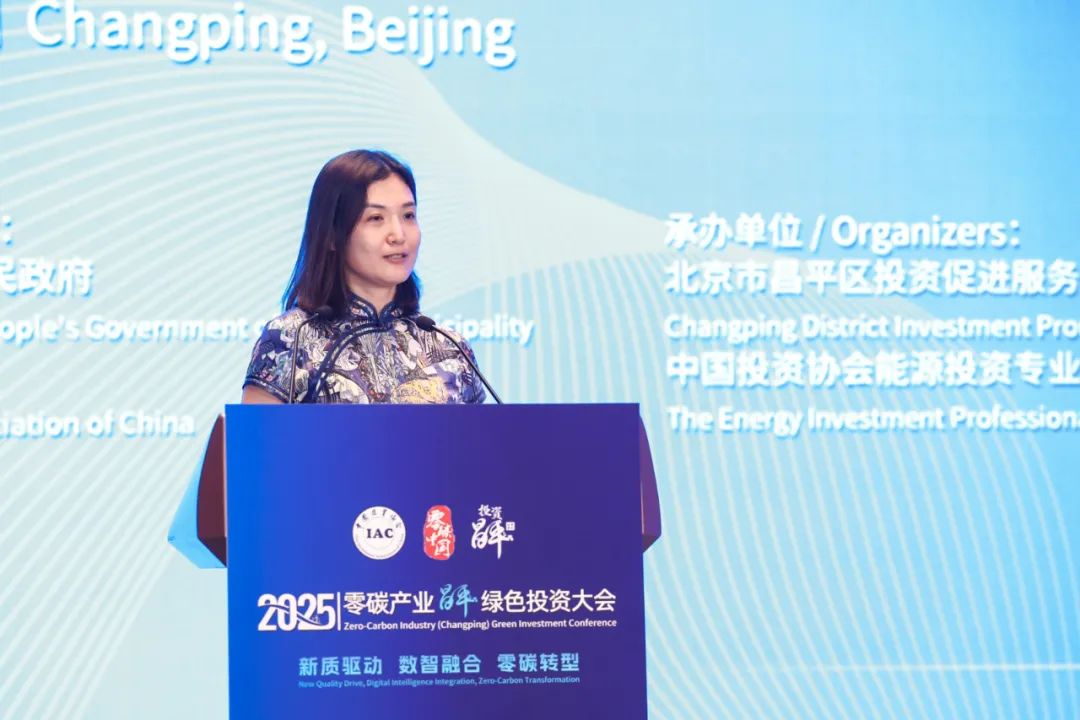
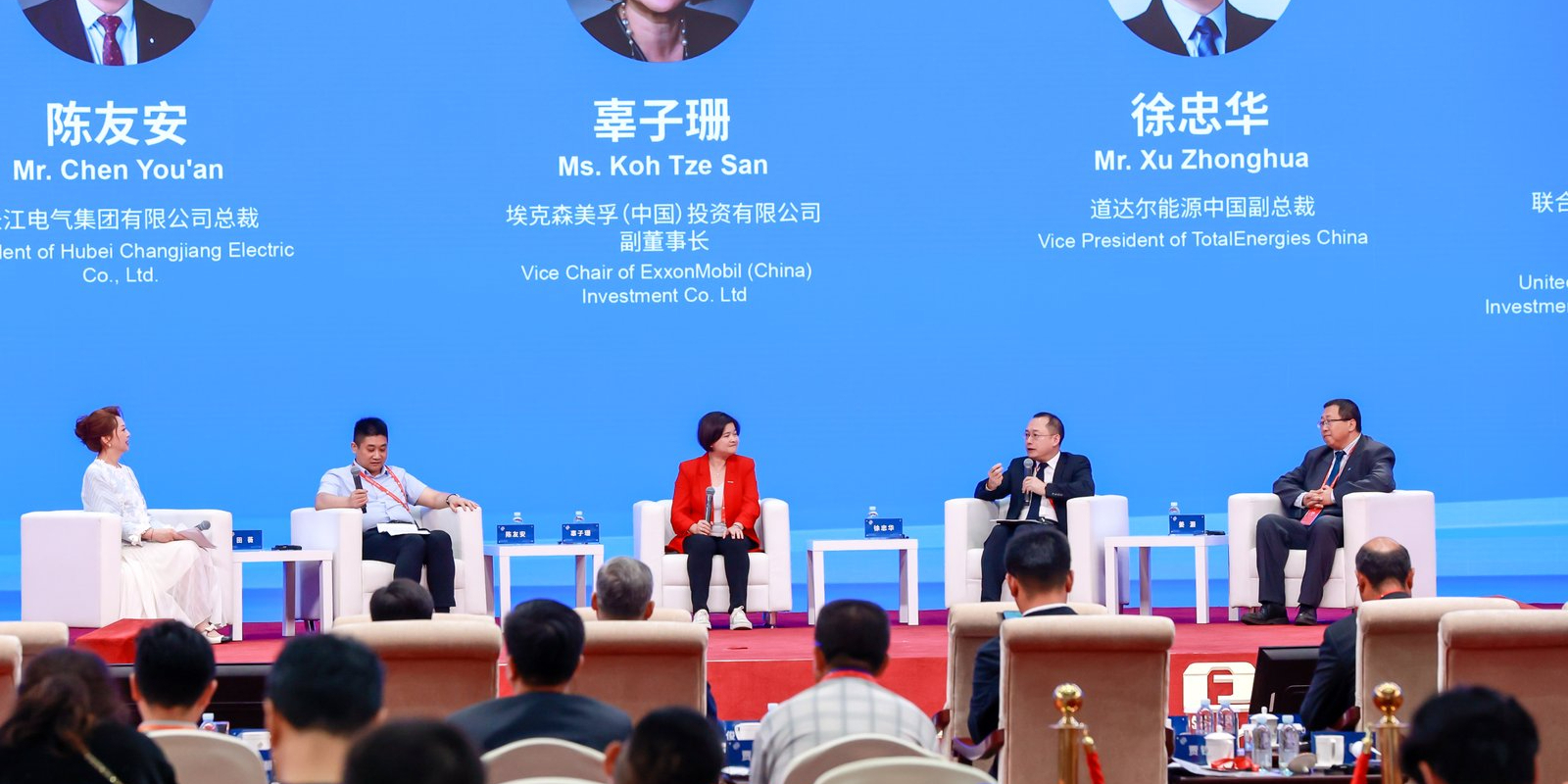
Group 1 - The 2025 Zero Carbon Industry (Changping) Green Investment Conference was successfully held in Beijing, focusing on the theme "New Quality Drives Digital Intelligence Integration for Zero Carbon Transformation" with over 200 representatives from government, research institutions, and leading enterprises discussing the development path of the zero-carbon industry [1] - The conference highlighted the achievements in China's energy transition under the "dual carbon" goals, including the continuous expansion of renewable energy and significant improvements in energy efficiency, while also addressing challenges such as energy supply reliability and the pressure for traditional energy to transition to cleaner forms [3] - The China Classification Society Quality Certification Company has completed over 10,000 greenhouse gas verifications and over 1,000 emission reduction project audits since 2008, emphasizing its role in leading the construction of zero-carbon standards [5] Group 2 - The domestic voluntary carbon market has shown significant progress since its launch in January 2024, with a registration of 9.48 million tons of emission reductions and a transaction volume exceeding 200 million yuan, indicating a stable CCER price between 80-90 yuan per ton [7] - The National Climate Strategy Center is accelerating the establishment of a product carbon footprint management system, planning to develop about 200 key product accounting rules and a national carbon footprint factor database by 2027-2030 [9] - The "Zero Carbon China" evaluation information system was launched, featuring a standardized evaluation system, intelligent data analysis, and a visual monitoring platform to support various stakeholders in achieving low-carbon transitions [17][19] Group 3 - The "Zero Carbon China" initiative has entered a new phase of large-scale practice, with 15 exemplary cases selected that demonstrate significant potential for promotion across various scenarios, including zero-carbon parks, factories, and villages [21] - Jiangzhong Pharmaceutical has implemented a systematic approach to green transformation, achieving a 30% share of self-generated green electricity and a 60% reduction in energy consumption through innovative technologies [23] - The National Energy Biomass Power Generation Group has contributed 100 billion kilowatt-hours of green electricity and reduced carbon dioxide emissions by 100 million tons, while promoting a "green thermal power + bio-economy" strategy [25][26]
链博会观察|为全球清洁能源产业链提供“中国方案”
Jing Ji Guan Cha Wang· 2025-07-18 12:18
Core Viewpoint - The third China International Supply Chain Promotion Expo highlighted the importance of clean energy supply chains, showcasing new technologies and trends in the clean energy sector, with China being a leading supplier of renewable energy products globally [2] Group 1: Clean Energy Supply Chain - The expo featured a dedicated clean energy supply chain exhibition area, demonstrating the entire cycle of clean energy from supply to consumption [2] - China produces 80% of the world's photovoltaic components and 70% of key wind power components, establishing itself as the largest and fastest-growing clean energy system globally [2] - Clean energy technologies and products from China are increasingly being adopted in developing countries, particularly in underdeveloped regions, providing abundant energy supply [2][4] Group 2: Challenges and Innovations - Global energy supply faces two main challenges: providing clean energy solutions for sustainable development and addressing climate change [2] - The renewable energy sector has a lower competitive barrier and requires rapid technological innovation due to its manufacturing attributes [2] - Companies are developing direct current appliances for regions with inadequate infrastructure, such as Africa, to facilitate the use of solar energy without the need for inverters [4] Group 3: Cost and Market Dynamics - The low cost of renewable energy is crucial for its widespread adoption, especially in regions like Africa where traditional clean energy solutions may be too expensive [5] - The renewable energy industry is characterized by rapid technological iterations, with costs decreasing almost quarterly due to ongoing engineering innovations [5][6] - Companies are exploring comprehensive energy service systems, such as "zero-carbon parks," to achieve overall clean energy usage for end-users [9] Group 4: Infrastructure and Equipment - Chinese manufacturers are adapting their products for domestic applications while also providing solutions for global energy utilization facilities [8] - The demand for domestic transmission and distribution equipment is strong in overseas markets, particularly in emerging markets with significant infrastructure needs [8] - Companies are integrating various renewable energy sources and digital management platforms to balance carbon emissions in industrial parks [9]
英国石油(BP.US)出售美国陆上风电业务予LS Power,聚焦油气核心战略
智通财经网· 2025-07-18 07:42
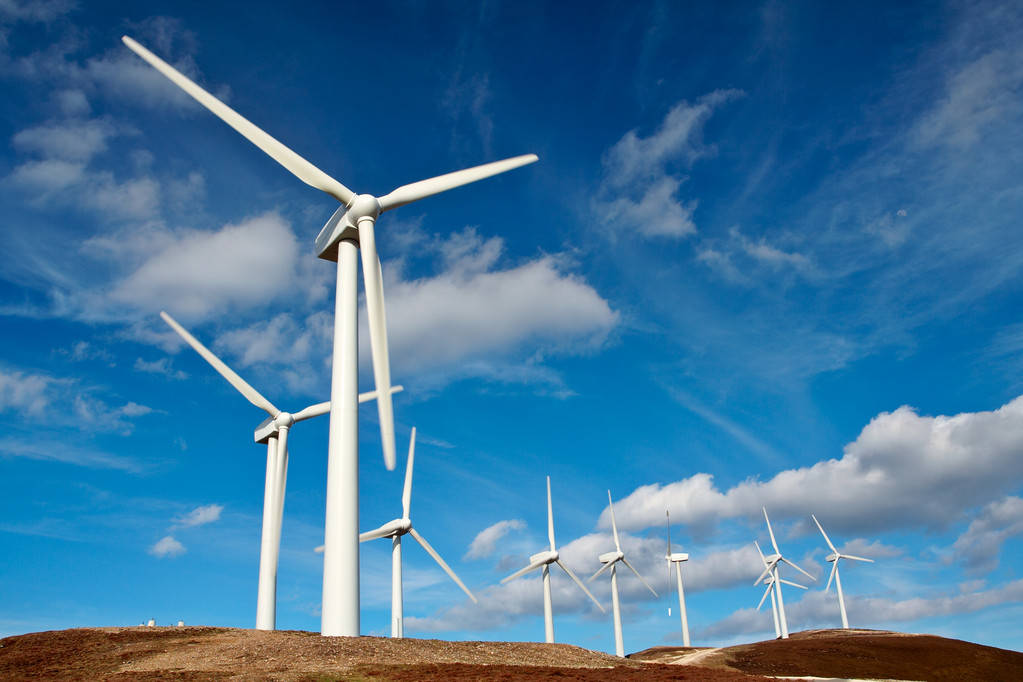
Group 1 - BP has announced the sale of its onshore wind business in the U.S. to LS Power, aiming to refocus on its core oil and gas operations and reverse its recent stock price decline [1][2] - The transaction involves 10 operational onshore wind projects across seven U.S. states, with a total installed capacity of 1.7 gigawatts, and the specific financial details will be disclosed in the upcoming Q2 earnings report [1][2] - BP's CEO, Murray Auchincloss, is executing a revival plan that includes a target of raising $20 billion through asset divestitures after abandoning a comprehensive low-carbon transition strategy [1][2] Group 2 - BP's strategic shift reflects broader trends in the global energy market, where oil and gas companies face profitability pressures and challenges in transitioning to low-carbon energy [2] - The company plans to reduce transformation spending by $5 billion over the next three years while maintaining an average annual investment of $10 billion in its oil and gas core business to enhance net production and reserve replacement rates [2] - BP's reserve replacement rate has declined from 90% in 2017 to a projected 1% in 2024, prompting increased exploration investment by 62% to $1.6 billion in 2024 and plans to drill approximately 40 wells over the next three years [2] Group 3 - Despite challenges, BP is committed to its strategic adjustment plan, aiming to balance cash flow from traditional operations with the transition to low-carbon energy [3] - The sale of the wind business marks a significant step in BP's strategic focus, with the progress of asset divestitures and stock performance becoming key points of market interest [3]