
机电

Search documents
中国东盟自贸升级赋能机电产业国际合作
Jing Ji Ri Bao· 2025-12-05 22:24
Core Insights - The signing of the China-ASEAN Free Trade Area 3.0 upgrade protocol on October 28, 2023, is expected to significantly boost regional economic cooperation and open new avenues for international trade in the machinery and electronics industry [1] Group 1: Trade Growth and Market Dynamics - Since its inception, the China-ASEAN Free Trade Area has been a crucial growth driver for China's machinery and electronics exports, with exports increasing from $73.8 billion in 2010 to $310.1 billion in 2024, reflecting an annual growth rate of 10%, which is notably higher than the overall export growth rate of 5.67% during the same period [1] - In 2024, ASEAN is projected to surpass the United States, becoming China's second-largest export market for machinery and electronics, following the EU [1] - In the first three quarters of this year, exports of machinery and electronics to ASEAN grew by 26.3% to $281.8 billion, surpassing the EU to become the largest export market [1] Group 2: Bilateral Trade and Economic Impact - The bilateral trade volume of machinery and electronics between China and ASEAN reached $401.4 billion in the first three quarters of this year, marking a year-on-year increase of 16.1%, with all ten ASEAN countries experiencing double-digit growth in exports [2] - The 3.0 protocol's measures, including tariff reductions and lowered market access thresholds, are expected to further decrease import and export costs across various machinery and electronics sectors [2] Group 3: Supply Chain and Green Economy Initiatives - The 3.0 protocol introduces a dedicated chapter on supply chain connectivity, which aims to enhance regional supply chain integration and improve port efficiency, thereby addressing cross-border industrial chain coordination challenges [3] - The protocol incorporates green economy initiatives, defining areas such as green trade and sustainable finance, and establishes a Green Economy Committee to oversee implementation, highlighting a commitment to global economic green transformation [3][4] Group 4: Digital Economy and Technological Advancements - A specific chapter in the 3.0 protocol focuses on the digital economy, promoting an open and fair development environment, which includes provisions for paperless trade and cross-border data transmission, offering significant growth opportunities for the machinery and electronics sector [4] - The protocol's emphasis on digitalization is expected to lower compliance costs for companies and facilitate the transition from traditional low-cost competition to high-value-added sectors [4] Group 5: Future Directions - Under the framework of the 3.0 protocol, the China Machinery and Electronics Chamber of Commerce will focus on emerging fields such as the green economy and digital economy, promoting deep integration and collaborative development of the China-ASEAN machinery and electronics industry [5]
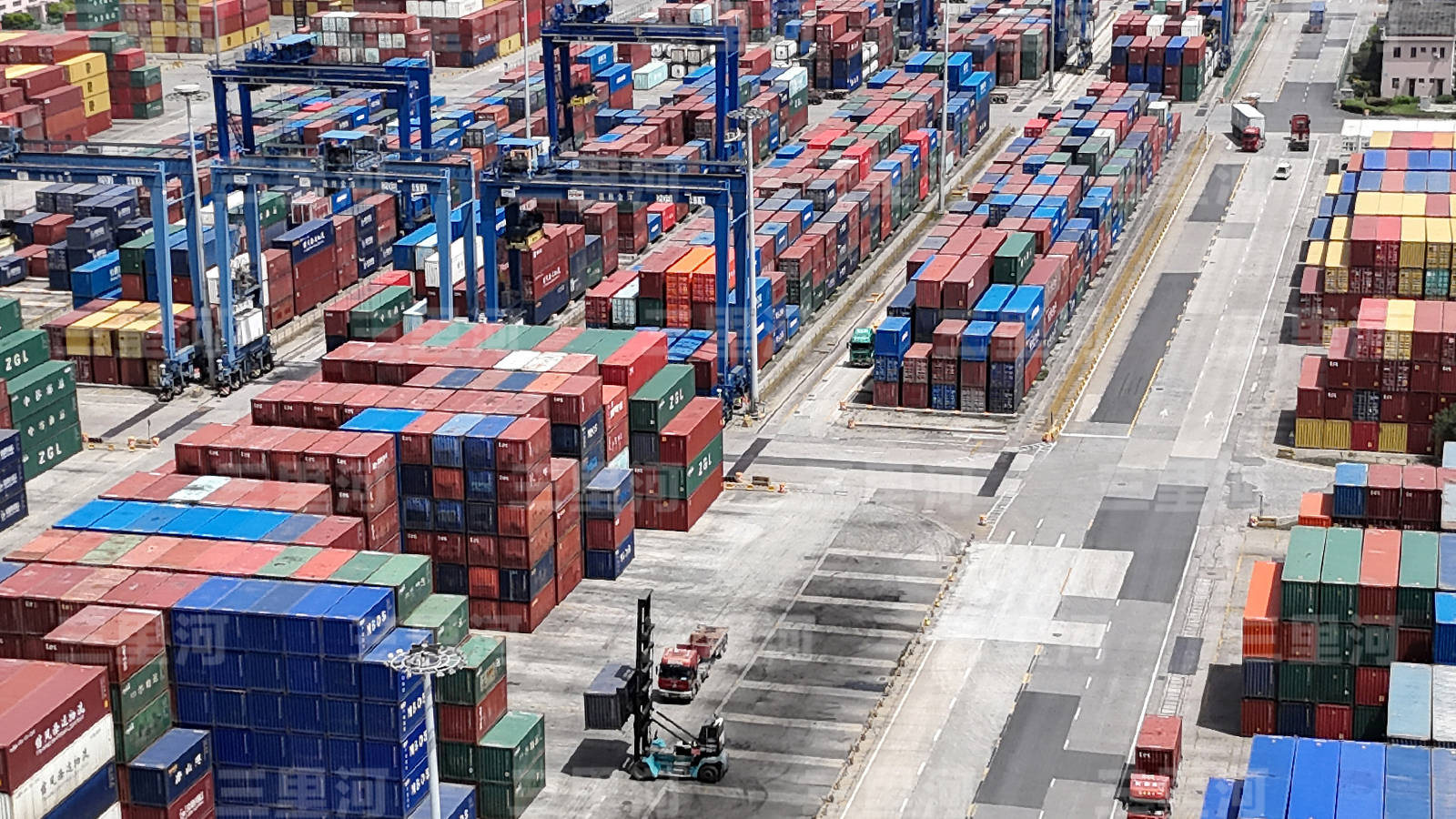
浙江最大贸易伙伴易主凸显区域合作新动能
Sou Hu Cai Jing· 2025-12-05 01:27
Core Viewpoint - A historic shift is occurring in Zhejiang, where ASEAN has surpassed the EU to become the province's largest trading partner for the first time in history, reflecting significant changes in trade dynamics and economic relationships [1][4][13]. Trade Dynamics - From January to October this year, Zhejiang's total import and export value with ASEAN reached 710.61 billion yuan, a year-on-year increase of 16.2%, while trade with the EU totaled 702.94 billion yuan, with a growth rate of only 7.5% [4][6]. - The overall import and export value of Zhejiang for the same period was 4.60 trillion yuan, growing by 5.3%, which is 1.7 percentage points higher than the national average [4][12]. Factors Driving Change - The shift in trade partnerships is attributed to multiple factors, including the accelerated restructuring of global supply chains and the ongoing benefits from the Regional Comprehensive Economic Partnership (RCEP) [4][8]. - ASEAN's role as a significant manufacturing base and consumer market complements Zhejiang's industries, particularly in emerging sectors like digital economy and green energy [4][12]. Export Growth Areas - Exports of electric passenger vehicles from Zhejiang to ASEAN surged by 195%, and lithium-ion batteries increased by 67.2% from January to October [6][10]. - The trade has evolved from primarily labor-intensive products to include high-tech products such as machinery and electric vehicles, indicating a shift towards more sophisticated exports [10][12]. Import Trends - Zhejiang's imports from ASEAN are diversifying beyond raw materials to include high-quality agricultural products and industrial goods [11][12]. Role of Private Enterprises - The transition to ASEAN as the largest trading partner is significantly driven by Zhejiang's robust private enterprise sector, which comprises 112,000 foreign trade companies, with private enterprises accounting for 82% of the province's total import and export value [12][13]. - Private enterprises in Zhejiang have shown a 9.4% growth rate in exports, contributing 96.6% to the overall export growth [12].

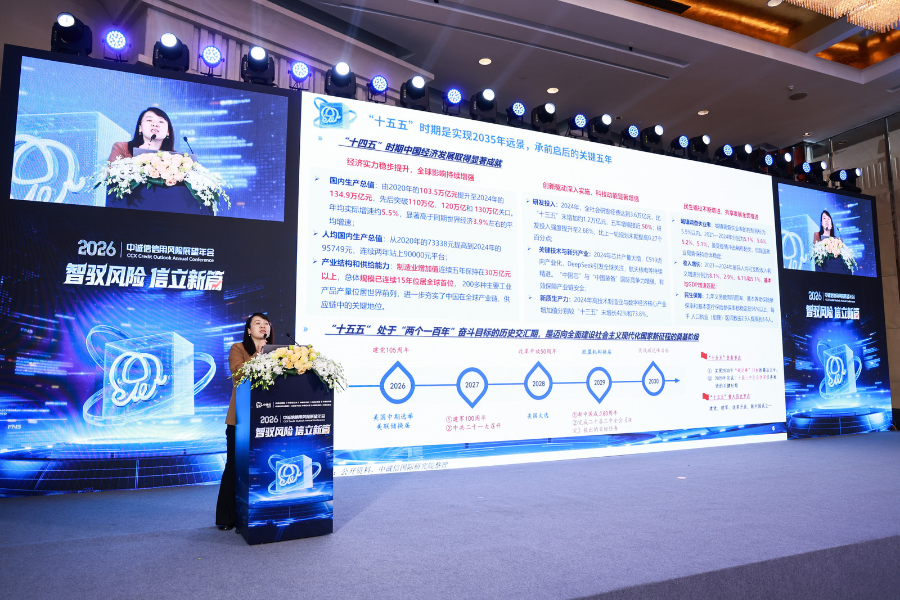
中诚信袁海霞:五大积极因素支撑2026年中国经济增速
2 1 Shi Ji Jing Ji Bao Dao· 2025-12-04 07:49
Core Viewpoint - The economic growth target for 2026 is likely to be set around 5%, but due to insufficient demand and investment constraints, the projected GDP growth rate is estimated at 4.8% under a neutral assumption [3][4]. Group 1: Positive Factors Supporting Economic Recovery - The first positive factor is the tactical easing of the US-China trade tensions, which is expected to provide resilience for exports in 2026, particularly as the US approaches its midterm elections [4]. - The second factor is the early implementation of major projects in the first year of the 14th Five-Year Plan, with infrastructure investment expected to be a primary driver [4]. - The third factor involves the delayed effects of policy deployments from the end of this year, which are anticipated to manifest in early 2026, particularly in fiscal policy [5]. - The fourth factor is the ongoing effects of anti-involution governance, which may lead to a moderate recovery in PPI and CPI [6]. - The fifth factor is the demand potential from the new urbanization initiative, which is expected to release significant consumption and investment opportunities [6]. Group 2: Fiscal and Monetary Policy Directions - Fiscal policy is expected to play a supportive role, with a proposed increase in the deficit ratio to 4.5%-5% for 2026, and a broad deficit scale exceeding 16 trillion [7]. - In terms of monetary policy, a supportive stance is anticipated, with expectations for one interest rate cut and 1-2 reserve requirement ratio reductions in 2026 [8].
广州森格冷气机电有限公司成立 注册资本50万人民币
Sou Hu Cai Jing· 2025-12-03 05:56
Core Viewpoint - Guangzhou Sengge Refrigeration Machinery and Electrical Co., Ltd. has been established with a registered capital of 500,000 RMB, indicating a focus on various engineering and electrical services [1] Group 1: Company Overview - The legal representative of the company is Zhang Huan [1] - The registered capital of the company is 500,000 RMB [1] Group 2: Business Scope - The company’s business scope includes engineering contracting, sales of electrical accessories, and sales of electric vehicle charging services [1] - It also engages in mechanical equipment leasing, home appliance sales, and installation services [1] - Additional services include second-hand goods sales, centralized fast charging stations, general equipment repair, and engineering management services [1] - The company provides professional cleaning, disinfection services, and home services such as furniture installation and repair [1] - It is involved in the sales and repair of household appliances and electronic components, as well as information technology consulting services [1] - The company also focuses on the sales of refrigeration and air conditioning equipment, and operates electric vehicle charging infrastructure [1]
张瑜:“存款”落谁家,春水向“中游”——2026年宏观展望报告(干货版)
一瑜中的· 2025-12-02 16:05
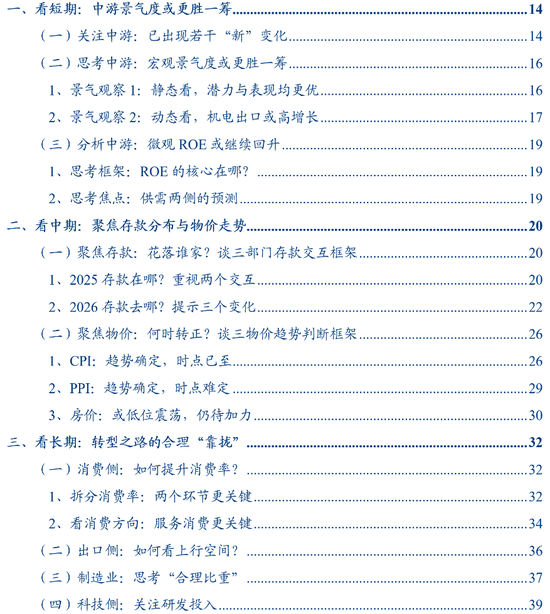
Group 1: Short-term Outlook - The midstream sector is expected to show better performance due to several new changes [2][3] - Static observation indicates that both potential and performance in the midstream sector are superior [2] - Dynamic observation suggests that machinery and electrical exports may experience high growth [2][3] Group 2: Mid-term Focus - The distribution of deposits is a key focus, with significant changes anticipated for 2026 [2][3] - CPI is expected to trend positively, while PPI's timing for turning positive remains uncertain [2][3] - Real estate prices are likely to experience low-level fluctuations, requiring further support [2][3] Group 3: Long-term Transformation - Enhancing consumption rates is crucial, with a focus on service consumption [2][3] - The export sector has considerable upward potential, driven by various factors [2][3] - The manufacturing sector needs to consider a "reasonable proportion" in the economic structure [2][3] Group 4: Investment Insights - The overall judgment on major asset classes suggests a preference for equities over bonds, continuing the rebalancing trend [3] - The internal structure of asset classes indicates opportunities and risks within equities and bonds [3] - International comparisons of asset classes highlight the value of stock allocations [3] Group 5: Potential Variables - The possibility of a tech bubble, particularly in the U.S. AI sector, is under consideration [3] - U.S. monetary policy may face dual variables, with inflation risks potentially halting rate cuts [3] - Infrastructure investment in China is expected to remain weak, with uncertainties surrounding policy changes [3] Group 6: Data Estimation - The macroeconomic outlook for key indicators suggests improvements in nominal GDP and consumer spending [3] - Export resilience and investment trends are critical for future economic performance [3] - Real estate and retail sectors are projected to remain weak, impacting overall economic growth [3]

华创证券张瑜:2026年宏观展望报告,“存款”落谁家,春水向“中游”
Xin Lang Cai Jing· 2025-12-02 13:19
来源:一瑜中的 报告目录 | 一、看短期:中游景气度或更胜一筹 | | --- | | (一)关注中游:已出现若干"新"变化 . | | (二)思考中游:宏观景气度或更胜一筹 . | | 1、景气观察 1: 静态看,潜力与表现均更优 …………………………………………………………………… 16 | | 2、景气观察 2:动态看,机电出口或高增长 | | (三)分析中游:微观 ROE 或继续回升 . | | 1、思考框架:ROE 的核心在哪? | | 2、思考焦点:供需两侧的预测!……………………………………………………………………………………………………………………………………………………… 19 | | 二、看中期: 聚焦存款分布与物价走势 . | | (一)聚焦存款:花落谁家?谈三部门存款交互框架 | | 1、2025 存款在哪?重视两个交互 . | | 2、2026 存款去哪?提示三个变化 . | | (二)聚焦物价:何时转正?谈三物价趋势判断框架 | | 1、CPI:趋势确定,时点已至 | | 2、PPI:趋势确定,时点难定 | | 3、房价:或低位震荡,仍待加力 | | 三、看长期:转型之路的合理"靠 ...
张瑜:“存款”落谁家,春水向“中游”——2026年宏观展望报告
一瑜中的· 2025-12-02 12:45
Group 1 - The article emphasizes the importance of the midstream sector, highlighting four positive changes: recovery in profitability (ROE), focus on reducing supply through "anti-involution," increased overseas revenue and profit share, and benefits from the ongoing technological revolution [29][30][33][37] - The recovery of ROE in midstream manufacturing is noted, with a significant increase observed from Q1 to Q3 of 2025, indicating improved corporate profitability [29][30] - The midstream sector's investment growth is lagging behind demand growth, suggesting a potential balance in supply and demand dynamics [30][38] Group 2 - The article discusses the macroeconomic outlook, predicting a nominal GDP growth rate of 4.8-5.0% for 2026, with retail sales growth around 4.0% and exports maintaining a growth rate of approximately 5% [7][8] - The Consumer Price Index (CPI) is expected to turn positive, with a projected annual growth rate of about 0.7% for 2026, while the Producer Price Index (PPI) is anticipated to remain negative but show signs of recovery [8][9] - The article highlights the importance of monitoring the distribution of deposits among different sectors, as it significantly influences future economic trends [64] Group 3 - The article identifies the midstream sector as having superior demand and potential compared to upstream and downstream sectors, with a demand growth rate of 9.6% and potential growth rate of 9% as of October [38][42] - The article predicts strong growth in China's electromechanical exports, driven by global monetary policy easing and increased demand for technology products [42][44][46] - The midstream sector's profitability is expected to continue improving, supported by favorable macroeconomic conditions and increased investment in technology [55][59] Group 4 - The article discusses the structural changes in M2 and its impact on the stock market, indicating that M2 growth may slow down in 2026, which could affect stock valuations [10][11] - The relationship between corporate and household deposits is analyzed, suggesting that a recovery in corporate deposits could positively influence stock market performance [12][13] - The article emphasizes the need for investors to focus on sectors with low valuations and high dividend yields, particularly in the midstream sector, where ROE improvement is anticipated [25][26]

中国制造向“新”突围 外贸“韧”劲十足超预期——2025年终经济观察
Zheng Quan Shi Bao Wang· 2025-12-01 23:36
Core Viewpoint - China's export resilience has provided a bright spot for economic growth despite adverse external conditions, with significant contributions from the manufacturing sector and diversified market strategies [1][7]. Group 1: Export Performance - In the first ten months of the year, China's export value increased by 6.2%, with exports to at least 177 trading partners growing faster than this average [4][5]. - The contribution of net exports to GDP growth was 29%, adding 1.5 percentage points to the overall GDP growth [1]. - Exports of mechanical and electrical products reached 13.43 trillion yuan, growing by 8.7% and accounting for 60.7% of total exports [2][3]. Group 2: Product Categories - High-tech products now represent 24.8% of total exports, with a year-on-year growth rate of 7.3% in the first ten months [3]. - Notable growth was observed in biotechnology, optoelectronics, electronics, computer integrated manufacturing, materials technology, and aerospace technology, all exceeding 12% growth [3]. Group 3: Market Diversification - The proportion of exports to countries involved in the Belt and Road Initiative has surpassed 50%, indicating a significant shift in trade relationships [6][5]. - The concentration of trade partners has decreased, with the combined export value to the top three partners dropping from 48.51% in 2018 to 43.9% in the current year [6]. Group 4: Future Outlook - Goldman Sachs predicts an 8% growth in actual exports for the year, driven by ongoing structural upgrades in manufacturing and market diversification [7][8]. - The "14th Five-Year Plan" emphasizes innovation and market diversification as key strategies for enhancing trade resilience and security [7][8].
前三季度京津冀区域出口破万亿元创历史同期新高
Zhong Guo Jing Ji Wang· 2025-12-01 14:36
Core Viewpoint - The export performance of the Beijing-Tianjin-Hebei region shows a positive trend, with significant growth in various sectors and a notable increase in trade with Belt and Road countries [1] Export Performance - In the first three quarters, the Beijing-Tianjin-Hebei region's exports reached 1.07 trillion yuan, marking a year-on-year increase of 5.2% [1] - From April to September, the region experienced six consecutive months of both year-on-year and month-on-month export growth [1] - In September, exports amounted to 134.23 billion yuan, representing a year-on-year growth of 13% and a month-on-month increase of 5.4%, with the monthly export scale surpassing 130 billion yuan for the first time [1] Product Categories - In the first three quarters, the export of electromechanical products totaled 608.4 billion yuan, up 7.1%, accounting for 56.7% of the region's total export value [1] - Specific product exports included auto parts at 45.31 billion yuan (up 14.2%), integrated circuits at 32.63 billion yuan (up 4%), and ships at 29.05 billion yuan (up 170.1%) [1] - Textile and apparel exports reached 40.97 billion yuan (up 2.6%), while medicinal materials and pharmaceuticals totaled 26.62 billion yuan (up 29%) [1] Trade Partners - The region's exports to Belt and Road countries amounted to 621.56 billion yuan, increasing by 7.5% and representing 57.9% of the total export value [1] - Exports to ASEAN, the Middle East, Latin America, and Africa were 180.24 billion yuan (up 3.9%), 103.53 billion yuan (up 10.4%), 98.84 billion yuan (up 15.2%), and 84.22 billion yuan (up 31%), respectively [1]
宏观经济周报:服务业与制造业的共赢逻辑-20251129
Guoxin Securities· 2025-11-29 11:53
Group 1: Economic Structure and Trends - The service and manufacturing sectors are not in opposition but rather have a symbiotic relationship, as evidenced by the increase of over 7 percentage points in the service sector's share of global GDP from 1980 to 1996, while manufacturing remained stable[1] - From 2002 to 2019, both sectors exhibited a synchronized trend of rise and fall, indicating their interdependence rather than a zero-sum game[1] - Manufacturing acts as an incubator for service industries, with many productive services like logistics and R&D initially emerging from within manufacturing firms[1] Group 2: Support and Demand Dynamics - The large service sector constitutes the core consumer base for manufacturing products, creating significant demand for items ranging from medical equipment to educational materials[2] - Services play a crucial role in enhancing human capital, which is essential for the quality of manufacturing inputs, thereby supporting innovation and breakthroughs in the manufacturing sector[2] - The current economic transition in China highlights the need for high-quality development in manufacturing to create more opportunities for productive services like R&D and digital services[2] Group 3: Current Economic Indicators - Fixed asset investment has decreased by 1.70% year-on-year, indicating a contraction in investment activities[4] - Retail sales have shown a modest increase of 2.90% year-on-year, reflecting some resilience in consumer spending[4] - Exports have declined by 1.10% year-on-year, suggesting pressure on external demand[4] - The M2 money supply has grown by 8.21%, indicating a continued expansionary monetary policy[4]