
反内卷治理

Search documents
五矿信托:2026年宏观经济与大类资产配置展望
Jin Rong Jie· 2026-02-11 02:43
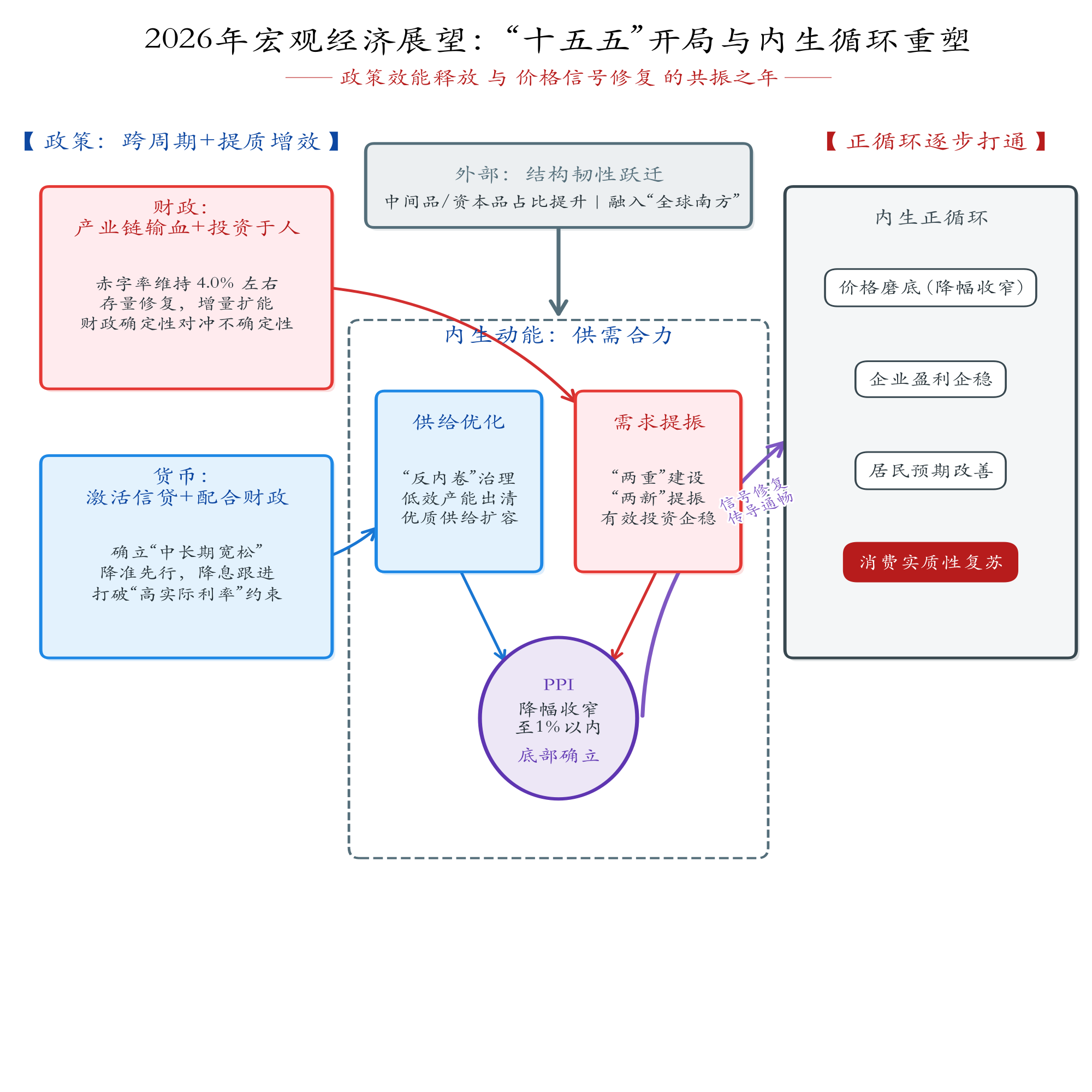
Core Viewpoint - The macroeconomic outlook for 2026 indicates a significant restructuring of macroeconomic policies, focusing on long-term stability and structural adjustments rather than merely smoothing short-term fluctuations. The year marks a transition towards quality-driven growth and a proactive transformation of the economy [1][4]. Group 1: Macroeconomic Policy - Fiscal policy will maintain a high intensity, with a deficit rate expected to remain between 4.0% and 4.2%, translating to approximately 5.9 trillion yuan in deficit. This aims to boost effective demand and facilitate the transition between old and new growth drivers [6][7]. - Monetary policy is set to shift towards "moderate easing," with expectations of a reserve requirement ratio cut in the first quarter and interest rate reductions in the second quarter, aimed at stimulating credit demand and supporting fiscal efforts [10][12]. Group 2: Investment Dynamics - Fixed asset investment is projected to recover, with growth rates expected to rise to 3.0%-3.5%. Infrastructure investment will be the main driver, anticipated to grow by around 5.5%, supported by fiscal measures [13][15]. - Manufacturing investment is expected to remain resilient, with a growth rate of about 5.0%, as companies shift focus from expansion to upgrading capabilities, aided by a structural shift towards high-value intermediate and capital goods [15]. Group 3: Consumption Trends - Consumer spending is expected to transition from stimulus-driven growth to normalized growth, with retail sales growth projected at 4.0%-4.5%. Durable goods consumption will stabilize, while service consumption is anticipated to become the largest incremental growth area, driven by policy support [17]. Group 4: External Trade and Balance - China's export structure is evolving from "end-product manufacturing" to "industrial base," enhancing export resilience. The export growth rate is expected to remain around 5.5%, supported by a shift towards high-value products [21][24]. - The focus on deepening cooperation with emerging markets will facilitate a transition from simple product exports to a model of "technology + capacity," which is expected to provide a solid foundation for maintaining export growth [24].

2025年宏观经济回顾与2026年展望:于变局中开新局,寻求新均衡的2026
Zhong Cheng Xin Guo Ji· 2026-01-23 08:12
1. Report's Industry Investment Rating - No relevant information provided 2. Core View of the Report - In 2025, China's economy achieved a growth target of around 5% despite challenges, but it also faced structural pressures. In 2026, the economy is expected to grow at 4.8%, likely showing a "low - then - high" trend. To achieve the economic growth target in 2026, comprehensive macro - policies are needed, including fiscal, monetary, and various industry - specific policies [3][7][48] 3. Summary by Relevant Catalogs 3.1 2025 Review: A Year of "Reconstruction" Amid Interwoven Multiple Variables - **Growth Trend**: In 2025, China's economy showed a "high - then - low" pattern. The real GDP grew 5.0% year - on - year, with nominal growth at 4.0%. Final consumption contributed over half (52%) to GDP growth, but there is room for improvement. Investment weakened, with capital formation contribution declining [9] - **Economic Structure**: The economy maintained a "strong supply, weak demand" pattern. Industrial production grew at about 6%. "Two - new" policies supported the economy in the first half, but domestic demand lacked momentum in the second half. Investment, especially fixed - asset investment, declined, with real estate and infrastructure investment hitting new lows [10] - **Structural Reconstruction**: - **Macroeconomic Narrative**: DeepSeek's technological breakthrough led to a re - evaluation of Chinese assets, especially technology assets, and changed the economic growth narrative [17] - **Export Resilience**: Exports were affected by US tariffs but remained resilient. The export support shifted from Europe and the US to emerging markets, with high - value - added capital and intermediate goods being the main export items [20] - **New and Old Kinetic Energy Conversion**: The real estate industry continued to adjust, gradually returning to its livelihood nature. New kinetic energy, such as high - tech industries, played an increasing role in economic growth. "Anti - involution" governance promoted the transformation of emerging industries [25][26] 3.2 Four Constraints on the Economy's Path to a "New Equilibrium" - **Global Political and Economic Landscape**: The global political and economic landscape is evolving rapidly. Sino - US competition intensifies in non - trade areas, and geopolitical frictions with non - US countries are increasing [32] - **Micro - entity Behavior**: The behavior of micro - entities has not emerged from the "post - pandemic" paradigm. Residents' preventive savings are likely to be normalized, and enterprises' investment willingness is still low. Local governments face fiscal and debt constraints [32][35][36] - **New and Old Kinetic Energy Conversion**: The transformation from old to new kinetic energy brings downward pressure, fiscal, and employment gaps. New industries are not yet able to fully replace old ones [40] - **High - quality Supply**: The supply of high - quality products and services is insufficient, leading to a mismatch between supply and demand and restricting the release of domestic demand [44] 3.3 2026 Outlook: Expected Economic Growth of 4.8%, with Potential Marginal Improvement in Macro - micro Temperature Difference - **Overall Economic Growth**: In 2026, the economy is expected to show a "low - then - high" trend. Under the neutral scenario, the GDP growth rate is expected to be around 4.8%, with quarterly rates of 4.6%, 4.8%, 4.9%, and 4.9% respectively [7][48] - **Sector - specific Outlook**: - **Production**: Industrial production is expected to remain resilient, with an expected 5.5% increase in industrial added value. The service industry is also expected to grow, with the service production index rising 5.6% [52] - **Exports**: Although there is a base effect, exports are supported by multiple factors. With potential "tactical" easing of Sino - US trade frictions and demand from emerging markets, the export growth rate is expected to be 4.5% [53] - **Investment**: Investment is likely to stop falling and stabilize. Infrastructure and emerging industries will be the main drivers, with overall investment growth expected to reach 2% and narrow - sense infrastructure investment growing by 8% [57] - **Real Estate**: In the short term, the real estate market is still in the inventory - clearing stage, but investment decline is expected to narrow to 10% [58] - **Consumption**: Consumption is expected to have a weak recovery, with total social retail sales growing by 4%. Service consumption has greater growth potential, while commodity consumption is restricted by policy and base effects [60] - **Prices**: The effects of "anti - involution" governance will continue to show, and PPI and CPI are expected to have a mild recovery, potentially improving the macro - micro temperature difference [62] 3.4 Policy Recommendations for Achieving the 2026 Economic Growth Target - **Fiscal and Monetary Policy**: In 2026, the deficit rate should be kept above 4%, and the general fiscal expenditure may reach about 15 trillion yuan. There may be one interest rate cut and 1 - 2 reserve requirement ratio cuts [7][67][69] - **Expanding Domestic Demand**: For consumption, expand subsidies to service consumption, promote full implementation of holidays, and improve the service consumption environment. For investment, play the role of government investment and use the national venture capital guidance fund to attract private capital [70][71] - **Increasing High - quality Supply**: Encourage innovation in products and services, and relax market access to increase high - quality supply [74] - **Cultivating New Kinetic Energy**: Focus on key "choke - point" technologies, strengthen the role of enterprises in innovation, and promote the cluster - based development of strategic emerging industries [74] - **Stabilizing the Real Estate Market**: Improve the "commercial housing + affordable housing" dual - track system, and promote the coordinated development of supply and demand in the real estate market [76] - **Debt Management**: Optimize the debt structure and efficiency, and build a long - term debt management mechanism [77] - **External Response**: Implement a more diversified and in - depth opening - up strategy, expand the foreign trade "circle of friends", and support enterprises to go global [79] - **Reform and System - building**: Promote economic, fiscal, and tax system reforms, and release institutional dividends [81]
新闻1+1丨从“硬核亮剑”到“绣花功夫” 优化营商环境如何切中要害
Yang Shi Wang· 2026-01-05 22:33
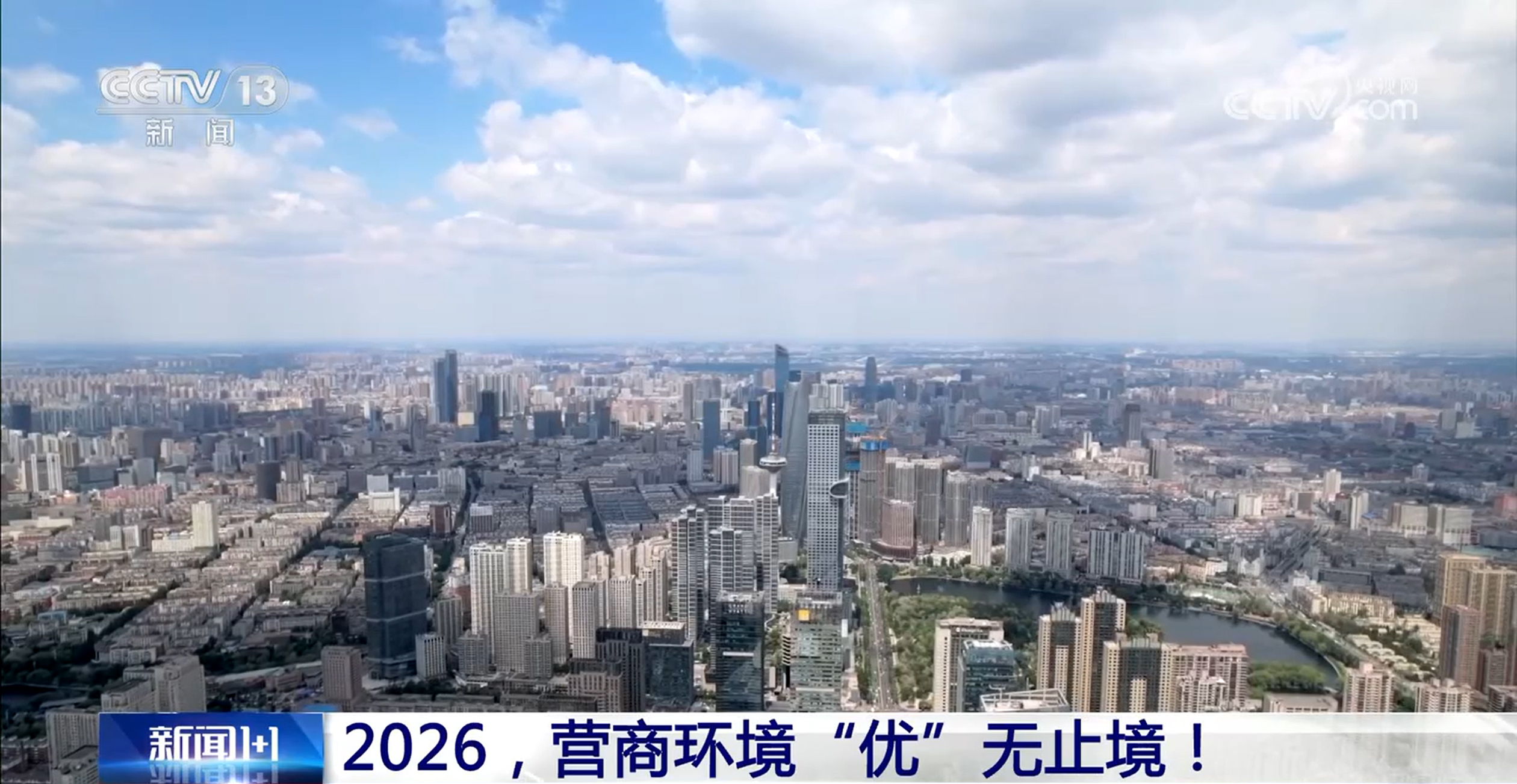
Core Viewpoint - Both Liaoning and Shanghai are committed to optimizing their business environments, with specific action plans aimed at improving investment attractiveness and overall economic development [1][3]. Group 1: Liaoning's Initiatives - Liaoning aims to break the "investment does not cross the Shanhai Pass" curse by significantly improving its business environment, which is seen as a crucial support for development [3][4]. - The province's action plan includes 34 specific tasks focused on fairness, service enhancement, cost reduction, and legal clarity, aiming to provide comprehensive support for businesses throughout their lifecycle [8]. - Key measures include addressing administrative inefficiencies and implementing a "standby service" model to expedite processes, with the first batch of services already operational [6][8]. Group 2: Shanghai's Approach - Shanghai's 9.0 version of its business environment plan features 26 detailed reforms, emphasizing early action, attention to detail, and practical implementation based on enterprise feedback [10][12]. - The city is focused on creating a fairer business environment by addressing issues like anti-competitive practices and ensuring a clearer regulatory landscape for businesses [12][14]. - Special attention is given to the development of small and micro enterprises, which constitute 99.8% of all businesses in China and are vital for GDP, tax revenue, employment, and innovation [14].
中诚信袁海霞:五大积极因素支撑2026年中国经济增速
2 1 Shi Ji Jing Ji Bao Dao· 2025-12-04 07:49
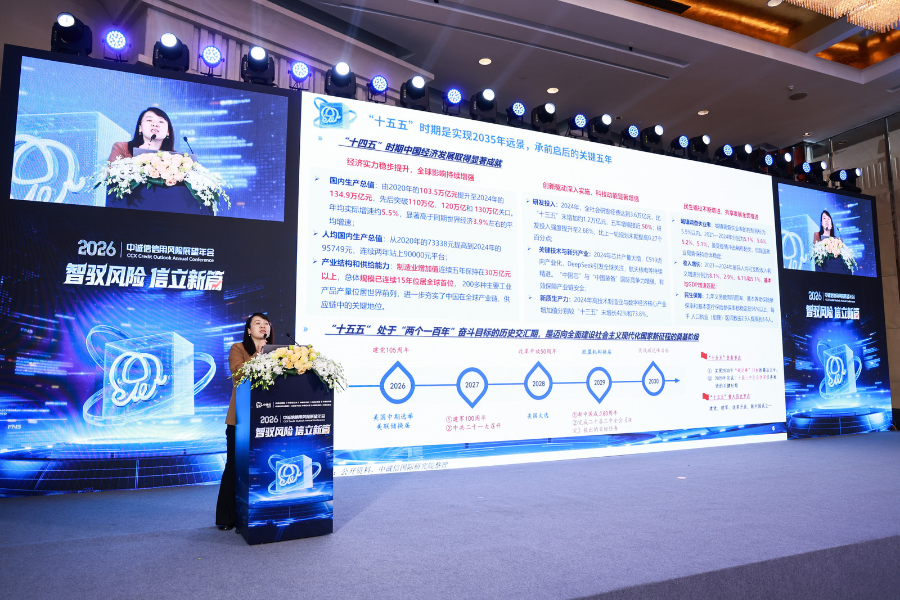
Core Viewpoint - The economic growth target for 2026 is likely to be set around 5%, but due to insufficient demand and investment constraints, the projected GDP growth rate is estimated at 4.8% under a neutral assumption [3][4]. Group 1: Positive Factors Supporting Economic Recovery - The first positive factor is the tactical easing of the US-China trade tensions, which is expected to provide resilience for exports in 2026, particularly as the US approaches its midterm elections [4]. - The second factor is the early implementation of major projects in the first year of the 14th Five-Year Plan, with infrastructure investment expected to be a primary driver [4]. - The third factor involves the delayed effects of policy deployments from the end of this year, which are anticipated to manifest in early 2026, particularly in fiscal policy [5]. - The fourth factor is the ongoing effects of anti-involution governance, which may lead to a moderate recovery in PPI and CPI [6]. - The fifth factor is the demand potential from the new urbanization initiative, which is expected to release significant consumption and investment opportunities [6]. Group 2: Fiscal and Monetary Policy Directions - Fiscal policy is expected to play a supportive role, with a proposed increase in the deficit ratio to 4.5%-5% for 2026, and a broad deficit scale exceeding 16 trillion [7]. - In terms of monetary policy, a supportive stance is anticipated, with expectations for one interest rate cut and 1-2 reserve requirement ratio reductions in 2026 [8].
反内卷治理不断深入,石化ETF(159731)打开低位布局窗口
Mei Ri Jing Ji Xin Wen· 2025-11-18 03:01
Core Viewpoint - The petrochemical industry is experiencing fluctuations, with the China Securities Petrochemical Industry Index declining approximately 1.1%. However, certain stocks like Bluestar Technology and Tongcheng New Materials are leading gains. The Petrochemical ETF has seen significant net inflows, totaling 17.53 million yuan over the past 10 trading days [1][2]. Group 1: Industry Developments - The Ministry of Industry and Information Technology has initiated a project to identify key innovative tasks for fine chemicals by 2025, focusing on critical demand areas such as new energy vehicles, medical equipment, mobile communication devices, rail transportation, and marine engineering [1]. - The project aims to select a batch of units with strong innovation capabilities to tackle 50 advanced and high-value fine chemical products, categorized into three main types: intermediate raw materials, key materials, and critical equipment [1]. Group 2: Policy Impact - The central government has emphasized the need to "comprehensively rectify involution-style competition," with this goal included in the 2025 government work report, indicating a deeper commitment to addressing this issue [1]. - According to Zhongyuan Securities, the ongoing rectification of involution in the chemical industry is expected to improve overall supply and demand, facilitating further quality upgrades within the industry [1]. Group 3: ETF and Sector Composition - The Petrochemical ETF (159731) and its linked funds closely track the China Securities Petrochemical Industry Index, with the basic chemical industry accounting for 60.8% and the petroleum and petrochemical industry for 32.2% of the sector distribution [2]. - These sectors are anticipated to benefit significantly from policies aimed at reducing involution, restructuring, and eliminating outdated production capacity [2].
我国“反内卷”治理效果显现
Zhong Guo Xin Wen Wang· 2025-09-15 09:16
Core Viewpoint - The effectiveness of China's "anti-involution" governance is becoming evident, as indicated by the stabilization of the Producer Price Index (PPI) and improvements in consumer prices, driven by market competition optimization, increased demand in emerging industries, and consumption-boosting policies [1][2]. Group 1: Economic Indicators - In August, the PPI ended a consecutive eight-month decline, remaining flat month-on-month and showing a year-on-year decrease of 2.9%, which is a narrowing of 0.7 percentage points from the previous month [1]. - The Consumer Price Index (CPI) decreased by 0.4% year-on-year in August, while the core CPI, excluding food and energy, increased by 0.9%, marking a 0.1 percentage point increase from the previous month [1][2]. Group 2: Factors Influencing Price Changes - The optimization of market competition order has been a key factor, with government efforts to promote industry self-discipline and curb disorderly competition, leading to gradual improvements in key industries [1][2]. - Demand in emerging industries is on the rise, supported by the ongoing adjustment of China's economic structure towards high-end and intelligent development, which is expanding market demand and driving price increases in related sectors [1][2]. - Consumption-boosting policies have shown positive effects, with initiatives like the trade-in program for consumer goods enhancing demand for upgraded products, contributing to price increases in certain industries [1][2]. Group 3: Future Economic Outlook - The government plans to continue expanding domestic demand and implementing consumption-boosting actions, alongside effective investment expansion and the promotion of a unified national market [2][3]. - Upcoming holidays, such as the Mid-Autumn Festival and National Day, are expected to further stimulate consumer spending, contributing to the overall expansion and quality improvement of consumption [2].
中国物价现“转折点”?国家统计局回应
Zhong Guo Xin Wen Wang· 2025-09-15 07:47
Group 1 - The core consumer price index (CPI) in China, excluding food and energy, reached a new high since March of last year, indicating a potential turning point in prices [1] - In August, the core CPI increased by 0.9% year-on-year, with the growth rate expanding by 0.1 percentage points compared to the previous month, marking four consecutive months of growth [1] - Factors contributing to the reasonable recovery of CPI include increased food consumption demand due to cooler weather, upcoming holidays like Mid-Autumn Festival and National Day, and seasonal clothing price adjustments [1] Group 2 - The recent governance against "involution" has shown positive effects, leading to favorable changes in production prices across related industries, which may help in the transmission of production prices to consumer prices [2] - Despite the positive trends, the overall supply in the domestic market remains ample, and fluctuations in international energy prices could introduce uncertainties affecting domestic price changes [2]
海泰新能25Q2营收7.05亿元 环比增长60.23%
Sou Hu Cai Jing· 2025-09-01 10:13
Core Viewpoint - The photovoltaic industry is facing dual pressures of overcapacity and declining prices, impacting the overall operations of manufacturing enterprises like Haitai New Energy [1][2] Group 1: Company Performance - Haitai New Energy achieved a revenue of 1.145 billion yuan in the first half of 2025, with the second quarter contributing 705 million yuan, representing a significant quarter-on-quarter increase of 60.23% from 440 million yuan in the first quarter [1] - Despite the revenue growth, the company is affected by the industry's supply surplus and chaotic price competition, leading to losses despite increased production [1] Group 2: Industry Trends - The global photovoltaic installed capacity continues to grow steadily, with domestic new installations reaching 212.21 GW in the first half of 2025, a year-on-year increase of 107% [1] - A "rush to install" occurred in May 2025, with new installations hitting a record high of 92.92 GW, a year-on-year increase of 388.03% [1] - Following the end of the policy transition period, a decline in installation volume is expected [1] Group 3: Industry Response and Future Outlook - National regulatory bodies have initiated comprehensive measures to combat internal competition, encouraging companies to implement capacity integration and price self-discipline [2] - Haitai New Energy plans to strengthen domestic market channels, enhance brand awareness, and expand into emerging international markets [2] - The company aims to diversify its business by developing new profit growth points in areas such as brackets, energy storage, and power station operation and maintenance [2] - A commitment to innovation and increased R&D investment is emphasized to enhance independent innovation capabilities [2]
策略快评报告:经济运行稳中有进,高质量发展取得新成效
Wanlian Securities· 2025-07-31 06:54
Group 1 - The report highlights that China's economy is showing steady progress with a GDP growth of 5.3% year-on-year in the first half of the year, surpassing the annual target [4][5] - The meeting emphasized the need for continuous and stable macro policies, focusing on the effective implementation of existing policies to support economic development [4][5] - There is a strong emphasis on expanding domestic demand, with initiatives to boost consumption and high-quality investment in key projects [4][5] Group 2 - The report indicates a commitment to technological innovation as a driver for new productive forces, aiming to enhance the core position of China's industries in the global supply chain [4][5] - The governance of market competition is highlighted, with a focus on regulating disorderly competition and managing capacity in key industries [5] - The report suggests that the capital market will maintain a positive trend, with reforms aimed at enhancing its attractiveness and inclusivity [5]
关注上下游“反内卷”治理进展
Hua Tai Qi Huo· 2025-07-25 07:09
Report Summary 1. Report Industry Investment Rating No information provided in the given content. 2. Core Viewpoints - In the production industry, attention should be paid to the progress of "anti - involution" governance. The National Development and Reform Commission and the State Administration for Market Regulation have solicited public opinions on the draft amendment to the Price Law of the People's Republic of China, aiming to clarify the standards for identifying improper price behaviors and regulate market price order. Additionally, the automobile replacement subsidy policies in many places have been adjusted [1]. - In the service industry, attention should be paid to the mid - year monetary policy adjustment. On July 25, the central bank conducted a 400 - billion - yuan Medium - term Lending Facility (MLF) operation, with a net investment of 100 billion yuan, marking the fifth consecutive month of increased MLF roll - overs [1]. 3. Summary by Related Catalogs Upstream - In the black sector, the prices of upstream black products have been continuously rising [2]. - In the agricultural sector, egg prices have been on a continuous upward trend [2]. Midstream - In the chemical industry, the operating rates of polyester and PX have remained stable [3]. - In the energy sector, the coal consumption has been increasing recently [3]. Downstream - In the real estate sector, the sales of commercial housing in third - tier cities have slightly rebounded [3]. - In the service sector, the number of summer flight schedules has increased [3]. Industry Credit Spread Tracking - As of July 25, the industry credit spreads of various sectors showed different trends. For example, the credit spread of the agricultural, forestry, animal husbandry, and fishery sector was 58.97 (previous week: 60.41), and that of the real estate sector was 99.89 (previous week: 101.86) [48]. Key Industry Price Index Tracking - As of July 24, the prices of various products showed different trends. For instance, the spot price of eggs was 6.9 yuan/kg, with a year - on - year increase of 19.24%; the spot price of WTI crude oil was 65.3 US dollars/barrel, with a year - on - year decrease of 1.70% [49].