半导体制造

Search documents
每周股票复盘:中芯国际(688981)订单供不应求,产能利用率高位维持
Sou Hu Cai Jing· 2025-08-16 17:23
Core Viewpoint - SMIC's stock price increased by 5.98% this week, closing at 91.84 yuan, with a market capitalization of 733.464 billion yuan, ranking 1st in the semiconductor sector and 16th in the A-share market [1] Trading Information Summary - On August 12, SMIC executed two block trades with a total transaction value of 16.146 million yuan [1][8] Institutional Research Highlights - During the earnings conference on August 8, it was noted that the demand for SMIC's products in sectors like smartphones is expected to remain stable compared to last year, with inventory replenishment primarily driven by consumer products [2] - The company anticipates that its production capacity will remain below customer order demand until at least October, indicating a supply-demand imbalance [2][8] - North American revenue accounted for 9% of total revenue in Q2, with the impact of high import tariffs from the U.S. estimated to be minimal, around 1.3% [3][8] - The depreciation expense in Q2 decreased by 6% quarter-on-quarter due to increased production capacity utilization, although it is expected to rise in Q3, potentially putting pressure on gross margins [3] - SMIC is expanding its power device segment and has established new capacity for 8-inch wafers to meet domestic customer demand, with international clients also adopting a "China for China" strategy [4] - ASP (Average Selling Price) is expected to rise in Q3 due to a combination of factors, including the introduction of new 12-inch capacity [5] - The company maintains a high capacity utilization rate of 92%-93%, with ongoing investments of approximately $7-8 billion annually to support growth [6]


半导体关税300%?产业专家:台积电不必“自己吓自己”
Zhong Guo Ji Jin Bao· 2025-08-16 12:56
Core Viewpoint - President Trump is expected to announce tariffs on imported steel and semiconductor chips within two weeks, with initial rates being low but potentially increasing to 200% or 300% as domestic manufacturing capabilities are established [1] Group 1: Tariff Implications - The tariffs are intended to pressure competitors into negotiations, suggesting that the high rates may not be final and could be adjusted downwards [1] - Industry experts believe that TSMC's investment pace in advanced processes is faster than Samsung's, which may influence the tariff discussions [1] Group 2: Industry Reactions - Trump's comments are viewed as informal, with expectations that companies will provide clearer commitments on their manufacturing timelines [1] - There is uncertainty regarding which companies, including TSMC, will receive exemptions from semiconductor tariffs under Section 232, and the specifics of investment amounts and exemption categories remain unclear [1]

美财长G7会推对华200%关税,盟友集体沉默!欧洲选择让美国懵了
Sou Hu Cai Jing· 2025-08-15 23:31
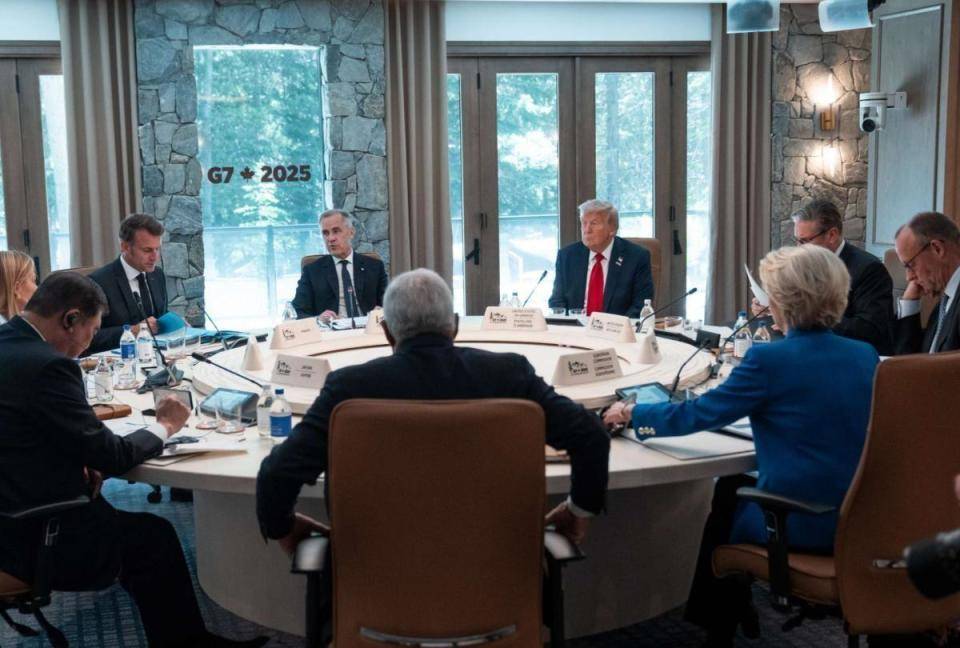
Group 1 - The G7 summit revealed a significant tension regarding U.S. tariffs on China, with U.S. Treasury Secretary Mnuchin's proposal for a 200% secondary tariff on China met with silence from allies [1][3] - The U.S. is attempting to rally allies against China by proposing extreme tariffs on countries engaging in energy trade with Russia, specifically targeting China [3] - China's response to U.S. tariffs has been assertive, implementing countermeasures such as tariffs on U.S. agricultural products and technology, indicating a readiness to retaliate against perceived threats [5][7] Group 2 - European economies are heavily reliant on Chinese supply chains, with over 60% of industrial imports coming from China, making them vulnerable to U.S. tariff policies [7][8] - The U.S. has also imposed tariffs on European goods, causing distress among European manufacturers and prompting calls for unity to protect European interests [8][10] - Trust between the U.S. and its European allies has deteriorated due to inconsistent U.S. trade policies and threats, leading to concerns about the impact of tariffs on employment and competitiveness in Europe [10][12] Group 3 - The silence from G7 members during the tariff discussions indicates a shift in European attitudes towards U.S. unilateralism, with some countries seeking closer ties with China [12][14] - The current geopolitical landscape suggests that economic rationality may prevail over political coercion, as countries prioritize their economic survival and strategic dignity [14][15] - Analysts suggest that the self-damage from U.S. tariffs may outweigh any benefits, highlighting the unsustainable nature of aggressive tariff policies [15]
赛微电子:控股子公司MEMS-OCS通过验证并启动试产
Xin Lang Cai Jing· 2025-08-15 12:38
Core Viewpoint - The company has successfully validated and initiated trial production of its MEMS-OCS product through its subsidiary, marking a significant step in enhancing optical switching technology for various applications [1] Group 1: Company Developments - The company's subsidiary, Silex Microsystems Technology (Beijing) Co., Ltd., has received a purchase order from a client for its MEMS-OCS product [1] - The MEMS-OCS is based on 8-inch MEMS technology and is designed to improve the performance and stability of computing systems while reducing costs and power consumption [1] Group 2: Product Features and Applications - The MEMS-OCS consists of a micro-mirror array that allows precise adjustment of light path refraction, enabling signal switching and bidirectional transmission [1] - This technology is expected to find extensive applications in data center networks and supercomputing clusters [1]

深圳核心商业“砍掉25亿元”后再上货架,港人消费热潮难掩皇庭国际债务危机
Hua Xia Shi Bao· 2025-08-15 05:07
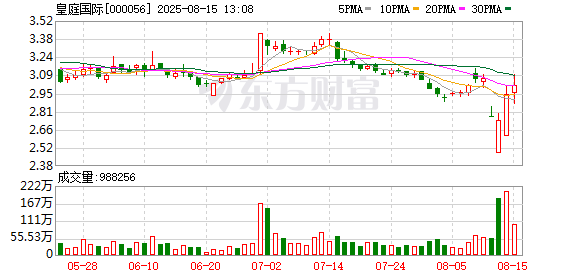
Core Viewpoint - The judicial auction of the Shenzhen Huating Plaza project is set to start on September 9, with a starting price of approximately RMB 30.53 billion, reflecting a significant decrease from its previous valuation and highlighting the ongoing financial struggles of Huating International [2][9]. Group 1: Auction Details - The starting price for the auction is set at approximately RMB 30.53 billion, down from a market value of about RMB 43.61 billion, indicating a discount of 30% [2]. - This marks the third time Huating Plaza has been put up for auction, with the starting price reduced by over RMB 2.5 billion compared to three years ago [2][9]. - The auction has garnered attention from over 10,800 individuals, but no bidders have registered as of the announcement date [2]. Group 2: Company Background and Financial Struggles - Huating Plaza was initially envisioned as a high-end shopping center, with a budget of RMB 4 billion, but has faced numerous delays and operational challenges since its inception [3][4]. - The project has been plagued by financial difficulties, with Huating International reporting a cumulative loss of RMB 44.44 billion over five years, and continuous losses since 2019 [12][13]. - The company has been unable to meet its debt obligations, leading to a lawsuit from the bank and the subsequent court-ordered seizure of Huating Plaza [7][11]. Group 3: Strategic Shifts and Future Outlook - In an attempt to alleviate financial pressure, Huating International has been exploring a strategic shift towards the semiconductor industry, although this transition has not yielded the expected results [13][16]. - The company's semiconductor business has consistently underperformed, with revenues falling short of targets, contributing to ongoing financial instability [17]. - The potential sale of Huating Plaza could trigger mandatory delisting risks for Huating International, as it represents a significant portion of the company's revenue [11][12].

淮安国资国企持续走好高质量发展之路
Xin Hua Ri Bao· 2025-08-14 21:39
Core Viewpoint - The state-owned enterprises in Huai'an have demonstrated significant growth and development in the first half of 2025, with a focus on deepening reforms, asset revitalization, and industrial upgrades, resulting in a solid trajectory of high-quality development [1] Reform Initiatives - The Huai'an state-owned assets system has streamlined its management structure, reducing departments by 134 and personnel by 465, leading to a 30% increase in efficiency [2] - The introduction of the "National Assets Small Warehouse" platform has improved the transparency and accessibility of asset information, facilitating direct leasing and sales of approximately 500 properties [2] Credit Ratings - A total of 14 enterprises in Huai'an have achieved AAA credit ratings, with six new companies receiving this rating, marking a significant milestone for the region [3] Economic Contributions - The Huai'an Port—Shanghai Yangshan Port direct container shipping route has successfully launched, reducing transportation time and logistics costs by over 40% [4] - The city’s financing guarantee group has supported 873 small and micro enterprises with a total of 19.66 billion yuan in guarantees [4] Innovation and Industry Growth - The semiconductor industry is rapidly developing, with a project expected to produce approximately 14.58 million 12-inch gold bumps and 2.97 billion COG chips annually [5] - The "Hui Fang Yuan" platform has facilitated over 30 million tons of cotton trading, with a projected annual trade volume exceeding 10 billion yuan [6] Regulatory Enhancements - The upgraded "National Assets Competition Financing Debt Management Platform" has improved financing oversight, with 3,317 financing information releases totaling 405.39 billion yuan [7] - New regulations have been introduced to enhance the transparency and effectiveness of state-owned enterprise supervision, focusing on data and process penetration [7]
路维光电股价上涨2.84% 半导体光刻技术研发取得进展
Jin Rong Jie· 2025-08-14 16:18
Core Viewpoint - The stock price of Luvi Optoelectronics reached 42.66 yuan as of August 14, 2025, reflecting an increase of 1.18 yuan or 2.84% from the previous trading day, with a trading volume of 485 million yuan and a turnover rate of 9.69% [1] Company Overview - Luvi Optoelectronics specializes in the research and production of semiconductor masks, engaging in sectors such as semiconductors, glass substrates, and specialized new technologies [1] - The company continues to invest in technologies like electron beam lithography and dry processing, focusing on research for process nodes such as 90nm and 40nm [1] Industry Developments - The first domestically produced commercial electron beam lithography machine, "Xizhi," has entered application testing, achieving precision comparable to mainstream international equipment [1] - The advancements in technology research and equipment application in the semiconductor mask field by Luvi Optoelectronics have garnered market attention [1] Financial Insights - On August 14, the net inflow of main funds into Luvi Optoelectronics was 56.8868 million yuan, with a cumulative net inflow of 94.5207 million yuan over the past five days [1]

CoWoS产能分配、英伟达Rubin 延迟量产
傅里叶的猫· 2025-08-14 15:33
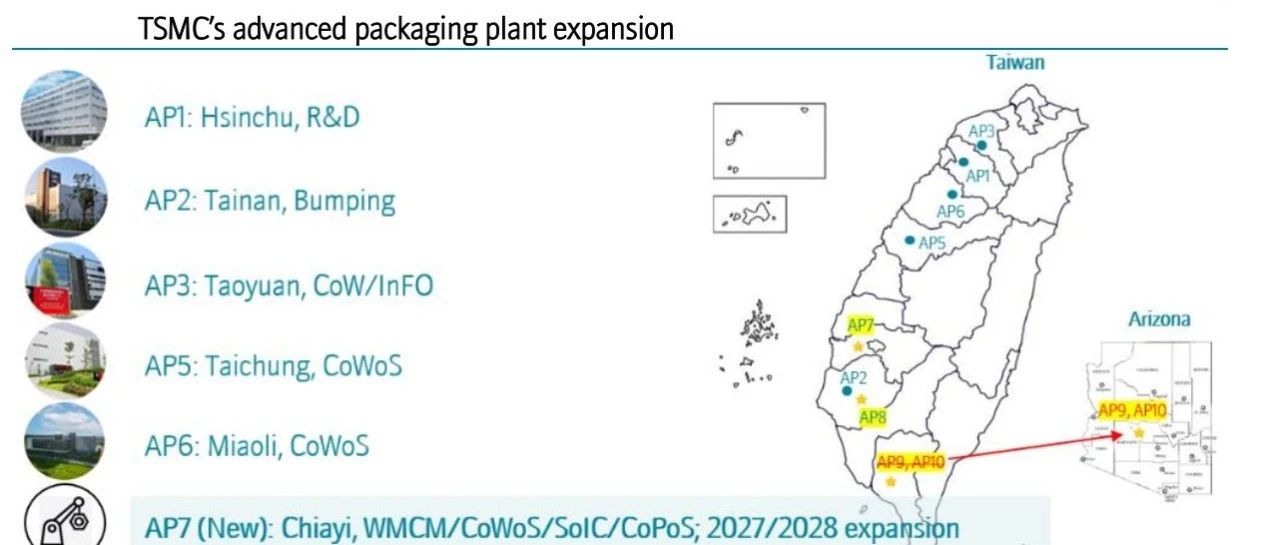
Core Viewpoint - TSMC is significantly expanding its CoWoS capacity, with projections indicating a rise from 70k wpm at the end of 2025 to 100-105k wpm by the end of 2026, and further exceeding 130k wpm by 2027, showcasing a growth rate that outpaces the industry average [1][2]. Capacity Expansion - TSMC's CoWoS capacity will reach 675k wafers in 2025, 1.08 million wafers in 2026 (a 60% year-on-year increase), and 1.43 million wafers in 2027 (a 31% year-on-year increase) [1]. - The expansion is concentrated in specific factories, with the Tainan AP8 factory expected to contribute approximately 30k wpm by the end of 2026, primarily serving high-end chips for NVIDIA and AMD [2]. Utilization Rates - Due to order matching issues with NVIDIA, CoWoS utilization is expected to drop to around 90% from Q4 2025 to Q1 2026, with some capacity expansion plans delayed from Q2 to Q3 2026. However, utilization is projected to return to full capacity in the second half of 2026 with the mass production of new projects [4]. Customer Allocation - In 2026, NVIDIA is projected to occupy 50.1% of CoWoS capacity, down from 51.4% in 2025, with an allocation of approximately 541k wafers [5][6]. - AMD's CoWoS capacity is expected to grow from 52k wafers in 2025 to 99k wafers in 2026, while Broadcom's capacity is projected to reach 187k wafers, benefiting from the production of Google TPU and Meta V3 ASIC [5][6]. Technology Developments - TSMC is focusing on advanced packaging technologies such as CoPoS and WMCM, with CoPoS expected to be commercially available by the end of 2028, while WMCM is set for mass production in Q2 2026 [11][14]. - CoPoS technology offers higher yield efficiency and lower costs compared to CoWoS, while WMCM is positioned as a cost-effective solution for mid-range markets [12][14]. Supply Chain and Global Strategy - TSMC plans to outsource CoWoS backend processes to ASE/SPIL, which is expected to generate significant revenue growth for these companies [15]. - TSMC's aggressive investment strategy in the U.S. aims to establish advanced packaging facilities, enhancing local supply chain capabilities and addressing global supply chain restructuring [15]. AI Business Contribution - AI-related revenue for TSMC is projected to increase from 6% in 2023 to 35% in 2026, with front-end wafer revenue at $45.162 billion and CoWoS backend revenue at $6.273 billion, becoming a core growth driver [16].

溢价超640%!正帆科技拿下汉京半导体控股权
Guo Ji Jin Rong Bao· 2025-08-14 11:10
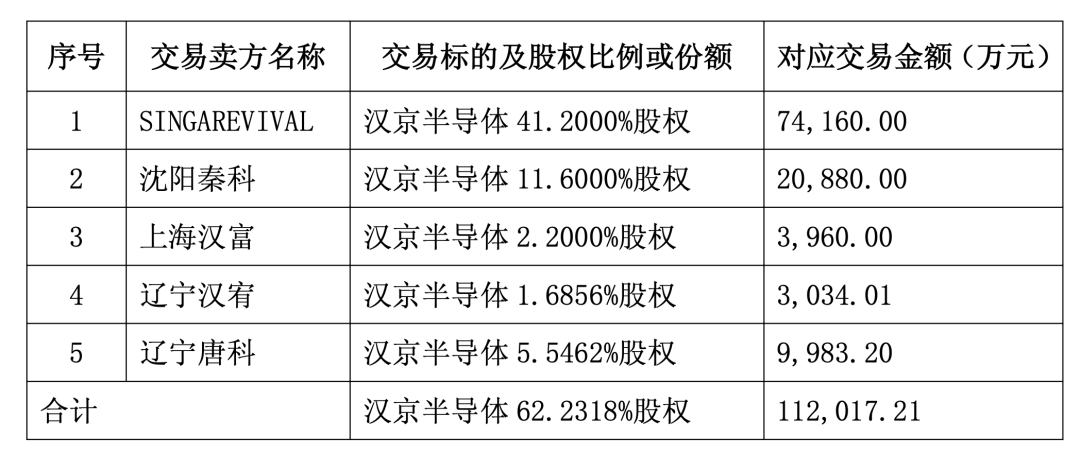
Core Viewpoint - Zhengfan Technology (688596.SH) has signed a share transfer agreement to acquire 62.2318% of Hanjing Semiconductor for a total of 1.12 billion yuan, making Hanjing a subsidiary of Zhengfan [1][3] Group 1: Acquisition Details - The acquisition involves five shareholders of Hanjing Semiconductor, with the largest share being 41.2% from SINGAREVIVAL for 741.6 million yuan [2] - Hanjing Semiconductor, established in 2022, focuses on the research and production of high-purity quartz materials and silicon carbide ceramics, which are critical materials in the semiconductor manufacturing supply chain [2] Group 2: Strategic Rationale - Zhengfan Technology stated that the acquisition aligns with its development strategy and will enhance its OPEX business, including electronic gases and precursor materials [3] Group 3: Financial Performance and Valuation - As of March 2023, Hanjing Semiconductor had a net asset value of 257 million yuan, with an estimated valuation of 1.905 billion yuan, reflecting a significant premium of 640.46% over its book value [3] - Hanjing's revenue is projected to decline from 508 million yuan in 2023 to 461 million yuan in 2024, with a further drop to 88 million yuan in Q1 2025 [3][4] - The company reported a net profit of 118 million yuan in 2023, expected to decrease to 87 million yuan in 2024 and 23 million yuan in Q1 2025 [3][4] Group 4: Debt and Financial Risks - Hanjing Semiconductor's total liabilities increased from 137 million yuan at the end of 2023 to 720 million yuan by Q1 2025 [3] - Zhengfan Technology has set performance guarantees for Hanjing, requiring a cumulative net profit of at least 393 million yuan from 2025 to 2027, with cash compensation and guarantee responsibilities from the sellers [4] Group 5: Zhengfan Technology's Financial Health - Zhengfan Technology's asset-liability ratio reached 63.94% as of Q1 2023, with negative operating cash flow of -98.74 million yuan [6] - The company has issued 1.04 billion yuan in convertible bonds and registered 2.2 billion yuan in debt financing tools to alleviate financial pressure [6]

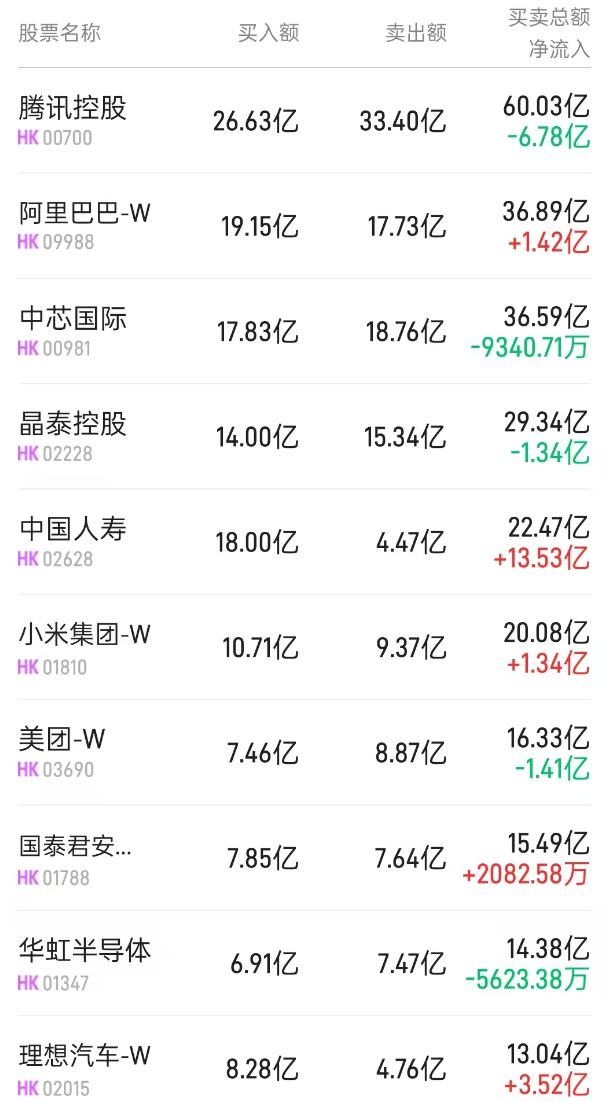
北水动向|北水成交净买入10.34亿 腾讯(00700)绩后触及600港元关口 北水逢高抛售超11亿港元
智通财经网· 2025-08-14 09:56
Summary of Key Points Core Viewpoint - The Hong Kong stock market saw significant net buying from Northbound funds, with a total net inflow of HKD 10.34 billion on August 14, 2023, indicating strong investor interest in certain stocks, particularly in the insurance and technology sectors [1][2]. Group 1: Northbound Fund Activity - Northbound funds recorded a net buying of HKD 10.34 billion, with HKD 16.45 billion from the Shanghai Stock Connect and a net selling of HKD 6.11 billion from the Shenzhen Stock Connect [1]. - The most net bought stocks included China Life (02628), Alibaba-W (09988), and Li Auto-W (02015), while Tencent (00700) was the most net sold stock [1][2]. Group 2: Individual Stock Performance - China Life (02628) received a net inflow of HKD 13.53 billion, driven by recent industry developments and a favorable outlook for the insurance sector [4]. - Alibaba-W (09988) saw a net buying of HKD 4.55 billion, supported by strong order volumes and strategic moves to enhance its e-commerce platform [5]. - Li Auto-W (02015) had a net inflow of HKD 3.52 billion, following organizational changes aimed at improving sales and service efficiency [5]. - Tencent (00700) experienced a net selling of HKD 11.96 billion, despite reporting a 15% year-on-year revenue growth to HKD 184.5 billion in Q2 2023 [7][8]. Group 3: Sector Insights - The semiconductor sector showed strong interest, with net buying in stocks like SMIC (00981) and Hua Hong Semiconductor (01347), reflecting confidence in domestic supply chains and AI-related developments [7]. - The pharmaceutical sector also attracted attention, with companies like 3SBio (01530) and CanSino Biologics (09926) receiving notable net inflows, driven by strategic partnerships and upcoming clinical trial results [6].