
钢铁

Search documents
黑色金属数据日报-20260212
Guo Mao Qi Huo· 2026-02-12 07:08
1. Report Industry Investment Rating - No information provided about the industry investment rating in the given content. 2. Core Views of the Report - For steel, with the holiday approaching, the spot market is closed, the futures price is oscillating weakly, and the market's expectation for the post - holiday period is not ideal. It is suggested to wait and see on the single - side, and the hot - rolled coil positive spread can be rolled for operation [2]. - For ferrosilicon and silicomanganese, the supply and demand are both weak, while policies and costs are favorable for prices. It is recommended to hold an empty or light position during the long holiday due to many uncertainties [3][7]. - For coking coal and coke, the atmosphere in the pre - holiday commodity market has warmed up. It is advised to cash in the spot before the holiday and consider closing out the speculative short positions [5][7]. - For iron ore, the replenishment is basically over, and the price is expected to oscillate before the holiday. In the medium and long term, there is obvious upward pressure, and medium - and long - term investors are suggested to enter short positions at the pressure level [6][7]. 3. Summary by Related Catalogs Futures Market - On February 11, for far - month contracts (RB2610, HC2610, etc.), the closing prices,涨跌值, and涨跌幅 varied. For example, RB2610 closed at 3103.00 yuan/ton with a涨跌值 of 0.00 and a涨跌幅 of 0.00%. For near - month contracts (RB2605, HC2605, etc.), similar data were presented, such as RB2605 closing at 3054.00 yuan/ton with a涨跌值 of - 2.00 and a涨跌幅 of - 0.07%. The跨月价差,价差/比价/利润 also had corresponding values and changes on that day [1]. Spot Market - On February 11, the spot prices of various products (Shanghai thread steel, Tianjin thread steel, etc.) were reported, along with their changes. For instance, the Shanghai thread steel price was 3210.00 yuan/ton with a涨跌值 of 0.00. The price and change of the hot - rolled coil, billet, and other products were also provided [1]. Steel - The spot market is closed during the approaching holiday. The futures price is oscillating weakly, reflecting a not - so - optimistic market expectation for the post - holiday period. The iron - water production is stable before the holiday and has the potential to resume production later. The downstream replenishment is nearly over. The start of post - holiday construction demand should be noted. The single - side strategy suggests waiting and seeing, and the hot - rolled coil positive spread can be rolled for operation. For large spot exposure, selling hedging or options can be used to reduce risks [2]. Ferrosilicon and Silicomanganese - The terminal demand has seasonally weakened as downstream terminals shut down. The overall demand is flat, with weak and stable direct demand. The alloy plant profit is under pressure, and the production and start - up rate have decreased compared to the same period last year, with production remaining stable. There is still pressure of over - supply in the medium term. The inventory is oscillating, and there is pressure from warrant sales. Policy benefits and cost support are favorable for prices. The manganese ore price from overseas mines has risen, and the cost of double - silicon has increased. Stimulus policies are beneficial at the turn of the year, and industrial policies such as "dual - carbon", energy - consumption dual - control, and anti - involution policies affect supply and cost [3]. Coking Coal and Coke - On the spot side, the market trading atmosphere has become cold as the holiday approaches. Most coking coal auctions in the producing areas have declined. The downstream procurement has slowed down, and the inventory at the Ganqimaodu port is still relatively high. On the futures side, non - ferrous and precious metals show signs of strengthening again, and the market sentiment has warmed. Since the black market has fallen to the lower edge of the oscillation range and there are only a few trading days before the holiday, it is recommended to build a position. If there were short positions before, it is advised to close them. Fundamentally, it is the off - season, the industrial data is weak, the steel supply is relatively stable, the demand has weakened seasonally, and the inventory has accumulated, but there is no excessive spot selling pressure [5]. Iron Ore - The steel - mill replenishment is basically over before the holiday. Due to the low iron - water level and the steel - mill's low - inventory strategy, the replenishment was not stronger than expected, and the iron - ore price did not rebound strongly during the replenishment period. The price is expected to oscillate before the holiday. After the holiday, attention should be paid to whether the Australian weather affects the supply rhythm, and the impact of the Australian hurricane on the price is more about providing a better short - selling point after a rebound. In the medium and long term, there is obvious upward pressure on iron ore, and medium - and long - term investors are suggested to enter short positions at the pressure level [6].
日度策略参考-20260212
Guo Mao Qi Huo· 2026-02-12 07:08
1. Report Industry Investment Ratings - Not provided in the given content 2. Core Views of the Report - Short - term pre - holiday stock index is expected to be in a strong sideways trend, accumulating strength for further upward movement. Long - term long positions in stock index futures should be held [1] - Asset shortage and weak economy are beneficial for bond futures, but the central bank has recently warned about interest rate risks. Attention should be paid to the Bank of Japan's interest rate decision [1] - Copper prices may be in a sideways and slightly upward trend; aluminum prices are likely to maintain a sideways movement; there are low - buying opportunities for alumina; zinc prices are expected to move sideways, and it is advisable to wait and see; nickel prices are in a strong sideways trend in the short - term, and long - term high global nickel inventory may still have a suppressing effect. Stainless steel futures are in a strong movement, and short - term low - buying is recommended [1] - Precious metal prices are expected to stabilize and move in a sideways range in the short - term. Platinum and palladium are expected to continue wide - range fluctuations [1] - For industrial silicon, the northwest is increasing production while the southwest is reducing it. For polysilicon, it is recommended to wait and see. For lithium carbonate, there is a need for a correction [1] - For steel products such as rebar and hot - rolled coil, it is not recommended to hold unilateral speculative positions during the holiday. For iron ore, it is not advisable to chase long at the current position. For black metals like manganese silicon and ferrosilicon, the situation is a combination of weak reality and strong expectations. For soda ash, the price is under pressure in the medium - term. For coking coal and coke, it is advisable to seize the opportunity of the price increase on the futures market to cash out the physical goods or establish a cash - and - carry arbitrage position [1] - For palm oil, it is recommended to wait and see before the holiday. For soybean oil, it is expected to move sideways in the short - term. For rapeseed oil, the subsequent supply contradiction is expected to ease. For cotton, the market is currently in a situation of "having support but no driving force". For sugar, the short - term fundamentals lack continuous driving force. For corn, it is recommended to wait and see in the short - term, and the market is expected to maintain a range - bound movement. For soybeans, it is recommended to pay attention to the low - buying opportunity of M2609 [1] - For pulp, it is advisable to wait and see. For logs, the futures price has an upward driving force [1] - For fuel oil and asphalt, the short - term supply - demand contradiction is not prominent and they follow crude oil. For rubber products such as natural rubber and BR rubber, the short - term is in a wide - range fluctuation, and BR rubber has an upward expectation in the long - term. For PTA and short - fiber, the downstream PTA industry is strong. For ethylene and glycol, the ethylene producers plan to maintain the operating rate of cracking units, and the glycol price is waiting at a low level. For pure benzene, the import demand is weak. For styrene, the spot price is supported. For water hyacinth, the upside space is limited. For methanol, it is a situation of long - short entanglement. For PP, the supply pressure is relatively large. For PVC, the future expectation is relatively optimistic. For LPG, the demand side is short - term bearish, suppressing the upward movement of the futures price [1] - For the container shipping European line, the pre - holiday freight rate has peaked and declined. The airlines are still cautious about trial resumption of flights and are expected to have a strong willingness to stop the price decline and raise prices after the off - season in March [1] 3. Summaries by Related Catalogs Macro - finance - Stock index futures: Short - term pre - holiday is expected to be in a strong sideways trend, and long - term long positions should be held [1] - Bond futures: Asset shortage and weak economy are beneficial, but the central bank has warned about interest rate risks, and attention should be paid to the Bank of Japan's interest rate decision [1] Non - ferrous metals - Copper: Pre - holiday downstream demand is weak, but copper prices may be in a sideways and slightly upward trend as market sentiment improves [1] - Aluminum: Industrial driving force is limited, and pre - holiday market risk - aversion sentiment has increased. Aluminum prices may maintain a sideways movement [1] - Alumina: Domestic operating capacity has decreased, and there are disruptions in the supply of a large - scale alumina enterprise in North China. Pay attention to low - buying opportunities [1] - Zinc: The cost center is stabilizing, and market sentiment has stabilized. Zinc prices are expected to move sideways, and it is advisable to wait and see [1] - Nickel: The US non - farm payrolls exceeded expectations, and market sentiment fluctuated. Indonesia's nickel ore quota policies have increased concerns about future supply. Short - term nickel prices are in a strong sideways trend, and there are high - inventory pressures in the long - term. It is recommended to pay attention to low - buying opportunities [1] - Stainless steel: Supply - side disturbances have emerged again, and macro sentiment is fluctuating. Stainless steel futures are in a strong movement. Short - term low - buying is recommended [1] - Tin: The short - term market sentiment has stabilized, but the price fluctuation is still large. In the short - term high - volatility situation, investors should pay attention to risk management and profit protection [1] Precious metals and new energy - Precious metals: The US non - farm payrolls in January were strong, and the interest - rate cut expectation was postponed. Due to high geopolitical uncertainties in the Middle East, precious metal prices are expected to stabilize and move in a sideways range in the short - term [1] - Platinum and palladium: The US non - farm payrolls in January were strong, and the US dollar index rebounded, suppressing the upward trend. However, fundamentals and key minerals support the prices, so they are expected to continue wide - range fluctuations in the short - term [1] - Industrial silicon: The northwest is increasing production, while the southwest is reducing it. The production schedules of polysilicon and organic silicon in December have decreased [1] - Polysilicon: It is recommended to wait and see [1] - Lithium carbonate: It is the off - season for new energy vehicles, but the energy - storage demand is strong. The price has increased significantly and needs a correction [1] Black metals - Rebar and hot - rolled coil: Spot trading is close to suspension, and futures prices are moving sideways. It is not recommended to hold unilateral speculative positions during the holiday. It is advisable to participate in the market by going long on the basis [1] - Iron ore: There is sector rotation, but there is obvious upward pressure. It is not advisable to chase long at the current position [1] - Manganese silicon and ferrosilicon: It is a combination of weak reality and strong expectations. Energy consumption dual - control and anti - involution may have an impact on supply [1] - Soda ash: It follows glass, and the medium - term supply - demand is more relaxed, so the price is under pressure [1] - Coking coal: It is the off - season for black metals, and the pre - holiday inventory replenishment is almost over. The futures market is more affected by capital sentiment. It is advisable to seize the opportunity of price increase on the futures market to cash out the physical goods or establish a cash - and - carry arbitrage position [1] - Coke: The logic is the same as that of coking coal [1] Agricultural products - Palm oil: The MPOB monthly report data has a bullish expectation difference, but the subsequent fundamentals still have pressure, which has little impact on the futures market. It is recommended to wait and see before the holiday [1] - Soybean oil: Supported by the strong movement of US soybeans, the South American weather is normal, and it is difficult to have weather - related speculation. More attention should be paid to the Sino - US soybean trade situation [1] - Rapeseed oil: The anti - dumping final ruling result of Canadian rapeseed has been released. After March, the tariff is expected to be adjusted to about 15%. Some oil mills have started purchasing, and the subsequent supply contradiction is expected to ease [1] - Cotton: The domestic new - crop harvest is expected to be good, and the purchase price of seed cotton supports the cost of lint cotton. The downstream operating rate is low, but the yarn mill inventory is not high, and there is a rigid demand for inventory replenishment. The cotton market is currently in a situation of "having support but no driving force" [1] - Sugar: There is a global surplus, and the domestic new - crop supply has increased. The short - term fundamentals lack continuous driving force, and attention should be paid to the change in the capital side [1] - Corn: Affected by the import restriction news, the futures market is strong. It is recommended to wait and see in the short - term. After the holiday, attention should be paid to the selling pressure of on - the - ground grain in the production area. The overall market is expected to maintain a range - bound movement [1] - Soybeans: The expected increase in US soybean exports has boosted the US futures market, but the decline in Brazilian basis has partially offset the impact. The domestic futures market is weaker than the overseas market. It is recommended to pay attention to the low - buying opportunity of M2609 [1] Others - Pulp: There are disturbances on the supply side, but the demand side has weakened after inventory replenishment. It is advisable to wait and see when the commodity market sentiment fluctuates greatly [1] - Logs: The spot price of logs has increased, the arrival volume in February has decreased, and the overseas quotation is expected to rise, so the futures price has an upward driving force [1] Energy and chemical industry - Fuel oil: OPEC+ has suspended production increase until the end of 2026, the Middle East geopolitical situation is uncertain, and the commodity market sentiment has cooled. The short - term supply - demand contradiction is not prominent, and it follows crude oil [1] - Asphalt: The short - term supply - demand contradiction is not prominent, following crude oil. The 14th Five - Year Plan rush - work demand is likely to be falsified, the supply of Ma瑞 crude oil is sufficient, and the asphalt profit is high [1] - Natural rubber: The raw material cost has strong support, the commodity market sentiment fluctuates, the pre - holiday downstream demand has weakened, and the futures - spot price difference has expanded to the same - period high [1] - BR rubber: The cost - end butadiene has strong bottom support, the profit of private butadiene rubber plants is still in a loss, the expectation of maintenance and production reduction has increased, the butadiene inventory is decreasing, and the high inventory of butadiene rubber is a potential negative factor. The short - term futures market is expected to fluctuate widely, and there is an upward expectation in the long - term [1] - PTA: The PX - mixed xylene price difference has narrowed to $150, PX maintains fundamental resilience during the high - level correction, and the downstream PTA industry is strong. The domestic PTA production in January is expected to reach a new high, and there is no production - reduction plan for the Spring Festival, and there is no new PTA production capacity throughout the year [1] - Ethylene and glycol: The production profit rate of naphtha cracking has declined, several Korean ethylene producers plan to maintain the operating rate of cracking units in February, and the glycol price is waiting at a low level [1] - Pure benzene: The inventory is high, and the import demand is weak. The US - Asia price difference is $88, which is not enough to open the arbitrage window [1] - Styrene: The Asian styrene price and economic situation are recovering, supported by supply tightening, unexpected Middle East shutdowns, surging export demand, and rising cost - end prices [1] - Water hyacinth: The export sentiment has eased slightly, the domestic demand is insufficient, and the upside space is limited. There is support from anti - involution and the cost end [1] - Methanol: Affected by the Iranian situation, the future import is expected to decrease, but the downstream negative feedback is obvious. It is a situation of long - short entanglement [1] - PP: The supply pressure is relatively large due to high operating load, the downstream improvement is less than expected, the price has returned to a reasonable range, and crude oil is in a slightly upward trend [1] - PVC: The global production capacity put into operation in 2026 is small, and the differential electricity price in the northwest region is expected to be implemented, forcing the elimination of PVC production capacity. The future expectation is relatively optimistic, but the current fundamentals are poor, and the export rush has slowed down stage by stage [1] - LPG: The February CP price has risen, and the March purchase is still relatively tight. The Middle East geopolitical conflict has cooled down, the short - term risk premium has declined, and the overseas cold - wave driving logic has gradually slowed down. The domestic PDH operating rate has declined, and the demand side is short - term bearish, suppressing the upward movement of the futures price [1] Shipping - Container shipping European line: The pre - holiday freight rate has peaked and declined. Airlines are still cautious about trial resumption of flights and are expected to have a strong willingness to stop the price decline and raise prices after the off - season in March [1]
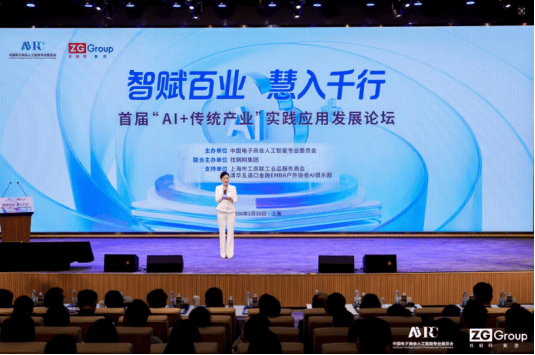
“AI+传统产业”实践应用发展论坛上,找钢网探索AI与传统产业融合新路径
Sou Hu Cai Jing· 2026-02-12 07:01
Core Insights - The forum "AI + Traditional Industry" held in Shanghai highlighted the integration of AI technology into traditional industries, showcasing valuable experiences from companies like Zhaogang Network [1][3]. Group 1: AI Application in Traditional Industries - Zhaogang Network has established a production service system focused on the entire transaction process in the steel industry since its inception in 2012 [3]. - The company employs a dual strategy for AI application, developing its own industry-specific AI models while also collaborating with leading enterprises to enhance user experience and address technical issues [5]. - Zhaogang Network has developed 12 AI Agents and 4 flagship AI products that significantly improve efficiency across the entire sales process and internal management [3]. Group 2: Technological Advancements and Collaborations - The SaleMatch trading engine, developed by Zhaogang Network, has improved its message processing capacity to over 10 million messages daily with an accuracy rate exceeding 95% [3]. - The partnership with Tencent led to the establishment of Tengcai Technology, which has expanded its business from steel to other rapidly fluctuating industrial raw materials, demonstrating the cross-industry application of Zhaogang Network's AI capabilities [3]. - The forum featured representatives from major tech companies like Tencent, Alibaba, Baidu, and JD, indicating the significant influence of the event in the AI and traditional industry landscape [5]. Group 3: Future Prospects and Industry Impact - Zhaogang Network aims to be among the first companies to enter the "A2A" era, which encompasses "Agent to Agent," "Application to Application," and "Area to Area" interactions, facilitating AI capabilities throughout the supply chain [5]. - The practical achievements of Zhaogang Network serve as a reference for the deep integration of AI into traditional industries, contributing to the high-quality development of the Chinese economy [5].

甬金股份拟注销库存股 越南合资项目投资26.58亿元
Jing Ji Guan Cha Wang· 2026-02-12 06:44
Group 1: Company Actions - The company plans to cancel 2,008,725 shares of treasury stock, accounting for 0.55% of the current total share capital, to enhance earnings per share. This action has been approved by the board and requires shareholder meeting approval [1] - The wholly-owned subsidiary, New Yue Asset Management (Singapore) Private Limited, intends to establish a joint venture holding subsidiary with an investment of $380 million (approximately 2.658 billion RMB) to construct a green stainless steel project with an annual capacity of 2 million tons, with the company holding 68.4% [2] - The company and its partners have reduced the registered capital of Fujian Yongjin Metal Technology Co., Ltd. and its subsidiary Qingtuo Shangke by a total of 500 million RMB, decreasing the registered capital from 700 million RMB to 400 million RMB, which does not affect the scope of consolidated financial statements [3] Group 2: Financial Status - As of January 2026, the company has provided guarantees totaling 522.24451 million RMB for its subsidiaries, which accounts for 76.20% of its net assets, indicating a need for attention to subsequent guarantee risk control [4] Group 3: Capacity Expansion - According to a December 2025 institutional survey, the first phase of the Thailand project for producing 260,000 tons of precision stainless steel plates and strips is expected to commence production in July 2026, potentially enhancing the company's overseas capacity. Additionally, the first phase of the 40,000-ton titanium material project in Sichuan Panjin New Materials is in trial production [5] Group 4: Business Conditions - The company is actively responding to anti-dumping duties in Vietnam and local competition, planning to mitigate short-term impacts through product localization and reinitiating litigation, while maintaining confidence in long-term demand [6]

Mysteel:全国螺纹钢产量连续第二周减少 社库连续第六周增加
Xin Hua Cai Jing· 2026-02-12 06:39
Core Viewpoint - The production of rebar steel in China has decreased for the second consecutive week, while both factory and social inventories have increased, indicating a decline in demand [1] Group 1: Production and Inventory - As of February 12, the national rebar steel production reached 1.6916 million tons, a decrease of 225,200 tons from the previous week, representing a decline of 11.75% [1] - The rebar steel factory inventory stood at 1.6359 million tons, an increase of 99,400 tons from the previous week, reflecting a rise of 6.47% [1] - The social inventory of rebar steel was recorded at 4.2323 million tons, which is an increase of 573,100 tons from the previous week, marking a growth of 15.66% [1] Group 2: Demand - The apparent demand for rebar steel was 1.0191 million tons, showing a decrease of 457,300 tons from the previous week, which corresponds to a decline of 30.97% [1]
2025年钢铁行业运行质效提升
Jing Ji Ri Bao· 2026-02-12 06:32
Core Viewpoint - The Chinese steel industry is expected to see a significant recovery in profits by 2025, with total profits for key enterprises projected to reach 115.1 billion yuan, a year-on-year increase of 140% [1] Group 1: Profit and Economic Performance - In 2025, the steel industry's main business is expected to achieve profitability of 44.5 billion yuan, marking a turnaround from previous losses [1] - The average profit margin for the industry is projected to be 1.9%, an increase of 1.13 percentage points year-on-year [1] - The total profit for key enterprises in 2021 was 345.9 billion yuan, the highest on record, but it declined to 48.3 billion yuan in 2024, a drop of 86% from 2021 [1] Group 2: Market Environment and Demand - The steel market is anticipated to maintain a strong supply and weak demand dynamic in 2025, with national crude steel production expected to be 961 million tons, a decrease of 4.4% year-on-year [1][2] - The apparent consumption of crude steel is projected to decline by 7.1% year-on-year to 829 million tons in 2025 [1] - Domestic steel demand has been decreasing for five consecutive years, with crude steel production dropping from 1.065 billion tons in 2020 to 961 million tons in 2025, a decline of 9.8% [2] Group 3: Structural Changes and Innovations - The steel industry is undergoing a long-term structural adjustment, with a notable shift in demand from construction steel, which is expected to decrease from 58% in 2020 to 49% in 2025, while manufacturing steel's share is expected to rise from 42% to 51% [2] - Major steel companies are focusing on product quality upgrades and technological innovations, with Baosteel launching over 40 new products and achieving significant technological advancements [3] - Xingtai Special Steel has become a key supplier for international bearing manufacturers, holding over 80% market share in high-end passenger vehicle bearing steel in China [3][4] Group 4: Environmental Initiatives - By the end of 2025, the steel industry is expected to complete ultra-low emission transformation projects with over 370 billion yuan invested, achieving significant emission reductions [5] - A three-year action plan for extreme energy efficiency has been initiated, involving 143 enterprises and resulting in substantial energy savings and carbon dioxide emissions reductions [5] - The industry plans to implement three major transformation projects focusing on quality improvement, energy efficiency, and digital transformation to support high-quality development in the upcoming years [5]
湖北质量基础设施“硬实力”再升级
Xin Lang Cai Jing· 2026-02-12 06:09
Core Insights - Hubei Province aims to enhance its quality infrastructure by revising and formulating over 1,200 international and national standards by 2025, with a significant increase in the number of standards compared to the previous year [1] Group 1: Quality Infrastructure Development - The Hubei Market Supervision Administration plans to promote the formulation and revision of 37 international standards and 1,197 national standards in 2025, representing year-on-year growth of 48% and 47% respectively [1] - The province has accelerated the construction of the "Quality Three Strong" initiative, recognizing 161 "Hubei Quality" products and implementing 33 provincial projects aimed at enhancing quality across industrial chains [2] Group 2: Industry Chain Quality Improvement - Hubei has initiated 33 provincial projects focused on quality improvement in key industrial chains, which have collectively helped enterprises save over 6 billion yuan [2] - The province's quality enhancement projects have served 65,200 enterprises and resolved 39,600 quality issues, contributing to a total cost reduction and revenue increase exceeding 40 billion yuan [2] Group 3: Standard Supply Optimization - The Hubei Market Supervision Administration is optimizing the supply of standards in key areas, planning to release a technical standard system for phosphogypsum utilization and participating in the revision of 72 vehicle-related national standards [3] - The province has also engaged in the development of 109 national standards in artificial intelligence and integrated circuits, while eliminating 722 ineffective local standards, achieving a 42% reduction [3] Group 4: Quality Technical Service Platform - Hubei is advancing the construction of quality technical service platforms, with plans to establish 74 public service platforms for inspection and testing by 2025 [4] - The province has initiated 615 capability verification projects and developed 143 inspection and testing standards, significantly enhancing the capacity for quality inspection services [4] - Hubei has established 240 quality service stations and 446 service windows, achieving an 85% coverage rate for one-stop quality infrastructure services in county-level markets [4]
柳钢股份业绩扭亏为盈,股价波动与定增获批引关注
Jing Ji Guan Cha Wang· 2026-02-12 05:15
Group 1 - The core viewpoint of the news is that Liu Steel Co., Ltd. has turned a profit in its recent performance forecast, with a projected net profit of approximately 610 million to 730 million yuan for 2025, compared to a loss of 433 million yuan in the previous year. This improvement is attributed to lean management, cost optimization, and the release of capacity from subsidiaries [1] Group 2 - On February 2, 2026, Liu Steel's stock price hit the daily limit down, with a turnover rate of 2.40%. Institutional investors sold a net amount of 14.62 million yuan, while the Shanghai-Hong Kong Stock Connect recorded a net sell of 13.46 million yuan, indicating a shift in market sentiment [2] Group 3 - On February 5, 2026, the company received approval from the China Securities Regulatory Commission for its application to issue shares to specific investors. The company is required to complete the issuance payment within ten working days after the approval, which may impact its equity structure. Additionally, long-term transformation measures such as institutional reform and ultra-low emission modifications are still in progress [3]

黑色商品日报(2026年2月12日)-20260212
Guang Da Qi Huo· 2026-02-12 04:40
1. Report Industry Investment Rating No relevant content provided. 2. Core View of the Report - The steel market is expected to show weak consolidation in the short - term. The current high inventory of steel faces significant digestion pressure after the festival, and the decline in the auto market in January has a negative impact on steel demand. However, the low valuation of rebar limits the downward space of prices [1]. - The iron ore price is likely to fluctuate and consolidate. The supply is affected by the hurricane in Australia, leading to a significant decline in shipments, while the demand side shows that the iron - making water output is 228.58 tons, and the inventory of imported iron ore in ports and steel mills is increasing [1]. - The coking coal and coke markets are expected to fluctuate in the short - term. For coking coal, the supply side has some mines on holiday and reduced production, and the demand side has weakened replenishment demand. For coke, the supply side has increased production due to improved profits, and the demand side has general procurement demand from steel mills [1]. - The manganese - silicon and ferrosilicon markets are expected to fluctuate in the short - term. For manganese - silicon, the cost side has a bullish sentiment for post - holiday manganese ore, the supply side has a slight decrease in weekly output, and the demand side has limited support. For ferrosilicon, the supply side has a small increase in the start - up rate, and the inventory is at a medium - level in recent years [1][3]. 3. Summary According to the Directory 3.1 Research Views - **Steel**: The rebar futures contract 2605 closed at 3054 yuan/ton, up 2 yuan/ton (0.07%) from the previous trading day, with a decrease of 0.19 million hands in positions. The spot market is in a situation of "price but no market". The auto market in January 2026 has a negative impact on steel demand. The overall steel inventory is high, and the short - term rebar futures are expected to show weak consolidation [1]. - **Iron Ore**: The main iron ore futures contract i2605 closed at 762.5 yuan/ton, up 1 yuan/ton (0.13%) from the previous trading day, with 130,000 lots traded and a decrease of 7,000 hands in positions. The supply is affected by the hurricane in Australia, and the demand side has an iron - making water output of 228.58 tons. The inventory of imported iron ore in 47 ports increased by 156,420 tons. The short - term iron ore price is expected to fluctuate [1]. - **Coking Coal**: The coking coal futures contract 2605 closed at 1123.5 yuan/ton, up 4.5 yuan/ton (0.4%), with a decrease of 14,309 hands in positions. The supply side has some mines on holiday and reduced production, and the demand side has weakened replenishment demand. The short - term coking coal futures are expected to fluctuate [1]. - **Coke**: The coke futures contract 2605 closed at 1667 yuan/ton, up 2 yuan/ton (0.12%), with an increase of 820 hands in positions. The supply side has increased production due to improved profits, and the demand side has general procurement demand from steel mills. The short - term coke futures are expected to fluctuate [1]. - **Manganese - Silicon**: The manganese - silicon futures price fluctuated strongly on Wednesday. The main contract closed at 5824 yuan/ton, up 0.21% from the previous day, with a decrease of 6906 hands in positions to 367,000 hands. The cost side has a bullish sentiment for post - holiday manganese ore, the supply side has a slight decrease in weekly output, and the demand side has limited support. The short - term manganese - silicon futures are expected to fluctuate [1]. - **Ferrosilicon**: The ferrosilicon futures price fluctuated weakly on Wednesday. The main contract closed at 5576 yuan/ton, down 0.25% from the previous day, with a decrease of 4474 hands in positions to 162,000 hands. The supply side has a small increase in the start - up rate, and the inventory is at a medium - level in recent years. The short - term ferrosilicon futures are expected to fluctuate [3]. 3.2 Daily Data Monitoring - **Contract Spreads and Basis**: The report provides the latest values and changes of contract spreads (such as 5 - 10 months, 10 - 1 months) and basis for various black commodities, including rebar, hot - rolled coil, iron ore, coke, coking coal, manganese - silicon, and ferrosilicon [4]. - **Profit and Spread**: It also shows the latest values and changes of profits (such as rebar disk profit, long - process profit, short - process profit) and spreads (such as coil - rebar spread, rebar - iron ore ratio, rebar - coke ratio) [4]. 3.3 Chart Analysis - **Main Contract Prices**: There are charts showing the closing prices of main contracts of rebar, hot - rolled coil, iron ore, coke, coking coal, manganese - silicon, and ferrosilicon from 2021 to 2026 [6][7][8][9][10][11][13]. - **Main Contract Basis**: Charts display the basis of main contracts of various black commodities from 2021 to 2026 [15][16][20][22]. - **Inter - period Contract Spreads**: There are charts showing the spreads of inter - period contracts (such as 05 - 10, 10 - 01) for various black commodities from 2021 to 2026 [24][26][31][32][34][35][37]. - **Inter - variety Contract Spreads**: Charts present the spreads of inter - variety contracts (such as coil - rebar spread, rebar - iron ore ratio, rebar - coke ratio) from 2021 to 2026 [38][39][40][41][42]. - **Rebar Profit**: There are charts showing the disk profit, long - process calculated profit, and short - process calculated profit of rebar from 2021 to 2026 [44][45][47]. 3.4 Black Research Team Members Introduction - Qiu Yuecheng, the assistant director of Everbright Futures Research Institute and the director of black research, has nearly 20 years of experience in the steel industry [49]. - Zhang Xiaojin, the director of resource product research at Everbright Futures Research Institute, has rich experience in the field of power coal [49]. - Liu Xi, a black researcher at Everbright Futures Research Institute, is good at fundamental supply - demand analysis based on industrial chain data [49]. - Zhang Chunjie, a black researcher at Everbright Futures Research Institute, has experience in combining financial theory with industrial operations [50].
现实供需双弱,钢价小幅波动
Hua Tai Qi Huo· 2026-02-12 04:11
Report Industry Investment Rating There is no information provided in the content about the report industry investment rating. Core Views - The current supply and demand in the steel market are both weak, with steel prices showing small fluctuations [1]. - The trading atmosphere in the glass and soda ash market is cold, and the prices are weakly oscillating [1]. - The market fluctuations of ferrosilicon and silicomanganese have weakened, and the alloys are oscillating within a narrow range [3]. Summary by Related Catalogs Glass and Soda Ash Market Analysis - Glass: The main glass contract showed a weakly oscillating trend throughout the day. With the Spring Festival holiday approaching, the trading volume decreased, and the trading atmosphere in the spot and futures markets was cold [1]. - Soda Ash: The main soda ash contract continued to operate weakly, with narrow - range oscillations. The trading atmosphere in the spot market was cold, and the market was mainly for rigid - demand purchases [1]. Supply and Demand Logic - Glass: The fundamentals are still weak. There is an increasing expectation of production suspension in the Shahe area, which supports the market. However, the downstream is in the traditional consumption off - season, and the demand is cold. The current low price allows the market to tolerate higher inventory. In the short term, it will continue to operate in an oscillating manner [1]. - Soda Ash: The supply of soda ash remains loose. With the progress of new production projects, the supply pressure continues to increase. As the Spring Festival approaches, downstream consumption shows a seasonal decline due to more cold repairs. The total inventory of domestic soda ash manufacturers is still at a high level, and the de - stocking process is slow, with large overall supply - demand contradictions [1]. Strategy - Glass: Oscillating [2] - Soda Ash: Oscillating [2] Ferrosilicon and Silicomanganese Market Analysis - Silicomanganese: The silicomanganese futures showed a small - scale oscillation, and the volatility decreased compared to the previous period. The spot market was stable. There were new ignition situations in northern factories, with the price of 6517 in the northern market ranging from 5580 - 5680 yuan/ton and in the southern market from 5700 - 5750 yuan/ton [3]. - Ferrosilicon: The ferrosilicon futures followed the overall black market and operated weakly. The spot market was weak, and the market was full of a strong wait - and - see sentiment. The ex - factory price of 72 - grade ferrosilicon natural lumps in the main production areas was 5250 - 5350 yuan/ton, and the price of 75 - grade ferrosilicon was 5850 - 6000 yuan/ton [3]. Supply and Demand Logic - Silicomanganese: The fundamentals of silicomanganese have improved. There is an expectation of an increase in molten iron production, and the demand for silicomanganese has marginally improved. However, the inventory pressure is still large, and the supply - demand pattern remains loose. The recent South African tariff policy may increase the cost of manganese ore, and attention should be paid to the cost support of manganese ore and inventory changes [3]. - Ferrosilicon: The fundamental contradictions of ferrosilicon are controllable. Enterprises have actively reduced production loads. Considering the resumption of production in steel mills, the demand for ferrosilicon is expected to improve marginally. The overall over - capacity of ferrosilicon suppresses the price increase, and continuous attention should be paid to the de - stocking situation and power price policies in production areas [3]. Strategy - Silicomanganese: Oscillating [4] - Ferrosilicon: Oscillating [4]