农产品种植

Search documents
湖南江华:千亩有机淮山抢“鲜”记
Xin Lang Cai Jing· 2026-01-12 02:30
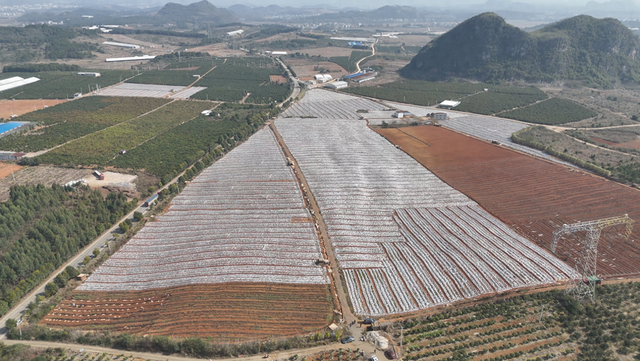
Core Viewpoint - The agricultural transformation in Jianghua Yao Autonomous County, Hunan Province, is driven by a market-order-first approach and practical technology, leading to the successful cultivation and distribution of organic yam to the Guangdong-Hong Kong-Macao Greater Bay Area, enhancing the connection between rural areas and urban markets [1][9]. Group 1: Agricultural Practices - The yam planting base in Niuzhiwo Village operates under a "market-order-production" model, where production is dictated by customer orders, ensuring zero inventory and fresh products delivered within hours [7][8]. - The base has achieved a stable purchase price for yams, ranging from 1.9 to 2.5 yuan per pound, significantly improving farmers' income and alleviating concerns over market access [8][9]. Group 2: Technological Innovations - Two key technological innovations have enhanced yam quality: deepening planting trenches from 1.2 meters to 1.4 meters for better growth conditions and using multifunctional agricultural film to maintain optimal soil conditions [8]. - The use of agricultural film allows for flexible harvesting periods, transforming the sales cycle from concentrated selling to a more controlled supply, thus stabilizing prices and improving market responsiveness [8][9]. Group 3: Economic Impact - The "order agriculture" and "technology preservation" model has led to standardized, large-scale, and brand-oriented development of the yam industry, directly benefiting local farmers through stable rental income and job opportunities [9]. - The cooperative plans to establish a primary processing plant to create value-added products, further deepening the industry’s roots and expanding its economic impact [9].

【图片新闻】金昌市金川区宁远堡镇通过“直播助农”助力农户增收
Xin Lang Cai Jing· 2026-01-12 01:28
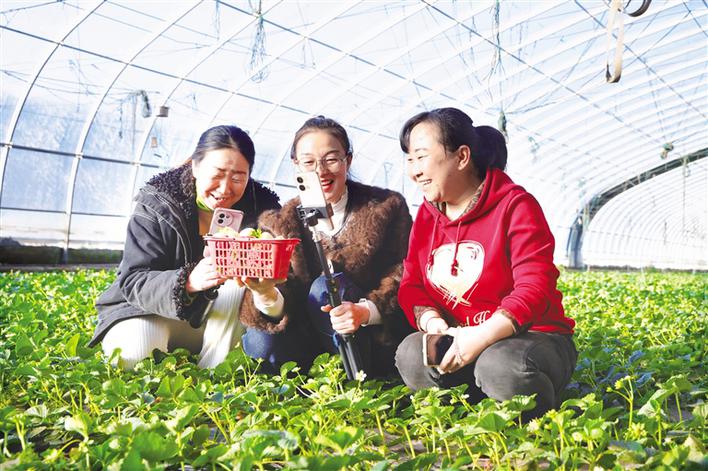
Core Viewpoint - The article highlights the initiative in Ningyuanpu Town to promote local agricultural products, specifically strawberries, through innovative methods like live streaming, which helps increase farmers' income and product visibility [2] Group 1: Agricultural Development - Ningyuanpu Town is actively developing specialty greenhouse cultivation to enhance local agricultural production [2] - The use of "live streaming to assist farmers" is a new approach to expand the recognition of local agricultural products [2] Group 2: Economic Impact - The initiative aims to support farmers in increasing their income by leveraging modern technology and marketing strategies [2]
卫星遥感监测报告及南美降水展望
Hua Tai Qi Huo· 2026-01-11 07:13
期货研究报告|卫星农业专题 2026-01-11 卫星遥感监测报告及南美降水展望 研究院 农产品组 研究员 邓绍瑞 薛钧元 010-64405663 xuejunyuan@htfc.com 从业资格号:F03114096 投资咨询号:Z0023045 投资咨询业务资格: 证监许可【2011】1289 号 内容摘要 本报告利用卫星遥感、气象数据和实地观测等多源数据,结合自有产量模型,对 2025 年 12 月巴西大豆、玉米、阿根廷大豆和马来印尼棕榈油进行监测,监测显示,此次拉 尼娜对南美影响有限,12 月整体长势指标维持在正常范围,1 月甚至突破历史新高, 根据自有产量模型测算,此次单产整体上修,巴西大豆单产预估为 3.61MT/HA,较 USDA 上月数据增长 0.02 MT/HA,此次上调后单产数据接近 2024/25 年度的 3.62 MT/HA,照此趋势今年单产有望突破去年,甚至创出历史新高。基于第一季玉米长势 状况(占比 27%左右),也上修玉米单产预估到 6.05 MT/HA。阿根廷整体状况也持续 向好,单产上修至 2.97 MT/HA,较上月 USDA 数据增长 0.03 MT/HA。根据预测数据 ...
分析师:美国农业部可能会在关键作物报告中下调美国大豆出口预期
Xin Lang Cai Jing· 2026-01-10 01:00
责任编辑:王永生 谷物分析师预计,美国农业部将于周一发布备受市场关注的作物报告,届时或将下调本作物年度的大豆 出口需求预估。部分人士认为,此前的相关预估过于乐观。 谷物分析师预计,美国农业部将于周一发布备受市场关注的作物报告,届时或将下调本作物年度的大豆 出口需求预估。部分人士认为,此前的相关预估过于乐观。 分析师同时预计,美国玉米和大豆的产量预估也将被下调,这在一定程度上与今年秋季的干旱天气有 关;不过,随着南美地区大规模收割工作即将展开,全球谷物供应预计仍将保持充足。 这份月度报告对美国谷物需求的研判将受到市场的特别关注。当前,农户正面临谷物价格低迷的压力, 同时还受到全球关税战对出口(尤其是大豆出口)造成的冲击,上述因素曾促使特朗普政府宣布向种植 户提供 120 亿美元的援助计划。 "美国农业部终将直面现实,下调大豆出口预估。" 美国斯通克斯集团旗下经纪公司 RJ 奥布莱恩的分析 师兰迪・米特尔施泰特表示。 美国农业部将于本周一美国中部时间上午 11 点发布多项核心报告,这也是其本年度规模最大的一次数 据集中发布,涵盖月度全球谷物供需报告、美国作物产量报告、美国谷物库存季度简报以及冬小麦播种 报告。 新 ...
为什么是青稞
Xin Lang Cai Jing· 2026-01-08 19:02
Core Insights - The article highlights the cultural and agricultural significance of barley, particularly the highland variety known as "qingke," which has gained global recognition as a symbol of ecological and cultural heritage [1][2] - Qingke is celebrated not only for its nutritional value but also for its versatility in food and beverage production, including innovative products like "qingke coffee" and "qingke beer" [2] Group 1: Agricultural Significance - Qingke is a vital crop in Qinghai, which ranks second in China for its cultivation scale, showcasing impressive agricultural achievements [1] - The article emphasizes the importance of sustainable farming practices among local farmers, who are increasingly attentive to the quality of their barley crops [1] Group 2: Cultural Impact - The narrative connects the cultivation of qingke to the rich cultural heritage of the Tibetan Plateau, portraying it as a treasure of the region [2] - The article suggests that the appreciation for qingke extends beyond agriculture, influencing local cuisine and lifestyle, making it an integral part of daily life [2]
龙里豌豆尖带着露水发往广州
Xin Lang Cai Jing· 2026-01-07 22:24
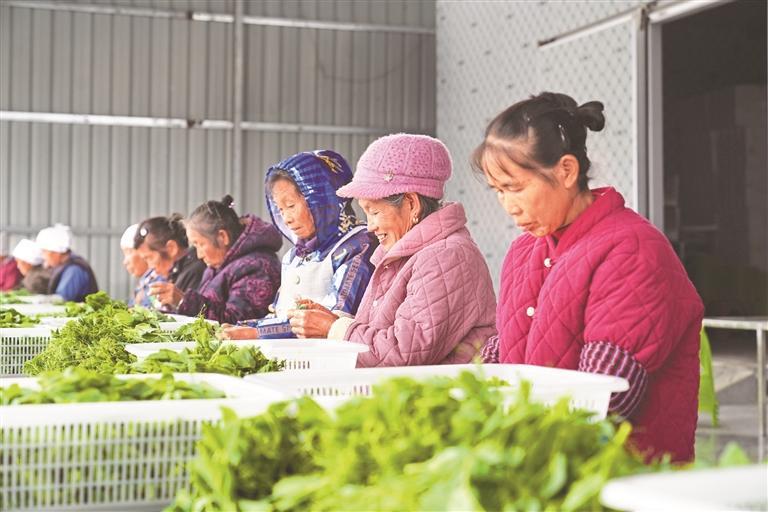
多年前,外出务工的罗英回乡租200亩地种豌豆尖,请50多个村民来帮忙,把豌豆尖像茶叶一样分出等级:从 普通的"两叶一芯",到只取顶端寸许的嫩梢的"豆贝"分开来卖,正是顶级货"豆贝"叩开了粤港澳大湾区高端 市场的大门。 转自:贵州日报 贵州日报天眼新闻记者 方亚丽 电话铃响,是新年的第一单生意。1月3日晚上8时,黔南州龙里县湾滩河镇园区村,贵州百顺劳务工程有限公 司负责人罗英正忙着安排工人们打包。600斤鲜嫩翠绿的豌豆尖被仔细装箱,发往广州。这是2026年她的首笔 订单。 订单来自惠水县一家电商公司。"很多本地电商今年都来找我们匀货,公司在保障老客户供应的同时,将适当 增加分销。"罗英经营的公司位于"龙里豌豆尖"核心产区。她除了管好自家200亩地,还帮着全镇8000多亩找 豌豆尖销路。 这几年,随着高速物流网络完善和消费升级,龙里豌豆尖的名声渐渐传开,也让罗英更精准地摸到消费者的 需求。 "上海、广州的人喜欢用它做清汤,吃个鲜甜本味;到了云贵川渝,它就成了火锅里必不可少的'爽口 菜'。"罗英说,由于熟稔不同市场的偏好,她的客户名单中既有传统的农贸批发商,也有寻求稳定优质货源 的大型连锁火锅店。 每年10月到次年 ...
2026年玉米年报:潮落潮起:玉米新周期或开启
An Liang Qi Huo· 2026-01-07 01:51
Group 1: Investment Rating - No investment rating information is provided in the report [1][2][3] Group 2: Core Viewpoints - The corn price cycle is about 3 - 5 years, following the pattern of rising - oscillating - falling. The current cycle that started in 2021 is at the end of the downward phase, and a new cycle may begin in 2026. After four years of sharp fluctuations, the planting cost has declined, and the corn price has returned to the previous low - volatility range, reaching a near - four - year low and facing an important support level for futures prices [2] - The global corn market shows a pattern of increasing supply and demand, with demand growing faster than supply, laying the foundation for price increases. The total global corn production has reached a new peak, while the ending inventory has decreased year - on - year, providing fundamental support for a slow upward trend in global corn prices. China's structural adjustment of import strategies is reshaping the global corn trade pattern [2] - In 2026, the domestic corn market is expected to maintain a tight balance between supply and demand. The domestic market has established a supply system of "high self - sufficiency, low imports", and demand is characterized by "stable feed, growing deep - processing", with deep - processing becoming a key factor in balancing supply and demand [3] - In 2026, the corn market is expected to enter a moderately upward cycle, with the price center rising slightly compared to this year, but there is insufficient momentum for a sharp increase, and the overall trend will be a slow climb [3] Group 3: Summary of Each Section 3.1 Corn Cyclical Patterns - Corn has experienced four complete price fluctuation cycles in the past 20 years and is currently at the end of the fifth cycle, about to enter a new cycle. Each cycle lasts about 3 - 5 years, and the length is affected by national agricultural policies and external shocks [4] - The first cycle (2004 - 2008) was driven by supply - demand fundamentals and early agricultural policies, with a typical rise - correction pattern and reaching a peak due to the global food crisis [4] - The second cycle (2008 - 2011) saw significant price fluctuations under the influence of the financial crisis and policy intervention. Prices recovered later due to policy support and demand resurgence [4] - The third cycle (2011 - 2016) was dominated by the "policy - led market". The temporary storage policy supported prices but also led to high inventory pressure. The market entered a transition period after the policy was cancelled [4] - The fourth cycle (2016 - 2021): With the policy shift to "market - based procurement plus subsidies", prices were mainly determined by market supply and demand. After inventory reduction, capacity adjustment, and demand growth, prices entered an upward channel [5] - The fifth cycle (2021 - present): Affected by factors such as rising planting costs, extreme climate, and geopolitical conflicts, prices have fluctuated widely at high levels. The cycle is now coming to an end, and factors for the next cycle are accumulating [5] 3.2 Analysis of Corn Trends in 2025 - The nominal high of the corn market in this cycle occurred in Q4 2022. In 2023, prices declined throughout the year, and this downward trend continued in 2024 and 2025. In 2025, the market was in the final stage of the bear market, with wide - range fluctuations between 2000 - 2400 yuan/ton [6] - From December 2024 to March 2025, prices rose unilaterally due to expectations of reduced planting area, uncertain weather, and pre - holiday stocking by feed enterprises [7] - From March to June 2025, prices oscillated at high levels. On the one hand, the reduction of farmers' surplus grain and the reluctance of traders to sell provided support; on the other hand, weak feed demand in the off - season and sufficient substitute supply limited the upward space [8] - From June to October 2025, prices declined unilaterally. The expected good harvest in the main producing areas and weak downstream demand led to a pessimistic market sentiment [9][11] - From October 2025 to the present, prices oscillated at the bottom. Although the supply pressure reached its peak with the large - scale listing of new grain, farmers' reluctance to sell and policy - related rumors provided support. The slow recovery of the macro - economy and terminal consumption also limited the scale and speed of inventory reconstruction [12] 3.3 Analysis of the Global Corn Supply - Demand Pattern 3.3.1 The Global Corn Ending Inventory in 2025 was Revised Down Year - on - Year - In 2025, the global corn production is estimated to be 128,296.2 tons, an increase of 5,235.4 tons (4.25%) compared to the previous year. The total supply increased to 176,669.9 tons, a year - on - year increase of 3,565.7 tons (2.06%) [14] - The global total demand in 2025 is expected to increase by 4,987.5 tons (3.47%) year - on - year, reaching 148,754.8 tons. Due to the faster growth of demand than supply, the ending inventory decreased year - on - year, laying the foundation for a slow upward trend in global corn prices [14][15] 3.3.2 US Corn Supply Reached a Record High, and the Export Pattern Changed Significantly - In the 2025/26 season, the US corn industry expanded comprehensively. The production increased to 42,552.5 tons, a year - on - year increase of 4,725.7 tons, driven by the expansion of planting area and the increase in yield per unit [16] - The US corn export volume reached 8,128.4 tons, a year - on - year increase of 868.1 tons, setting a new record. However, the global trade flow has changed, with the US shifting its export focus due to the shrinking Chinese market [16] - The US corn ending inventory in 2025 reached 5,153.4 tons, the highest in nearly seven years, a year - on - year increase of 1,262.9 tons, reflecting a pattern of oversupply [17] 3.3.3 Brazil's Corn Export Capacity was Limited due to Reduced Production and Strong Domestic Demand - In 2025, Brazil's corn production decreased by 500,000 tons to 13.1 million tons, mainly due to the reduction in second - crop corn caused by the delayed soybean sowing and adverse weather conditions [20] - Brazil's total corn consumption increased by 400,000 tons to 13.95 million tons, driven by the growth of domestic ethanol production and the high demand from the livestock industry [20] - The situation of "decreased production and increased consumption" restricted Brazil's corn export capacity, which affected the global trade flow and provided space for the US to expand its market share [21] 3.4 Analysis of the Domestic Corn Supply - Demand Pattern 3.4.1 Supply: The Trend of Autonomous Supply Pattern was Consolidated - China has built a supply system mainly based on domestic production, and corn self - sufficiency has been significantly improved. In 2025, the production is expected to exceed 300 million tons, reaching a new high, driven by the increase in both planting area and yield per unit [24] - Corn imports and the use of substitute grains have significantly decreased. Imports have changed from a necessary means to make up for the supply gap to a strategic reserve for adjusting variety surpluses and shortages. The reduction in imports has affected the global trade pattern [26] - In 2025/2026, the new - season corn planting cost in Northeast China decreased. The estimated port collection price provides a lower limit for the futures price. The corn inventory in the north and south ports has decreased to a medium - low level in recent years, which may amplify price fluctuations [29][30] 3.4.2 Demand: The Downstream Demand Remained Rigid but without Increment, with Limited Boosting Effect - The process of reducing pig production capacity has been slow. As of October 2025, the pig inventory was still at a high level, and the demand for corn in the feed industry will remain rigid in the short term, but there is little room for growth [33][34] - In 2025, the corn deep - processing industry showed the characteristics of "expanding capacity, stable consumption, and optimized structure". The annual processing volume was about 78 million tons, accounting for 25% - 30% of domestic consumption. After the industry's profit turned positive in July, it became an important force supporting the corn market [40][43] 3.5 Summary and Price Outlook - The current corn market is at a critical point of cycle transition. The domestic supply has established a pattern of "high self - sufficiency, low imports", and the demand shows a "dual - pillar" structure of "stable feed, growing deep - processing". Corn at the current low price is expected to start a new cycle [48] - In 2026, the corn market is expected to enter a slow upward cycle, with the price center rising slightly, but the possibility of a sharp increase is low. The start of the new cycle depends on the demand recovery after the substantial reduction of pig production capacity, the sustainability of the deep - processing industry's profitability, and external factors such as weather in major producing areas [49]
2025年全社会研发经费投入较上年增长超5倍
Xin Lang Cai Jing· 2026-01-06 19:29
Group 1 - The core viewpoint of the articles highlights the significant advancements in agricultural technology and innovation in the Kuerle City, particularly in potato seed breeding and other agricultural sectors, driven by substantial financial investment in research and development [1][2][3] Group 2 - Kuerle City has achieved a historic breakthrough in R&D funding, reaching 101 million yuan in 2025, a 577.3% increase from the previous year, alongside a rise in technical contract transaction value to 55.57 million yuan [1] - The city has successfully transformed 27 technological achievements in 2025, including the development of a new soybean variety "Xinji 3" and lavender essential oil technology, addressing key challenges in agricultural production [2] - A series of supportive policies have been implemented to facilitate technology transfer and innovation, resulting in the acquisition of 20.5 million yuan in various funding and leveraging an additional 65.14 million yuan from social investments [2] - Kuerle City has engaged in extensive technical exchanges with enterprises, collecting 164 technical needs and fostering deep collaborations between 25 companies and research institutions to enhance the application of scientific achievements [2][3] - The city aims to deepen reforms in the innovation system, focusing on high-level innovation platforms, nurturing technology-based enterprises, and optimizing the innovation ecosystem to support high-quality development [3]
农业农村部公示!顺义拟入选国家乡村振兴示范县
Xin Lang Cai Jing· 2026-01-06 12:15
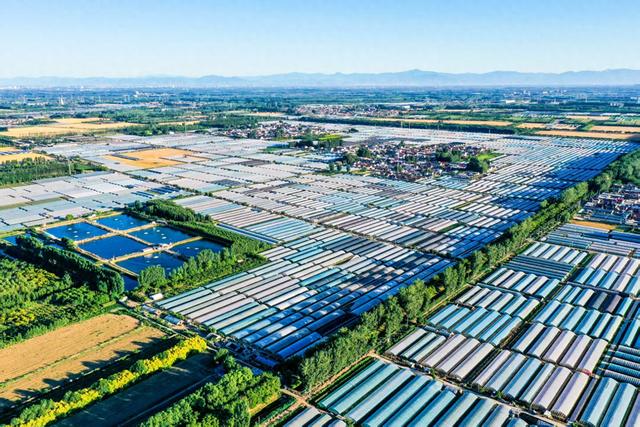
在品牌建设上,顺义区积极培育地理标志农产品,成功创建"小店西瓜"地理标志证明商标。同时,该区 大力推进农产品绿色有机认证,5.75万吨农产品获得认证,创建数量位居全市第一。其"创新机制,强 化举措,聚力打造都市优质农产品供应新高地"的做法入选农业农村部全国农业绿色发展典型案例,为 全国农业绿色发展提供了有益借鉴。 在农村建设方面,顺义区全面推进"百千工程",积极指导赵全营镇、牛栏山镇创建全市第一、二批乡村 振兴示范片区,梯次推进第三批龙湾屯镇示范片区创建工作。该区坚持"微改造、精提升",注重保留乡 村特色风貌,促进乡村风貌"大提升"。同时,顺义区多措并举持续整治农村人居环境,建立考核体系, 充分发挥村规民约、网格化治理等机制,人居环境明显改善,在(2025年)市级检查中始终保持平原新 城第一,全市前列,(2023)年获评"全国村庄清洁行动先进县"。此外,该区扎实推进农村基础设施建 设,所有村庄通过市级美丽乡村验收,清洁能源取暖实现全区覆盖,农村生产生活条件得到极大改善。 顺义农业 图景。顺义区农业农村局供图。 顺义区近年来在乡村振兴工作中积极探索、成效显著。在产业升级方面,2023年顺义区成功入选国家现 代农 ...
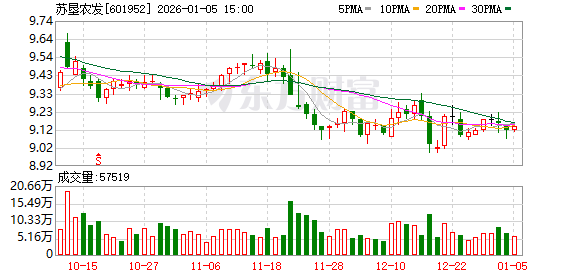
苏垦农发:公司近几年暂不涉及出口欧盟的相关业务
Mei Ri Jing Ji Xin Wen· 2026-01-05 07:43
Group 1 - The company has not been involved in exporting to EU countries in recent years [2] - The company responded to an investor inquiry regarding its export activities [2] - The company expressed gratitude for the investor's interest [2]