零售

Search documents
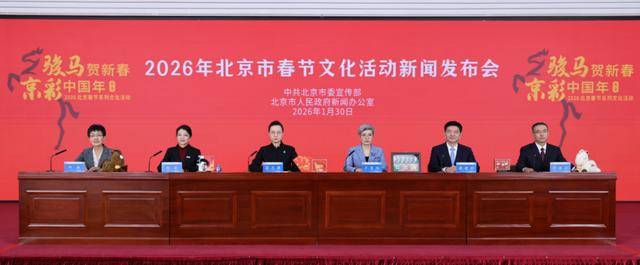
北京推460余项新春促消费活动,商圈成休闲娱乐首选地
Xin Lang Cai Jing· 2026-02-03 12:52
Group 1 - Beijing has launched over 460 new Spring Festival consumption promotion activities, enhancing shopping experiences in commercial areas [1][2] - During the Spring Festival, except for changes in operating hours on New Year's Eve and the first day of the New Year, all other times will return to normal operating hours [1] - The theme "Enjoy Spring Shopping · Colorful Seasons in Beijing" is being promoted to attract consumers to various shopping venues [1] Group 2 - The Beijing Municipal Bureau of Commerce has increased subsidies for replacing old home appliances and purchasing new digital products during the Spring Festival [2] - Consumers can easily apply for subsidies through the Jingtong platform, and offline consumption vouchers are available for immediate use [2] - A lucky draw activity is being held in five major industries, where consumers can participate by spending over 100 yuan, with a chance to win up to 800 yuan per invoice [2]
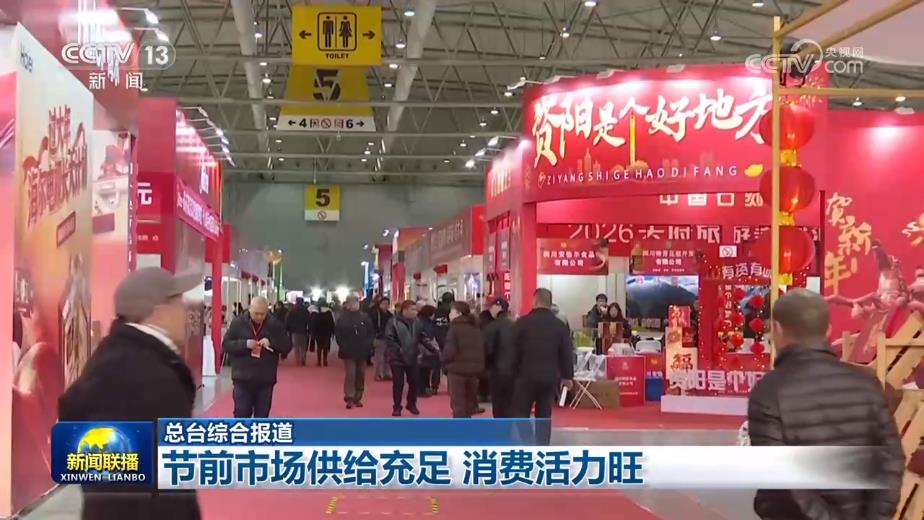
节前市场供给充足 消费活力旺
Yang Shi Wang· 2026-02-03 12:27
Group 1 - The core viewpoint of the articles highlights the vibrant consumer activity and abundant supply in various markets as the Spring Festival approaches, with people actively shopping for traditional goods and festive items [1][3] - In major cities like Beijing, traditional markets are bustling with consumers purchasing a wide range of New Year goods, including cultural products and festive decorations, contributing to a lively shopping atmosphere [1] - Local authorities in places like Shenyang are ensuring food safety by conducting inspections and tests on key food items, which enhances consumer confidence in their purchases [1] Group 2 - Specialty markets are showcasing unique local products, such as seafood and handmade goods in Weihai, and a diverse range of global and local items in Chengdu, reflecting the festive spirit [3] - In Yiwu, innovative products like drones and AI glasses are emerging as new choices for consumers during the New Year shopping season, indicating a trend towards technology integration in traditional festivities [3]

香港2025年零售业总销货价值轻微增长
Xin Hua Cai Jing· 2026-02-03 12:27
Core Insights - The retail sales value in Hong Kong for December 2025 is estimated to have increased by 6.6% year-on-year, reaching 35 billion HKD [1] - The total retail sales value for the entire year of 2025 is estimated to have risen by 1.0% year-on-year, amounting to 380.5 billion HKD [1] Retail Sales Breakdown - Online sales accounted for 8.8% of the total retail sales value in December, with an estimated value of 3.1 billion HKD, reflecting a year-on-year increase of 30.9% [1] - The estimated value of online sales for the entire year of 2025 is 35.7 billion HKD, showing a year-on-year growth of 12.8% [1] Quarterly Performance - The seasonally adjusted retail sales value for the fourth quarter of 2025 increased by 1.2% compared to the third quarter, while the seasonally adjusted retail sales volume decreased by 0.4% [1] Economic Context - A government spokesperson indicated that the retail sales value continues to recover steadily, supported by positive economic growth and an improving local consumption atmosphere, along with a significant increase in visitor numbers to Hong Kong [1]
看涨率又升了!
第一财经· 2026-02-03 12:01
Market Overview - The three major A-share indices exhibited a V-shaped trend, collectively closing higher, with the Shanghai Composite Index stabilizing above 4000 points due to the joint efforts of heavyweight and thematic stocks. The Shenzhen Component Index led the gains, with growth stocks performing prominently, and the ChiNext Index rebounding under the leadership of the sci-tech sector [2]. Market Performance - A total of 4851 stocks rose, indicating a broad market rally, with a notable increase in the number of stocks hitting the daily limit up. Key sectors leading the gains included commercial aerospace/satellite internet, optical modules/CPO, controllable nuclear fusion, rare metals/rare earths, photovoltaic equipment, military industry, communication equipment, and AI computing hardware. Consumer sectors such as food and beverage and retail also saw upward movement ahead of the holiday, while precious metals, petrochemicals, and banking insurance experienced capital outflows and adjustments [3]. Capital Flow - The total trading volume of the two markets was 1.54 trillion yuan, down 1.57%, reflecting an overall contraction in trading volume and structural differentiation. Capital did not significantly withdraw but shifted from traditional heavyweight stocks in the Shanghai market to growth stocks in the Shenzhen market. Sectors like finance and real estate showed lackluster performance, while commercial aerospace, photovoltaic equipment, rare metals, and AI computing saw impressive trading volumes. Leading growth stocks had the highest trading volumes, indicating a concentration of funds in high-prosperity sectors [5]. Fund Inflows - Institutional investors actively positioned themselves, clearly adjusting their portfolios, with emerging sectors such as commercial aerospace, space photovoltaic, AI computing, and optical modules becoming the main focus for capital. There was a noticeable outflow from defensive sectors like precious metals, banking, and insurance. Retail investors transitioned from passive following to active participation, with some chasing strong stocks, particularly those hitting the daily limit up, especially in the commercial aerospace and AI computing sectors [6].

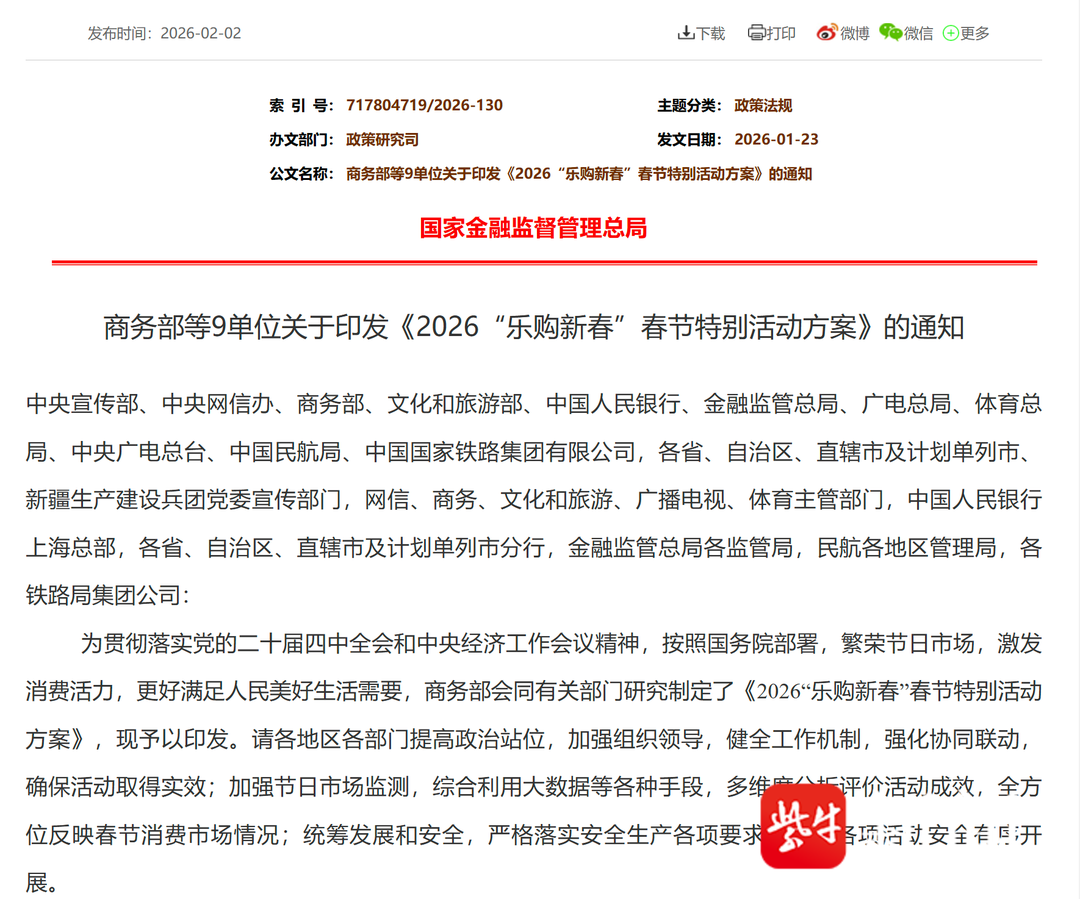
“乐购新春”!九部门联合印发,打造“吃住行游购玩”春节消费盛宴
Yang Zi Wan Bao Wang· 2026-02-03 11:56
Core Viewpoint - The "2026 Spring Festival Special Activity Plan" aims to stimulate consumption during the 9-day holiday period from February 15 to 23, 2026, through a series of promotional activities across various sectors [1][3]. Group 1: Consumption Themes - The plan features six major themes to cover the consumption needs during the Spring Festival, including food, accommodation, transportation, tourism, shopping, and entertainment [4]. - The "Delicious Food" theme will involve renowned restaurants and time-honored brands offering New Year's Eve dinner packages and family reunion meals, along with food markets and culinary competitions [4]. - The "Accommodation" theme focuses on home consumption, promoting home improvement sales and themed activities in hotels and guesthouses [4]. - The "Transportation" theme will require airlines and railways to increase capacity and optimize services, including special meals and ticket lotteries [4]. - The "Tourism" theme will support cultural and tourism activities nationwide, including fairs, exhibitions, and special tourist trains [4]. - The "Shopping" theme will organize various shopping events, including online festivals and traditional goods markets, to promote local and international products [4]. - The "Entertainment" theme encourages discounts for movie screenings and cultural performances, as well as extended hours for cultural venues [4]. Group 2: Support Measures - The plan proposes five support measures to effectively release consumer potential, including increased cash prizes for lucky invoices during the holiday [5]. - The "old for new" initiative will be emphasized, encouraging local governments to provide subsidies for replacing old consumer goods, particularly in sectors like automotive and electronics [5]. - Financial support will be encouraged through partnerships between financial institutions and key merchants, offering discounts and digital currency incentives [5]. - Cross-industry collaborations will be promoted, allowing businesses to offer bundled benefits, such as hotel stays that include tickets to attractions [5]. - The plan also aims to facilitate inbound tourism by improving payment environments and increasing international flight capacity [5]. - A unified branding for the activities will be established, ensuring consistent use of promotional materials and activity names across all participating entities [5].

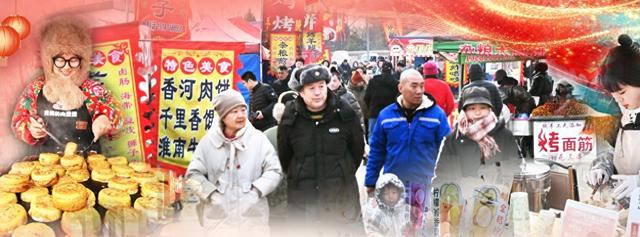
不拘传统 常逛常新
Xin Lang Cai Jing· 2026-02-03 10:29
Core Insights - The article highlights the transformation of the Taihu Market into a vibrant space that integrates traditional culture with modern technology, enhancing the urban experience while preserving its historical essence [1][5]. Group 1: Market Transformation - The Taihu Market has undergone significant changes, evolving from a simple agricultural gathering to a diverse space that combines folk customs, technology, and daily life [1][3]. - The market features over 700 stalls, making it a well-known cultural hub in the Beijing-Tianjin-Hebei region and a key traditional market in Beijing [3][4]. Group 2: Cultural Integration - The market hosts various performances, including traditional shadow puppetry and acrobatics, which attract audiences of all ages, showcasing the charm of traditional culture [4][5]. - The integration of technology, such as interactive robots, enhances the traditional performances, appealing to younger visitors and creating a unique experience [4][5]. Group 3: Seasonal Festivities - As the Chinese New Year approaches, the market is filled with festive decorations and traditional foods, creating a vibrant atmosphere that embodies the spirit of the holiday [6][7]. - Various stalls offer a wide range of seasonal products, including nuts, dried fruits, and decorative items, contributing to the festive ambiance [6][7]. Group 4: Culinary Offerings - The market features a variety of traditional Beijing snacks and local delicacies, providing visitors with an authentic taste of the region [7][9]. - The bustling environment, with vendors actively engaging customers, creates a lively and inviting atmosphere for food lovers [7][9]. Group 5: Accessibility and Services - The market operates on specific days of the lunar calendar, with additional events planned for the New Year, ensuring a continuous flow of visitors [8][17]. - Convenient transportation options are available, including ample parking and public transit access, making it easy for visitors to reach the market [8][18].
【专访】科尔尼陈沛祎:从“持久战”到“闪电战”,中国品牌出海的速度革命靠什么?
科尔尼管理咨询· 2026-02-03 10:19
Core Insights - The report by Kearney highlights a significant shift in the timeline for Chinese brands to establish recognition overseas, reducing from 10 years to 3-5 years due to factors like cross-border e-commerce and social media [1][3]. Group 1: Brand Globalization Trends - Chinese brands are no longer just exporting products but are also effectively conveying cultural expressions and lifestyles, redefining the global consumer landscape [3]. - The success of brands like Pop Mart and Miniso reflects a transformation in the paradigm of Chinese consumer goods going global, driven by localized strategies and faster market penetration [3]. Group 2: Pathway Changes Amid Uncertainty - External uncertainties, such as geopolitical tensions and trade protectionism, have become the "new normal" for Chinese brands going global, altering their pathways and success logic [5]. - The shift from "product export" to "capacity export/local investment" indicates a need for companies to establish complete R&D, production, and marketing loops in target markets [5]. - Companies are optimizing global strategies by relocating production to regions like Mexico and Southeast Asia to mitigate trade restrictions and enhance local supply chains [5]. Group 3: Compliance and Quality Focus - Compliance has become a critical precondition for going global, with increased audit and compliance costs potentially slowing down the pace of globalization in the short term, but leading to more stable long-term growth [6]. Group 4: Emotional Consumption and Brand Value - The success of brands like Miniso and Pop Mart is attributed to their ability to tap into "emotional consumption," which resonates with the global "Z generation" and is facilitated by social media [7]. - Key barriers to sustainable success include a flexible supply chain, integration of content and retail, and the ability to resonate emotionally with local cultures [8]. Group 5: Comparison with American Brands - Similarities between Chinese and American brands include leveraging large domestic markets for global expansion and pursuing universal emotional values [9]. - Differences lie in the brand establishment cycle, with Chinese brands utilizing advanced infrastructure to shorten this cycle to 3-5 years, contrasting with the traditional 10-year approach of American brands [9][10]. - Chinese brands emphasize localized narratives and cultural integration, focusing on product value and cultural resonance, unlike the standardized lifestyle symbols often associated with American brands [9]. Group 6: Underestimated Risks - Internal risks such as "management inertia" can lead to conflicts when Chinese management practices clash with local cultural expectations [11]. - The "island effect" in talent organization poses challenges in integrating foreign executives into decision-making processes [11]. - Cultural narrative misalignment can result in brands being perceived as insincere, impacting their reputation in local markets [11].

新春消费赢彩头!北京推出“有奖发票”,还有460余项促消费活动等你来
Sou Hu Cai Jing· 2026-02-03 09:53
Group 1 - The Beijing Municipal Government is launching over 460 new spring consumption promotion activities under the theme "Happy Shopping for Spring, Colorful Seasons" to enhance the festive atmosphere for citizens and tourists [3][4] - Key commercial districts in Beijing are creating immersive consumption experiences that blend tradition and modernity, featuring events like traditional lion dances and tech-enhanced exhibitions [4][5] - A focus on family-friendly activities is evident, with over 35 themed events planned across various shopping areas, enhancing the experience for parents and children [4] Group 2 - Traditional brands are innovating to meet consumer demands for festive gifts, offering products that combine traditional elements with modern appeal, such as gift boxes and themed clothing [5][6] - Online and offline sales strategies are being synchronized, with many traditional brands participating in online festivals to reach a broader audience [6] - The government is implementing consumer-friendly policies, including subsidies for upgrading appliances and a lottery for receipts to encourage spending during the holiday season [7][8] Group 3 - The New Year's Eve dinner market is experiencing a surge in demand, with restaurants reporting high booking rates and a preference for family-style meals priced between 1,000 to 2,000 yuan [8] - Traditional dining establishments are enhancing cultural experiences by offering themed menus and engaging in folk activities to create a festive atmosphere [8] - Supermarkets are introducing convenient meal options for home consumption, with a significant portion of their offerings designed for easy preparation and enjoyment at home [8][9]
人民财评:“乐购新春” 共享消费盛宴
Ren Min Wang· 2026-02-03 09:27
Core Viewpoint - The "2026 'Happy Shopping Spring Festival' Special Activity Plan" aims to enhance consumer engagement during the upcoming Spring Festival by integrating various sectors and creating a vibrant consumption atmosphere, thereby stimulating economic growth [1][2]. Group 1: Policy and Economic Impact - The plan leverages the nine-day holiday to promote consumption across the entire chain of "eating, living, traveling, shopping, and playing," aiming to create a comprehensive and enjoyable consumer experience [1]. - It emphasizes the importance of holiday consumption as a key driver for consumption upgrades, utilizing the characteristics of holiday economies to foster market demand [1][2]. - The initiative is designed to ensure that traditional cultural elements are preserved while also incorporating modern consumer trends, thus setting a positive tone for annual consumption growth [1][3]. Group 2: Consumer Experience and Infrastructure - The plan encourages the integration of various consumption scenarios, promoting a multi-faceted experience that extends beyond single transactions to create a holistic consumer journey [2]. - It focuses on enhancing infrastructure in lower-tier markets and increasing subsidies to boost consumer confidence and optimize the shopping experience [2]. - Specific measures include promoting trade-in programs for consumer goods, offering financial incentives, and improving service accessibility at public venues during the festival [2][3]. Group 3: Collaborative Efforts and Regulatory Framework - The plan promotes collaboration among various departments while respecting their functional boundaries, aiming to create a seamless consumer platform and facilitate resource connections [3]. - It emphasizes the importance of maintaining regulatory standards and quality control to ensure consumer safety while empowering businesses [3]. - The initiative seeks to balance market dynamics by enabling a supportive environment for both consumers and businesses, fostering a win-win situation [3].
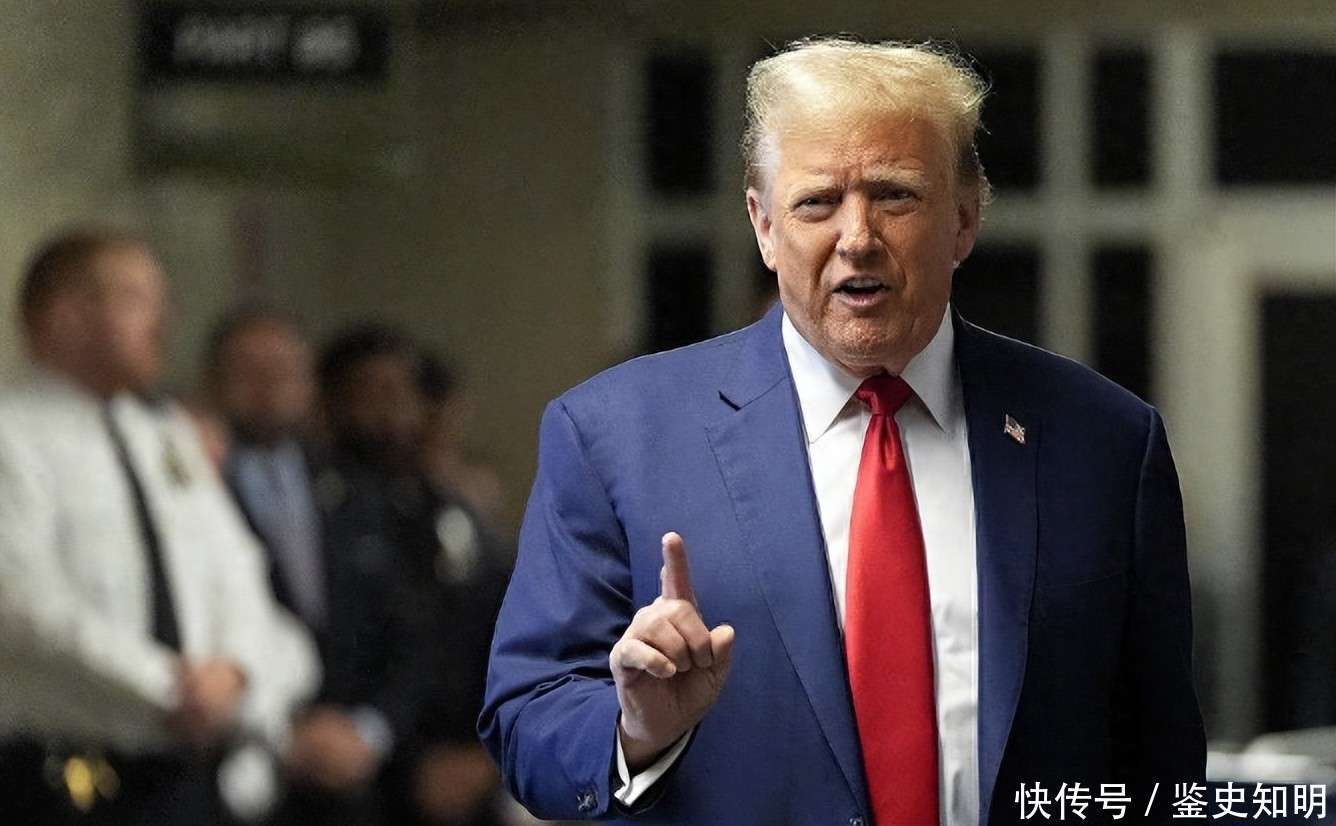
特朗普急了,发文称“从未见过这样的情况”,他想从中国大赚一笔
Sou Hu Cai Jing· 2026-02-03 09:11
Group 1 - The article discusses Trump's claims about the economic situation with China, suggesting he is trying to portray a narrative of victory while facing significant domestic fiscal issues [1][3][5] - Trump's assertion that China's share of U.S. imports is at its lowest since 2001 is countered by the prediction of a $1.2 trillion trade surplus for China in 2025, while the U.S. is expected to face a similar trade deficit [3][5] - The article highlights that the decline in Chinese exports does not indicate a defeat for China but rather a restructuring of global supply chains, with orders shifting towards Southeast Asia, Africa, and Latin America [7][9] Group 2 - Trump's urgency to communicate may be linked to ongoing Supreme Court deliberations regarding the constitutionality of tariffs, which could result in the U.S. needing to retract approximately $300 billion in tariffs [5][11] - The impact of tariffs on U.S. small businesses is noted, with import costs rising by 30%, leading to inflation rates around 5.3% [5][11] - The article mentions the U.S. Treasury's report claiming the yuan is undervalued by 15%, aiming to pressure China into allowing more currency fluctuation, while China's reliance on the dollar is decreasing [11][13] Group 3 - The article discusses Trump's potential nomination of former Fed governor Walsh, who advocates for coordinated interest rate cuts to alleviate U.S. debt pressure, amidst concerns about a return to fiscal and monetary collusion [9][13] - The geopolitical implications of U.S. actions in Panama and Venezuela are examined, indicating a strategy to disrupt Chinese influence in Latin America and control critical resources [15][17] - The narrative suggests that China's response to U.S. pressure is more strategic and subtle, focusing on building its own influence rather than direct confrontation [20][22]