
银行业

Search documents
黄金冲上5000美元,德国出手了!千吨黄金正从美国撤走
Sou Hu Cai Jing· 2026-02-07 21:41
Core Viewpoint - Germany plans to repatriate over 1,230 tons of gold stored in the New York Federal Reserve, which constitutes 37% of its total gold reserves, amid rising global economic volatility and geopolitical tensions [1][2][6][12]. Group 1: Historical Context - The gold stored in New York was not voluntarily placed there by Germany; it was a product of historical circumstances following World War II and the establishment of the Bretton Woods system [7][9]. - The gold was accumulated post-war through industrial manufacturing and export trade, serving as a hard currency and a financial safety net for the country [4][5]. Group 2: Current Economic Climate - The current global economic instability and frequent geopolitical conflicts have heightened the importance of gold as a secure asset [6]. - The price of gold has surged, reaching approximately $5,000 per ounce, making the value of the 1,236 tons of gold nearly $200 billion [10][11]. Group 3: Trust and Security Concerns - Trust in the U.S. financial system has eroded, particularly after actions taken by the Trump administration that undermined alliances and raised concerns about the security of assets held abroad [13][15][27]. - The freezing of Russian foreign reserves, including gold, has prompted countries like Germany to reconsider the safety of their assets stored in foreign banks [15][17]. Group 4: Strategic Shift - Germany's decision to repatriate gold signifies a strategic shift from reliance on allies for security to a focus on self-sufficiency and control over core resources [23][24]. - The action reflects a broader trend among central banks to increase domestic gold reserves and reduce dependence on foreign storage [17][29]. Group 5: Implications for Global Financial System - The repatriation of gold by Germany could trigger a chain reaction, prompting other countries to reassess their gold storage strategies and potentially leading to a significant decrease in gold held in New York [20][35]. - This movement away from centralized storage in New York may alter the global gold pricing mechanism and the liquidity of the U.S. dollar [39][41].

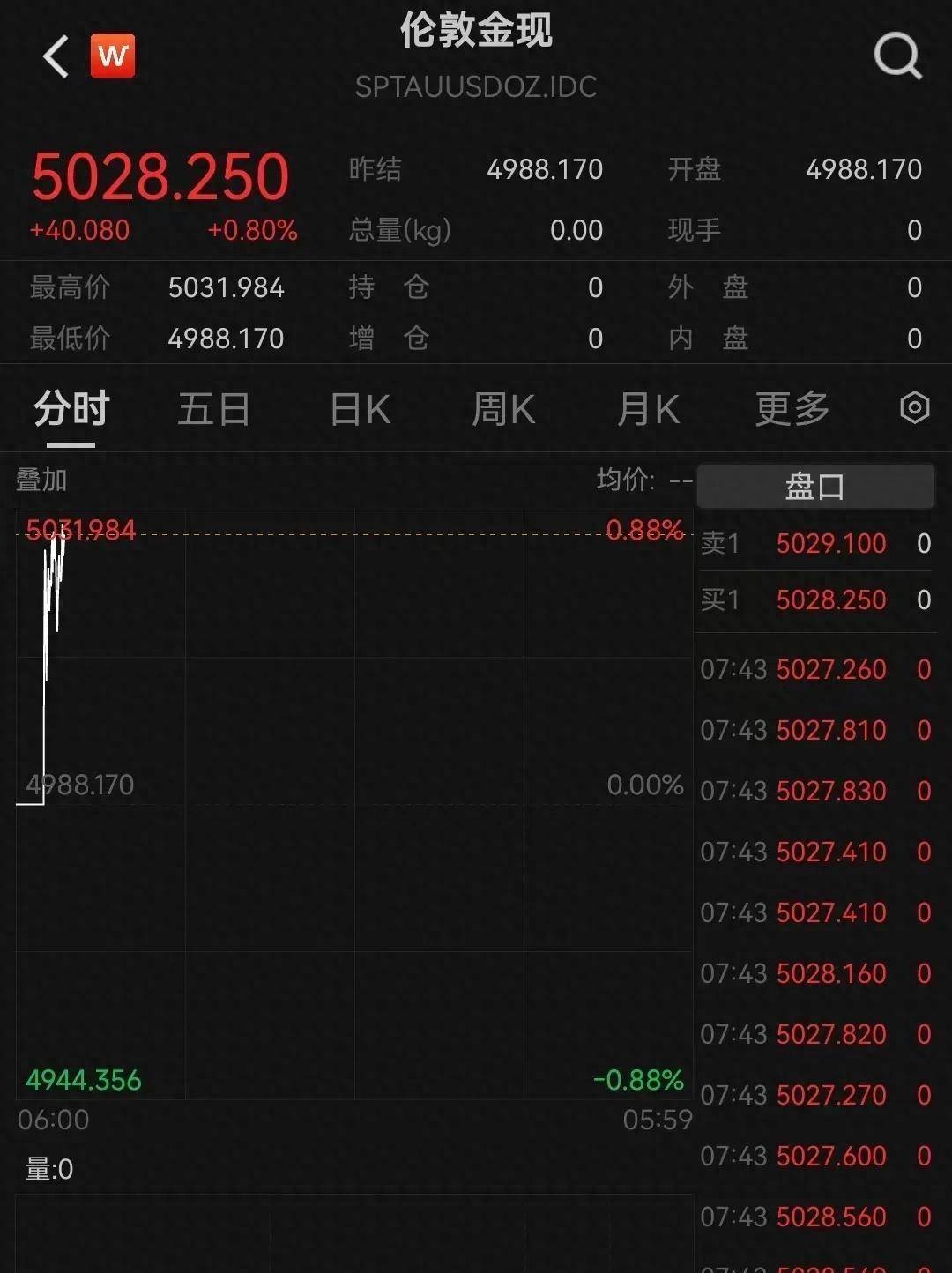
金价一夜大反转!2月6日全国金店最新价出炉,现在入手到底算不算好时机
Sou Hu Cai Jing· 2026-02-07 18:28
Core Viewpoint - The gold market experienced extreme volatility on February 6, 2026, with a significant rebound following a sharp decline the previous day, raising questions about the underlying causes and future trends in gold prices [1][3][5]. Price Movements - On February 5, the international gold price fell over $190, closing around $4815 per ounce, a drop of nearly 4% [3]. - The domestic gold market mirrored this decline, with Shanghai Gold Exchange's gold T D contract hitting a low of approximately 1082 yuan per gram [3]. - On February 6, gold prices rebounded sharply, with London gold rising over $160 to reach a peak of $4980 per ounce within four hours, forming a "V" reversal pattern [5]. - Domestic gold T D prices also surged back to over 1105 yuan per gram, reflecting a rebound of more than 20 yuan [5]. Market Signals - Key signals contributing to the price reversal included a speech from the Federal Reserve Chairman that did not reinforce a hawkish stance, and disappointing ADP employment data showing only 22,000 jobs added in January, below market expectations [5]. - The technical analysis indicated that gold prices had become severely oversold, with $4800 per ounce identified as a critical psychological and technical support level [5]. Consumer Pricing - As of February 6, major gold retailers reported lower prices for gold jewelry, with brands like Chow Tai Fook and Lao Feng Xiang pricing around 1535-1548 yuan per gram, down by 20 yuan from previous highs [6]. - Investment gold bars were priced significantly lower than jewelry, with banks quoting prices around 1136-1140 yuan per gram, indicating a price difference of nearly 400 yuan per gram compared to retail jewelry [6]. Recovery Market Insights - The gold recycling market showed a stark reality, with quotes around 1070 yuan per gram, closely aligned with the raw gold price, indicating that additional costs paid for craftsmanship and branding were not recoverable [7]. Investment Considerations - For consumers needing gold for weddings or gifts, the current price drop presents a buying opportunity, as prices have decreased from previous highs, allowing potential savings of 200-500 yuan on a typical 10-gram piece [9]. - However, for investors focused on asset preservation and speculation, caution is advised, as the recent rebound is viewed as a "dead cat bounce" rather than a new bullish trend [10][12]. - Investors are encouraged to adopt a phased buying strategy, setting price ranges for incremental purchases and maintaining cash reserves for market fluctuations [12].

今日金价,黄金、白银、铂金、钯金全线收涨,国际金价单日暴涨,国内金店价格却纹丝不动
Sou Hu Cai Jing· 2026-02-07 17:41
Core Viewpoint - The global precious metals market experienced a significant reversal on February 7, 2026, with gold prices reaching $4962.65 per ounce, marking a more than 5% increase, the largest single-day rise since the 2008 financial crisis. Silver prices surged over 10%, surpassing $79 per ounce, while domestic gold consumption remained stable, highlighting a disconnect between international and local market perceptions [1][3]. Group 1: Market Dynamics - The international precious metals market saw widespread gains, with platinum prices rising over 8% to around $2450 per ounce, and palladium also recording significant increases. The trading volume of gold futures surged by 45%, indicating that institutional investors were repositioning rather than retail investors [3]. - Domestic gold prices showed a mixed response, with the Shanghai Gold Exchange's gold T+D product increasing by 2.19% to 1104.00 yuan per gram, while bank investment gold bars saw a decline, reflecting a complex pricing mechanism influenced by brand premiums and operational costs [3][11]. - The pricing strategy of brand gold stores reinforces the independence of domestic gold prices, with significant premiums over the international gold price due to brand image and cultural recognition [11][13]. Group 2: Economic Influences - Weak economic data, particularly a lower-than-expected private sector job growth in the U.S., dampened expectations of an overheating economy and prolonged high interest rates, leading to a decline in the U.S. dollar index and making gold an attractive safe-haven asset [5]. - Geopolitical tensions, particularly between U.S. forces and Iranian-backed groups, have heightened market risk aversion, contributing to the demand for gold as a hedge against uncertainty [5][10]. - The recent technical rebound in gold prices was driven by short covering and opportunistic buying after a significant drop in late January, indicating a volatile market sentiment [6]. Group 3: Structural Changes - The gold market is undergoing a structural shift, with central banks increasing their gold reserves significantly, as evidenced by a net purchase of 53 tons in October 2025, reflecting a long-term strategic shift away from the dollar [8][19]. - The demand for gold jewelry in China is evolving, with younger consumers driving new trends and redefining gold as a financial product rather than just a traditional gift [10][16]. - The volatility in the precious metals market has reached historical highs, prompting banks to increase margin requirements and risk management measures to mitigate the impact of price fluctuations [8][16]. Group 4: Future Outlook - Major investment banks have adjusted their gold price forecasts, with Goldman Sachs raising its 2026 target price to $5400 per ounce, indicating strong bullish sentiment despite potential economic downturns [19]. - The traditional negative correlation between the U.S. dollar index and gold prices is changing, as gold is increasingly viewed as a strategic asset for hedging against sovereign credit risks [17][19]. - The current market dynamics suggest a complex interplay of various investor types, including quantitative funds and retail investors, which complicates the overall market behavior and pricing strategies [19].

大家千万不要太冲动!金价狂飙急跌,下周金价大盘估计这样走?
Sou Hu Cai Jing· 2026-02-07 17:20
Core Viewpoint - The recent fluctuations in the gold market have been dramatic, with significant price drops and increased volatility, prompting banks to issue risk warnings and adjust their precious metal business rules [1][3][5]. Group 1: Market Dynamics - On January 30, 2026, international gold prices fell sharply, with spot gold dropping below $4,700 per ounce, marking a nearly 10% decline, the largest single-day drop in 40 years [1]. - The volatility in gold prices is attributed to multiple factors, including political pressures on Trump, fiscal expansion, a weakening dollar, and a resurgence of liquidity in the market [3]. - The recent surge in gold prices had exceeded normal macro pricing rhythms, leading to concentrated positions and leverage among investors, which triggered a chain of sell-offs when market sentiment shifted [3][5]. Group 2: Geopolitical and Economic Influences - Geopolitical factors have also played a role, with a significant drop in gold prices on October 21, 2025, attributed to easing geopolitical tensions, particularly regarding the Ukraine conflict [5]. - A strengthening dollar has further suppressed gold prices, as the appreciation of the dollar increases the cost of purchasing gold for investors holding other currencies [5]. - The rapid rise in gold prices has led to a desire among investors to take profits, contributing to increased short-term volatility [3][7]. Group 3: Banking Sector Response - Major banks in China, including ICBC, CCB, and ABC, have issued multiple risk warnings and adjusted their gold accumulation business rules in response to market volatility [5][7]. - Banks have raised the minimum investment amounts for gold accumulation and emphasized the need for investors to operate cautiously based on their risk tolerance [7][10]. - Despite the banks' warnings, the demand for physical gold remains high, with many investment gold bars reported as "out of stock" or "sold out" [7][8]. Group 4: Investor Behavior and Market Sentiment - Investor behavior has shown a divide, with some viewing the price drop as a buying opportunity while others remain cautious due to potential further volatility [10][16]. - The market sentiment has shifted rapidly, with some investors feeling the urge to "catch the bottom," which poses operational risks during high volatility periods [16]. - The gold market's performance in 2025 saw prices rise from under $2,700 per ounce at the beginning of the year to over $4,500 per ounce by year-end, driven primarily by investment demand [12].

15万亿顷刻蒸发!特朗普终于出手:这是一次针对中国的金融挑战?是市场崩溃了,还是有人在暗中操控?
Sou Hu Cai Jing· 2026-02-07 16:20
Core Viewpoint - The article discusses the impact of political decisions on financial markets, particularly focusing on the potential appointment of Kevin Warsh as the new Federal Reserve Chair by President Trump, which led to significant market turmoil and a loss of confidence in the independence of the Federal Reserve [1][5][11]. Group 1: Political Influence on Financial Markets - Trump's dissatisfaction with Powell's cautious approach led to considerations of replacing him with Warsh, who initially supported tightening but later aligned with Trump's desire for interest rate cuts [3][5]. - The news of a potential leadership change at the Federal Reserve caused panic among traders, resulting in a rapid sell-off across financial markets [3][6]. Group 2: Market Reactions - Gold prices dropped over 12% in a single day, while silver experienced an even more dramatic decline of 36%, indicating a loss of confidence in traditional safe-haven assets [6][7]. - The overall market capitalization loss reached approximately $15 trillion globally within 48 hours, equivalent to about half of the U.S. GDP, affecting both institutional and individual investors [9][11]. Group 3: Broader Economic Implications - The article suggests that Trump's actions were primarily motivated by domestic electoral considerations, aiming to present favorable economic conditions to voters ahead of the 2026 midterm elections [11]. - The volatility in the U.S. financial markets has global repercussions, impacting economies and consumers worldwide, highlighting the interconnectedness of modern financial systems [12].
斯塔默访华后,中英工商界如何展望未来?
第一财经· 2026-02-07 15:49
Core Viewpoint - The article highlights the warming of Sino-British economic relations, driven by recent high-level interactions and a more pragmatic attitude from both sides, which is fostering confidence among businesses in both countries [3][4]. Group 1: Economic Cooperation - The recent high-level interactions between China and the UK have provided new opportunities for enhancing business confidence in Sino-British economic cooperation [4]. - British business leaders recognize China's significant role in the global economy, particularly in manufacturing, innovation, energy transition, and low-carbon economy, emphasizing the importance of collaboration in these sectors [4]. - The improvement in Sino-British relations has made UK businesses feel more comfortable, leading to increased willingness to explore new opportunities in the Chinese market [4]. Group 2: Renewable Energy and Green Transition - Renewable energy and green transition emerged as key discussion topics, with UK energy firms acknowledging China's advancements in renewable energy, battery technology, and electric transportation, which are reducing global energy transition costs [5]. - Collaboration with China in these areas is seen as beneficial for the UK to ensure energy security while achieving a more cost-effective and efficient energy system [5]. Group 3: Automotive Industry - The automotive sector is a focal point for Sino-British collaboration, with BYD expanding its presence in the UK market, having established over 100 stores and planning further expansion [6]. - BYD's factory in Hungary has begun trial production, with plans to increase capacity and produce multiple vehicle models, aiming for a "made in Europe" operational model to better align with local market needs [6]. Group 4: Financial Services and Digital Infrastructure - In the financial sector, Chinese banks in London focus on dual services, supporting Chinese enterprises abroad while assisting UK firms in entering the Chinese market [8]. - There is an increasing demand for communication, data, and digital solutions as Chinese companies expand overseas, with ongoing deepening of cooperation between China and the UK in these areas [9].


Fed's Bostic Discusses Inflation, Warsh & K-Shaped Economy
Youtube· 2026-02-07 13:00
Economic Sentiment - The mood among businesses and consumers is characterized by cautious optimism, with many not expecting the worst outcomes but remaining uncertain about the best scenarios [3][4] - There is a notable resilience among businesses and consumers despite challenges such as high tariffs and economic uncertainty [2] Economic Outlook - The economic sentiment suggests that the second half of 2025 and into 2026 may see continued stability, with potential for improvement as businesses adapt to tariffs and tax incentives from previous legislation take effect [5][6] - If consumer confidence increases, businesses may perceive upside potential in the economy [6] Labor Market Dynamics - The labor market is currently turbulent, with businesses hesitant to hire entry-level positions due to advancements in AI and other structural changes [8][10] - Companies are adjusting their workforce sizes post-pandemic, leading to a slower right-sizing process [9] Inflation and Economic Policy - Inflation has remained high for an extended period, necessitating a restrictive monetary policy to bring it back to the target of 2% [7][14] - The complexity of the economy requires a nuanced understanding, with a focus on data-driven decision-making to navigate current challenges [12][19] Consumer Confidence - Many families are experiencing economic precarity, contributing to low consumer confidence and uncertainty about future prospects [16] - There is a need for clear communication about job creation and skill development to foster optimism among consumers [16]
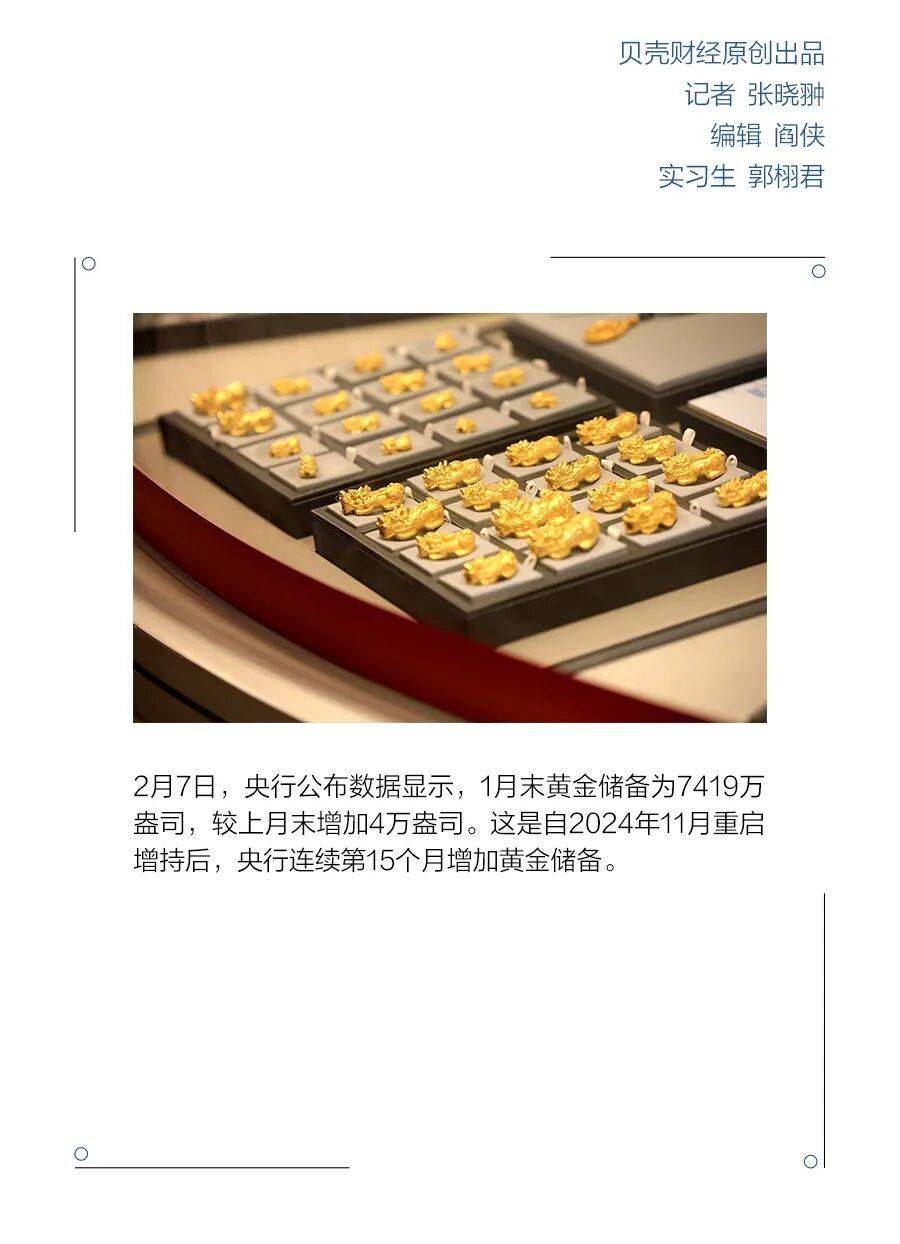
连续15个月!金价“史诗级波动”下央行仍在买黄金
Sou Hu Cai Jing· 2026-02-07 12:30
Group 1 - As of the end of January, China's foreign exchange reserves reached $339.91 billion, an increase of $41.2 billion from December 2025, marking a rise of 1.23% [3] - China's foreign exchange reserves have remained above $3.3 trillion for six consecutive months, showing a stable upward trend [3][10] - The increase in foreign exchange reserves is attributed to the decline in the US dollar index and the overall rise in global financial asset prices [11] Group 2 - In January, despite significant fluctuations in international gold prices, the People's Bank of China continued to increase its gold holdings, albeit at a lower volume of 40,000 ounces [5] - The international gold market experienced extreme volatility in January, with prices reaching nearly $5,600 per ounce before a significant drop of 9.25% at the end of the month, the largest single-day decline since 1983 [5] - The increase in gold prices was driven by geopolitical risks, expectations of Federal Reserve policy changes, and shifts in dollar confidence [5] Group 3 - In 2025, China's gold consumption was 950.096 tons, a year-on-year decrease of 3.57%, with gold jewelry consumption dropping by 31.61% [6] - The consumption of gold bars and coins increased by 35.14%, indicating a shift in consumer perception towards gold as an investment [6] - The total annual increase in domestic gold ETFs was 133.118 tons, a significant rise of 149.91% compared to 2024 [6] Group 4 - The World Gold Council reported that global physical gold demand exceeded 5,000 tons in 2025, a historical high, with central bank purchases remaining at elevated levels [7] - Structural factors such as high debt levels and ongoing geopolitical risks are expected to continue driving central bank gold purchases [7] - The long-term price structure of gold has been on a continuous upward trend since 2020, with recent price movements becoming more sensitive to external disturbances [8]
美国曾多次宣称唯一超级大国,债务却破38万亿,企业债成严重威胁
Sou Hu Cai Jing· 2026-02-07 11:21
Core Insights - The article analyzes the underlying truth behind the U.S. debt crisis, highlighting how wealth is being quietly transferred as the federal debt surpasses $38 trillion, equating to $285,000 per American household, with a daily increase of $17 billion during government shutdowns [1][3] - The article emphasizes that the interest payments on U.S. national debt are projected to exceed $1 trillion for the fiscal year 2025, surpassing the entire defense budget by 20% [1] Group 1: Debt Growth Factors - The U.S. national debt has grown from $37 trillion to $38 trillion in just over two months, with an estimated increase of $69,713.82 per second over the past year [3] - Three main factors contribute to the rapid debt growth: structural spending increases due to social security, Medicare, and aging population welfare costs; stagnation in fiscal revenue growth due to tax cuts; and rising debt costs driven by interest rate hikes [5][3] Group 2: Inflation as a Wealth Transfer Tool - Inflation is described as a hidden tax that dilutes the actual value of debt, with historical examples showing that high inflation rates can significantly reduce debt-to-GDP ratios without strict austerity measures [7] - The purchasing power of the dollar has been continuously eroded, with a dollar from 1945 now equivalent to only 5.5 cents today, indicating a 94% devaluation over 80 years [9] Group 3: Impact on Different Socioeconomic Groups - Wealth transfer through inflation disproportionately affects the poor, who typically hold fewer appreciating assets and are more reliant on savings that lose value in inflationary environments [13] - Wealthy individuals benefit from inflation as they hold assets that appreciate, while the poor face diminishing purchasing power due to rising costs [11][13] Group 4: Strategies for Wealth Defense - Ordinary individuals are advised to construct a wealth defense system by adjusting their asset structures to mitigate the effects of inflation, avoiding excessive cash holdings, and being cautious with long-term fixed-rate bonds [15][17] - A diversified investment portfolio is recommended to reduce risk during market fluctuations, emphasizing the importance of asset differentiation rather than quantity [19] Group 5: Future Outlook - The article warns that as U.S. national debt interest payments continue to rise, the wealth transfer process will accelerate, with Moody's downgrading the U.S. sovereign credit rating from Aaa to Aa1 [21] - The narrative suggests that individuals are already part of this wealth transfer game, and the focus should be on becoming informed and disciplined investors to protect their wealth [21]

白银价格继续下挫 在剧烈震荡中抹去年内涨幅
Xin Lang Cai Jing· 2026-02-07 08:26
Core Viewpoint - Silver prices continue to decline following a 20% drop on February 5, driven by insufficient liquidity leading to significant price volatility, and are still in the process of finding a bottom [1] Group 1: Price Movements - Spot silver fell to a low of $64 per ounce during Asian trading, representing a decline of over 40% from the historical high reached on January 29 [1] - Silver's price volatility has reached its highest level since 1980, exacerbated by reduced speculative trading and off-exchange volumes [1] Group 2: Market Dynamics - The small market size and low liquidity of silver typically result in more severe price fluctuations compared to gold [1] - Market makers tend to widen bid-ask spreads and reduce balance sheet usage during heightened volatility, leading to weaker liquidity when it is most needed [1] Group 3: Influencing Factors - The recent bull market for precious metals accelerated in January, driven by increased geopolitical risks, concerns over the independence of the Federal Reserve, and speculative buying from China [1] - As of 08:38 Singapore time, spot silver was down 2.8% to $68.9640 per ounce, while gold decreased by 0.7% to $4,745.27 per ounce [1]