住宿餐饮

Search documents
深圳:鼓励政府性融资担保机构扩大服务业小微企业和个体工商户融资担保规模 降低融资担保费率
news flash· 2025-06-25 11:25
Core Points - Shenzhen government encourages financing guarantee institutions to expand the scale of financing guarantees for small and micro enterprises in the service industry and individual businesses, while also reducing financing guarantee rates [1] Group 1: Financial Support Measures - The Shenzhen Municipal Government has issued measures to promote high-quality development of service consumption, emphasizing the need for enhanced financial and tax support [1] - There is a focus on guiding social capital investment to support digital transformation, platform construction, and brand promotion for service enterprises [1] Group 2: Specific Industry Support - The measures include increasing credit support for key sectors such as accommodation, catering, cultural and entertainment, and the elderly care industry [1] - Insurance institutions are encouraged to develop commercial health insurance products tailored to different demographics [1]
重大利好!六部门推动金融支持提振和扩大消费
Sou Hu Cai Jing· 2025-06-25 05:52
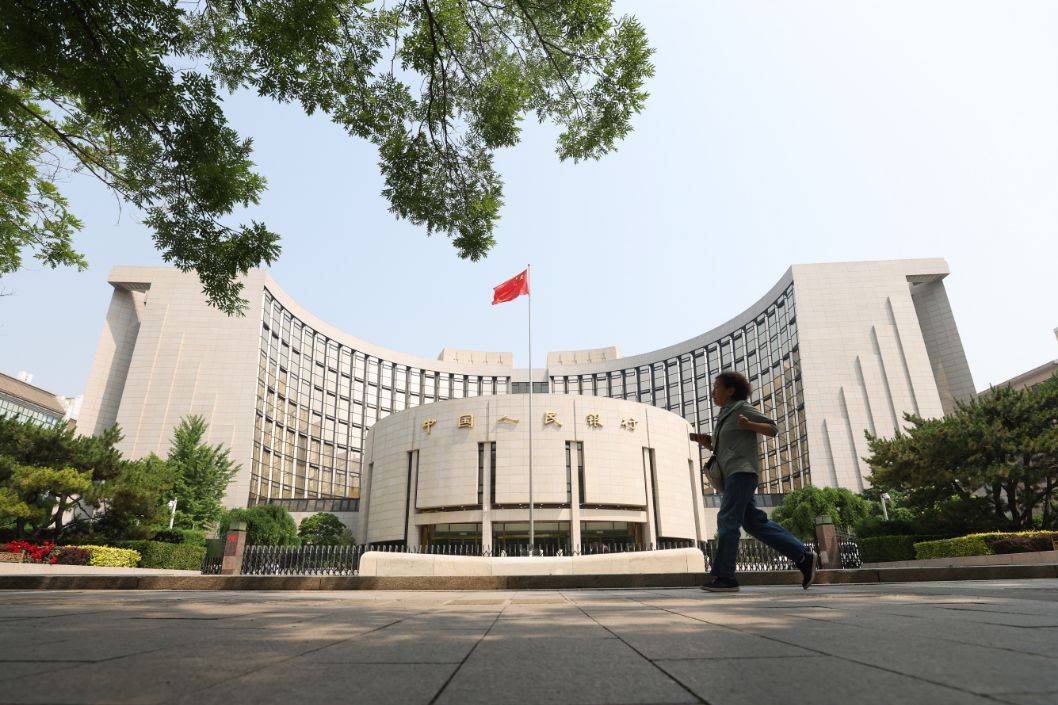
Core Viewpoint - The People's Bank of China and six other departments have jointly released guidelines to enhance financial support for consumption, aiming to stimulate economic growth through a series of 19 key measures focused on various aspects of consumer finance [1][3]. Group 1: Financial Support Measures - The guidelines propose a comprehensive support system for consumption through financial innovation, creating a virtuous cycle of "policy guidance - financial supply - consumption upgrade" [1]. - Key measures include enhancing consumer capacity, expanding financial supply in consumption sectors, and optimizing the consumption environment [1][3]. - A specific focus is placed on providing 500 billion yuan in low-interest loans (1.5%) to stimulate credit investment in service consumption and elderly care [1][3]. Group 2: Financing Channels - The guidelines emphasize the need to solidify the macroeconomic financial foundation by supporting employment and optimizing insurance coverage [3]. - Financial institutions are encouraged to issue loans to key service sectors such as retail, hospitality, and education, enhancing the quality and efficiency of service consumption [3][4]. - The guidelines also promote diversified financing channels, including bond and equity financing for qualified enterprises in the consumption sector [4]. Group 3: Consumer Potential Release - The new policies are seen as crucial for stabilizing economic growth amid global uncertainties and domestic economic pressures, with consumption being a key driver [5][6]. - Specific areas of focus for financial support include goods consumption, service consumption, and new consumption models [6][7]. - The guidelines advocate for personalized financial products tailored to the unique characteristics of service consumption [7]. Group 4: Strengthening Financial Services - The guidelines call for the optimization of payment services to enhance consumer experience across various payment methods [9]. - A robust credit system is to be established, leveraging national credit information platforms to improve the identification of consumer credit status [9]. - Consumer rights protection mechanisms will be strengthened to ensure transparency and compliance in financial services [9]. Group 5: Long-term Economic Impact - The policies aim to create a synergistic relationship between government guidance and market mechanisms, addressing supply-demand mismatches while facilitating industrial transformation [10]. - The anticipated outcome is a dual upgrade in supply and demand within the consumption market, contributing to high-quality economic development and improved living standards [10].

利好来了!六部门联合印发
新华网财经· 2025-06-24 09:53
Core Viewpoint - The article discusses the joint issuance of guidelines by six Chinese government departments, including the People's Bank of China, aimed at enhancing financial support to boost and expand consumption, thereby stimulating economic growth [1][2][3]. Group 1: Overall Requirements - The guidelines emphasize the importance of financial services in supporting the real economy and enhancing consumption, aligning with the principles of Xi Jinping's thought [4]. - The approach combines optimizing supply with expanding demand, integrating the strategy of expanding domestic demand with deepening financial supply-side structural reforms [4]. - Financial innovation is encouraged, with a focus on market-oriented and legal compliance to provide diverse financial services tailored to consumption needs [4]. Group 2: Enhancing Consumption Capacity - The guidelines call for solidifying the macroeconomic foundation to stabilize consumer expectations, emphasizing the need for coordinated financial, fiscal, and industrial policies [6]. - Support for employment and income growth is highlighted, particularly for small and micro enterprises, to enhance consumer confidence [6]. - The development of financial products that cater to retirement and health insurance needs is encouraged to improve consumer willingness to spend [7]. Group 3: Expanding Financial Supply in Consumption - Financial institutions are urged to enhance their organizational structures and professional teams to provide efficient financial services in the consumption sector [8]. - The guidelines promote the use of structural monetary policy tools to support key service consumption sectors, with a specific focus on providing loans to various business entities [9]. - There is a push for increased bond market financing to support cultural, tourism, and educational sectors, as well as consumer finance companies [10]. Group 4: Supporting Key Consumption Areas - Financial institutions are encouraged to facilitate the recycling of consumer goods and provide credit support for essential consumer goods [11]. - The guidelines stress the importance of supporting service consumption, particularly in areas like hospitality, retail, and elder care, with tailored financial products [12]. - New consumption models, such as digital and green consumption, are to be explored, with financial institutions collaborating with merchants to develop suitable financial products [12]. Group 5: Strengthening Financial Infrastructure - The guidelines advocate for financial support in building consumption infrastructure, including facilities for tourism, healthcare, and communication [13]. - Support for the logistics and supply chain sectors is emphasized to enhance the efficiency of the commercial circulation system [14]. Group 6: Optimizing the Consumption Environment - Continuous improvement of payment services is highlighted, focusing on enhancing the compatibility of various payment methods to provide a better consumer experience [15]. - The establishment of a robust credit system in the consumption sector is encouraged to facilitate access to credit for consumers and businesses [16]. Group 7: Organizational Support - The guidelines call for enhanced coordination among local financial management departments and relevant industry authorities to effectively implement the consumption support policies [17]. - Monitoring and evaluation mechanisms are to be established to assess the effectiveness of financial support for consumption [17].

澳门5月综合消费物价指数同比上升0.19% 环比下跌0.05%
智通财经网· 2025-06-20 11:37
Group 1 - The overall Consumer Price Index (CPI) increased by 0.38% year-on-year for the twelve months ending in May 2025 [1][2] - Significant price increases were observed in categories such as Miscellaneous Goods and Services (+2.41%), Education (+1.9%), and Medical (+1.44%), while Transportation (-2.87%) and Information and Communication (-1.34%) saw declines [2] - The CPI for food and non-alcoholic beverages rose by 0.55% in the first five months of the year, contributing to the overall CPI increase [2] Group 2 - In May 2025, the CPI decreased by 0.05% compared to April, with notable declines in Transportation (-0.56%) and Recreation, Sports, and Culture (-0.42%) [1] - The price index for food and non-alcoholic beverages fell by 0.03% month-on-month, driven by lower prices for fruits, fresh fish, seafood, cooking oil, and vegetables [1] - The price indices for Clothing (+0.71%) and Household Equipment and Services (+0.28%) increased month-on-month [1]
中国2025年5月经济数据图景:投资边际放缓,地产持续承压
Hua Tai Qi Huo· 2025-06-17 02:31
Report Industry Investment Rating No relevant information provided. Core Views - In May 2025, the overall economy stabilized. Industrial production maintained steady growth, with the added value of industrial enterprises above designated size increasing by 6.3% year-on-year. However, Sino-US tariff friction pressured downstream and midstream enterprises. The PPI decreased by 3.3% year-on-year, and the CPI slightly decreased by 0.1% year-on-year. Investment growth slowed marginally, while consumption rebounded, and the real estate sector remained under pressure [3][4]. - Domestic demand showed resilience, but external uncertainties increased. The overall domestic demand in May demonstrated resilience, with consumption reaching a new high for the year. High-end manufacturing led industrial upgrading, and the optimization of the foreign trade structure hedged external risks. However, global differentiation intensified, and the impact of the Israel-Palestine war on upstream raw materials needed further attention [5]. Summary by Directory Growth: Steady Growth - In Q1 2025, China's GDP reached 31.88 trillion yuan, growing by 5.4% year-on-year. The proportion of the tertiary industry increased to 61.2%. In May, the added value of industrial enterprises above designated size increased by 6.3% year-on-year, with high-tech and equipment manufacturing industries maintaining rapid growth. However, Sino-US tariff conflicts affected the growth of private, foreign, and state-owned enterprises [10][11]. Inflation: Continued Pressure - In May 2025, the PPI decreased by 3.3% year-on-year, mainly due to increased international input pressure and loose supply and demand of energy and raw materials. The CPI slightly decreased by 0.1% year-on-year, with significant structural differentiation. Energy and food prices declined, while service prices increased. Future risks included international commodity price fluctuations and geopolitical risks [22][45]. Investment: Marginal Slowdown - From January to May 2025, national fixed - asset investment increased by 3.7% year-on-year, with a marginal slowdown in growth. Manufacturing investment maintained rapid growth, especially in high - tech fields. Infrastructure investment growth slowed, and private investment excluding real estate showed vitality in the service industry [60]. Production: Intensified Differentiation - From January to May 2025, the added value of industrial enterprises above designated size increased by 6.3% year-on-year, with significant industry differentiation. High - tech industries such as the automobile and computer equipment manufacturing industries had high capacity utilization rates, while the upstream raw material industry was weak, and exports were under pressure [65]. Consumption: Policy Effectiveness - In May 2025, the consumer market rebounded strongly, with the total retail sales of consumer goods reaching 4132.6 billion yuan, a year-on-year increase of 6.4%. The "trade - in" policy was effective, and service consumption and new consumption became new drivers. However, consumer confidence needed to be strengthened [78]. Real Estate: Weak and Differentiated - The real estate market continued its weak recovery and deep differentiation. In May 2025, the real estate development climate index was 93.72. Real estate investment decreased by 10.7% year-on-year, and the sales side showed regional differentiation and year-on-year improvement. Policy - driven market structure optimization was underway, but real estate enterprises still faced financial pressure [89]. Appendix - In May 2025, the national economy ran smoothly under pressure, with stable growth in production and demand, stable employment, and the growth of new drivers. Industrial production, service industry growth, market sales, fixed - asset investment, foreign trade, employment, and consumer prices all showed certain characteristics [112].
“票根经济”解锁多种消费场景 西安开启消费活力创新实践
Zhong Guo Xin Wen Wang· 2025-06-13 15:35
Group 1 - The core idea of the news is the launch of a consumption promotion activity in Xi'an, themed "One Ticket to Enjoy Chang'an: Experience 'West' and Delight in Shopping," aimed at stimulating local consumption through a "ticket root economy" [1][2] - The initiative is a collaboration between Xi'an's Business Bureau, Cultural and Tourism Bureau, and Sports Bureau, and will run until December 31, 2025, covering large concerts and sports events organized in the city [1][2] - Consumers can enjoy tiered discounts when spending at participating accommodation and dining businesses, with the opportunity to receive consumption vouchers by scanning a QR code at event venues [1][2] Group 2 - The promotion also includes special discount vouchers for cultural, tourism, and sports activities, extending the consumption chain and linking various consumption scenarios from historical sites to modern shopping districts [2] - This innovative model not only provides benefits to consumers but also attracts targeted customer traffic for businesses, enhancing the night economy and promoting the integration of culture, commerce, and tourism [2] - The Xi'an Business Bureau views the "ticket root economy" as a proactive attempt to innovate consumption scenarios in response to the rising "performance economy," with plans to continue developing the "consumption+" model leveraging the city's rich cultural resources [2]
小微企业融资需求提升
Zhong Guo Jing Ji Wang· 2025-06-11 05:02
Core Insights - The "Inclusive Finance - Micro and Small Enterprises Index" published by Xinhua Index Research Institute indicates an improvement in the development expectations for micro and small enterprises in Q1 2025, with a significant increase in financing demand and a decrease in financing costs and risks [1][2] - The financing demand index reached 136.67 points, a month-on-month increase of 22.52%, while the financing supply index remained stable at 198.3 points, reflecting a steady rise in financing demand among small enterprises [1] Financing Demand and Supply - The primary financing demand for micro and small enterprises is for liquidity supplementation ranging from 100,000 to 500,000 yuan, with over half of the surveyed enterprises indicating a need for financing [1] - The financing demand index for various industries showed a robust increase, particularly in the scientific research and technical services sector, which saw a 30.45% month-on-month rise [2] Sector and Regional Performance - The hospitality and tourism sectors are experiencing a recovery, leading to increased orders and short-term turnover demand in procurement, inventory, and labor [1] - Among the seven sample regions, Guangdong exhibited the highest increase in financing demand index, rising by 25.22% month-on-month, while Hebei showed the greatest improvement in financing efficiency, increasing by 1.34% [2] Overall Index Performance - The Inclusive Finance - Micro and Small Enterprises Development Index for Q1 2025 reached 52.11 points, indicating a positive trend above the neutral line, with the vitality index at 55.06 points and the confidence index at 57.13 points [2]
金融助力消费走出“上行线”
Jin Rong Shi Bao· 2025-06-10 03:19
Core Insights - The People's Bank of China, Neijiang Branch, is actively implementing policies to boost consumption and expand domestic demand, resulting in a significant increase in household consumption loans [1] Group 1: Financial Support for Consumption - As of March 2023, household consumption loans in Neijiang (excluding housing loans) grew by 17.28% year-on-year, surpassing the average growth rate of all loans by 5.31 percentage points [1] - Local financial institutions have invested 10.35 million yuan in loans for the renovation and expansion of tourist attractions, contributing to the revitalization of the local tourism economy [2][3] Group 2: Tourism and Economic Revitalization - The "Chuan Nan Grassland" has transformed from an under-visited site to a popular tourist destination, attracting nearly 110,000 visitors during the Spring Festival and generating approximately 24 million yuan in surrounding consumption [2] - Financial institutions have provided nearly 20 million yuan in loans to the hospitality and catering sectors, facilitating upgrades and enhancing customer experience [3] Group 3: Innovative Payment Solutions - The Neijiang Branch is promoting diverse payment scenarios to stimulate market vitality, including the establishment of six senior-friendly payment demonstration sites [4] - By March 2025, Neijiang had issued 675,200 personal digital yuan wallets, with a circulation amount of 1.143 billion yuan and nearly 39,800 operational scenarios [4] Group 4: Commitment to Economic Growth - The Neijiang Branch emphasizes its role in guiding local financial institutions to enhance consumption and production, contributing to high-quality economic development [5]
服务消费与养老产业信贷投放迅速落地
Jin Rong Shi Bao· 2025-06-05 03:23
Core Viewpoint - The People's Bank of China has established a 500 billion yuan "Service Consumption and Elderly Refinance" initiative to encourage commercial banks to increase credit support for service consumption and the elderly care industry [1][2] Group 1: Financial Support for Service Consumption - The initiative aims to direct funds towards key service consumption sectors such as accommodation, catering, cultural and entertainment, and education, addressing financing difficulties and stimulating industry vitality [2][3] - Financial institutions have actively responded to the policy, with banks quickly approving loans to support relevant sectors, demonstrating a commitment to enhancing credit supply [1][2] Group 2: Impact on Employment and Economic Growth - The policy is expected to not only boost economic growth but also improve social welfare by enhancing service quality and expanding service consumption supply, directly benefiting the public [3][4] - The accommodation and catering industry is highlighted as a significant contributor to job creation and economic activity, with a strong potential to drive related sectors such as agriculture and logistics [2][4] Group 3: Support for Cultural and Entertainment Industries - The cultural and entertainment sector is recognized as a vital area for high-quality service consumption growth, with increasing demand for diverse recreational activities among consumers, particularly the younger demographic [4][5] - Financial institutions are focusing on promoting consumption through targeted loans to businesses in the cultural and entertainment sectors, enhancing their operational capabilities [5] Group 4: Education and Elderly Care Financing - The initiative includes substantial financial support for the education sector, exemplified by a 126 million yuan loan to a new research-oriented university, aimed at enhancing research and talent development [6][7] - The elderly care industry is also prioritized, with long-term, low-cost funding provided to meet the diverse needs of the aging population, exemplified by a 19 million yuan loan to a smart elderly care technology company [7]

近一年来首次!美国服务业活动陷入萎缩区间
Jin Shi Shu Ju· 2025-06-04 14:35
Core Viewpoint - The ISM reported a decline in the US non-manufacturing PMI to 49.9, marking the lowest level since June 2024, indicating a contraction in the service sector [1][3] Group 1: Economic Indicators - The new orders index plummeted by 5.9 points to 46.4, the largest drop in nearly a year [3] - The business activity index fell by 3.7 points to 50, the lowest in five years [3] - The payment prices index surged to 68.7, the highest since November 2022 [3] Group 2: Sector Performance - The accommodation and food services sector was one of the few growth highlights, while eight other service sectors, including retail, construction, and transportation, experienced contraction [3] - Backlogs of orders decreased to the lowest level since August 2023 [3] Group 3: Employment and Supply Chain - The employment index increased by 1.7 points to 50.7, indicating nearly stagnant hiring [3][6] - The supplier delivery index rose, suggesting longer delivery times as companies adjust their supply chains [5] Group 4: Trade and Policy Impact - Both the export and import indices showed contraction, reflecting the impact of fluctuating trade policies from the Trump administration [4]