能源

Search documents
商务部回应加强对日出口管制:制止日本“再军事化”和拥核企图
2 1 Shi Ji Jing Ji Bao Dao· 2026-02-26 12:22
Group 1 - The Chinese Ministry of Commerce has placed 20 Japanese entities on an export control list and another 20 on a watch list due to Japan's accelerated militarization and nuclear ambitions, which are seen as threats to regional and global peace [1][2] - The measures taken by China are aimed at preventing Japan's militarization and nuclear ambitions, and are considered legitimate and lawful, affecting only a small number of Japanese entities and not impacting normal Sino-Japanese trade [1][2] - The Chinese government emphasizes its commitment to international non-proliferation obligations and reassures compliant Japanese entities that they need not worry about these measures [1][2] Group 2 - During the visit of German Chancellor Merz to China, significant discussions took place between over 60 leading companies from both countries, focusing on cooperation in innovation, green technology, and digital sectors [2] - German companies expressed optimism about China's economic development and a willingness to increase investments in China, aiming to share in the opportunities presented by China's modernization [2] - More than ten commercial agreements were reached during the visit, covering various industries including automotive, machinery, energy, logistics, and finance, indicating a robust potential for Sino-German economic cooperation [2]
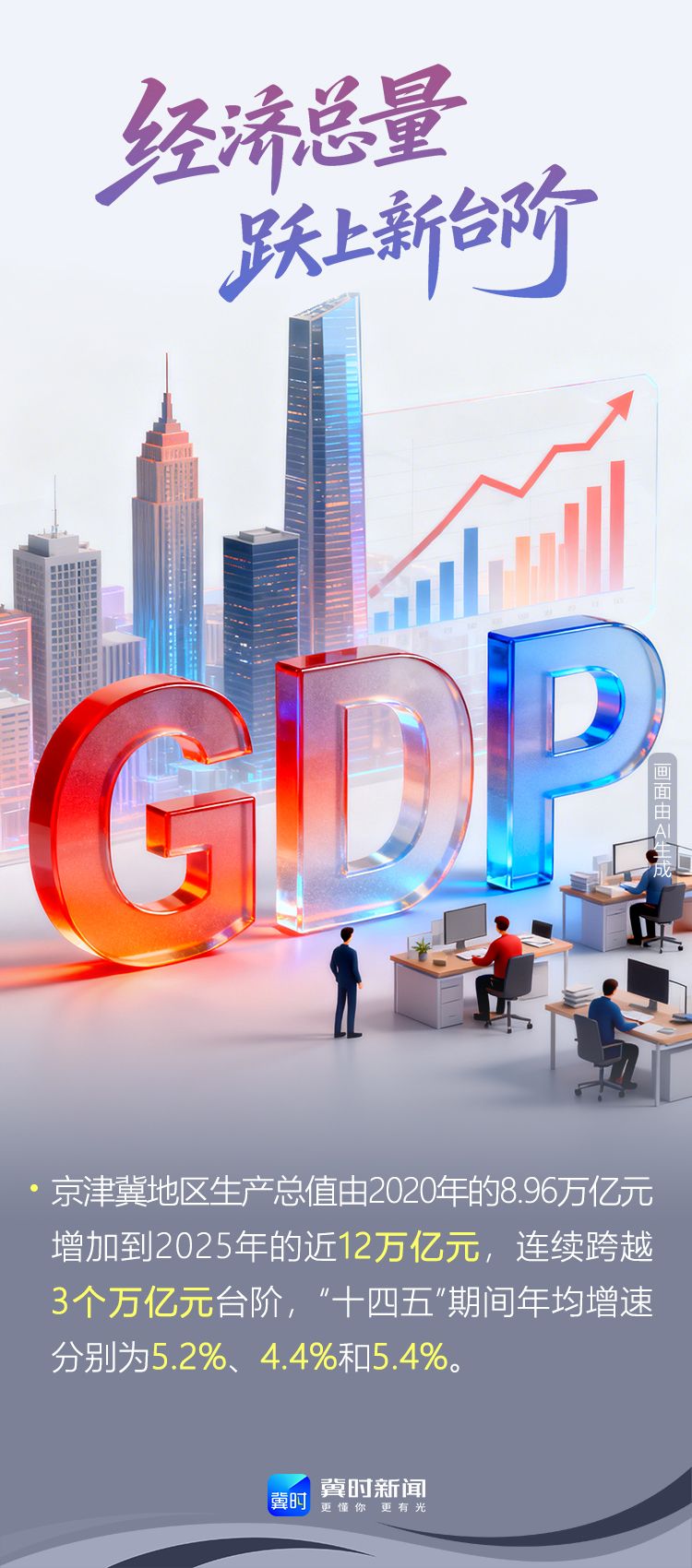
AI海报丨数据超亮眼!京津冀协同发展12年,活力满满向前行
Xin Lang Cai Jing· 2026-02-26 10:22
今年是京津冀协同发展战略提出12年。12年来,京津冀地区生产总值稳步攀升,交通、产业、生态等一体 化纵深推进,雄安新区承接疏解项目建设进入"快车道",三地优势互补、成果共享,携手迈向高质量发展 新征程。 · 京津冀地区生产总值由2020年的8.96万亿元 增加到2025年的近12万亿元,连续跨越 3个万亿元台阶,"十四五"期间年均增速 分别为5.2%、4.4%和5.4%。 翼时新闻 冀时 "十四五"期间,雄安新区进入大规模建设与 承接北京非首都功能疏解并重阶段,每年 保持2千亿元投资规模。 · 2025年,雄女犹区回正贫产投资同比 增长14%。 冀 寶时新闻 1-18-18-18 · 中国星网、中国中化、中国华能总部等 标志性疏解项目迁驻运营。 · "四纵三横"高速公路网全面形成,5300多栋 楼宇拔地而起。 · 278项京雄"同城化"政务服务应用场景 全面落地。 · 首批4所疏解高校雄安校区加速建设, 第二批5所疏解高校确定选址,高水平开办 中小学、幼儿园60所,新增学位5.5万个。 安同纵深刻 A HIMBERTY THE FILE IN THE RESEARCE THE FILL FOR THE 111 ...

商务部:中德双方企业达成十余项商业协议
Xin Hua Wang· 2026-02-26 10:08
Core Viewpoint - The visit of German Chancellor Merz and his high-level economic delegation to China resulted in significant and pragmatic outcomes in the economic and trade sectors, with over ten commercial agreements reached across various industries [1]. Group 1: Economic Cooperation - The agreements cover multiple sectors including automotive, machinery, energy, logistics, and finance, indicating a broad scope of collaboration between Chinese and German enterprises [1]. - The Chinese Ministry of Commerce emphasized the importance of high-quality development and high-level opening-up, which presents vast opportunities for Sino-German economic cooperation in the current year [1]. Group 2: Policy Dialogue and Mechanisms - The Ministry of Commerce plans to work with Germany to implement the important consensus reached by the leaders of both countries, enhancing economic policy dialogue [1]. - Utilization of platforms such as the China-Germany Economic Joint Committee and the China-Germany Economic Advisory Committee will be prioritized to expand cooperation areas and promote stable development in Sino-German economic relations [1].
日度策略参考-20260226
Guo Mao Qi Huo· 2026-02-26 03:55
1. Report Industry Investment Ratings No relevant content provided. 2. Core Views of the Report - In the near term, the stock index is expected to oscillate strongly supported by the policy - favorable expectations of the "Two Sessions", and long - term long positions in stock index futures are recommended to be held [1]. - Asset shortage and weak economy are beneficial to bond futures, but the central bank warns of interest - rate risks in the short term, and attention should be paid to the Bank of Japan's interest - rate decision [1]. - Copper prices are pushed up by recent macro - favorable factors, but the continuous accumulation of global copper inventories suppresses prices, so short - term copper prices are expected to oscillate [1]. - The non - ferrous metal sector is boosted by recent macro - favorable factors, but the large accumulation of domestic aluminum inventories may drag down aluminum prices, and short - term aluminum prices are expected to oscillate [1]. - The deadlock in the US - Iran negotiation causes concerns about Iran's zinc ore supply, which supports zinc prices in the short term. After the Spring Festival, attention should be paid to the resumption of work and production of downstream enterprises [1]. - Due to the landslide of the tailings of the QMB project in the Indonesian IMIP Park and the plan to revoke its environmental license, and the reduction of the nickel ore quota in the Weda Bay nickel mine, there are still concerns about nickel ore supply. Short - term nickel prices are expected to run strongly, but the high global nickel inventory may still suppress prices in the medium - to - long term [1]. - The raw material prices of stainless steel remain firm, steel mills' maintenance and production cuts increase in February, and social inventories rise slightly. Affected by the supply - side disturbances in Indonesia, stainless steel futures are expected to oscillate strongly. After the Spring Festival, attention should be paid to the demand recovery [1]. - The Trump administration plans to use an AI model to price key minerals, which boosts the sector. Although the long - term trend of tin prices remains unchanged, investors are advised to pay attention to risk management and profit protection in the short - term high - volatility situation [1]. - The uncertainty of tariff policies and the tense geopolitical situation between the US and Iran support precious metals, but the intensifying internal differences of the Federal Reserve may cause short - term fluctuations. Gold prices are expected to oscillate within a range, and silver prices are expected to oscillate strongly [1]. - The new Trump tariff policy and the tense geopolitical situation in the Middle East are beneficial to platinum and palladium at the macro level, but after the short - term catch - up, the price rhythm may still fluctuate. It is recommended to go long at low prices with a light position [1]. - For industrial silicon, production increases in the northwest and decreases in the southwest, and the production schedules of polysilicon and organic silicon decline in December [1]. - For polysilicon, there is strong demand for energy storage and battery exports, and there are disturbances at the mine end [1]. - For lithium carbonate, the spot has not fully recovered. Observe the spot start - up situation around the Lantern Festival, and it is recommended to wait and see for unilateral trading [1]. - For rebar and hot - rolled coils, the spot has not fully recovered. Observe the spot start - up situation around the Lantern Festival, and it is recommended to wait and see for unilateral trading. Look for profit - taking opportunities for the basis positions established before the Spring Festival [1]. - For iron ore, the upward pressure is obvious, and it is not recommended to chase long at this position [1]. - For silicon manganese and silicon iron, the short - term supply and demand are weak, but policy benefits and cost support are positive for prices [1]. - For glass and soda ash, soda ash follows glass. In the medium term, the supply and demand are more relaxed, and prices are under pressure [1]. - For coking coal and coke, the black - metal spot market continues the off - season characteristics before the Spring Festival. In the next two weeks, the market can expect the prosperity of the peak season, which depends on the market risk preference and domestic macro - guidance. In the medium - to - long term, the market is pessimistic about the coking coal 05 contract. It is recommended that the industry establish positive cash - and - carry arbitrage positions when the market rallies, and wait and see for unilateral trading [1]. - For palm oil, the production and exports of Malaysian palm oil decreased from February 1 - 20, and the market is expected to oscillate after the rebound during the holiday [1]. - For soybean oil, it may open higher affected by the US soybean oil, but there is no new driving force for the time being, and it is recommended to wait and see [1]. - For rapeseed oil, it rose slightly during the holiday, and attention should be paid to the EPA's bio - diesel decision and the anti - dumping arbitration announcement of Canadian rapeseed in China [1]. - For cotton, the new domestic production is expected to be strong, and the purchase price of seed cotton supports the cost of lint. The downstream start - up is at a low level, but the yarn mill inventory is not high, with rigid restocking demand. The cotton market is currently in a situation of "having support but no driving force", and attention should be paid to relevant policies, planting intentions, weather, and peak - season demand [1]. - For sugar, there is a global surplus and an increase in domestic new - crop supply. The short - side consensus is relatively consistent. If the price continues to fall, there is strong cost support below, but there is no continuous driving force in the short - term fundamentals, and attention should be paid to the change in the capital side [1]. - For corn, the progress of grain sales at the grass - roots level is fast, and the port and channel inventories are low. Corn prices are expected to oscillate strongly during the grain - selling period. After the Spring Festival, attention should be paid to the impact of the sale of ground - stored grain, and also to the release of policy grains, import restrictions, and Trump's visit to China [1]. - For soybean meal, the soybean meal market has been strong recently, but in the context of the global large - supply pattern, the short - term unilateral price is expected to oscillate within a range. Attention should be paid to Sino - US trade dynamics and the change in Brazilian basis [1]. - For softwood pulp, there is no obvious positive news during the Spring Festival, and the previous supply - side positive factors have basically faded. It is expected to oscillate between 5200 - 5400. Attention should be paid to the port inventory after the Spring Festival [1]. - For logs, the spot price has risen, the arrival volume in February has decreased, and the external - market quotation is expected to rise, so the futures price has an upward driving force [1]. - For live pigs, the spot price has gradually stabilized recently, and the demand support and the unsold slaughter weight indicate that the production capacity still needs to be further released [1]. - For fuel oil, OPEC+ has suspended production increases until the end of 2026, the US - Iran negotiation is still uncertain, and the commodity - market sentiment is positive with an increase in capital risk preference. The short - term supply - demand contradiction is not prominent, and it follows crude oil [1]. - For asphalt, the raw - material cost support is strong, the commodity - market sentiment is positive, the short - term supply - demand contradiction is not prominent, the "14th Five - Year Plan" construction demand is likely to be falsified, and the supply of Ma瑞 crude oil is sufficient, with high asphalt profits [1]. - For natural rubber, the downstream demand will gradually recover after the Spring Festival, the cost of butadiene has strong support, the profit of private butadiene rubber plants is still in a loss, the inventory of BD/BR is expected to accumulate, the short - term futures price is expected to oscillate widely, and there is an upward expectation for butadiene rubber in the medium - to - long term [1]. - For PTA, Asian aromatics are affected by geopolitics, some overseas PTA factories face operational pressure due to poor profits, and the supply is expected to tighten from March to May [1]. - For naphtha, the production profit margin of naphtha cracking has declined, and the demand is continuously weak [1]. - For ethylene, Wanhua Chemical has restarted its 1.2 - million - ton/year cracking unit, and BASF's new 1 - million - ton/year cracking unit in Zhanjiang is expected to supply ethylene from February [1]. - For short - fiber, the price continues to fluctuate closely following the cost [1]. - For energy, geopolitics and Trump's tariffs disrupt the market. The production economic situation of styrene plants is stable, and the profit margin exceeds the variable - cost break - even point. The demand is expected to be affected [1]. - For methanol, the expected import volume is likely to decrease due to the Iranian situation, but there is obvious downstream negative feedback. The downstream MTO leading units are shut down, and some enterprises reduce production. The upstream inventory is generally low, and the downstream inventory is generally medium to high [2]. - For crude oil, it oscillates strongly, the price returns to a reasonable range, the demand is flat during the Spring Festival, and geopolitical factors drive the price up [2]. - For PVC, the global production capacity will be less in 2026, the differential electricity price in the northwest region is expected to be implemented, which will force the elimination of PVC production capacity, and the future expectation is optimistic. However, the current fundamentals are poor, and the export rush has slowed down [2]. - For liquid chlorine, the macro - sentiment has temporarily subsided, the market trades based on fundamentals again. The fundamentals are weak, the absolute price is at a low level, and the spot price has risen slightly with a small subsidy from liquid chlorine [2]. - For LPG, the CP price in February has risen, and the purchase in March is still relatively tight. The premium of the Middle - East geopolitical conflict has rebounded, and the LPG price is strong after the Spring Festival. The overseas cold - wave driving logic is gradually weakening, and the basis is expected to repair and expand. The domestic PDH operating rate has declined, and the profit is expected to seasonally recover. The short - term demand for LPG is bearish, which suppresses the upward movement of the futures price. The port inventory is decreasing, but the domestic civil gas is sufficient, showing a divergence between propane and LPG [2]. - For aviation fuel, the price increase is generally stable, airlines are still cautious about trial resumption of flights, and airlines are expected to have a strong willingness to stop the price decline and raise prices after the off - season in March [2].
高频数据跟踪:春节出游人次及花费创新高
China Post Securities· 2026-02-26 03:05
1. Report Industry Investment Rating No information provided in the given content. 2. Core Viewpoints of the Report - High - frequency economic data focuses on four aspects: production seasonally cools down; the Spring Festival movie box - office drops nearly 40% year - on - year while tourist trips and spending hit new highs due to an extra holiday day; overall prices decline with oil, coking coal, and rebar prices falling, non - ferrous prices rising slightly, and agricultural products entering a seasonal downward trend; affected by the Spring Festival, subway ridership and peak congestion index in first - tier cities are low, while flight volume is high. Short - term attention should be paid to the progress of front - loaded fiscal efforts and the recovery of the real estate market [2][31]. 3. Summary by Relevant Catalogs Production: Seasonal Obvious Cooling - Steel: In the week of February 20, the coke oven capacity utilization rate decreased by 0.11 pct, the blast furnace operating rate increased by 0.6 pct, and the rebar output increased by 1.22 tons. The inventory of rebar increased by 57.48 tons [9]. - Petroleum Asphalt: In the week of February 11, the operating rate of domestic petroleum asphalt plants decreased by 2.8 pct at a low level [9]. - Chemicals: On February 24, the PX operating rate remained flat compared with the previous week, while the PTA operating rate decreased by 3.86 pct [9]. - Automobile Tires: In the week of February 19, the full - steel tire operating rate decreased by 28.2 pct, and the semi - steel tire operating rate decreased by 45.2 pct [10]. Demand: Spring Festival Tourism and Consumption Hit New Highs, Movie Box - Office Drops Significantly Year - on - Year - Real Estate: In the week of February 22, the commercial housing transaction area decreased, the inventory - to - sales ratio increased significantly, the land supply area dropped sharply, and the residential land transaction premium rate decreased [13]. - Movie Box - Office: In 2026, the Spring Festival movie box - office was 5.752 billion yuan, a year - on - year decrease of 39.5%; the number of moviegoers was 120 million, a year - on - year decrease of 35.8% [13]. - Tourism Consumption: Due to an extra day of the Spring Festival holiday, the number of tourist trips and spending both hit new highs. During the 9 - day Spring Festival holiday, there were 596 million domestic tourist trips and the total domestic tourism spending was 803.483 billion yuan [14]. - Automobile Sales: In the week of February 8, the average daily retail sales of passenger cars decreased by 9,218 units, and the average daily wholesale sales decreased by 15,720 units [18]. - Shipping Freight Rates: In the week of February 13, the SCFI index decreased by 1.19%, and the CCFI index decreased by 3.03%. On February 24, the BDI index increased by 1.62% compared with the previous week [20]. Prices: Non - ferrous Prices Rise, Agricultural Products Enter a Seasonal Downward Trend - Energy: On February 24, the Brent crude oil price decreased by 1.38% to $70.77 per barrel [22]. - Coking Coal: On February 24, the coking coal futures price decreased by 1.74% to 1,100.5 yuan per ton [22]. - Metals: On February 24, the LME copper, aluminum, and zinc futures prices increased by 1.78%, 0.26%, and 0.15% respectively, while the domestic rebar futures price decreased by 0.98% [23]. - Agricultural Products: On February 24, the overall agricultural product price declined, with the agricultural product wholesale price 200 index decreasing by 0.81%. The prices of pork, eggs, vegetables, and fruits changed by - 0.17%, - 2.46%, - 2.33%, and + 1.50% respectively compared with before the festival [25]. Logistics: Flight Volume is High, Spring Festival Personnel Flow Hits a New High - Subway Ridership: On February 24, the seven - day moving average of subway ridership in Beijing decreased by 125.34 million person - times, a week - on - week decrease of 18.32%; in Shanghai, it decreased by 171.29 million person - times, a week - on - week decrease of 23.57% [26]. - Personnel Flow: During the 2026 Spring Festival holiday, the cross - regional personnel flow in the whole society reached 2.81 billion person - times, a new high. The daily average was 310 million person - times, an 8.2% increase compared with the same period last year [29]. - Flight Volume: On February 24, the seven - day moving average of domestic (excluding Hong Kong, Macao, and Taiwan) flight volume increased by 3.37%, that of domestic (Hong Kong, Macao, and Taiwan) increased by 1.08%, and that of international flights increased by 0.35% [29]. - Urban Traffic: On February 24, the seven - day moving average of the peak congestion index in first - tier cities decreased by 5.79% compared with the previous week [29].
国泰君安期货商品研究晨报-能源化工-20260226
Guo Tai Jun An Qi Huo· 2026-02-26 02:25
1. Report Industry Investment Ratings - The report does not explicitly mention overall industry - wide investment ratings. Instead, it provides trend intensities for various commodities, which can be used as a reference for investment sentiment. For example, rubber has a trend intensity of 1, indicating a relatively strong upward trend; while many commodities like synthetic rubber, LLDPE (in some cases), and methanol have a trend intensity of 0, suggesting a neutral trend [4][7][10]. 2. Core Views of the Report - The report analyzes the fundamentals, market conditions, and price trends of multiple energy - chemical commodities. Each commodity has its own unique supply - demand situation, cost factors, and external influencing factors. For instance, some commodities are affected by raw material price fluctuations, while others are influenced by seasonal demand changes, production capacity adjustments, and geopolitical events [10][14][20]. 3. Summary by Commodity Rubber - **Price Trend**: Expected to be oscillating strongly. The main contract's price increased on both the day and night sessions, with the day - closing price rising from 17,030 yuan/ton to 17,240 yuan/ton, and the night - closing price from 17,180 yuan/ton to 17,315 yuan/ton. The open - interest also increased [4]. - **Market Conditions**: After the Spring Festival, most tire enterprises resumed production as planned, with semi - steel tire orders in February better than those of all - steel tires. Market orders are better than last year, and trading is expected to improve [6]. Synthetic Rubber - **Price Trend**: Expected to oscillate downward. The main contract's price decreased, with the day - closing price dropping from 13,140 yuan/ton to 13,045 yuan/ton, and the open - interest also decreasing [7]. - **Market Conditions**: As of February 25, 2026, domestic cis - polybutadiene rubber inventory increased significantly compared to before the Spring Festival. In the short - term, it is expected to oscillate, with the upper pressure coming from the weakening fundamentals and the lower support from international energy prices and international butadiene prices [8][9]. LLDPE and PP - **LLDPE**: Crude oil provides strong cost support, but its own supply - demand pattern is average. After the holiday, the demand for mulch films is expected to improve, and the packaging film industry will gradually recover. The supply - side contradictions are not significant for now [10][11]. - **PP**: The C3 raw material is strong, and PDH maintenance is still high. There is no new production capacity before the 2605 contract, and the supply - demand game among existing capacities intensifies. Attention should be paid to the marginal changes of PDH devices [10][11]. Caustic Soda - **Price Trend**: The near - month delivery pressure is high, but the cost still provides support. The 05 - contract futures price is 2167 yuan/ton, and the basis is - 167 yuan/ton [13]. - **Market Conditions**: During the Spring Festival, liquid chlorine was weak, which supported the caustic soda price. After the festival, due to high inventory, the short - term sharp increase space is limited. The market will first deal with the delivery pressure and then consider future production reduction expectations and improved downstream demand [14]. Pulp - **Price Trend**: Expected to oscillate. The main contract's price had a slight increase during the day session and a decrease during the night session. The open - interest decreased [19]. - **Market Conditions**: The futures market oscillated at a high level, and the spot market remained stable after the price increase. The demand side is favorable, but there is also pressure from port inventory accumulation. The price of household paper is expected to be stable, and attention should be paid to the inventory and downstream procurement sentiment [20][21]. Glass - **Price Trend**: The original sheet price is stable. The futures price increased slightly, with the 05 - contract closing at 1064 yuan/ton, up 1.53% [23]. - **Market Conditions**: After the Spring Festival, domestic float glass factories plan to raise prices, but the downstream market starts slowly. The implementation of the new price needs further follow - up [23]. Methanol - **Price Trend**: Expected to oscillate. The main contract's price decreased, with the closing price dropping from 2285 yuan/ton to 2249 yuan/ton [26]. - **Market Conditions**: The spot price index decreased slightly. The port inventory increased slightly. In the short - term, it is expected to oscillate, with the upper pressure at 2300 - 2350 yuan/ton and the lower support at 2100 - 2150 yuan/ton [28][29]. Urea - **Price Trend**: Expected to oscillate in the short - term. The main contract's price decreased, with the closing price dropping from 1855 yuan/ton to 1838 yuan/ton [31]. - **Market Conditions**: As of February 25, 2026, the total inventory of urea enterprises increased significantly. In the short - term, the futures price will enter an oscillating pattern, and the medium - term focus is on the start of the grass - roots market [32][33]. Styrene - **Price Trend**: Expected to oscillate strongly. The prices of each contract decreased slightly [34]. - **Market Conditions**: During the Spring Festival, the overseas styrene price was strong, and the domestic port inventory increased slightly. In the short - term, it will oscillate strongly, and attention should be paid to the destocking amplitude after March and the restart progress of marginal devices [35]. Soda Ash - **Price Trend**: The spot market has little change. The futures price increased, with the 05 - contract closing at 1191 yuan/ton, up 2.58% [37]. - **Market Conditions**: The domestic soda ash market is stable, with enterprises' device operation oscillating and downstream demand in a wait - and - see state. In the short - term, the market will adjust weakly and stably [37]. LPG and Propylene - **LPG**: Supply tightened, and the night - session price soared. The prices of each contract had different degrees of increase and decrease [40]. - **Propylene**: Supply and demand remained tight, and the spot price was stable. The prices of each contract also had different degrees of increase and decrease [40]. - **Market Conditions**: Saudi Arabia cancelled the FOB loading plan from March 1 - 24 due to a facility failure, which led to a sharp rise in the international paper - cargo price. There are many domestic PDH and LPG plant maintenance plans [45][46]. PVC - **Price Trend**: Expected to oscillate within a range. The 05 - contract futures price is 4963 yuan/ton, and the basis is - 243 yuan/ton [48]. - **Market Conditions**: The PVC market's high - production and high - inventory structure remains unchanged. In 2026, the supply - side production reduction during the maintenance peak season may exceed expectations, which is beneficial to the profit repair of the chlor - alkali industry [48]. Fuel Oil and Low - Sulfur Fuel Oil - **Fuel Oil**: The night - session price rebounded, and the weakness was temporarily alleviated. The prices of each contract decreased [50]. - **Low - Sulfur Fuel Oil**: The price dropped from a high level, and the spot price difference between high - and low - sulfur fuels in the overseas market slightly shrank. The prices of each contract also decreased [50]. Container Freight Index (European Line) - **Price Trend**: Should be treated with an oscillating mindset. The prices of each contract decreased [52]. - **Market Conditions**: The short - term price was under pressure due to Maersk's price cut in the 11th week of March. In the medium - and long - term, the uncertainty lies in the resumption of shipping routes. Different contracts have different investment suggestions [61][63][64]. Staple Fiber and Bottle Chip - **Staple Fiber**: Expected to oscillate at a high level. The futures price decreased, the spot price was mostly stable, and the downstream demand was weak [66]. - **Bottle Chip**: Expected to oscillate at a high level. The upstream polyester raw materials oscillated and decreased, the factory price was mostly stable, and the market trading atmosphere improved [67]. Offset Printing Paper - **Price Trend**: It is recommended to wait and see. The spot price and cost of each paper type remained stable, and the futures price had a slight decrease [69]. - **Market Conditions**: The prices in the Shandong and Guangdong markets were stable, the market started slowly after the holiday, and the trading was light. The industry was in a wait - and - see mood [70][72]. Pure Benzene - **Price Trend**: Expected to oscillate strongly. The prices of each contract decreased slightly, and the spot price increased slightly [74]. - **Market Conditions**: As of February 24, 2026, the port inventory of pure benzene increased. The market atmosphere was average on the day, and the trading volume decreased [75][76].
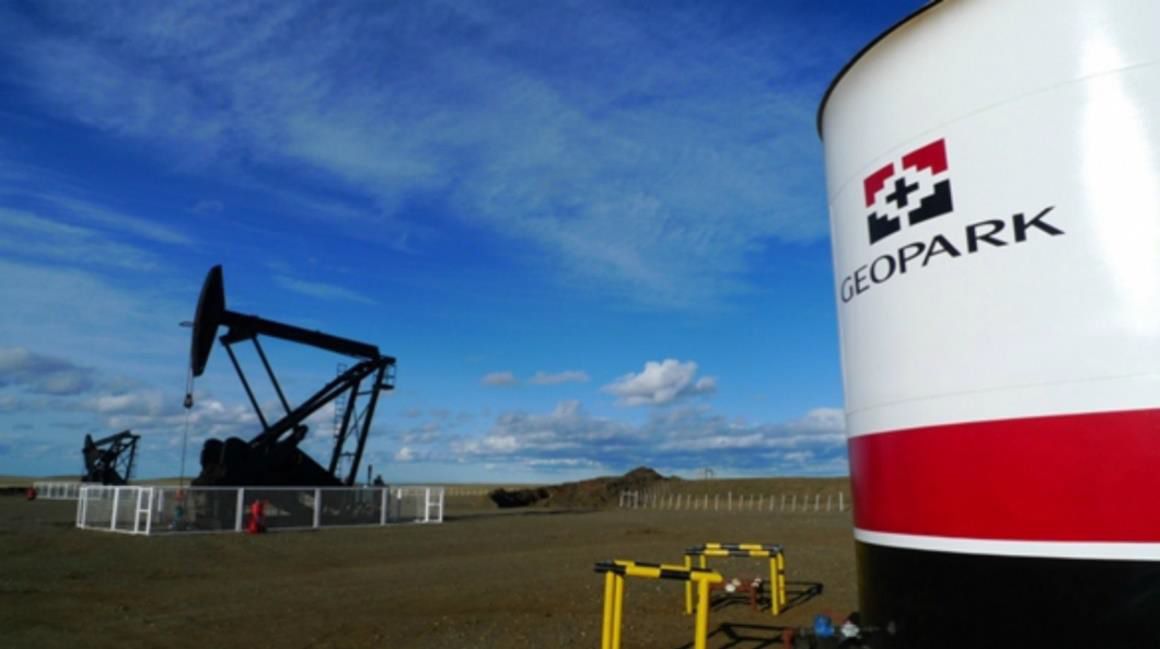
GeoPark Limited (NYSE:GPRK) Earnings Preview and Corporate Governance Developments
Financial Modeling Prep· 2026-02-25 23:00
Core Viewpoint - GeoPark Limited is a significant entity in the Latin American energy sector, with upcoming quarterly earnings expected to show a slight loss in EPS and moderate revenue [1][5]. Financial Metrics - The company has a price-to-earnings (P/E) ratio of 20.95, indicating a premium valuation by investors [2][5]. - The price-to-sales ratio is 1.12, suggesting that the market values its sales favorably [2][5]. - The enterprise value to sales ratio stands at 2.15, reflecting the overall valuation relative to sales [2][5]. - The enterprise value to operating cash flow ratio is 6.20, indicating how the market values GeoPark's cash-generating ability [3]. - The earnings yield is 4.77%, representing the return on investment for shareholders [3]. - Despite a high debt-to-equity ratio of 2.86, indicating reliance on debt, the company maintains a strong liquidity position with a current ratio of 2.63 [3]. Corporate Governance Developments - Parex Resources Inc. has nominated six director candidates for GeoPark's Board of Directors, following a $9.00 per share offer in September 2025 [4][5]. - These corporate governance activities may influence GeoPark's strategic direction and shareholder interests [4].

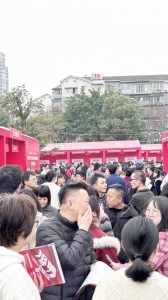
四川携手8省份送上“令人心动的offer”
Xin Lang Cai Jing· 2026-02-25 18:57
Group 1 - The Sichuan Province 2026 Spring Breeze Action and Employment Assistance Season event was held on February 25, organized by the Sichuan Provincial Human Resources and Social Security Department and the Luzhou Municipal Government, among others, with a focus on promoting employment and providing job opportunities [2] - The event featured participation from 220 companies across 8 provinces and cities, offering over 20,000 job positions, with more than 21,000 job seekers attending and 3,826 employment intentions reached [2] - The event also included a "live broadcast job fair" that attracted 178,700 viewers, alongside various service areas for entrepreneurship, career guidance, and policy promotion [2] Group 2 - Since the beginning of the 14th Five-Year Plan, over 8.6 million new urban jobs have been created in the Sichuan-Chongqing region, with over 34 million migrant workers employed, indicating a collaborative employment framework [3] - This year marks the fourth consecutive year that Sichuan has launched the Spring Breeze Action immediately after the Spring Festival, with 3,147 companies providing 194,300 job positions and 161,700 job seekers attending, resulting in 37,100 employment intentions [3] - The Sichuan Province 2026 Spring Breeze Action and Employment Assistance Season will continue until the end of March, with an expected 3,000 recruitment events planned to meet diverse job seeker needs [3]
美国威胁加拿大不许与中国合作,关键时刻中方亮明态度
Sou Hu Cai Jing· 2026-02-25 15:23
Group 1 - The essence of the threat from the U.S. is rooted in a hegemonic mindset that views Canada as part of its "sphere of influence" [1] - Canada has a long-standing economic dependency on the U.S., with a high percentage of exports to the U.S. and core industries like energy and steel heavily reliant on the U.S. market [1] - The U.S. uses tariffs as a tool to interfere in normal trade relations between China and Canada, prioritizing its strategic interests over the sovereignty of other nations [1] Group 2 - The U.S. is deeply concerned about the geopolitical implications of China-Canada cooperation, particularly in the context of global supply chain restructuring and the acceleration of multipolarity [3] - The economic cooperation between China and Canada is based on complementary advantages in sectors such as energy, agricultural products, and high technology, representing a mutually beneficial market behavior [3] - The U.S. attempts to politicize and ideologize normal trade relations, using tariffs to create division and force Canada to choose sides between the U.S. and China [3] Group 3 - The unilateral actions of the U.S. not only harm the interests of China and Canada but also backfire on itself, undermining the multilateral trade system [3] - Imposing a 100% tariff on Canada could lead to skyrocketing prices for U.S. consumers and increased costs for manufacturing companies reliant on Canadian raw materials, impacting employment and economic recovery [3] - The U.S. actions reveal a disregard for the rules of the World Trade Organization and have led to widespread dissatisfaction in the international community, further straining trust among allies and prompting countries, including Canada, to diversify their trade relationships [3]

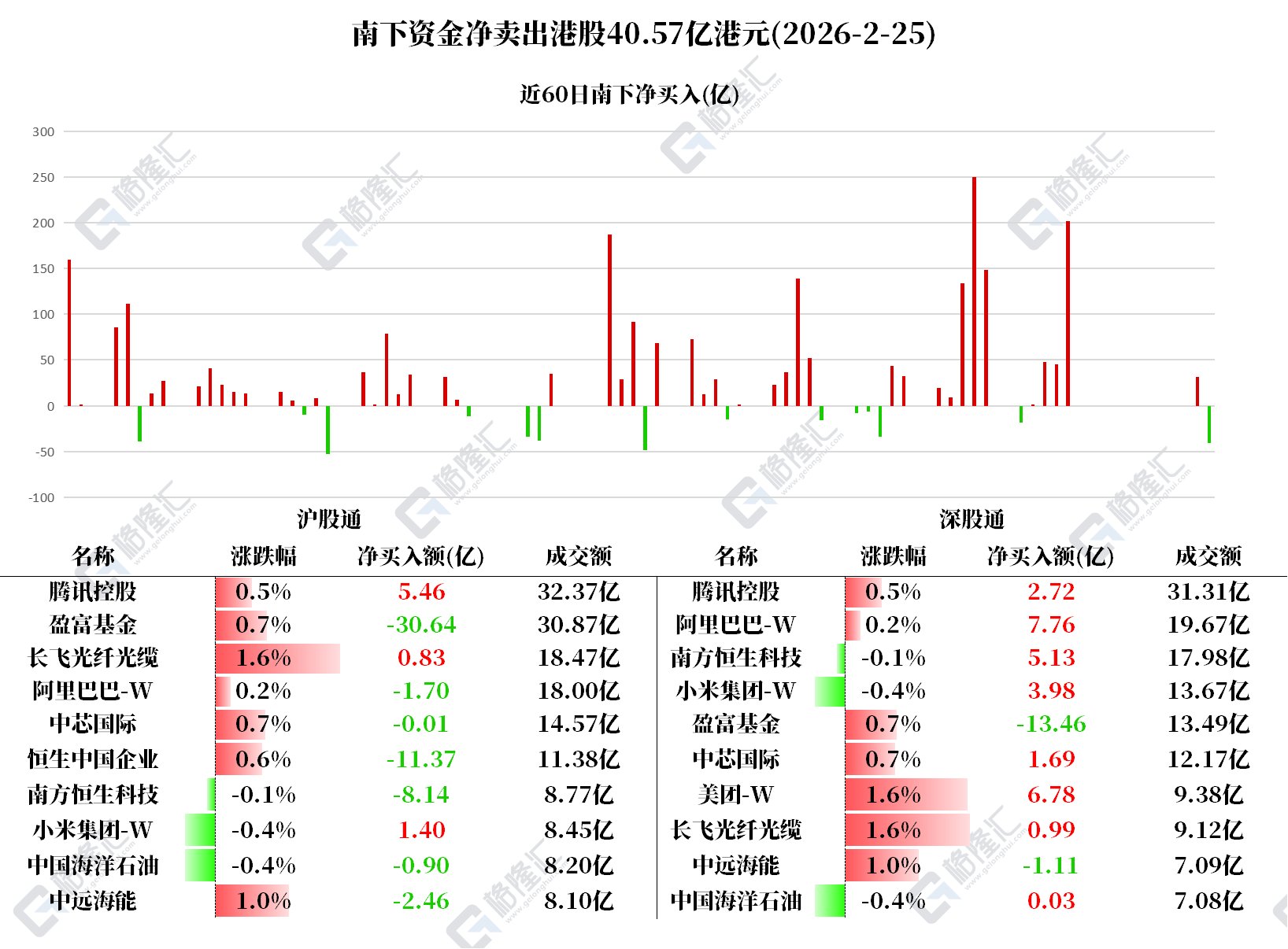
图解丨南下资金净买入腾讯、美团和阿里
Ge Long Hui A P P· 2026-02-25 10:18
Group 1 - The core point of the news is that southbound funds recorded a net sell of HKD 40.57 billion in Hong Kong stocks, with significant buying in Tencent, Meituan, Alibaba, Xiaomi, and others [1] - Tencent Holdings saw a net buy of HKD 8.18 billion, while Meituan-W, Alibaba-W, and Xiaomi Group-W also experienced substantial net inflows [1] - The net sell was primarily driven by the Yingfu Fund, which had a net sell of HKD 44.1 billion, followed by significant sells in Hang Seng China Enterprises and COSCO Shipping Energy [1] Group 2 - Southbound funds have consistently net bought Meituan for six consecutive days, totaling HKD 33.014 billion, and have also net bought SMIC and Xiaomi for four consecutive days [1] - The recent trading data shows Tencent Holdings with a slight increase of 0.5% and a net buy of HKD 5.46 billion, while Alibaba-W experienced a minor increase of 0.2% but had a net sell of HKD 1.70 billion [5] - Longi Green Energy and other companies like China National Offshore Oil Corporation also showed varied performance, with some experiencing net sells despite slight price changes [5]