
茶产业

Search documents
9月19日,英德红茶、西牛麻竹笋携手上天山,闯欧亚!
Nan Fang Nong Cun Bao· 2025-09-15 16:00
Group 1 - The 2025 Xinjiang International Tea Culture Expo will be held from September 19 to 22, showcasing nearly 300 quality tea enterprises and over 10 cultural activities [2][3][4] - Yingde Black Tea, recognized as "World High Aroma Black Tea," will have its first dedicated promotion at the expo, alongside Xiniu Bamboo Shoots [6][23] - Xinjiang is known as the "Golden Passage of Eurasia," serving as a key area for China's westward opening and the Belt and Road Initiative, with significant foreign trade capabilities [11][12][13] Group 2 - Xinjiang has a rich tea culture despite not producing tea, with a high per capita tea consumption of 4 kilograms, ranking among the top five in tea sales nationwide [14][15][16] - Urumqi, the capital of Xinjiang, is a vital hub connecting Eurasia and has shown strong foreign trade resilience, with a total import and export value of 801.1 billion RMB in 2024 [18][20] - The 2024 Xinjiang Tea Expo achieved over 100 million RMB in transaction volume within four days, facilitating the flow of various tea products to and from Urumqi [21][22] Group 3 - Yingde Black Tea has been recognized as the top brand in Chinese black tea, with a brand value of 5.178 billion RMB, an increase of 8.5% [32][33] - Xiniu Bamboo Shoots aims to achieve a planting area of 992,500 acres and a production target of 1.5136 million tons by the end of 2024, contributing to a total industry output value of 10.965 billion RMB [34][35] - The combined output value of five major modern agricultural industries in Qingyuan is projected to reach 40.067 billion RMB by the end of 2024, significantly benefiting local farmers [38][39] Group 4 - Yingde Black Tea is expanding its market presence in Xinjiang and Eurasia, with plans to establish a marketing promotion center in Urumqi during the expo [55][57] - The establishment of the marketing center is seen as a crucial step for Yingde Black Tea to deepen its roots in Xinjiang and expand into Central Asia and Europe [61][62] - The center will host tasting events and promotional activities to enhance brand visibility and influence, aiming to make "World High Aroma Black Tea" a preferred healthy beverage [67][70]


勐海县解语花茶坊(个体工商户)成立 注册资本5万人民币
Sou Hu Cai Jing· 2025-09-13 10:45
Core Viewpoint - A new individual business named "Menghai County Jieyu Flower Tea House" has been established, focusing on various agricultural and food-related sales and services [1] Company Summary - The legal representative of the new business is Gu Wuqiong [1] - The registered capital of the business is 50,000 RMB [1] - The business operates in multiple areas including the sale of agricultural products, pre-packaged food, and tea utensils [1] Industry Summary - The business's operational scope includes wholesale and retail of edible agricultural products, initial processing of agricultural products, and packaging services [1] - It also engages in cultural and artistic exchange activities and sales of daily necessities [1]
北京茶博会(秋季)启幕,双节前打造茶品消费盛宴
Sou Hu Cai Jing· 2025-09-12 12:27
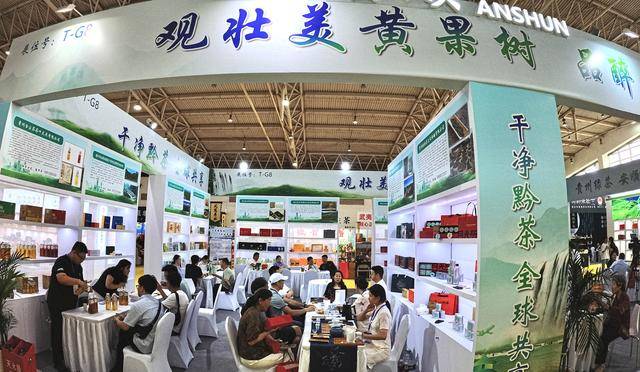
Core Insights - The 19th Beijing International Tea and Tea Art Expo (Autumn) has commenced, bringing a rich tea aroma to Beijing in the fall [1] Group 1: Event Overview - The expo features an impressive scale with over 20,000 square meters of exhibition space and more than 1,300 standard booths, attracting over 700 domestic and international tea companies and over ten core production area government exhibition groups [3] - The event focuses on "direct supply from origin + diverse brand matrix," showcasing tea products from over ten production areas, including six major tea categories such as green tea, black tea, and oolong tea, along with tea utensils and clothing [3] Group 2: Product Highlights - Various regional specialty teas are prominently featured, including Fuzhou jasmine tea, which is highlighted for its strong aroma and rich flavor, and Anhui Liu'an Guapian tea, known for its unique shape and fragrant taste [6] - The expo also showcases health-oriented teas, such as the "naturally selenium-rich" tea from Ziyang, attracting health enthusiasts [6] Group 3: Consumer Engagement - The expo coincides with the Mid-Autumn Festival and National Day, creating a strong consumer atmosphere where "purchasing tea gifts" becomes a primary demand [10] - Many participating tea companies are launching exclusive tea gifts and tasting experiences for the Mid-Autumn Festival, effectively stimulating consumer purchasing enthusiasm and injecting vitality into the tea industry's market [10]
潮州茶园“生态加减法”:“茶草共生”模式激活茶产业绿色转型新路径
Nan Fang Nong Cun Bao· 2025-09-12 06:34
Core Viewpoint - The article discusses the "tea-grass symbiosis" model in Chaozhou, which promotes the green transformation of the tea industry by integrating the cultivation of broad-leaved moneywort with tea plants, leading to ecological and economic benefits for farmers [3][4][26]. Group 1: Ecological Benefits - The "tea-grass symbiosis" model addresses the issue of weed control in tea gardens, creating a win-win situation for ecological enhancement and farmer income [3][4]. - The broad-leaved moneywort can suppress weeds by up to 80%, reducing the reliance on chemical herbicides [11][12]. - The root nodules of broad-leaved moneywort can provide nitrogen equivalent to an annual application of 15% nitrogen fertilizer per acre, while also increasing soil organic matter by 5% annually [14]. Group 2: Economic Benefits - Farmers can save approximately 800 yuan per acre on weed control costs and 300 yuan per acre on soil loosening due to the presence of broad-leaved moneywort [20]. - The use of broad-leaved moneywort leads to a 20% reduction in chemical fertilizer usage, improving the quality of tea leaves [22][23]. - The model has resulted in increased tea quality, with award-winning tea produced from gardens using this method [23]. Group 3: Implementation and Expansion - As of August 2025, the area under the "tea-grass symbiosis" model has reached 4,941 acres, covering 14 tea-producing towns [5]. - The goal is to expand the model to over 6,000 acres by 2025, with interest from other tea-producing provinces such as Fujian, Sichuan, and Yunnan [31][28]. - The model is seen as a replicable ecological solution for green transformation in southern hilly tea regions [26].
活力中国调研行丨遗产保护用上黑科技 在峨眉山解锁文旅新体验
Yang Shi Xin Wen· 2025-09-11 12:24
Group 1: Heritage and Tourism Development - Emei Mountain and Leshan Giant Buddha are recognized as UNESCO World Heritage Sites, combining cultural and natural heritage, with a focus on sustainable tourism development [1] - The introduction of the "Exploring the Life of Emei" eco-tourism project has attracted significant visitor interest, particularly families with children [4] - From January to August, the number of hiking visitors to Emei Mountain reached 360,000, a year-on-year increase of approximately 40% [7] Group 2: Innovative Practices in Heritage Protection - The use of drones for inspecting the Leshan Giant Buddha has improved inspection efficiency by over 100%, allowing for the detection of minute cracks [8][10] - Digital preservation efforts include creating 1:1 scale 3D printed models of the Buddha, aiding in future restoration and research [12][14] - Monitoring of 33 typical vegetation areas in Emei Mountain is being conducted to protect biodiversity, focusing on various environmental indicators [16] Group 3: Economic Impact on Local Communities - The increase in tourism has positively impacted local businesses, with a notable rise in income for residents, such as a local dumpling shop owner [19][22] - The local government is promoting green transformation in industries, with significant investments in pollution reduction, such as a cement company reducing nitrogen oxide emissions by approximately 1,500 tons annually [26] - Leshan city is enhancing its cultural offerings and diversifying tourism experiences, aiming to attract over 85.8 million domestic tourists in the first eight months of the year, a 20% increase [30]
揭秘八马「高端」茶:50%贴牌代工,研发费用不足0.4%
36氪· 2025-09-10 23:54
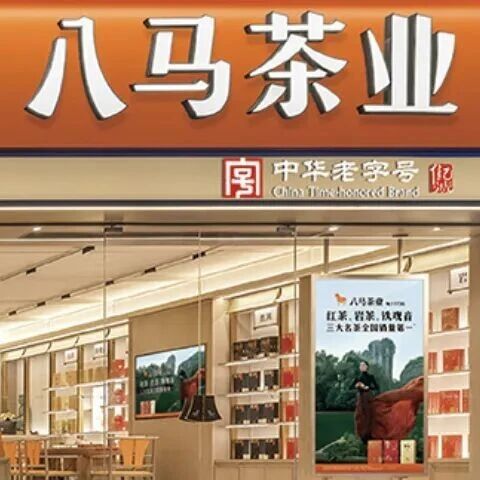
Core Viewpoint - The article discusses the challenges faced by Baima Tea Industry in its long journey towards IPO, highlighting its struggles in the traditional tea market and the impact of changing consumer preferences on its business model [5][6][9]. Group 1: IPO Journey - Baima Tea has been attempting to go public for 12 years, with multiple failed attempts across different stock exchanges, including Shenzhen and Hong Kong [6][8]. - The company has submitted its IPO application to the Hong Kong Stock Exchange for the fourth time since 2019, indicating a persistent but challenging journey [7][8]. - The cold reception from capital markets towards traditional tea companies is a significant factor in Baima's struggles, as evidenced by the experiences of other companies like China Tea and Tianfu Mingcha [11][12]. Group 2: Company Challenges - Baima Tea faces four major pain points: reliance on OEM production for over 50% of its products, a high percentage of franchise stores (93%), a misalignment with the current consumer trend of downgrading, and a lack of appeal to younger consumers [13][14][15]. - The company's revenue has declined by 4.2% year-on-year, and net profit has dropped significantly by 17.8% as of mid-2025 [13]. - The reliance on franchise stores has led to quality control issues, with complaints about product quality and false advertising [23][32]. Group 3: Market Positioning - Baima Tea's positioning as a high-end brand is increasingly problematic in a market where consumer spending is tightening, particularly among middle-class consumers [37][42]. - The average annual purchase amount of Baima's members has decreased from 2860.4 yuan in 2022 to 2469.6 yuan in 2024, indicating a decline in purchasing power [43]. - The company has attempted to introduce more affordable products but faces stiff competition from brands that better understand consumer preferences [47]. Group 4: Youth Market Engagement - Baima Tea has struggled to connect with younger consumers, who prioritize efficiency, transparency, and experiential consumption [50]. - The company's attempts to innovate and attract younger demographics, such as launching sub-brands and new product lines, have not yielded significant results [51][53]. - To effectively engage with younger consumers, Baima may need to shift from a passive to an active approach in its marketing and product development strategies [55].
城市24小时 | 全国生育率“垫底”的省,向湖北小城学什么
Mei Ri Jing Ji Xin Wen· 2025-09-10 16:24
Group 1: Population and Birth Rate Issues in Heilongjiang - Heilongjiang has been experiencing a continuous decline in its resident population since 2011, with a decrease from 38.33 million in 2010 to 30.29 million in 2024, totaling over 8 million lost residents in 14 years [1] - The province has the lowest birth rate in the country at 2.92‰ in 2023, marking a historical low, and a natural population growth rate of -6.92‰, the worst in the nation [2] - The elderly population (60 years and above) in Heilongjiang reached 8.35 million, accounting for 27.3% of the total population, which is 6.2 percentage points higher than the national average [2] Group 2: Policy Initiatives to Encourage Birth Rates - The Heilongjiang provincial government has introduced various policies to encourage childbirth, including monthly subsidies of 500 yuan for second children and 1,000 yuan for third children, as well as housing subsidies for families with multiple children [2] - In Harbin, the birth rate showed a slight increase from 3.6‰ in 2022 to 3.7‰ in 2024, despite the implementation of these supportive measures [3] Group 3: Successful Case Study from Tianmen City - Tianmen City has implemented effective policies to boost birth rates, including a set of "seven opinions" and the use of combined rewards and subsidies, resulting in a 17% increase in births in 2024 compared to the previous year [1] - The Tianmen experience serves as a model for Heilongjiang to explore potential solutions to its demographic challenges [1]


湖北五峰:一湾清水“润”茶乡
Zhong Guo Xin Wen Wang· 2025-09-04 11:41
Core Viewpoint - The article highlights the ecological restoration and sustainable development efforts in Wufeng County, Hubei, particularly focusing on the improvement of the Yuyang River and its impact on local tea culture and tourism [1][6]. Group 1: Ecological Restoration Efforts - Wufeng County has implemented a multi-departmental collaborative governance mechanism to promote ecological protection, green development, and improvement of livelihoods [3][6]. - The Yuyang River, which flows 37.6 kilometers through Wufeng, faced water quality issues, dropping to Class IV due to increased wastewater from population growth and industrial activities after the county seat was relocated in 2015 [3][6]. - The county has successfully eliminated 420,000 tons of excess coal production capacity and achieved a "zero" status for chemical enterprises, significantly improving the river's ecological condition [3][6]. Group 2: Infrastructure and Water Quality Improvement - Several ecological restoration infrastructure projects, including the Yangtze River protection and the Moxi Chong watershed restoration, have been initiated, resulting in the treatment capacity of sewage plants increasing to 20,000 tons per day [6][8]. - As of September this year, the ecological flow compliance rate for 13 hydropower stations in the Yuyang River basin reached 100%, and the water quality stabilized at Class II [6][8]. Group 3: Integration of Tea Industry and Tourism - Wufeng is recognized as "China's Famous Tea Town," and the tea industry is a key pillar of the local economy. The integration of water ecology, tea culture, and Tujia culture is being promoted to enhance agricultural and tourism development [6][8]. - A tea cultural tourism complex, developed by returning youth, has become a popular destination, expected to provide over 40,000 yuan in annual dividends to around 20 local households [6][8]. Group 4: Future Plans - Wufeng County plans to continue its ecological restoration and long-term management efforts in the Yuyang River basin, ensuring stable water quality to support the integration of tea culture and tourism [8].

安琪,不只做酵母 | 活力中国调研行
Sou Hu Cai Jing· 2025-08-31 08:50
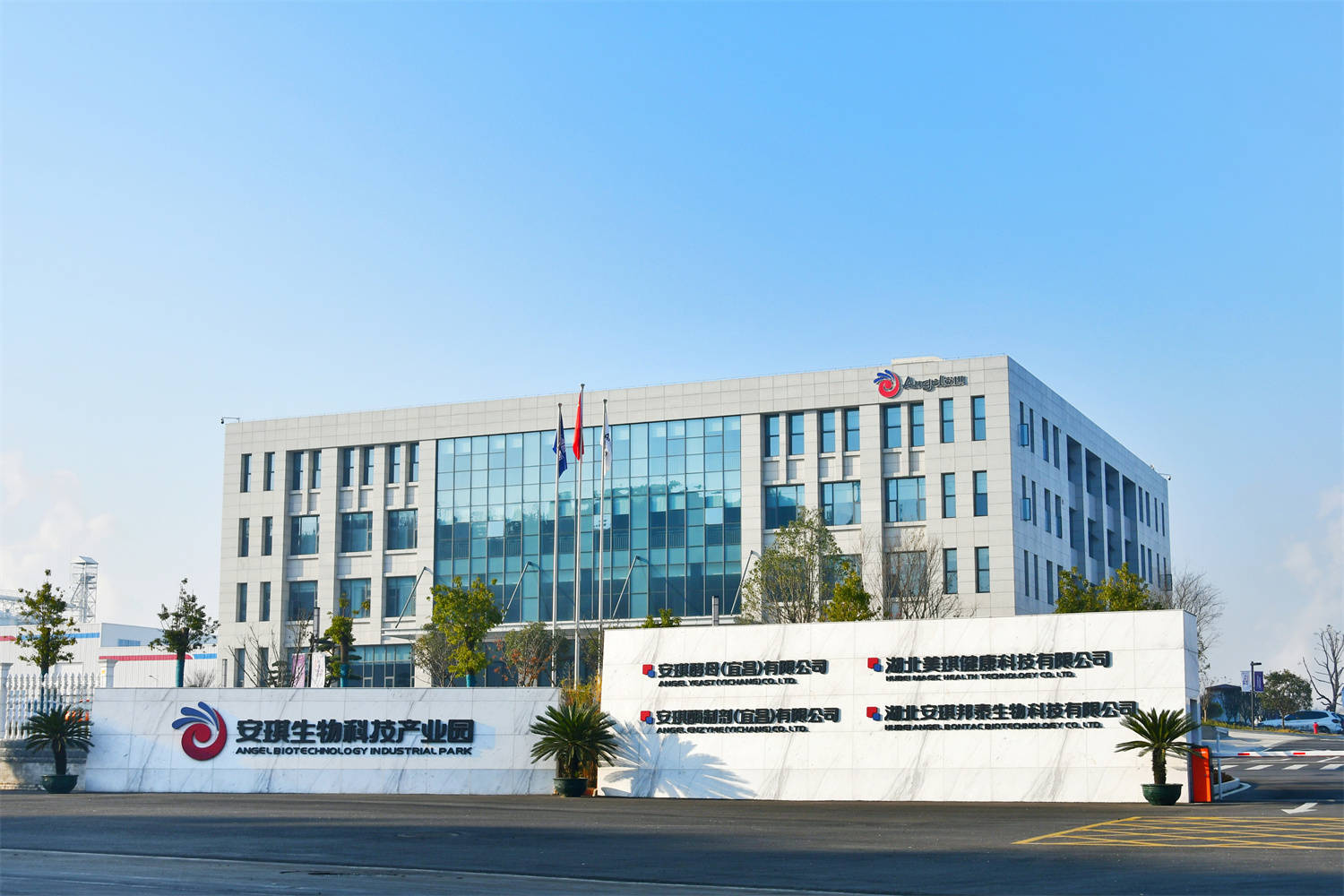
Core Viewpoint - Angel Yeast is not just a yeast production company but an innovative enterprise with significant contributions to various industries, including food and beverage, biotechnology, and tea production [1][3][9]. Group 1: Company Overview - Angel Yeast has undertaken a total of 148 national and provincial-level scientific research projects, including 28 national-level projects [1][8]. - The company employs nearly 500 dedicated R&D personnel and invests over 1 billion yuan annually in research and development [3][9]. - Angel Yeast's revenue is projected to exceed 20 billion yuan in 2024, with a total yeast production capacity of over 450,000 tons and a domestic market share of over 55% [7][8]. Group 2: Innovation and Product Development - The yeast protein project is a representative achievement among the national-level projects, providing a high-quality protein source that can be produced in just a few hours [3][12]. - Yeast protein has a protein content of over 80%, comparable to whey protein, and offers advantages in large-scale, low-cost, sustainable production [14][15]. - The global protein market is valued at approximately 2 trillion yuan, with yeast protein potentially capturing a market space of nearly 400 billion yuan if it replaces 20% of traditional protein sources [14][15]. Group 3: Tea Industry Expansion - Angel Yeast's subsidiary, Yichang Tea Group, has quickly entered the top tier of national tea enterprises, achieving nearly 1 billion yuan in annual revenue within two years [16][24]. - The tea industry is a key agricultural sector in Yichang, and the company aims to leverage its resources to enhance the tea supply chain and promote deep processing of tea products [17][18]. - Yichang Tea Group plans to achieve sales revenue of over 3 billion yuan and an agricultural output value of 15 billion yuan within the next 5 to 10 years [24].

贵品出山!贵州“两红三绿一抹”品牌推介会在杭州举行
Nan Fang Nong Cun Bao· 2025-08-27 10:01
Core Viewpoint - The event held in Hangzhou aimed to promote Guizhou's tea brand "Two Reds, Three Greens, and One Matcha," enhancing the recognition and influence of Guizhou's tea industry and showcasing the achievements in agricultural branding [2][3][18]. Group 1: Event Overview - The promotional event took place at the China Tea Museum on August 27, focusing on Guizhou's tea industry [6][8]. - The event featured discussions among experts and scholars regarding the development of Guizhou's tea industry and the donation of "Baiye No. 1" tea seedlings [19][20]. Group 2: Industry Development - Guizhou has become a significant tea-producing region in China, with over 7 million acres of tea plantations, ranking among the top in the country [17]. - The tea industry in Guizhou is advancing towards scale, branding, greening, and internationalization, particularly around the "Two Reds, Three Greens, and One Matcha" initiative [18]. Group 3: Cultural and Economic Significance - The donation of standard tea samples to the China Tea Museum marks an important milestone for the standardization and scaling of Guizhou's tea industry [25]. - The collaboration between Zhejiang and Guizhou in tea culture and industry signifies a deep integration that enhances cultural heritage, economic cooperation, and ecological protection [35]. Group 4: Product Launch - During the event, representatives from Guizhou's tea industry introduced the "Two Reds, Three Greens, and One Matcha" tea brand to attendees [39]. - Guizhou's Agricultural and Rural Affairs Department and Huarun Ole Supermarket launched a new collection of Guizhou tea gifts featuring the "Two Reds, Three Greens, and One Matcha" brand [40].