超市

Search documents
新浪财经资讯AI速递:昨夜今晨财经热点一览 丨2026年1月13日
Sou Hu Cai Jing· 2026-01-12 22:50
Group 1 - The Trump administration's pressure on the Federal Reserve to lower interest rates raises concerns about the central bank's independence, potentially leading to higher long-term interest rates and borrowing costs [1] - Ctrip's mass sending of "layoff notices" to employees was clarified as a system testing error, not an actual layoff, following strong performance in revenue and net profit growth [1] - Planet Labs achieved a historic high in stock price after signing a multi-year contract worth "low nine figures" with the Swedish Armed Forces, highlighting the value of its satellite data services in defense and intelligence [1] Group 2 - The Adriatic oil pipeline will resume oil supply to Serbia's Pančevo refinery after a nearly 100-day interruption, with the first batch of approximately 85,000 tons expected to arrive soon [2] - Many regions in China are increasing the upper limit for farmers' pension contributions, but this alone will not resolve the low pension issue, which requires coordinated efforts from personal income and fiscal subsidies [3] - Surgical robot company Precision Medicine saw a stock price increase of over 30% on its first day of trading on the Hong Kong Stock Exchange, despite facing challenges such as ongoing losses and high R&D costs [3] Group 3 - Yonghui Supermarket expects a net profit loss for 2025, accumulating over 8 billion yuan in losses over three years due to intense industry competition and costs from store adjustments [4] - The Chinese restaurant and bar brand "Huan Shi" is facing negative same-store sales growth and has declared an 80 million yuan special dividend before its IPO, despite a significant reduction in cash reserves [5] - Kweichow Moutai has reduced the ex-factory prices of several core products, with the highest drop being 1,990 yuan, aiming to expand consumer base and transition products from luxury to high-frequency consumption [5] Group 4 - Reliance Industries in India has suspended its local lithium-ion battery cell manufacturing plan due to the lack of technical support from Chinese battery companies, highlighting challenges in building a self-sufficient clean energy supply chain [6]



李佳琦直播间开设线下市集;拼多多内测“百亿超市”业务
Sou Hu Cai Jing· 2026-01-12 17:09
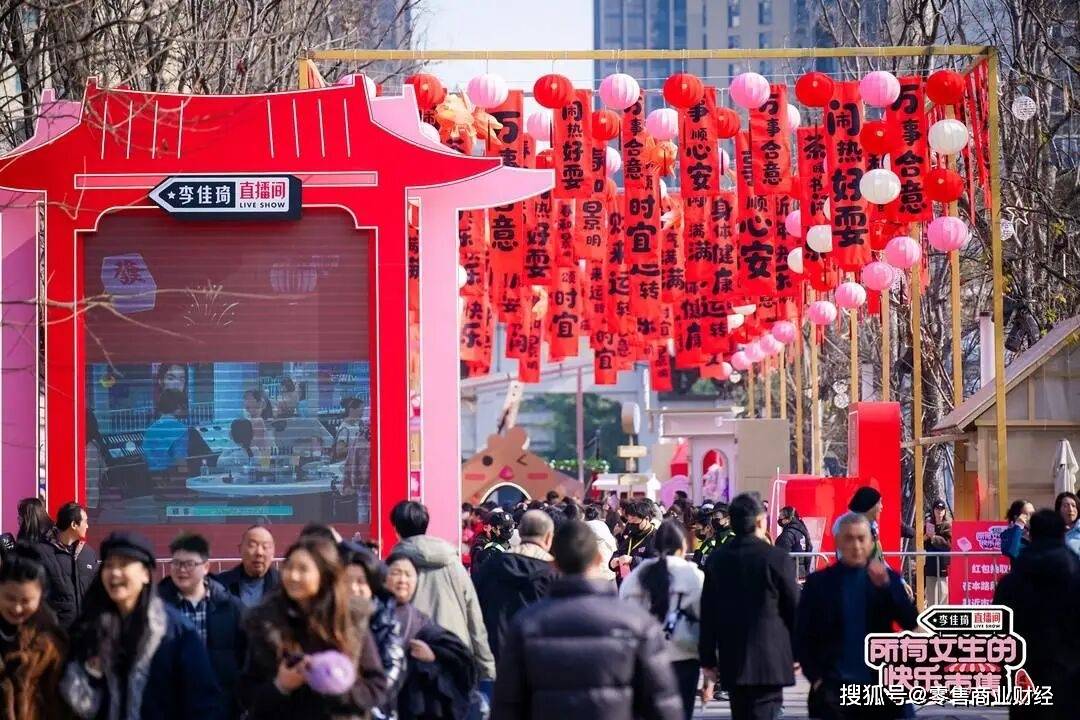
Group 1 - Li Jiaqi's live streaming event "All Girls' Happy Market" successfully launched in Chengdu, attracting over 10,000 participants and featuring over 20 well-known brands [1] - The event is closely linked to Li Jiaqi's online New Year shopping festival, allowing consumers to experience products offline before purchasing online [1] - A lottery with no threshold for participation was set up, offering consumers a chance to win cash prizes [1] Group 2 - Taobao Flash Sale emphasizes the importance of fair competition in the market, adhering to laws such as the Anti-Monopoly Law and the Anti-Unfair Competition Law [3] - Mingming Henmang has initiated a pre-listing roadshow aiming to raise $400 to $500 million, significantly higher than previous estimates [3] - Watsons Group is progressing with its IPO plans in Hong Kong and London, with Goldman Sachs and UBS as underwriters [3] Group 3 - Tmall's report indicates that over 150,000 quality new merchants opened stores in the past year, with a record number of brands achieving over 100 million in sales in their first year [3] - The number of new brands achieving over 100 million in sales within three years reached 276, marking a significant increase [3] Group 4 - Xianyu has launched a new service called "Yuligou" for trading trendy toys, allowing sellers to set their own prices and providing historical transaction data to assist in decision-making [4] Group 5 - Pinduoduo is testing a new "Billion Supermarket" business model, focusing on limited-time discounts and a wide range of products [6] - The supermarket aims to attract users with significant discounts and a variety of product categories [6] Group 6 - Yonghui Supermarket has unveiled its 2026 New Year Festival strategy, featuring a supply system with 30 high-quality products and 120 major New Year items [7] - This marks Yonghui's first Spring Festival consumer season after expanding its store count to over 300 [7] Group 7 - The Dream Dragon ice cream company has launched nearly 30 new products in China, focusing on local market preferences and innovative flavors [9] - This is the company's first major product launch in China since its independent listing in December 2025 [9] Group 8 - Meituan Flash Sale has introduced a new round of national subsidies in Beijing, allowing consumers to receive discounts on electronic products [10] - The platform aims to enhance consumer engagement and boost sales for local electronic stores [10] Group 9 - The national business conference has outlined plans for 2026, focusing on boosting consumption and improving the commercial circulation system [11] - Major e-commerce platforms are adapting to new policies to enhance market coverage, including rural areas [11] Group 10 - Shanghai plans to open 40 new commercial projects in 2026, adding over 2.9 million square meters of retail space [12] - Key projects are expected to focus on innovative operations and diverse business formats [12] Group 11 - Former China Resources Beer chairman Hou Xiaohai has joined Charoen Pokphand Group as COO for the China region [13] - He will oversee market and marketing integration for various consumer products [13] Group 12 - Huiyuan Juice is facing a control dispute, with allegations of fund misappropriation exceeding 600 million yuan [13] - The company is taking legal action while ensuring product quality and maintaining consumer trust [13] Group 13 - Miao Ke Landuo has reported a positive impact from the temporary anti-subsidy measures on EU dairy products, enhancing its competitive position in the market [14] - The company is leveraging its supply chain advantages to capture market share from imported products [14] Group 14 - Domino's Pizza China has opened 307 new stores in 2025, expanding its reach to 60 cities [16] - The membership program has grown significantly, with 3.56 million members as of the end of 2025 [16] Group 15 - Cha Yan Yue Se is actively recruiting in Shanghai and Shenzhen, offering competitive salaries to attract talent for its creative studio [16] - The brand is focusing on expanding its presence in key markets, including South China [16] Group 16 - McDonald's plans to launch a new menu globally in 2026, featuring limited-time products and new beverages [16] - The initiative aims to celebrate anniversaries and attract customers with innovative offerings [16] Group 17 - Coca-Cola and Crocs have collaborated to launch a new line of shoes, featuring iconic branding elements [17] - The collection will be available for purchase starting January 13, priced at $70 [17] Group 18 - COMMUNE has submitted an IPO application to the Hong Kong Stock Exchange, with plans to expand its restaurant and bar operations significantly in the coming years [19] - The company aims to open 30 to 40 new locations in 2026, focusing on first and second-tier cities [19]

实探大张旗下长申超市郑州新店与盒马贴身肉搏
Sou Hu Cai Jing· 2026-01-12 15:14
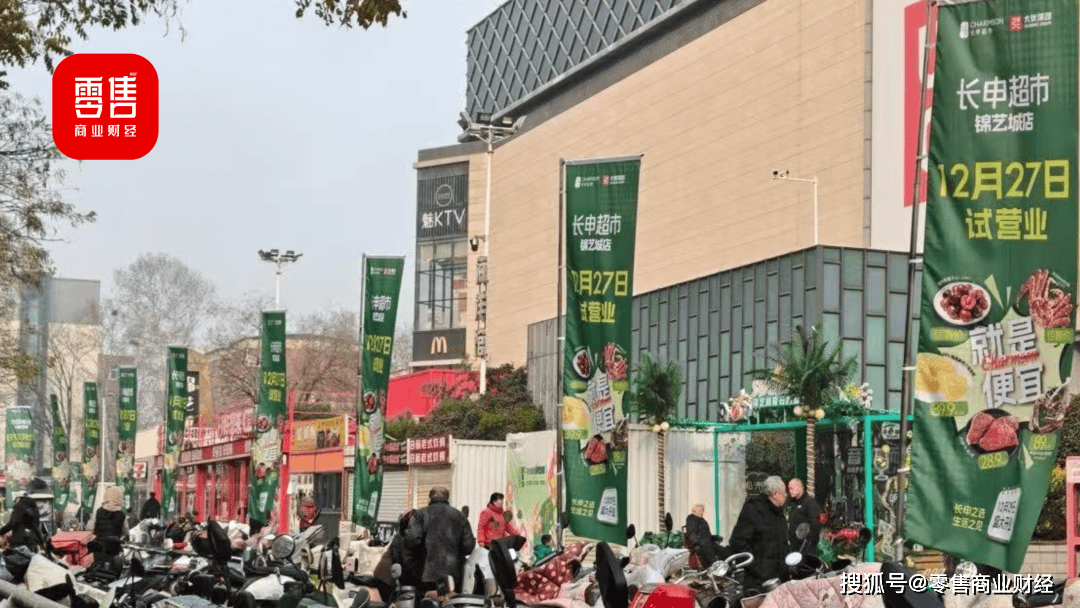
Core Viewpoint - Traditional regional supermarkets must continuously evolve and maintain deep insights into consumer needs and product strength to find a way out in the "retail warring states" era as consumers become more cautious with their spending [2] Group 1: Store Opening and Competition - Changshen Supermarket, under Dazhang, opened a new store in Zhengzhou after seven years, with a total area of over 5,000 square meters, half of which is dedicated to fresh produce [2] - The new store is located just 700 meters from a Hema store, marking a rare close competition in China's retail history [2][4] - The entry of Changshen Supermarket into Zhengzhou is expected to intensify regional retail competition, as local brands like Taoxiaopang and Xianfeng Life are also thriving in the area [4] Group 2: Store Design and Consumer Experience - The new store has seen a significant influx of customers, particularly in the fresh produce and meat sections, indicating a successful consumer engagement strategy [5] - The store's design features transparent glass materials for display areas, enhancing the spatial perception and overall aesthetic [9] - The layout includes a bakery section at the entrance, followed by fresh produce, seafood, and a cooking area, aligning with modern supermarket design trends [9] Group 3: Product Offering and Self-Branding - The new store has significantly expanded its self-branded product range, including various dairy products and baked goods, to meet diverse consumer needs [20] - Pricing strategies have been implemented to ensure high cost-performance ratios, with many self-branded items priced below 10 yuan [22] - Changshen's self-branded products are positioned to compete directly with Hema, often priced slightly lower, indicating a strategic focus on price competitiveness [24] Group 4: Transformation and Market Positioning - 2025 marks a pivotal year for Dazhang Group as it embarks on a comprehensive transformation in response to competitive pressures from Hema [28] - The company is enhancing its supply chain and operational details while also focusing on a younger, more agile organizational structure [29] - Dazhang aims to increase the sales proportion of its private label products to 35% within three years, reflecting a commitment to internal growth and adaptation [30]
宜家中国将关闭7家门店;韩国版lululemon被收购;山姆499元羽绒服卖爆|品牌周报
36氪未来消费· 2026-01-11 12:26
Group 1: IKEA's Store Closures in China - IKEA China announced the closure of 7 stores by February 2, 2026, marking a rare event in its 20+ years in the Chinese market [3] - The closed stores are primarily large locations, including the Shanghai Baoshan store, which was once the largest IKEA in Asia, operating for over 12 years [3] - Post-closure, IKEA will have 34 physical locations, 3 proprietary digital channels, and 2 flagship e-commerce platforms in China [3] - The company plans to shift its strategy from "scale expansion" to "precise cultivation," focusing on Beijing and Shenzhen, with plans to open over 10 small stores in the next two years [3] - Recent sales declines in IKEA China are attributed to real estate adjustments, changing consumer psychology, and intense competition in the domestic furniture market [3][4] Group 2: Andar's Acquisition - Andar, a yoga apparel brand known as the "Korean version of Lululemon," was acquired by Bain Capital, with a transaction valuation of approximately 500 billion KRW (around 2.4 billion RMB) [5] - Founded in 2015, Andar has expanded its product line to include men's clothing and is priced more affordably compared to Lululemon, with expected sales of around 1 billion RMB in 2025 [5] - The acquisition reflects Bain's belief in Andar's potential for global expansion, as the brand has already entered markets in Japan, Australia, and Singapore [5][6] Group 3: Sam's Club's Success - Sam's Club recently sold out a down jacket priced at 499 RMB, with a filling weight of 400 grams, indicating strong consumer demand [7] - The jacket's popularity is attributed to a shift in consumer behavior towards functionality and simplicity in purchasing decisions [7] - In the past 12 months, Sam's Club has opened 8 new stores in China, marking its most aggressive expansion year [8] - Walmart China reported a net sales figure of 6.1 billion USD for the third quarter of 2026, a year-on-year increase of 21.8%, with Sam's Club continuing to show double-digit growth in transaction volume [8] Group 4: Nestlé's Recall Incident - Nestlé announced a precautionary recall of infant formula in 45 countries, including China, due to quality issues with a supplier's ingredient [9][10] - In China, 30 batches of products were recalled, affecting brands such as Nan and Wyeth, while other Nestlé products remain unaffected [10] - The recall has negatively impacted the stock price of supplier Jia Bi You, which has seen a cumulative decline of over 10% following the announcement [11] Group 5: Domino's Expansion in China - Domino's China reported a total of 1,315 stores by the end of 2025, with a net addition of 307 stores and expansion into 21 new cities [22] - The membership program "达人荟" reached 35.6 million members, a significant increase from 24.5 million the previous year [22] Group 6: Yuanqi Forest's Production Expansion - Yuanqi Forest's northern production base has begun trial production, with a daily capacity exceeding 1 million bottles [23] - The second phase of the project involves an investment of 560 million RMB and aims for a combined annual output value exceeding 1 billion RMB upon full production [23]
行业周报:陕西旅游A股上市,以旅游资源构建核心竞争壁垒-20260111
KAIYUAN SECURITIES· 2026-01-11 06:11
Investment Rating - The industry investment rating is "Positive" (maintained) [1] Core Viewpoints - The report highlights the successful IPO of Shaanxi Tourism, which leverages its rich tourism resources and strong operational experience to build competitive advantages through a combination of performance-driven tourism, cable car operations, and dining services [22][24][34] - The report emphasizes the resilience of the cultural tourism industry amid ongoing trends to expand domestic demand and promote consumption, suggesting that Shaanxi Tourism's future growth will be supported by new performance projects and cable car capacity upgrades [36] Summary by Sections Retail and Social Services Market Review - The retail and social services indices rose by 4.23% and 4.71% respectively during the week of January 5 to January 9, 2026, with the Shanghai Composite Index increasing by 3.82% [12][14] - Among the sub-sectors, the supermarket segment showed the highest growth, with an increase of 8.18% year-to-date [15][17] Industry Dynamics: Shaanxi Tourism - Shaanxi Tourism, a leading regional tourism company, successfully listed on the Shanghai Stock Exchange on January 6, 2026, becoming the first A-share listed company of the year [22] - The company reported significant revenue contributions from its tourism performance and cable car operations, with a net profit margin and gross profit margin remaining high post-pandemic [24][27] - Revenue breakdown for the first half of 2025 shows that tourism performance accounted for 60.2%, cable car operations for 35.8%, and dining services for 4.0% [24] Investment Recommendations - The report recommends focusing on high-end gold and fashion jewelry brands, highlighting companies like Chow Tai Fook and Chao Hong Ji, which are expected to benefit from market trends [39] - It also suggests monitoring offline retail companies adapting to market changes and AI-enabled cross-border e-commerce leaders, with specific recommendations for Yonghui Supermarket and Aiying Room [39] - In the cosmetics sector, the report emphasizes brands that capture emotional value and innovate with safe ingredients, recommending companies like Mao Ge Ping and Proya [40]



山姆499元单品卖爆,多地断货,中产涌入超市抢300元羽绒服
21世纪经济报道· 2026-01-10 23:42
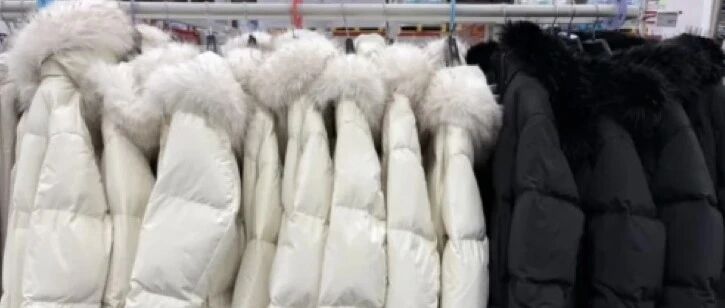
Core Viewpoint - The surge in sales of Sam's Club down jackets, priced at 499 yuan, indicates a growing consumer interest in affordable yet high-quality winter apparel, leading to stock shortages across multiple locations [1][6]. Group 1: Sales Performance - Sam's Club has experienced a rapid expansion in China, with its parent company Walmart reporting a net sales figure of 6.1 billion USD for the third quarter of fiscal year 2026, reflecting a year-on-year growth of 21.8% [6]. - In the past 12 months, Sam's Club has opened 8 new stores, marking the most aggressive expansion year in China [6]. Group 2: Product Details - The popular down jacket features a filling of 80% white duck down, with the M size containing 400 grams and the L size containing 421 grams of down [6]. - Other supermarkets, such as Costco and Pang Donglai, have also seen similar trends with their down jackets, indicating a broader market interest in affordable winter wear [8]. Group 3: Consumer Insights - The target demographic for Sam's Club down jackets primarily consists of women aged 30-45, particularly practical white-collar workers [10]. - The appeal of supermarket down jackets is attributed to their sufficient filling and clear pricing, with consumers valuing product quality over brand recognition [9][10].
当年和中国对抗的韩国乐天,撤出中国市场3年后,发展如何?
Sou Hu Cai Jing· 2026-01-10 07:16
Core Viewpoint - The article discusses the impact of geopolitical events on business operations, specifically focusing on the case of Lotte Group in China, highlighting how external political factors can severely affect a company's market presence and performance [1][3]. Group 1: Lotte Group's Market Entry and Initial Success - Lotte Group, one of South Korea's major conglomerates, entered the Chinese market in 1994 and initially achieved significant success in the retail sector due to its brand recognition and diversified business operations [1][3]. - The company invested heavily in China, reflecting South Korea's confidence in the Chinese market, and expanded into various sectors beyond retail [1][3]. Group 2: The Impact of the THAAD Deployment - The deployment of the THAAD missile defense system in South Korea in February 2017 led to a strong backlash from Chinese consumers, who perceived it as a threat to national security, resulting in a boycott of South Korean products [2][3]. - Lotte Group became a target of this backlash due to its close ties with the South Korean government, leading to a dramatic decline in its supermarket sales in China [2][3]. Group 3: Consequences of the Boycott - Following the THAAD incident, Lotte's business in China suffered significantly, with a sharp drop in consumer traffic and sales, despite the company's attempts to increase investment to reverse the trend [2][3]. - By the end of 2018, Lotte's global ranking plummeted from the top 100 to 304, indicating severe losses attributed to its declining presence in the Chinese market [2][3]. - By 2019, Lotte had only three stores remaining in China, and its attempts to revive its operations, such as the reopening of Lotte World in Shenyang, failed to restore its previous success [2][3]. Group 4: Shift in Business Strategy - In response to the losses in China, Lotte Group has shifted its focus towards Southeast Asia, exploring new business opportunities such as duty-free retail to regain its footing [2][3]. - Despite these efforts, the company acknowledges that its current performance in Southeast Asia does not match the previous success it experienced in China [2][3].

南京硬折扣超市 “硬”在哪
Sou Hu Cai Jing· 2026-01-10 03:45
Core Viewpoint - The emergence of hard discount supermarkets in Nanjing, such as "Zhe Zhe Feng," is driven by supply chain reforms and data advantages, allowing them to offer competitive prices and efficient operations in the consumer market [2][5]. Supply Chain and Cost Structure - Hard discount supermarkets eliminate middlemen by directly connecting with producers or factories, ensuring freshness for perishable goods and reducing costs through customized production and private labels [2][3]. - The "Zhe Zhe Feng" model utilizes a "joint venture + self-sourcing" supply chain, with approximately 60% of products sourced directly from factories, leading to significant cost savings that benefit consumers [3]. - The example of laundry pods illustrates that traditional channels incur high marketing and brand costs, while hard discount models significantly reduce these expenses, allowing for lower prices [3][4]. Product Strategy and Store Operations - Hard discount supermarkets focus on a streamlined product selection, with "Zhe Zhe Feng" offering around 1,100 SKUs compared to traditional supermarkets that may have over 10,000 [4]. - The emphasis on high-frequency essential goods and bulk purchasing helps minimize production and labor costs, enhancing overall efficiency [4][6]. Market Trends and Consumer Behavior - The Nanjing retail market is highly competitive, with a shift in consumer preferences from "cost-performance ratio" to "quality-price ratio," indicating a demand for better quality at reasonable prices [5]. - The trend towards community-based hard discount stores is a strategic response to changing consumer behavior, aiming to provide high-quality and affordable products [5][6]. Competitive Landscape and Challenges - The entry of multiple players in the hard discount sector, including "Super Box NB" and "Aoleqi," intensifies competition, necessitating a focus on supply chain efficiency and digital capabilities [6][8]. - As the market expands into lower-tier cities, adapting to regional consumption differences while maintaining a consistent supply chain is crucial for success [8][9]. - The potential for homogenization in the market poses a risk, as increased competition may lead to a decline in customer traffic if differentiation strategies are not implemented [8][9]. Future Outlook - The competition among hard discount supermarkets will hinge on their ability to meet consumer needs through effective product selection, supply chain management, and service quality [9]. - The evolution of domestic brands in this sector is seen as a gradual process, with the potential for long-term sustainability if they can enhance their supply chain capabilities and consumer insights [9].
开店超80家的穷鬼超市鼻祖,在革「贵妇美妆」的命
36氪· 2026-01-09 13:09
Core Viewpoint - The article discusses the emergence of supermarket beauty brands, particularly ALDI's Lacura, as a new player in the affordable beauty market, challenging traditional high-end brands with lower prices and similar quality [5][21]. Group 1: Product Launch and Market Response - ALDI's Lacura launched a caviar essence series in October 2025, which quickly gained popularity on social media, with related topics reaching over 10 million views [5]. - The pricing of Lacura products is significantly lower than that of luxury brands, with items priced between 14.9 yuan and 49.9 yuan, making the total cost for core products just over 200 yuan [6]. - Consumers, like a 36-year-old Shanghai white-collar worker, have shifted their purchasing habits to include supermarket beauty products, often finding them comparable to high-end alternatives [5][8]. Group 2: Competitive Landscape - The article highlights a shift in the beauty market where overseas retail giants are now competing with domestic brands by offering lower prices and more accessible channels [8][12]. - Lacura's growth is closely tied to ALDI's global expansion, with the brand being developed and validated over time in various markets [11]. - The competitive landscape is evolving, with differentiation and category expansion becoming crucial as the retail industry enters a phase of hard discount competition [12]. Group 3: Consumer Behavior and Perception - A significant portion of beauty consumers (74%) believe that affordable products perform similarly to high-end ones, especially among younger demographics [14]. - Social media plays a vital role in shaping consumer behavior, with users sharing reviews and experiences of affordable skincare products, thus altering perceptions of price and effectiveness [15]. - The article notes that consumers are increasingly seeking products that suit their needs rather than the most expensive options, reflecting a shift towards more rational purchasing decisions [15]. Group 4: Supermarket Beauty Dynamics - Supermarket beauty products operate under a different consumer psychology, where trust is placed in the retailer rather than the brand itself [17]. - The decision-making process for purchasing supermarket beauty items is simplified, focusing on price and familiarity rather than complex marketing narratives [17][19]. - ALDI's business model allows for significant cost advantages, as it incurs minimal marketing expenses and integrates its supply chain, enabling lower prices for consumers [19][20]. Group 5: Strategic Implications - The success of Lacura signifies a transformation in the beauty market narrative, where retailers are now leading the charge in offering affordable alternatives [20][21]. - The article emphasizes that supermarket beauty products do not need to rely on high margins to be successful, as they serve to enhance customer experience and increase overall spending in stores [20].
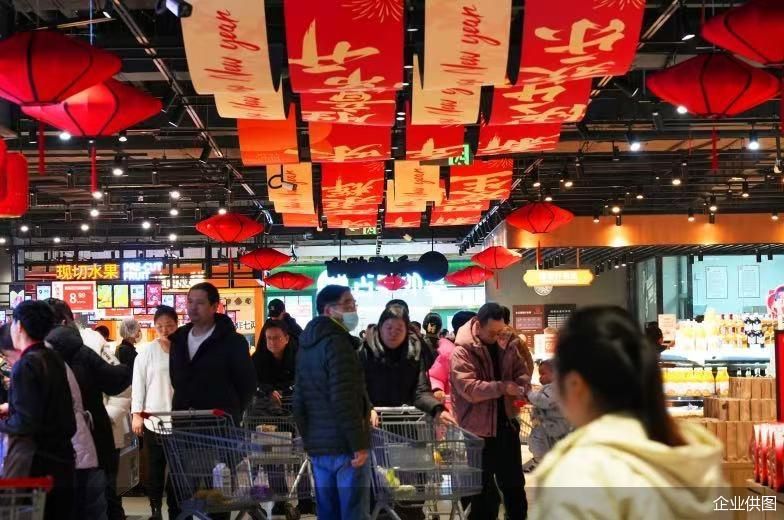
300家调改店落地 永辉启动2026年货节
Bei Jing Shang Bao· 2026-01-09 12:21
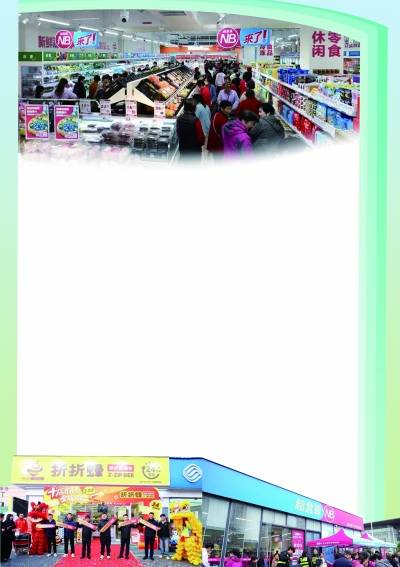
Group 1 - The core viewpoint of the article is that Yonghui Supermarket has officially launched its 2026 New Year goods festival strategy in Tianjin, marking a new phase of self-operated business focusing on "product strength + scene strength" after surpassing 300 stores nationwide [1][3] - During the New Year period, Yonghui's nationwide stores saw a 200% increase in the growth of 3R ready-to-eat products, with 30 high-quality products achieving sales growth of over 100% [3] - Notable sales included Chilean cherries reaching nearly 500 million yuan, and the sales of Wuliangye 52-degree liquor increasing over 20 times compared to the previous period [3] Group 2 - Yonghui has planned a "four-wave" supply strategy to align with the different consumption rhythms and segmented demands during the Spring Festival, dynamically adding about 120 high-quality products to the 30 core explosive products for a comprehensive and scenario-based supply solution [3]