茶饮

Search documents
益禾堂“薄荷家族”:从单品突进到矩阵成型的Z世代征服之路
Zhong Guo Shi Pin Wang· 2025-06-27 05:15
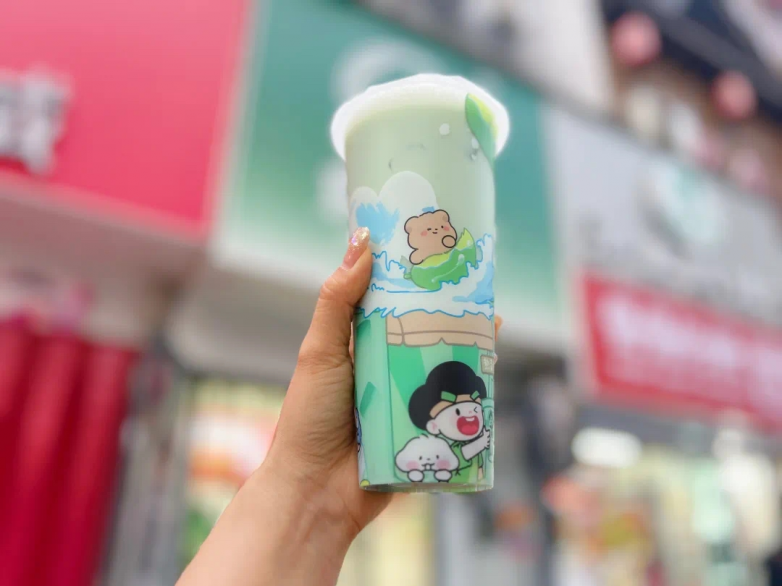
Core Insights - The article highlights how Yihotang successfully navigated the competitive tea beverage market by introducing the innovative "Mint Milk Green" drink, which resonated with young consumers seeking refreshing flavors [1][3][5] Group 1: Strategic Positioning - In 2022, Yihotang identified a gap in the market for refreshing flavors among young consumers and introduced "Mint Milk Green," achieving daily sales of 600,000 cups and a total of 150 million cups sold, earning the title of "China's New Tea Beverage Market Mint Milk Green First Brand" [3][5] - Yihotang views "Mint Milk Green" not as a one-time hit but as a long-term strategic category, continuously investing in product iterations and marketing innovations, leading to the formation of a product matrix that includes various mint-flavored drinks [5][18] Group 2: Marketing Strategies - Yihotang effectively leveraged cultural trends and user engagement, such as featuring "Mint Milk Green" in a popular New Year’s Eve skit, which generated significant social media buzz and led to promotional activities that further enhanced brand visibility [7][10] - The brand's focus on the university market has proven strategic, as students are both key consumers and trendsetters, leading to initiatives that foster brand loyalty and expand influence through organic student-led promotion [10][11] Group 3: Cultural Transformation - The success of Yihotang's mint family has catalyzed the creation of a community culture around the "Mint Door" IP, where consumers transition from passive recipients to active co-creators and cultural ambassadors [13][15] - Yihotang has embraced user-generated content (UGC) by integrating "Mint Door" elements into marketing and product strategies, fostering a sense of belonging and community among consumers [16][18]

现代茶重新诠释千年果茶风味!霸王茶姬新品“一骑红尘”上线
Nan Fang Du Shi Bao· 2025-06-27 05:11
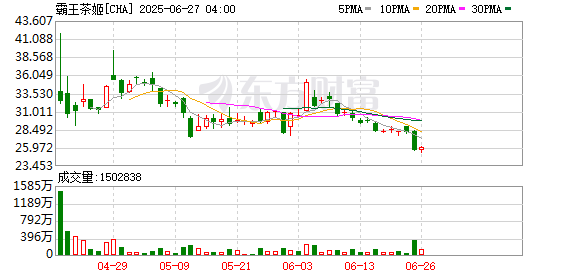
Core Insights - The article highlights the launch of a new summer product "Yi Qi Hong Chen" by the company BaWang Tea Ji, which combines fresh lychee from Guangdong and Fujian with Ceylon black tea and Fujian Lapsang Souchong [2] - The product aims to preserve the natural aroma of fresh lychee using advanced technology, ensuring a stable flavor profile and high-quality experience for consumers [2][4] Product Innovation - "Yi Qi Hong Chen" utilizes a unique cold-pressing technique to lock in the freshness of lychee, preventing aroma loss during transportation and processing [2] - The product features a three-layer fusion of fruit, tea, and floral aromas, enhancing flavor and ensuring consistency across over 6,000 stores nationwide [2] Brand Philosophy - BaWang Tea Ji emphasizes the importance of modernizing tea culture, aiming to make tea a daily beverage for younger consumers while maintaining traditional values [4] - The company has a history of exploring the fusion of fruit and tea flavors, as seen in previous products like "Hua Tian Oolong" and "Wan Xiang Chun He" [3][4]
出海品牌,寻找下一个“Labubu”
3 6 Ke· 2025-06-27 00:59
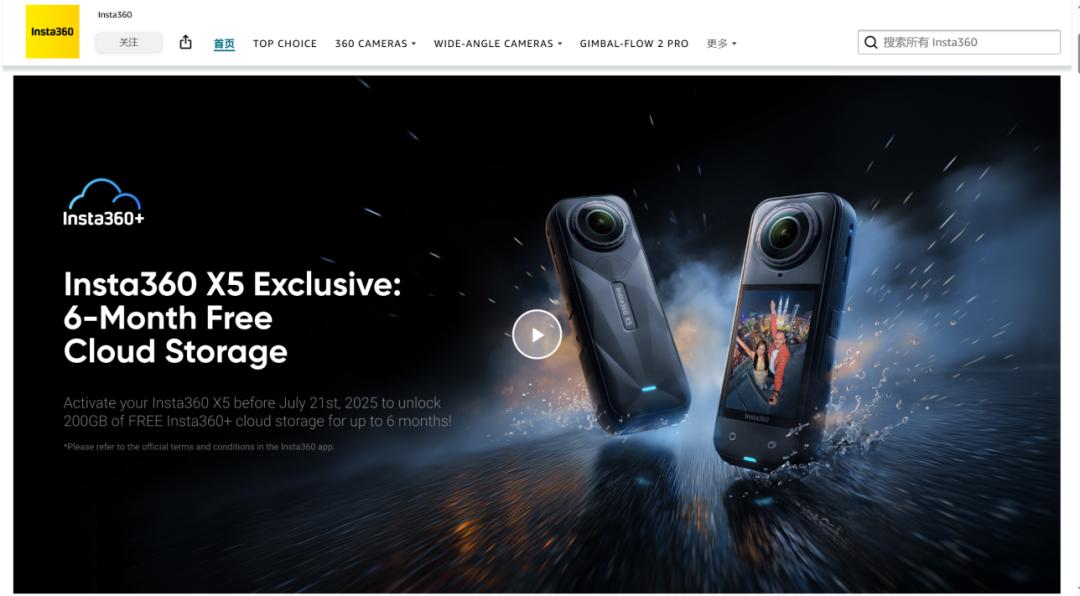
Core Insights - The article highlights the rising global recognition of Chinese brands, particularly through the success of Pop Mart's Labubu, which has gained significant traction in international markets, showcasing a shift from merely selling products to building brand identity [1][3][4]. Group 1: Brand Globalization Trends - The year 2025 is identified as a pivotal moment for Chinese brands to transition from a "selling" approach to a "branding" strategy, emphasizing the importance of brand recognition in overseas markets [3][4]. - The average net trust score for benchmark Chinese brands reached 61.6% in 2024, indicating a growing acceptance and trust among consumers in developed markets like the U.S. and U.K. [3][4]. - The marketing market size for Chinese outbound enterprises is projected to grow from $34.4 billion in 2023 to $51 billion by 2025, reflecting increased investment in brand marketing [4]. Group 2: Challenges in Brand Building - Establishing brand recognition in foreign markets is challenging due to low initial awareness and trust among consumers, necessitating significant marketing investment and strategic planning [2][11]. - Internal challenges include adapting to refined management practices and sourcing higher-quality materials, which can increase costs and time [12][14]. - External challenges encompass logistics, payment method discrepancies, and compliance issues, particularly regarding trademark registration and protection [12][13][14]. Group 3: Successful Brand Strategies - Successful brands like Insta360 have demonstrated the benefits of focusing on brand identity and unique selling propositions, leading to significant market share and recognition [5][10]. - The case of LOFREE illustrates how a well-defined brand identity and targeted marketing can penetrate niche markets, achieving notable sales performance in competitive environments [15][18]. - Tools like Amazon's Brand Name Generator can assist in creating memorable brand names that resonate with target audiences, enhancing brand visibility and recognition [19][20]. Group 4: Importance of Brand Recognition - High brand recognition is crucial for distinguishing products in crowded markets, allowing consumers to quickly identify and trust brands [14][24]. - Establishing a high-quality brand flagship store on platforms like Amazon can significantly boost sales, with high-rated stores achieving up to 50% more sales than lower-rated ones [24]. - The article concludes that the future of successful international expansion lies in building brands that transcend cultural and commercial barriers, moving from a follower to a leader position in global markets [24][25].


金融监管总局、央行,联合发布!国产芯片上新!阿里巴巴2025财年收入9963.47亿元→
新华网财经· 2025-06-27 00:30
Core Views - The article highlights significant developments in various sectors, including finance, technology, and healthcare, emphasizing the growth and innovation within these industries. Financial Sector - On June 26, the National Financial Supervision Administration and the People's Bank of China jointly released the "Implementation Plan for High-Quality Development of Inclusive Finance in the Banking and Insurance Industries," which aims to strengthen credit support for private enterprises and increase credit resource investment [4]. - The central bank conducted a reverse repurchase operation of 509.3 billion yuan at a fixed rate of 1.40% on the same day, resulting in a net injection of 305.8 billion yuan into the market [5]. Technology Sector - On June 26, Longxin Zhongke officially launched the Longxin 3C6000 series server processors and the Longxin 2K3000/3B6000M chips for industrial control and mobile terminals, showcasing advancements in domestic chip development [1][15]. - The Hong Kong Special Administrative Region government released the "Hong Kong Digital Asset Development Policy Declaration 2.0," aiming to establish Hong Kong as a global innovation center in the digital asset field [6]. E-commerce and Retail - Alibaba Group reported a revenue of 996.347 billion yuan for the fiscal year 2025, with a net profit increase of 77% to 125.976 billion yuan, driven by strong demand for AI-related products [2][19]. Energy and Environment - The State Council issued opinions on promoting comprehensive river protection and governance, focusing on the development of hydropower bases in the southwest and enhancing the functionality of major shipping channels [4]. - The Ministry of Industry and Information Technology plans to revise over 100 green and low-carbon standards by 2027, aiming to improve the standardization work efficiency in the industrial sector [6]. Market Trends - On June 26, the AI computing power sector saw a surge in stock prices, with companies like Shenghong Technology and Xinyisheng reaching historical highs, reflecting growing interest in AI technologies [10]. - The China Export Credit Insurance Corporation reported a 14.6% year-on-year increase in short-term export credit insurance coverage, amounting to nearly 400 billion USD from January to May [13].

蜜雪冰城创始人晋升河南新首富
新华网财经· 2025-06-26 12:45
Core Viewpoint - The article highlights the rise of Zhang Hongchao and Zhang Hongfu, founders of Mixue Ice City, as the richest individuals in Henan, with a net worth of 117.94 billion yuan, according to the 2025 "New Fortune" magazine's "500 Wealth Creation List" [2][3]. Company Overview - Mixue Ice City, founded by Zhang Hongchao in 1999, started with a modest investment of 3,000 yuan and has grown to become the world's largest fresh beverage company, surpassing Starbucks [5]. - The company has expanded significantly, with over 46,000 stores across China and 11 other countries by the end of 2024 [5]. - The company went public on the Hong Kong Stock Exchange on March 3, 2025, under the name "Mixue Group" [6]. Founders' Background - Zhang Hongchao and Zhang Hongfu's entrepreneurial journey began with a focus on creating high-quality shaved ice, leading to the establishment of Mixue Ice City [5]. - Zhang Hongfu joined the company in 2007, contributing to the standardization of operations and the expansion of the franchise model [5]. Financial Highlights - The net worth of Zhang Hongchao and Zhang Hongfu is reported at 117.94 billion yuan, making them the wealthiest in Henan, surpassing other notable figures such as Qin Yinglin from Muyuan Foods [2][3].

“雪王”和labubu,抢首富
Jing Ji Wang· 2025-06-26 11:32
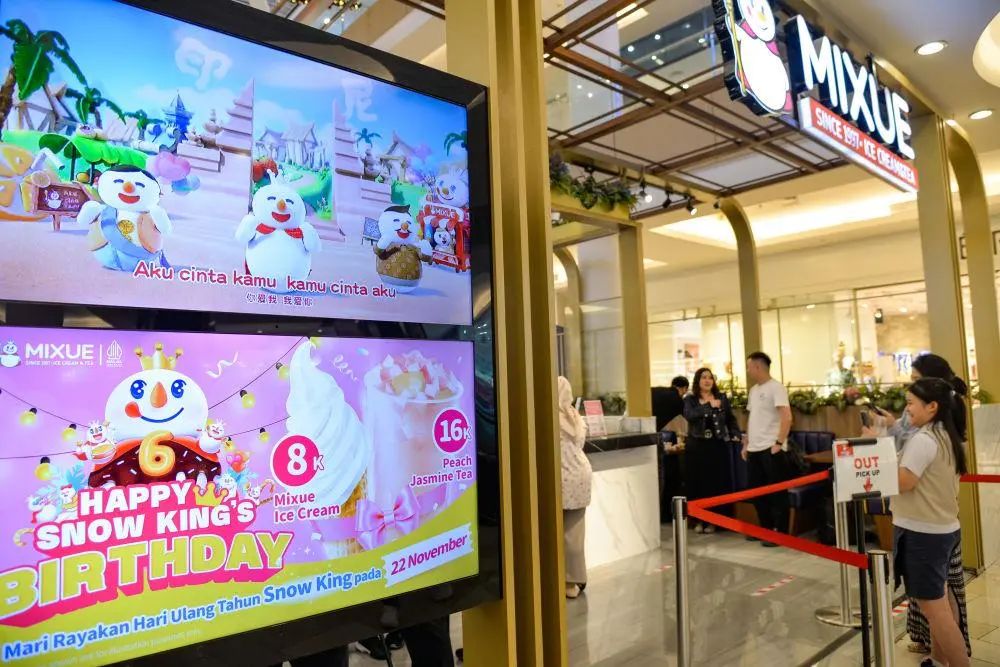
Group 1 - The core viewpoint of the articles highlights the rise of new consumer brands like Mixue Ice City, Pop Mart, and Laopu Gold, which are gaining significant market share and investor interest in the traditional consumer goods sector [1][3][5] - Mixue Ice City has become the richest person in Henan with a net worth of 117.9 billion yuan, surpassing Pop Mart's founder Wang Ning, who had a net worth of 146.7 billion yuan [1] - The rapid expansion of Mixue Ice City is notable, with plans to exceed 46,000 stores by 2024 and international ventures into countries like Indonesia, Vietnam, and Australia [1][7] Group 2 - Pop Mart has successfully created a new market segment called "trendy toys + surprise economy," leveraging its innovative product lines and strong operational capabilities [3][5] - Laopu Gold is redefining the traditional gold market by combining old craftsmanship with new aesthetics, positioning itself as a trendy alternative to luxury brands [3][5] - The current consumer environment emphasizes high cost-performance, emotional value, and unique features, which are critical factors driving the popularity of these new consumer brands [5] Group 3 - The overseas expansion of these brands is becoming a significant growth point, with over a hundred Chinese consumer companies actively pursuing international markets [5] - Mixue Ice City plans to invest at least 4 billion yuan in Brazil over the next 3-5 years, creating approximately 25,000 jobs in the local market [7] - The articles suggest that the new consumer products from China are gaining global appeal, particularly among younger audiences, showcasing a blend of Chinese taste and aesthetics [7]
蜜雪冰城加盟商:“现在卖的柠檬水都是请大家喝的!”
财联社· 2025-06-26 10:23
Core Viewpoint - The price of lemons has surged dramatically, increasing over three times compared to the same period last year, leading to significant impacts on both producers and downstream businesses [1][5]. Price Trends - Lemon wholesale prices began to rise in April, reaching an average of 12.86 yuan per kilogram in June, a 29.38% increase from April and a 64.66% increase from the same time last year [1][5]. - On June 26, some wholesale markets reported prices as high as 19 yuan per kilogram, with bulk transaction prices reaching 17 yuan per kilogram [1]. Supply and Demand Factors - Increased demand during the peak purchasing season and a rise in exports from Sichuan's Anju region are contributing to the price surge [5]. - Adverse weather conditions in Turkey have led to reduced lemon production, further driving up domestic prices [5]. - The demand for lemon-based beverages has increased as temperatures rise, adding pressure to lemon prices [5]. Impact on Downstream Businesses - Tea beverage companies, such as Mixue Ice City, are facing challenges due to rising lemon costs, with prices for lemons reaching around 10 yuan per pound, compared to just over 3 yuan last year [5][6]. - Despite rising costs, many tea shops are hesitant to raise prices or remove lemon drinks from their menus due to franchise restrictions [6][7]. Future Price Outlook - Industry insiders predict that while new season lemons will be available in September and October, prices are unlikely to decrease significantly in the short term [9].

收购终止背后,三只松鼠、爱零食都在寻找“最优解”
Xin Lang Cai Jing· 2025-06-26 05:48
Group 1 - The acquisition plan of Three Squirrels to acquire Love Snacks has been terminated after 8 months, with a deal value of 200 million yuan [1] - The announcement indicated that the parties could not reach an agreement on core terms, leading to the decision to terminate the acquisition [1][2] - Following the termination, Three Squirrels signed a deep strategic cooperation agreement with Snack Selection [1] Group 2 - The termination of acquisitions is common in the A-share market, often due to disagreements on terms or conditions [2][3] - The decision to terminate the acquisition can be seen as a responsible choice for both parties, allowing them to seek better opportunities [4][20] Group 3 - For Love Snacks, being acquired could have been a favorable outcome given the competitive industry landscape, providing opportunities for shareholders [7] - For Three Squirrels, the termination is also a "optimal solution," potentially due to disagreements on valuation, market changes, or strategic shifts [8][19] - Love Snacks' valuation has been a point of contention, with significant disagreements reported during negotiations [9][12] Group 4 - The snack industry is entering a new phase of operational growth, moving beyond the initial rapid expansion and consolidation [21][22] - The focus is shifting towards operational efficiency and profitability, as seen in other industries like tea beverages [25][27] - The competitive landscape is evolving, with leading brands solidifying their positions while second-tier brands may face challenges [27][30] Group 5 - The future growth of the snack industry will depend on effectively managing supply chains and understanding consumer demographics [30][33] - Successful businesses in the snack sector will need to prioritize high-quality products and customer retention strategies to thrive in a saturated market [33][34]


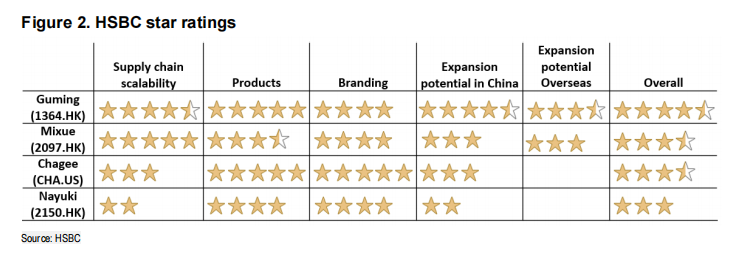
谁是“中国茶饮星巴克”?汇丰:相比蜜雪,更看好古茗
Hua Er Jie Jian Wen· 2025-06-26 03:49
Core Viewpoint - The Chinese ready-to-drink tea market is experiencing remarkable growth, with HSBC highlighting Guming and Mixue as standout brands due to their scalability and competitiveness, with a more favorable outlook for Guming's growth potential [1][20]. Market Overview - The market size of China's ready-to-drink tea is projected to reach RMB 211.5 billion by the end of 2023, significantly surpassing the ready-to-drink coffee market at RMB 151.5 billion [3]. - The market is highly fragmented, with approximately 660,000 tea shops and 4,000 to 5,000 brands, resulting in a low survival rate [3]. Company Analysis Mixue - Mixue is positioned as a low-cost market leader, with some products priced as low as RMB 7 [7]. - It has over 46,000 stores in China and nearly 5,000 overseas, making it the largest fast-food chain by store count globally [7]. - Despite its strong market position, its current valuation reflects its advantages, leading to a neutral rating. The expected compound annual growth rate (CAGR) for net profit from 2024 to 2027 is 17.4%, with a price-to-earnings growth (PEG) ratio of approximately 1.67, indicating limited attractiveness [8][9]. Guming - Guming targets the mid-range market, focusing on fresh fruit tea, and has established a self-operated cold storage supply chain, creating a strong competitive barrier [10][15]. - It has a higher single-store profitability, with a payback period of 16 months, compared to Mixue's longer payback period [12][20]. - Guming's average annual gross merchandise volume (GMV) per store is RMB 2.4 million, significantly higher than Mixue's RMB 1.4 million [16]. - The average GMV per transaction for Guming is RMB 27.9, while Mixue's is RMB 11.6, reflecting their different market positioning [19]. - Guming's expected net profit CAGR from 2024 to 2027 is 24.4%, with a PEG ratio of approximately 1.03, suggesting better growth potential and investment value, leading to a "buy" rating [15]. Competitive Landscape - Both companies have ambitious expansion plans, with Mixue aiming for 100,000 stores in China and Guming targeting 30,000 to 40,000 stores [20]. - HSBC's end-game model indicates that Guming may have a higher net profit growth potential (34%) post-2027 compared to Mixue (26%) despite the difference in store numbers [20][21]. Investment Considerations - The report provides a clear analytical framework for investors, indicating that while Mixue wins in scale, its high valuation limits upside potential, whereas Guming shows superior growth potential and investment value through its product and supply chain strategies [20].
从定位创新到全球市场拓展:撬动助力霸王茶姬缔造上市佳绩
Sou Hu Cai Jing· 2025-06-26 03:01
Core Insights - The article highlights the transformative impact of the "new Chinese tea beverage" brand, Bawang Chaji, which has expanded to over 70 cities globally, reflecting a significant shift in consumer preferences towards cultural identity and emotional resonance rather than just product functionality [1][11] - The strategic consulting industry is evolving from a supporting role to a crucial force in reshaping social value, emphasizing the need for innovative thinking to drive strategic breakthroughs in the new competitive landscape [3][11] Group 1: Strategic Consulting Evolution - The core value of strategic consulting lies in its precise grasp of enterprise strategic positioning, moving beyond traditional theoretical frameworks to integrate knowledge with practical application [4] - The "knowledge capitalization" model advocated by the consulting firm breaks the limitations of traditional consulting by combining knowledge with capital, enhancing the value of knowledge through deep collaboration with enterprises [4][10] Group 2: Breaking Traditional Competition Boundaries - Traditional business competition focused on clear boundaries such as products, prices, and channels, but the consulting firm employs innovative strategies to help companies break these boundaries and create competitive advantages [5] - For instance, the consulting firm assisted Bantu printers in establishing a strategic position as a "leading Chinese printer brand," enabling them to successfully navigate technological barriers and achieve global sales in over 110 countries [5] Group 3: Redefining Market Demand - The consulting firm believes that companies can not only adapt to existing market demands but also create new demands through innovative strategies, as demonstrated by Bawang Chaji's health-focused initiatives in the tea beverage industry [7] - These initiatives not only met consumer health needs but also led to a transformation in the tea beverage market, reshaping supply and demand relationships [7] Group 4: Digital Integration in Strategy - The rise of digitalization has made data-driven decision-making a new trend, with the consulting firm integrating AI technology into strategic consulting to enhance efficiency and visualize complex strategies [8] - This integration allows companies to respond more quickly and accurately to market changes, thereby improving their competitiveness [8] Group 5: Innovative Collaboration Models - The consulting firm adopts a results-oriented collaboration model, deeply engaging in enterprise operations to ensure significant outcomes at every step [10] - This innovative approach fosters a tighter partnership between enterprises and consulting firms, driving strategic transformation and sustainable growth [10] Conclusion - The article concludes that the Chinese business model is undergoing unprecedented changes due to shifts in consumer behavior and digital technology, necessitating a departure from traditional strategic frameworks [11] - The consulting firm's forward-thinking strategies, including knowledge capitalization and AI integration, position it as a leader in the consulting industry, enabling enterprises to navigate the complexities of the modern market and achieve growth [11]