
住宿餐饮

Search documents
国内高频 | 汽车销量持续走强(申万宏观·赵伟团队)
赵伟宏观探索· 2025-05-29 23:00
Industrial Production - Industrial production remains stable, with a slight year-on-year decrease in blast furnace operating rates by 0.4 percentage points to 2.1% [1][4] - Chemical production shows marginal recovery, with soda ash, PTA, and polyester filament operating rates increasing by 0.1, 0.7, and 0.8 percentage points respectively [1][17] - The operating rate of automotive semi-steel tires has slightly decreased by 0.2 percentage points to -2.6% [1][17] Construction Industry - Construction activity has weakened, with significant declines in grinding and cement shipment rates, down 1.1 percentage points to -4.6% and 1 percentage point to -8% respectively [1][29] - The asphalt operating rate has notably decreased by 8.8 percentage points to -2% [1][41] - Cement average prices continue to decline [1][29] Downstream Demand - New housing transactions show marginal improvement, with average daily transaction area increasing by 14.2% year-on-year to 0.9%, particularly in first and second-tier cities [2][53] - Automotive sales remain strong, with retail and wholesale volumes increasing by 15.4% to 28.5% and 21.4% to 22.1% respectively [2][80] - Port cargo throughput related to exports has improved, while container shipping prices show mixed performance [2][89] Price Trends - Prices of agricultural and industrial products have generally declined, with pork, vegetables, fruits, and eggs decreasing by 0.2%, 1.1%, 1.5%, and 1.3% respectively [2][99] - The South China industrial product price index has decreased by 1%, with energy and chemical prices down by 1.3% and metal prices down by 0.6% [2][111]


热点思考 | 就业“新趋势”?(申万宏观·赵伟团队)
赵伟宏观探索· 2025-05-29 23:00
Core Viewpoint - The article discusses the new trends in employment and wage data for urban employees in 2024, highlighting shifts from high salary pursuits to a focus on reducing work intensity and improving work-life balance [1]. Group 1: Employment Trends - Employment is shifting from a focus on high salaries to a trend of "anti-involution," where workers prefer industries with shorter working hours and higher hourly wages. This change has been observed since 2021, contrasting with the pre-2019 trend of concentrating on high-paying sectors [2][9]. - The average annual wage growth for urban non-private sector employees has slowed to 2.8% in 2024, down from a peak in 2021, with significant declines in sectors like information technology and finance [2][9]. - Industries such as transportation and light manufacturing have shown resilience in wage growth due to direct revenue increases, with transportation revenue growth exceeding 8% in 2024 [2][21]. Group 2: Regional Wage Convergence and Employment Shifts - There is a convergence in wage growth between eastern and western regions of China, with the wage growth gap narrowing from 0.8 percentage points in 2019 to 0.5 percentage points in 2024 [4][53]. - Employment in the service sector is increasingly migrating to the central and western regions, while production-related jobs continue to flow into the eastern regions. This trend is supported by stronger wage growth in the service sector in these areas [4][75]. - The service consumption pattern is shifting from local to cross-province, further concentrating service sector employment in the central and western regions, driven by faster consumption growth in these areas [5][80]. Group 3: Wage Growth in Private and Flexible Employment - Wages in the private sector have generally lagged behind those in the non-private sector, but certain industries within the private sector, such as education and retail, have experienced higher wage growth [6][96]. - New forms of flexible employment, such as ride-hailing and delivery services, have seen significant wage increases, with average monthly salaries for these roles reaching 10,506 yuan, surpassing traditional employment salaries [7][114]. - The work intensity for new flexible employment roles is higher, with average weekly working hours for platform workers reaching 54.3 hours, indicating a trade-off between higher pay and increased workload [7][122].

"见微知著”系列专题之七:就业"新趋势”?
Shenwan Hongyuan Securities· 2025-05-29 14:52
Group 1: Employment Trends - In 2024, the average annual salary for urban non-private sector employees is 124,000 yuan, reflecting a decrease of 6.8 percentage points since 2021, now at a growth rate of 2.8%[3] - Employment is shifting from high-salary industries to sectors with shorter working hours and higher hourly wages, indicating a trend towards "anti-involution" since 2021[4] - The transportation and service industries have seen a reduction in weekly working hours by 4.2 and 3.6 hours respectively, while hourly wages increased by 3.9 and 3.6 yuan/hour, suggesting improved job attractiveness[4] Group 2: Regional Wage Convergence - From 2019 to 2023, the wage growth in the eastern region was 7.5%, compared to 7.1% in the central and western regions, with the gap narrowing from 0.8 percentage points in 2019 to 0.5 percentage points in 2023[5] - The wage growth in the central and western regions has shown resilience, with the central region's wage growth remaining stable at around 7.1%[5] - Employment in the service sector is increasingly migrating to the central and western regions, with the proportion of employees in accommodation and retail sectors decreasing from 20.8 and 10.1 percentage points below the eastern region to 18.2 and 9 percentage points respectively[6] Group 3: Private and Flexible Employment - The average salary growth for private sector employees is lower than that of non-private sector employees, but certain sectors like education and retail services have seen higher growth rates of 8.9% and 5.3% respectively[7] - The concentration of small and medium enterprises in the service sector has led to better salary growth in private units compared to non-private units[10] - New flexible employment roles, such as ride-hailing drivers and delivery personnel, have higher average monthly salaries of 10,506 yuan, significantly above traditional employees' 8,910 yuan, despite longer working hours[10]
我为什么反对“4.5天制工作日”?
Hu Xiu· 2025-05-26 02:08
Core Viewpoint - The recent proposal from Mianyang, Sichuan, to implement a "2.5-day vacation model" aims to stimulate consumer spending, but its practical application raises concerns about its effectiveness and inclusivity [1][3][5]. Group 1: Policy Context and Historical Background - The concept of a reduced workweek is not new, having been discussed by the State Council over a decade ago, with similar proposals appearing in various provincial documents [2]. - The intention behind the policy is to increase leisure time for consumers, thereby boosting market vitality [3]. Group 2: Challenges and Limitations - The "2.5-day vacation model" may primarily benefit a small segment of the workforce, particularly those in knowledge-intensive and digital jobs, while leaving traditional sectors and manufacturing workers at a disadvantage [17][19]. - The dual structure of the labor market in China, characterized by a significant reliance on traditional service and manufacturing sectors, complicates the implementation of flexible work arrangements [12][13]. Group 3: Economic Implications - The expectation that extending vacation time will directly lead to increased consumer spending may overlook the fundamental relationship between income levels, social security, and consumption capacity [25]. - The potential for a "Matthew effect" in the workplace could exacerbate inequalities, where higher-income groups gain more leisure time while lower-income groups face increased living costs due to reduced public services [20]. Group 4: Global Perspectives and Comparisons - Even in developed countries, the adoption of a 4.5-day workweek remains largely experimental and has not transitioned into a national standard, indicating a cautious approach to such reforms [7][10]. - The experiences of countries like the UK, Iceland, and Spain show that while there are trials, widespread implementation is still lacking [8][9][10]. Group 5: Recommendations for Implementation - To ensure that labor reforms are effective and equitable, it is crucial to focus on three foundational aspects: enforcing existing labor standards, accelerating industrial transformation, and enhancing social security systems [41][42][43]. - Genuine progress in labor policies should prioritize the rights and well-being of all workers, rather than just a privileged few [44][45].
江苏前四个月工业成绩单亮眼
Zhong Guo Chan Ye Jing Ji Xin Xi Wang· 2025-05-26 00:41
Industrial Performance - Jiangsu's industrial economy showed strong performance from January to April, with a year-on-year increase of 8.1% in industrial added value for large-scale industries [1] - In April, the industrial added value for large-scale industries grew by 8%, with significant growth in equipment manufacturing (10.9%), high-tech manufacturing (12.9%), and core digital product manufacturing (11.4%) [1] - Key industries such as computer, communication, and other electronic equipment manufacturing, electrical machinery and equipment manufacturing, and automobile manufacturing saw growth rates of 14.7%, 11.5%, and 11.6% respectively [1] Investment Trends - Fixed asset investment in Jiangsu decreased by 0.2% from January to April, but infrastructure investment increased by 10.9% and manufacturing investment rose by 4.7% [1] - Investment in the purchase of large-scale equipment and tools increased by 11.1% year-on-year during the same period [1] Consumer Market Insights - The total retail sales of social consumer goods in Jiangsu reached 15,991.9 billion yuan, marking a year-on-year growth of 5.5% from January to April [2] - The "old-for-new" policy boosted retail sales in April, with household appliances and audio-visual equipment sales increasing by 13.2% and automotive sales by 9.1%; new energy vehicle sales surged by 59.7% [2] - Year-on-year sales growth in wholesale and retail sectors was 8.5% and 11.3% respectively, while accommodation and catering sectors saw increases of 6.6% and 9.3% [2] Price Trends - In the industrial producer price sector, both the producer's ex-factory prices and purchase prices decreased by 2.5% and 2.3% respectively from January to April [2] - In April, the ex-factory prices and purchase prices fell by 2.8% and 2.7% year-on-year [2]
广州端午消费盛宴即将启幕,龙舟文化点燃湾区活力
Sou Hu Cai Jing· 2025-05-22 22:54
Group 1 - Guangzhou has actively implemented national policies to boost consumption, creating the "New Eight Scenic Spots of Consumption" brand, integrating commerce, tourism, culture, and sports [1] - From January to April, Guangzhou's retail sales increased by 4% year-on-year, leading among first-tier cities, with a 35.2% increase in foreign tourists during the May Day holiday [1] - Over 1,000 events have been held around four themes, contributing to a sustained rise in the consumption market [1] Group 2 - The "2025 Greater Bay Area Consumption Season" will kick off on May 24, featuring the theme "Same Boat, Cantonese Rhythm Guangzhou," combining traditional and innovative consumption experiences [3] - The event will include unique cultural performances, food, and interactive experiences, showcasing Guangzhou's urban charm [3] - Key dining merchants will offer themed "Dragon Boat Banquet" packages, and financial institutions will innovate consumption models [5] Group 3 - Guangzhou will launch 50 "event tourism" boutique routes themed "Flower City is Fortunate, Welcoming the National Games" to attract overseas tourists [8] - Special transit visa-free travel routes and discounted travel packages will be developed in collaboration with airlines [8] - Various platforms, including China UnionPay, will provide one-stop services for travel payments, currency exchange, and tax refunds to facilitate consumption [8]

信贷结构亮点频现,一揽子政策发力赋能经济
第一财经· 2025-05-14 12:06
Core Viewpoint - Despite increased external uncertainties since April, the domestic economy shows strong resilience, supported by rising social financing and stable foreign trade growth [1]. Financial Data and Trends - In April, the growth rate of social financing increased, with RMB loans growing by 7.2% year-on-year, exceeding 8% after adjusting for local debt replacement [1]. - The total value of goods trade imports and exports in the first four months increased by 2.4% year-on-year in RMB terms and 1.3% in USD terms, both accelerating by 1.1 percentage points compared to the first quarter [1]. Credit Structure Improvement - From January to April, RMB loans increased by 10.06 trillion yuan, roughly unchanged from the previous year, with notable improvements in credit structure [3]. - The balance of inclusive small and micro loans reached 34.31 trillion yuan, growing by 11.9% year-on-year, while medium to long-term loans for manufacturing increased by 8.5% to 14.71 trillion yuan [3]. Economic Structure and Credit Allocation - The evolution of credit structure reflects changes in the economic structure and promotes economic transformation, driven by the need for high-quality development [4]. - The proportion of corporate loans increased from 63% in 2021 to about 68%, while the share of household loans decreased from 37% to about 32%, indicating a shift towards funding for real enterprises [4]. Sector-Specific Loan Trends - The share of small and micro enterprise loans rose from 31% to about 38% of total corporate loans, while large and medium-sized enterprises' share fell from 69% to about 62% [5]. - In terms of industry allocation, loans to the manufacturing sector increased from 5.1% to about 9.3% of all medium to long-term loans, while traditional real estate and construction loans decreased from 15.9% to about 13% [5]. Consumer Spending and Policy Recommendations - Experts suggest that promoting consumption requires top-level design and a long-term development strategy, addressing employment, income, and social security to enhance consumer willingness and capacity [6]. - The focus should be on increasing the supply of high-quality consumer goods, supported by industrial and financial policies [6]. Future Financial Growth Outlook - Following external shocks, a package of policy measures was released on May 7, including interest rate cuts and structural tool optimization, aimed at fostering a favorable monetary environment for economic recovery [8]. - The People's Bank of China has implemented moderately loose monetary policies, with expectations for continued reasonable growth in financial totals [8]. Policy Innovation and Economic Support - Recent policy innovations, particularly in structural re-lending tools, aim to optimize financial resource allocation in line with economic transformation needs [9]. - The alignment of monetary policy with the goals of stimulating consumption and expanding domestic demand is evident in recent adjustments [9].
信贷结构亮点频现,一揽子政策发力赋能经济
Di Yi Cai Jing· 2025-05-14 10:29
Group 1: Economic Growth and Financial Support - The financial total is expected to maintain reasonable growth following the introduction of a package of incremental policies in May, which will solidify the foundation for the continuous recovery of the domestic economy [1] - Despite increased external uncertainties since April, the domestic economy shows strong resilience, with social financing scale growth accelerating and RMB loan balance increasing by 7.2% year-on-year [1][2] - The foreign trade growth trend continues, with the total value of goods trade in the first four months increasing by 2.4% year-on-year in RMB terms and 1.3% in USD terms, indicating a recovery in export resilience [1] Group 2: Credit Structure Improvement - From January to April, RMB loans increased by 1.006 trillion yuan, with the balance of inclusive small and micro loans reaching 34.31 trillion yuan, growing by 11.9% year-on-year, and medium to long-term loans for manufacturing at 14.71 trillion yuan, growing by 8.5% [2] - The evolution of credit structure reflects economic structural changes, with a notable shift in loan distribution towards real enterprises, as corporate loans increased from 63% to approximately 68% of total loans from 2021 to present [3] - The proportion of loans to small and micro enterprises rose from 31% to about 38%, while loans to large and medium enterprises decreased from 69% to about 62%, indicating a significant impact from inclusive small and micro loan initiatives [3] Group 3: Industry Focus and Policy Direction - Financial institutions have increasingly directed credit resources towards manufacturing and technological innovation, with the proportion of manufacturing loans in total medium to long-term loans rising from 5.1% to approximately 9.3% since 2021 [4] - The focus of macroeconomic policy is shifting towards promoting consumption, with financial policies aimed at supporting high-quality consumer goods supply, while addressing employment, income, and social security issues to enhance consumer willingness and capacity [4][5] - The development of consumer finance aims to expand effective consumer demand and ensure that consumer loans are genuinely used to support consumption, emphasizing a principle of reasonable moderation [5] Group 4: Monetary Policy and Future Outlook - The central bank and other departments released a package of policy measures on May 7, including interest rate cuts and structural tool optimizations, to create a favorable monetary environment for economic recovery [6] - The central bank's recent monetary policy practices have focused on a combination of different policy tools to enhance effectiveness, benefiting various market participants and boosting market expectations and investment confidence [6][7] - Recent structural policy adjustments by the central bank are aligned with the macroeconomic strategy of tapping economic potential and promoting consumption, indicating a clear focus on technology and consumption as key support areas [7]
央行创设货币政策新工具 5000亿元力挺消费与养老产业
Zhong Guo Jing Ying Bao· 2025-05-13 11:25
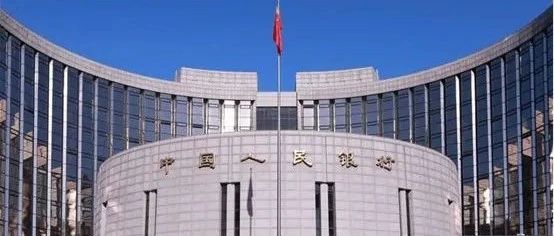
日前,中国人民银行印发《关于设立服务消费与养老再贷款有关事宜的通知》,设立服务消费与养老再 贷款,激励引导金融机构加大对住宿餐饮、文体娱乐、教育等服务消费重点领域和养老产业的金融支 持。 本报记者 谭志娟 北京报道 "服务消费与养老再贷款"工具落地。 从价格与期限来看,服务消费与养老再贷款额度5000亿元,年利率1.5%,期限1年,可展期2次,最长 使用期限不超过3年。 中国银行研究院研究员范若滢在接受《中国经营报》记者采访时表示:"随着我国居民生活水平不断提 升,近年来居民对住宿餐饮、文体娱乐、教育培训等服务消费的热情明显增强,但目前我国服务供给方 面仍存在多元化、个性化、品质化服务产品不足的问题,制约了居民服务消费潜力的进一步释放。通过 加大对服务消费的金融支持,将推动服务消费领域加快补短板的步伐。" 设立服务消费与养老再贷款 此次服务消费与养老再贷款的发放对象包括国家开发银行、政策性银行、国有商业银行、中国邮政储蓄 银行、股份制商业银行等21家全国性金融机构和北京银行、上海银行、江苏银行、南京银行、宁波银行 等5家属于系统重要性金融机构的城市商业银行(以下简称"26家金融机构")。政策执行至2027年年 ...
汕头出台28项政策措施稳经济 工业企业首次升规将奖补20万元
Nan Fang Ri Bao Wang Luo Ban· 2025-05-13 08:26
Group 1 - Shantou has introduced the "Shantou City 2025 Stable Growth Policy Measures," which includes 28 policy measures across seven areas to support industrial development and boost corporate confidence [1] - The city will implement investment initiatives, including a targeted incentive of 20 million yuan for districts and functional areas that achieve expected fixed asset investment and rank in the top three for project completion [1] - For industrial enterprises that achieve "scale-up" for the first time, a subsidy of 200,000 yuan will be provided, with additional incentives for maintaining a growth rate of over 10% in industrial added value [1] Group 2 - To stimulate consumer activity, Shantou will implement promotional actions, including the establishment of the "Jinshan Tianhua" city-level consumption brand and hosting over ten themed home appliance promotional events [2] - The city plans to promote the cultural and tourism market by organizing a series of activities, including specialty food events and exploring new models like "factory direct purchase + industrial tourism" [2] - Support will be provided for industries such as food, toys, textiles, and home appliances to expand their market presence [2]