饮料

Search documents
食品饮料周观点:白酒龙头积极应对,大众品关注需求边际催化-20250928
GOLDEN SUN SECURITIES· 2025-09-28 09:30
Investment Rating - The report maintains an "Increase" rating for the food and beverage industry, indicating a positive outlook for the sector [5]. Core Insights - The report highlights that leading liquor brands are actively responding to the upcoming peak sales season during the Mid-Autumn Festival and National Day, with signs of marginal improvement in sales after a prolonged bottoming period in Q2 [2]. - In the beer and beverage sector, the departure of the CFO of China Resources Beer is noted, alongside the continuous introduction of new products in the beverage industry, reflecting a competitive landscape [3]. - The report emphasizes the importance of focusing on high-growth companies in the consumer goods sector, particularly those benefiting from policy support or recovery improvements [4]. Summary by Sections Liquor Industry - The report indicates that terminal demand for liquor has shown signs of recovery, with sales in September increasing by 15%-25% month-on-month, although year-on-year figures remain slightly down [2]. - Leading brands like Moutai and Wuliangye are taking proactive measures to stabilize prices and enhance market strategies ahead of the peak sales season [2]. Beer and Beverage Sector - The report notes the resignation of the CFO of China Resources Beer and suggests monitoring the recovery of the restaurant sector and sales structure performance [3]. - New product launches in the beverage sector are highlighted, catering to consumer demand for natural and additive-free drinks [3]. Food Sector - The report mentions that Wanchen Group has submitted an application for listing on the Hong Kong Stock Exchange, with plans to expand its store network and enhance digital capabilities [4]. - The upcoming holiday season is expected to drive demand for dairy products and mooncakes, leading to a temporary surge in sales [4].


天丝集团携红牛闪耀 2025 泰中合作博览会,以能量之约续写中泰友谊 50 年新篇
Yang Zi Wan Bao Wang· 2025-09-28 05:03
Core Viewpoint - The 2025 Thailand-China Cooperation Expo, held in Bangkok, serves as a significant platform for showcasing the achievements of bilateral cooperation in trade, technology, and culture, marking the 50th anniversary of diplomatic relations between Thailand and China [1] Group 1: Event Overview - The expo is themed "50 Years of Thailand-China Diplomatic Relations: Hand in Hand Towards Common Prosperity" and features various forums and discussions to highlight cooperation outcomes [1] - The event is co-hosted by the Thailand Trade Center, the Thai-Chinese Chamber of Commerce, and IMPACT Exhibition Management [1] Group 2: Corporate Participation - T.C.P. Group, known for its Red Bull brand, actively participated in the expo, showcasing its brand strength and receiving attention from political and business leaders [2] - The CEO of T.C.P. Group, Xu Xinxiong, was invited to the opening ceremony, emphasizing the company's role as a model for Thai enterprises investing in China [2] Group 3: Product Innovation - T.C.P. Group's exhibition theme was "Crossing Half a Century, Together for Strength and Friendship," highlighting its dual commitment to brand development and Thailand-China friendship [3] - The company presented a range of popular products, including high-end energy drinks and a special "50th Anniversary Edition" Red Bull, which incorporates traditional elements from both countries [3] Group 4: Executive Insights - T.C.P. Group executives expressed a strong commitment to deepening market engagement and collaborative development between Thailand and China [4] - The CEO highlighted the expo as a "witness" to friendship and a "incubator" for future cooperation, leveraging initiatives like the Belt and Road and RCEP for mutual benefits [4] Group 5: Historical Context - T.C.P. Group's relationship with the Chinese market began in 1993 with the establishment of its first factory in Hainan, marking a 30-year journey of economic collaboration [5][6] - The company has invested approximately 4.36 billion yuan in China, expanding from a single production base to a comprehensive industrial layout [6] Group 6: Cultural Engagement - T.C.P. Group actively promotes cultural exchange between Thailand and China, organizing various events to strengthen people-to-people connections [7] - Initiatives include supporting cultural landmarks, hosting music festivals, and facilitating cultural events that resonate with both nations [7]
卖了20多年娃哈哈,突然改卖“沪小娃”!董事长宗伟:联系不上宗馥莉!已有宏胜系公司准备用“娃小宗”
Mei Ri Jing Ji Xin Wen· 2025-09-27 22:39
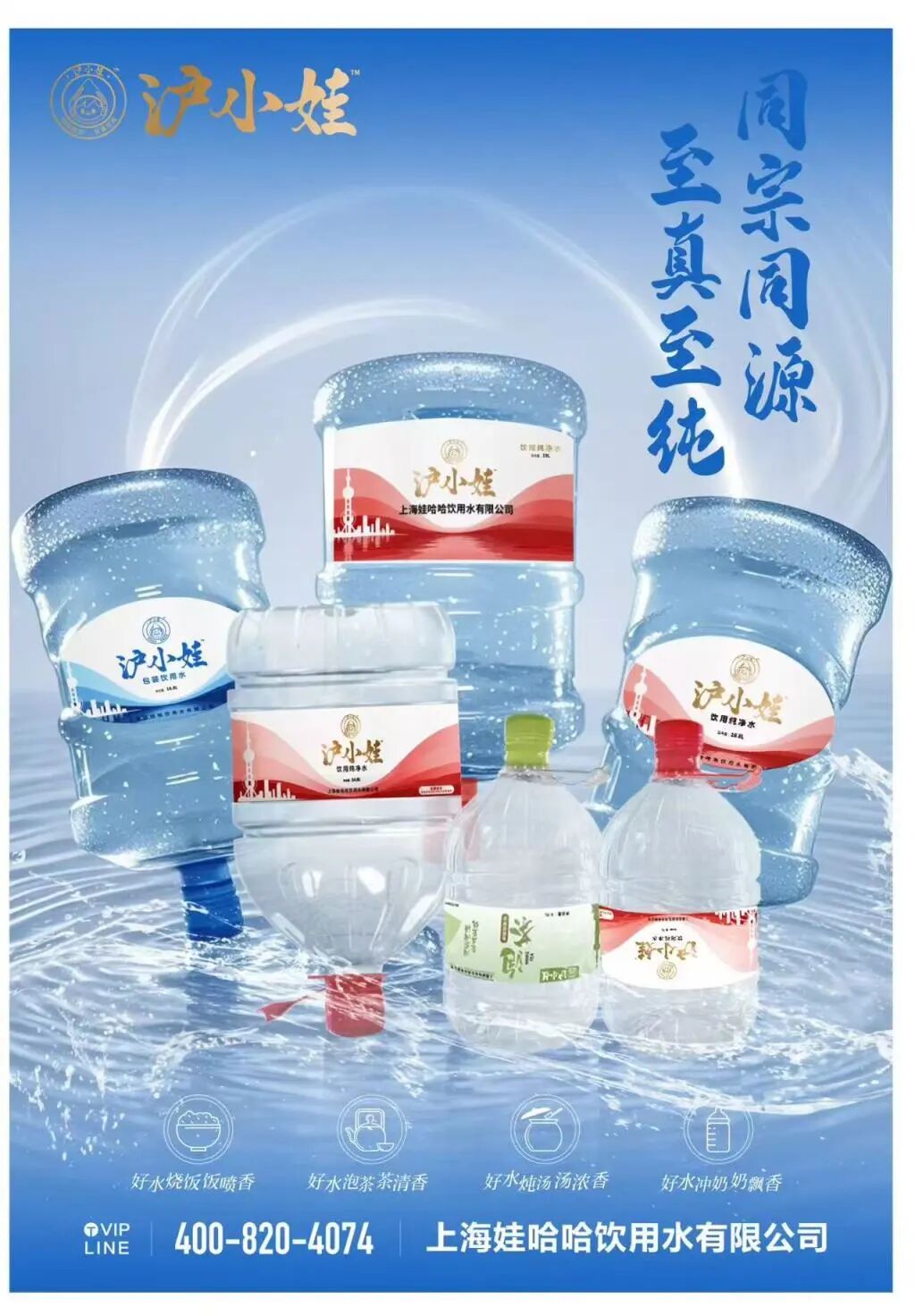
Core Viewpoint - The recent launch of the "沪小娃" brand by Shanghai Wahaha Drinking Water Co., Ltd. is a response to brand authorization disputes and operational challenges faced by the company, which has historically been profitable and is now seeking to adapt to changing circumstances [1][7]. Company Overview - Shanghai Wahaha Drinking Water Co., Ltd. has been operational for over 20 years without incurring losses, with revenue exceeding 1.2 billion yuan last year [3][7]. - The company is a subsidiary of Zhejiang Wahaha Industry Co., Ltd., which holds a 70% stake, while the remaining 30% is owned by its chairman, Zong Wei [4][6]. Brand and Trademark Issues - The "娃哈哈" trademarks used by Shanghai Wahaha have expired, leading to the necessity of creating a new brand [8][11]. - The Wahaha Group has requested the cessation of the use of the "娃哈哈" brand, and there are indications that Zong Wei has been unable to contact Zong Fuli, the representative of the Wahaha Group, to resolve these issues [6][7]. Future Brand Strategy - There are plans for the Wahaha Group to potentially adopt a new brand, "娃小宗," starting from the 2026 sales year, as part of a strategy to address historical trademark issues [13][14]. - The trademark for "娃小宗" is currently owned by the Hongsheng Group, which indicates a shift in branding strategy for the company [14].

波动面前,价值投资者的生存法则:看透、稳住、少看
Xin Lang Cai Jing· 2025-09-27 09:33
Core Insights - The article emphasizes the importance of understanding companies and their fundamentals rather than being swayed by market volatility, highlighting that true value investing is about thriving amidst fluctuations [2][3][4][5] Group 1: Understanding Companies - Value investors view stock price fluctuations as temporary waves, focusing instead on the intrinsic value of companies, akin to a ship's keel [2] - Historical data from the S&P 500 shows that despite 12 bear markets since 1957, the annualized return rate remains at 10.26%, indicating that quality companies endure through cycles [3] - Familiarity with a company's products, research, and cash flow helps investors remain calm during short-term price changes [3] Group 2: Avoiding Leverage - Leverage can amplify both gains and losses, with historical examples like Bear Stearns during the 2008 financial crisis illustrating the dangers of excessive leverage [3][4] - The nature of volatility changes with leverage; a 50% drop can wipe out an investor's capital if leverage is involved, whereas it may only represent a paper loss without leverage [4] - Behavioral finance suggests that leverage can lead to irrational decisions, such as panic selling during downturns, which is contrary to Warren Buffett's investment principles [4] Group 3: Staying Away from Market Noise - The principle of "holding stocks without being emotionally attached" is crucial for managing volatility, as excessive trading can erode returns [5] - Data indicates that investors with a monthly turnover rate exceeding 200% have a median three-year return of -18.7%, significantly lower than the 34.2% return of low-frequency traders [5] - Successful investors focus on analyzing quarterly reports and conducting field research rather than obsessively monitoring market movements, allowing them to make informed decisions without succumbing to market noise [5]


历史总是惊人相似
Xin Lang Cai Jing· 2025-09-26 13:11
Core Insights - Historical parallels are drawn between Warren Buffett's investment strategy during the 2000 internet bubble and current market sentiments, highlighting skepticism towards traditional investments in favor of tech stocks [2] - Buffett's Berkshire Hathaway faced significant criticism in 1999 for its focus on traditional sectors like consumer goods and finance, while the Nasdaq 100 index surged by 101.95% [2] - The aftermath of the internet bubble saw a dramatic 78% decline in the Nasdaq index over two years, with many tech companies collapsing, while Buffett's cautious approach allowed Berkshire to survive and regain its reputation [3] Group 1 - Buffett was ridiculed for not investing in popular tech stocks during the internet boom, leading to a 19.9% decline in Berkshire Hathaway's stock price in 1999 [2] - Major publications like Time and Barron's questioned Buffett's strategy, suggesting he was becoming outdated and overly conservative [2] - Buffett warned of an impending tech bubble burst at the 1999 Sun Valley conference, famously stating, "Only when the tide goes out do you discover who's been swimming naked" [2] Group 2 - The internet bubble burst resulted in a 78% drop in the Nasdaq index over two years, leading to the bankruptcy or significant devaluation of many previously popular tech companies [3] - Buffett's cautious investment strategy during the bubble allowed Berkshire Hathaway to not only survive but also enhance its reputation post-bubble [3]

宗馥莉的第二次“自伤式袭击”
创业邦· 2025-09-26 12:07
Core Viewpoint - The article discusses the ongoing power struggle and brand transition within Wahaha Group, led by Zong Fuli, as she attempts to establish her authority and navigate the complexities of ownership and brand identity following the death of her father, Zong Qinghou [5][27]. Group 1: Background and Initial Actions - Zong Fuli initiated a significant move by resigning from her position, which was perceived as a "self-harming attack" to assert her leadership, ultimately leading to her becoming the chairman of Wahaha and acquiring all shares held by Zong Qinghou [6][11]. - The brand "Wahaha" is currently valued at over 90 billion, making it a crucial asset for the company, and any transition to a new brand like "Wawa Xiaozong" could erase decades of brand equity [12][21]. Group 2: Brand Transition and Challenges - A recent notification indicated that starting from the 2026 sales year, the company would transition to the new brand "Wawa Xiaozong," which has raised concerns among distributors about the brand's market acceptance [8][9]. - Distributors have expressed significant resistance to the new brand, with reports indicating that 99% of Wahaha distributors are unwilling to sell "Wawa Xiaozong" products, highlighting the challenges of brand loyalty and market trust [21][23]. Group 3: Financial Performance and Market Dynamics - In 2024, under Zong Fuli's leadership, Wahaha's revenue surged to 70 billion, a significant increase attributed to emotional consumer spending following Zong Qinghou's passing, but this growth is seen as unsustainable [24][27]. - The company has been cutting ties with underperforming distributors, which has created additional pressure on smaller distributors, leading to concerns about profitability and market stability [24][26]. Group 4: Legal and Ownership Issues - Zong Fuli's control over the Wahaha brand is complicated by ongoing legal disputes regarding employee stock ownership, which could impact her ability to fully leverage the brand [13][30]. - The inheritance dispute involving Zong Fuli and her siblings adds another layer of uncertainty, as the outcome could affect her control over Wahaha and its assets [31][32].

日本7-Eleven卖的这瓶「水」,居然能补5g蛋白质
36氪· 2025-09-26 11:25
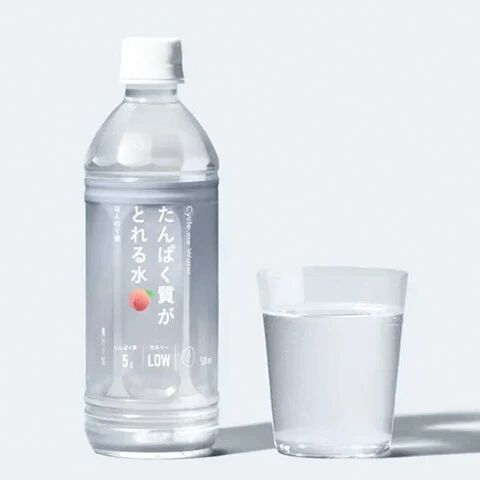
Core Viewpoint - The article discusses the innovative launch of a transparent protein water by Japan's 7-Eleven private brand Cycle.me, highlighting its unique features and market potential in the growing protein beverage sector [3][7][12]. Product Features - Cycle.me's protein water contains 5g of low molecular collagen protein per bottle, aiming to provide hydration while supplementing protein intake [15][17]. - The product is marketed as low-calorie and not overly sweet, with a subtle peach flavor, making it more palatable for consumers [18]. - It utilizes deep-sea water from Kochi Prefecture, Japan, which is rich in minerals, suitable for hydration during outdoor activities [18]. Market Trends - Consumer interest in protein as a desirable nutrient has surged, with Cycle.me's research indicating it is the top nutrient consumers wish to actively incorporate into their diets [18]. - The protein food and beverage market in Japan is projected to grow by 2.8% in 2024, reaching approximately 276.3 billion yen (around 11.4 billion RMB) [18]. Development Challenges - Cycle.me faced significant challenges in maintaining the clarity and stability of the protein water during production, requiring extensive optimization of raw materials and processing techniques [19]. - The collaboration with DyDo, a major Japanese beverage manufacturer, was crucial in developing a product that retains nutritional value without compromising on transparency [19]. Comparison with Global Trends - While Cycle.me's product is unique in its transparent form, similar protein water products in the Western market often utilize hydrolyzed whey protein, resulting in a semi-transparent appearance [28][30]. - The trend of incorporating protein into everyday beverages is gaining traction globally, with brands like Super Coffee and SEEQ also innovating in this space [42][34].
9.26犀牛财经晚报:8月ABS新增备案规模875.92亿元 摩尔线程IPO过会
Xi Niu Cai Jing· 2025-09-26 10:24
Group 1: ABS Market Overview - In August 2025, the Asset-Backed Securities (ABS) market saw 99 new registrations with a total scale of 875.92 billion yuan [1] - The top three ABS underlying assets by registration scale were accounts receivable (250.89 billion yuan), micro-loan debts (213.01 billion yuan), and financing lease debts (189.73 billion yuan) [1] - As of the end of August 2025, there were 2,573 ABS in existence with a total scale of 21,891.65 billion yuan [1] Group 2: Securities Monitoring and Regulatory Actions - The Shenzhen Stock Exchange monitored "*ST Yushun" closely from September 22 to September 26, addressing 176 abnormal trading behaviors [2] - The exchange reported two major company events for verification and submitted two suspected illegal cases to the China Securities Regulatory Commission [2] Group 3: Silicon Material Production and Market Trends - In October, the production of polysilicon exceeded expectations, with two companies reporting a decrease while four reported an increase [3] - Inventory pressure in the polysilicon market is becoming evident, with expectations of continued accumulation unless downstream demand remains high [3] Group 4: Corporate Leadership Changes - Merck Group announced a leadership transition, with Kai Beckman set to take over as CEO from Belén Garijo on May 1, 2026 [3] - Xiamen International Bank approved the appointment of Wang Fenghui as Chief Information Officer [6] Group 5: Financial and Regulatory Developments - Baoli Tianheng's subsidiary was questioned by Yunnan's medical insurance bureau regarding the high price of a medication, which raised concerns about pricing practices [3] - Jingliang Holdings received an administrative regulatory decision from Hainan's Securities Regulatory Bureau for revenue recognition issues involving 2.99 billion yuan [8] Group 6: Corporate Transactions and Listings - Moller Thread's IPO application was approved by the Shanghai Stock Exchange, aiming to raise 8 billion yuan for various AI and chip development projects [7] - Wanxing Technology submitted an application for H-share issuance and listing on the Hong Kong Stock Exchange [9]

快消人的人生比剧本更离奇,我卖了7年可乐,7年豆奶,最后选择去杀猪
3 6 Ke· 2025-09-26 09:35
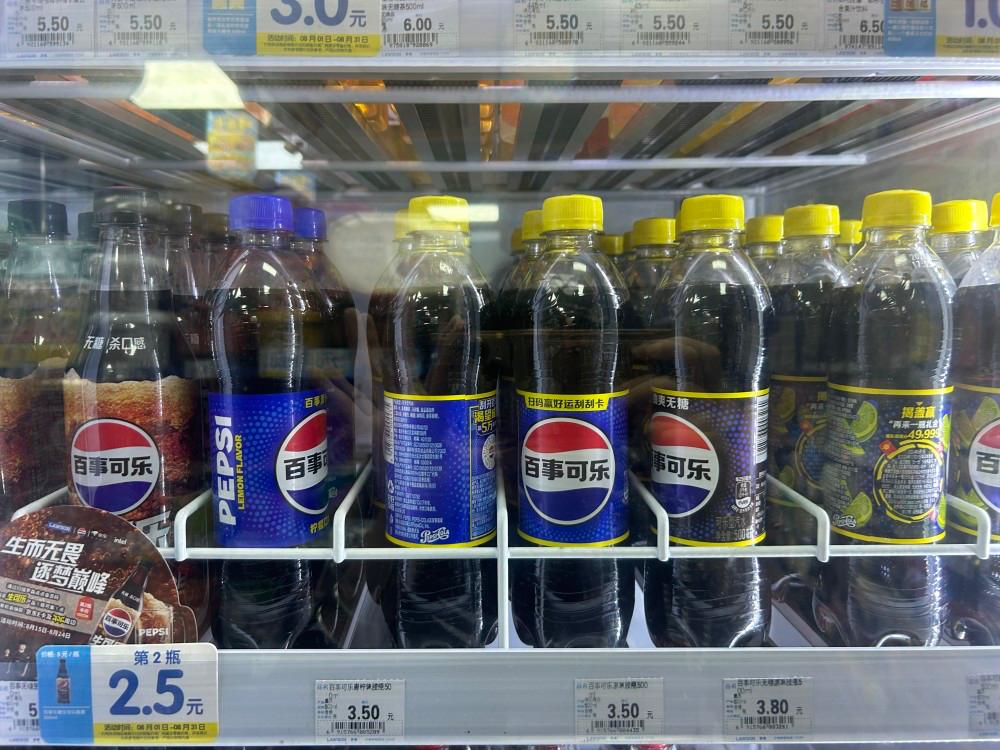
Core Insights - The article narrates the experiences of employees in the fast-moving consumer goods (FMCG) industry, particularly focusing on the challenges faced by those working for PepsiCo and Vitasoy in China, highlighting the impact of corporate changes and market dynamics on their careers [2][3][18]. Group 1: PepsiCo and Its Strategic Alliance - In 2012, PepsiCo formed a strategic alliance with Master Kong, leading to significant changes in operations and employee dynamics within the company [3][5]. - The merger caused unrest among employees, with many fearing for their job security and future compensation, resulting in a mass exodus of nearly 10,000 employees out of 15,000 [6][18]. - The initial promises of job security from Master Kong were not upheld, leading to dissatisfaction and protests among the workforce [5][6]. Group 2: Transition to Vitasoy - After leaving PepsiCo, employees transitioned to Vitasoy, where they initially found a more relaxed corporate culture compared to the rigid structure of PepsiCo [9][10]. - However, Vitasoy faced challenges due to the rise of e-commerce, which disrupted traditional sales channels and led to internal conflicts between online and offline sales teams [11][15]. - The aggressive pricing strategies adopted by Vitasoy for online sales created chaos in the market, leading to complaints from traditional distributors and a breakdown of pricing structures [13][14]. Group 3: Industry Challenges and Employee Sentiment - The internal strife within Vitasoy escalated, with employees feeling the pressure of performance metrics while dealing with a chaotic market environment [16][17]. - The company underwent leadership changes and restructuring efforts that failed to stabilize the situation, resulting in widespread dissatisfaction among employees [17][18]. - Many former employees of the FMCG sector, like the protagonist, chose to leave the industry altogether, seeking more stable and grounded opportunities in different sectors, such as agriculture [18][20].

押注半导体!“六个核桃”三连板,养元饮品回应
2 1 Shi Ji Jing Ji Bao Dao· 2025-09-26 04:12
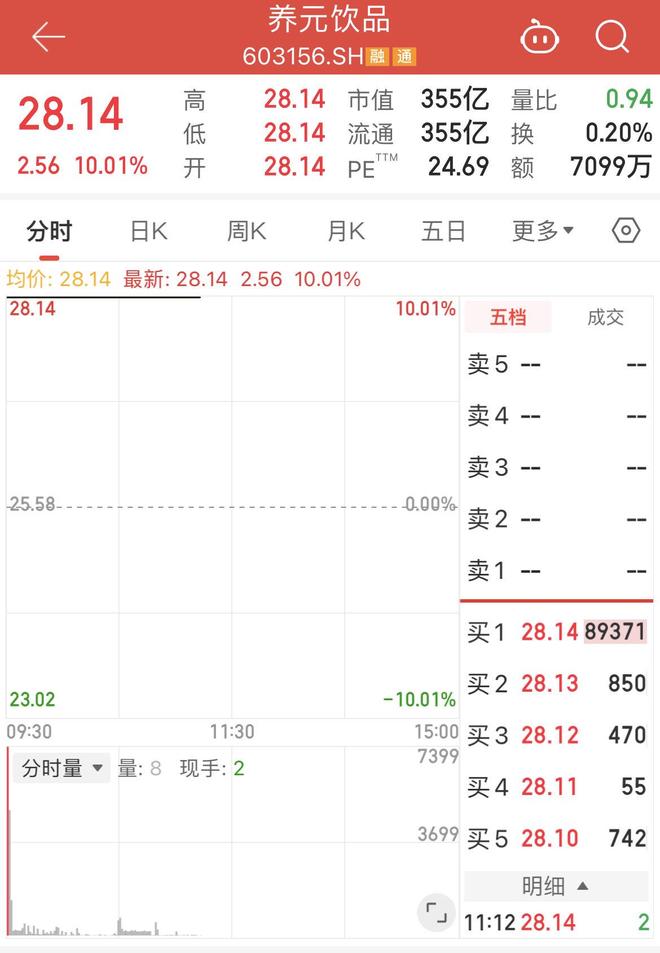
Core Insights - Yangyuan Beverage, the parent company of "Six Walnuts," has seen its stock price hit a ceiling of 28.14 CNY per share, with a total market capitalization reaching 35.46 billion CNY, marking a three-day consecutive increase [1] - The company has made a significant investment in Changxin Technology, which is speculated to accelerate its listing process following the completion of its shareholding reform [1] - Despite the stock market performance, Yangyuan Beverage's financial results have shown a notable decline, with a 16.19% year-on-year drop in revenue for the first half of 2025 [2] Company Performance - Yangyuan Beverage reported a revenue of 2.465 billion CNY for the first half of 2025, down 16.19% compared to the previous year, and a net profit attributable to shareholders of 744 million CNY, a decrease of 27.76%, marking the lowest level in three years [2] - Sales revenue has declined across all major regions, with the largest three regions experiencing double-digit percentage drops [2] Investment Strategy - The company has engaged in external investments across 11 companies in sectors unrelated to its core business, such as new energy and media, but these investments have not yielded favorable returns [2] - Investment income for Yangyuan Beverage was only 2.196 million CNY in 2021, with consecutive losses of 129 million CNY and 126 million CNY in 2023 and 2024, respectively [2] - The company plans to focus on its core product, walnut milk, and has a rich pipeline of new products to be launched based on market conditions [2]