饮料

Search documents
对冲基金Elliott Investment正推动百事(PEP.US)降本增效 施压效仿可口可乐(KO.US)模式拆分瓶装业务
Zhi Tong Cai Jing· 2025-09-24 01:16
Core Viewpoint - Elliott Investment Management is advocating for PepsiCo to cut costs and divest low-growth brands, gaining support from some investors, but its call for PepsiCo to emulate Coca-Cola's bottling business split has received less backing [1][2] Group 1: Cost-Cutting and Brand Divestment - Elliott Investment Management is pushing for PepsiCo to reduce costs and divest low-growth brands, a proposal that has garnered support from other investors [1] - The hedge fund has previously disclosed a $4 billion stake in PepsiCo and released a 75-page report detailing suggestions to enhance the company's profitability [2] Group 2: Bottling Business Strategy - Elliott argues that the integrated operating model of PepsiCo North America (PBNA) has been surpassed by Coca-Cola's franchised bottlers, leading to weaknesses in price-pack management, slower regional innovation, and poor in-store execution [1] - The hedge fund suggests that introducing third-party bottlers would create a checks-and-balances mechanism for brand portfolio management [1] - Coca-Cola has successfully completed a global bottling business split, resulting in the formation of independent bottling entities such as Coca-Cola Enterprises, Coca-Cola Europacific Partners, and Coca-Cola FEMSA [1]


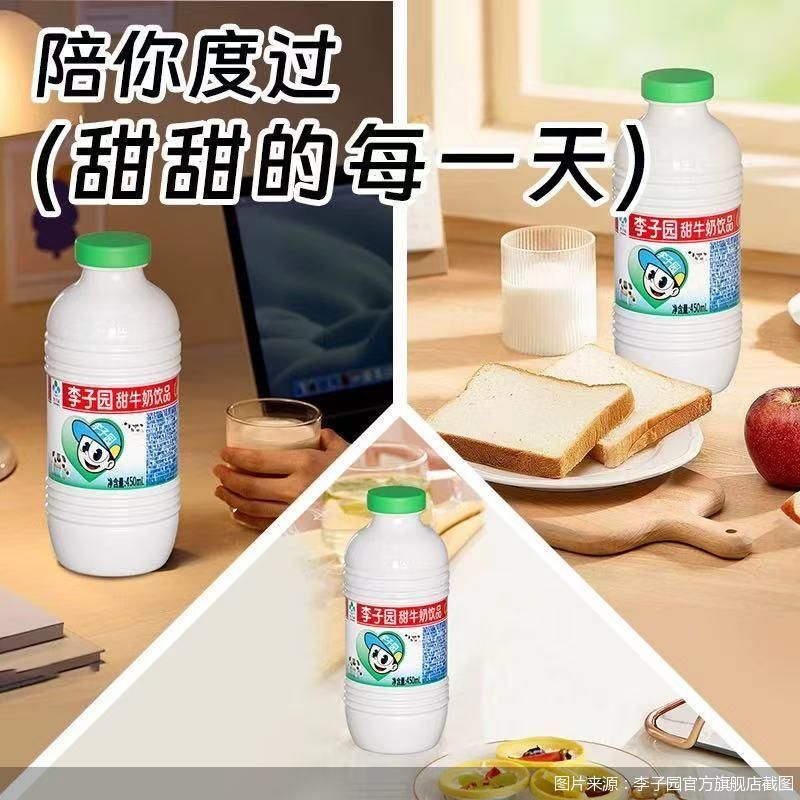
扩张产能受阻,李子园多元化求突围
Bei Jing Shang Bao· 2025-09-23 14:16
Core Viewpoint - Li Ziyuan has announced the termination of a planned 200 million yuan investment in a dairy beverage production line in Yunnan, citing "land planning and industrial planning" as reasons, while industry insiders attribute it to declining revenue and underutilization of existing capacity [2][3][4] Group 1: Project Termination - The terminated project was planned since 2022, involving the construction of three sterile filling production lines for dairy beverages with a total investment of approximately 200 million yuan [3] - The agreement to terminate the project was signed on September 12, 2023, with a mutual understanding to negotiate the termination by September 12, 2025 [3] - The decision to halt the project was made to optimize resource allocation, reduce investment risks, and protect the interests of the company and its shareholders [4] Group 2: Capacity and Utilization - As of 2024, Li Ziyuan has a total production capacity of 375,900 tons across five factories, but the actual capacity utilized is only 248,800 tons, resulting in a capacity utilization rate of 66% [2][6] - The company has been expanding its production capacity since its A-share market debut in 2021, raising a total of 1.376 billion yuan for capacity expansion projects [4][5] Group 3: Revenue and Market Challenges - The core revenue source for Li Ziyuan, dairy beverages, has faced pressure, with revenue for this segment dropping by 11.19% year-on-year to approximately 583 million yuan in the first half of the year [6] - The company is attempting to diversify its product offerings to mitigate reliance on a single category, with plans to enter the milk powder market amid fierce competition [6][7] Group 4: Future Investments - Li Ziyuan plans to invest 320 million yuan in a new project in Ningxia, focusing on the production of whole and skim milk powder, among other dairy products [7] - The company aims to leverage its existing production management systems and resources to navigate the competitive landscape of the milk powder market [8]


宗馥莉的第二次“自伤式袭击”
3 6 Ke· 2025-09-23 11:52
Core Viewpoint - The article discusses the ongoing power struggle within Wahaha Group, focusing on Zong Fuli's attempts to assert control over the brand and the company amidst internal conflicts and external pressures [1][11]. Group 1: Zong Fuli's Leadership and Strategy - Zong Fuli initiated a significant power play by resigning last year, which ultimately led to her becoming the chairman of Wahaha and acquiring all shares held by her father, Zong Qinghou [2][5]. - Recently, Zong Fuli has proposed to replace the iconic "Wahaha" brand with a new brand called "Wawa Xiaozong," which she controls through Hongsheng Beverage [3][4]. - The Wahaha brand is valued at over 90 billion, and changing it could erase decades of brand equity built during Zong Qinghou's era [4][5]. Group 2: Internal Conflicts and Brand Control - Zong Fuli currently holds 29.4% of Wahaha Group, while the employee stockholding committee owns 24.6%, limiting her control over the brand [5][12]. - Attempts to transfer the Wahaha trademark to a company she controls were unsuccessful, prompting her to accelerate the rebranding process [5][6]. - Zong Fuli's strategy includes phasing out Wahaha-related enterprises and promoting new brands, indicating a significant shift in the company's direction [6][7]. Group 3: Market Challenges and Dealer Resistance - The introduction of "Wawa Xiaozong" faces skepticism from dealers, with reports indicating that 99% of Wahaha dealers are unwilling to sell the new brand [8][9]. - Despite a projected revenue increase to 700 billion in 2024, dealers are under pressure to meet higher sales targets without new hit products [9][10]. - The previous brand KELLYONE, also launched by Zong Fuli, failed to gain traction, raising concerns about the viability of new brands [10][11]. Group 4: Legal and Inheritance Issues - Zong Fuli is embroiled in a legal battle over inheritance rights, which complicates her control over Wahaha Group and its assets [12][13]. - The ongoing inheritance dispute with her siblings poses a significant threat to her leadership and the company's future direction [13][14]. - The brand change may be a strategic move to mitigate the impact of these legal challenges and assert her authority [13][14].
在健康化趋势下,有糖茶为啥依旧能打?
Qi Lu Wan Bao Wang· 2025-09-23 11:27
Core Insights - The beverage market in China is experiencing a significant divide between sugary and sugar-free drinks, with sugary drinks still dominating in many segments despite the rising popularity of sugar-free options [1][2][7] Market Overview - As of Q2 2025, sugary tea is projected to hold a market share of 68%-70% in the ready-to-drink tea category, while sugar-free tea is expected to account for about 30% [2] - The sales volume of sugary tea consistently exceeds that of sugar-free tea by nearly double, particularly in lower-tier cities where brands like Kang Shifu's iced tea remain dominant [2][3] Company Performance - Kang Shifu's beverage business reported revenue of 51.621 billion yuan in 2024, with the tea segment contributing 21.7 billion yuan, marking an 8.2% year-on-year growth [3] - Kang Shifu's iced tea alone achieved sales exceeding 12.7 billion yuan, making it the first iced tea product in China to surpass the 10 billion yuan mark [3] - Unification's tea beverage revenue reached 8.575 billion yuan in 2024, with a year-on-year growth of 13.13%, primarily driven by sugary products [3] Competitive Advantages - Sugary tea's resilience in the health-conscious market is attributed to its strong distribution capabilities, with Kang Shifu having over 3 million retail terminals nationwide and a 90% distribution rate in lower-tier markets [4] - The cost structure of sugary tea is more favorable, with lower production costs compared to sugar-free alternatives, which require higher quality ingredients and more complex production processes [4][5] Consumer Behavior - Consumer preferences in lower-tier markets prioritize taste and price over health considerations, with a significant portion of consumers associating sugar-free drinks with inferior taste [5][6] - The emotional connection to sugary drinks, often tied to childhood memories, further solidifies their market position [6] Strategic Responses - Traditional beverage companies are adopting a dual strategy, maintaining their sugary product lines while also introducing sugar-free options to cater to changing consumer preferences [7][8] - Kang Shifu has launched various innovative flavors of iced tea while also introducing sugar-free variants to appeal to health-conscious consumers [8] - Nongfu Spring has entered the sugary tea market with a new product aimed at younger consumers, indicating a shift in strategy to diversify their offerings [9]
有糖食品又回来了
3 6 Ke· 2025-09-23 11:12
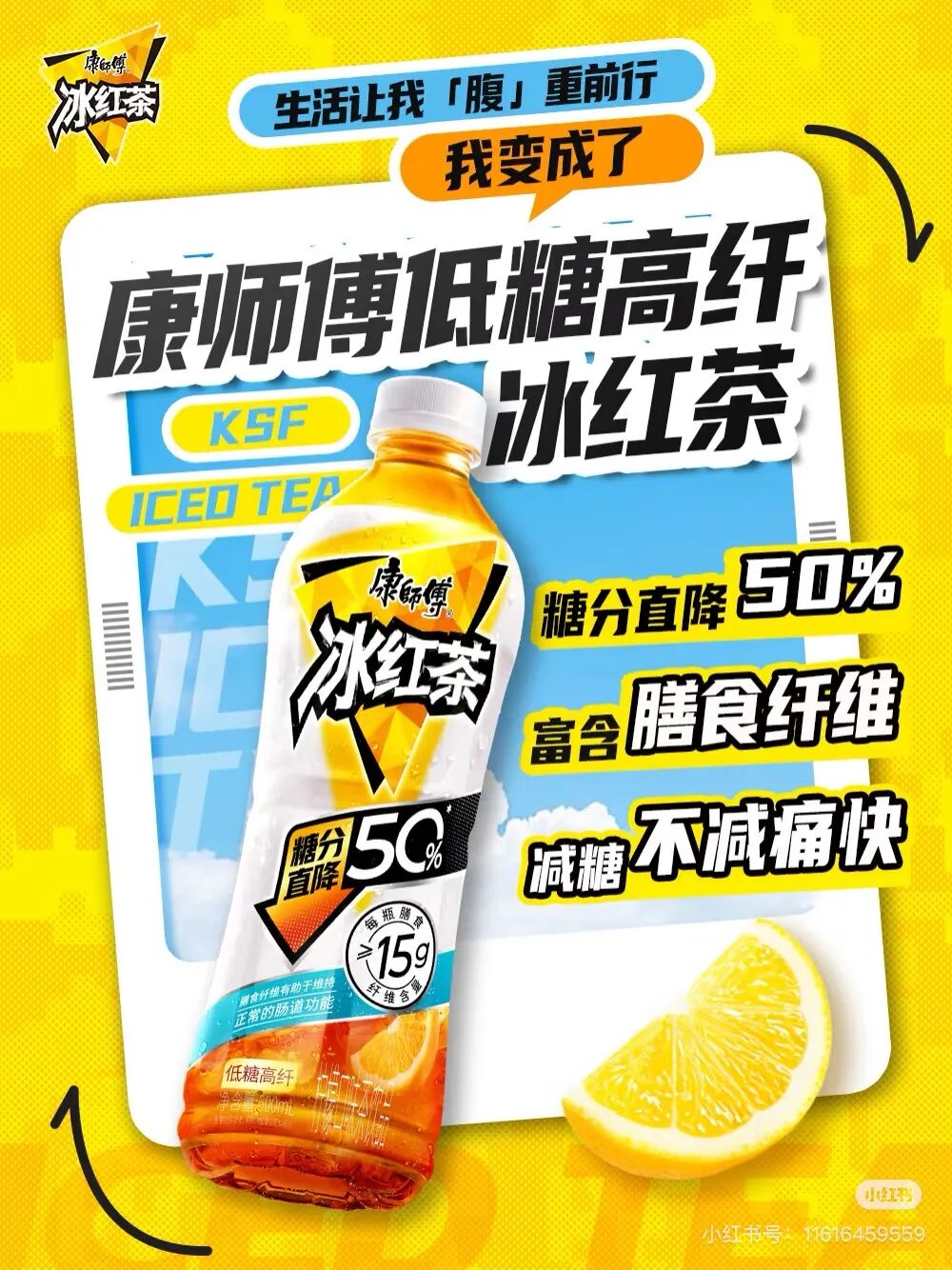
Core Insights - The trend of "0 sugar, 0 calories, 0 fat" has dominated the food and beverage industry, becoming a prominent symbol of health consciousness [1] - Consumers are beginning to realize that health is not solely defined by "0 sugar," leading to a more rational approach towards sugar consumption [3][4] - The industry is shifting towards "low sugar" products, balancing taste, health, and safety [4][10] Group 1: Market Trends - The rise of "0 sugar" products began with brands like Yuanqi Forest, which launched a zero-sugar sparkling water in 2018, sparking a trend in the beverage market [5] - Major brands are now introducing low-sugar options, such as Master Kong's "low sugar high fiber iced tea," which reduces sugar content by 50% to 4.5g/100ml [6][8] - The Shanghai sugar beverage grading standard will be implemented in 2024, indicating a shift in industry practices towards healthier options [10] Group 2: Product Development - New products are focusing on "reduced sugar" rather than "no sugar," with brands like Yuanqi Forest and Vita Lemon Tea launching low-sugar versions [11][20] - Brands are using natural juices and purees as sugar substitutes, which can create a perception of a cleaner label, although this may raise concerns about hidden sugars [23] - The popularity of prebiotic sparkling water in the U.S. has surged, with a tenfold market growth, emphasizing the importance of taste alongside health benefits [24] Group 3: Consumer Behavior - Consumers are becoming more discerning, preferring transparency in product labeling and the option to choose their sugar levels [16][17] - The concept of "half-sugar" is gaining traction, reflecting a desire for a balanced approach to health and indulgence [29] - The industry recognizes that both sugar and sugar substitutes have their roles, and a diverse, balanced diet is essential for true health [27]

创新消费场景,三水足球场变身城市活力秀场
Sou Hu Cai Jing· 2025-09-23 07:23
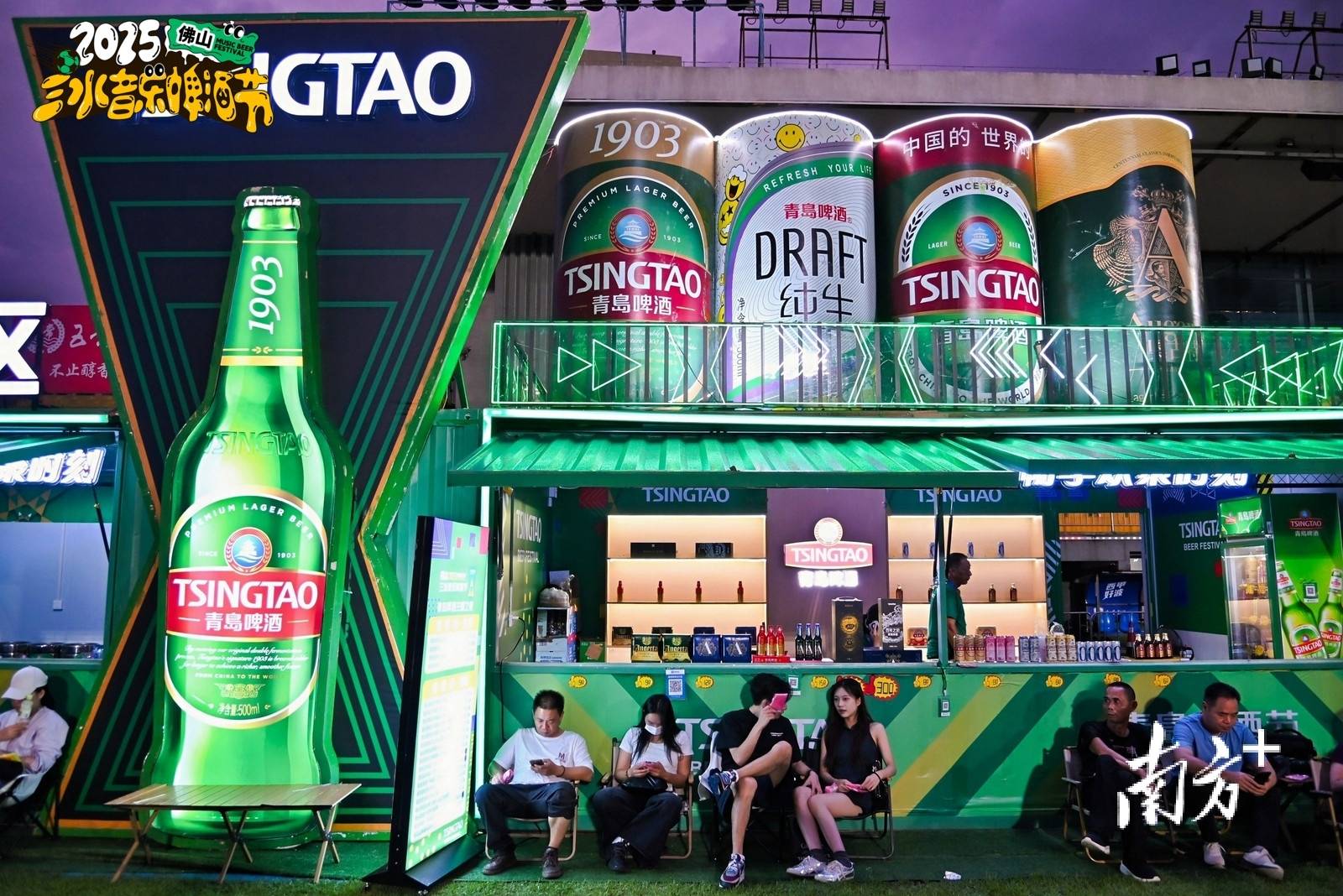
Core Viewpoint - The 2025 Foshan Sanshui Music Beer Festival successfully attracted a large audience, featuring popular band Supper Moment, and transformed the Yunxiu Mountain Sports Stadium into a vibrant celebration of music and beer [1][21]. Group 1: Event Highlights - The festival was held for the first time at Yunxiu Mountain Sports Stadium, enhancing the experience with a musical atmosphere [3][21]. - Supper Moment's performance led to a passionate sing-along, creating a lively environment for attendees [1][18]. - The event attracted music fans from the Guangdong-Hong Kong-Macao Greater Bay Area, showcasing its regional appeal [9][18]. Group 2: Innovative Features - The festival featured four distinct themed markets, collaborating with local beverage companies to create a unique "music + beer" experience for young people [18]. - The transformation of the soccer field into a grass music venue and market highlighted the city's vitality and industrial strength [16][21]. - The event successfully combined elements of sports and entertainment, continuing the energetic spirit of the previous "La Liga" events held in Foshan [13][21].
江苏省市场监管局8月和9月食品安全监督抽检结果显示 微生物污染是饮料产品不合格主要原因
Zhong Guo Zhi Liang Xin Wen Wang· 2025-09-23 06:44
Core Insights - Jiangsu Province's market regulatory authority has prioritized beverage safety inspections in 2023, focusing on ensuring compliance with food safety standards [1][2][3][4] Summary by Sections Inspection Results - In August and September, the Jiangsu market regulatory authority conducted multiple rounds of food safety inspections, specifically targeting beverages [1][2][3][4] - The inspections revealed that non-compliance issues primarily stemmed from microbial contamination, particularly the presence of Pseudomonas aeruginosa [1][2][3][4] - A total of 1006 food samples were tested in one round, with 15 samples failing, including one beverage [1] - In another round, 1356 samples were tested, resulting in 21 failures, including one beverage [2] - Subsequent inspections showed varying results, with some rounds reporting all beverages as compliant, while others identified multiple non-compliant beverage samples [3][4] Specific Non-compliance Cases - Specific instances of non-compliance included: - Drinking water from a factory in Jiangsu failing to meet standards for nitrite and Pseudomonas aeruginosa [1] - A natural spring water product failing due to Pseudomonas aeruginosa [2] - Multiple instances of bottled water failing due to Pseudomonas aeruginosa and other contaminants in various inspections [3][4] Regulatory Actions - The Jiangsu market regulatory authority has mandated local regulatory bodies to investigate non-compliant products and their manufacturers, ensuring legal actions are taken against violations [1] - Non-compliance cases are recorded in the food safety credit archives of the respective food producers [1]
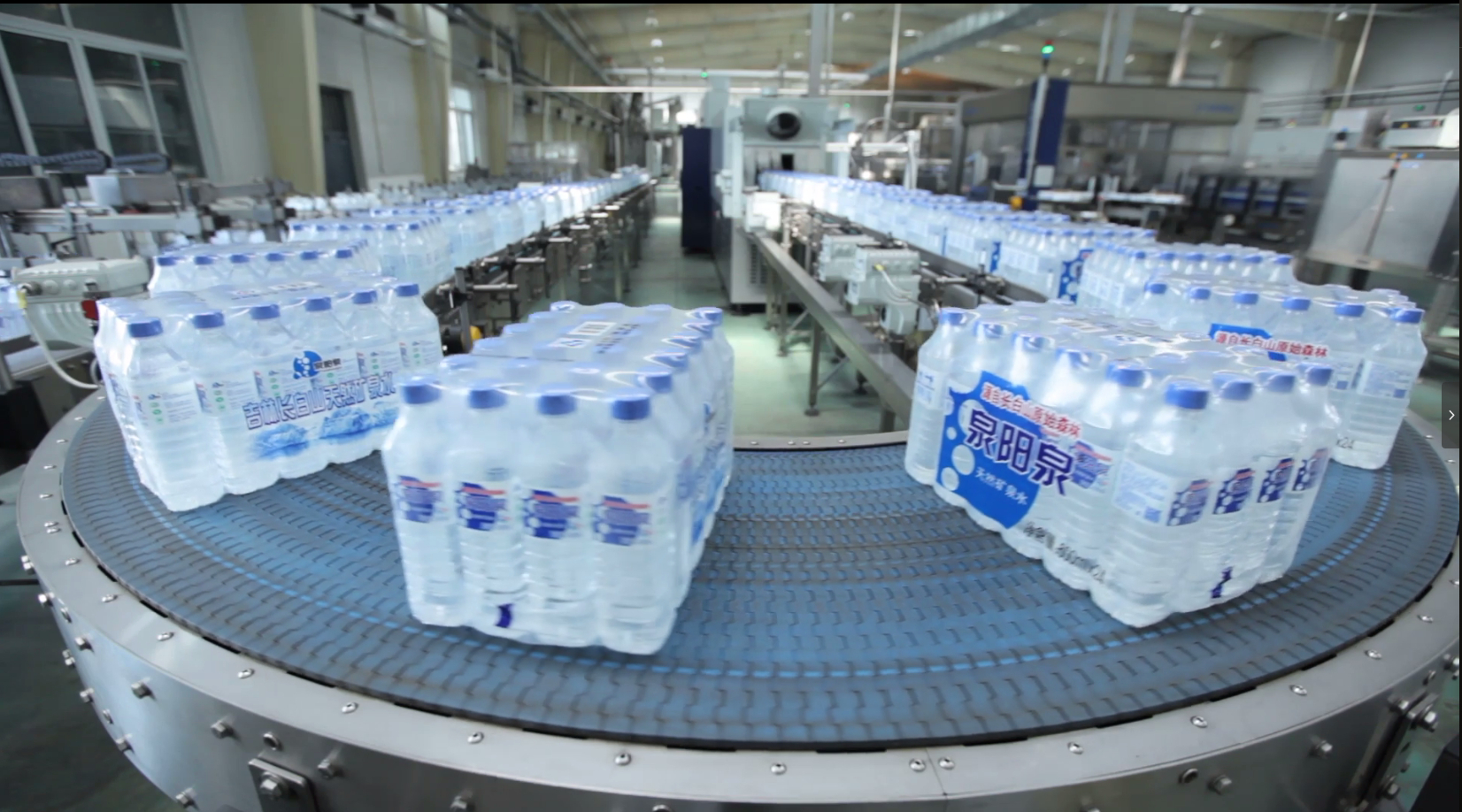
从泉涌百亿到参香世界再到冰雪热土,白山“生态金钥匙”打开振兴新路
Zhong Guo Huan Jing Bao· 2025-09-23 05:53
Group 1: Ecological Transformation and Development - Baishan City is undergoing a significant green transformation, emphasizing the principle that "lucid waters and lush mountains are invaluable assets" [1] - The city has established a collaborative mechanism involving party leadership, government guidance, departmental coordination, and public participation to promote ecological product value accounting and market compensation mechanisms [1] - Baishan has created two national-level "Two Mountains" practice innovation bases and three national ecological civilization construction demonstration zones [1] Group 2: Mineral Water Industry - The mineral water industry in Baishan is thriving, with the brand value of Changbai Mountain mineral water exceeding 10 billion yuan, positioning it as a "world-class golden water source" [2] - In 2024, the sales volume of Quanyuan Spring Beverage Company is expected to surpass 1.1 million tons, generating approximately 850 million yuan in revenue and 150 million yuan in profit [2] - Baishan has 47 mineral water production enterprises, with a projected output of 4.3 million tons in 2024, achieving a total output value of 4.156 billion yuan [2] Group 3: Ginseng Industry - Baishan is a core production area for ginseng, with 1/3 of Jilin Province's ginseng output and 70% of global trading volume occurring in Fushun County [6] - The total output value of the ginseng industry in Baishan is expected to reach 22.3 billion yuan in 2024, with the brand value of "Fushun Ginseng" exceeding 20.6 billion yuan [6][7] - The Wanliang National Changbai Mountain Ginseng Market is the largest trading hub in Asia, with an annual transaction volume of 6.35 billion yuan [6] Group 4: Tourism Development - Baishan is developing a "full-region, all-season" tourism model, with a 98.9% rate of good air quality in the central area, ranking first in Jilin Province [12] - In 2024, Baishan is expected to receive 21.03 million domestic tourists, a year-on-year increase of 67.45%, generating tourism revenue of 24.29 billion yuan, up 17.87% [12] - The city is enhancing its ecological environment while developing the ice and snow economy, with significant investments in ecological restoration projects [13] Group 5: Integrated Development - The integration of the ginseng industry with tourism and health care, along with the mineral water industry driving packaging and logistics development, reflects a comprehensive approach to economic growth [18] - The ecological benefits are being transformed into economic value, contributing to the revitalization of Northeast China [18]
农夫山泉20250922
2025-09-23 02:34
Summary of Nongfu Spring Conference Call Company Overview - **Company**: Nongfu Spring - **Industry**: Beverage Industry, specifically bottled water and sugar-free tea Key Points and Arguments Market Performance and Stock Valuation - Nongfu Spring's stock price has shown strong performance, benefiting from short-term data catalysts and the impact of the Wahaha incident, leading to an expected increase in market share in the bottled water segment [2][4] - The company's stock has more than doubled since its lowest point last year, with a year-to-date increase of over 60% in 2025 [4] - Current stock price is expected to reach a PE valuation of approximately 30 times by 2026, with an optimistic estimate of up to 35 times, indicating a potential overall return of 20-25% [2][8] Financial Performance and Projections - For 2025, Nongfu Spring's net profit is projected to be revised up to 15 billion yuan, representing a year-on-year growth of about 25% [2][5] - The company is expected to achieve a revenue growth of around 15% in 2025, with profit growth returning to a normal level of about 15% in 2026 [5][11] - The strong performance in the first half of 2025 is attributed to the low base effect from the previous year and increased revenue in the second half [5][10] Growth Drivers - The growth of sugar-free tea and bottled water is expected to drive overall industry growth, with sugar-free tea showing a faster penetration rate [2][6] - The projected revenue for sugar-free tea in 2025 is around 15 billion yuan, with a long-term target of 20 billion yuan [3][9] - Price reductions in sugar-free tea are anticipated to enhance penetration rates, further driving volume growth [3][9] Competitive Landscape and Market Position - Despite concerns about increased competition potentially affecting profitability, Nongfu Spring is expected to maintain a reasonable profit level and stable revenue growth [10] - The company holds a strong brand presence and recognition, positioning it as a leading player in the growth segment of the beverage market [4][6] Investment Considerations - Investors are encouraged to focus on Nongfu Spring's value as a leading company in the sector, especially after the recent adjustments and the low base effect from previous challenges [8][10] - The overall investment outlook remains positive, with expectations of continued high valuation status due to multiple favorable factors [4][8] Additional Important Insights - The impact of the Wahaha incident has created opportunities for Nongfu Spring to capture additional market share in the bottled water sector [4] - The company's strong brand equity and market position are expected to sustain its growth trajectory in the competitive beverage landscape [6][10]
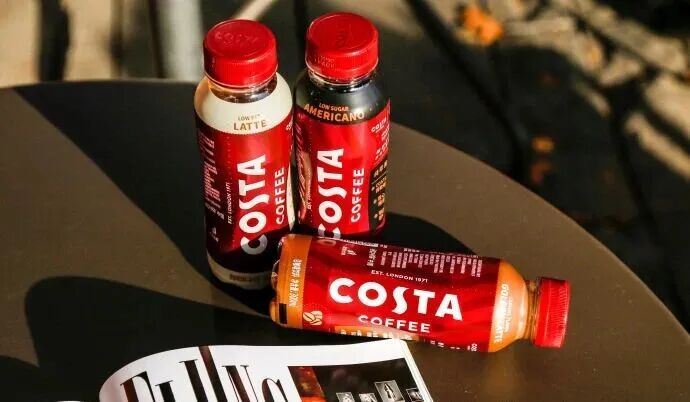
可口可乐公司要留着“自己干”,可能将继续控制COSTA咖啡即饮业务,毕竟5年内做到中国市场前三
3 6 Ke· 2025-09-23 01:00
Group 1 - Coca-Cola is reportedly looking to sell the Costa Coffee store business while retaining control over its ready-to-drink (RTD) products [1][3][4] - Apollo Global Management, a potential buyer, has decided not to participate in the bidding process, indicating a lack of strong interest from other bidders as well [3][4] - The initial valuation for Costa Coffee during the sale process was approximately £2 billion (around 194 billion RMB) [3][4] Group 2 - Costa Coffee, acquired by Coca-Cola in 2018 for £3.9 billion, has expanded its business to over 4,000 locations globally, with a significant presence in the UK and Ireland [4][6] - In China, Costa's retail business is primarily managed separately from its RTD coffee, which is expected to remain under Coca-Cola's control [6][9] - The ready-to-drink coffee market in China is dominated by foreign brands, with Nestlé leading, followed by Starbucks and Costa [7][8] Group 3 - Costa Coffee's pricing strategy positions its products slightly above local competitors but below Starbucks, making it competitive in the market [7][8] - The RTD coffee products launched in China are developed with local preferences in mind, utilizing a collaborative team from both Coca-Cola and Costa [9][11] - The potential sale of Costa's store business raises questions about how Coca-Cola will continue to innovate and draw inspiration for its RTD products without the direct influence of the store operations [11][13] Group 4 - Coca-Cola's CEO has emphasized the importance of creating overall value for the ecosystem and consumers in any acquisition or divestiture strategy [13][14] - The coffee segment is recognized as a significant growth area within the beverage industry, and Coca-Cola aims to find deeper engagement in this market [14]