汽车

Search documents
美联储会议纪要显示分歧;老铺黄金官宣即将调价|21早新闻
2 1 Shi Ji Jing Ji Bao Dao· 2026-02-18 23:21
Company Movements - Laopu Gold will adjust product prices on February 28, 2026, with details based on actual online and offline pricing. The company typically adjusts prices 2-3 times a year, having raised prices in February, August, and October of 2025 [4] - Tencent's cash red envelope activity has concluded, with daily active users (DAU) exceeding 50 million and monthly active users (MAU) reaching 114 million during this period [4] - Qianwen reports that 40% of users utilizing its "one-sentence ordering" feature are from the post-2000 generation, with notable activity in takeaway, travel booking, and movie ticket purchases [4] - Microsoft plans to invest $50 billion in the artificial intelligence sector in the Global South over the next decade to promote the technology's adoption [5] Macro Economy - The Ministry of Transport reported that on February 17, the total inter-regional flow of people reached 22,418.2 million trips, a month-on-month increase of 15.5% and a year-on-year increase of 9.4% [2] - The Haikou Customs announced that during the first week of the "zero tariff" policy for imported goods in Hainan Free Trade Port (February 11-17), sales amounted to 2.768 million yuan, primarily in food and beverage, maternal and infant products, and daily chemicals [2] - According to the China Index Academy, under a neutral assumption, the sales area of new commercial housing is expected to decline by 6.2% year-on-year in 2026, indicating continued adjustment in the real estate market [2] Investment News - On February 18, major U.S. stock indices closed higher, with the Dow Jones up 0.26% to 49,662.66 points, the S&P 500 up 0.56% to 6,881.31 points, and the Nasdaq up 0.78% to 22,753.63 points. Major tech stocks saw gains, including Nvidia up 1.63% and Amazon up 1.81% [3] - Berkshire Hathaway disclosed its latest 13F filing, revealing significant adjustments in its tech stock holdings, including a substantial reduction in Apple and Amazon shares, while initiating a position in the New York Times [3] - The "Peanut Oil King" family has actively purchased A-shares, spending 300 million yuan over the past month, with notable investments in Su Yan Jing Shen and Shen Kai Co., among others, resulting in a floating profit of over 24 million yuan for Shen Kai Co. [3]
国家越穷,电动车越上头
汽车商业评论· 2026-02-18 23:05
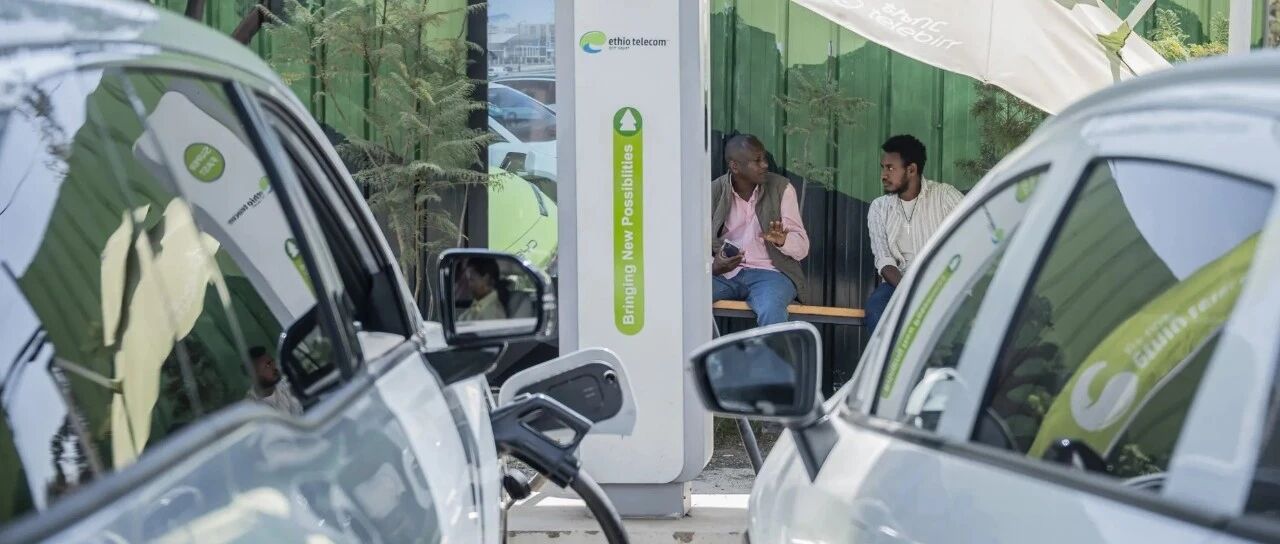
Core Viewpoint - The article highlights the rapid adoption of electric vehicles (EVs) in smaller, often overlooked countries, driven by economic necessity rather than environmental ideals, showcasing a significant shift in the global automotive landscape [4][6][7]. Group 1: Electric Vehicle Adoption in Small Countries - Ethiopia is set to become the first country to fully ban the import of fuel vehicles by 2024, with nearly 6% of its vehicles currently being electric, surpassing the global average of 4% [5][6]. - Nepal is leading with over 76% of imported four-wheel vehicles being electric in 2025, a dramatic increase from just 250 vehicles in 2020-2021 [5]. - Kenya saw its electric vehicle registrations soar from 1,378 to 39,324 in just three years, marking a growth of over 2,700% [5]. Group 2: Economic Drivers Behind Electric Vehicle Transition - The primary motivation for adopting electric vehicles in these countries is economic, as they face high costs associated with oil imports, with Kenya spending $5 billion annually on oil imports [7][9]. - Ethiopia's government has lost billions in fuel subsidies, prompting a shift to electric vehicles to reduce dependency on oil [9][10]. - The completion of the Grand Ethiopian Renaissance Dam in 2025 has doubled Ethiopia's electricity production, providing a strong foundation for electric vehicle adoption [10][12]. Group 3: Policy and Infrastructure Support - Ethiopia has significantly reduced tariffs on electric vehicles, with complete vehicles taxed at 15% and parts at 5%, making EVs more competitive against used fuel vehicles [15][17]. - Kenya has implemented a comprehensive National Electric Transport Policy, offering tax incentives for electric buses and motorcycles, and recognizing the potential of the local "Bodaboda" motorcycle market [17][19]. - Nepal is enhancing its charging infrastructure and encouraging the import of electric microbuses to address transportation challenges in mountainous regions [19][20]. Group 4: Broader Implications of Electric Vehicle Adoption - The shift to electric vehicles is seen as a critical measure for improving air quality in Nepal, where pollution levels are significantly above WHO standards [21][23]. - These countries aim to transition from being followers in global climate action to leaders, with Ethiopia planning to host the 2027 UN Climate Summit and set ambitious targets for electric vehicle ownership [23][25]. - Local assembly of electric vehicles is being promoted to create jobs and skills, with Ethiopia aiming to increase its assembly plants from 17 to 60 by 2030 [25].

潘世奇汽车2026年派息1.4美元,近期股价波动显著
Jing Ji Guan Cha Wang· 2026-02-18 16:47
经济观察网潘世奇汽车将于2026年2月25日除权除息,每股派发股息1.4美元,派息日为2026年3月5日。 该股息方案由公司于2026年2月12日公告,投资者需关注除权日股价调整及派息执行情况。 股票近期走势 近期股价波动显著:2026年2月13日股价收于171.35美元,单日下跌3.32%;2月17日进一步跌至165.61 美元,跌幅3.35%;2月18日反弹至169.27美元,上涨2.21%。近一周(2月13日至18日)区间跌幅4.50%, 振幅达8.78%,成交活跃度有所提升。股价表现受股息预期及市场情绪影响,需结合大盘走势评估。 机构观点 机构观点显示,截至2026年2月,12家机构对潘世奇汽车的评级中,买入或增持观点占比50%,持有占 比42%,目标均价为183.12美元,较当前价存在潜在空间。机构关注点集中于公司现金流改善与回购计 划对估值的支撑作用。 以上内容基于公开资料整理,不构成投资建议。 ...
春节“新三样”,卖爆了
Xin Lang Cai Jing· 2026-02-18 16:14
Group 1 - The core viewpoint of the articles highlights a significant increase in consumer spending and demand for green, smart, and healthy products during the pre-Spring Festival period, indicating a robust recovery in the retail and catering sectors [1][3][5] Group 2 - Data from the Ministry of Commerce shows that the average daily sales of key retail and catering enterprises increased by 10.6% compared to the same period before the Spring Festival in 2025 [1] - On February 15, foot traffic and sales in 78 monitored pedestrian streets increased by 23.2% and 33.2% respectively compared to the first day of the previous year's holiday [1] - The "trade-in" program has effectively stimulated consumer demand, benefiting 27.56 million people and generating sales of 193.09 billion yuan, with 607,000 cars traded in, leading to new car sales of 99.56 billion yuan [3] - Sales of smart wearable devices on key platforms surged by 130%, with smart blood pressure monitors and blood glucose meters increasing by over 60%, and organic food sales rising by 52% [3] - In the service consumption sector, reservations for New Year's Eve dinners increased by 80.7%, hotel accommodation transactions rose by 32.7%, car rental orders grew by 54%, and spending on ice and snow tourism increased by 120%, while winter vacation spending rose by 68% [5]

深夜 黄金、白银、原油齐涨 美股三大指数集体上涨丨美股开盘
Mei Ri Jing Ji Xin Wen· 2026-02-18 15:09
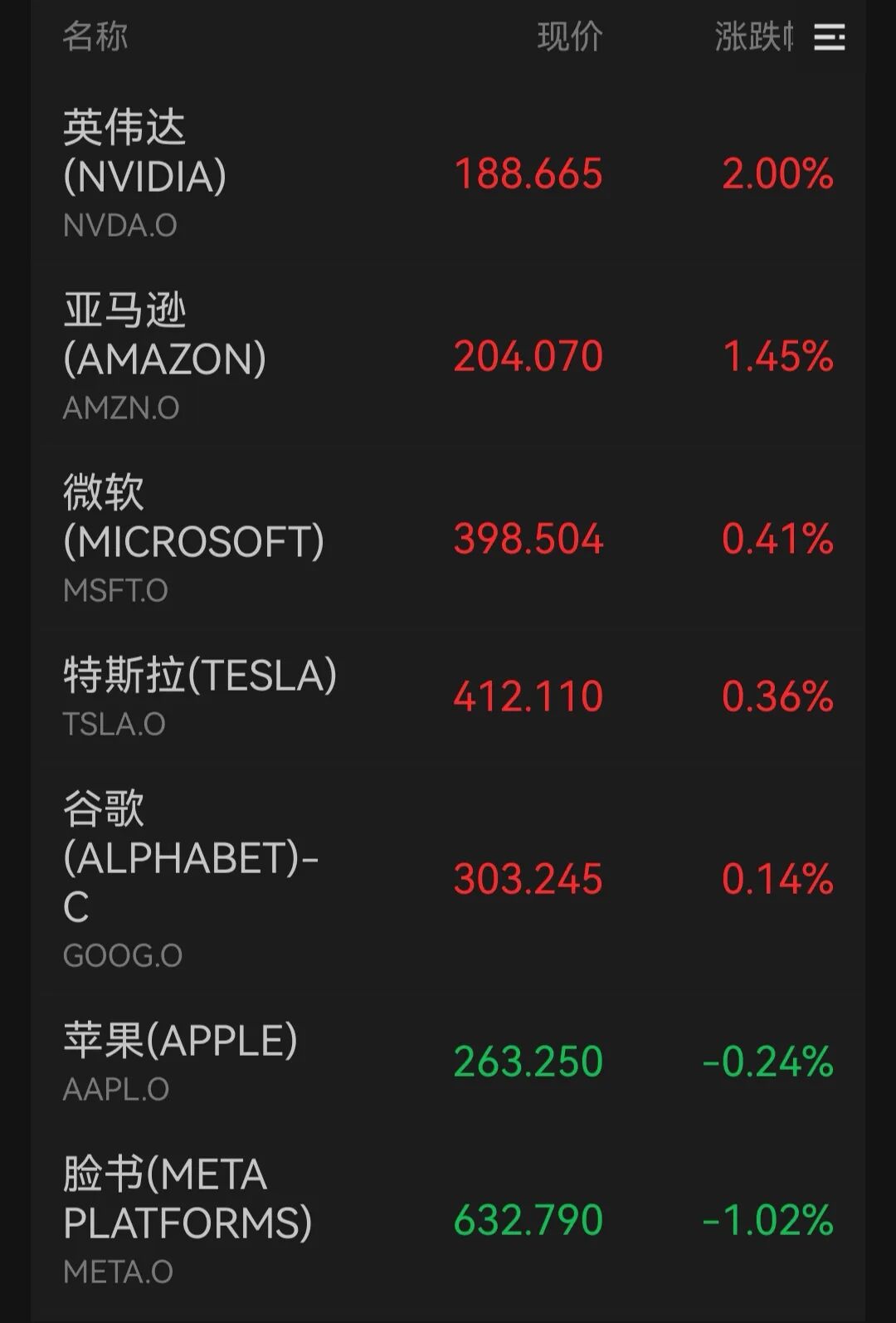
Group 1 - The U.S. stock market opened higher on February 18, with the Dow Jones up 0.5%, Nasdaq up 0.5%, and S&P 500 up 0.41% [1] - Major tech stocks showed mixed performance, with Nvidia rising by 2% [1][2] - Meta announced the deployment of Nvidia's new standalone CPU and next-generation Vera Rubin system in its AI data centers, marking the first large-scale independent deployment of the Grace CPU [3] Group 2 - The Nasdaq China Golden Dragon Index increased by 0.2%, with notable gains from companies like Kandi Technologies (+4.92%) and Yatsen Holding (+2.48%) [4] - European stock indices also saw gains, with the UK FTSE Index rising by 1.07%, reaching a historical high [5] - International crude oil futures surged, with WTI up 3.02% at $64.14 per barrel and Brent up 3.04% at $69.47 per barrel [7]






马斯克突发!特斯拉或将被合并!
Sou Hu Cai Jing· 2026-02-18 14:34
最近,全球科技圈爆出大消息:马斯克旗下核心公司特斯拉,传闻将被整合,与他已完成合并的 SpaceX和xAI组建超级科技实体。目前特斯拉与马斯克均未回应,但种种细节显示,这场合并并非空穴 来风。消息背后,是马斯克整合商业帝国的野心。据悉,SpaceX与xAI已正式完成合并,组建起估值超 1.25万亿美元的新实体,重点聚焦太空技术与人工智能的融合。而特斯拉近期也在调整方向,停掉 Model S、Model X两款经典车型,改造生产线生产人形机器人,加大AI领域投入,早已不只是单纯的 车企。特斯拉业绩不佳,也是合并传闻的重要推手,若与已合并的SpaceX、xAI联手,可破解当前发展 瓶颈。目前这场潜在合并仍有诸多不确定因素,但没人敢否定其可能性。 ...

美股盘前丨美三大股指期货齐涨 英伟达盘前涨超2%
Xin Lang Cai Jing· 2026-02-18 13:47
Company News - Nvidia and Meta announced a long-term strategic partnership covering local deployment, cloud, and AI infrastructure, with Nvidia's stock rising over 2% in pre-market trading while Meta Platforms fell by 0.4% [1] - Berkshire Hathaway reduced its stake in Apple by 4.3%, bringing its total shares to 227.9 million [1] - Tesla's first Cybercab officially rolled off the production line at its Texas Gigafactory [1] - SanDisk's stock fell over 4% in pre-market trading as Western Digital plans to sell part of its SanDisk shares to raise $3.17 billion for debt reduction [1] - Moderna's stock rose over 8% in pre-market trading after the company announced that the FDA will begin reviewing its seasonal flu vaccine application [1] - Qualcomm committed to investing up to $150 million in India's AI strategy fund [1] - Microsoft plans to invest $50 billion in AI initiatives in the Global South by the end of this decade [1]

美关税压力难阻增势 南非汽车出口创新高
Xin Lang Cai Jing· 2026-02-18 13:07
南非汽车商业委员会在其最新季度汽车制造业商业状况回顾报告中说,南非2025年共对全球109个国家 和地区出口创纪录的41.43万辆汽车,较2024年增长5.9%。 报告显示,受美国加征关税影响,南非2025年对北美汽车出口量从2024年的2.56万辆降至6530辆。 同期,由于对日本汽车出口下降,南非对亚洲汽车总出口量从2024年的2.93万辆降至1.98万辆。此外, 南非对欧洲汽车出口上升,由2024年的29.58万辆增至33.27万辆,占南非2025年汽车出口总量的 80.3%。 南非汽车商业委员会首席贸易与研究官诺曼·兰普雷克特在报告中说,尽管南非几个主要出口市场的贸 易保护主义行为有所加剧,但南非汽车出口仍展现出韧性。(据新华社电) (来源:经济日报) 转自:经济日报 南非汽车商业委员会2月17日发布报告显示,尽管美国加征关税对南非汽车业造成影响,但南非汽车出 口在2025年仍实现增长,出口量创历史新高。 ...
美股盘前要点 | Meta再加码英伟达,将部署百万颗芯片!谷歌I/O开发者大会定档5月
Ge Long Hui· 2026-02-18 12:39
Group 1 - The U.S. stock index futures are all up, with Nasdaq futures rising by 0.53%, S&P 500 futures up by 0.41%, and Dow futures increasing by 0.26% [1] - European stock indices have reached historical highs, with Germany's DAX index up by 0.83%, the UK's FTSE 100 index up by 0.97%, France's CAC index up by 0.45%, and the Euro Stoxx 50 index up by 0.84% [1] - Berkshire Hathaway has reduced its holdings in American banks and Apple for the third consecutive quarter while increasing its stake in The New York Times [1] - Segmenting into AI trading, Duan Yongping sold Apple shares and increased his position in Nvidia by 6.6393 million shares, while also establishing positions in CoreWeave, Credo Technology, and Tempus AI [1] - Nvidia and Meta have announced a long-term strategic partnership, with Meta set to deploy millions of Nvidia chips [1] - Microsoft plans to invest $50 billion in AI in the Global South over the next decade [1] - Google I/O developer conference is scheduled for May 19-20, expected to unveil the Gemini large model and other AI product updates [1] - Google plans to build new fiber optic lines between the U.S. and India to enhance network connectivity speed and reliability [1] - Tesla has avoided a 30-day sales ban in California, achieving compliance in marketing its autonomous driving features [1] - Nvidia has liquidated its holdings in Arm, cashing out approximately $140 million [1] Group 2 - Western Digital plans to sell part of its SanDisk shares, raising $3.17 billion to reduce debt [2] - McDonald's Chairman and CEO Kempczinski sold $17.5 million worth of stock [2]


俄罗斯打了四年仗,GDP增速却赶超欧洲,但背后藏着三大致命伤!
Sou Hu Cai Jing· 2026-02-18 12:27
Core Viewpoint - The ongoing Russia-Ukraine conflict has transformed from an expected quick resolution into a long-term struggle that is significantly altering Russia's economic structure, with assessments of its economy shifting from imminent collapse to unexpected resilience, and now to a state of "latent overdraw" [2] Economic Performance - Initial predictions of a severe recession in Russia following unprecedented Western sanctions did not materialize as expected; instead, while GDP declined in 2022, a systemic financial crisis was avoided, and the ruble rebounded after a brief drop [2][3] - Russia's GDP is projected to show recovery in 2023 and 2024, driven by military production and government spending [2] Factors Contributing to Economic Resilience - Energy revenues have played a crucial role, with Russia maintaining cash flow through discounted oil exports to countries like China and India, despite reduced dependence from Europe [3] - Strict capital controls and fiscal mobilization have stabilized the ruble and directed budgetary spending towards military and infrastructure, reflecting a wartime Keynesian stimulus approach [3] Growth Structure and Sustainability - The economic growth observed is heavily reliant on military orders and state spending, with military expenditure as a percentage of GDP reaching levels not seen since the Soviet Union's dissolution, leading to a widening fiscal deficit [5] - The growth is not driven by private investment or consumer recovery but rather by concentrated fiscal mobilization [5] Structural Challenges - The embargo on high-end equipment and technology from the West has created long-term bottlenecks in sectors such as semiconductors and aerospace, with rising costs and declining supply stability [5] - Labor and demographic issues are becoming increasingly pronounced, with a loss of young labor due to war and migration, and a tightening labor market in the civilian economy [5][6] Financial System Adjustments - Following sanctions, Russia has shifted towards domestic currency settlements and bilateral trade arrangements with Asian countries, reducing reliance on the dollar and euro [6] - High interest rates have stabilized capital but simultaneously suppressed private investment, leading to a contraction in the stock market and international financing channels [6] Energy Export Strategy - The strategic pivot towards Eastern markets for energy exports is seen as a buffer, although profit margins are constrained by discounted sales and increased transportation costs [8] - Long-term reliance on fossil fuels poses structural risks, especially as the global energy landscape shifts towards renewable sources [8] Economic Transformation - The current economic model in Russia is characterized by militarization, which may sustain for several years but will increasingly limit private sector activity and economic dynamism [8][10] - Historical precedents suggest that prolonged military spending can lead to a lack of technological innovation and a weakened civilian economy, as seen in the late Soviet period [8] Future Outlook - The future trajectory of the Russian economy will depend on the duration of the conflict and changes in the global energy landscape; prolonged warfare may exacerbate fiscal pressures and technological isolation, while a de-escalation could allow for some recovery in civilian investment [10] - The past economic integration with European markets is unlikely to return, indicating a slow reconfiguration of the economy rather than an abrupt decoupling [10]