
半导体制造

Search documents
交银国际:维持中芯国际中性评级 降目标价至45港元
Zhi Tong Cai Jing· 2025-05-12 01:26
Core Viewpoint - The report from CMB International indicates that the stock price of SMIC (00981) has performed in line with expectations, influenced by market sentiment, but is expected to stabilize around the adjusted target price of HKD 45 after a return to fundamentals [1] Group 1: Financial Performance - The revenue for Q1 2025 was USD 2.247 billion, a 2% quarter-on-quarter increase, but below the previous guidance lower limit of 6% [2] - The gross margin for Q1 2025 was 22.5%, exceeding the previous guidance upper limit of 21%, indicating strong resilience [2] - The company has adjusted its revenue and gross margin forecasts for 2025 to USD 8.95 billion and 20.8% respectively, down from USD 9.41 billion and 20.9% [1] Group 2: Market Demand and Production - Industrial and automotive revenues increased by approximately 20% quarter-on-quarter in Q1 2025, driven by strong demand for products such as BCD, CIS, and special memory [3] - The management noted that the overall demand environment is experiencing a broad mild recovery, with better visibility expected after August for demand including smartphones and IoT [3] - The company plans to increase monthly production capacity by 50,000 wafers annually and maintain capital expenditure plans year-on-year [3]

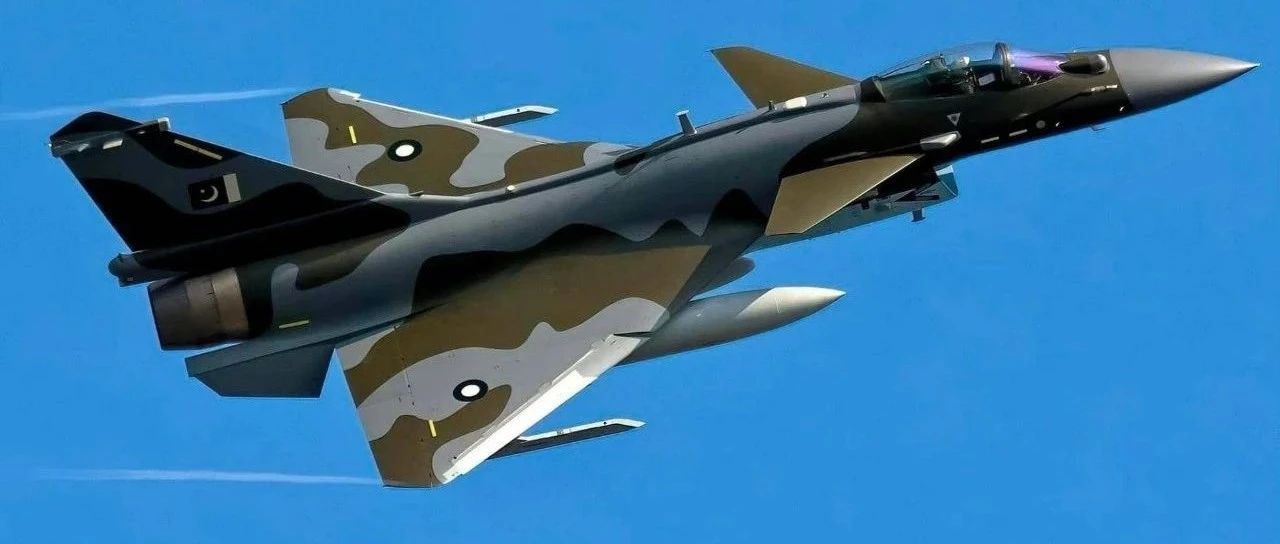
歼10C与半导体,看中国航空工业的“硅基心脏”
是说芯语· 2025-05-11 04:46
Core Viewpoint - The article discusses the advancements in China's semiconductor industry, particularly in military applications, highlighting the successful development and integration of indigenous semiconductor technologies in the J-10 fighter jet, which reflects China's progress in achieving self-sufficiency and competitiveness in the global defense sector [5][9]. Group 1: Development of Semiconductor Technology - The J-10 fighter jet represents a significant breakthrough in China's aviation industry, moving from reliance on foreign technology to developing indigenous semiconductor solutions [5]. - The avionics system of the J-10 utilizes a fiber channel (FC) bus technology with a data transmission rate of 10 Gbps, showcasing advancements in electromagnetic interference resistance compared to traditional copper cables [5]. - The J-10C model incorporates domestically produced active phased array radar, which relies on gallium nitride (GaN) T/R modules, indicating a shift towards high-purity semiconductor materials [6]. Group 2: Overcoming Technological Barriers - The J-10's flight control system transitioned from dependence on imported DSP chips to a dual-chip redundancy architecture developed by Chinese engineers, enhancing reliability and performance [6]. - The power system of the J-10 has been upgraded to utilize domestically produced IGBT chips, achieving a power increase and a 40% reduction in size, demonstrating significant advancements in energy management [7]. - The article emphasizes the importance of adapting commercial chips for military applications, illustrating how Chinese companies have innovatively modified existing technologies to meet defense requirements [8]. Group 3: Strategic Implications and Future Outlook - The military conflict between India and Pakistan serves as a practical validation of China's military capabilities, reinforcing confidence in negotiations on various fronts, including tariffs and technology [11]. - The article notes that China's military semiconductor capabilities have significantly advanced, achieving 90% localization in the J-10C, which reflects a rapid development trajectory compared to Western nations [11]. - The future of aerial combat is framed as a competition between silicon-based and carbon-based technologies, with China positioning itself to define the rules of engagement in this evolving landscape [11].


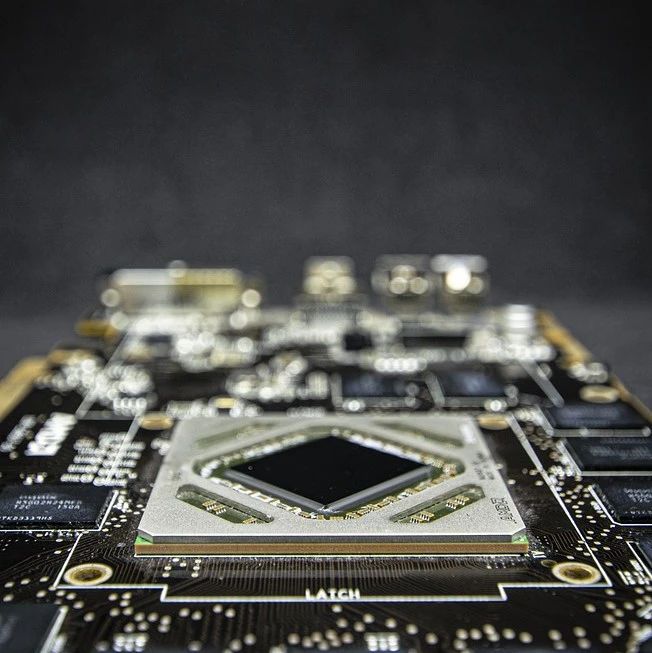
印度芯片,什么水平?
半导体行业观察· 2025-05-11 03:18
Core Viewpoint - The semiconductor industry in India is experiencing significant growth driven by increasing demand for electronic devices and the ongoing digital transformation across various sectors. The Indian government is focusing on establishing OSAT facilities and enhancing domestic manufacturing capabilities, particularly in chip production, to transition from OSAT operations to mature manufacturing capabilities [1][2]. Group 1: Industry Growth and Demand - The compound annual growth rate (CAGR) of India's semiconductor industry investment over the past five years is 10.5%, projected to reach $37.1 million by 2024 and $109.6 million by 2030 [1]. - The automotive sector is expected to account for the largest demand for semiconductors in India at 33% in 2024, followed by telecommunications at 24%, data centers at 14%, and industrial automation at 14% [2]. Group 2: Export and Market Position - India's semiconductor components export is projected to reach $4.21 billion in 2024, with a CAGR of 7.4% from 2015 to 2024, indicating robust growth [2]. - Major export products include integrated circuit chips, capacitors, printed circuit boards, and photovoltaic cells, with over 200 countries importing from India, reflecting India's improving position in the global market [2]. Group 3: Government Initiatives and Support - The Indian government has established a comprehensive policy framework under the "Make in India" and "India Semiconductor Mission" initiatives to support semiconductor ambitions, focusing on creating a world-class semiconductor manufacturing ecosystem [2]. - Key initiatives include financial support for project costs up to 50%, production-linked incentives (PLI) for electronic products, and design-linked incentives (DLI) for R&D expenditures [3].
中国军工产业将加速改变全球地缘政治格局
Hu Xiu· 2025-05-10 08:52
Core Insights - The article discusses the evolution of the U.S. semiconductor industry and its critical role in military modernization, highlighting the historical dependence of the U.S. defense system on commercial semiconductor markets [2][4][11] - The recent India-Pakistan air conflict showcases the effectiveness of China's advanced military technology, particularly the J-10C fighter jet and its integrated long-range combat systems, marking a significant moment for Chinese military exports [6][8][11] Semiconductor Industry and Military Dependence - The U.S. defense system has been aware of the impact of information technology on military capabilities since the 1970s, with a historical reliance on commercial semiconductor markets [1][2] - By the late 1980s, 90% of the U.S. semiconductor market was commercial, down from 70% military in the 1960s, indicating a shift in focus and dependency [2][3] Military Technology and Global Dynamics - The ability of a nation to develop advanced civilian technology correlates with its military strength, suggesting that countries with robust civilian tech sectors are likely to have strong military capabilities [3] - The recent air conflict between India and Pakistan demonstrated that modern air combat relies on integrated systems rather than just advanced aircraft, with China's systems proving effective [6][8] Impact of the India-Pakistan Air Conflict - The air conflict is expected to change the future landscape of military procurement, shifting demand from individual aircraft to integrated combat systems [8][11] - Price competition for military aircraft will increasingly depend on the pricing of comprehensive combat systems rather than just the aircraft themselves [9][11] - Compatibility and production capacity of integrated systems will dictate the real demand for advanced military technology [10][11] China's Competitive Advantage - China offers significant price advantages in the export of military technology, with its early warning systems priced at 40%-70% of European counterparts and fighter jets at one-third the price [7][11] - The current "high quality, low price" phase of China's military technology is likely to disrupt the markets of traditional military exporters like the U.S. and Russia [11][12] Future Considerations for Military Procurement - Most countries lack the capability to independently develop advanced military systems, leading to a reliance on either Western or Russian technology [12] - Future military procurement decisions will need to consider the compatibility of integrated systems, making the choice of supplier a critical strategic decision [12]

六个核桃,投了武汉最大独角兽
投中网· 2025-05-09 07:44
Core Viewpoint - The article discusses the significant investment made by Yangyuan Beverage in Changjiang Storage, highlighting the strategic move into the hard technology sector and the implications for both companies involved [4][10]. Investment Details - Yangyuan Beverage invested 1.6 billion RMB to acquire a 0.99% stake in Changjiang Storage, which was valued at 161 billion RMB [6][10]. - This investment was finalized in December 2023 but had been completed 17 months prior, indicating a long period of confidentiality [4][5]. - Following this investment, Yangyuan became the eighth largest shareholder of Changjiang Storage, which is primarily backed by state-owned enterprises [7]. Market Context - The investment reflects a broader trend of companies diversifying into high-tech sectors, particularly in response to competitive pressures and market changes [4][12]. - Changjiang Storage has faced significant challenges, including being placed on the U.S. Entity List, which restricts its supply chain and production capabilities [7][8]. Company Performance - Yangyuan Beverage has seen a decline in revenue and profit since 2018, prompting the need for diversification and investment in new sectors [13][14]. - The company has previously focused on marketing its flagship product, "Six Walnuts," but has struggled to maintain growth in a changing consumer landscape [12][13]. Future Prospects - The investment in Changjiang Storage is part of Yangyuan's broader strategy to explore high-tech investments, including semiconductor and data-related sectors [15][16]. - The article suggests that while the investment could provide leverage and growth opportunities, many companies still face challenges in developing effective investment strategies [16].


601939、600919,历史新高!
新华网财经· 2025-05-09 04:52
Core Viewpoint - The A-share market showed weakness with major indices declining, while dividend stocks, particularly in the banking and power sectors, performed strongly, indicating a shift towards defensive investments in uncertain market conditions [1][2][8]. Group 1: Dividend Assets Performance - Dividend assets, particularly in the banking sector, have regained attention as a stabilizing force in the market, with China Construction Bank and Jiangsu Bank reaching new historical highs [2][3]. - The performance of high-dividend stocks has been relatively stable, supported by external factors and the recent disclosure of annual and quarterly reports, which enhance the certainty of earnings in these sectors [8]. - Analysts suggest that investors should focus on high-dividend assets with strong fundamentals and lower internal crowding, especially in light of ongoing external disturbances [8]. Group 2: Innovation Drug Sector - The innovation drug sector showed initial strength, with stocks like Shuyou Shen rising over 15% at one point, reflecting positive market sentiment [9][10]. - Analysts believe that the pharmaceutical industry is poised for valuation recovery by 2025, driven by policy support, improved market recognition, and advancements in research and development [12]. - Investment opportunities are recommended in the innovation drug supply chain, high-end medical devices, and medical consumption terminals, particularly in companies with strong innovation capabilities and rich product pipelines [12]. Group 3: Semiconductor Sector - The semiconductor sector experienced significant declines, with leading companies like Huahong Semiconductor and SMIC seeing drops of 10.58% and 4.37%, respectively, negatively impacting overall market sentiment [13][15]. - Despite the traditional off-season in Q1, the semiconductor industry reported revenue and profit growth, indicating resilience due to demand for computing chips and advancements in self-sufficiency across various segments [16][17]. - Analysts maintain an overweight rating on the semiconductor sector, highlighting the clear trends of AI integration and self-sufficiency as key growth drivers [17].

港股公司深度研究聚焦氮化镓的第三代半导体领军企业
SINOLINK SECURITIES· 2025-05-09 00:30
Investment Rating - The report assigns a "Buy" rating to the company, with a target price of HKD 52.55 for 2025, based on a 35x price-to-sales (P/S) ratio [4]. Core Insights - The company is a leading high-tech enterprise focused on the research and industrialization of GaN-on-Si technology, utilizing an IDM model that integrates chip design, epitaxy growth, chip manufacturing, and packaging [2]. - The global GaN power device market is projected to grow from CNY 3.2 billion in 2024 to CNY 50.1 billion in 2028, with a compound annual growth rate (CAGR) of 98.5%, driven primarily by applications in consumer electronics and electric vehicles [2][40]. Summary by Sections Investment Logic - The company has established deep collaborations with leading firms in various sectors, including lidar, data centers, 5G communications, and electric vehicle charging, achieving mass production of GaN power devices that range from low to high voltage (15V-1200V) [2]. - GaN power devices offer advantages such as high frequency, low loss, and cost-effectiveness, making them suitable for a wide range of applications [2]. Competitive Advantages - Cost Advantage: The company benefits from an 8-inch wafer production process, which is more cost-effective and efficient compared to the 6-inch products of most competitors. The company has achieved a manufacturing yield exceeding 95% as of 2024 [3]. - Capacity Advantage: The company has established production bases in Suzhou and Zhuhai, with a monthly capacity of 13,000 8-inch GaN power wafers, positioning it as the largest in the world [3]. - Customer and Technology Advantage: The company serves well-known brands in consumer electronics, data centers, and automotive sectors, with significant growth in automotive-grade product shipments and AI-related products [3]. Financial Forecast and Valuation - Revenue projections for 2025, 2026, and 2027 are CNY 1.32 billion, CNY 2.21 billion, and CNY 3.45 billion, respectively, with year-on-year growth rates of 59%, 67%, and 56% [4][8]. - The company is expected to reduce losses significantly in 2025 and 2026, with a forecasted net profit of CNY 238 million in 2027, representing a year-on-year increase of 265% [4][8].
晚间公告丨5月8日这些公告有看头
Di Yi Cai Jing· 2025-05-08 10:35
Investment Announcements - Jincheng intends to invest approximately $231 million in the Alacran copper-gold-silver mine project, following the acquisition of a 5% stake in CMH Colombia S.A.S., which will allow it to hold a 55% stake and control the project development [3] - Huasheng Technology's subsidiary plans to sell a 5.4019% stake in Shanghai Lingkai Technology Co., Ltd. for 200 million yuan, resulting in the subsidiary no longer holding shares in the company [4] - China Merchants Bank plans to invest 15 billion yuan to establish a wholly-owned financial asset investment company, which will enhance its integrated operations and service capabilities [5] Performance Reports - Huahong's Q1 revenue reached 3.913 billion yuan, a year-on-year increase of 18.66%, while net profit dropped by 89.73% to 22.76 million yuan, indicating challenges in the semiconductor industry due to international and policy changes [7] - King Long Automobile reported a production of 4,361 buses in April, a decrease of 5.79% year-on-year, with sales of 3,611 buses, down 3.91% [8] - Zhengbang Technology's April pig sales reached 609,800 heads, with revenue of 738 million yuan, showing a significant year-on-year increase of 174.29% [9] - Sunac China achieved a contract sales amount of approximately 1.1 billion yuan in April, with a cumulative total of 11.2 billion yuan by the end of April [11] - *ST Aonong reported a pig sales volume of 132,800 heads in April, a year-on-year decrease of 14.42% [12] Major Contracts - Pinggao Electric won contracts totaling approximately 1.751 billion yuan from the State Grid, representing 14.12% of its 2024 revenue [14] - State Grid Information Technology's subsidiaries secured contracts worth 477 million yuan, positively impacting future performance [15] - Dongfang Tower won a procurement project from the State Grid worth about 100 million yuan, accounting for 2.39% of its 2024 revenue [16] - Jiaojian Co. won a construction project worth approximately 704 million yuan, with a project duration of 870 days, representing 8.43% of its 2024 revenue [17] Shareholding Changes - Ruihua Tai's shareholder plans to reduce holdings by up to 1% of the company's shares [19] - *ST Gengxing's controlling shareholder intends to increase holdings between 30 million and 60 million yuan [20] - Lexin Technology's shareholder plans to reduce holdings by up to 1.2032% of the company's shares [22] Share Buybacks - Sichuan Meifeng plans to repurchase shares worth between 50 million and 70 million yuan, with a maximum repurchase price of 10.07 yuan per share [24]



英飞凌CEO:受关税政策影响,将第四财季预期营收下调10%
news flash· 2025-05-08 10:20
5月8日,英飞凌科技股份公司发布的财报显示,截至2025年3月31日的2025财年第二季度营收为35.91亿 欧元,利润为6.01亿欧元,利润率16.7%。英飞凌科技首席执行官哈内贝克(Jochen Hanebeck)表示,"由 于目前订单量仍然没有放缓的迹象,我们只能估算关税政策的影响。因此,我们将2025财年第四季度的 预期营收下调10%,并且目前预计全年营收将较上年略有下降。" ...
三安光电(600703):2024年年报、2025年一季报点评:多元产品高端化,增长趋势前路渐显
Changjiang Securities· 2025-05-08 10:12
Investment Rating - The investment rating for the company is "Buy" and is maintained [8]. Core Insights - The company reported a revenue of 16.106 billion yuan in 2024, an increase of 14.61% year-on-year, while the net profit attributable to shareholders was 253 million yuan, a decrease of 31.02%. In Q1 2025, the revenue reached 4.312 billion yuan, up 21.23% year-on-year, with a significant net profit increase of 78.46% to 212 million yuan [2][6][11]. Financial Performance Summary - In 2024, the company achieved a gross margin of 11.90%, an increase of 1.54 percentage points year-on-year. The net profit margin for Q1 2025 improved significantly, reaching 5.04% [11]. - The company’s inventory turnover days and accounts receivable turnover days decreased by 13.11% and 7.02% respectively in 2024, indicating improved operational efficiency [11]. - The company’s LED business revenue grew by 6.56% in 2024, with high-end LED products increasing by 13.91% [11]. - The integrated circuit business saw a revenue increase of 23.86% in 2024, benefiting from a recovery in terminal market demand [11]. Future Projections - The company is projected to achieve net profits of 982 million yuan, 1.306 billion yuan, and 1.631 billion yuan for the years 2025, 2026, and 2027 respectively, with corresponding price-to-earnings ratios of 63X, 47X, and 38X [11].
