
食品

Search documents
句容市三岔食品有限公司成立 注册资本500万人民币
Sou Hu Cai Jing· 2025-08-25 23:13
天眼查App显示,近日,句容市三岔食品有限公司成立,法定代表人为朱成芮,注册资本500万人民 币,经营范围为许可项目:食品销售;食品互联网销售;食品生产;食品小作坊经营(依法须经批准的 项目,经相关部门批准后方可开展经营活动,具体经营项目以审批结果为准)一般项目:包装服务;食 品销售(仅销售预包装食品);保健食品(预包装)销售;初级农产品收购;农副产品销售;食用农产 品批发;食用农产品零售;非食用农产品初加工;企业管理;供应链管理服务(除依法须经批准的项目 外,凭营业执照依法自主开展经营活动)。 ...
特朗普关税击中黄瓜、海鲜
Di Yi Cai Jing· 2025-08-25 22:22
Core Viewpoint - The U.S. food industry is seeking exemptions from tariffs that have reached the highest levels in decades, impacting prices and supply chains [2][3]. Group 1: Tariff Impact on Food Industry - Approximately 20% of food consumed in the U.S. is imported, with significant reliance on imports for various products, including cucumbers and seafood [3][4]. - The average effective tariff rate on imported goods faced by U.S. consumers is 18.6%, the highest since 1933, potentially increasing average household spending by $2,400 by 2025 [3]. - The U.S. seafood trade deficit was $24 billion in 2022, with 90% of shrimp supply being imported, primarily from India [5][6]. Group 2: Industry Responses and Concerns - Food industry associations are warning that tariffs could lead to significant price increases, particularly for products like cucumbers, which have seen import levels rise from 35% in 1990 to nearly 90% [4]. - Major retailers like Walmart and Target have reported rising costs due to tariffs, with Walmart's same-store inflation rate increasing by 1.1% year-over-year as of early August [10]. - Target's sales have slowed, and the company is negotiating with suppliers to avoid passing on tariff-related price increases to consumers [11]. Group 3: Economic Projections - Economists predict that overall U.S. inflation could rise from 2.5% in the second quarter to around 3.5% by the end of the year, influenced by tariff impacts on retail prices [13].



沧州鸿竣食品有限责任公司成立 注册资本50万人民币
Sou Hu Cai Jing· 2025-08-25 21:46
Group 1 - A new company named Cangzhou Hongjun Food Co., Ltd. has been established with a registered capital of 500,000 RMB [1] - The legal representative of the company is Yan Runtong [1] - The business scope includes food production, food sales, and tea product manufacturing, among other activities [1] Group 2 - The company is authorized to engage in food production and sales, subject to necessary approvals from relevant authorities [1] - General business activities include primary processing of edible agricultural products, acquisition of primary agricultural products, and wholesale of edible agricultural products [1] - The company also plans to sell fresh fruits, unprocessed nuts, dried fruits, and daily necessities [1]
3800点基民大调查 基金仍是主流配置
Zhong Guo Ji Jin Bao· 2025-08-25 15:32
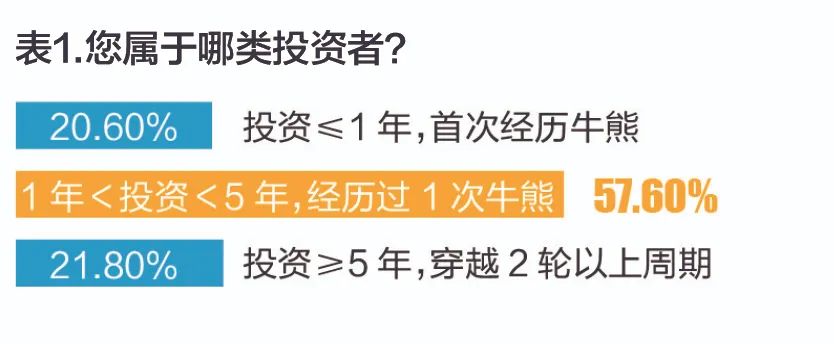
Core Insights - The Shanghai Composite Index has surpassed 3800 points, reaching its highest level in over ten years, with investor sentiment shifting towards cautious optimism [1][15][20] - A survey of over 50,000 fund investors indicates a significant portion are adopting defensive strategies while maintaining a long-term optimistic outlook on the market [1][18][21] Investor Sentiment and Behavior - Approximately 49.7% of investors are opting to reduce their positions or lower risk, while 70% believe the market will continue to break through resistance levels [18][20] - The majority of investors (57.6%) have 1-5 years of investment experience, indicating a relatively inexperienced investor base [5][3] - Fund investments are the primary choice for 62.5% of respondents, highlighting a preference for mutual funds over other asset classes [8] Investment Strategies - A mix of investment strategies is evident, with 45.8% favoring swing trading and 39.9% opting for long-term holding [28] - The use of leverage is divided, with 35.2% of investors employing it, while 51.1% avoid it altogether, reflecting varied risk appetites [27] Sector Preferences - Over 50% of investors are optimistic about the technology sector, with significant interest also in consumer and financial sectors [25][26] - A notable 90.3% of investors plan to adjust their portfolio structures, with a strong inclination towards value stocks [26] Information Sources and Decision-Making - Investors primarily rely on financial media (62.0%) and social platforms (53.8%) for investment information, indicating a shift towards more accessible information sources [29] - Company financial reports and macroeconomic data are the most critical factors influencing investment decisions, with 53.6% and 40.7% of investors respectively prioritizing these [30] Trends in Fund Management - The preference for index funds and ETFs has risen, with 51% of investors favoring these over actively managed funds [33][34] - The influence of star fund managers is waning, with 55% of investors viewing their insights as merely reference points rather than definitive guidance [35][36] Investor Concerns and Suggestions - Economic downturns are the primary concern for 46.9% of investors, followed by liquidity tightening and policy shifts [24] - Investors express a desire for lower fees and improved transparency in fund management, reflecting a growing demand for better investment practices [38]
来了!3800点,大调查
Zhong Guo Ji Jin Bao· 2025-08-25 15:08
Core Insights - The Shanghai Composite Index has surpassed 3800 points, reaching its highest level in over ten years, with investor sentiment shifting towards cautious optimism [1][18] - A survey of over 50,000 fund investors indicates that funds remain the primary investment choice, with a significant portion of investors planning to adjust their portfolio towards value stocks [1][24] Investor Sentiment and Behavior - The majority of investors are categorized as "growth-oriented," with nearly 50% expressing optimism about the long-term market outlook despite current high volatility [1][3] - Approximately 70% of respondents believe the market will continue to break through resistance levels, driven by economic fundamentals and policy factors [1][18] Investment Strategies - A notable 45.8% of investors prefer "swing trading," while 39.9% favor "long-term holding," indicating a flexible approach to investment strategies [26] - The rise of index-based investments is evident, with 51% of investors favoring ETFs and index funds, reflecting a shift towards low-cost and transparent investment options [31][32] Portfolio Composition - Fund investments account for 62.5% of investor preferences, followed by stocks and bonds at 37% and 38.3% respectively, indicating a strong inclination towards fund-based strategies [6][10] - Over 70% of investors maintain a moderate exposure to equities, with 36.1% classified as "heavy" investors holding 60%-90% in equity assets [10][12] Risk Awareness - Investors exhibit a cautious approach, with 49.7% opting to reduce exposure or lower risk, while only 24.6% are willing to increase their positions [16] - The primary concerns among investors include economic downturns (46.9%), liquidity tightening (42.9%), and potential policy shifts (35%) [22] Sector Preferences - The technology sector is favored by over 50% of investors, followed by consumer and financial sectors, indicating a strong belief in innovation and growth potential [23][24] - A significant 90.3% of investors plan to adjust their portfolio structure, with a focus on value stocks to mitigate risks associated with market volatility [24] Information Sources and Decision-Making - Investors primarily rely on financial media (62%) and social platforms (53.8%) for investment information, highlighting a trend towards more accessible and interactive content [27] - Company financial reports (53.6%) and macroeconomic data (40.7%) are deemed the most critical factors influencing investment decisions, underscoring a data-driven approach [28] Fund Manager Selection - The experience and past performance of fund managers are the most critical criteria for investors, with 51.4% prioritizing these factors over other considerations [34][35] - The influence of "star fund managers" is diminishing, as investors increasingly focus on the underlying research and investment strategies rather than celebrity status [33]
来了!3800点,大调查
中国基金报· 2025-08-25 15:01
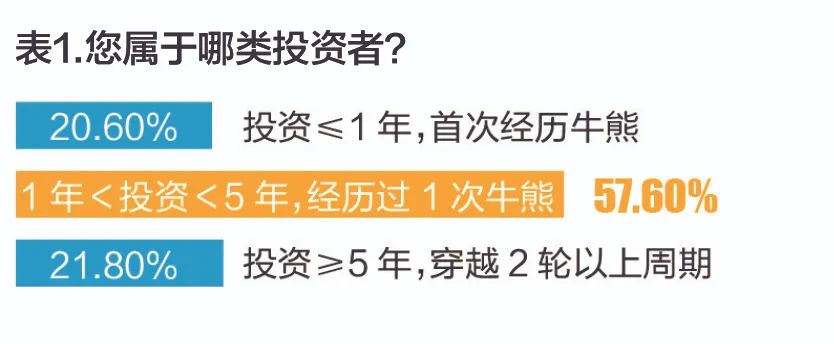
Core Viewpoint - The survey indicates that fund investors are primarily optimistic about the long-term market outlook, despite current high volatility, with a significant portion opting for defensive strategies like reducing positions [2][21][23]. Investor Structure - The majority of respondents have 1 to 5 years of investment experience, making them "mid-term players," while 21.8% have over 5 years of experience [6]. - Fund investments are the most favored asset class, with 62.5% of investors choosing various types of funds, including active equity funds, ETFs, and bond funds [9]. Market Sentiment and Positioning - Over 70% of investors maintain a positive outlook on the market, believing the index can break through resistance levels [21][23]. - Nearly 60% of investors are currently holding positions that are underwater, indicating a cautious approach amid market fluctuations [16]. Investment Strategies - A significant 49.7% of investors are opting for defensive strategies, such as reducing positions, while 24.6% are looking to increase their holdings [21]. - The preferred investment strategies include "swing trading" (45.8%) and "long-term holding" (39.9%), reflecting a flexible approach to market conditions [34]. Sector Preferences - The technology sector is the most favored, with 50.1% of investors expressing interest, followed by consumer and financial sectors [30]. - A notable 90.3% of investors plan to adjust their portfolio structures, with a focus on value stocks [31]. Use of Leverage - There is a clear divide in the use of leverage among investors, with 35.2% using it, while 51.1% do not [33]. Information Sources - Investors primarily rely on financial media (62.0%) and social platforms (53.8%) for investment information, indicating a shift towards more interactive and accessible content [37][38]. Decision-Making Factors - Company financial reports (53.6%) and macroeconomic data (40.7%) are the most critical factors influencing investment decisions, highlighting a data-driven approach [40]. Index Fund Popularity - ETFs and index funds have become the preferred investment choice for 51% of investors, reflecting a growing trend towards low-cost and transparent investment options [45]. Fund Manager Influence - The influence of "star fund managers" is diminishing, with 55% of investors viewing their insights as reference points rather than absolute guides [47]. Selection Criteria for Funds - The experience and performance of fund managers are the most important criteria for investors when selecting funds, with 51.4% prioritizing these factors [49]. Investor Feedback on Industry - Investors express a desire for lower fees, better product offerings, and improved transparency in the fund industry, indicating a demand for long-term stability and growth [52].

价格全方位多维跟踪体系(2025.08):反内卷语境看价格结构性修复
Guoxin Securities· 2025-08-25 13:14
Core Insights - The report highlights a structural price recovery in the context of anti-involution, with significant price movements observed across various sectors, particularly in upstream coal, midstream agriculture, and downstream chemicals [1][2][3] - A total of 49 major products were tracked, with 19 experiencing price increases, 28 seeing declines, and 2 remaining stable as of early August 2025, indicating a clear divergence in price trends across different industries [1][2] Price Tracking of Key Production Materials - As of early August 2025, prices for key production materials showed a mixed trend, with notable increases in upstream coal products and certain chemicals, while black metals and construction materials continued to face downward pressure due to weak downstream demand [1][2] - Year-on-year data indicates that industrial prices are still in a downward trend, but the rate of decline is stabilizing, with some sectors like steel and certain chemicals beginning to recover [1][2][3] Price Changes Across Industry Chains - Recent data indicates that upstream industries remain weak, with coal prices declining by 6% to 7%, while midstream sectors show signs of recovery, with indices for bulk commodities and shipping improving [2][3] - Downstream sectors are under pressure, particularly in real estate and traditional medicine, while food prices remain stable with slight declines in certain agricultural products [2][3] Industry Price Sentiment Tracking - The report analyzes price differentials across the supply chain, revealing that upstream resource prices are generally weak but exhibit significant differentiation, with precious metals and some non-ferrous metals performing well [3] - The midstream bulk commodity index has shown signs of recovery, while the construction materials sector continues to struggle, reflecting ongoing challenges in the real estate market [3]
妙可蓝多(600882):2025年中报点评:奶酪主业增长稳健,H1归母净利+86%
Guoyuan Securities· 2025-08-25 12:41
Investment Rating - The report maintains a "Buy" rating for the company [4][7] Core Views - The company's main business in cheese shows steady growth, with a 14.85% year-on-year increase in revenue for the cheese segment in H1 2025 [2] - The overall revenue for H1 2025 reached 2.567 billion yuan, representing a 7.98% increase, while the net profit attributable to the parent company surged by 86.27% to 133 million yuan [1][2] - The company is expected to achieve net profits of 214 million yuan, 328 million yuan, and 434 million yuan for the years 2025, 2026, and 2027, respectively, with growth rates of 88.33%, 53.17%, and 32.43% [4] Revenue and Profitability - In H1 2025, the company's revenue from cheese, trade, and liquid milk was 2.136 billion yuan, 230 million yuan, and 187 million yuan, respectively [2] - The gross profit margin for the company was 30.81%, with a slight decrease of 0.32 percentage points year-on-year [3] - The net profit margin increased by 2.18 percentage points year-on-year to 5.18% in H1 2025, primarily due to a reduction in sales expenses [3] Product Performance - The three major cheese product lines continued to show positive growth, with the restaurant industrial series leading with a 36.26% increase in revenue [2] - The company's cheese business revenue accounted for 83.67% of its main business revenue, up from 82.02% in the same period last year [2] Financial Forecast - The report projects the company's revenue for 2025 to be approximately 5.446 billion yuan, with a year-on-year growth of 12.41% [6] - The expected earnings per share (EPS) for 2025 is 0.42 yuan, with a projected price-to-earnings (P/E) ratio of 64.82 [6][4]

金徽酒(603919):稳健经营夯实底盘,中高端产品增速领先
Guoyuan Securities· 2025-08-25 12:41
Investment Rating - The report maintains a "Buy" rating for the company, indicating a positive outlook for its stock performance relative to the benchmark index [5][8]. Core Insights - The company reported a total revenue of 1.759 billion yuan in the first half of 2025, reflecting a slight increase of 0.31% year-on-year, while the net profit attributable to shareholders was 298 million yuan, up by 1.12% [1]. - The growth in high-end products priced above 300 yuan continues to lead, with a revenue increase of 21.60% year-on-year, while products priced below 100 yuan saw a significant decline in revenue by 29.78% [2]. - The internet sales channel experienced substantial growth, with a 29.30% increase in revenue in the first half of 2025, indicating a shift in consumer purchasing behavior [3]. Financial Performance Summary - The gross profit margin for the first half of 2025 was 65.65%, an increase of 0.53 percentage points year-on-year, although the second quarter saw a slight decline to 63.67% [4]. - The net profit margin for the first half of 2025 was stable at 16.95%, but decreased to 9.90% in the second quarter due to fluctuations in gross margin and fixed expenses [4]. - The company expects net profits for 2025, 2026, and 2027 to be 397 million, 431 million, and 470 million yuan respectively, with growth rates of 2.34%, 8.53%, and 8.97% [5].

口子窖(603589):2025年中报点评:二季度承压,静待后续改善
Guoyuan Securities· 2025-08-25 11:44
Investment Rating - The report maintains a "Buy" rating for the company, expecting a profit growth in the coming years despite current challenges [5]. Core Views - The company experienced significant revenue and profit declines in the first half of 2025, with total revenue of 2.531 billion yuan, down 20.07% year-on-year, and a net profit of 715 million yuan, down 24.63% year-on-year [1]. - The high-end liquor segment faced the most substantial revenue drop, indicating a challenging market environment [2]. - The direct sales channel, particularly e-commerce, showed strong growth, contrasting with the struggling wholesale channel [2][3]. - The company is optimizing its distributor structure, with an increase in the number of distributors both within and outside its home province [3]. - Profit margins were affected by the overall weak demand in the industry, particularly for high-end products, leading to a decline in gross and net profit margins [4]. Summary by Sections Financial Performance - In H1 2025, the company's revenue from high-end, mid-range, and low-end liquor was 2.385 billion, 32 million, and 68 million yuan respectively, with declines of 19.80%, 10.82%, and 2.59% year-on-year [2]. - The gross profit margin for H1 2025 was 73.07%, down 2.77 percentage points year-on-year, while the net profit margin was 28.25%, down 1.71 percentage points [4]. Sales Channels - The wholesale channel, which accounts for over 90% of revenue, saw a significant decline, with H1 2025 revenue of 2.352 billion yuan, down 21.26% year-on-year [2]. - In contrast, the direct sales channel, including e-commerce, reported a revenue of 133 million yuan in H1 2025, up 44.57% year-on-year [2]. Regional Performance - Revenue from both the home province of Anhui and outside provinces declined in H1 2025, with Anhui revenue at 2.101 billion yuan and outside revenue at 384 million yuan, both down approximately 19% year-on-year [3]. Profitability Forecast - The company forecasts net profits of 1.247 billion, 1.314 billion, and 1.393 billion yuan for 2025, 2026, and 2027 respectively, with expected growth rates of -24.66%, 5.41%, and 5.98% [5].
