
酒业

Search documents
重磅!2025年度北京十大商业品牌公众投票启动 快来为心仪品牌助力
Sou Hu Cai Jing· 2025-12-19 08:21
Group 1 - The core theme of the event is "new demand, new supply," focusing on new consumer trends and brand dynamics [3] - The voting for the 2025 Beijing Top Ten Commercial Brands has officially started and will continue until January 10, 2026 [1] - The event is guided by the Beijing Municipal Bureau of Commerce and co-hosted by Beijing Daily Media Group and Beijing Commercial Association, making it a significant annual event in the capital's commercial sector [1] Group 2 - The event has evolved over twenty years into a highly authoritative and influential annual event in the capital's commercial field, serving as a benchmark for industry development [1] - A wide range of brands from various sectors, including retail, dining, e-commerce, home furnishings, and liquor, have actively participated in the event [3] - The recognition of outstanding brands relies not only on expert evaluations but also on consumer acknowledgment, emphasizing the importance of public participation [4]

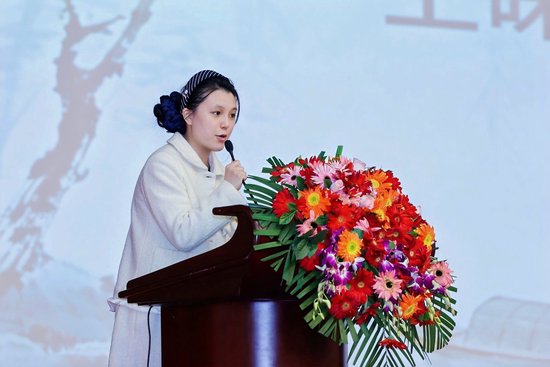
贵州上味酒业李思敏:售后服务连接的不仅是产品与消费者,更是一份承诺与信任的延续
Xin Lang Cai Jing· 2025-12-19 08:17
"第十二届全国售后服务大会"于2025年12月19日在北京举行。贵州上味酒业有限公司董事长李思敏出席 并演讲。 李思敏指出,售后服务连接的不仅是产品与消费者,更是一份承诺与信任的延续。 专题:第十二届全国售后服务大会暨标准宣贯活动 "第十二届全国售后服务大会"于2025年12月19日在北京举行。贵州上味酒业有限公司董事长李思敏出席 并演讲。 李思敏指出,售后服务连接的不仅是产品与消费者,更是一份承诺与信任的延续。 她说,在许多人看来,白酒是情感的载体,是文化的符号。但上味思考的是,白酒能否同时也是健康生 活方式的组成部分。因此,上位从创立之初就立志成为一个重新定义中国白酒的品牌。"我们的初心非 常的明确,让中国白酒更健康,让世界人民喝到更好的酒"。 她介绍,上味携手顶尖科研力量,建立了健康酿造院士创新团队工作站。在工作站的引领下,公司聚焦 于酿造全过程的健康因子研究与应用,从原料的精细筛选到酿造过程中有益微生物群落的管理与优化。 从精准控制发酵环节,到更洁净、更高效的蒸馏与存储技术。 "我们的目标清晰而坚定,让每一瓶上味酒都必须是健康酿造的结晶",她说。 她说,在许多人看来,白酒是情感的载体,是文化的符号。但 ...
酒仙集团董事长郝鸿峰:容大酱酒战略新品已签约超800家经销商
Xin Lang Cai Jing· 2025-12-19 07:48
Core Viewpoint - The chairman of JiuXian Group, Hao Hongfeng, delivered a speech titled "Breaking the Situation 2026" on December 19, emphasizing the need for the liquor industry to adapt to current market challenges and seize opportunities during the adjustment period [1][2]. Group 1: Industry Challenges - The most affected segment during the current adjustment is the couple-owned tobacco and liquor stores, indicating a significant impact on small retailers [3][5]. - Liquor companies are advised to "reduce volume and stabilize prices" as a strategy to navigate through the current market conditions [3][5]. Group 2: Opportunities - The current period of market adjustment is viewed as a prime opportunity for industry professionals to capitalize on potential growth and innovation [3][5]. - JiuXian Group has signed contracts with over 800 distributors for its Rongda Sauce Liquor, showcasing a proactive approach to expanding its market presence despite the challenges [3][5].

酒业焦虑?宋书玉喊话:三大不变定军心,四大变化迎新机
Zhong Guo Jing Ying Bao· 2025-12-18 13:31
Core Viewpoint - The 29th "Consensus, Co-construction, and Sharing" conference of Wuliangye was held on December 18, focusing on "New Situations, New Opportunities, New Journeys," highlighting a shift in strategic thinking for the upcoming year [1] Industry Overview - The liquor industry is currently facing four major issues: overcapacity, high inventory, price inversion, and lack of consumption scenarios [2] - Despite these challenges, there are signs of positive change, including optimization of production capacity, alleviation of high inventory, stabilization of price inversion, and recovery of consumption scenarios [2] Strategic Recommendations - The industry needs to undergo transformations in four areas: 1. Marketing strategies should adapt to rational demand 2. Market supply strategies must change in response to price inversion 3. Traditional consumption scenarios need to evolve due to their absence 4. Companies should proactively adjust expectations and even manage profits and losses rationally under downward pressure [2] Thematic Shift - The theme of the conference was changed from "Co-negotiation, Co-construction, and Sharing" to "Consensus, Co-construction, and Sharing," emphasizing long-term cooperative relationships over mere commercial negotiations [2]

杨陵江1.59亿港元抄底怡园酒业:资本布局与行业困局下的双向博弈
Xin Lang Cai Jing· 2025-12-18 05:32
Core Insights - Yang Lingjiang, founder of 1919 Wine Supply, acquired 73.63% of Yiyuan Wine Industry for approximately HKD 159 million, becoming the new controlling shareholder and actual controller of the largest wine producer in Shanxi [1][6] - This acquisition represents a strategic move for Yang to enhance his wine industry portfolio and a potential turnaround attempt for Yiyuan, which has been struggling with performance issues [1][6] Acquisition Details - The acquisition was completed on December 12, with Yang purchasing 589 million shares, representing 73.63% of Yiyuan's total shares [2][7] - Yiyuan's market capitalization was only HKD 212 million prior to the suspension, with an estimated net asset value of approximately HKD 226 million by the end of 2024 [2][7] - The funding for this acquisition came from Yang's personal funds, unrelated to 1919, following his recent restructuring efforts that significantly reduced 1919's debt from 92% to below 20% [2][7] Company Background - Yiyuan Wine Industry was founded in 1997 and became the first boutique winery listed on the Hong Kong Stock Exchange in June 2018 [3][8] - The company has faced significant performance volatility post-IPO, with three years of losses out of seven, and a projected loss exceeding HKD 41 million for 2024 [3][8] - Despite a revenue increase of 42.5% in the first half of 2025, the company has struggled to reverse its declining trend [3][8] 1919 Wine Supply Overview - 1919 Wine Supply, established in 2005, is a leading player in China's new retail wine sector, with a total transaction volume of HKD 11 billion in 2023 and over 5,000 stores [4][9] - The company faced challenges, including delisting from the New Third Board in June 2023, and is currently undergoing a strategic transformation to focus on high-quality store operations [4][9] - The acquisition of Yiyuan is seen as a critical step for Yang to restart the capitalized growth of 1919, with plans to integrate Yiyuan into a broader business model alongside 1919 and Tianmu International [4][9] Industry Context - The domestic wine industry is currently experiencing a downturn, characterized by weak demand, high inventory levels, and excess raw wine, leading to production cuts and overall contraction [5][11] - Despite the alignment of interests between Yang and Yiyuan, the challenging market conditions pose significant risks to the potential synergies from the acquisition [5][11]
曾从钦:2025年极不容易,五粮液主动应市调整
Xin Lang Cai Jing· 2025-12-18 04:07
Core Insights - The core theme of the conference was "New Situation, New Opportunities, New Journey," highlighting the significant challenges faced by the Chinese liquor industry in 2025, which is undergoing a comprehensive and disruptive transformation in product, market, and consumption structures [1][7]. Group 1: Strategic Adjustments - The company is proactively adjusting to market conditions by helping channels reduce inventory and restore market ecology [1][7]. - It is also easing pressure by slowing down delivery rhythms and coordinating resources to empower market sales [1][7]. - The company is innovating its marketing mechanisms to stabilize existing sales, expand new sales, and seek variable growth amidst deep industry adjustments [1][7]. Group 2: Key Initiatives - The company emphasizes the importance of excellent quality as the foundation of its business, striving to enhance product quality for sustainable growth [2][9]. - It focuses on brand culture as the core of its enterprise, working to elevate brand value and strengthen brand leadership confidence [3][10]. - The company is committed to innovation as a vital aspect of its operations, enhancing market responsiveness and expanding its reach through effective channel innovation, including the addition of 474 new "three stores and one company" and the launch of a major membership system [3][10]. - The company is actively developing e-commerce partnerships with major platforms like JD.com and Tmall, improving its official store system and implementing instant retail [3][10]. - It is also fostering cross-industry collaborations and group purchasing with large enterprises, establishing direct sales networks with companies like Huawei and CATL [3][10]. Group 3: Governance and Performance - The company is dedicated to market-oriented operations as a governance strategy, aiming to enhance market mechanisms and improve modern governance levels [4][11]. - It is focused on striving for excellence to enhance overall efficiency and steadily progress towards becoming a top-tier enterprise [5][12].

穿越周期,重塑价值:2025中国酒业深度调整与未来展望
Sou Hu Cai Jing· 2025-12-18 03:17
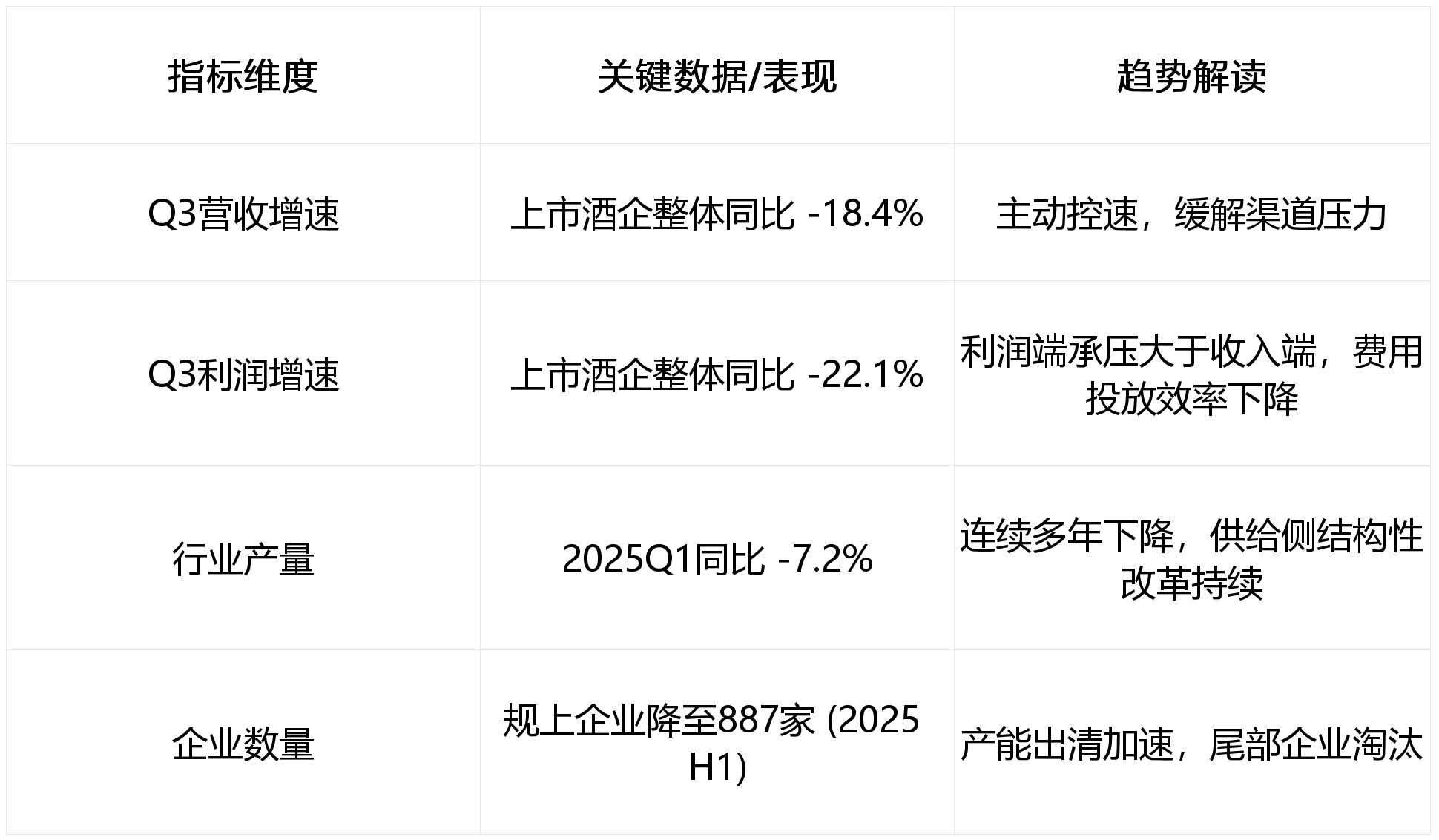
Core Viewpoint - The Chinese liquor industry is entering a deep adjustment phase in 2025, characterized by unprecedented changes and restructuring due to complex macroeconomic conditions and shifts in consumer demand [1] Group 1: Changes in Cycle - 2025 marks a watershed year for the Chinese liquor industry, transitioning from "incremental expansion" to "stock game" amid a prolonged adjustment phase [2] - The industry is experiencing a "triple overlap" of macroeconomic cycles, industrial structure cycles, and generational consumption changes [2] - In Q3 2025, listed liquor companies reported an 18.4% year-on-year decline in revenue and a 22.1% drop in net profit, largely due to companies' proactive measures to ease channel financial pressures [3] - The liquor industry's production volume decreased by 7.2% year-on-year in Q1 2025, indicating a potential eighth consecutive year of decline [4] - The number of large-scale enterprises in the industry has sharply decreased from 1,593 in 2017 to 887 in the first half of 2025, highlighting the accelerated exit of smaller firms lacking competitive advantages [4] Group 2: Changes in Structure - The competition landscape is showing extreme differentiation, with the concentration of the industry increasing significantly [6] - The market share of the top six liquor companies (CR6) in terms of production, revenue, and profit reached 14%, 46%, and 62% respectively in 2023, with further growth expected by 2025 [7] - High-end price segments (above 1,000 yuan) remain stable, while the mid-range (300-800 yuan) is under pressure from weak business consumption, and the low-end (100-300 yuan) is gaining traction due to a return to rational consumption [8] Group 3: Changes in Demand - The industry is shifting from a "channel-driven" model to a "consumer-driven" approach, necessitating comprehensive product and marketing innovations [10] - Traditional consumption scenarios are declining, with a rise in "self-drinking," "small gatherings," and "banquet" scenarios, emphasizing quality and cost-effectiveness over mere status [10] - The younger generation is reshaping the market, favoring lower-alcohol beverages and mixed drinks, prompting major brands to innovate and engage with this demographic [11] - The consensus among liquor companies is to prioritize "de-stocking" and "promotions" over mere performance growth, utilizing digital tools for more effective marketing [11] Group 4: Future Outlook - The industry is expected to transition to a new phase of "high-quality development," with growth rates stabilizing at single digits or even negative in some years [13] - Policy impacts are dual-faceted, with anti-corruption measures limiting high-end liquor demand while economic stimulus policies may boost overall consumption [14] - Internationalization is becoming essential for leading liquor companies, with exports maintaining growth and a shift from product export to brand establishment in overseas markets [15] - The industry is at a critical juncture, where only resilient companies that embrace change will thrive in the new landscape [16]



中酒协理事长宋书玉“呼吁”:酒类消费已进入“三理性时代”,理性增长是产业当下明智的选择
Xin Lang Cai Jing· 2025-12-18 01:58
Core Viewpoint - The Chinese liquor industry has entered the "Three Rationality Era" characterized by rational consumer attitudes, pricing, and choices [1][3] Group 1: Consumer Behavior - Consumers are increasingly focused on the real value of products, cultural identity, and emotional resonance [1][3] - Rational growth is considered a wise choice for the industry at this time [1][3] Group 2: Industry Strategy - The industry should proactively slow down growth rates to address accumulated contradictions [1][3] - There is a need to actively create new demand and enhance service quality [1][3] - Understanding and leading changes in consumer behavior is essential for the industry [1][3] Group 3: Product Positioning - The goal is to make fine liquor a source of comfort in consumers' spiritual world and enjoyment in their material world [1][3]
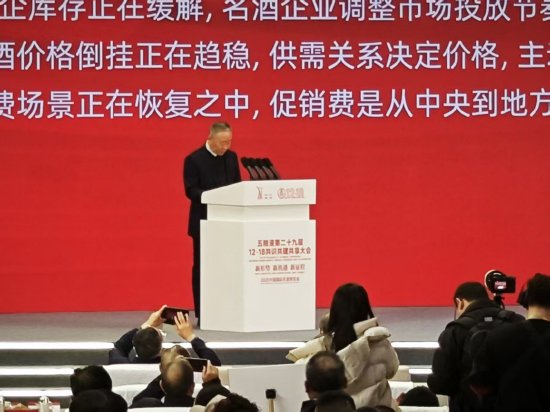
中酒协理事长宋书玉回应“酒业发展困境”:产能正实现高度优化,业外蹭热度资本退出
Xin Lang Cai Jing· 2025-12-18 01:53
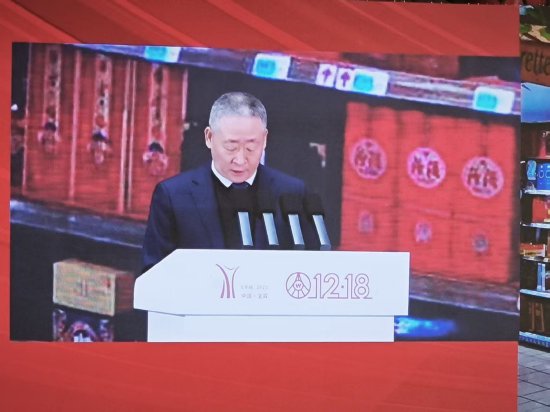
12月18日,五粮液第二十九届12·18共识共建共享大会上,中国酒业协会理事长宋书玉表示,当前产业 存在产能过剩、高企库存、价格倒挂及场景缺失四大问题。 他分四点解释:"首先,产能正在实现高度优化,表现在优质产能增长,劣质产能下降,业外蹭热度资 本退出,小企业停产,名酒企业贮存能力提升" "其次是高企库存正在缓解,名酒企业调整市场投放节奏,主动纾解库存压力,消化库存成效明显" "第三,名酒价格倒挂正在趋稳,供需关系决定价格,主动调整供需是保持价格稳定永远的法宝" "第四,消费场景正在恢复之中,场景持续恢复是不可逆转的趋势"。 他分四点解释:"首先,产能正在实现高度优化,表现在优质产能增长,劣质产能下降,业外蹭热度资 本退出,小企业停产,名酒企业贮存能力提升" "第三,名酒价格倒挂正在趋稳,供需关系决定价格,主动调整供需是保持价格稳定永远的法宝" "第四,消费场景正在恢复之中,场景持续恢复是不可逆转的趋势"。 责任编辑:江钰涵 12月18日,五粮液第二十九届12·18共识共建共享大会上,中国酒业协会理事长宋书玉表示,当前产业 存在产能过剩、高企库存、价格倒挂及场景缺失四大问题。 "其次是高企库存正在缓解,名酒企 ...
政策暖风拂面,“禁酒令”松绑还是精准纠偏?
Sou Hu Cai Jing· 2025-12-17 13:46
两大信号直指内需提振,让争议已久的"禁酒令" 松绑话题瞬间冲上行业热搜。在酒业面临近十年最差 季度业绩的背景下,无疑是一剂"强心针",但"禁酒令"真的会松绑吗? 近日,在北京召开的2025年中央经济工作会议明确提出,"清理消费领域不合理限制措施"、"全方位扩 大国内需求",加之《求是》发表的《扩大内需是战略之举》重磅文章。 层层加码,从"公务禁酒"到"全面受限" 2025年5月,新版《党政机关厉行节约反对浪费条例》正式生效,其中"公务接待不上酒"的规定引发行 业震荡。 "禁酒令"核心是针对公职人员违规吃喝的纪律约束,其初衷是遏制公款消费、权力寻租等乱象,并非禁 止正常酒类消费。正如人民网评论指出:"禁止违规吃喝,不是吃喝都违规。" 但在部分地区执行过程中,"层层加码""一刀切"现象时有发生,不仅让政务、商务宴请等合法消费场景 受限,更导致消费者产生心理顾虑,"不敢喝、不愿喝"的氛围直接冲击酒类市场。 数据显示,2025年前三季度,18家白酒上市企业实现营收总额3176.58亿元,同比下降5.84%;净利润总 额1226.90亿元,同比下降6.88%。而第三季度单季表现更糟,18家企业营收总额仅779.40亿元 ...