
体育用品

Search documents
地缘政治压过经济议题!美军空袭升级以伊冲突 未来一周还有何看点?
智通财经网· 2025-06-23 00:53
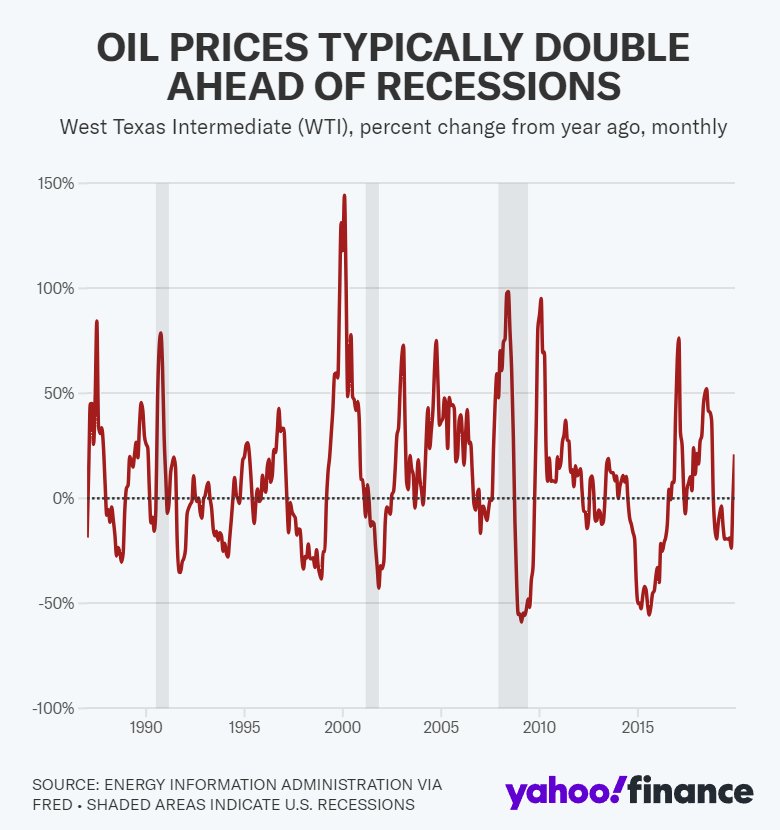
Geopolitical Risks and Market Resilience - The ongoing Israel-Iran conflict has not significantly impacted the market, but recent U.S. military actions may change this situation [2] - The S&P 500 index has remained relatively stable since the conflict began, with a slight increase in oil prices by approximately 10% since June 13 [2] - A warning has been issued regarding the potential economic impact if oil prices rise significantly, with a critical threshold identified at $120 per barrel [2] Federal Reserve and Interest Rate Discussions - The Federal Reserve's recent meeting concluded with no change in interest rates, maintaining a forecast of a 50 basis point cut by the end of 2025 [5] - There is a growing concern about "stagflation," where economic growth slows while inflation remains above the 2% target [5] - Disagreements among Fed officials regarding interest rate cuts and inflation trends are expected to influence future policy decisions [5] Inflation Data Outlook - The upcoming release of the May core PCE price index is anticipated to show an annual increase from 2.5% in April to 2.6%, with a monthly rate expected to remain at 0.1% [9] - Analysts suggest that while this data may be positive for the Fed, uncertainties surrounding tariff policies could complicate the inflation outlook [9] S&P 500 Index Performance - The S&P 500 index has been hovering near historical highs but has not yet surpassed the record closing of 6144.15 points set on February 19 [12] - Historical analysis indicates that after significant declines, the S&P 500 typically takes over three months to reach new highs after coming within 5% of previous peaks [12]

赞助顶流苏超,还得是“江苏孩子”?
凤凰网财经· 2025-06-21 12:03
Core Viewpoint - The "Su Super" football league has gained significant popularity in a short time, with average attendance increasing from 7,745 to 25,802 in just one month, and social media engagement reaching over 7 billion views on Douyin [1][2]. Sponsorship Expansion - The number of sponsors for the "Su Super" has tripled from the first round to the fourth, with a total of 19 sponsors now involved, indicating a surge in interest and investment in the league [2][3]. - Notable sponsors include major brands like JD.com, Ideal, and Heineken, reflecting the league's growing commercial appeal [3][4]. Sponsorship Dynamics - The exit of "Karma Sports" as an official partner and the entry of "WQK Sports" highlights the competitive nature of sponsorship in the league, with limited slots for official partners [4][5]. - The sponsorship structure includes various levels, with the most significant increase seen in the "official strategic partner" category, which added six new sponsors [5][6]. Local vs. Non-local Sponsorship - While "Karma Sports" has been a long-time sponsor, its departure in favor of a local company underscores the preference for local representation in sponsorship roles [8][9]. - The league's sponsorship landscape shows a mix of local and non-local companies, with many sponsors having ties to Jiangsu, enhancing the regional connection [11][12]. Economic Impact and Pricing - The price for official sponsorship has surged to 3 million RMB, a significant increase from the initial total season sponsorship of 8 million RMB by Jiangsu Bank [10]. - Comparatively, the sponsorship costs for "Su Super" are much lower than those for the Chinese Super League, indicating a potential for growth in sponsorship revenue as the league gains popularity [10][11]. Cultural and Regional Significance - The league's success is attributed to its integration of local culture and humor, which resonates with audiences and enhances viewer engagement [14][17]. - The competitive nature of local brands and the emphasis on regional identity contribute to the league's unique appeal, distinguishing it from other regional leagues [18][19].

【财闻联播】饿了么原CEO被警方带走!前5月证券交易印花税大增52.4%
券商中国· 2025-06-20 11:55
Macro Dynamics - In the first five months of 2025, China attracted foreign investment amounting to 358.19 billion RMB, a year-on-year decrease of 13.2% [1] - The number of newly established foreign-invested enterprises reached 24,018, marking a 10.4% increase year-on-year [1] - High-tech industries saw a significant increase in foreign investment, with e-commerce services up 146%, aerospace manufacturing up 74.9%, chemical pharmaceuticals up 59.2%, and medical equipment manufacturing up 20% [1] - Investment from ASEAN countries grew by 20.5%, while Japan, the UK, South Korea, and Germany saw increases of 70.2%, 60.9%, 10.3%, and 7.1% respectively [1] Financial Data - From January to May, the total stamp duty on securities transactions reached 66.8 billion RMB, a 52.4% increase year-on-year [2] - The overall stamp duty collected during the same period was 178.7 billion RMB, reflecting an 18.8% year-on-year growth [2] Industry Policies - The "old-for-new" subsidy policy for consumer goods will continue, with central funds being allocated in batches throughout the year [3] - A total of 300 billion RMB in national bond funds will be directed to support local governments in implementing the "old-for-new" policy [3] Energy Consumption - In May, China's total electricity consumption reached 809.6 billion kWh, a year-on-year increase of 4.4% [5] - Cumulative electricity consumption from January to May was 39,665 billion kWh, reflecting a 3.4% year-on-year growth [5] Company Dynamics - Ele.me's logistics head has been investigated for alleged job-related crimes, with the company cooperating with law enforcement [11] - Huizhou Yuantong was fined 24.31 million RMB by the People's Bank of China for multiple regulatory violations [13] - CanSino Biologics received a drug registration certificate for its 13-valent pneumococcal polysaccharide conjugate vaccine [14] - Zhang Xiaoqin's controlling shareholder has entered restructuring proceedings as approved by the local court [15] - Douyin has initiated a special action to combat corporate defamation and protect the rights of businesses and entrepreneurs [16] - Hainan Huatie clarified that it is not involved in stablecoin business and has no formal agreements with Ant Group regarding RWA [18]


“打不起”的羽毛球价格两年翻倍,“期货”反击战胜算几何?
Sou Hu Cai Jing· 2025-06-20 10:52
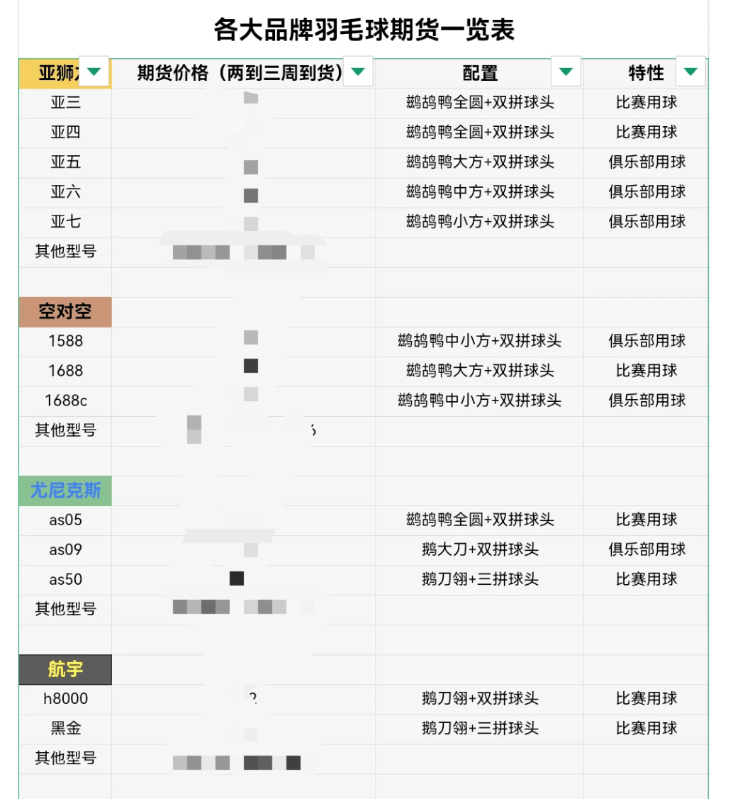
Core Viewpoint - The price of badminton has surged over 100% in the past two years, leading to the emergence of a "futures badminton" purchasing model on social media, which aims to bypass traditional intermediaries and address high prices [1][2]. Group 1: Market Dynamics - The "futures badminton" model involves customers paying upfront and receiving products after a delay of two to three weeks, with prices ranging from 118 to 240 yuan [2]. - A middleman named Chen Dong explained that this model allows customers to purchase badminton at prices 30 yuan lower than retail, relying on trust for the delayed delivery [5]. - The rising prices are attributed to a combination of raw material shortages and changes in the supply chain, with significant price increases observed across various brands [6][9]. Group 2: Raw Material Shortages - The shortage of feathers, particularly from ducks, has been identified as a key factor driving up prices, with the wholesale price of key raw material "knife feathers" rising from 200 yuan per pound to 280 yuan within a year, a 40% increase [8]. - The reduction in the growth period for ducks has led to a decrease in the quality and quantity of feathers available for badminton production [9]. - The current market dynamics have created a cycle of high costs, low production capacity, and high retail prices for badminton products [9]. Group 3: Sales and Distribution Challenges - Traditional sales channels have contributed to inflated prices, with multiple layers of intermediaries increasing the final retail price seen by consumers [10]. - Although new purchasing models like "futures badminton" are emerging, they face challenges such as limited scale and trust issues, making it difficult to significantly impact the existing pricing structure [10][11]. - The current market does not support a true flattening of channels, and the concept of "futures" in this context is more of a marketing strategy rather than a financial instrument [11].
中产最爱的小众运动,又催生一个AI硬件产品
3 6 Ke· 2025-06-20 09:06
Group 1: Market Overview - The tennis market in China is projected to reach a scale of 36.75 billion yuan in 2024, with the number of tennis courts accounting for 7.2% of the global total and participants making up 19.8%, both ranking second globally after the United States [1] - The number of tennis players in China has grown to 25.188 million in 2024, representing a 28% increase compared to 2021, indicating a rapidly expanding market demand [6] - Despite being a niche sport, tennis has a strong demand due to high equipment costs and the need for professional coaching, leading enthusiasts to invest significantly in improving their skills [4][6] Group 2: Product Innovation - Three smart tennis ball machines are currently crowdfunding on Kickstarter, showcasing the potential for AI-driven products in the tennis equipment market [2] - These smart machines incorporate features like intelligent control, visual recognition, and AI training, with prices ranging from 4,000 to 10,000 yuan, indicating a competitive market landscape [2][14] - The PACE smart tennis ball machine, for example, offers advanced AI functionalities that allow for dynamic training adjustments based on user performance, positioning it as a near-replacement for traditional coaching [8][14] Group 3: Competitive Landscape - The market for smart tennis ball machines is characterized by a mix of established brands and new entrants, with companies like Acemate, Tenniix, and Tinto vying for market share [2][10] - The demand for smart machines is driven by the need for enhanced training efficiency and the desire for a more interactive experience, as seen in products that can simulate real match conditions [10][14] - The presence of numerous brands, including both traditional and emerging players, highlights the competitive nature of the market, with prices for smart machines ranging from 1,000 to 10,000 yuan [17][18]
港股收评:恒生指数涨1.26% 恒生科技指数涨0.88%
news flash· 2025-06-20 08:17
Group 1 - The Hang Seng Index closed up by 1.26% [1] - The Hang Seng Tech Index increased by 0.88% [1] - The Hong Kong Tech ETF (159751) rose by 0.40% [1] - The Hang Seng Hong Kong Stock Connect ETF (159318) gained 1.10% [1] Group 2 - Pop Mart experienced a decline of over 3% [1] - Li Ning and China Life (601628) both saw increases of over 4% [1] Group 3 - Dark pool fund flows revealed signals of stock accumulation by major players [1]
赞助顶流苏超,还得是“江苏孩子”?
创业邦· 2025-06-20 03:07
Core Viewpoint - The "Su Super" football league has gained significant popularity in a short time, with average attendance increasing from 7,745 to 25,802 in just one month, and related topics on Douyin reaching over 7 billion views by June 16, 2025 [3][5][15]. Sponsorship Expansion - The number of sponsors for the "Su Super" has tripled from the first to the fourth round, reaching 19 sponsors, indicating a surge in interest and brand engagement [5][7]. - Notable sponsors include major brands like JD.com, Ideal, and Heineken, reflecting the event's growing prestige [7][15]. - The sponsorship fees have skyrocketed to 3 million RMB, compared to the initial total season sponsorship of 8 million RMB by Jiangsu Bank [15][25]. Sponsorship Dynamics - "Karma Sports," the previous official partner, has been replaced by "Wuqiku Sports," highlighting a competitive sponsorship landscape [8][10]. - The official partnership structure has specific limitations, with only two official partners remaining, indicating a selective sponsorship approach [8][12]. - The shift in sponsorship reflects a deeper connection to local enterprises, as "Wuqiku" is a Jiangsu-based company, while "Karma" is a foreign brand [12][13]. Regional Brand Engagement - The event has attracted local brands, with three out of six fixed sponsors being Jiangsu-based companies, emphasizing regional representation [15][16]. - Other sponsors, while not local, maintain strong ties to Jiangsu, showcasing a blend of local and national brands [16][18]. - The local cultural context and humor have played a significant role in the event's popularity, with social media engagement driving interest [20][23]. Comparison with Other Events - The "Su Super" has been compared to the grassroots "Village Super" league, which also gained massive online traction, but "Su Super" has a more professional feel due to its corporate sponsorship [24][25]. - The success of "Su Super" is attributed to its entertainment value and local engagement, contrasting with the more restrained commercial approach of "Village Super" [24].





日经BP精选:亚瑟士挖掘客户洞察实现2.5倍销量
日经中文网· 2025-06-20 03:03
编者荐语: 阅读更多内容请点击下方"阅读原文" (本文由日经BP提供) 日经中文网"开设了"日经BP精选"栏目。日经BP是日本经济新闻社媒体集团的一员,成立于1969年。作 为日本领先的B2B媒体公司,聚焦经营管理、专业技术及生活时尚三大主要领域。敬请读者关注。 日经 以下文章来源于日经BP ,作者日经BP 亚瑟士的 "MOTION MUSCLE SUPPORT SPEED TIGHTS" 亚瑟士推广的用来支撑跑步的五分紧身裤销售情况良好。 2024年上市的"MOTION MUSCLE SUPPORT SPEED POCKET TIGHT"是继2021年推出的"METARACER HALF TIGHT"之后的又一款商品,基于客户洞察开发而成。 日经BP . 日经BP成立于1969年4月, 隶属于日本经济新闻社集团。作为日本领先的B2B媒体公司,我们聚焦"经营 管理"、"专业技术"及"生活时尚"三大主要领域,满足客户多元化的需求。 近年来,越来越多的企业试图挖掘顾客自身都未察觉的"客户洞察(Customer Insight)",将 其应用于新产品的策划或营销中。在策划商品之前开展大规模定量调查或个案(n=1)调 ...

闽企勇闯天涯启示录:从“制造出海”到“质造领航”
Zhong Guo Zheng Quan Bao· 2025-06-19 20:34
Core Insights - Chinese companies are increasingly shifting from product export to technology export, enhancing their global competitiveness through innovation and resource integration [1][2][3] Group 1: Company Developments - CATL announced plans to build its third battery factory in Europe in partnership with Stellantis, which is expected to generate over 10 billion yuan in equipment demand and significant material needs [2] - Fuyao Glass has established a strong presence in the global automotive supply chain, with over 40% of its revenue coming from overseas markets, and reported a 12.16% increase in revenue for Q1 2025 [3][4] - King Long Motors delivered 121 electric buses to Chile, marking a significant step in its international expansion, with total exports exceeding 140,000 buses to nearly 150 countries [1][2] Group 2: Industry Trends - The trend of "going global" is seen as essential for Chinese companies to remain competitive, with many firms actively seeking to establish a global presence and diversify their markets [3][6] - The global supply chain is being reshaped as companies like Weike Technology enhance their manufacturing capabilities across multiple countries, improving cost efficiency and responsiveness [2][3] - The overall GDP of Fujian Province is projected to reach 57,761.02 billion yuan in 2024, ranking it eighth among China's provinces, indicating a strong economic foundation for companies to expand internationally [2] Group 3: Innovation and Technology - Continuous investment in R&D is crucial for maintaining competitive advantages, as demonstrated by Fuyao Glass's innovative products like 5G antenna glass and AR-HUD displays [5][6] - Companies are leveraging capital markets to support their global expansion strategies, with Anta Sports using acquisitions to enhance its brand presence internationally [5][6] - The shift from "Made in China" to "Created in China" reflects a broader trend of Chinese manufacturing focusing on quality and innovation rather than just cost advantages [7]


东西问丨苏文菁:闽商千年商道,从海洋基因到全球文明的东方叙事
Zhong Guo Xin Wen Wang· 2025-06-19 13:05
Core Perspective - The article discusses the evolution of the business culture of Fujian merchants (闽商) and their unique maritime heritage, emphasizing how this history contributes to a modern understanding of globalization and cultural exchange [1]. Group 1: Maritime Heritage - Fujian's maritime activities date back approximately 7,500 years, with early settlers using canoes for exploration and migration, leading to a philosophy of "farming the sea" [2]. - During the Tang Dynasty, Fujian merchants began engaging in overseas trade, with Quanzhou's "Cizhou Port" becoming a major trading hub during the Song and Yuan dynasties, facilitating trade of silk and ceramics [2]. - The expansion of Fujian's commercial network is characterized by cultural exchanges, as seen in the blending of Islamic patterns with Chinese porcelain techniques [2]. Group 2: Cultural Codes - The unique commercial gene of Fujian merchants combines land-based ethical orders with maritime adventurous spirit, differing from Mediterranean commercial civilizations [3]. - The clan system among Fujian merchants promotes systematic business operations and social coordination, integrating loyalty and filial piety into commercial practices [3]. - A practical belief system among Fujian merchants incorporates risk management and wealth pursuit, with deities like Mazu and Guan Yu playing significant roles in their business practices [3]. Group 3: Cultural Integration - Architectural examples like the buildings in Jimei and Xiamen University showcase a blend of overseas and local architectural elements, reflecting a spirit of cultural inclusivity [4]. - The tradition of enhancing business trust through cultural exchanges, such as tea tasting and art sharing, continues to be a hallmark of Fujian merchants [5]. Group 4: Transformation and Globalization - The transformation of Fujian merchants since the reform and opening-up period began with grassroots economic activities and led to significant institutional changes [6]. - The rise of industrial clusters in Jinjiang exemplifies the upgrade of value chains, with companies like Anta Sports evolving from OEM to independent brands [6]. - Overseas Chinese networks have empowered Fujian merchants to establish a global presence, with companies like Gree Technology expanding their manufacturing and R&D capabilities worldwide [6]. Group 5: Insights on Global Collaboration - Fujian merchants emphasize value chain sharing rather than zero-sum expansion, as demonstrated by innovative business models that integrate local architectural elements into modern designs [7]. - Social contract investments by Fujian merchants focus on resource democratization through technology, exemplified by agricultural initiatives in Africa that promote entrepreneurship among local youth and women [7]. - The article concludes that embedding commercial rules within cultural contexts can help navigate the challenges of globalization, contrasting the Western model's pitfalls with the balanced approach of Fujian merchants [7].