
军工制造

Search documents
欧洲急扩军遭“关键矿物”瓶颈,想摆脱中国,却发现时间不等人
Sou Hu Cai Jing· 2025-11-13 07:23
Group 1 - The situation in Ukraine is worsening, with the U.S. halting direct funding and shifting to NATO for weapon supplies, while demanding payment [1] - Europe is urgently restructuring its military capabilities due to ongoing Russian military pressure, but faces a significant obstacle in China's control over critical minerals [1][4] - The EU relies on China for approximately 98% of its critical rare earth imports, significantly higher than the U.S. at 80% [4] Group 2 - The EU's military expansion is heavily dependent on China's fluctuating trade relations, which have been affected by unilateral sanctions and technology restrictions imposed by the EU and the U.S. [2] - The EU has submitted around 2000 applications for export licenses from China, with only half being processed satisfactorily, leading to frustration among European companies [4] - Analysts suggest that China's strict control over rare earth exports is aimed at slowing U.S. military development, inadvertently impacting Europe as well [5] Group 3 - The EU has initiated alternative strategies, including the Critical Raw Materials Act, but acknowledges that replicating China's scale and efficiency in rare earth mining and processing will take 8 to 12 years [6] - European defense industries are ramping up production, with annual ammunition production capacity expected to rise from 300,000 units in 2022 to 2 million by the end of 2024 [8] - German defense companies, such as Krauss-Maffei Wegmann and Rheinmetall, are major beneficiaries of the military expansion, with Rheinmetall's sales projected to reach €9.751 billion in 2024 [8] Group 4 - To achieve military reconstruction, the EU must adopt a diplomatic approach, moving away from a policy of solely aligning with the U.S. against China [9] - European officials are actively engaging with China to ensure the supply of critical minerals remains uninterrupted, although the EU's stance on this issue remains unclear [9]

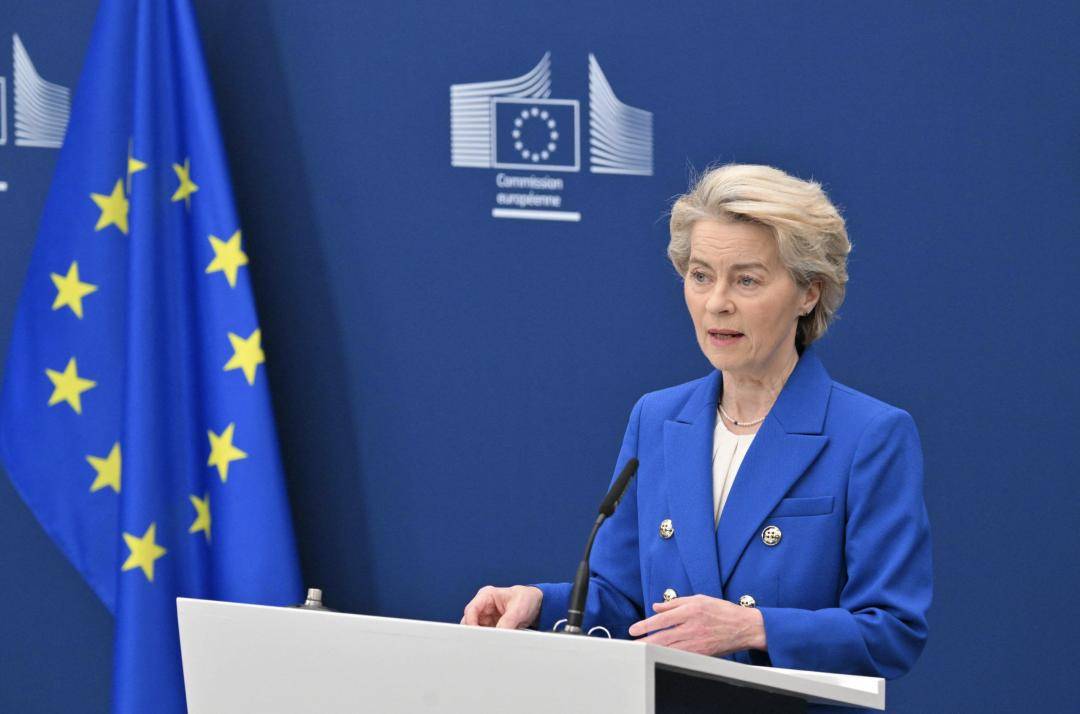
德国军工企业今年前三季度销售额激增
Huan Qiu Wang Zi Xun· 2025-11-07 09:07
Core Insights - Rheinmetall, Germany's largest defense manufacturer, reported a 20% increase in sales for the first three quarters, reaching €7.5 billion, with an 18% rise in operating profit [1] Company Performance - The company has been supplying various military equipment to Ukraine, including tanks, armored vehicles, and ammunition [1] - The ongoing Russia-Ukraine conflict has led to sustained military support from Western countries to Ukraine, positively impacting Rheinmetall's financial performance [1] Industry Context - The increase in Rheinmetall's sales and profits is attributed to the rise in defense budgets across EU countries, driven by the ongoing conflict [1] - Russia perceives the military support from Western nations to Ukraine as an obstruction to the peace process, indicating a direct involvement of NATO countries in the conflict [1]
山西证券研究早观点-20251107
Shanxi Securities· 2025-11-07 01:54
Group 1: Market Overview - The report highlights a positive trend in the domestic capital market, with major indices showing gains, such as the Shanghai Composite Index rising by 0.97% and the Shenzhen Component Index increasing by 1.73% [3] - The average daily trading volume in A-shares reached 2.32 trillion yuan, reflecting a 29.38% increase compared to the previous period [7] - The report notes a mixed performance among major indices from October 27 to October 31, with the Shanghai Composite Index increasing by 0.11% and the ChiNext Index rising by 0.50% [7] Group 2: Industry Insights - The non-bank financial sector is experiencing a favorable outlook due to deepening capital market reforms, which are expected to enhance the fundamentals of brokerage firms [5][7] - The report discusses the communication industry, emphasizing the strong growth in AI computing demand and the mismatch between short-term performance expectations and actual results [6][8] - The report indicates that the North American cloud service providers (CSPs) are expected to significantly increase their capital expenditures, with a projected total of $443 billion to $632 billion from 2025 to 2027 [8] Group 3: Company Performance - Industrial Fulian (601138.SH) reported a revenue increase of 38.40% year-on-year for the first three quarters of 2025, driven by strong demand for AI servers [15] - The company achieved a net profit of 224.87 billion yuan, reflecting a 48.52% increase year-on-year, with significant growth in its cloud computing and communication equipment segments [15] - Xihang West Flight (000768.SZ) reported a revenue of 302.44 billion yuan for the first three quarters of 2025, marking a 4.94% increase year-on-year, with a net profit of 9.92 billion yuan, up 5.15% [11] Group 4: Investment Recommendations - The report suggests a "Buy-A" rating for Industrial Fulian, with projected EPS of 1.78, 2.79, and 3.75 for 2025-2027, indicating strong growth potential in the AI server market [16] - For Xihang West Flight, the report maintains an "Increase-A" rating, forecasting EPS of 0.42, 0.48, and 0.57 for the same period [14] - The report highlights the growth potential of the tire industry, particularly for Wind God Co. (600469.SH), which is expected to benefit from increasing demand for specialty tires and a new production project [24][28]




德国最大军工企业莱茵金属前三季度营收创纪录
Zhong Guo Xin Wen Wang· 2025-11-06 16:36
Core Insights - Rheinmetall, Germany's largest defense contractor, reported record revenue and profit for the first three quarters of the year, with revenue increasing by 20% to €7.5 billion and operating profit rising by 18% to €835 million [1] - The company anticipates at least a 25% revenue growth in 2025 compared to 2024 and aims to enhance profitability in the fourth quarter of this year [1] - Despite a significant decline in the "Nomination" segment, which includes traditional order income and new framework agreements with military clients, the total remains above long-term averages [1] Financial Performance - Revenue for the first nine months reached €7.5 billion, a 20% year-on-year increase [1] - Operating profit for the same period was €835 million, reflecting an 18% growth [1] Market Dynamics - The "Nomination" segment saw a decline of 18% to approximately €18 billion, attributed to slow order placements despite increased military spending intentions from NATO countries [1] - Delays in the approval of the federal budget have postponed some orders, but overall prospects for the company remain positive due to the lack of constraints from the "debt brake" mechanism on German defense spending [1] Strategic Outlook - The CEO of Rheinmetall expressed confidence in achieving ambitious annual targets and is prepared for strong growth in the fourth quarter, particularly with key projects from the German Federal Armed Forces approved in the federal budget [1] - Rheinmetall is expanding its production capacity across Europe, with 13 factories under construction or expansion to meet rising demand [2] Product Line and Expansion - The company has a diverse product line, including tanks, artillery, air defense systems, military trucks, drones, and ammunition, being the largest manufacturer of shells in the Western world [2] - An agreement with the Bulgarian government to build two new ammunition and explosives production facilities is part of the company's strategy to enhance production capabilities [2]
挪威暂停“道德投资规则”,避免全球最大主权基金抛售美国科技股
Hua Er Jie Jian Wen· 2025-11-05 09:10
Core Viewpoint - Norway has suspended its ethical investment rules for its $2.1 trillion sovereign wealth fund to avoid being forced to divest from major U.S. tech companies like Amazon, Microsoft, and Alphabet [1] Group 1: Ethical Investment Suspension - The Norwegian government expedited a proposal to suspend the work of its independent ethical committee, which was set to review companies like Amazon, Microsoft, and Alphabet, as well as firms on the UN blacklist [1] - The decision comes amid political and public pressure in Norway, leading the fund to sell half of its Israeli holdings and withdraw investments from Caterpillar due to its equipment's use in Palestinian territories [1] Group 2: Political Reactions and Implications - The proposal passed with support from two center-right opposition parties, while left-wing parties criticized the move, arguing it allows large companies to act without accountability [2] - Concerns were raised by left-wing leaders about the influence of external pressures, particularly from the U.S., on Norway's political decisions regarding ethical investments [2] Group 3: Future Investment Considerations - The fund's ethical guidelines review will also consider whether to allow increased investments in defense companies, which are currently excluded due to their involvement in nuclear weapon components [2]
“重大政策转变”!美政府被曝正考虑向沙特出售48架F-35战机,或改变中东军事力量平衡
Huan Qiu Wang· 2025-11-05 02:13
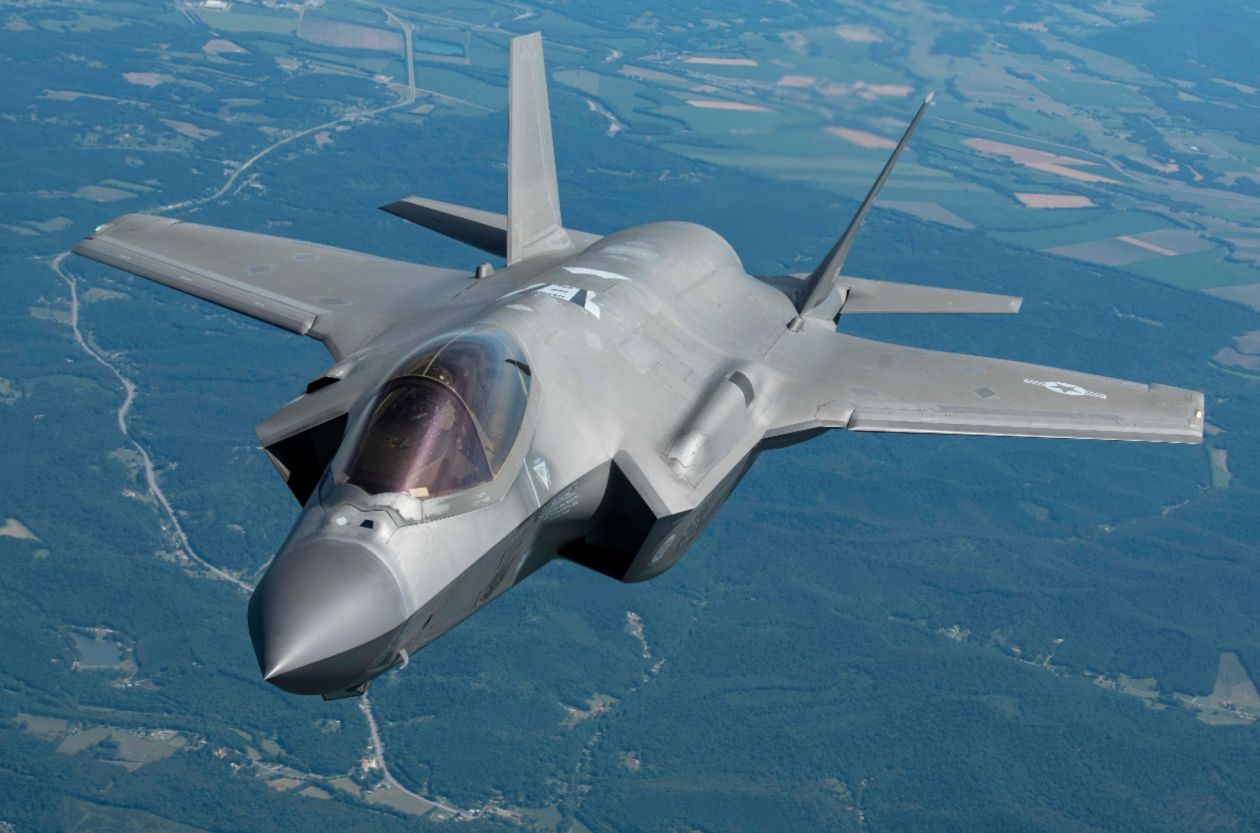
Core Viewpoint - The U.S. government is considering selling up to 48 F-35 stealth fighter jets to Saudi Arabia, which would represent a significant policy shift and could alter the military balance in the Middle East while testing the U.S. commitment to maintaining Israel's military superiority [1][3]. Group 1: Potential Sale Details - Saudi Arabia has expressed interest in purchasing F-35 jets and made a direct request to the U.S. earlier this year [3]. - The U.S. Department of Defense is currently evaluating the potential sale, which has progressed to the level of review by the Secretary of Defense [3]. - The sale would be part of a broader context where the U.S. ensures Israel maintains a military advantage over Arab nations [3]. Group 2: Previous Military Agreements - On May 13, the U.S. and Saudi Arabia signed a military sales agreement valued at nearly $142 billion, marking the largest military sale in history between the two nations [4]. - The agreement includes advanced combat equipment and services from over ten U.S. defense companies across five areas, including air force upgrades and missile defense systems [4]. - The F-35 is noted as the most advanced fighter jet in the U.S. export lineup, featuring stealth technology and multi-role combat capabilities [4].

韩国股市,快翻倍了
虎嗅APP· 2025-11-02 02:22
Core Viewpoint - The South Korean stock market has emerged as the strongest performer globally in 2023, with the KOSPI index rising 72% by the end of October, significantly outperforming other indices such as MSCI Emerging Markets (31%) and S&P 500 (18%) [5][8]. Market Performance - The KOSPI index's remarkable performance is driven by sectors such as semiconductors (up 128%), military (up 102%), and automotive (up 67%), while utilities and textiles lagged behind with increases of 23% and 18%, respectively [5]. - The total market capitalization of the South Korean stock market reached 3,500 trillion KRW, a year-on-year increase of 48% [5]. Foreign Investment - In October, emerging market funds saw a net inflow of $32 billion, with South Korea accounting for 28% of this, surpassing India (17%) and Brazil (12%) [8]. Economic Factors - The global economic environment has shifted to a "three lows" scenario, with rising expectations for U.S. interest rate cuts, a drop in WTI crude oil prices to around $60, and a declining U.S. dollar index, which has strengthened the Korean won against the dollar, yielding a 6.8% exchange rate gain for foreign investors in Korean assets [12][13]. - A recent tariff agreement between South Korea and the U.S. is expected to reduce costs for Korean automotive exports by 10%, potentially increasing Hyundai's annual profits by 1.2 trillion KRW [14]. Semiconductor Sector - The semiconductor industry is experiencing a super cycle driven by AI, with SK Hynix and Samsung controlling 91% of the high-bandwidth memory (HBM) market [17]. - The price of DRAM has increased from $1.8 to $3.2 per GB, and NAND from $0.3 to $0.52, leading to significant profit margin increases for SK Hynix and Samsung [17]. - SK Hynix reported a net profit of 12.598 trillion KRW (approximately $8.8 billion) in Q3, doubling year-on-year [18]. Government Support - The South Korean government is actively supporting the economy, with plans to invest 35 trillion KRW for economic relief, including 12 trillion KRW for semiconductor R&D and 8 trillion KRW for military exports [24][25]. - Reforms in corporate governance have led to increased stock buybacks, with KOSPI component stocks repurchasing a total of 18.7 trillion KRW [27]. Retail Investor Activity - Retail investors in South Korea have become a dominant force in the market, with a significant increase in trading activity and leverage usage [35][52]. - As of mid-October, retail investors' leverage reached 23.83 trillion KRW, nearing the historical peak of 25.65 trillion KRW in 2021 [35]. Market Sentiment - Despite the bullish sentiment, there are concerns about potential market corrections, as foreign investors have realized an average gain of 42% and may exit the market if the KOSPI falls below 4,000 points [62]. - The South Korean economy's growth has lagged behind stock market performance, with GDP growth at only 1.1% in Q3 [63].

东兴晨报-20251029
Dongxing Securities· 2025-10-29 10:22
Economic News - The largest offshore emergency drill in northern China's waters commenced on October 28, 2025, testing the country's deep-sea wind power emergency rescue capabilities [1] - The Ministry of Finance reported that from January to September, state-owned enterprises generated total revenue of 613,290.5 billion yuan, a year-on-year increase of 0.9% [1] - The China Logistics and Purchasing Federation indicated that the total social logistics cost for the first three quarters reached 14.2 trillion yuan, growing by 4.3% year-on-year [1] - The Xiamen government announced a new household registration policy effective November 1, 2025, aimed at optimizing residency conditions [1] Company News - Three squirrels announced a price adjustment for certain products effective November 1, with price increases ranging from 0.2 yuan to 10 yuan across 35 products [4] - Tongrentang made significant progress in liquid preparation capacity, with a new production line expected to submit GMP compliance checks by the end of the year [4] - BYD launched its first K-car model, Racco, designed specifically for the Japanese market, with pre-sales planned for summer 2026 [4] - The company Guokai Military Industry signed a contract worth 4.66 billion yuan for military trade products, expected to positively impact its performance [4] Industry Insights - The "Fifteenth Five-Year Plan" outlines clear economic and social development goals, including achieving a per capita GDP at the level of moderately developed countries by 2035 [5][6] - The plan emphasizes the importance of enhancing the financial sector, improving capital market functions, and supporting emerging industries [6][7] - It highlights the need for a strong domestic market and increased consumer spending, with policies aimed at boosting consumption and enhancing public service spending [8] - The plan also focuses on accelerating the development of new energy systems and increasing the share of renewable energy supply [8][9] Investment Recommendations - The release of the planning document is expected to enhance market understanding of China's economic direction, boosting confidence in Chinese assets [9][10] - The report suggests focusing on the technology sector, particularly in areas of innovation, as a key investment opportunity [10] - It also indicates that sectors such as cyclical industries, new energy, and military industries are expected to maintain high levels of activity, presenting good investment prospects [10]


国科军工:全资子公司签订4.66亿元重大销售合同
Xin Lang Cai Jing· 2025-10-29 07:37
Core Viewpoint - The company announced a significant contract with a military unit for the supply of a specific military trade product, which is expected to positively impact its future performance [1] Group 1: Contract Details - The full subsidiary, Jiangxi Aerospace Jingwei Chemical Co., Ltd., signed an annual order contract for engine loading with a military unit on October 29, 2025 [1] - The contract amount is RMB 466 million (including tax) [1] - The contract is effective from the date of signing and will be fulfilled until December 25, 2026 [1] Group 2: Financial Impact - This transaction is part of the company's routine business activities [1] - The company anticipates a positive impact on its performance in the coming year due to this contract [1]

服!美国被动暂停对我们关税,背后三大原因曝光,未来一年才是关键
Sou Hu Cai Jing· 2025-10-28 18:08
Core Insights - The U.S. has temporarily suspended the imposition of a 100% tariff on Chinese goods, signaling a strategic retreat due to domestic inflation concerns and the impact on key agricultural sectors [1][4][6] - The agricultural sector, particularly soybean farmers, is facing significant challenges, with soybean inventories reaching 180 million bushels and a 21% increase in farm bankruptcy rates [3][4] - The U.S. military-industrial complex is heavily reliant on Chinese rare earth materials, with a potential six-month halt in production costing over $500 billion, prompting urgent government action [4][6] Group 1: Trade Negotiations - The U.S. and China have agreed to a "conditional pause" in trade hostilities, with the U.S. delaying tariffs and China postponing rare earth export controls [1][6] - The U.S. is focusing on stabilizing inflation, supporting farmers, and protecting military interests, while China maintains its average export tax rate of 19.3% [6][7] - Following the negotiations, U.S. soybean prices increased by 3%, and the USDA predicts a recovery in soybean exports to China, potentially reaching 30 million tons by 2026 [6][7] Group 2: Economic Implications - The U.S. is exploring alternative rare earth supply chains with countries like Malaysia and Australia, while Congress is advancing legislation to subsidize domestic mining efforts [6][7] - China's Ministry of Industry and Information Technology is working on regulations to achieve an 80% domestic production rate for high-end rare earth applications by 2027, indicating a long-term strategy to reduce reliance on foreign supplies [7] - The current trade situation is viewed as a tactical pause rather than a resolution, with both sides preparing for future negotiations and potential conflicts [7]
