
预制菜

Search documents
惠发食品2025年业绩预亏,高管、股东频频减持
Xi Niu Cai Jing· 2026-01-15 09:09
Core Viewpoint - Huifa Food is expected to report a net loss for the year 2025, following a trend of poor financial performance in recent years, with significant losses reported in previous years and the first three quarters of 2025 [2][3][4]. Financial Performance - The company anticipates a negative net profit for 2025, with a commitment to expedite financial accounting and disclose a formal earnings forecast [3]. - Historical revenue figures show Huifa Food's operating income from 2021 to 2024 as follows: 1.651 billion, 1.581 billion, 1.997 billion, and 1.925 billion, with net losses of 138 million, 120 million, a small profit of 0.755 million, and a loss of 165.859 million respectively [3]. - In the first three quarters of 2025, Huifa Food reported an operating income of 1.064 billion, a year-on-year decrease of 18.31%, and a net loss of 39.217 million, indicating a worsening loss compared to the same period in 2024 [3]. Shareholder Actions - In 2025, several shareholders and executives of Huifa Food have engaged in share reductions, with specific plans announced for the sale of shares by board members and executives [4]. - Notably, the company’s shareholder, Hezhong Investment Co., Ltd., has also conducted multiple share reductions, including a sale of 2 million shares on February 28, 2025, amounting to approximately 32.688 million [5]. Regulatory Issues - Huifa Food received a warning letter for inaccurate disclosure regarding its 2024 annual performance, with key executives held responsible for this issue [5]. - The company has faced challenges in its business, particularly in the pre-prepared food sector, which has encountered significant development challenges and the loss of military supply qualifications [5].



珠海:“百会进百村”助力“百千万工程”
Xin Lang Cai Jing· 2026-01-13 22:55
Core Insights - The "Baihui into Bai Village" initiative in Zhuhai, Guangdong, has shown significant progress in supporting the "Hundred Million Project" aimed at rural revitalization, with a focus on deepening collaboration between business associations and local villages [1][4] - The initiative has mobilized over 800 million yuan in social investment, resulting in more than 160 support projects, including 76 million yuan in industrial investments that have fostered vibrant new rural businesses [2] Group 1: Initiative Overview - The "Baihui into Bai Village" action was launched in 2022 to enhance the participation of private enterprises in rural revitalization, achieving a pairing of 122 business associations with 122 administrative villages for comprehensive support [1] - The initiative has created a multi-faceted support structure focusing on industrial assistance, ecological construction, and improving livelihoods [1] Group 2: Financial Impact - The initiative has attracted over 800 million yuan in social investment, with 76 million yuan specifically directed towards industrial investments that have led to the emergence of distinctive rural businesses [2] - Successful projects include the "Lantern Village Sauerkraut Fish" brand and the establishment of a cultural tourism complex in Jinwan, which have enhanced local economic activity [2] Group 3: Community Engagement - The initiative has facilitated ecological improvements, with over 4.2 million yuan invested in planting more than 120,000 trees, contributing to a more livable environment [2] - Business associations have played a crucial role in implementing these projects, with a focus on creating a win-win model for enterprises and rural communities [3] Group 4: Future Directions - The Zhuhai Municipal United Front Work Department plans to deepen the "Baihui into Bai Village" initiative, focusing on long-term collaboration mechanisms and key areas such as industrial empowerment and talent support [4] - The goal is to attract more private enterprises and social resources to participate in rural revitalization, contributing to the construction of a modern urban model in Zhuhai [4]
金融活水润“潮味” 古城飘香促振兴
Jin Rong Shi Bao· 2026-01-13 02:08
Core Viewpoint - The People's Bank of China, Chaozhou Branch, is enhancing financial support for the local food economy, aiming to stimulate consumption and promote the integration of culture and tourism in Chaozhou, known for its culinary heritage [1] Financial Support for Food Industry - Financial resources are being directed to support the entire food production chain, from cultivation to sales, thereby promoting the synergy between Chaozhou's culinary and tourism sectors [2] - Customized credit products are being developed for local agricultural products, such as the "Phoenix Dan Cong Loan," which has issued nearly 12 million yuan to support the tea industry [2] - The Agricultural Bank of Chaozhou has provided over 20 million yuan in loans to leading agricultural enterprises for deep processing of local fruits [2] Empowering Small and Micro Enterprises - The Postal Savings Bank of Chaozhou has launched the "Chao Flavor Loan" to support small food workshops and individual vendors, facilitating quick access to credit based on business performance [3] - Innovative financial products like "Cultural Tourism Loans" and "Homestay Loans" are being developed to lower financing costs for small businesses in the tourism and culinary sectors [3] Industrial Upgrading and Innovation - The Chaozhou food industry is evolving towards industrialization and clustering, with financial institutions introducing products like "Prepared Food Loans" to support local food enterprises [4] - The Industrial and Commercial Bank of Chaozhou has provided 8 million yuan in loans to a leading prepared food company, supporting its integrated production and sales model [4] - Financial support is also being extended to enhance the value of agricultural products through technology and innovation, such as converting patent rights into credit support [5] Optimizing Consumer Experience - Financial institutions are implementing fee reduction policies to lower operational costs for food vendors in key tourist areas, benefiting local businesses [6] - Collaborative efforts with local tourism and business departments are being made to enhance consumer experiences through promotional activities and discounts [7] - The People's Bank of China, Chaozhou Branch, plans to continue focusing on the financial needs of the food supply chain and tourism integration, aiming to further enhance Chaozhou's culinary reputation [7]
金德利集团入选2025年度济南市现代农业优势产业集群领军企业名录
Jing Ji Wang· 2026-01-09 02:21
Core Viewpoint - Jinan Agricultural and Rural Bureau has officially announced the list of leading enterprises in modern agricultural advantageous industrial clusters for 2025, with Jindeli Group and its affiliated food supply chain company being recognized for their solid business foundation and continuous innovation practices, highlighting their leadership in the integration of modern agriculture and the catering food industry in the city [1][2] Group 1 - The recognition of leading enterprises aims to commend high-quality companies that play a significant role in increasing farmers' income, promoting agricultural industry development, ensuring food security, and advancing agricultural modernization [1] - Jindeli Group has demonstrated positive results in modern agricultural industry chain integration, linking farmers, and brand building [1] - The company adheres to the mission of "providing safe food for the public" and focuses on fast food services, group meal distribution, and prepared dishes, establishing a comprehensive industrial chain ecosystem [1] Group 2 - Jindeli Group has established one modern food industry park, four large-scale meal distribution centers, and over 100 stores, benefiting 1,330 farming households and serving over 10 million consumers annually [1] - The company aims to strengthen innovation-driven development, deepen the entire food industry chain, enhance product quality and service efficiency, and further play a leading role in rural revitalization [2]
二〇二五年度十大营养热词发布
Ren Min Ri Bao Hai Wai Ban· 2026-01-08 22:55
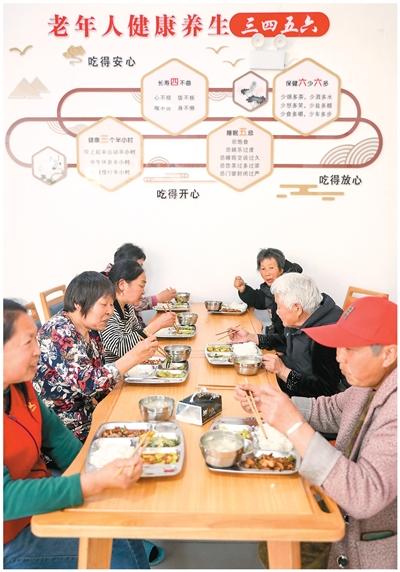
Group 1: Nutrition Trends and Innovations - Sichuan Province is accelerating the construction of rural elderly canteens to provide lunch services for local seniors [2] - In Guizhou Province, students are enjoying free nutritious meals as part of a local initiative [4] - Fujian Province's abalone processing companies are integrating traditional culinary techniques with modern food processing to create various export products [6] Group 2: Pre-prepared Meals - Pre-prepared meals are defined as factory-processed, pre-packaged finished or semi-finished dishes, which should not be labeled as inherently good or bad [9] - Consumer concerns about pre-prepared meals include poor ingredient quality, use of additives, unsatisfactory taste, and low nutritional value, which can be addressed through scientific processes and strict management [10] - Consumers are advised to pay attention to ingredient lists and nutritional labels, particularly sodium and fat content, when selecting pre-prepared meals [10] Group 3: Health and Dietary Trends - Anti-inflammatory diets focus on selecting foods that lower chronic inflammation levels, emphasizing fresh plant-based foods and healthy fats while reducing processed foods [11] - Anti-aging strategies are shifting towards proactive health management across all life stages, emphasizing balanced nutrition to delay functional decline and reduce chronic disease risks [12] - Smart canteens utilize information technology to enhance food safety, nutrition management, and operational efficiency, aligning with industry digital transformation trends [13] Group 4: Gut Health - Gut microbiota plays a crucial role in health, with imbalances linked to various diseases; dietary choices significantly influence gut health [15][16] - A diet rich in dietary fiber and polyphenols supports beneficial gut bacteria, while avoiding processed foods and excessive sugars is essential for maintaining gut health [16] Group 5: Sleep Health - Poor sleep quality is linked to increased inflammation and various health risks, with a significant portion of the population experiencing sleep disorders [17] - Certain foods can aid sleep, while lifestyle changes such as regular sleep patterns and stress management are crucial for improving sleep quality [17] Group 6: Healthy Aging - Healthy aging strategies focus on extending healthy life expectancy and reducing the time spent with illness, emphasizing nutritional interventions [19][20] - The development of senior meal services and smart nutrition technologies is advancing to improve the quality of life for the elderly [20] Group 7: Weight Management - Public interest in scientific weight management is increasing, with a focus on maintaining a healthy weight through balanced diets and regular physical activity [21] Group 8: Immune Health - Understanding of immunity is evolving towards maintaining immune homeostasis, with nutrition playing a vital role in supporting immune function [22]
十分钟再讲预制菜之七:湛江鸡出海的思考
Nan Fang Nong Cun Bao· 2026-01-06 03:30
Core Viewpoint - The article discusses the potential of Zhanjiang chicken, a premium poultry product from Guangdong, to expand into international markets through the development of pre-prepared dishes, emphasizing quality over price competition and the importance of storytelling and technology in global branding [4][16][68]. Group 1: Zhanjiang Chicken's Unique Qualities - Zhanjiang chicken is recognized for its strict standards and exceptional flavor, earning the title of "the fighter" among chickens [3][11]. - The chicken is a significant source of animal protein globally, with annual consumption reaching approximately 66 billion chickens, of which China accounts for about 15 billion [6][7]. - The unique growing conditions in Zhanjiang, including volcanic red soil and selenium-rich environment, contribute to its superior taste and quality, distinguishing it from industrially raised chickens [9][10][12]. Group 2: Challenges and Opportunities for Export - Exporting Zhanjiang chicken as live poultry faces numerous challenges, including strict quarantine regulations and the complexities of traditional cooking methods [17][18]. - The strategic value of pre-prepared dishes is highlighted as a solution to overcome these export challenges, allowing traditional flavors to integrate into the modern global food system [20]. Group 3: Globalization Strategies - Successful global brands like KFC and McDonald's provide a framework for Zhanjiang chicken's international strategy, emphasizing standardization, technological innovation, storytelling, and localization [31][32]. - Establishing a standardized quality control system from source to end-user is crucial for building consumer trust [34][35]. - Utilizing technology, such as efficient cold chain logistics and AI for monitoring and product development, is essential for maintaining quality during transportation [36][53]. Group 4: Collaborative Industry Development - The globalization of Zhanjiang chicken requires a collaborative approach involving government, enterprises, and farmers to create a robust industry chain [56]. - Upgrading products to standardized flavor solutions and establishing internationally recognized quality certification systems are necessary for market acceptance [58]. - Encouraging the formation of an "export alliance" can enhance bargaining power and risk resilience in international markets [62]. Group 5: Cultural and Philosophical Aspects - The journey of Zhanjiang chicken represents a dialogue about the value of time in food production, advocating for a slower, more thoughtful approach to food that contrasts with modern efficiency [69][70]. - The article emphasizes that the export of Zhanjiang chicken is not just about product distribution but also about sharing a lifestyle philosophy and cultural exchange through cuisine [80][82].

南海岁末好戏连台,农业“硬菜”接连上桌
Nan Fang Nong Cun Bao· 2026-01-05 06:36
Core Viewpoint - The article highlights the successful launch of the "Third South China Quality Products Fair and New Year Goods Festival," which aims to promote local agricultural products and stimulate consumer spending in the South China region, showcasing the achievements of high-level agriculture and the development of the food and health industry [2][4][12]. Group 1: Event Overview - The "Third South China Quality Products Fair and New Year Goods Festival" was held in Xian De Lake Park, featuring local agricultural products and health foods [2][10]. - The event lasted for five days and included diverse exhibition areas for pet economy, export foods, and local delicacies, attracting many visitors [9][10]. - The festival served as a platform to promote South China's unique agricultural industry and culture, allowing citizens to experience the region's agricultural development [11][12]. Group 2: Economic and Agricultural Development - The event aligns with the district's goals to enhance consumption, develop high-level agriculture, and create a food and health industry cluster [6][7]. - Recent initiatives include the opening of the Guangdong International (Nanhai) Health Food Industrial Park, which attracted over 500 food enterprise representatives and signed contracts exceeding 5 billion yuan [18][23]. - The district aims to achieve a total output value of 10 billion yuan in the aquaculture sector by 2025, with plans for a 2,000-acre aquaculture logistics park [32][36]. Group 3: Technological and Research Advancements - The establishment of the first agricultural academician workstation in Nanhai focuses on fish species improvement, enhancing the region's research capabilities [38][39]. - The use of IoT technology in aquaculture has increased production efficiency by 40%, indicating a shift towards smart farming practices [40]. - The article emphasizes the integration of technology in agriculture to support industry upgrades and meet modern demands [42][64]. Group 4: Community Engagement and Consumer Promotion - The festival featured various promotional activities, including the launch of New Year gift packages that integrate local agricultural products and fast-moving consumer goods [55][57]. - The event also included a culinary competition that connected high-quality agricultural products with rural tourism, promoting local flavors [44][50]. - The "Nanhai Cross-Year Food Market" was launched to create an immersive experience for consumers, showcasing local food brands and products [58][61].
新消费2025:十大关键词,一个新江湖
3 6 Ke· 2026-01-04 02:36
Core Insights - The article highlights significant changes in the consumer market in 2025, emphasizing the emergence of new consumption patterns and the evolution of various sectors within the industry [2]. Instant Retail - Instant retail is recognized as the "explosion year" in 2025, expanding beyond food delivery to encompass a wide range of products [3]. - Major players like JD.com and Alibaba have entered the market, leading to intense competition and a subsidy war among platforms [4]. - The industry is shifting towards a more sustainable model, focusing on long-term ecological coexistence rather than short-term gains [4]. Emotional Consumption - Emotional consumption has become a key trend, driven by the desire for psychological comfort and social recognition among consumers [5]. - The market for emotional consumption in China reached 2.3 trillion yuan in 2024, with projections to exceed 4.5 trillion yuan by 2029 [5]. - Various segments, including healing products and immersive experiences, are gaining popularity, reflecting a shift in consumer preferences [6]. Reverse Tourism - There is a notable increase in tourism orders in county-level areas, with local entrepreneurs capitalizing on unique cultural experiences [7]. - The focus has shifted from traditional sightseeing to immersive local experiences, appealing to younger demographics [7]. Consumption Downward - Lower-tier cities are experiencing a surge in consumer activity, with significant growth in orders during events like Double 11 [8]. - Brands are increasingly targeting these markets, with local players gaining traction through culturally resonant products [8]. Hard Discounts - The hard discount retail sector is expanding, challenging the perception that low prices equate to low quality [11]. - Major internet companies are driving this trend, with new store formats and streamlined supply chains enhancing efficiency [11]. Light Health - Health-conscious products are becoming popular among younger consumers, with a focus on convenience and effectiveness [13]. - The market is evolving to include innovative health products that cater to the busy lifestyles of young professionals [14]. Circular Economy - The circular economy is gaining traction, with a shift in consumer attitudes towards second-hand goods and sustainability [16]. - Platforms like Xianyu and Zhuanzhuan are adapting their strategies to enhance trust and user experience in the second-hand market [17]. Pet Economy - The pet economy is experiencing rapid growth, with a market size exceeding 811.4 billion yuan and a 25.4% annual growth rate [18]. - There is a diversification of products and services catering to pet owners, reflecting a shift towards more personalized and premium offerings [18]. Value Export - Chinese brands are increasingly focusing on global markets, leveraging cultural resonance and operational efficiency to build brand loyalty [19]. - The strategy of value export is reshaping perceptions of "Made in China" and driving foreign trade growth [19]. Prepared Dishes - The prepared dishes industry is moving towards standardization and innovation, addressing consumer trust issues through transparency [20]. - Technological advancements in preservation and quality control are enhancing product offerings in this sector [20].
盘点2025商业人物:刘强东最折腾雷军压力大,巴菲特完美谢幕
Sou Hu Cai Jing· 2025-12-31 04:22
Core Insights - The year 2025 witnessed significant transformations in the business landscape, with AI technology moving from experimental phases to large-scale applications, and cross-industry competition becoming the norm [2] - The experiences of various business leaders reflect the dynamic nature of the commercial world, emphasizing the importance of adapting to changes and maintaining ethical standards [2] Group 1: Key Business Figures - Liang Wenfeng led DeepSeek to disrupt the AI industry by releasing the R1 model, which achieved top performance with a low cost of approximately 2.08 million yuan, challenging the dominance of Western AI firms [4] - Liu Qiangdong initiated a fierce competition in the food delivery sector with a "0 commission" policy, investing heavily in subsidies while also expanding into smart robotics and automotive sectors [7][8] - Lei Jun faced significant challenges in the automotive sector, with safety concerns leading to a recall of 116,000 vehicles and a market value loss exceeding 120 billion yuan for Xiaomi [9] - Zhang Yiming maintained a low profile while achieving significant growth for ByteDance, with Douyin's e-commerce GMV reaching 4.3 trillion yuan, marking a 32% increase [14] - Huang Renxun's Nvidia became the first company to surpass a market value of 5 trillion yuan, holding over 80% of the global AI computing power market [15] Group 2: Industry Challenges and Trends - The rise of open-source models poses a challenge to Nvidia's dominance, highlighting the potential for industry disruption and the need for adaptability [16] - The tragic passing of Wang Linpeng, founder of Juran Home, underscores the pressures faced by traditional industry leaders amid market transformations [17][18] - The public backlash against traditional businesses, as seen with Jia Guolong of Xibei, illustrates the increasing demand for transparency and accountability in the food industry [12][13] - The downfall of Zhang Xuefeng, a prominent education influencer, serves as a cautionary tale about the risks of prioritizing commercial success over ethical standards [21]



兴业银行厦门分行精准落地外汇便利化政策,助力高质量发展
Sou Hu Cai Jing· 2025-12-30 06:28
Core Viewpoint - The article emphasizes the importance of deepening cross-border investment and financing foreign exchange management reforms to support high-quality development of the real economy, with a focus on the initiatives taken by Industrial Bank's Xiamen branch to enhance financial services for enterprises and rural revitalization [1]. Group 1: Cross-Border Financing Initiatives - Industrial Bank's Xiamen branch has tailored cross-border financing solutions for local enterprises, such as a private food company, to address challenges like high financing costs and inefficient fund usage [2]. - The bank has leveraged favorable policies to help enterprises increase their foreign debt financing limits and access low-cost foreign funds, completing over 600 million Japanese yen in foreign debt registration in just one working day [2][3]. - Digital tools have been employed to streamline fund management, enabling online operations for foreign debt funds after due diligence [2]. Group 2: Risk Management Solutions - To mitigate risks associated with interest rate and exchange rate fluctuations, the bank offers foreign exchange derivative products that convert floating-rate foreign debt to fixed rates and lock in exchange rates [3]. - This financial support has allowed the food company to expand its procurement from upstream farmers and enhance its product offerings tailored for rural markets [3]. Group 3: Comprehensive Service System - The case of the food company illustrates the bank's implementation of foreign exchange facilitation policies, creating a comprehensive service system for both corporate and individual cross-border business [4]. - The bank has optimized its business processes through digital transformation, significantly reducing the time required for cross-border trade foreign exchange transactions to under five minutes [4]. - In personal foreign exchange services, the bank has introduced specialized services for foreign employees, including online salary exchange and cross-border salary distribution, benefiting nearly 120 companies [4]. Group 4: Future Directions - Moving forward, Industrial Bank's Xiamen branch aims to continue supporting quality enterprises and enhancing the business environment in Xiamen, contributing to the high-quality development of foreign trade [5].
