
农产品加工

Search documents
棕榈油周报:外围市场走弱,棕榈油承压回调-20250901
Tong Guan Jin Yuan Qi Huo· 2025-09-01 01:54
Report Industry Investment Rating No relevant information provided. Core Viewpoints - Last week, BMD Malaysian palm oil futures and domestic palm oil, soybean oil, and rapeseed oil futures all declined, with CBOT US soybean oil futures dropping significantly due to difficulties in redistributing 1.39 billion gallons of RIN to large refineries and potential policy adjustments [4][7]. - Affected by the weakening external market, the domestic commodity market continued to decline and adjust, with a generally weak sentiment. In August, the production of Malaysian palm oil decreased month - on - month, while export demand increased month - on - month, providing support for prices. However, after the phased positive factors were gradually realized, market drivers weakened, and long - position funds reduced their positions [4][7]. - Macroscopically, the US core PCE in July increased by 2.9% year - on - year, in line with market expectations. The US dollar index continued to fluctuate, and oil prices were also in a fluctuating state. Fundamentally, there may be significant resistance in redistributing the US biodiesel exemption volume for the 2023 - 2024 period to large refineries, causing US soybean oil prices to continue to fall. Malaysian palm oil is currently in a peak production period, but high - frequency data shows that the overall supply pressure is not large, which may support prices. In the short term, palm oil prices may decline and adjust [4][10]. Summary by Directory Market Data - From August 22 to August 29, CBOT soybean oil futures dropped 3.1 to 52.1 cents per pound, a 5.62% decline; BMD Malaysian palm oil futures fell 154 to 4377 ringgit per ton, a 3.4% decline; DCE palm oil futures decreased 276 to 9316 yuan per ton, a 2.88% decline; DCE soybean oil futures dropped 100 to 8358 yuan per ton, a 1.18% decline; CZCE rapeseed oil futures decreased 101 to 9789 yuan per ton, a 1.02% decline [5]. - The spot prices of palm oil, soybean oil, and rapeseed oil also declined to varying degrees [5]. Market Analysis and Outlook - The continuous decline of US soybean oil prices was mainly due to the difficulty of redistributing 1.39 billion gallons of RIN to large refineries and potential policy adjustments. The domestic commodity market was affected by the weakening external market and continued to decline and adjust [4][7]. - In August, the production of Malaysian palm oil decreased month - on - month, while export demand increased month - on - month. According to different data sources, the export volume from August 1 - 25 increased by 10.9% - 36.41% compared with the same period last month [7][8][9]. - As of August 22, the total inventory of the three major oils in key domestic regions was 2.4091 million tons, an increase of 0.26 million tons from the previous week and 0.2913 million tons from the same period last year. Among them, soybean oil inventory increased, palm oil inventory decreased, and rapeseed oil inventory decreased [9]. - As of August 29, the average daily trading volume of soybean oil in key domestic regions decreased from the previous week, while that of palm oil increased [10]. - Short - term palm oil prices may decline and adjust, but the supply pressure of Malaysian palm oil is not large, which may support prices. Attention should be paid to the potential impact of Indonesia's B50 biodiesel policy in the fourth - quarter off - season [4][10]. Industry News - Indonesia urged the EU to immediately cancel the anti - subsidy tax on imported biodiesel after the WTO supported several key claims in Indonesia's appeal [11]. - The Indian vegetable oil industry organization IVPA urged the government to cancel the tax credit refund restrictions implemented since July 2022, stating that these restrictions have tightened operating funds and hindered industry investment [11]. - Malaysia's Ministry of Plantation Industries and Commodities is seeking to exempt crude palm kernel oil and refined palm kernel oil from the sales and service tax (SST) [11][12]. Relevant Charts - The report provides multiple charts showing the price trends of Malaysian palm oil, US soybean oil, and domestic palm oil, soybean oil, and rapeseed oil futures and spot prices, as well as the production, export, and inventory data of Malaysian and Indonesian palm oil, and the commercial inventory data of domestic three major oils [14][38][43].
中原期货晨会纪要-20250901
Zhong Yuan Qi Huo· 2025-09-01 00:50
1. Report Industry Investment Rating No relevant content provided. 2. Core Viewpoints of the Report - China's economic prosperity generally continues to expand, with the official manufacturing PMI, non - manufacturing PMI, and composite PMI in August showing improvements [9]. - The real estate market remains under pressure, with the sales of TOP100 real - estate enterprises declining year - on - year [9]. - The RMB exchange rate against the US dollar has been strengthening recently, and the market is optimistic about its continued strength until the end of this year [11]. - In the futures market, different varieties have different trends and investment suggestions, such as some being recommended for short - term observation and others for cautious trading [13][19]. - The A - share market has a mid - term bullish structure, but there may be short - term fluctuations and adjustments [23][25]. 3. Summary According to Relevant Catalogs 3.1 Chemical Industry Futures - On September 1, 2025, among chemical futures, coke, 20 - number rubber, plastic, polypropylene PP, and methanol showed price increases, while natural rubber, PTA, PVC, asphalt, etc. showed price decreases [6]. 3.2 Macro - economic News - China's economic indicators in August showed positive trends, and some small and medium - sized banks have cut deposit rates [9]. - The sales of real - estate enterprises continued to decline, and the automobile inventory warning index was above the boom - bust line [9][10]. - The RMB exchange rate against the US dollar has been strengthening recently, mainly due to the weakening of the US dollar index and the narrowing of the Sino - US interest rate spread [11]. - There are international events such as the US Supreme Court's decision on Trump's policies and the negotiation between Japan and the US on trade and investment [10]. 3.3 Morning Meeting Views on Major Futures Varieties 3.3.1 Agricultural Products - Peanut futures are in a short - term bottom - shock situation, and it is recommended to wait and see, focusing on the progress of new peanut acquisitions [13]. - Sugar futures are at the lower end of the range, and it is recommended to wait and see, paying attention to support and resistance levels [13]. - Corn futures are in a state of intense multi - empty game, and it is recommended to wait and see, focusing on the listing rhythm of new grain and the breakthrough of the pressure level [13]. - Hog futures are in an interval - shock situation, with a near - weak and far - strong monthly spread, and it is recommended to conduct reverse arbitrage [13]. - Egg futures are expected to have limited further declines in the spot market, and it is recommended to continue short - selling on rebounds in the futures market [15]. - Cotton futures may be oscillating strongly in the medium - long term and are expected to decline slightly in the short term, and the range of 14000 - 14500 should be focused on [15]. - Log futures are recommended to operate in the range of 800 - 850, focusing on the improvement of real - estate funds and the expected reduction in New Zealand's supply [16]. - Pulp futures are recommended for cautious long - biased operations, paying attention to the upper pressure and lower support levels [16]. 3.3.2 Energy and Chemicals - Urea futures' UR2601 contract may continue to operate in the range of 1700 - 1820 yuan/ton, and the opening of the Indian tender should be focused on [19]. - Caustic soda futures' 2601 contract is recommended to be treated with a long - biased idea on dips [19]. - Coking coal and coke futures are expected to fluctuate repeatedly and operate in an oscillating manner [19]. 3.3.3 Industrial Metals - Copper futures are recommended to take a long - biased approach once the price breaks through the oscillating range upwards [19]. - Aluminum futures are expected to continue to operate at a high level [19]. - Alumina futures' 2601 contract is operating weakly, and factors such as bauxite should be focused on [21]. - Rebar and hot - rolled coil futures' prices are expected to continue to oscillate and find the bottom in the short term [21]. - Ferroalloy futures are expected to continue wide - range oscillations in the short term, and attention should be paid to capital control for hedging and caution for speculation [21]. - Lithium carbonate futures are recommended to wait and see, focusing on the policies of mines in Jiangxi, and if the support level is broken, it may test the 70000 - yuan mark [21]. 3.3.4 Options and Finance - In stock index options, trend investors should pay attention to the strength - weakness arbitrage opportunities between varieties, and volatility investors should go long on volatility when the underlying index rises and short on volatility when it falls [23]. - The A - share market has a mid - term bullish structure. Although there may be short - term fluctuations, the underlying logic of the market has not been falsified, and investors can reduce positions on rallies and use the 10 - day moving average as a mid - term trend watershed [24][25].
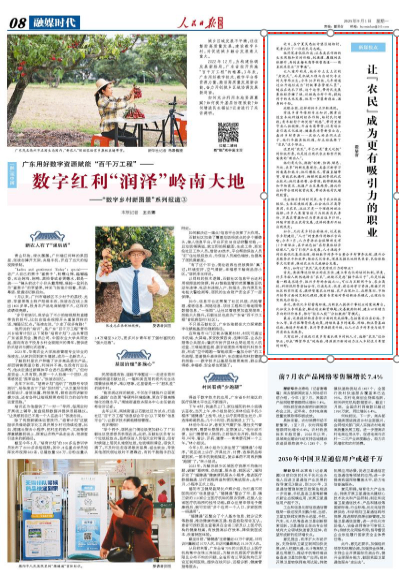
让“农民”成为更有吸引力的职业(新媒视点)
Ren Min Ri Bao Hai Wai Ban· 2025-08-31 22:47
Core Viewpoint - The article highlights the emergence of a new generation of farmers in China, characterized by their educational background, innovative approaches, and the ability to leverage modern technology for agricultural development [1][2][3]. Group 1: New Generation of Farmers - The new farmers are not traditional figures relying solely on natural conditions; they are educated individuals who embrace modern agricultural practices and technologies [3]. - These farmers possess skills in areas such as live-streaming sales, smart machinery operation, and IoT monitoring, enabling them to respond to market demands effectively [3]. - The shift in perception of farming as a profession is evident, with more young people choosing to return to agriculture, driven by the potential for economic growth and community development [2][3]. Group 2: Importance of Talent in Rural Development - The role of talent in rural revitalization and digital village construction is increasingly recognized, with new job titles like "Rural Collective Economic Manager" being introduced [3]. - The influx of skilled individuals into rural areas not only drives industrial development but also enhances grassroots governance and cultural heritage [3][4]. Group 3: Strategies for Attracting Talent - Establishing regular training mechanisms is essential to ensure the growth of the farming profession, providing customized courses based on regional needs [4]. - Optimizing the rural business environment is crucial, including setting up special funds to address financing challenges and creating performance-based incentive systems [4]. - Providing material support, such as housing subsidies and improved infrastructure, is necessary to make rural living conditions comparable to urban areas [4].

刘宁到三门峡市卢氏县陕州区调研
He Nan Ri Bao· 2025-08-31 13:42
Group 1: Industry Development - The provincial government is focusing on developing county-level industries to enhance local economic growth, particularly in Sanmenxia City [3] - Le's Tongren Sanmenxia Pharmaceutical Co., Ltd. is highlighted as a high-tech enterprise integrating traditional Chinese medicine cultivation, research, production, and sales [3] - Emphasis is placed on leveraging local medicinal materials and promoting collaborative innovation in traditional Chinese medicine and modern science [3] Group 2: Environmental Protection - A recent provincial meeting addressed the need for enhanced ecological environment protection measures [4] - Liu Ning emphasized the importance of ecological restoration in mining areas as part of the political responsibility to implement Xi Jinping's ecological civilization thoughts [4] - The focus is on a systematic approach to pollution control, including source reduction, process control, and end treatment [4] Group 3: Cultural and Tourism Integration - The Daxian Pit Courtyard is recognized as a national intangible cultural heritage, with efforts to protect and develop it scientifically [6] - There is a call to integrate local customs and culture into tourism development, aiming to create a pillar industry from cultural tourism [6] - The government aims to promote rural revitalization through urban-rural integration and the development of a modern industrial system [6]

京粮控股2025年中报简析:净利润同比下降25.39%,应收账款上升
Zheng Quan Zhi Xing· 2025-08-30 23:24
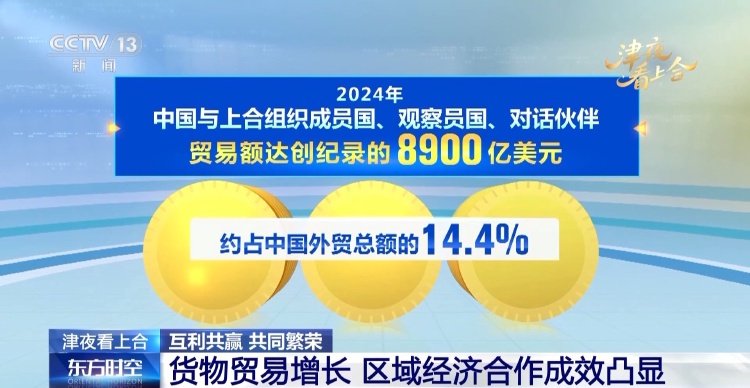
Core Viewpoint - The financial performance of Jingliang Holdings (000505) shows a decline in revenue and net profit for the first half of 2025, with a notable increase in accounts receivable, indicating potential liquidity issues and operational challenges [1][2]. Financial Performance - Total revenue for the first half of 2025 was 4.208 billion yuan, a year-on-year decrease of 24.26% [1] - Net profit attributable to shareholders was 17.95 million yuan, down 25.39% year-on-year [1] - In Q2 2025, total revenue was 2.073 billion yuan, an increase of 8.01% year-on-year [1] - Q2 net profit attributable to shareholders was 5.0694 million yuan, a significant increase of 294.7% year-on-year [1] - Gross margin was 5.59%, up 38.8% year-on-year, while net margin was 0.42%, down 10.82% year-on-year [1] - Total selling, administrative, and financial expenses amounted to 186 million yuan, accounting for 4.42% of revenue, an increase of 38.65% year-on-year [1] - Earnings per share were 0.02 yuan, a decrease of 33.33% year-on-year [1] Cash Flow and Debt Analysis - The company has a healthy cash asset position, but the cash flow situation requires attention, with a cash/short-term debt ratio of 59.09% and a negative average operating cash flow to short-term debt ratio of -5.96% over the past three years [2] - The interest-bearing debt ratio has reached 31.8%, indicating a potential concern regarding debt management [2] Accounts Receivable - Accounts receivable have increased significantly, with a ratio of accounts receivable to profit reaching 639.09%, suggesting potential issues with collections and cash flow [3] Fund Management - The company is held by a prominent fund manager, Miao Weibin from Jinyuan Shun'an Fund, who has recently increased his holdings in the company [3] - The largest fund holding Jingliang Holdings is the Jinyuan Shun'an Flexible Allocation Mixed Fund, which has a total scale of 1.35 billion yuan and has seen a 56.44% increase over the past year [4]

上合组织国家加强互联互通 从天津港这个智慧码头说起
Yang Shi Xin Wen Ke Hu Duan· 2025-08-30 23:21
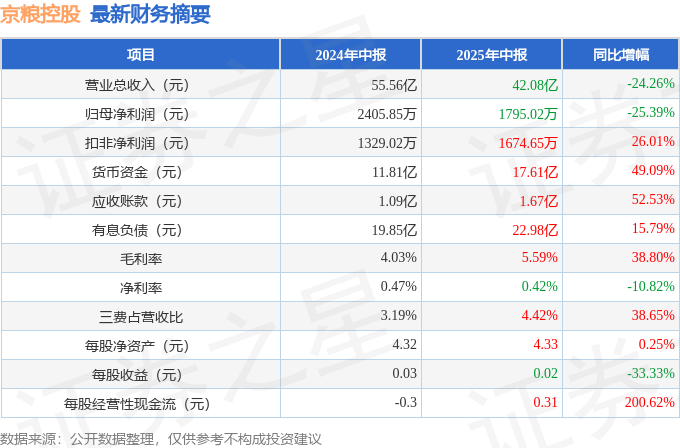
Group 1: Shanghai Cooperation Organization (SCO) Summit - The 2025 Shanghai Cooperation Organization Summit will be held in Tianjin from August 31 to September 1, marking China's fifth time hosting the summit and the largest since the organization's establishment [1] - The SCO has developed into a significant international organization over 24 years, representing about half of the world's population and a quarter of the global economy [3] - In 2024, trade between China and SCO member states, observer countries, and dialogue partners reached a record $890 billion, accounting for 14.4% of China's total foreign trade [3] Group 2: Tianjin Port as a Hub - Tianjin Port is actively playing its role as an international hub, with 11 container ships from SCO countries docking this week, making it a key gateway for trade with SCO nations [4] - The port has become a world-class international hub, showcasing its development achievements during the "World Mayors Dialogue - SCO Summit Cities" event [6] - The port's operations are now highly automated, utilizing AI transport robots and automated cranes, significantly reducing the need for manual labor and increasing efficiency [8][10] Group 3: Green and Smart Port Initiatives - Tianjin Port is recognized for its green initiatives, including wind and solar energy generation, with over 220 high-power charging stations and nearly 50 shore power systems for vessels [12][14] - The port's shore power is 100% sourced from renewable energy, contributing to its reputation as a green development model [14] Group 4: Trade Growth with SCO Countries - Trade between China and other SCO member states has been consistently increasing, with goods trade exceeding $290 billion in the first seven months of this year [17] - The port has established shipping trade relations with over 500 ports in more than 180 countries and regions, enhancing international logistics channels with SCO countries [15] Group 5: Agricultural Trade and Cooperation - Agricultural trade among SCO member states is becoming a new growth point, with China importing high-quality agricultural products from Kazakhstan [19][21] - The establishment of the "SCO Agricultural Technology Exchange Training Base" in Kazakhstan highlights the collaborative efforts in agricultural technology and trade [21] - In the first seven months of 2025, China's import and export volume with SCO countries via land transport reached 677.4 billion yuan, with a year-on-year increase of 7.4% [27]

兴业银行擦亮福农优品“金色招牌”
Zheng Quan Ri Bao Zhi Sheng· 2025-08-30 09:15
Group 1 - The event "Farming Products from Hometown" aims to promote rural revitalization through digital initiatives and live streaming, highlighting local agricultural resources [1] - The establishment of the Fujian E-commerce Alliance for Agriculture aims to enhance the visibility of local products and connect them with a broader market [1] - The event showcased various agricultural products, including hybrid rice seeds, which are significant to the local economy, with one in ten hybrid rice seeds in China originating from Jianing [1] Group 2 - The seed production industry faces challenges such as long production cycles, high investment, and risks, necessitating financial support for various stages including facility construction and seed development [2] - Financial support of 3.5 million yuan was provided to a local enterprise to alleviate concerns regarding production expansion, facilitated by the "Rural Revitalization Loan" product [2] - The "Jinfu Cloud Platform" allows rural enterprises to apply for credit loans, addressing the financing difficulties faced by farmers and agricultural enterprises [2] Group 3 - The importance of not only producing quality agricultural products but also ensuring effective sales strategies was emphasized, with the establishment of the e-commerce alliance being a positive development [3] - In August 2023, the establishment of a financial special commissioner system by Industrial Bank aims to enhance financial services for small and micro enterprises, with a team of over 1,800 professionals [3] - The initiative includes outreach activities to connect with local businesses and communities, ensuring the dissemination of financial policies and tailored services [3]

避险“大军”扩容:衍生品工具助力上市公司稳定经营
Zhong Guo Zheng Quan Bao· 2025-08-30 02:21
Core Viewpoint - The increasing volatility in global financial markets has led to a heightened focus on risk management through hedging strategies among listed companies, with a notable rise in the number of companies utilizing derivative instruments for risk management [1][2]. Summary by Relevant Sections Growth in Hedging Activities - In the first seven months of 2025, 1,383 A-share listed companies issued announcements related to hedging, representing a year-on-year increase of 15.7% [2]. - Companies addressing exchange rate, interest rate, and commodity price risks saw respective increases of 13%, 16%, and 13% in the number of announcements [2]. Types of Risks Managed - Exchange rate risk is a significant concern, with 80% of A-share companies mentioning it in their hedging announcements [2]. - The focus on interest rate risk has been increasing, reflecting a growing awareness among companies during the global interest rate decline [2][3]. Commodity Hedging Trends - Common commodities for hedging include copper, aluminum, steel, lithium carbonate, and silver, with a notable increase in companies mentioning lithium carbonate futures [2]. - New commodity futures listed in 2024 have also been included in hedging strategies, with six companies explicitly hedging bottle chip futures in the first half of 2025 [2]. Industry Participation - Manufacturing companies, particularly in the chemical and agricultural processing sectors, are the primary participants in hedging activities [3]. - There has been a shift in how companies evaluate the effectiveness of hedging, moving from a focus solely on profit and loss to a more comprehensive assessment of fair value changes [3]. Successful Hedging Examples - Companies like Jinlongyu, Zhejiang Zhongtuo, Daodaquan, and Nangang have reported significant profits from their hedging activities, with Jinlongyu achieving a profit of 5.8 billion yuan from its hedging tools [4][5]. - Supply chain companies such as Wucai Zhongda and Xiamen Xiangyu also reported substantial gains from their hedging strategies, with reported amounts of 2.062 billion yuan and 614 million yuan, respectively [5]. Transparency and Regulation - New guidelines from the Shanghai and Shenzhen Stock Exchanges require companies to disclose the combined profits and losses from hedging tools and underlying projects starting in 2024, enhancing transparency in hedging activities [5]. - Increased transparency in hedging disclosures is expected to improve investor understanding and confidence in company operations [5]. Recommendations for Companies - Companies are advised to adopt a systematic approach to hedging, starting with top-level design and team establishment, and gradually implementing hedging strategies [7]. - It is recommended that companies engage external experts to guide them through the complexities of hedging and to learn from industry best practices [7]. - A phased approach to hedging, beginning with small-scale pilots, is suggested to refine processes and build expertise [7].





新赛股份2025年中报简析:增收不增利
Zheng Quan Zhi Xing· 2025-08-29 22:42
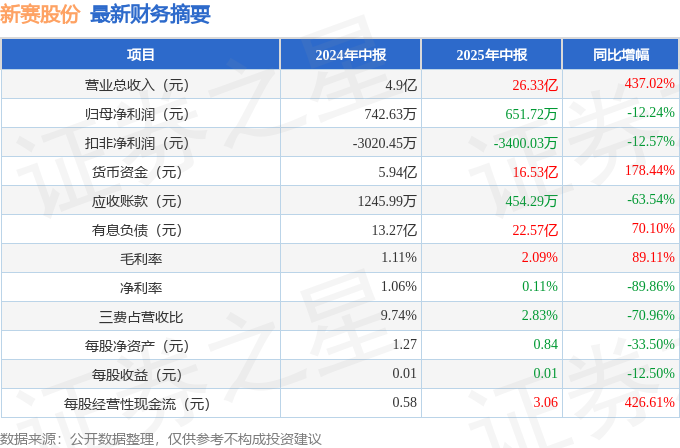
Financial Performance - The company reported a total revenue of 2.633 billion yuan for the first half of 2025, a year-on-year increase of 437.02% [1] - The net profit attributable to shareholders was 6.5172 million yuan, a decrease of 12.24% compared to the previous year [1] - In Q2 2025, the total revenue reached 1.418 billion yuan, up 625.57% year-on-year, while the net profit was -11.6735 million yuan, down 482.64% [1] Profitability Metrics - The gross margin improved to 2.09%, an increase of 89.11% year-on-year, while the net margin fell to 0.11%, a decrease of 89.86% [1] - The total of selling, administrative, and financial expenses was 74.4466 million yuan, accounting for 2.83% of revenue, a decrease of 70.96% year-on-year [1] - Earnings per share remained at 0.01 yuan, reflecting a decrease of 12.5% year-on-year [1] Cash Flow and Debt Analysis - The company reported operating cash flow per share of 3.06 yuan, a significant increase of 426.61% year-on-year [1] - Cash assets are considered healthy, with cash and cash equivalents amounting to 1.653 billion yuan, a year-on-year increase of 178.44% [1] - The company has a high level of interest-bearing debt, which increased by 70.10% to 2.257 billion yuan [1] Historical Performance and Investment Return - The company's historical return on invested capital (ROIC) has been poor, with a median of -2.29% over the past decade, and a worst year in 2016 showing -37.58% [3] - The company has reported losses in 7 out of 21 annual reports since its listing, indicating a generally weak financial performance [3]

避险“大军”扩容: 衍生品工具助力上市公司稳定经营
Zhong Guo Zheng Quan Bao· 2025-08-29 22:26
Core Insights - The use of hedging through derivatives has significantly increased among A-share listed companies in China, with 1,383 companies issuing hedging-related announcements in the first seven months of 2025, marking a 15.7% year-on-year growth [1][2] - Companies are increasingly focusing on managing various risks, particularly exchange rate and interest rate risks, as evidenced by the rising number of companies addressing these issues in their announcements [2][3] - The manufacturing sector, especially in chemicals and agricultural products, is the primary driver of hedging activities among listed companies [3] Risk Management Trends - 80% of A-share listed companies mentioned exchange rate risk in their hedging announcements, while the growth rate of companies addressing interest rate risk has outpaced those focusing on exchange rate and commodity price risks [2][3] - The types of commodities frequently hedged include copper, aluminum, steel, lithium carbonate, and silver, with a notable increase in companies hedging lithium carbonate futures [2] Performance of Hedging Activities - Several companies reported significant profits from their hedging activities in their 2025 semi-annual reports, including: - Jinlongyu achieved a profit of 5.8 billion yuan from hedging tools and underlying projects - Zhejiang Zhongtuo reported a basis profit of 38.2 million yuan - Daodaquan recorded a loss of approximately 19 million yuan from its hedging activities - Nanjing Steel reported a slight profit of 1.48 million yuan from its hedging operations [4][5] Recommendations for Companies - Companies are advised to enhance their understanding of risk management and the functions of derivatives, participate in relevant training, and establish robust internal controls to prevent hedging from becoming speculative [6][7] - A structured approach to hedging is recommended, starting with top-level design, team building, and gradual implementation of hedging strategies [7] Regulatory Changes - New guidelines from the Shanghai and Shenzhen Stock Exchanges require listed companies to disclose the combined profits and losses of hedging tools and underlying projects in their financial reports starting in 2024, which aims to improve transparency and reduce information asymmetry [5]