
房地产

Search documents
广东发布前11月经济数据 规上工业增加值同比增长3.2%
Nan Fang Du Shi Bao· 2025-12-20 00:24
Economic Overview - Guangdong's economy has shown overall stability in 2023, with the industrial added value of above-scale enterprises growing by 3.2% year-on-year from January to November, and manufacturing increasing by 3.4% [1][2] - The automotive manufacturing sector has experienced a significant growth of 9.9%, with an increase of 0.4 percentage points compared to the previous ten months [1][2] Industrial Production - The industrial added value growth is supported by key sectors, with the computer, communication, and other electronic equipment manufacturing growing by 7.1%, and electrical machinery and equipment manufacturing by 5.2% [2] - High-tech product output has maintained double-digit growth, with civilian drones, industrial robots, servers, and 3D printing equipment increasing by 41.2%, 32.8%, 36.9%, and 44.1% respectively [2] Service Sector Performance - The revenue of above-scale service industries increased by 6.9% year-on-year from January to October, with strong support from information transmission, software, and IT services, which grew by 9.4% [3] - The transportation market has remained stable, with freight volume holding steady at 34.73 million tons year-on-year, and cargo turnover increasing by 9.0% [3] Fixed Asset Investment - Fixed asset investment has decreased by 15.7% year-on-year from January to November, while investment in equipment and tools has grown by 0.8%, accounting for 16.1% of total investment [4] - Investment in modern service industries has seen rapid growth, with internet and related services investment increasing by 86.6% [4] Consumer Market - The total retail sales of consumer goods increased by 2.5% year-on-year from January to November, with urban consumption growing by 2.7% and rural consumption by 0.6% [5][6] - Sales of certain upgraded products have seen rapid growth, with retail sales of cultural and office supplies and communication equipment increasing by 13.8% and 19.7% respectively [6]
江苏“十四五”期间构建区域发展新格局取得显著成效推动省域一体化,服务全国一盘棋
Xin Hua Ri Bao· 2025-12-19 23:13
Core Viewpoint - Jiangsu Province is effectively implementing its "14th Five-Year Plan" to construct a new regional development pattern, showcasing significant economic growth and strategic planning achievements. Group 1: Economic Performance - Jiangsu's economic total accounts for over 40% of the Yangtze River Delta region and 22% of the Yangtze Economic Belt's 11 provinces and cities [1] - All 13 prefecture-level cities in Jiangsu are ranked among the top 100 in the country, with five cities having an economic total exceeding 1 trillion yuan [1] - The urbanization rate gap between permanent and registered population in Jiangsu has narrowed to 5.36 percentage points, making it one of the provinces with the smallest gap in the country [1] Group 2: Infrastructure Development - Jiangsu has established a comprehensive land spatial planning system, achieving basic coverage of detailed planning in city centers [2] - The province has implemented a combined approval process for land and forestry, reducing application materials by 35% and review time by 37% [2] - Jiangsu's high-speed rail mileage has reached 2,594 kilometers, ranking first in the country, and the province has built 21 cross-river channels [2] Group 3: Transportation and Logistics - The logistics cost-to-GDP ratio in Jiangsu has decreased to 12.8%, which is 1.2 percentage points lower than the national average [3] - In the previous year, Jiangsu's railway passenger volume exceeded 314 million, the highest in the Yangtze River Delta region [3] - The province's transportation network enhances economic circulation and improves regional connectivity [3] Group 4: Rural and Urban Integration - Jiangsu's rural residents' per capita disposable income is projected to reach 32,414 yuan in 2024, an increase of 8,216 yuan since 2020 [5] - The income ratio between urban and rural residents has narrowed from 2.19:1 to 2.04:1 [5] - The province has seen a significant increase in agricultural production, with grain output reaching 76 billion jin and continuous growth in planting area [5] Group 5: National Strategy Alignment - Jiangsu has actively engaged in national strategic initiatives, enhancing collaboration in science, technology, and industry across regions [6] - The Yangtze River Delta ecological and green integration development demonstration zone has produced 154 institutional innovation results during the "14th Five-Year Plan" [6] - Jiangsu has implemented 180 key projects to accelerate the development of the demonstration zone [6] Group 6: Support and Cooperation - Jiangsu has allocated over 34 billion yuan in aid funds during the "14th Five-Year Plan," implementing nearly 9,000 support projects [7] - The province has established partnerships with key laboratories and innovation centers in the Beijing-Tianjin-Hebei region [7] - Jiangsu's enterprises listed on the Beijing Stock Exchange and Hong Kong Stock Exchange are the highest in the country, with 55 and 136 companies respectively [7]
城建发展:第九届董事会第二十九次会议决议公告
Zheng Quan Ri Bao· 2025-12-19 15:21
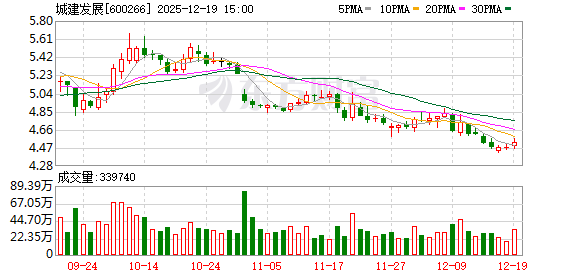
证券日报网讯 12月19日晚间,城建发展发布公告称,公司第九届董事会第二十九次会议审议通过《关 于建兴丰汇公司向中国工商银行申请不超过18亿元贷款的议案》等多项议案。 (文章来源:证券日报) ...


反转!2026 楼市定调:被嫌弃的老房,为何突然成 “香饽饽”?
Sou Hu Cai Jing· 2025-12-19 14:37
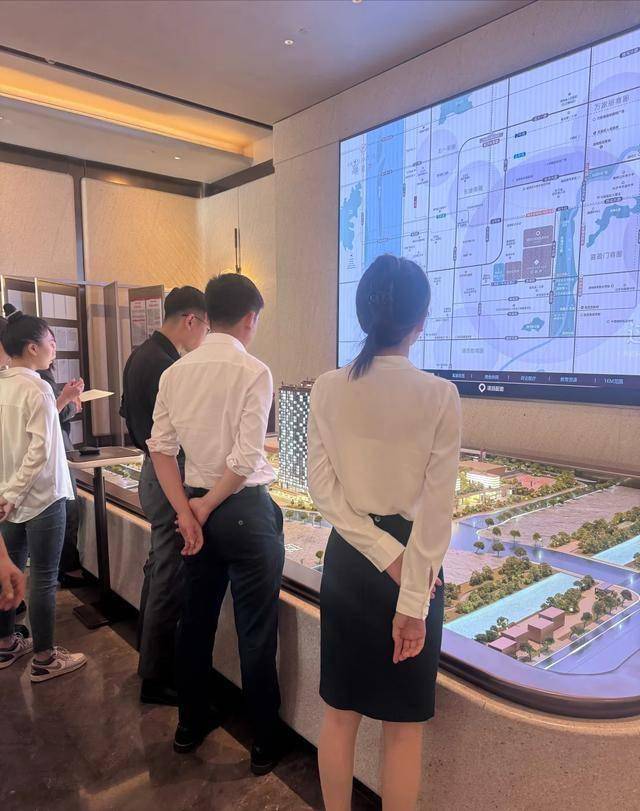
Core Viewpoint - The real estate market is experiencing a significant reversal, with older homes, previously overlooked due to outdated facilities and layouts, now becoming highly sought after by buyers, driven by government policies aimed at optimizing existing housing stock and enhancing value [1][7]. Group 1: Market Dynamics - The resurgence of older homes is attributed to their irreplaceable location advantages in city centers, which offer established amenities that new developments in peripheral areas cannot match [3][8]. - Data indicates that the average appreciation of older homes over 25 years in first-tier and strong second-tier cities has reached 15%, significantly outpacing the price growth of newly built homes [3][6]. - Renovation efforts in older neighborhoods are enhancing property values, with government subsidies covering 80%-90% of costs for essential upgrades, leading to substantial price increases post-renovation [6][7]. Group 2: Policy Support - The 2026 policy direction emphasizes "controlling increments, reducing inventory, and optimizing supply," positioning older homes as key targets for value enhancement [7][9]. - The central economic work conference encourages the acquisition of existing homes for affordable housing, facilitating a connection between stock housing and social housing, thus broadening the value realization pathways for older homes [7][9]. - Continued reforms in the housing fund system, including increased loan limits and expanded usage for renovations, are expected to lower financial barriers for first-time buyers of older homes [7][9]. Group 3: Investment Considerations - The demand for older homes is not uniform; it reflects a rational choice within a differentiated market, with core city assets stabilizing while lower-tier cities face ongoing challenges [8][9]. - Key factors for buyers to consider include location value, eligibility for renovation programs, and the quality of the property, which will influence both appreciation potential and living experience [8][9]. - Recommended focus areas for investment include older homes in core areas that are part of renovation plans, identified as priority renovation projects, and rural idle properties near scenic or industrial zones, while avoiding non-core older homes in lower-tier cities [8][9].
2025高净值人群的投资方式和养老方式有了什么变化?
Sou Hu Cai Jing· 2025-12-19 14:31
Core Insights - The report highlights a significant demographic shift in China, with over 300 million people aged 60 and above, leading to a reconfiguration of asset allocation and lifestyle among high-net-worth individuals (HNWIs) [3][4] - The average family net worth of the surveyed HNWIs is 37 million RMB, and their investment strategies are shifting towards more defensive assets like insurance and gold, moving away from real estate and bank wealth management products [3][10] Investment Trends - HNWIs are planning to reduce their investments in real estate (19% intend to decrease) and bank savings/wealth management products (25% intend to decrease) [8] - The top asset classes for increased investment include insurance (47%), gold (42%), and stocks (34%), indicating a preference for safety and stability over high-risk asset appreciation [10][12] Wealth Sources - The primary sources of wealth for HNWIs are operational income (37%) and salary income (28%), with investment income contributing 22% [5][6] - This income structure ties their cash flow to macroeconomic conditions and business performance, making them vulnerable to external economic fluctuations [6][7] International Investment - 45% of HNWIs have allocated funds to overseas financial products, with an average of 20% of their total assets in foreign investments [14] - 56% plan to increase their overseas investment in the coming year, with younger individuals (30-44 years) showing a stronger inclination (61%) compared to older individuals (51%) [15][16] Retirement Planning - HNWIs have a retirement income replacement rate of 75%, significantly higher than the national average of 42.6%, largely due to their investment in commercial annuities [24] - 67% of HNWIs prefer to retire in cities where their children live, with a growing interest in community-based retirement models [24][25] Healthcare and Service Preferences - HNWIs are willing to pay an average of 275,000 RMB annually for retirement home services, with 37% spending over 300,000 RMB [27] - Key factors influencing their choice of retirement facilities include comfort, quality of care, and emergency response speed [30]

中原建业(09982)已达成复牌指引 12月22日复牌
智通财经网· 2025-12-19 14:18
智通财经APP讯,中原建业(09982)公布,由于复牌指引已获履行,公司已申请股份自2025年12月22日上 午九时正起于联交所恢复买卖。 ...
2026年起,房地产“首迎抛售潮”?内行人:未来房价或超乎想象
Sou Hu Cai Jing· 2025-12-19 14:14
Core Insights - The real estate market is experiencing a shift, with an increase in sellers and a growing number of buyers adopting a wait-and-see approach, leading to a phenomenon referred to as "selling wave" [1] - Homeowners are reassessing the costs associated with property ownership, focusing on annual expenses rather than potential appreciation [3] - The value of properties is increasingly influenced by population movement, with demand concentrated in areas with strong educational, transportation, and employment support [7][9] Group 1: Cost Considerations - Homeowners are now calculating the total cost of ownership, including mortgage interest, property fees, heating costs, and maintenance funds, which have become more apparent as income growth slows [5] - Many landlords find that rental income only partially covers mortgage payments, leading to a shift in mindset from "waiting" to "considering selling" when properties remain vacant for extended periods [5] Group 2: Changing Value Perception - The traditional view of property value based on city location is evolving, with significant disparities emerging between different areas within the same city [7] - Properties in areas with population inflow and strong demand are less likely to face selling challenges, while those in declining areas struggle to maintain value [9] Group 3: Shifts in Buyer Preferences - Buyers are increasingly focused on practical living conditions, such as commuting times and local amenities, rather than symbolic aspects of property ownership [11] - Older properties with outdated designs and poor management are becoming harder to sell, as buyers are more selective [13] Group 4: Price Trends and Market Dynamics - The anticipated "selling wave" may not lead to uniform price declines; instead, some properties may experience rapid price drops while others remain stable [15] - Properties in prime locations, smaller sizes, and with good liquidity show stronger resilience against market fluctuations, while larger, less desirable properties may face more significant price adjustments [17] Group 5: Future Market Outlook - The real estate market is entering a more rational and differentiated phase, where properties are viewed as long-term investments requiring careful consideration rather than short-term speculation [19] - The future trajectory of housing prices may exceed expectations, with opportunities and risks becoming unevenly distributed across the market [19]
四大维度齐发力!一图读懂天津资本市场“十四五”升级攻略
Xin Lang Cai Jing· 2025-12-19 12:45
Core Viewpoint - The article discusses the comprehensive reforms and developments in Tianjin's capital market during the "14th Five-Year Plan" period, emphasizing risk prevention, regulatory strength, and high-quality development [35]. Group 1: Market Expansion - The number of listed companies increased from 60 to 71, an 18% growth compared to the end of the "13th Five-Year Plan" [6]. - The total market value of listed companies rose from 920.3 billion yuan to 1,656.6 billion yuan, an 80% increase compared to the end of the "13th Five-Year Plan" [6]. - The number of companies listed on the New Third Board reached 118, with 39 in the innovation layer, a 1.29 times increase year-on-year [7]. - The bond market's outstanding scale reached 12.8 trillion yuan, ranking among the top in the country [8]. - The total assets of eight securities, fund, and futures institutions reached 113.7 billion yuan, with net assets growing by 22% and 20% respectively compared to the end of the "13th Five-Year Plan" [8][9]. Group 2: Structural Optimization - The focus is on enhancing quality and efficiency, with a strong emphasis on technology innovation and industrial upgrades [10]. - There are 49 high-tech and specialized new listed companies in Tianjin, accounting for 69% of the total, with a total market value share of 78% [12]. - Cumulative R&D investment by listed companies exceeded 100 billion yuan, an 80% increase compared to the "13th Five-Year Plan" [12]. - The overall R&D intensity of listed companies is projected to be 3.01% in 2024, with key industry chain companies at 7.64% [12]. Group 3: Capital Market and Industry Renewal - 40 listed companies belong to key industrial chains in Tianjin, accounting for nearly 70% of the total market value [14]. - Six listed companies have undergone major asset restructuring to eliminate inefficient assets and transition to emerging industries [14]. - Nearly 20% of listed companies are expanding production or investing in weak links of the industrial chain through refinancing [14]. - The amount of mergers and acquisitions by listed companies exceeded 26 billion yuan after the release of the "Six Merger Guidelines" in September 2024 [14]. Group 4: Asset Activation - Two public REITs were issued, with one revitalizing 220,000 square meters of industrial park assets and another raising 2.5 billion yuan for highway expansion projects [17]. - The outstanding scale of ABS products in the region reached 72.1 billion yuan, ranking among the top in the country [18]. Group 5: Function Enhancement - Over the past five years, the region has utilized multi-level capital markets to finance 1.6 trillion yuan, 1.6 times the total financing amount during the "13th Five-Year Plan" [21]. - Among 14 new listed companies, 11 were issued through the registration system, and 10 were listed on the "Two Innovation Boards" and the Beijing Stock Exchange [21]. - The wealth management scale of capital market institutions in the region exceeded 2.2 trillion yuan [23]. Group 6: Ecological Improvement - The regulatory framework for the capital market has been established, guiding further comprehensive reforms [26]. - The implementation of the "New National Nine Articles" and the "1+N" policy has led to the introduction of various supportive measures for high-quality development [28]. - A specialized working group has been established to implement capital market reform policies and coordinate high-quality development of listed companies [29].

大摩邢自强:提消费、稳楼市、强社保……2026中国经济要走得远,关键还在“投资于人” | Alpha峰会
Hua Er Jie Jian Wen· 2025-12-19 12:39
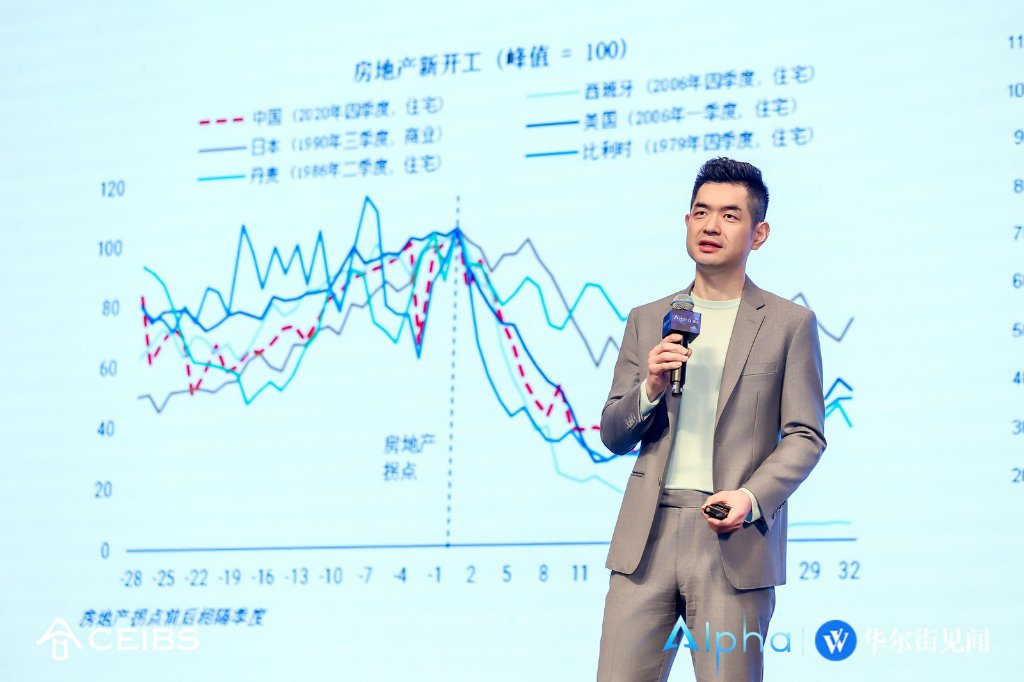
12月19日,在华尔街见闻和中欧国际工商学院联合主办的「Alpha峰会」上,摩根士丹利中国首席经济学家邢自强发表了题为《中国新篇章: 科技 与再平衡》的演讲。 他表示,2024年9月以来的政策转向是扭转中国经济局势的关键,中国企业在复杂的地缘政治与监管环境"严寒大考"后展现出强大韧性和创新能 力,在多项前沿科技领域已取得领先优势。 邢自强同时表示,单靠"星辰大海"的新质生产力和企业出海,难以弥补内需不足这一"柴米油盐"的现实挑战,中国经济破局之道在于通过房地产 企稳、财政从"投资于物"转向"投资于人"、夯实社保与刺激消费,重塑增长动能与市场信心。 以下为演讲精彩观点: 以下为演讲实录: 大家好,我是邢自强。很荣幸来到华尔街见闻Alpha峰会。 关于国际资产配置、地缘政治的种种消息,我相信不管是对于在座的企业家还是中欧的学员都有相当强的帮助。今天我作为第一个开场的嘉宾, 更多起的是抛砖引玉的作用。因为我的本行是进行宏观经济政策研判,以及关于地缘政治、国际资本市场配置的大类方向研究。我相信接下来还 有很多不管是科学家、企业家还是教授,会更多从具体的行业落地,给大家带来一些值得投资、值得进行明年布局的赛道启发。 2 ...
三元股份(600429.SH):拟2685.15万元将三元德宏10%股权转让给南郊农场
Ge Long Hui A P P· 2025-12-19 12:24
Core Viewpoint - The company plans to divest its 10% stake in Beijing Sanyuan Dehong Real Estate Development Co., Ltd. to Beijing Nanjiao Farm for a transaction price of 26.8515 million yuan, focusing on its core business operations [1] Group 1 - The company will transfer its entire 10% equity stake in Sanyuan Dehong, resulting in no remaining ownership post-transaction [1] - The transaction is structured as a non-public agreement, indicating a strategic move to streamline operations [1] - The assessed value for the equity transfer is set at 26.8515 million yuan [1]
