
生物制造

Search documents
眉山新闻发布会:解码“十五五”制造业高端智能绿色发展新路径
Xin Lang Cai Jing· 2025-12-29 04:48
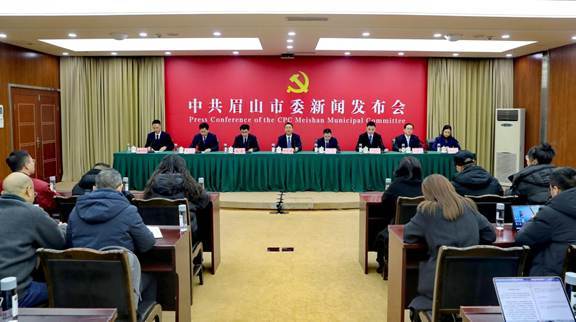
展望"十五五",眉山将认真贯彻落实省委、市委全会部署,紧扣兴产聚人目标,突出新型工业化主导作 用,因地制宜发展新质生产力,全力推动制造业向高端化、智能化、绿色化迈进,加快打造成渝地区先 进制造创新转化高地。黄文利介绍,重点将从三大方面协同发力: 一是聚焦产业能级提升,夯实高端化根基。眉山将继续壮大以新能源新材料为引领的"1+3"产业集群, 前瞻布局空天信息、生物制造等未来产业。深度融入成渝地区双城经济圈产业分工,加快嵌入锂电、光 伏等国家级产业集群建设。 同时,以打造"西部中试转化基地"为核心,构建"1+N"中试体系,强化企业创新主体地位,推动固态电 池、钙钛矿电池等前沿技术成果在眉山加速转化落地。 二是聚焦数实深度融合,激活智能化引擎。全市将实施"智改数转"诊断全覆盖,建设一批先进级智能工 厂和数字化车间,推动规上工业企业关键工序数控化率大幅提升。积极开展人工智能赋能行动,建 设"新型储能+""空天+"等示范应用场景。夯实数字基础设施,深化"5G+工业互联网"融合应用,推进大 数据中心、智算中心建设,打造数智融合示范区。 12月26日,中国共产党眉山市第五届委员会第十二次全体会议胜利召开。会后,市委举行新闻 ...

屈贤明展望:未来十年再突破五、六个产业,中国制造将整体迈入中高端
Xin Lang Cai Jing· 2025-12-29 03:56
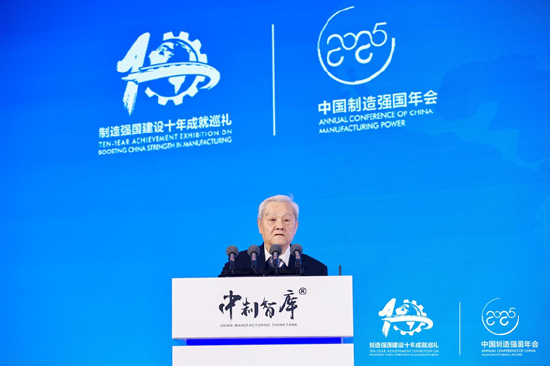
Core Viewpoint - The "10th China Manufacturing Power Conference" highlighted China's achievements in manufacturing over the past decade and outlined future strategies for advancing its manufacturing capabilities [1][3][5]. Group 1: Achievements in Manufacturing - Over the past ten years, China has made significant breakthroughs in ten key areas of manufacturing, solidifying its position as the world's leading manufacturing power [3][5]. - China has entered the second tier of global manufacturing powers, with five industries—information and communication equipment, marine engineering equipment and high-tech ships, advanced rail transit equipment, new energy vehicles, and electric power equipment—leading the world [3][5]. Group 2: Future Strategies - For the next decade, the second phase of the manufacturing power strategy will focus on two main areas: continuing the "key breakthroughs" strategy while adjusting the focus to include smart instruments and biological manufacturing [3][5]. - Increased support for basic research and cutting-edge technologies in the five leading industries is essential to achieve breakthroughs in original innovation [3][5]. - It is anticipated that five to six additional key industries will achieve breakthroughs and join the ranks of world-leading industries, elevating China's manufacturing sector to a mid-to-high-end level overall [3][5].
国家发改委:全链条推进集成电路、工业母机、生物制造等重点领域关键核心技术攻关取得决定性突破
Bei Jing Shang Bao· 2025-12-29 03:44
Core Viewpoint - The article emphasizes the importance of cultivating new quality productivity through high-level technological self-reliance and innovation, highlighting the role of technological breakthroughs in driving this development [1] Group 1: Strengthening Basic Research - The need to enhance basic research by balancing free exploration and goal-oriented approaches, increasing investment ratios, and providing stable support to generate more foundational research outcomes from "0 to 1" [1] Group 2: Promoting Original Innovation - The focus on strengthening original innovation by optimizing the environment for groundbreaking and disruptive innovations, aiming to produce more significant original achievements and foster original ideas, technologies, and industries [1] Group 3: Tackling Key Core Technologies - The emphasis on addressing key core technologies through leveraging the advantages of a new national system, implementing extraordinary measures, and advancing critical fields such as integrated circuits, industrial mother machines, high-end instruments, basic software, advanced materials, and biomanufacturing to achieve decisive breakthroughs [1]
云南“十五五”规划建议:因地制宜推动生物制造、人工智能、氢能及新型储能等成为新的经济增长点
Jing Ji Guan Cha Wang· 2025-12-29 02:24
经济观察网中共云南省委关于制定云南省国民经济和社会发展第十五个五年规划的建议发布。其中提 到,积极发展战略性新兴产业和未来产业。实施产业创新工程,加快生物医药、新材料、先进装备制 造、数字经济、低空经济等战略性新兴产业发展,推动新能源电池产业等延链补链强链,努力培育新兴 支柱产业。积极谋划布局未来产业,建立未来产业投入增长和风险分担机制,因地制宜推动生物制造、 人工智能、氢能及新型储能等成为新的经济增长点。完善产业生态,加快发展创业投资,实施新技术新 产品新场景大规模应用示范行动。引导技术、资本、人才等优质资源要素向重点领域和优势企业集聚。 大力培育专精特新"小巨人"、制造业单项冠军企业。 ...
甘肃“十五五”规划建议:加快核技术应用等关联产业发展
Zheng Quan Shi Bao Wang· 2025-12-29 00:54
Core Insights - The Gansu Provincial Committee of the Communist Party has released recommendations for the 15th Five-Year Plan, emphasizing the acceleration of future industry cultivation [1] Group 1: Future Industries - The plan includes the implementation of an innovation development action for future industries, aiming to create a development roadmap and establish mechanisms for investment growth and risk sharing [1] - Key sectors identified for development include future manufacturing, future information, future energy, future materials, future space, and future health [1] Group 2: Nuclear Technology and Quantum Science - The plan continues to promote the construction of thorium-based molten salt reactor projects, enhancing the development of key equipment and materials, and accelerating the application of nuclear technology [1] - There is a focus on developing quantum measurement, quantum communication, and quantum computing, with an aim to incubate quantum technology industries and startups [1] Group 3: Robotics and Biotechnology - The initiative emphasizes strengthening the research and manufacturing of special robots in areas such as intelligent manufacturing, smart logistics, and emergency safety, promoting multi-scenario applications in manufacturing and services [1] - The plan targets medical and rehabilitation applications, pushing for the research and industrialization of brain-computer interface technology [1] - It also focuses on biological agriculture and biological materials, aiming to expand the biological manufacturing industry towards mid-end growth and breakthroughs in high-end sectors [1]
激活新质生产力动能 培育新型消费增长极
Xin Lang Cai Jing· 2025-12-28 19:25
Core Viewpoint - The article emphasizes the importance of new productive forces driven by technological innovation in facilitating the upgrade of consumption and addressing the challenges of insufficient effective demand in China's economic development during the upcoming "15th Five-Year Plan" period [1]. Group 1: New Productive Forces and Consumption Upgrade - New productive forces, characterized by high quality and efficiency, are essential for industrial upgrading and driving new consumption patterns [1]. - The integration of new productive forces and new consumption is a necessary outcome of consumption upgrades and productive development, aligning with the economic principle of "supply creates demand, and demand drives supply" [1]. Group 2: Mechanisms of New Productive Forces Empowering New Consumption - Technological innovation redefines the consumption supply system, leading to comprehensive upgrades in product forms, service models, and supply efficiency [2]. - Breakthroughs in artificial intelligence and renewable energy technologies have significantly reduced costs and expanded the availability of smart and green products, enhancing new consumption supply [2]. - The deep integration of digital technology with the real economy enables flexible and customized production, effectively addressing the disconnect between traditional supply and consumer demand [2]. Group 3: Expanding Consumption Scenarios through Industrial Upgrading - New productive forces promote the construction of a modern industrial system, facilitating the integration of advanced manufacturing, modern services, and agriculture, thus creating innovative consumption scenarios [3]. - The development of low-altitude economy has led to new consumption scenarios such as low-altitude tourism and short-distance commuting [3]. - The integration of humanoid robotics with services like elderly care and education has created new consumption scenarios that cater to high-quality living service demands [3]. Group 4: Practical Pathways for Empowering New Consumption - Focusing on technological innovation is crucial for enhancing the supply capacity of new consumption, including breakthroughs in digital technologies and expanding the supply of green products [4]. - The integration of advanced manufacturing with modern services is essential for upgrading consumption from product-based to service-oriented consumption [4]. - Emphasizing demand-driven strategies will cultivate new consumption hotspots, such as promoting green and health-oriented consumption [4]. Group 5: Policy Support for New Consumption - Establishing a cross-departmental coordination mechanism is vital for integrating policies related to technology, industry, consumption, and finance to avoid fragmentation [5]. - Increasing financial support for technology innovation in the consumption sector is necessary to enhance residents' consumption capacity [5]. - Strengthening legal frameworks and market regulation in the new consumption sector will protect consumer rights and ensure fair market practices [6].
未来产业周报第3期:国家创投引导基金启动,全球多国加速布局竞逐未来产业-20251228
Shenwan Hongyuan Securities· 2025-12-28 13:44
Quantum Technology - The National Venture Capital Guidance Fund has been launched, focusing on quantum technology, biomedicine, brain-computer interfaces, and other future industries, with an initial capital of 100 billion yuan to attract social capital [5][6] - A significant breakthrough in quantum error correction has been achieved by the University of Science and Technology of China, demonstrating a key milestone in achieving fault-tolerant quantum computing [7][9][10] Biomanufacturing - The European Union has released the Biotechnology Act and associated measures to enhance global competitiveness in biotechnology, aiming to mobilize 10 billion euros in capital from 2026 to 2027 [11][12] - The EU's initiatives include accelerating clinical trials, establishing regulatory sandboxes, and enhancing the application of AI in biomanufacturing, addressing funding shortages and innovation barriers [13][16] Hydrogen Energy and Nuclear Fusion - The Ministry of Industry and Information Technology of China has included three key areas in its 2025 application plan for hydrogen energy, focusing on fuel cell systems, hydrogen compressors, and ammonia co-firing technology [17][18] - South Korea has advanced its nuclear fusion power demonstration target to the 2030s, planning to overcome eight core technologies by 2035 [19][20] - The UK Tokamak Energy ST40 device has set new records in plasma current and energy storage, marking significant progress in commercial fusion energy [21] Brain-Computer Interfaces - A new generation of closed-loop brain-computer interface has been developed by the Chinese Academy of Sciences, enabling functional recovery in spinal cord injury models through real-time decoding of brain movement intentions [22] Embodied Intelligence - The establishment of a national standardization committee for humanoid robots and embodied intelligence aims to enhance the quality and application of these technologies [25] - UBTECH plans to acquire a 43% stake in Fenglong Co., enhancing collaboration in humanoid robot manufacturing and supply chain integration [26][29] Sixth Generation Mobile Communication (6G) - The Ministry of Industry and Information Technology emphasizes systematic advancement in 6G technology research and standard development during the 14th Five-Year Plan period [30] - The U.S. has initiated a spectrum strategy for 6G, focusing on reallocating frequency resources to secure a leading position in global 6G development [31][32] - China has established a collaborative system involving government, industry, and research institutions to promote 6G development, positioning itself as a leader in the field [34][36]

焦点访谈|生物制造,万亿赛道如何跑出“加速度”?
Yang Shi Wang· 2025-12-26 13:28
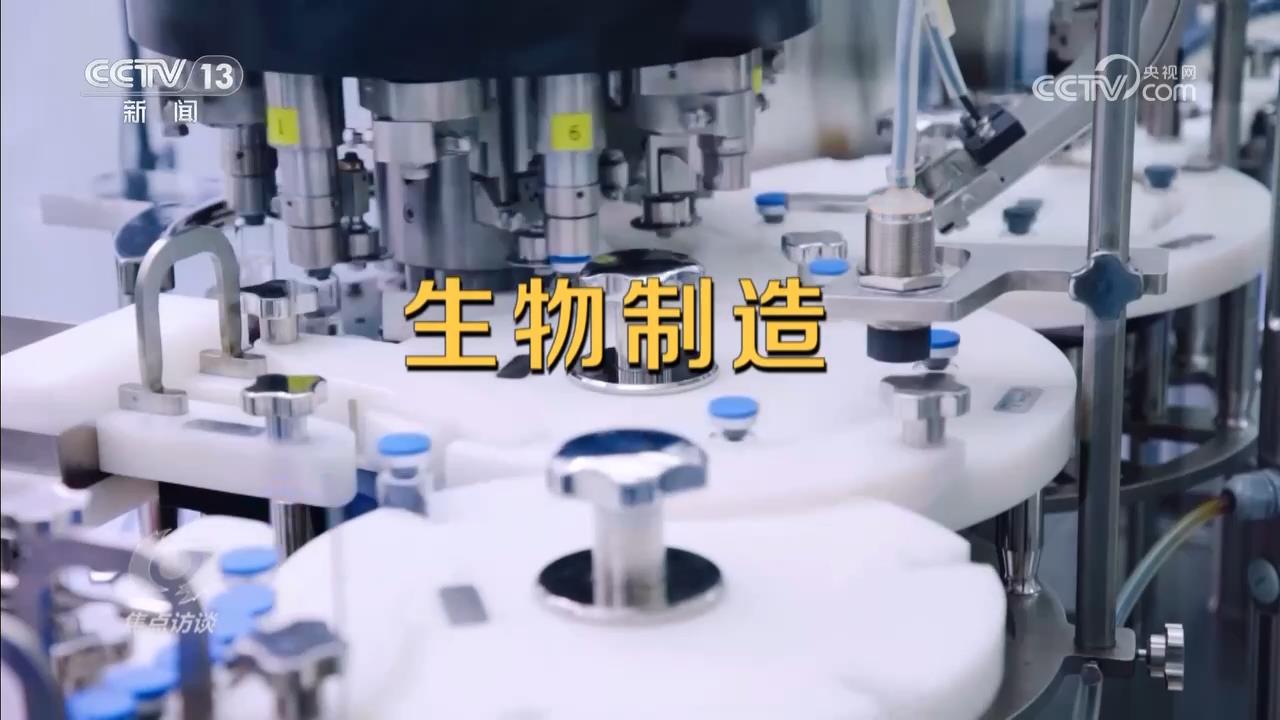
Core Concept - Biomanufacturing is identified as one of the six future industries in China's 14th Five-Year Plan, utilizing biological processes to produce materials and products from raw materials through the metabolic activities of microorganisms and cells [1][10]. Group 1: Definition and Process - Biomanufacturing involves using biological entities, such as microorganisms and plant or animal cells, to metabolize raw materials into desired products, integrating industrial biotechnology with engineering principles for large-scale production [3][5]. - The process is likened to "raising cells," where conditions such as temperature and pH are controlled to optimize the production of materials, fuels, food, pharmaceuticals, and chemicals [3][5]. Group 2: Applications and Benefits - The production of PHA (polyhydroxyalkanoates), a biodegradable polymer, exemplifies biomanufacturing's potential, with over 70 different types developed for use in everyday products, pharmaceuticals, and textiles [8]. - Biomanufacturing offers environmentally friendly production methods, with products like biodegradable straws expected to decompose within 9 to 12 months [8]. Group 3: Market Potential and Growth - The biomanufacturing industry in China reached a total scale of 1.1 trillion yuan during the 14th Five-Year Plan period, indicating significant growth potential [10]. - China's advantages include a unified large market and the world's most complete manufacturing system, which can facilitate the development of new fields such as bio-based materials and biopharmaceuticals [10]. Group 4: Technological Advancements - Recent breakthroughs in life sciences and synthetic biology, including gene sequencing and editing technologies, are being widely applied in biomanufacturing, transforming production methods and potentially impacting daily life [8][12]. - The establishment of national key laboratories and innovation platforms has positioned technological innovation as a driving force for the development of biomanufacturing [12]. Group 5: Infrastructure and Support - The construction of pilot-scale platforms is crucial for transitioning from laboratory research to production, with the Ministry of Industry and Information Technology announcing the first batch of biomanufacturing pilot capacity construction platforms [14]. - Regions like Changde are actively fostering biomanufacturing as a key industry, with plans for acceleration factories and supportive regulations to aid startup companies in scaling production [14][16]. Group 6: Investment and Market Development - Large enterprises and investment institutions are increasingly involved in the biomanufacturing sector, contributing to the entire industry chain from innovation to market application [16]. - The rapid development and market exploration in biomanufacturing reflect a significant shift towards sustainable production methods in various industries [16].
产业创新是建构中国经济增长新的核心支柱
Guo Ji Jin Rong Bao· 2025-12-26 10:08
Core Insights - The upcoming year 2026 marks the start of China's 15th Five-Year Plan, emphasizing the implementation of industrial innovation projects to enhance the country's industrial structure and establish a modern industrial system with global competitiveness [1] Group 1: Industrial Innovation Strategy - China aims to create emerging pillar industries and strategically position future industries, focusing on sectors like new energy, aerospace, and quantum technology, which are characterized by long-term and dynamic features [3] - The strategy includes a new national system to concentrate resources on technological advancements and infrastructure, leveraging the complete industrial system and vast market advantages to facilitate the commercialization of new technologies [4] Group 2: Global Innovation Standing - According to the 2025 Global Innovation Index, China ranks 4th globally, achieving its highest position ever, while also being the second in key technology fields like biotechnology and quantum technology, closing the gap with the U.S. [5] - China has 24 of the world's top 100 innovation clusters, with the Shenzhen-Hong Kong-Guangzhou cluster now ranked first globally, surpassing the Tokyo-Yokohama cluster [5] Group 3: Policy and Financial Support - Various government departments have issued guidelines to promote strategic emerging industries, emphasizing the need for comprehensive financial services throughout the innovation lifecycle [6] - The government is focusing on creating application scenarios in digital economy and AI, aiming to build a robust ecosystem for emerging and future industries [6] Group 4: Industry Development and Collaboration - China has seen the emergence of around 350 companies in the brain-computer interface sector, and has established the largest solar panel production base globally, showcasing a collaborative approach to industrial innovation [7] - The government is promoting a systematic approach to accelerate the development of industrial clusters, emphasizing the integration of infrastructure, technology research, and market needs [9] Group 5: Future Industry Challenges and Strategies - Future industries face more complex risks, necessitating a diversified technological approach and the establishment of pilot application scenarios to foster innovation [10] - Regulatory frameworks are evolving to support innovation, including the introduction of "regulatory sandboxes" and a focus on digital regulation to create a conducive environment for future industries [11] Group 6: Investment and Risk Management - Establishing a risk-sharing mechanism is crucial for future industry development, with a focus on a tiered layout system and government-market collaboration to attract investment [12] - Innovative financial tools are being developed to support long-term investments in future industries, including insurance products tailored for technology transfer and key equipment development [12] Group 7: Talent and Innovation Ecosystem - Cultivating a high-level innovation ecosystem is essential, with initiatives to support leading enterprises and foster new entities in future industries [13] - There is a shared policy focus on enhancing infrastructure, original innovation, and the integration of technology and industry to strengthen the overall innovation capacity [13]
云南持续推动产业转型升级
Zhong Guo Jing Ji Wang· 2025-12-26 06:02
Core Insights - Yunnan Province's economy is projected to reach a historic milestone of 3.27 trillion yuan in 2023, with an average annual growth rate of approximately 4.7% during the 14th Five-Year Plan period [1] Economic Structure and Investment - The economic structure of Yunnan is undergoing rapid adjustment, with industrial investment becoming the main driver, increasing its share of fixed asset investment from 26.7% in 2020 to 52.1% by 2024 [1] - Private sector investment has significantly increased, with its share rising from 39.8% to 65.7% [1] Industry Development and Upgrading - The "new three" industries—green aluminum, silicon photovoltaic, and new energy batteries—are showing strong growth, contributing over 20% to the increase in industrial added value [1] - The deep processing rate of coffee has improved from 20% to 80%, with total output value increasing from less than 10 billion yuan to over 80 billion yuan [1] - In the green aluminum sector, the alloying rate has reached 51.4%, with electrolytic aluminum production capacity at 6.5 million tons and output value doubling to over 160 billion yuan [1] Strategic Focus Areas - The Yunnan Provincial Committee emphasizes the need to focus on industrial transformation and upgrading, aiming to build a modern industrial system with Yunnan's unique advantages [2] - Key areas of focus include green aluminum, silicon photovoltaic, phosphorous chemicals, and non-ferrous and rare metals, as well as highland characteristic agriculture, cultural tourism, green energy, and modern logistics [2] Action Plans for Industrial Upgrading - Yunnan will focus on major industrial projects to drive quality upgrades, particularly in green aluminum, petrochemicals, phosphorous chemicals, and rare earths [3] - The province aims to cultivate new growth points in non-tobacco and non-energy industries, targeting sectors like biomedicine, new materials, and advanced equipment manufacturing [3] - Emphasis will be placed on technology empowerment, promoting core technology breakthroughs and enhancing the integration of technological and industrial innovation [3] Park Development and Efficiency - Yunnan plans to implement an action plan to enhance park economies, establishing a comprehensive evaluation system focused on efficiency, environmental impact, and industrial clustering [4] - The strategy includes leveraging parks to foster leading industries and promote regional industrial complementarity and collaborative development [4]