AI

Search documents
2026年2月私募月度市场研报
私募排排网· 2026-02-07 01:40
Investment Rating - The report indicates a positive investment sentiment towards the A-share market, particularly favoring small-cap and technology sectors, with a focus on structural rotation and high volatility [1][30]. Core Insights - The A-share market experienced a strong start in January 2026, with significant gains in various indices, particularly the ChiNext and small-cap indices, reflecting a robust market environment [1]. - The precious metals sector showed strong performance driven by both safe-haven demand and capital allocation needs, while the banking sector faced a decline, breaking a long-standing trend of outperformance [2][12]. - The overall market saw a high number of stocks achieving positive returns, with 3,631 stocks recording monthly gains, and 16 stocks doubling in price during January [2]. Market Review and Outlook - The A-share market indices recorded substantial monthly gains, with the ChiNext Index rising by 12.29% and the CSI 500 Index by 12.12%, indicating a strong performance in small-cap stocks [1]. - The average daily trading volume reached 30,147.10 billion yuan, reflecting increased trading enthusiasm among retail investors [1]. - The report anticipates continued structural rotation in February, with a focus on precious metals and certain new energy sectors due to supply constraints and capital allocation needs [30]. Futures Market - The commodity futures market showed an overall upward trend in January, with the precious metals sector leading the gains, while agricultural products like live pigs and soybean meal faced declines [11][12]. - The report highlights that the macroeconomic environment is characterized by weak recovery and strong differentiation, impacting demand for cyclical commodities [12]. Private Fund Strategies - In January, the average return for private funds was 5.71%, with equity and commodity long strategies showing significant profitability [22]. - The report notes that January was a month of systematic recovery, with many strategies achieving returns in the 7%-10% range, particularly those focused on equities and high elasticity [24]. - The report emphasizes the importance of diversified strategies and risk management in the current market environment, suggesting that private fund strategies can provide opportunities for excess returns while managing risks effectively [33].
9点1氪丨千问回应“春节30亿免单”页面崩了;英伟达据悉今年或将不推出任何新游戏显卡;董事长被指疑为“骗保”精神病院实控人,爱尔眼科声明
3 6 Ke· 2026-02-07 01:15
Group 1 - Qianwen's "Spring Festival 3 Billion Free Order" event faced server issues due to high demand, prompting the company to allocate more resources to ensure smooth operation [2] - The event allows users to order milk tea for free using AI, with a promotional period from February 6 to February 12, and additional incentives for inviting new users [2] - Kuaishou was fined 119.1 million RMB for failing to manage security risks and promptly address illegal content on its platform, as per the Beijing Internet Information Office [2] Group 2 - Aier Eye Hospital's chairman was linked to a suspected insurance fraud case, causing a stock price drop of over 3% before the company clarified that the involved hospital is not part of its consolidated financial statements [3] - Weibo has partnered with the Chinese Olympic Committee as a sponsor and social media platform for upcoming international events from 2026 to 2029 [3] Group 3 - XWANDA reached a settlement with Geely's subsidiary, which is expected to reduce its net profit by 500 to 800 million RMB in 2025 due to costs associated with battery pack replacements [4] - Novo Nordisk's diabetes drug sales in China saw a 7% decline, marking the first drop in sales, with revenue falling to approximately 8.53 billion USD [6] Group 4 - Amazon plans to invest 200 billion USD in AI infrastructure this year, significantly exceeding analyst expectations, which may impact its profitability in the short term [11] - Apple is reportedly scaling back its virtual health coach project, "Mulberry," to reassess its strategy in the health services market [11] Group 5 - PallasAI secured several million RMB in funding to enhance its AI Agent platform, focusing on technology upgrades and industry-specific solutions [18] - Chip manufacturer "Xincheng Semiconductor" completed nearly 100 million RMB in angel round financing, indicating strong investor interest in the semiconductor sector [17]

Stocks rebound after a dramatic week sparked by ongoing AI uncertainty
NBC News· 2026-02-06 22:57
Market Performance - The S&P 500 rose 1.97%, marking its best day since May, while the Nasdaq Composite surged 2.18% on Friday, despite a sell-off in many tech stocks [1][3] - The Dow Jones Industrial Average reached 50,000 for the first time, although the S&P 500 is up less than 1% for the year, indicating a more nuanced market performance [7] Company Developments - Amazon's stock fell 5.58% after announcing a $200 billion spending plan, primarily for its Amazon Web Services division, leading to a 12% decline in its stock since Monday and a loss of over $310 billion in market value [1][2] - Microsoft and Meta also faced significant stock declines after announcing hundreds of billions in planned AI spending, contributing to a collective market value loss of nearly $1 trillion among Amazon, Microsoft, Meta, and Alphabet over five days [2][3] Sector Insights - Industrial and energy sectors performed well, with companies like Caterpillar benefiting from expected high demand for data centers [3][4] - Nvidia's shares rose nearly 8%, with the company now valued at over $4.5 trillion, as its CEO defended the sector's spending in response to high demand for AI applications [4] Investor Sentiment - The announcement by AI developer Anthropic about advanced AI capabilities triggered panic among investors in software and data analysis sectors, leading to heavy selling [5][6] - Small and medium stocks outperformed larger peers, with the Russell 2000 index soaring almost 4% [9]


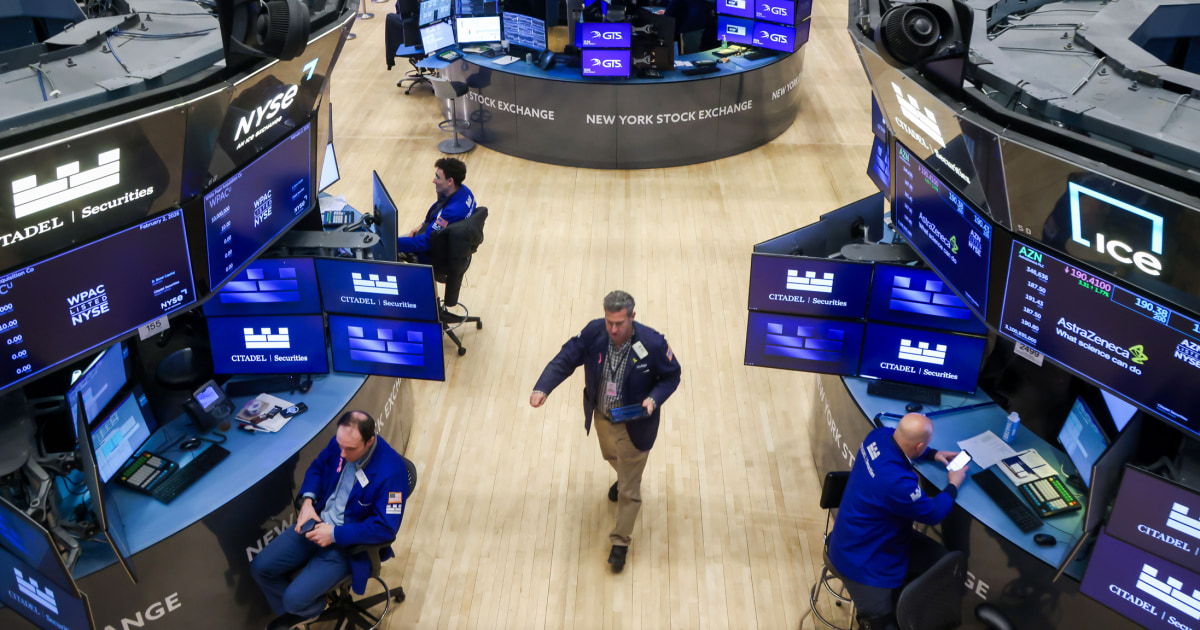
四维共振驱动春季行情 多元策略适配不同风险偏好
Zhong Guo Zheng Quan Bao· 2026-02-06 20:24
Core Viewpoint - The current A-share market is characterized by a blend of upward continuation and short-term volatility, necessitating investment strategies that align with risk preferences and market dynamics [1][2]. Market Conditions - Analysts believe that the market is poised for an upward trend driven by four key factors: ample liquidity, policy catalysts, calendar effects, and the interplay of valuation and earnings [3][4]. - The upcoming Spring Festival is seen as a critical period for investment decisions, with historical data indicating a strong performance of the market during this time [2][4]. Investment Strategies - Analysts recommend focusing on two main lines: technology growth and resource products, while also diversifying into cyclical consumption, price increases, and defensive assets [6][7]. - For medium-risk investors, a balanced approach involving profit-taking and a "barbell strategy" is suggested, combining dividend and technology assets [2][3]. Sector Insights - The technology sector is expected to be a core focus for long-term investments, particularly in AI and related fields, with a shift from hardware to application-based investments anticipated in 2026 [6][7]. - The cyclical and resource sectors are highlighted for their potential price increases and recovery opportunities, with specific attention to industrial metals and energy products [7][8]. Defensive Assets - High-dividend assets are recommended as a core component of defensive strategies, with sectors such as utilities, banks, and consumer staples being favored for their stability and yield [8]. - Analysts emphasize the importance of maintaining a diversified portfolio that balances offensive and defensive assets to mitigate risks associated with market fluctuations and external uncertainties [8].
Cathie Wood’s ARK Innovation ETF Reiterates Belief in Solmate (SLMT), Adds to Position
Yahoo Finance· 2026-02-06 16:16
Core Viewpoint - ARK Innovation ETF is increasing its investment in Solmate, a crypto infrastructure company, following a recent decline in its stock price, with a focus on its potential leadership in Abu Dhabi's financial infrastructure [1] Group 1: Investment Strategy - ARK Innovation is purchasing shares of Solmate, the new name for Brera Holdings PLC, indicating confidence in the company's future prospects [1] - The ETF is strategically positioning itself in sectors such as semiconductors, AI, cryptocurrency, and health tech, despite current market downturns [2] Group 2: Regulatory Environment - Cathie Wood highlighted the concept of "regulatory whiplash" in the U.S., suggesting that Solmate's move to Abu Dhabi is not only cost-effective but also provides regulatory clarity [2] - The transition allows Solmate to innovate rapidly while U.S. competitors face legal challenges [2]
普华永道:2025年中国企业并购交易额超4000亿美元,同比大增47%
Bei Jing Shang Bao· 2026-02-06 11:56
北京商报讯(记者 马换换)2月6日,普华永道发布《2025年中国企业并购市场回顾及展望》报告显 示,受益于资本市场估值修复、政策红利释放及产业升级加速等多重积极因素,2025年中国企业并购市 场实现显著回暖,交易规模与数量同步大幅回升。全年披露交易总额超4000亿美元,同比激增47%,创 五年以来首次回升;交易总量突破12000宗,涨幅近20%,市场整体活跃度全面增强。 普华永道中国内地企业并购服务合伙人郭伟表示:"2025年境内并购市场的爆发式增长,得益于资本市 场估值修复、IPO市场回暖为交易提供的良好定价基础,而行业整合深化、技术突破加速以及财务投资 者退出需求增强,进一步激活了市场交易活力。" 展望2026年,普华永道认为,国内产业升级加速、A股龙头企业再融资环境有望宽松、国企改革与上市 公司整合深入推进,将催生更多行业内整合交易。预计高科技(半导体、AI)、工业品(新质生产 力)、新能源、生物医药及消费品等领域将成为并购交易的核心赛道,2026年市场整体交易额与交易量 有望实现稳步增长。 另外,报告显示,中国内地企业海外并购在2025年呈现显著反弹态势。全年宣布海外并购交易272宗, 同比增长5%; ...
微信“大战”BAT:三天三场“封杀”
第一财经· 2026-02-06 10:23
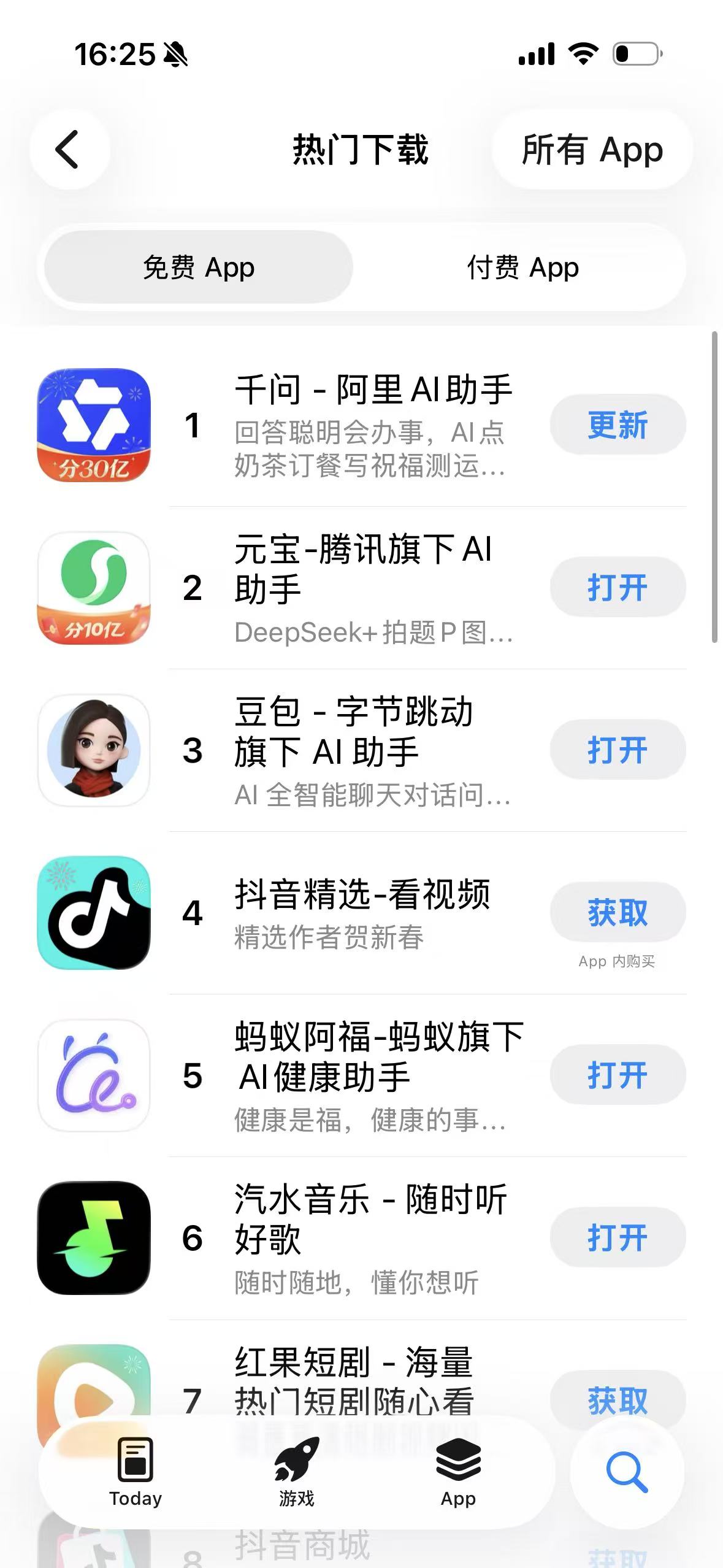
Core Viewpoint - The article discusses the intense competition among AI application companies during the Spring Festival, particularly focusing on the battle for user engagement on WeChat, where Tencent's "Yuanbao," Baidu's "Wenxin," and Alibaba's "Qianwen" are vying for dominance in the market [3][4][5]. Group 1: Competition Dynamics - Tencent's "Yuanbao" faced a sudden ban on its red envelope links by WeChat, which was described as a "no-mercy" attack against excessive marketing practices [5][6]. - On February 6, "Qianwen" topped the App Store charts with over 10 million orders during its promotional event, despite experiencing system overloads and failures [3][4][7]. - The competition intensified as AI application companies invested billions in subsidies and red envelopes to attract users, leading to a chaotic marketing environment [4][10]. Group 2: User Experience Challenges - Users reported significant issues with the "Qianwen" app, including system failures and payment issues, highlighting the challenges of scaling during high-demand periods [7][8]. - The rapid influx of users caused "Qianwen" to struggle with system stability, prompting the company to increase resources urgently [7][8]. - The marketing strategies employed by these AI applications, while initially effective in attracting users, may not sustain long-term engagement without strong product capabilities [15]. Group 3: Strategic Implications - The article suggests that the current marketing tactics may not be sufficient for long-term user retention, as companies need to focus on product strength rather than just promotional spending [14][15]. - The lack of a robust social ecosystem for "Qianwen" poses a challenge for Alibaba, as it competes against Tencent's established platforms [14]. - The ongoing battle for user acquisition through social sharing methods may not yield the desired results, indicating a need for companies to innovate beyond traditional marketing approaches [13][14].




三位90后华人集齐5块奥赛金牌创业, 公司估值超百亿美元
3 6 Ke· 2026-02-06 10:09
Group 1 - The article highlights the emergence of young billionaires in Silicon Valley, particularly focusing on the rapid rise of Steve Hao, co-founder and CTO of Cognition.AI, whose net worth has reached approximately $1.3 billion after a recent funding round that valued the company at $10.2 billion [2][28][29] - Cognition.AI's flagship product, Devin, is described as the world's first AI programmer, capable of autonomously completing software development tasks from start to finish, which has garnered significant attention and investment [5][8][12] - The company has successfully navigated competitive challenges, including acquiring the assets of Windsurf, a rival AI coding startup, which has enhanced Cognition's market position and product offerings [10][12][28] Group 2 - Cognition.AI's founders, all of whom are young Chinese entrepreneurs, have impressive backgrounds in competitive programming, with multiple International Olympiad in Informatics (IOI) medals among them, which has contributed to their collaborative success [13][16][18] - Following the launch of Devin, Cognition.AI experienced a significant increase in its valuation, from approximately $350 million to $2 billion within months, and further to $9.8 billion by August 2025 [22][28] - The annual recurring revenue (ARR) for Devin surged from about $1 million in September 2024 to $73 million by mid-2025, indicating strong market demand and customer acquisition, including major clients like Dell and Cisco [33]


微信封链、系统崩溃、奶茶爆单:AI春节大战打成了一场混战
Di Yi Cai Jing· 2026-02-06 10:00
BAT 大战微信。 当腾讯、阿里撒出数十亿红包,在苹果应用商店上演"轮番登顶"时,谁也没想到,春节流量大战最激烈的战场,竟在国内最大的社交平台微信上演。 过去几天,腾讯"元宝"、百度"文心"、阿里"千问"的红包链接接连遭到微信"无差别"封杀。在今日,用户发现,曾被视作突破微信限制的口令红包也无法复 制。 2月6日,千问在春节活动的第一天,微信链接也被屏蔽了,部分用户在千问APP点击分享活动至微信好友时,已自动改为复制口令形式。记者下午发现,部 分用户已无法在微信对千问的春节活动口令进行复制。千问红包口令分享至微信后,即便选中口令,微信页面也不再显示复制键。这种"无差别攻击"的范围 还在扩大,腾讯旗下游戏王者荣耀的分享口令今日也被微信封了。 就在2月6日,"千问"因请客喝奶茶活动成功"偷塔",登顶App Store榜首。其系统也因流量过载而一度崩溃。最新数据显示,活动订单量已超过1000万单。 这场争夺AI入口的春节"撒币"大战,正变得前所未有的复杂与焦灼。此时距离春节,还有10天时间。它们真正的对手、拿下春晚独家合作的字节系,还未充 分发力。 微信"无差别攻击" "奶茶店都爆单了,上午我送了20多单外卖。"2 ...
千问崩了,让奶茶也爆单了
盐财经· 2026-02-06 04:52
本文转载自财联社 值班编辑| 江江 视觉 | 顾芗 今日,阿里千问APP"春节30亿大免单"正式上线,率先发起"奶茶攻势"。财联社记者从阿里方面最新了 解到,该活动上线不到3小时,用户已通过千问APP下单超100万单奶茶。 据官方介绍,千问APP免单卡可在全国30多万家奶茶店使用,蜜雪冰城、瑞幸咖啡、霸王茶姬、奈雪的 茶(02150.HK)、沪上阿姨(02589.HK)、茶百道(02555.HK)、库迪咖啡等茶饮咖啡品牌支持使 用。活动期间,每位用户可领取21张无门槛的25元免单卡,相当于525元钱,还有机会抽取价值10000元 的千问AI生活卡。活动页面还显示,第二波福利将于2月13日开启,用户可领取现金红包,最高可得 2888元。 今日上午,多位用户在社交媒体晒出用千问APP下单的"第一杯AI奶茶"。根据用户对比,在各家AI应用 的红包活动中,千问的玩法简单直接且门槛低。 不过,点奶茶免单活动的火爆导致千问APP一度"崩了",部分用户打开活动页面,发现页面无法点击或 者出现卡顿,并显示 "系统开小差了,稍后再试吧"。 不过有体验点奶茶的用户告诉财联社记者,千问APP的体验并不如想象中"丝滑",例如系统无法 ...