
光伏

Search documents
东吴证券晨会纪要-20260311
Soochow Securities· 2026-03-10 23:30
Group 1: Macro Insights - Recent increase in international oil prices has provided a short-term boost to China's economy, improving prices but also causing cost pressures [1][13] - A 10% rise in oil prices is estimated to increase domestic PPI and CPI by approximately 0.42 and 0.07 percentage points, respectively, potentially leading to a positive PPI and GDP deflator in Q1 2026 [1][13] - The ability of input-driven price increases to permanently lift China out of low inflation depends on the formation of an endogenous "wage-price spiral," similar to Japan's experience post-2022 [1][13] Group 2: U.S. Economic Impact - Ongoing uncertainties from the U.S.-Iran conflict have raised concerns about oil supply, pushing global oil prices above $110 per barrel, which will directly affect U.S. CPI in March and beyond [2][16] - In a baseline scenario, if oil prices remain at $100 per barrel, the year-end CPI growth rate is projected to be 3.48%, while a risk scenario with prices at $150 per barrel could see a growth rate of 7.15% [2][16] - The expected easing of the U.S.-Iran conflict may lead to a return of oil prices to around $65 per barrel in April, which would primarily impact March CPI data [2][16] Group 3: Renewable Energy Sector - The renewable energy industry is undergoing a critical transition from "policy support" to "self-sustaining" growth, with financing capabilities directly affecting technological advancements and capacity expansion [3][4] - Head companies in the renewable sector are increasing their debt levels significantly, with asset-liability ratios exceeding 70% as they expand capacity to capture market share [3][4] - The report focuses on Tesla and LG Energy Solution as leading companies in the renewable energy market, analyzing their bond financing strategies and how they align with their growth trajectories [3][4][18] Group 4: Green Bonds and Market Dynamics - The issuance of green bonds has increased, with 13 new bonds issued in the week of March 2-6, totaling approximately 21.28 billion yuan, reflecting a growing interest in sustainable financing [6] - The secondary market for green bonds also saw a significant increase in trading volume, indicating a robust demand for green financing instruments [6] - Despite supportive green finance policies, there remains a mismatch between the bond market's capabilities and the actual financing needs of smaller, innovative companies in the renewable sector [4][6] Group 5: Company-Specific Insights - Desay SV Automotive is projected to see revenue growth of 18% to 21% from 2026 to 2028, with a maintained "buy" rating despite competitive pressures in the automotive sector [7] - Tianqi Lithium's profit forecasts have been adjusted upward due to rising lithium carbonate prices, with expected net profits of 7.03 billion yuan in 2026 [7] - Contemporary Amperex Technology Co., Ltd. (CATL) is expected to achieve net profits of 94 billion yuan in 2026, driven by strong demand in the electric vehicle market [12]




信义光能(00968):25H2光伏玻璃盈利能力同环比改善,减值拖累较大
Guolian Minsheng Securities· 2026-03-10 15:36
Investment Rating - The report maintains a "Buy" rating for Xinyi Solar (0968.HK) [4] Core Views - The company's revenue for 2025 is projected at 20.861 billion CNY, a year-on-year decrease of 4.8%, while the net profit attributable to shareholders is expected to be 845 million CNY, down 16.2% year-on-year [3][8] - The profitability of photovoltaic glass improved in the second half of 2025, with a significant reduction in costs contributing to this improvement, despite a large impairment loss of 2.3 billion CNY [8] - The photovoltaic industry is expected to stabilize, with a cautious approach to capacity expansion and production resumption [8] Financial Forecasts - Revenue projections for 2026, 2027, and 2028 are 20.194 billion CNY, 21.600 billion CNY, and 23.090 billion CNY respectively, with growth rates of -3.2%, +7.0%, and +6.9% [3] - Net profit attributable to shareholders is forecasted to be 1.612 billion CNY in 2026, 1.999 billion CNY in 2027, and 2.504 billion CNY in 2028, reflecting growth rates of 90.9%, 24.0%, and 25.2% respectively [3] - The earnings per share (EPS) is expected to increase from 0.09 CNY in 2025 to 0.27 CNY in 2028 [3] Market Dynamics - The average price of 2.0mm photovoltaic coated glass in the second half of 2025 is projected to be 11.9 CNY, reflecting a year-on-year decrease of 5% [8] - The domestic market price of heavy soda ash decreased by 27% year-on-year in the second half of 2025, contributing to improved profitability for the company [8] - The photovoltaic industry is experiencing a cooling phase, with a slight decrease in production capacity expected by the end of 2025 [8]
朝闻道 20260311:地缘冲突预期反复,聚焦供应链韧性
Orient Securities· 2026-03-10 14:02
Core Insights - The report emphasizes the importance of supply chain resilience as a key investment theme due to escalating geopolitical conflicts, suggesting a shift in mid-cap blue-chip strategies towards broader concepts of "security" and "self-sufficiency" [2] - The current market is experiencing a high-low switch within the mid-cap blue-chip style, with previously high-performing cyclical sectors like metals and chemicals facing increased trading congestion, while agricultural, power, and photovoltaic sectors present better value and supply resilience [2] - The photovoltaic industry is entering a high prosperity cycle driven by dual catalysts from domestic and international markets, with significant growth potential in space photovoltaic applications [6] Industry Strategy - The space photovoltaic sector is expected to thrive with plans for deploying 100GW solar AI satellite networks annually and a substantial number of satellite launches in China, indicating a market space worth trillions, even with technological cost reductions [6] - The report highlights the opportunity for Chinese power equipment companies to expand internationally, driven by a $75 billion grid construction project in North America and challenges faced by local manufacturers in meeting demand [6] - Key companies in the photovoltaic equipment sector are recommended for investment, as they are likely to benefit from the expansion of overseas leading manufacturers [6] Related ETFs and Stocks - Suggested ETFs include agricultural ETFs (159825/159827), livestock ETFs (516760/159865/159867), photovoltaic ETFs (560230/159864/516290/516180), and power ETFs (159146/562350/561170/159669/159625) [2] - Notable stocks mentioned for potential investment include Aotewi (688516), Maiwei Co. (300751), and Jiejia Weichuang (300724) in the photovoltaic sector, as well as Jinpan Technology (688676) and Shima Power (603530) in the power equipment sector [6]
电力设备新能源2026年3月投资策略:开展绿色燃料保障能源安全,海外局势刺激储能需求
Guoxin Securities· 2026-03-10 12:46
Group 1: Core Insights - The report emphasizes the importance of green fuels as a key direction for energy security and green development, with the establishment of a national low-carbon transition fund highlighted [1] - The potential of space photovoltaic technology is noted, with several domestic photovoltaic companies actively engaging in this sector and collaborating with commercial space enterprises [1] - The report suggests focusing on leading component companies in the photovoltaic equipment sector and space business, such as Maiwei Co., JinkoSolar, Junda Co., and Dongfang Risen [1] Group 2: AIDC Power Equipment Sector - Major global tech giants are significantly increasing their capital expenditures for 2026, with Amazon expected to reach approximately $200 billion, Google between $175 billion and $185 billion, and Meta between $115 billion and $135 billion, indicating a robust demand for power equipment in the AI era [2] - The report highlights the growth of solid-state and sodium batteries, with advancements in equipment and materials, and suggests monitoring companies like Xiamen Tungsten, Ronbay Technology, and others involved in these technologies [2][3] Group 3: Energy Storage Demand - Global energy storage demand is projected to grow steadily, with an expected installation demand of 455 GWh by 2026, representing a 40% year-on-year increase [3] - The report recommends focusing on companies such as CATL, EVE Energy, and others that are well-positioned to benefit from this growth in energy storage [3] Group 4: Wind Power Sector - The profitability of wind turbine manufacturers is recovering, with domestic wind power installations expected to grow by 10%-20% in 2026, supported by saturated orders and stable pricing [3] - Key companies in the wind power sector include Goldwind, Sany Heavy Energy, and others, which are expected to benefit from this growth [3] Group 5: Investment Recommendations - The report advises monitoring the development of controllable nuclear fusion, green hydrogen and ammonia industries, global energy storage demand, and the expansion of AIDC power equipment industry opportunities [4] - It also highlights the importance of supply-side adjustments in the photovoltaic industry and the recovery of the grid equipment sector [4] Group 6: Company Earnings Forecasts - The report provides earnings forecasts and investment ratings for key companies, including Delijia, Pinggao Electric, and Sifang Co., with expected earnings per share (EPS) growth and price-to-earnings (PE) ratios indicating favorable investment opportunities [4]
中国商人在中东,淘金永不眠
创业邦· 2026-03-10 10:35
Group 1 - Meituan's delivery platform Keeta has rapidly gained market share in the Middle East since its launch, achieving over 10% market share in Saudi Arabia by January 2025 [10][11] - Keeta's growth strategy includes aggressive promotional tactics such as "50% off first order" and "permanent free shipping," which have attracted a significant user base [10][11] - By November 2025, Meituan's CEO announced that Keeta's Hong Kong operations had become profitable, with the Middle East being a key focus for further expansion [11] Group 2 - Other Chinese companies, such as SHEIN and Alibaba's AliExpress, have also established a presence in the Middle East, indicating a broader trend of Chinese businesses entering this market [12] - Chinese electric vehicle manufacturers like BYD have made significant inroads in the Middle East, with projects such as a 12.5GWh energy storage project in Saudi Arabia [12][16] - Chinese firms are heavily involved in infrastructure projects across the Middle East, with contracts exceeding $39 billion in various sectors, including energy and construction [42][45] Group 3 - The article highlights the entrepreneurial success of Chinese nationals in the Middle East, such as Sun Jiansheng, who established a supermarket chain that integrates online and offline sales, achieving annual revenues exceeding 2 billion yuan [20][24] - The logistics sector has also seen innovation from Chinese entrepreneurs, exemplified by Huang Zhen's iMile delivery service, which has captured over 40% of the e-commerce market in the region [30][31] - The historical context of China-Middle East relations is outlined, noting the establishment of diplomatic ties in 1990 and the growth of trade and investment partnerships over the years [33][36]


钧达股份20260308
2026-03-10 10:17
Summary of the Conference Call for JunDa Co., Ltd. Company Overview - **Company Name**: JunDa Co., Ltd. - **Core Business**: Primarily focused on photovoltaic (PV) cells, recognized as a leading player in the global market in terms of technology and operational scale [2][3]. Industry Insights - **Photovoltaic Market**: The company notes a return to a new supply-demand balance in the PV market after intense competition, with a significant reduction in market participants leading to improved profitability [2][3]. - **Price Trends**: The price of ground PV cells has increased from below 0.3 yuan per watt in 2022 to a range of 0.4 to 0.5 yuan per watt in 2026, creating conditions for profitability [3]. Strategic Developments - **Transition to Space Photovoltaics**: JunDa has begun investing in space photovoltaic technology, collaborating with the Chinese Academy of Sciences to develop new technologies, including the Space-grade CPI membrane and advanced solar cells [3][4]. - **Market Potential**: The company anticipates a significant increase in satellite launches in China, projecting a rise from a few hundred to thousands of launches annually, representing a substantial market opportunity [5][6]. Technological Advancements - **CPI Membrane Technology**: The company is developing a new type of CPI membrane designed for space applications, which is lightweight, flexible, and cost-effective compared to traditional materials [9][10]. - **Performance Metrics**: The CPI membrane aims for over 90% light transmittance and enhanced durability against space conditions, including atomic oxygen and UV radiation [11][12]. Competitive Positioning - **Acquisition of Satellite Company**: JunDa acquired Shanghai Xuntian Qianhe Satellite Company to enhance its capabilities in satellite manufacturing, leveraging the expertise of a team from a top aerospace institution [5][6]. - **Dual Focus**: The company is strategically positioned at two critical junctures: space photovoltaics and satellite manufacturing, which are expected to provide a competitive edge in the commercial aerospace sector [6][7]. Regulatory and Market Environment - **Government Support**: The recent national plan has identified aerospace as a pillar industry, with specific tasks and targets for satellite internet and computing satellites, indicating strong governmental backing for the sector [7][8]. - **Challenges in Material Supply**: The production of CPI membranes faces challenges due to strict regulations on fluorinated chemicals, which are essential for the manufacturing process [26][27]. Future Outlook - **Production Capacity**: JunDa plans to establish a standardized production line for CPI membranes by mid-2024, with initial capacity starting at several hundred megawatts [37][38]. - **Market Strategy**: The company aims to introduce a low-cost P-type heterojunction solar cell combined with the CPI membrane, targeting a conversion efficiency exceeding 30% in the near future [31][34]. Analyst Questions and Responses - **Production Process**: The production of CPI membranes involves complex material sourcing and proprietary formulations, which are critical to maintaining competitive advantages [26][27]. - **Client Engagement**: JunDa is actively engaging with clients for the deployment of its space photovoltaic solutions, with ongoing trials and experiments planned for the near future [42][43]. This summary encapsulates the key points discussed during the conference call, highlighting JunDa's strategic direction, technological advancements, and market positioning within the rapidly evolving aerospace and photovoltaic industries.
钧达股份20260309
2026-03-10 10:17
Summary of the Conference Call for JunDa Co., Ltd. Company Overview - JunDa Co., Ltd. is transitioning from a focus on space photovoltaic technology to becoming the "first private commercial satellite stock" in China. The valuation logic is shifting from a single focus on perovskite solar cells to a tripartite model that includes complete satellite manufacturing, core membrane materials, and overseas photovoltaic repair services [2][3]. Key Industry Insights - The ground photovoltaic business is expected to hit a low point in 2025, with a recovery anticipated in 2026 due to a rebound in TOPCon prices and a decrease in silicon material costs. The company aims for a net profit of 0.1-0.2 RMB per watt from its 2GW battery capacity in Turkey, expected to be operational in H1 2026 [2][3]. Core Product Developments - The core product, SCPI membrane, has been sent for samples to SpaceX, showcasing a technological edge over existing PI membranes and UTG solutions. A self-developed satellite is scheduled for in-orbit verification in April 2026, which could lead to integration into the Starlink supply chain if data meets standards [2][3]. Strategic Acquisitions - The acquisition of XunTianTianHe, which holds a 60% stake, has enabled JunDa to establish satellite manufacturing capabilities. The core team is composed of experts from the Aerospace Science and Technology Corporation. The company plans to launch 10-15 self-developed satellites in 2026, establishing a first-mover advantage in commercial aerospace [2][6]. Market Valuation and Projections - The mid-term market valuation is projected to reach 40-50 billion RMB in profit if domestic satellite launches reach 5,000 by 2028, with JunDa capturing a 20% market share. The long-term target market capitalization is estimated at 800-1,000 billion RMB [2][9]. Key Catalysts for Growth - Significant catalysts include the launch of the first satellite equipped with perovskite and SCPI membranes in April 2026, progress in sample validation with SpaceX, and the mass production of SCPI membranes in Shangrao along with overseas order signings [2][10]. Financial Performance Expectations - The ground photovoltaic business is expected to see a low point in 2025, with a projected output of approximately 30GW for the year. The company anticipates a loss of 0.01-0.02 RMB per watt in 2026, but expects to achieve breakeven or slight profitability due to price adjustments in the market [3][4]. Overseas Production Capacity - JunDa is expanding its overseas battery production capacity in Oman and Turkey, with the Turkish facility expected to begin operations in early 2026. The initial 2GW capacity is aimed at the U.S. market, with a target profit of 0.1-0.2 RMB per watt [5][6]. Technological Advancements - The SCPI membrane, developed in collaboration with Shanghai Optical Institute, has undergone extensive testing and is positioned to address issues faced by current PI membranes. The company aims to establish a leading position in the space membrane market [5][6]. Future Launch Plans - JunDa plans to launch 10-15 self-developed satellites in 2026, with the first launch scheduled for April 2026. This will facilitate in-orbit verification of the SCPI membrane and perovskite products, which could lead to further integration into the SpaceX supply chain [7][10]. Conclusion - JunDa Co., Ltd. is strategically positioning itself in the commercial aerospace sector while maintaining its core photovoltaic business. The company's focus on technological innovation, strategic acquisitions, and overseas expansion is expected to drive significant growth and market valuation in the coming years [2][9].
特朗普又taco了,伊朗不答应怎么办?
格隆汇APP· 2026-03-10 09:02
Core Viewpoint - The article discusses the recent volatility in the oil market, driven by geopolitical tensions, particularly the U.S.-Iran conflict, and the implications for energy supply chains and investment opportunities in renewable energy and strategic resources [5][24]. Geopolitical Tensions and Oil Market - The oil market experienced significant fluctuations, with record highs and lows in a single day, attributed to President Trump's announcements regarding the U.S.-Iran conflict [5][10]. - Trump's claims of military successes against Iran, including the destruction of naval capabilities and missile launch systems, are questioned in light of Iran's retained nuclear materials and industrial capabilities [14][16]. - Iran's nuclear program remains a critical issue, with the country reportedly possessing 60% enriched uranium, which could be escalated to weapons-grade levels [17][20]. Energy Supply Chain Security - The ongoing geopolitical instability in the Middle East is expected to heighten concerns over energy supply chain security, particularly for major economies like China and the U.S. [24]. - The vulnerability of global oil supplies, especially through the Strait of Hormuz, may drive countries to diversify their energy sources, increasing demand for renewables such as solar, wind, and nuclear energy [24]. - China's renewable energy sector is highlighted as having significant advantages, with leading companies already surpassing previous performance highs, indicating potential for recovery and valuation reassessment [24]. Strategic Resource Demand - The demand for strategic resources is anticipated to rise, paralleling efforts by countries like China and the U.S. to bolster their resource reserves amid geopolitical tensions [25]. - The emergence of resource nationalism, characterized by export restrictions, is noted as a growing trend that could impact global supply chains [25]. AI and Economic Considerations - The article emphasizes the increasing demand for energy and strategic minerals driven by the AI narrative, which is seen as a strong and certain trend in the current market [27]. - However, concerns about a potential U.S. economic recession, indicated by recent labor market data, could negatively affect commodity prices linked to macroeconomic cycles [29]. Market Volatility and Investment Strategies - The investment landscape is characterized by significant volatility, influenced by both AI developments and geopolitical events, making it challenging for investors to navigate [32]. - A strategy to capitalize on market volatility, such as going long on volatility, is suggested as a potential approach for investors [32].

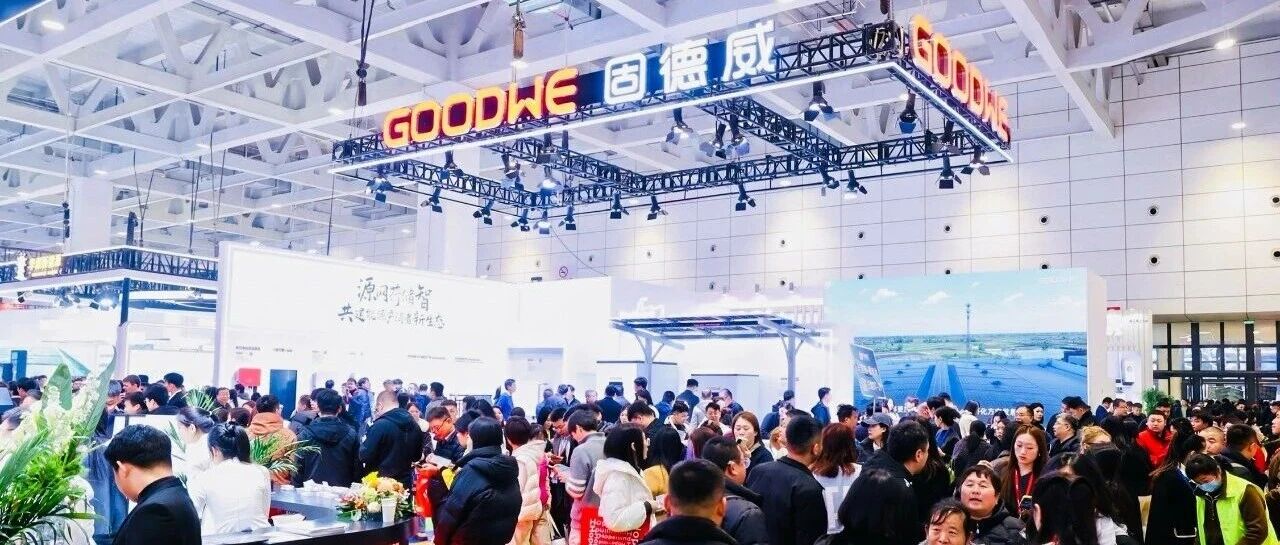
固德威亮相济南国际光储利用大会,做能源产消者的“共赢伙伴”
中国能源报· 2026-03-10 07:29
Core Viewpoint - The article highlights the significant advancements and product offerings of GoodWe at the 21st China (Jinan) International Conference on Photovoltaic Storage Utilization, emphasizing the company's commitment to building a new ecosystem for energy producers and consumers through innovative solutions in the photovoltaic and energy storage sectors [2][17]. Group 1: Residential Solutions - GoodWe showcased its ET LV series storage inverters and Lynx A G4 series high-voltage batteries, emphasizing their seamless switching capability of less than 4ms and a 150% unbalanced output to handle single-phase load fluctuations [4]. - The Lynx A G4 series features a high energy density of 314Ah, allowing for a maximum system expansion of up to 480kWh, with a design that facilitates easy installation and maintenance [4]. - The company also presented the SDT G4 series photovoltaic inverters, which are lightweight (≤19kg) and designed for easy installation, making them ideal for upgrading existing residential photovoltaic systems [6]. Group 2: Commercial Solutions - GoodWe introduced the GT G2 series products, which are equipped with AFCI 3.0 and enhanced safety features to provide efficient and stable photovoltaic solutions for commercial users [10]. - The HCA series direct current charging piles (40-60kW) were also displayed, designed for commercial operations with multiple safety protections and the ability to operate in extreme temperatures from -30°C to 55°C [12]. Group 3: Innovation and Standards - The launch of the "Lightweight Roof Photovoltaic System Safety Technical White Paper" was a key highlight, defining industry safety standards and introducing the Galaxy 711 series as part of a comprehensive solution [14]. - GoodWe's strategy includes integrating AI into its smart energy solutions, promoting a collaborative ecosystem where users can act as both energy consumers and producers [20].

六部门发文促进光伏组件综合利用,我国陆生野生动植物保护取得积极进展
GUOTAI HAITONG SECURITIES· 2026-03-10 07:25
Investment Rating - The report does not explicitly provide an investment rating for the industry Core Insights - The report highlights significant policy developments aimed at promoting the comprehensive utilization of photovoltaic components, which is expected to alleviate future solid waste pressure and ensure the security of key metal resources, thereby consolidating China's leading position in the global photovoltaic industry and supporting the achievement of carbon neutrality goals [5][6] - The ecological environment department has revised the technical specifications for the treatment of waste electrical and electronic products, addressing the complexities of electronic waste and enhancing the recycling and utilization system [7][10] - The report notes that the protection rate of key terrestrial wild animal and plant species in China has exceeded 80%, indicating positive progress in biodiversity conservation [11][12] - The launch of the first carbon credit product for government office systems marks a significant step in promoting green and low-carbon transformation in public institutions [15][17] - The report discusses international developments, including the first issuance of carbon credits under the Paris Agreement and projections from the International Energy Agency regarding the future of global electricity generation [18][20] Policy Developments - The Ministry of Industry and Information Technology and five other departments issued guidelines to promote the comprehensive utilization of photovoltaic components, aiming for a cumulative utilization of 250,000 tons by 2027 and enhanced technological capabilities by 2030 [5][6] - The ecological environment department's new technical specifications for waste electrical and electronic products will take effect in March 2026, expanding the categories of waste and detailing pollution control requirements throughout the storage and dismantling processes [7][9] Industry Trends - The National Forestry and Grassland Administration reported that the protection rate of key terrestrial wild animal and plant species has surpassed 80%, with ongoing efforts to improve habitat quality and species conservation [11][12] - The launch of the "Qingpu Gold Carbon" product represents the first carbon credit for government office systems, facilitating the transformation of energy-saving measures into tradable carbon assets [15][17] International Events - The first carbon credit issuance under the Paris Agreement's mechanism signifies a shift towards operationalizing international carbon markets [18][19] - The International Energy Agency forecasts that by 2030, 50% of global electricity will come from renewable sources and nuclear energy, with significant growth expected in solar energy generation [20][21] Corporate Developments - China Huaneng Group has initiated the first international standard for carbon capture monitoring and management, aiming to enhance public understanding of carbon capture technologies [23] - Haitai New Energy is collaborating with Beijing Energy International to advance green energy transitions, focusing on green electricity and hydrogen transportation [24]