
数字经济

Search documents
海南封关:不封岛的红利,老百姓的生活升级礼包
Sou Hu Cai Jing· 2025-12-18 23:56
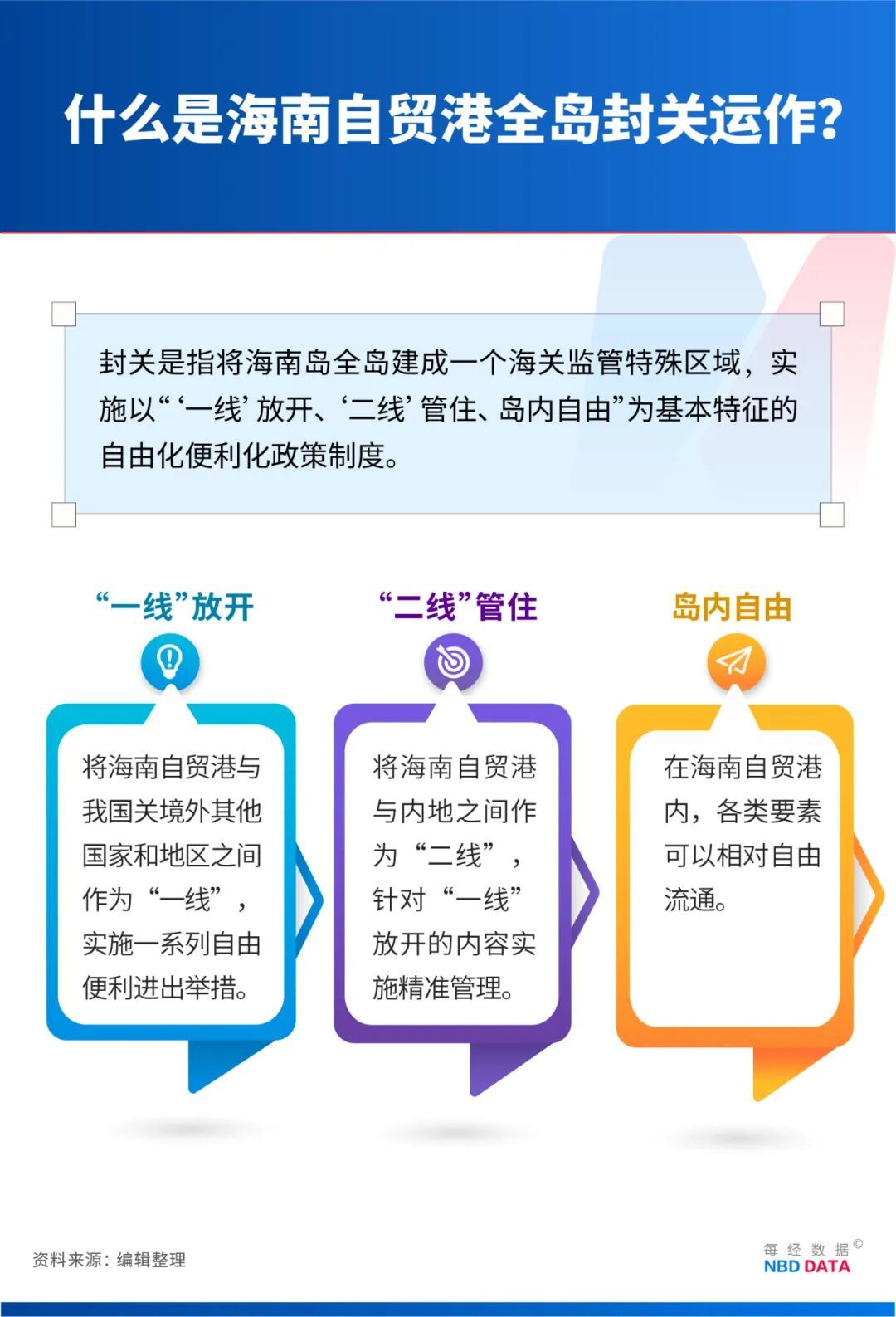
Group 1 - The core initiative of Hainan's customs closure is to enhance international openness, following the principle of "open at the first line, manage at the second line, and free within the island" [2][5] - The number of zero-tariff items has expanded significantly from over 1,900 to 6,637, covering 74% of product categories, providing substantial savings for residents and tourists [2] - The introduction of a 15% corporate income tax incentive is attracting high-end industries such as biomedicine, digital economy, and cross-border e-commerce to establish operations in Hainan [3] Group 2 - The educational landscape is improving with the establishment of international schools offering IB and A-Level programs, allowing local students to access international education without studying abroad [4] - The healthcare sector is advancing with the Boao Lecheng International Medical Tourism Pilot Zone, enabling rapid access to cutting-edge medical treatments and medications [4] - The overall cost of living is expected to remain stable due to improved supply chains and logistics efficiency, with zero tariffs leading to lower prices for imported goods [4]


海南自由贸易港简报-20251218
Tou Bao Yan Jiu Yuan· 2025-12-18 13:09
Group 1: Report Overview - The report focuses on the development of Hainan Free Trade Port, including its construction process, leading industries, infrastructure, and draws lessons from international free trade ports such as Hong Kong and Singapore [2][3] Group 2: Hainan Free Trade Port Development Overview Construction Process - Hainan Free Trade Port construction has gone through exploration and launch, full implementation, and customs closure preparation stages, with a continuously improving policy system and a phased approach towards full - island customs closure. The "Three - Step" strategy aims to initially establish a system by 2025, mature it by 2035, and fully build a high - level, internationally influential free trade port by the mid - 21st century [4][5] Leading Industries - Hainan has four leading industries: tourism, high - tech, modern services, and tropical characteristic high - efficiency agriculture, forming a diversified and integrated development pattern. In 2024, the number of tourists and total tourist spending in Hainan increased by 8% and 12.5% respectively, the added value of modern services increased by 7%, and that of high - tech industries increased by 8%. The digital economy industry achieved revenues of 142.4 billion yuan in 2024, with a growth rate of 20.5% in Q1 2025 [7][8] Infrastructure Construction - Transportation has achieved "county - to - county expressways", and the container throughput of Yangpu Port is expected to reach 6.5 million TEUs by 2025. Logistics and supply chains are accelerating international cooperation, and digital infrastructure has achieved "dual - gigabit" urban - rural integrated coverage [10][11] Group 3: International Free Trade Port Case Analysis Hong Kong International Free Trade Port - **Development Background**: With over 180 years of history, it has geographical advantages and has seized development opportunities after World War II and China's reform and opening - up [13] - **Development Features**: It features free - port and open - market policies, high internationalization, a service - based economy, and policy flexibility and institutional innovation [15][17] - **Lessons for Hainan**: Hainan can optimize trade and tax policies, create an international business environment, promote industrial diversification, strengthen institutional innovation, and build a high - end consumption hub [18][19] Singapore International Free Trade Port - **Historical Background**: Since its establishment as a trading post in 1819, it has transformed from a single re - export economy to a diversified one after independence in 1965 [21] - **Institutional Basis**: It has free - trade policies, tax incentives, and efficient administrative management [22][23][24] - **Economic Functions**: It serves as a re - export trade, financial, and shipping center [26][27][28] - **Industrial Characteristics**: It has a strong manufacturing and modern service industries [29][30] - **Lessons for Hainan**: Hainan can learn from Singapore's international vision, information construction, and regulatory experience [31][32][33]
2025年度武汉投资促进大会举行
Chang Jiang Ri Bao· 2025-12-18 12:31
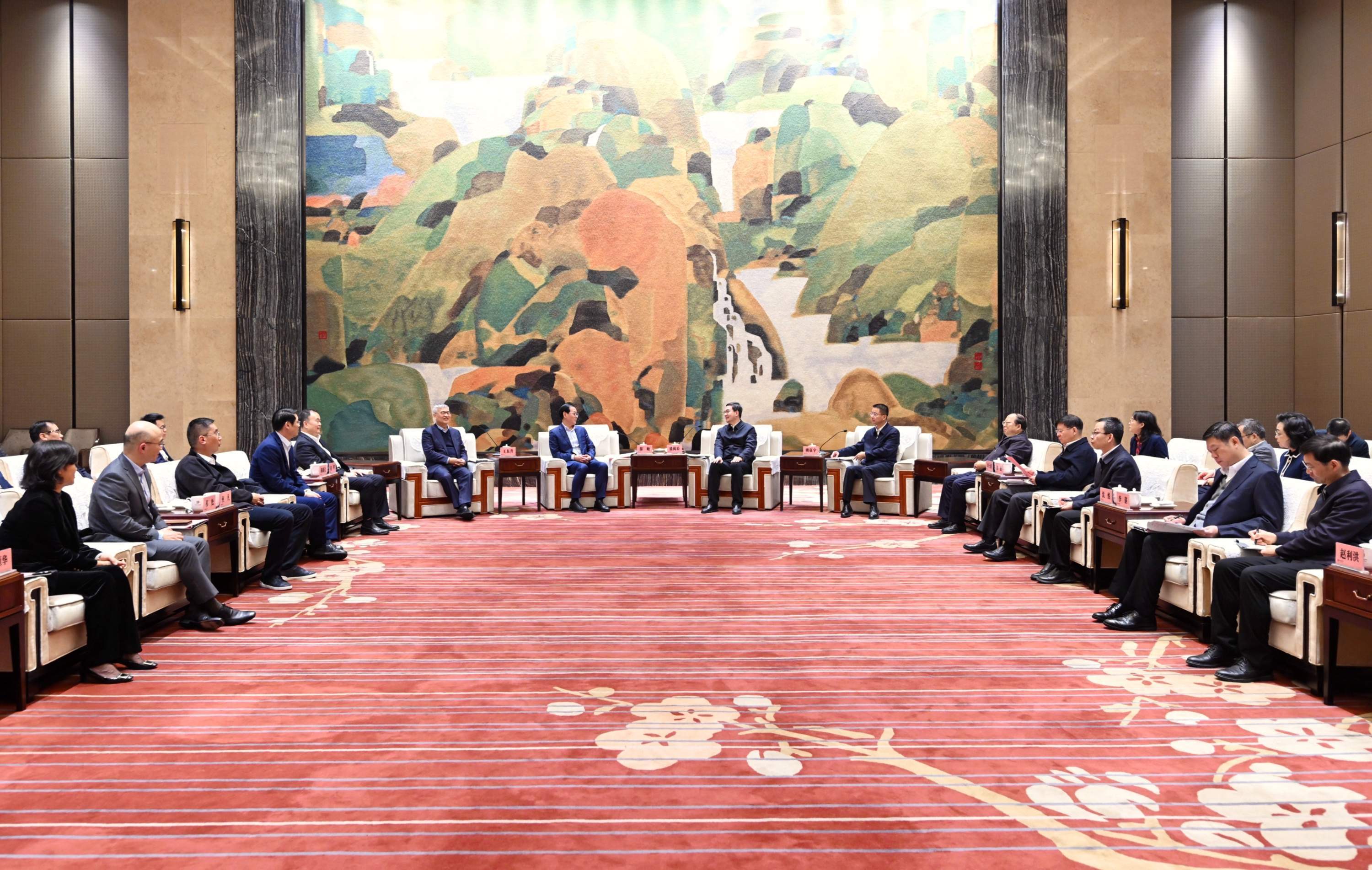
Group 1 - The 2025 Wuhan Investment Promotion Conference was held with the theme "Invest in Wuhan, Win the Future," attracting around 240 representatives from Fortune 500 companies, large multinational corporations, and technology innovation enterprises [1] - The conference focused on three key industries: artificial intelligence, biomanufacturing, and digital economy, featuring four specialized matchmaking activities [1] - A total of 160 projects were signed at the conference, with a total signing amount of 110.97 billion yuan [1] Group 2 - The Secretary of the Municipal Party Committee, Sheng Yuechun, welcomed guests and expressed gratitude to enterprises for their contributions to Wuhan's development, highlighting the city's rising status and expanding functional positioning [4] - Sheng emphasized the importance of collaboration with entrepreneurs in areas such as technological innovation, industrial transformation, urban renewal, and opening up to drive more landmark projects in Wuhan [4] - The Mayor, Xiong Zhengyu, reiterated the commitment to high-quality development and invited businesses and talents to share new opportunities in industrial transformation and urban quality enhancement [5] Group 3 - Various city departments presented on topics such as building a national technology innovation center, creating an international consumer center city, and promoting urban renewal [7] - Notable speakers included executives from leading companies such as Union Medical Group, Greentown China, and Starbucks, who shared insights during the conference [7]
海南正以更开放姿态,破局“逆全球化”
Qi Lu Wan Bao· 2025-12-18 12:02
Core Insights - The closure of Hainan Island marks the beginning of a new phase for high-quality development, transforming its role in domestic and international dual circulation and establishing it as a "testing ground" for institutional innovation and an "outpost" for openness [1][3] Economic Impact - The closure accelerates industrial upgrades in Hainan, with policies like "zero tariffs," "dual 15% low tax rates," and "processing and value-added tax exemptions" attracting high-tech industries, modern services, and high-end manufacturing [1] - The tourism sector is evolving from traditional sightseeing to high-end vacationing, medical tourism, and duty-free shopping, supported by a visa-free policy for 85 countries and 6,600 duty-free products, which constitute 74% of all imported goods [1] - Modern service industries such as cross-border finance, international exhibitions, and logistics are experiencing explosive growth, with the expansion of EF account holders facilitating cross-border capital flow and positioning Hainan as a "settlement center" for cross-border trade [1] - Industries like biomedicine, digital economy, and new energy are leveraging cost advantages to create a closed loop of "R&D + manufacturing + export," fostering new productive forces in Hainan [1] Institutional Innovation - Hainan is becoming a "testing ground" for aligning with high-level international trade rules, with the implementation of a sales tax system that simplifies tax processes by merging multiple tax types, significantly reducing compliance costs [2] - A smart regulatory system based on credit and big data analysis balances convenience and control, ensuring effective management while facilitating openness [2] - The introduction and continuous reduction of the first national negative list for cross-border service trade will enhance Hainan's service industry management standards and intellectual property protection, accumulating experience for China's institutional opening [2] Regional Positioning - Hainan serves as a "key intersection" for domestic and international dual circulation, facilitating easier access for global goods, capital, and talent into China, while also enabling domestic products and capacities to reach the world [2] - The island's zero-tariff products and high-end services cater to domestic high-end consumption needs, promoting the integration of domestic and international rules and exploring new paths for developing two markets and two types of resources [2] Global Significance - Hainan's closure sends a strong signal of China's commitment to expanding openness amid rising "anti-globalization" sentiments, positioning the island as a model for a global open economy and providing a "Chinese solution" for supply chain optimization and trade facilitation in the Asia-Pacific region [3] - The official launch of Hainan's closure on December 18 is viewed as a new starting point, indicating profound changes in consumption experiences, industrial structures, and ongoing breakthroughs in institutional innovation [3]
淄博张店:聚力科技创新与人才培育,引领产业发展转型升级
Qi Lu Wan Bao· 2025-12-18 07:10
Group 1 - The Zhangdian District government is focusing on enhancing the innovation capabilities of enterprises, addressing key core technologies, attracting high-level talent, building innovation platforms, and deepening technology finance to support enterprise development [1][2][3] - A systematic approach is being adopted to significantly increase the scale of technology-based enterprises, with a focus on nurturing small and medium-sized technology enterprises and providing tailored services for high-tech enterprises [1][2] - The district is implementing a "one-to-one" contact system for key enterprises, ensuring precise cultivation services tailored to individual company needs, thereby stabilizing the number and improving the quality of technology-based SMEs [1] Group 2 - There is a strong emphasis on tackling key core technologies through multi-faceted innovation initiatives, supporting advanced technology projects that enhance competitiveness and industry influence [2] - The district is enhancing its innovation platforms, encouraging enterprises to take the lead in platform development, and establishing high-quality research institutions to support the growth of related industries [2] - A dual approach to talent cultivation is being adopted, focusing on both local talent development and attracting external expertise to strengthen the workforce [2] Group 3 - The district is leveraging technology finance to alleviate the financing challenges faced by technology enterprises, promoting policies that support innovation and the transformation of technological achievements [3] - Financial institutions are being guided to provide comprehensive financial services that support the entire development cycle of enterprises, fostering a positive cycle between technology, industry, and finance [3] - Future initiatives will focus on integrating technological innovation with industrial development to accelerate the formation of new productive forces and support high-quality economic growth in the district [3]
产业聚势增活力
Hai Nan Ri Bao· 2025-12-18 03:49
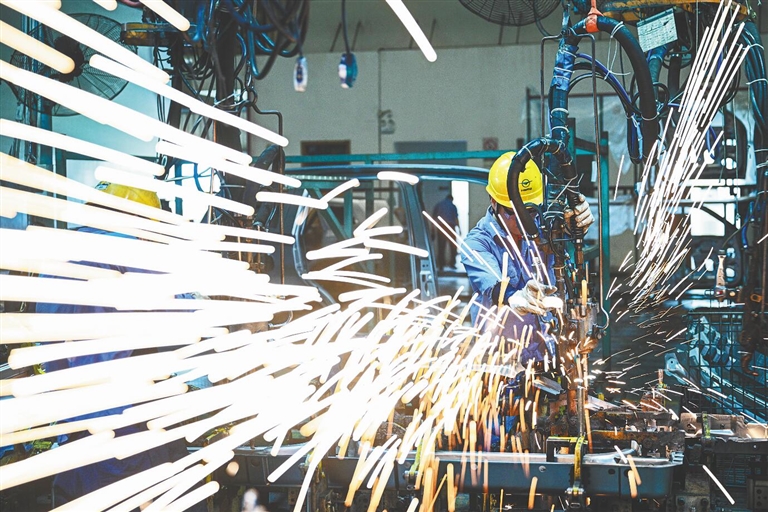
Core Insights - Hainan is focusing on enhancing its four leading industries: tourism, modern services, high-tech industries, and tropical efficient agriculture, to create a modern industrial system with Hainan characteristics and advantages [9][10][15] - The province is witnessing significant growth in its economic contributions from these industries, with their combined value added accounting for 67.2% of the provincial GDP as of the first three quarters of 2025 [16] - The implementation of the new offshore duty-free policy has led to a record shopping amount of 2.38 billion yuan in the first month, marking a year-on-year growth of over 27% [17] Industry Developments - The tourism sector is evolving towards a comprehensive experience, with new business models such as medical tourism and low-altitude flight emerging, enhancing Hainan's appeal as a vacation destination [9][10] - The modern services industry is expanding rapidly, with significant developments in aircraft maintenance, international shipping, and cross-border finance, contributing to higher levels of service trade [9][10] - The high-tech industry is gaining momentum, with advancements in digital economy, blockchain technology, and commercial aerospace, positioning Hainan as a hub for innovation [11][12] Agricultural Advancements - The tropical agriculture sector is undergoing transformation, with a focus on high-tech and brand development, aiming for a production value of 18 billion yuan in the seed industry by 2024 [10][15] - New agricultural varieties are being introduced, enhancing the region's agricultural output and supporting rural revitalization [10] Innovation and Future Industries - Hainan is positioning itself as a center for future industries, including hydrogen energy and brain-machine interfaces, leveraging its unique policy advantages [14][15] - The province is actively fostering innovation in biotechnology and intelligent systems, aiming to enhance its core competitiveness in technology and industry [15]
海南封关政策红利全解析:零关税、低个税、投资准入放宽……
Mei Ri Jing Ji Xin Wen· 2025-12-17 22:54
Core Viewpoint - The Hainan Free Trade Port will officially start its full island closure operation on December 18, 2025, marking a significant milestone in China's reform and opening-up process, with a focus on higher levels of openness to the world [1] Group 1: Policy Changes - The closure operation is not merely a policy adjustment but a comprehensive upgrade in the system, significantly enhancing the "zero tariff" level, optimizing processing and value-added tax exemptions, improving the investment environment, and facilitating entry and exit from Hainan [1][24] - The scope of "zero tariff" products will expand from 1,900 tax items to approximately 6,600 tax items, covering about 74% of all product tax items, an increase of nearly 53 percentage points compared to before the closure [7][11] - The beneficiaries of the "zero tariff" policy will broaden, allowing various enterprises and institutions with actual import needs to enjoy the benefits, rather than being limited to registered independent legal entities [7][11] Group 2: Tax Incentives - The low tax rate policy, known as the "two 15%" policy, will reduce corporate income tax to 15% for eligible enterprises, significantly lowering operational costs [12][24] - Individuals classified as high-end or urgently needed talents working in Hainan will have their personal income tax burden exceeding 15% exempted, providing a substantial incentive for talent retention [17][21] Group 3: Industry Focus - The Hainan Free Trade Port will prioritize the development of tourism, modern services, high-tech industries, and tropical characteristic efficient agriculture, aiming to create a modern industrial system with Hainan's unique characteristics [26][27] - The digital economy is expected to become a key industry, supported by robust infrastructure such as the Hainan-Hong Kong international submarine cable and the largest single data center in Hainan, enhancing data storage and processing capabilities for enterprises [28][29] Group 4: Comparison with Other Free Trade Ports - Unlike other international free trade ports, Hainan remains within China's customs territory, allowing for domestic circulation of goods and easier access for mainland residents [23][24] - Hainan's unique advantage lies in its access to China's vast domestic market, enabling it to better utilize both international and domestic resources [25]
宜宾市人民政府副市长刘勇: 宜宾正积极拓展“一蓝一绿”产业新赛道
Zheng Quan Shi Bao· 2025-12-17 22:27
Core Insights - The 19th Listed Company Value Forum was held in Yibin, Sichuan Province, highlighting the city's economic growth and strategic importance in the region [1] - Yibin's GDP is projected to exceed 400 billion yuan in 2024, with a tax revenue of 602.6 billion yuan, showcasing its strong economic performance [1] - The city is focusing on developing a financial ecosystem that supports new productivity and industrial development, emphasizing the role of capital markets [1] Group 1 - Yibin is recognized as a hub for various industries, including high-quality liquor, power batteries, crystalline silicon photovoltaics, and digital economy [2] - The city has established an industrial investment fund group with a total scale exceeding 60 billion yuan, and has launched over 19 billion yuan in initial fund cooperation [2] - Yibin's commercial bank has successfully listed in Hong Kong, achieving a market value exceeding 11 billion yuan [2] Group 2 - The city is actively transforming traditional industries while fostering future industries such as new energy storage, digital energy, artificial intelligence, and new energy vehicles [2] - Yibin has created a new bond issuance pattern with one AAA-rated enterprise, seven AA+ rated enterprises, and twenty AA rated enterprises, indicating a robust financial landscape [2] - The Listed Company Value Forum serves as a significant opportunity for Yibin to connect with quality resources in the capital market and accelerate industrial upgrades [2]
国际观察|同舟共进 逐浪前行——2025年中国与东盟合作提质升级
Xin Hua She· 2025-12-17 15:43
Core Insights - The article emphasizes the strengthening of cooperation between China and ASEAN, highlighting the resilience of their partnership amid global uncertainties and challenges [1][2]. Economic Cooperation - ASEAN has become China's largest trading partner, with trade volume reaching 6.82 trillion yuan, a year-on-year increase of 8.5% [2]. - In the first ten months of the year, trade in agricultural and food products between China and ASEAN amounted to 51.3 billion USD, growing by 8.9% [2]. - The China-ASEAN Free Trade Area has been upgraded to version 3.0, covering nine areas including digital economy, green economy, and supply chain connectivity [4][5]. Cultural Exchange - The China-ASEAN Cultural Exchange Year concluded successfully, with nearly 200 high-level events held to promote mutual understanding and social connections [6]. - Initiatives such as visa exemptions between China and several ASEAN countries have facilitated easier travel and cultural exchange [6]. Future Outlook - Looking ahead to 2026, there is optimism for further strengthening of the comprehensive strategic partnership between China and ASEAN, aiming for a peaceful and prosperous region [7].
余渭恒:海南封关是“整体跃升”,澳门当好“小而精的高能平台”
2 1 Shi Ji Jing Ji Bao Dao· 2025-12-17 14:39
Core Viewpoint - The official launch of the Hainan Free Trade Port's customs closure marks a significant leap in China's open economic system, reshaping the regional economic landscape and providing new opportunities for Macau under the "One Country, Two Systems" framework [1][2]. Group 1: Strategic Significance - Hainan's customs closure is not merely a technical adjustment but signifies a comprehensive upgrade in the national open economic system, aiming to create a "zero tariff, low tax rate, and simplified tax system" [2]. - Hainan serves as a testing ground for high-level international openness, comparable to Dubai and Singapore, and aims to provide a "Hainan plan" for China's participation in global trade rule-making [2][3]. - The collaboration between Hainan and the Guangdong-Hong Kong-Macau Greater Bay Area will create a "dual engine" for economic growth, with Hainan focusing on trade, shipping, tourism, and modern services [3][4]. Group 2: Collaborative Pathways - The concept of "dislocated development" emphasizes that Hainan and Macau should leverage their unique strengths rather than compete for the same resources [5]. - Hainan's tourism and consumption can be linked with Macau's high-end cultural and event industries, creating a multi-node tourism consumption network [5][6]. - The health and modern service industries can benefit from a collaborative model where Hainan focuses on resource cultivation and initial processing, while Macau handles research and branding [6]. Group 3: Institutional Innovations - Hainan's Free Trade Port will continue to innovate in areas like data cross-border flow and offshore finance, while Macau can provide legal and financial services, creating a synergistic effect [6][7]. - Macau's experience in high openness and strong regulation can serve as a reference for Hainan in managing risks while promoting capital project openness [7][8]. - The establishment of a "Qiong-Ao Cross-Border Financial Service Center" could facilitate a one-stop cross-border financial service for enterprises [6]. Group 4: Talent Mobility - The development of attractive youth and student exchange programs can enhance talent mobility between Hainan and Macau, fostering a shared living and development space [13][14]. - Joint training and mutual recognition of professional qualifications in key industries can lower barriers for talent movement between the two regions [13][14]. - A "two places, one ecology" approach for high-level talent can enhance collaboration and project implementation between Hainan and Macau [14][15]. Group 5: Future Role of Macau - Macau is envisioned as a "small but powerful high-energy platform" that serves as a bridge for institutional and cultural exchanges [15][16]. - The city can act as a command center for tourism and exhibition networks, as well as a center for new industries like health, green finance, and digital trade [15][16]. - By leveraging its unique position, Macau can attract international brands and services, enhancing its role as a showcase platform for the region [12][15].