运动服饰

Search documents
Lululemon转型困局,创始人威尔逊向董事会发起“逼宫”
Jing Ji Guan Cha Bao· 2026-01-07 09:18
Core Insights - Lululemon is facing a significant power struggle as founder Chip Wilson initiates a proxy fight to restructure the board, reflecting his dissatisfaction with the current management's strategic direction [1][2] - Wilson aims to nominate three independent directors to the board and advocates for annual board elections, believing these candidates can revitalize the brand and enhance shareholder value [1][2] Company Strategy and Brand Positioning - The proxy fight highlights a conflict between short-term commercial growth and long-term brand integrity, with concerns that pursuing a "mass market" strategy may dilute Lululemon's high-end market advantages [2][8] - Wilson criticizes the current leadership for failing to maintain brand innovation and high-end positioning, leading to a loss of competitive edge and consumer loyalty [3][4][5] Financial Performance - Under CEO Calvin McDonald, Lululemon's revenue grew from $3.3 billion to over $10 billion, with a 10% revenue increase in fiscal year 2024, reaching $10.6 billion and a net profit of $1.815 billion, up 17% [6] - However, growth has slowed in fiscal year 2025, with Q1 revenue at $2.371 billion, a 7.32% increase, and net profit down 2.13%, indicating a shift to a slower growth phase [6][7] - Despite overall performance decline, Lululemon has seen significant growth in the Chinese market, with Q2 and Q3 revenues increasing by 25% and 46% respectively, becoming a key driver for international business [7][8] Market Competition and Strategic Choices - Lululemon faces increasing competition from both international brands like Nike and Adidas and local brands such as Anta and Li Ning, which are enhancing their offerings in the yoga apparel sector [8] - The brand is at a critical strategic juncture, needing to decide whether to return to its innovative roots and high-end positioning or continue its mass-market expansion [8]

持股比例升至22%,Fairfax持续增持安德玛
Cai Jing Wang· 2026-01-07 06:10
Group 1 - Fairfax Financial Holdings and its affiliates have increased their stake in Under Armour from 9% to 16.1%, with total holdings nearing 42 million shares, representing approximately 22% of the company [1] - Fairfax Financial, founded by Prem Watsa, is known for its conservative value investment style and focus on undervalued assets, earning Watsa the nickname "the Canadian Warren Buffett" [1] - The increase in stake reflects Fairfax's confidence in Under Armour's restructuring efforts rather than an intention to seek control or push for management changes [1] Group 2 - Under Armour has made significant brand strategy adjustments, including a split with the Curry brand, which will operate independently, allowing Under Armour to focus on its core brand development [2] - The company plans to launch the final Curry signature shoe, Curry 13, in January 2026, along with additional colorways and related apparel before October 2026 [2] - For Q2 of fiscal year 2026, Under Armour reported revenues of $1.3 billion, a 5% year-over-year decline, with a gross margin decrease of 250 basis points to 47.3%, while North American revenue fell by 8% and international revenue grew by 2% [2]
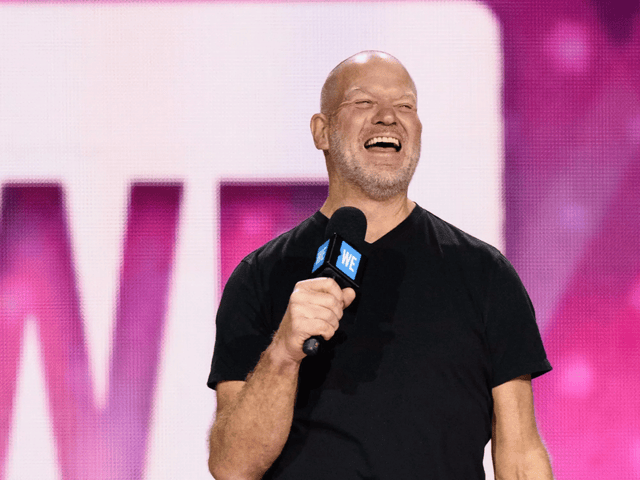
Lululemon的创始人为何要发起逼宫大战?
Sou Hu Cai Jing· 2026-01-07 03:26
Core Viewpoint - Lululemon is facing a significant crisis with the resignation of CEO Calvin McDonald and the founder Chip Wilson's dissatisfaction with the board, leading to a proxy battle for board control [1][9]. Group 1: Leadership Changes - CEO Calvin McDonald will step down on January 31, 2024, and will serve as an advisor until March 31, 2024 [9]. - Chip Wilson has nominated three independent board candidates, aiming to regain influence over the company's direction [10]. Group 2: Chip Wilson's Criticism - Chip Wilson has long criticized Lululemon's management for lacking innovation and losing its brand essence, which he believes has led to a competitive disadvantage [1][8]. - He has publicly stated that the current leadership is too focused on Wall Street demands rather than product quality and customer engagement [8][10]. Group 3: Company Performance - Lululemon's stock price has dropped by 50% over the past year, with revenue pressures evident in its latest financial results [8]. - For Q3 of fiscal year 2025, revenue grew by 7% to $2.6 billion, but net revenue in the Americas declined by 2% to $1.7 billion, while international markets, particularly China, saw a 46% increase [8]. Group 4: Strategic Direction - Under McDonald's leadership, Lululemon expanded its product offerings beyond yoga apparel to include running, tennis, cycling, and men's clothing, resulting in revenue growth from $3.3 billion to over $10 billion [7][10]. - Wilson advocates for a return to a focused brand identity centered on a specific customer demographic, which he refers to as "super girls," and a commitment to vertical retailing [11]. Group 5: Board Dynamics - The current board has overseen significant revenue growth, with nearly $9 billion in revenue increase over the past decade, but Wilson argues that it lacks the vision needed for future success [10][13]. - Lululemon's board has defended its experience and commitment to the company's growth strategy in response to Wilson's criticisms [10].

美银罕见调降阿迪达斯至卖出评级 引发股价大跌
Ge Long Hui A P P· 2026-01-06 11:31
Group 1 - The core viewpoint of the article is that Bank of America has issued a rare "sell" rating for Adidas, indicating that the company's situation is expected to become increasingly difficult [1] - Following the downgrade, Adidas's stock price experienced a significant decline, with a drop of up to 7.6% [1] - Analysts led by Thierry Cota predict that the company's sales growth will fall back to single digits this year [1] Group 2 - The report highlights that Nike's recovery poses a potential competitive threat to Adidas [1] - Other brands such as On, Asics, and Puma may attract more attention in the market [1] - Bank of America downgraded its rating for Adidas from "buy" directly to "underperform" [1]

一条瑜伽裤卖了20亿
3 6 Ke· 2026-01-06 11:07
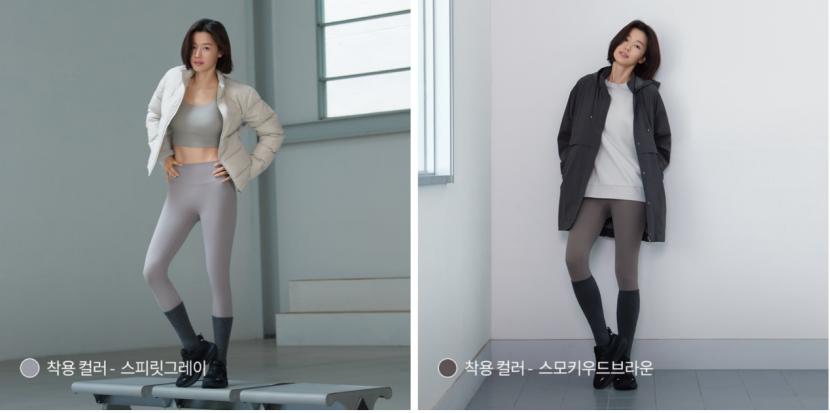
Group 1 - Bain Capital announced the acquisition of EcoMarketing, the parent company of Andar, for a total consideration of 500 billion KRW (approximately 2.4 billion RMB) [1] - Andar, known as the "Korean version of Lululemon," has become a prominent sportswear brand in South Korea, focusing on yoga and golf apparel, and has expanded its offerings to include men's clothing [2][4] - The acquisition will occur in two phases: first, Bain Capital will acquire 43.66% of the shares for 216.6 billion KRW (approximately 1 billion RMB), followed by a tender offer for the remaining 56.4% at a price of 16,000 KRW per share, which represents a 49.5% premium over the last closing price [2] Group 2 - Bain Capital has a history of successful investments in the consumer sector, including the transformation of Canada Goose into a luxury brand, which significantly increased its market value [4][5] - The consumer merger and acquisition landscape has been active, with notable transactions such as Sequoia China acquiring a controlling stake in Golden Goose and Starbucks selling 60% of its China business for $4 billion [7][8] - The current market conditions are seen as favorable for acquisitions, with many quality companies available at attractive prices due to market adjustments since 2022, leading to increased merger activity in the consumer sector [8][9]
一条瑜伽裤卖了20亿
投资界· 2026-01-06 07:45
Core Viewpoint - The article highlights the ongoing trend of mergers and acquisitions (M&A) in the consumer sector, emphasizing significant deals and the strategic movements of investment firms like Bain Capital in the Asian market [4][9]. Group 1: Recent M&A Activities - Bain Capital announced the acquisition of Andar's parent company, Echo Marketing, for a total consideration of 5000 billion KRW (approximately 2.4 billion RMB) [4]. - The acquisition will occur in two phases: first, Bain Capital will purchase 43.66% of shares for 2166 billion KRW (approximately 1 billion RMB), followed by a tender offer for the remaining 56.4% at a premium of 49.5% over the last closing price [5]. - Andar, known as the "Korean version of Lululemon," has seen its sales reach a historical high of 1358 billion KRW in the first half of 2025 [5]. Group 2: Market Trends and Insights - The consumer M&A landscape has been active, with notable transactions such as Sequoia China acquiring a controlling stake in the fashion brand Golden Goose, and Starbucks selling 60% of its China business for a total of $4 billion [9]. - The article notes that many high-quality companies are currently available at significant discounts due to market adjustments since 2022, making the current M&A environment attractive for investors [11]. - There is a growing sentiment among investors that the time for M&A in the Chinese market has arrived, driven by industry upgrades and increasing consolidation [10][11]. Group 3: Bain Capital's Strategy - Bain Capital has a history of successful investments in the consumer sector, including the acquisition of Canada Goose in 2013 for $250 million, which later saw a peak market value exceeding $7.8 billion [7]. - The firm also acquired a majority stake in the Japanese fashion and lifestyle group Mash for approximately 10 billion RMB, marking one of the largest PE acquisitions in Japan's fashion sector [7]. - Bain Capital's strategy appears to focus on identifying and capitalizing on undervalued assets in the consumer market, particularly in Asia [6][10].

可选消费W01周度趋势解析:免税优异表现拉动增长,港股消费跌幅较大-20260105
Haitong Securities International· 2026-01-05 14:47
Investment Rating - The report assigns an "Outperform" rating to multiple companies including Nike, Midea Group, JD Group, Haier Smart Home, Gree Electric, and others, while Lulu Lemon is rated as "Neutral" [1]. Core Insights - Duty-free sales have shown exceptional performance, driving growth in the discretionary sector, while Hong Kong consumer stocks have experienced significant declines [4][11]. - The luxury goods sector has outperformed, with a weekly increase of 1.5%, while the retail sector also saw a rise of 1.1% [5][13]. - The report highlights that the overall sentiment in travel-related sectors remains high, contributing positively to the discretionary consumption outlook [3]. Weekly Performance Review - The weekly performance of various sectors is as follows: luxury goods > retail > overseas sportswear > overseas cosmetics > US hotels > domestic sportswear > credit cards > snacks > pets > domestic cosmetics > gold and jewelry > gaming, with respective weekly changes of 1.5%, 1.1%, 0.8%, -0.3%, -0.4%, -2.4%, -2.4%, -2.8%, -2.9%, -4.5%, -4.6%, and -5.6% [11][12]. - The retail sector's growth was significantly driven by China Duty Free, which saw a 7.6% increase due to strong sales during the New Year holiday [6][13]. Monthly and Year-to-Date Performance - Monthly performance shows retail leading with a 4.9% increase, followed by overseas sportswear and US hotels, while domestic cosmetics and gaming sectors faced declines [11]. - Year-to-date performance indicates that overseas cosmetics and US hotels have performed well, while domestic cosmetics and snacks have shown negative growth [12]. Valuation Analysis - The report notes that the valuation of various sectors remains below their average over the past five years, with expected PE ratios for 2025 indicating significant potential for growth [9][14]. - Specific sectors such as overseas sportswear are projected to have a PE of 31.2 times, which is 59% of the past five-year average, while domestic sportswear is at 13.3 times, 70% of the average [14][15].
从露露乐蒙到追思史密斯,运动服饰品牌迎来关键转折点
Xin Lang Cai Jing· 2026-01-05 12:07
Core Insights - The sports apparel industry is expected to experience a pivotal turning point in 2026, with emerging brands poised for growth opportunities [2][4] Group 1: Challenges Facing Major Brands - Nike, the global leader in sports apparel by sales, is currently undergoing a transformation phase, facing a significant decline in demand for key products like the Jordan series and Air Force One [3][13] - In the three months ending in November, Nike's North American sales rebounded with a 9% year-over-year increase after repairing relationships with wholesale retailers [3][13] - Under pressure from management changes, Lululemon's stock plummeted by 44% in 2025 due to internal power struggles and declining demand for its signature yoga pants [4][6][15] Group 2: Emerging Competitors - New brands such as Bandit, Satisfy, and Tracksmith are filling the market void left by Lululemon, gaining recognition among consumers despite their smaller sales figures compared to Lululemon's $10 billion [7][16] - Under Armour, once seen as a potential leader in the industry, is now struggling with operational challenges and may become a target for acquisition, with its stock price falling below $5 and a market cap of approximately $2 billion [5][14] Group 3: Market Trends and Predictions - The demand for comfortable clothing surged during the pandemic, but as companies push for a return to office work, the market for tight-fitting yoga pants has cooled, leading to a resurgence of loose denim styles [6][15] - The sports memorabilia and apparel market is becoming increasingly competitive, with major sports organizations collaborating with brands like Abercrombie & Fitch and Lululemon to expand their customer base creatively [8][17] - 2026 is anticipated to be a significant year for Fanatics, which has expanded into sports betting and is expected to pursue an IPO, driven by investor demand for asset diversification [8][17]


250亿美金,lululemon卷入夺权大战
36氪· 2026-01-05 09:19
Core Viewpoint - A power struggle has erupted at lululemon, initiated by founder Chip Wilson, who has nominated three independent board candidates targeting the current board's strategic decision-making capabilities [5][6][10]. Group 1: Power Struggle and Leadership Changes - Chip Wilson, holding approximately 9% of lululemon's shares, has publicly criticized the management for being overly focused on mainstream tastes and lacking innovation [7][9]. - The situation escalated after the announcement that CEO Calvin McDonald would step down on January 31, 2026, leading to a nearly 10% stock price increase, reflecting investor disappointment with current strategies [11][15]. - Wilson's actions are compounded by the involvement of Elliott Investment Management, a prominent activist fund, which has invested over $1 billion and engaged in corporate governance [10][11]. Group 2: Financial Performance and Market Dynamics - lululemon has faced significant challenges, including a 12.8% decline in net profit year-over-year and a 2% drop in core market revenue in the Americas [22]. - The company's stock price has fallen over 52% in 2025, resulting in a market capitalization loss exceeding $20 billion, primarily due to declining performance in the North American market [23]. - Despite these challenges, lululemon's revenue in mainland China surged by 46% year-over-year, reaching $465 million in the third quarter of the 2025 fiscal year, making it the second-largest market after the U.S. [18][17]. Group 3: Strategic Direction and Brand Identity - The conflict between Wilson and the current management reflects a fundamental disagreement over lululemon's growth strategy: whether to maintain a focus on the "super girl" niche or to continue the broad category expansion initiated by McDonald [25][28]. - Wilson argues that the brand's core strength lies in differentiation rather than mass appeal, warning that attempts to please everyone could alienate core customers [28][29]. - The brand's identity has shifted from a niche community brand to a $25 billion apparel giant, with changing market expectations and competitive landscapes [31][32].
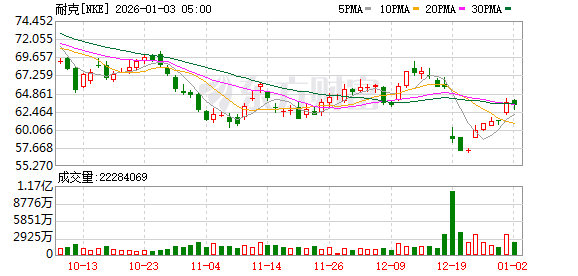
耐克中国自救 从给在华高管加速放权开始
2 1 Shi Ji Jing Ji Bao Dao· 2026-01-04 23:12
Core Viewpoint - Nike is facing significant market pressure in China and is restructuring its management to enhance operational flexibility and respond to challenges in the market [2][4][15] Group 1: Management Changes - Nike has promoted regional leaders, including Dong Wei, CEO of Greater China, to the senior leadership team, reporting directly to the global CEO to accelerate the Win Now plan [2] - Dong Wei has a long history with Nike, having joined in 2005 and held various leadership roles, indicating a strategy to leverage experienced leadership in a challenging market [3] Group 2: Market Performance - Nike's sales in China have declined by 16% year-on-year to $1.423 billion, with EBIT dropping by 49% in the latest fiscal quarter ending November 2025 [5] - Direct sales decreased by 18%, with digital sales down 36% and store sales down 5%, while wholesale business fell by 15% [5] - The brand is perceived as a discount brand, affecting its high-end market positioning, leading to increased discount sales and higher return rates [5] Group 3: Competitive Landscape - The Chinese sports market is becoming increasingly competitive, with a decline in consumer spending as indicated by a drop in the percentage of consumers willing to spend more [6] - Domestic brands are gaining market share, with Anta's market share increasing from 9.8% to 10.5%, while Nike's share fell from 18.1% to 16.2% [8] Group 4: Strategic Initiatives - Nike is working to reshape its brand image in China by reducing discount rates and focusing on maintaining its premium positioning, as seen during the recent Double Eleven shopping festival [9][11] - The company is upgrading key stores, with sales in upgraded locations seeing a 25% year-on-year increase, and plans to expand this model [12] - Nike is also reducing spring product distribution and cutting summer product purchases to improve sales rates and full-price sales [13] Group 5: Marketing and Innovation - Nike continues to leverage its marketing strengths by collaborating with local sports stars and integrating into the Chinese market, as demonstrated during the National Games [14] - The establishment of the "ICON. Shanghai" creative center and a sports research lab in Shanghai reflects Nike's commitment to investing in the Chinese market [13][14]