
家电制造

Search documents
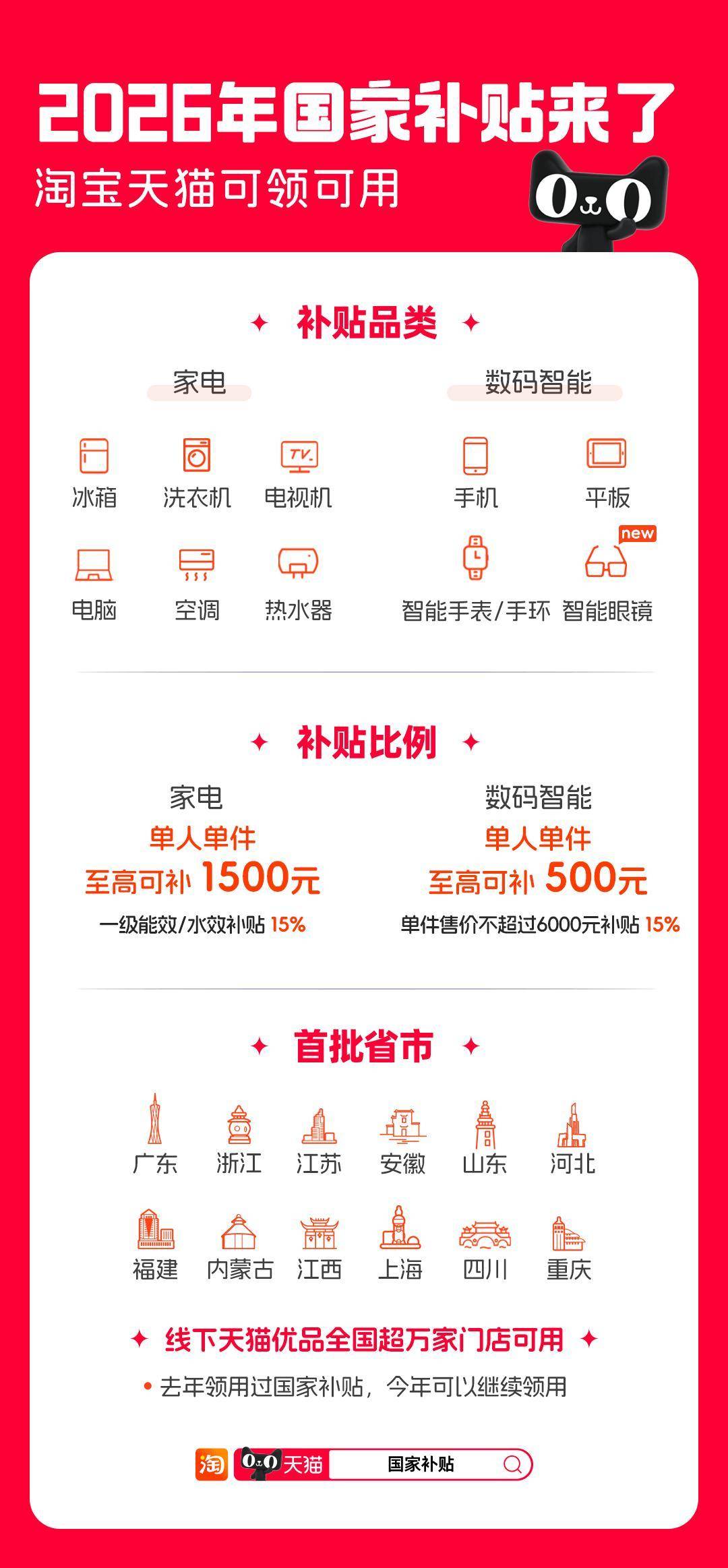
2026年国补来了!淘宝天猫加码补贴“焕新”
Yang Zi Wan Bao Wang· 2025-12-31 04:30
Group 1 - The new round of national subsidies will officially start on January 1, 2026, with consumers able to claim them on Taobao and Tmall [1] - The 2026 national subsidy covers ten categories, including refrigerators, washing machines, televisions, air conditioners, computers, water heaters, mobile phones, tablets, smartwatches, and smart glasses, with smart glasses being a new addition [1] - The subsidy rate is set at 15%, with a maximum subsidy of 1500 yuan for energy/water-efficient appliances and 500 yuan for digital and smart products priced under 6000 yuan [1] Group 2 - Provinces such as Guangdong, Zhejiang, Jiangsu, and others have already launched the national subsidy on Taobao and Tmall, allowing consumers to access it through the app [4] - Tmall is fully supporting the 2026 national subsidy both online and offline, with over 10,000 physical stores participating [4] - From January 1 to 3, Tmall will collaborate with brands like Haier, Midea, Huawei, and Siemens to offer additional discounts, with consumers able to receive up to 950 yuan in consumption vouchers on top of the national subsidy [4]


港股收评:25年收官!恒指今日跌0.87%年涨27.77%,科技股弱势,假期概念股走强
Xin Lang Cai Jing· 2025-12-31 04:17
盘面上,昨日拉升助力大市上涨的大型科技股集体低迷,京东、快手、阿里巴巴、小米、腾讯均下跌, 唯独百度再涨1.39%;2026年汽车以旧换新补贴细则发布,汽车股呈现高开低走行情,"蔚小理"等皆转 跌;美政府已颁发许可证,批准韩企向中国出口芯片制造设备,昨日拉升的半导体股走低,家电股、保 险股、风电股、煤炭股纷纷表现弱势。 格隆汇12月31日|受元旦假期影响,港股下午开始休市,三大指数上午盘集体收跌,且呈现高开低走行 情,收官日表现低迷。截止收盘,恒生指数跌0.87%报25630点,国企指数跌0.86%报8913点,恒生科技 指数跌1.12%报5515点。25年收官:恒指、国指、恒生科技指数分别上涨27.77%、22.27%、23.45%。 来源:格隆汇APP 注:2026年元旦假期将至,港股12月31日(周三)半天市,下午开始休市,1月1日(周四)休市,共1.5天假 期,周五正常开市。(格隆汇) 另一方面,元旦假期旺季来临,航空股、影视股等受益于相关板块走势活跃,尤其是三大航空股皆强 势,猫眼娱乐等上涨;铜价创十余年最佳年度表现,铜业股是唯一上涨的有色金属股,其中江西铜业股 份再创历史新高。 ...
星巴克缩减在美城市门店布局|首席资讯日报
首席商业评论· 2025-12-31 04:14
Group 1 - Starbucks is closing approximately 400 underperforming urban stores in the U.S. and shifting investments towards renovating stores and drive-through locations in suburban areas to adapt to changes in customer traffic and cost pressures [2] - Gree Electric is monitoring the price trends of key raw materials and has implemented digital management for inventory and demand, along with flexible reserve strategies and regular futures hedging to mitigate adverse impacts from price volatility [3] - Multiple jewelry brands have significantly reduced their gold jewelry prices, with Chow Sang Sang pricing at 1353 yuan per gram, indicating a market adjustment [4] Group 2 - Barclays Bank reports that UK consumers have reduced card spending for the first time in five years, with a 0.2% year-on-year decline compared to a 1.6% increase last year [5] - Zhipu plans to globally issue 37,419,500 H-shares at a price of 116.20 HKD per share, with trading expected to commence on January 8, 2026 [6] - Pop Mart has begun selling products at half price, with second-hand platforms showing significant price drops for Labubu items, indicating a cooling market for trendy toys [7][8] Group 3 - Huawei's rotating chairman Meng Wanzhou emphasizes the start of a new journey in the intelligent era, highlighting the importance of innovation and self-criticism in navigating future uncertainties [9] - Spring Airlines and Juneyao Airlines announced plans to purchase a total of 55 Airbus A320 aircraft, with a transaction value exceeding 82 billion USD (approximately 574.48 billion yuan) [10] - EVE Energy's Hong Kong IPO application has expired after six months, with CITIC Securities as the sole sponsor [11] Group 4 - The Financial Accounting Standards Board (FASB) will explore cryptocurrency-related issues in 2026, including whether certain cryptocurrencies can be classified as cash equivalents [12] - Samsung Electronics is reportedly supplying automotive chips for BMW's electric vehicles, marking a significant expansion in its automotive component offerings [13] - Concerns arose regarding the production of a sofa sold during a live stream by a prominent host, with Gujia Home clarifying that the products are manufactured in its own factories [14]





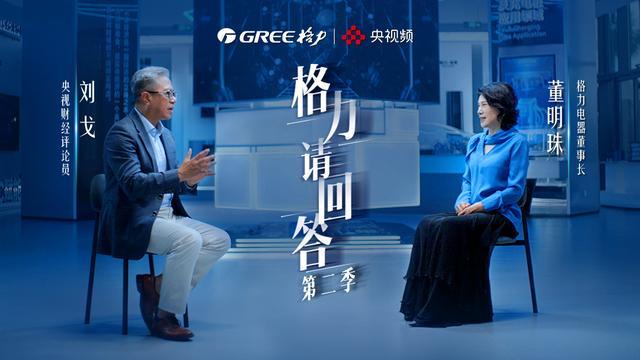
从“跟随”到“引领”解码格力电器制造的突围与坚守
Huan Qiu Wang Zi Xun· 2025-12-31 03:33
Group 1 - The core viewpoint of the news is that Gree Electric's second season of the program "Gree Electric Please Answer" has gained significant attention, with nearly 240 million exposures online, showcasing the company's commitment to high-end manufacturing and technological innovation in the context of China's transition from "Made in China" to "Intelligent Manufacturing" [2] - The program highlights Gree Electric's 30 years of experience in the manufacturing industry, focusing on various products such as central air conditioning, refrigerators, chips, and washing machines, providing a model for high-end manufacturing breakthroughs in China [2] Group 2 - Gree Electric has made significant strides in breaking monopolies and building research barriers, particularly in the central air conditioning sector, where it expanded its R&D team from hundreds to nearly 20,000 people since 2012, establishing 16 research institutes and 1411 laboratories [3] - The company has developed its own magnetic levitation and air suspension compressors, improving energy efficiency by over 30% and reliability compared to foreign brands, successfully entering national landmarks like the Beijing Daxing Airport [3] Group 3 - Gree Electric has been proactive in addressing global energy challenges since 2012 by developing a "solar-storage-air" integrated system, which can operate independently from the city power grid, saving 15 million kWh annually on a single line of the Shenzhen Metro and achieving 37% energy savings at Shanghai Airport [5] - The company emphasizes quality control with a "ten-year free repair" policy, supported by a fully automated production line that can produce an air conditioner every 15 seconds, utilizing 5G and AI technology for comprehensive quality assurance [8] Group 4 - Gree Electric has innovated a "non-blowing air" air conditioner that maintains cooling and heating efficiency while achieving 15% energy savings, and an AI energy-saving chip that enhances dynamic efficiency by 13.6%, providing a practical experience of "only two kWh overnight" [11][13] - The company has successfully expanded its product range by leveraging core component R&D, with its refrigerator production line utilizing self-designed automation and advanced insulation technology, allowing for extended preservation of food and medical supplies [15][19] Group 5 - Gree Electric's washing machine factory has adapted air conditioning heat pump technology to create a unique heat pump washing machine, which saves 60% energy and 30% time during low-temperature drying, while also providing steam care for high-end garments [19][21] - As the only white goods manufacturer with chip production capabilities, Gree Electric has achieved mass production of silicon carbide chips and established a smart factory for chip design, marking a significant transition from "manufacturing products" to "manufacturing factories" [23][25] Group 6 - Gree Electric's commitment to self-research and innovation is evident in its approach to maintaining control over the entire supply chain, avoiding OEM practices, and focusing on quality in every aspect of production, which reflects the company's responsibility and commitment to high-quality development in Chinese manufacturing [25][27] - The company's journey from breaking technological monopolies to setting industry standards illustrates the importance of meticulous attention to detail in manufacturing and the necessity of self-innovation to gain core influence in the market [27]
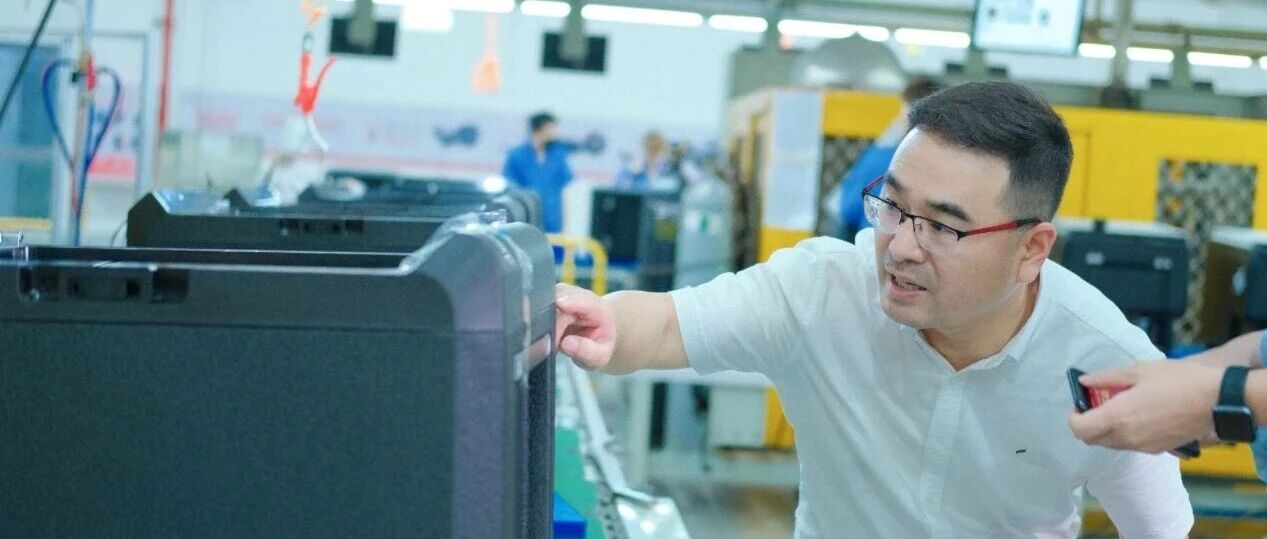
史杰君:“浮躁”二十年,我才读懂制造业的“土” | 我们的四分之一世纪
经济观察报· 2025-12-30 11:00
Core Viewpoint - The article reflects on the journey of the Chinese manufacturing industry over the past 20 years, emphasizing the need for a return to authenticity and sustainable practices in the face of past impulsiveness and rapid growth [2][6]. Group 1: Industry Development - The term "impulsiveness" is used to describe the rapid development of the Chinese manufacturing industry, which has been characterized by a rush to seize opportunities since China's entry into the WTO in 2001 [3][5]. - The author highlights the significant investments made during peak years, such as over 200 million yuan spent on advertising in 2018, despite the company's total revenue being only around 300 million yuan [4][6]. - The narrative illustrates how many entrepreneurs, including the subject, were initially successful in capitalizing on the era's opportunities but later faced challenges due to market volatility and impulsive decisions [5][10]. Group 2: Personal Journey and Lessons - The subject, a veteran in the manufacturing sector, experienced a significant downturn in 2009, with production dropping by 98% due to the global financial crisis, which served as a wake-up call about the importance of understanding market dynamics [11][13]. - The transition from a focus on B2B production to branding and direct consumer engagement was marked by a realization that true value creation requires a long-term commitment to quality and customer relationships [6][20]. - The subject emphasizes the importance of maintaining a focus on core competencies and the need for genuine innovation and management practices to ensure long-term survival in the manufacturing sector [20][21]. Group 3: Future Outlook - The article concludes with a reflection on the current state of the manufacturing industry, noting that despite rapid growth, there remains a lack of strong organizational and branding capabilities among Chinese manufacturers [21][22]. - The subject advocates for a cautious and thoughtful approach to business, emphasizing the need to understand the historical context of the industry to navigate future challenges effectively [21][22].
华平投资战略入股海尔印度 中国家电巨头的本土化破局之路
Xin Lang Cai Jing· 2025-12-30 03:43
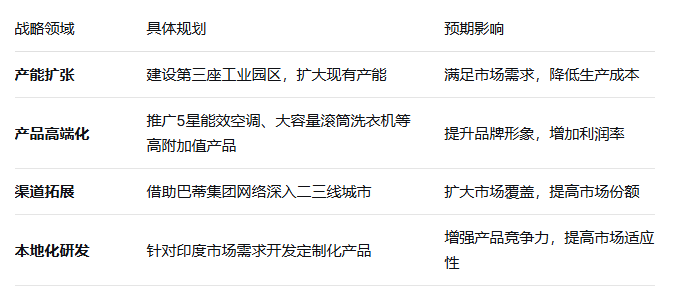
Core Insights - Haier Smart Home has transferred a total of 49% equity in Haier India to India's Bharti Group and US-based Warburg Pincus, while retaining 49% for itself and allocating 2% to the local management team's long-term incentive plan, reflecting a strategic move in a complex international environment [1][10][11] Transaction Structure and Strategic Alliance - The equity restructuring marks a strategic adjustment for Chinese home appliance companies in the Indian market, forming a tripartite equity structure among Haier, Bharti Group, and Warburg Pincus, with a focus on resource integration [2][12] - Haier India has been operating in the Indian market for over 20 years, achieving sales of ₹89 billion (approximately $1.03 billion) in 2023, a 33% year-on-year increase, prompting the decision to introduce external capital during a growth phase [2][12] - A significant valuation discrepancy exists between the rumored $2 billion and the actual transaction valuation of $720 million (approximately ₹60 billion), influenced by high brand usage fees paid to the parent company and cautious expectations from international investors regarding the Indian appliance market [2][12] Strategic Motivations: Localization and Capital Synergy - The introduction of local strategic investors and international capital is a strategic response to the complex market environment, particularly following India's 2020 foreign investment policy changes requiring government approval for investments from neighboring countries [4][14] - The partnership with Bharti Group alleviates regulatory pressures and facilitates future capacity expansion and new industrial park construction, addressing significant constraints on Haier India's growth [4][14] - The competitive landscape in the Indian appliance market includes international brands like LG and Samsung dominating the high-end market, local brands like Lloyd and Godrej in the mid-to-low end, and Chinese brands like Haier and Midea competing through cost-effectiveness and product innovation [4][14] Capital Synergy and Future Outlook - Haier India aims to achieve sales of ₹115 billion by 2025, necessitating substantial funding for product development, channel expansion, and brand building, with Warburg Pincus providing not only capital but also global management experience [5][15] - The equity restructuring is expected to pave the way for Haier India's potential IPO within the next two years, enhancing its attractiveness in the capital market [6][18] - The restructuring may serve as a reference for other Chinese appliance companies looking to invest in India, suggesting that establishing closer local ties through local strategic investors could be an effective strategy for globalization [6][18] Broader Implications - The equity restructuring of Haier India reflects the common challenges faced by global enterprises in adapting to diverse market policies and competitive dynamics while protecting core technologies and management control [8][19] - The collaboration with Warburg Pincus and Bharti Group represents a strategic innovation for global enterprises to navigate local markets, highlighting the importance of balancing globalization and localization for sustainable growth [8][19]

AI驱动中国智造跃升
Xin Lang Cai Jing· 2025-12-29 23:10
Core Insights - China's manufacturing industry is rapidly transitioning into a new era driven by artificial intelligence (AI), with significant advancements in smart manufacturing and industrial models [1][10] - The integration of AI is reshaping the manufacturing landscape, enhancing efficiency and enabling a shift from scale advantages to intelligent advantages [1][16] Group 1: Smart Manufacturing Developments - Over 35,000 basic-level, 7,000 advanced-level, and 230 excellent-level smart factories have been established in China since the start of the 14th Five-Year Plan [1][10] - Smart manufacturing is evolving from isolated production lines to comprehensive value chain integration, exemplified by Haier's COSMOPlat system that allows for large-scale personalized customization [2][11] Group 2: AI and Robotics Integration - Human-like robots are increasingly being utilized in factories, with significant advancements in their capabilities, such as precise handling and complex assembly tasks [13][14] - The application of robots in various manufacturing scenarios has led to notable improvements in production efficiency, such as a 20% increase in output and a 90% improvement in changeover efficiency [13][14] Group 3: Digital Transformation and Sustainability - The integration of digital technologies, including AI and 5G, is enhancing manufacturing flexibility and sustainability, with companies like Lenovo implementing zero-carbon factories [6][14] - The shift towards intelligent manufacturing is not only improving production efficiency but also contributing to sustainable development goals [6][14] Group 4: Global Integration and Policy Support - Chinese manufacturing is increasingly integrating into global supply chains, with companies establishing R&D centers abroad and adapting to local standards [7][15] - Continuous policy support from the Ministry of Industry and Information Technology is driving the digital transformation of the manufacturing sector, emphasizing the importance of AI in all aspects of production [16][17]
“点”上突破 “线”上贯通 “面”上蔓延 AI驱动中国智造跃升
Zheng Quan Ri Bao· 2025-12-29 17:03
Core Insights - China's manufacturing industry is rapidly transitioning into a new era driven by artificial intelligence (AI), with significant advancements in smart manufacturing and industrial transformation [1][7] - The integration of AI into manufacturing processes is reshaping the industry, moving from scale advantages to intelligent advantages, and enhancing productivity and efficiency across various sectors [1][7] Group 1: Smart Manufacturing Developments - Over 35,000 basic-level and 7,000 advanced-level smart factories have been established in China since the start of the 14th Five-Year Plan, promoting innovation in processes, equipment, and software [1] - In smart factories like those of Changan Automobile and Haier, AI-driven systems enable real-time data analysis and personalized production, transforming manufacturing from mass production to customized solutions [2][3] Group 2: Technological Innovations - The introduction of humanoid robots in factories marks a significant evolution in smart manufacturing, with robots performing complex tasks such as precise assembly and quality control [4][5] - Companies like ProRobot are developing flexible robotic solutions that adapt to small-batch, multi-variety production needs, enhancing efficiency and precision [5] Group 3: Sustainability and Digital Transformation - The integration of digital twin technology in factories, such as Lenovo's zero-carbon factory, allows for detailed management of carbon emissions and resource usage, showcasing the synergy between smart and green manufacturing [5] - The push for digital transformation is supported by regional platforms that provide verified solutions and services to facilitate the transition for manufacturers [3] Group 4: Global Integration and Market Positioning - Chinese manufacturing is increasingly integrating into global supply chains, with companies establishing R&D centers abroad and adapting to local standards, thereby enhancing their competitive edge [6] - The narrative of Chinese manufacturing is shifting towards sustainability, with innovations in solar energy, energy storage, and electric vehicles resonating with global decarbonization efforts [6] Group 5: Policy Support and Future Outlook - The Chinese government is actively promoting the digital transformation of the manufacturing sector, emphasizing the importance of AI in enhancing the entire production process from design to supply chain management [7][8] - The ongoing evolution of smart manufacturing is expected to continue, with a focus on deeper integration of AI technologies and the development of skilled professionals who can bridge manufacturing and AI expertise [7][8]
出售印度子公司49%股权 海尔方面回应:依然是最大单一股东
Zhong Guo Jing Ying Bao· 2025-12-29 13:56
Core Viewpoint - Haier Group has sold 49% of its subsidiary Haier India to Bharti Group and Warburg Pincus, marking a significant strategic move to enhance local business development while retaining control as the largest single shareholder [1][2]. Group 1: Transaction Details - The transaction involves a total investment of $2 billion, with Haier retaining 49% ownership and allocating an additional 2% for local team incentives [2]. - Haier India is projected to exceed $1 billion in revenue for the first time in 2024, reflecting a growth rate of over 30% [5]. - The partnership aims to strengthen Haier India's position in the market through local procurement, expanded manufacturing capabilities, and product innovation [3]. Group 2: Market Context - Haier has been operating in India for over 20 years, establishing a strong brand presence and becoming one of the top three durable consumer goods companies in the country [5]. - The Indian home appliance market is characterized by a large population of 1.4 billion and a low penetration rate, indicating significant growth potential compared to other markets [6]. - Despite the growth potential, the Indian market faces challenges such as policy and regulatory risks that could impact foreign investment [6]. Group 3: Future Outlook - Haier aims to achieve a revenue target of $2 billion by 2027, indicating plans for substantial growth in the coming years [5]. - The collaboration with Bharti Group and Warburg Pincus is expected to leverage synergies among shareholders to enhance Haier's competitive position in the local market [5].
中国家电巨头正扎堆去泰国
2 1 Shi Ji Jing Ji Bao Dao· 2025-12-29 05:49
Core Viewpoint - Chinese home appliance companies are increasingly establishing production bases in Thailand, positioning it as a strategic hub for their international expansion, with significant growth in overseas revenue reported by major players like Midea and Haier [1][2][3]. Group 1: Market Expansion and Strategy - Midea's overseas revenue has significantly increased, with OBM revenue accounting for over 45% of its TO C business in 2025 [1]. - Haier's overseas market revenue reached 79.08 billion yuan in the first half of 2025, growing by 11.7% [1]. - Midea has established its largest overseas manufacturing base in Thailand and aims to make it its "second home market" after China [3][4]. Group 2: Reasons for Choosing Thailand - Thailand offers advantages in political stability, supply chain infrastructure, and population demographics, making it an attractive location for Chinese home appliance companies [4]. - The eastern economic corridor of Thailand, particularly in Chonburi and Rayong, is a strategic focus for many Chinese brands due to its proximity to major ports [4]. Group 3: Consumer Trends and Brand Positioning - The Thai home appliance market is experiencing a consumption upgrade, with consumers increasingly willing to invest in higher-end products [5][6]. - Chinese brands are gaining market share in Thailand, with Haier leading in air conditioning and Midea dominating in refrigerators and microwaves [6][7]. Group 4: Product Development and Innovation - Chinese home appliance companies are noted for their rapid product iteration and responsiveness to market demands, which contrasts with the slower innovation cycles of traditional Japanese and Korean brands [7]. - High-end product development is becoming a trend, with companies recognizing the need to move beyond low-cost competition to capture higher profit margins [8]. Group 5: Challenges and Opportunities - Despite significant market presence, Chinese brands still face challenges in brand recognition and consumer perception in Thailand [10][11]. - After-sales service is critical for success, with companies investing heavily in service networks to enhance customer satisfaction [11]. Group 6: Globalization and Regionalization - The concept of regionalization is emerging as a strategy to mitigate risks associated with global trade, allowing companies to leverage local production capabilities to support global operations [12]. - The home appliance industry is transitioning towards a comprehensive ecosystem approach, integrating R&D, supply chain, sales, and after-sales services in overseas markets [12].
