茶饮

Search documents
霸王茶姬回应“拟赴港上市”传闻
Xin Lang Cai Jing· 2026-01-08 07:28
炒股就看金麒麟分析师研报,权威,专业,及时,全面,助您挖掘潜力主题机会! 对于该情况,新浪财经问询了霸王茶姬方面,其表示:"暂无计划"。 新浪声明:新浪网登载此文出于传递更多信息之目的,并不意味着赞同其观点或证实其描述。文章内容 仅供参考,不构成投资建议。投资者据此操作,风险自担。 责任编辑:宋雅芳 新浪声明:新浪网登载此文出于传递更多信息之目的,并不意味着赞同其观点或证实其描述。文章内容 仅供参考,不构成投资建议。投资者据此操作,风险自担。 责任编辑:宋雅芳 炒股就看金麒麟分析师研报,权威,专业,及时,全面,助您挖掘潜力主题机会! 1月8日,有消息称,霸王茶姬正考虑在香港上市。知情人士表示,霸王茶姬已就上市计划与投资银行展 开初步沟通,融资金额或达数亿美元,可能今年进行,相关磋商仍在进行。 1月8日,有消息称,霸王茶姬正考虑在香港上市。知情人士表示,霸王茶姬已就上市计划与投资银行展 开初步沟通,融资金额或达数亿美元,可能今年进行,相关磋商仍在进行。 对于该情况,新浪财经问询了霸王茶姬方面,其表示:"暂无计划"。 ...
霸王茶姬考虑在香港上市?公司回应
Di Yi Cai Jing Zi Xun· 2026-01-08 06:33
Core Viewpoint - The Chinese tea beverage brand, Bawang Chaji, is reportedly considering a secondary listing in Hong Kong, with preliminary discussions with investment banks indicating a potential fundraising of several hundred million dollars, although the company has stated there are no current plans for such a listing [1]. Company Overview - Bawang Chaji was founded by Zhang Junjie in June 2017 in Kunming and has since opened over 7,000 stores globally, with registered membership exceeding 200 million [1]. - Zhang Junjie, who entered the milk tea industry at the age of 17, became the youngest "dark horse" on the 2025 Hurun Rich List with a wealth of 13.5 billion yuan [1]. Market Context - The competition in the tea beverage market has intensified, with several companies such as Hushang Ah Yi, Mixue Group, Guming, Chabaidao, and Nayuki Tea having successfully listed in Hong Kong [1]. - Bawang Chaji is notable for being the first Chinese new tea beverage brand to list on the NASDAQ [1].
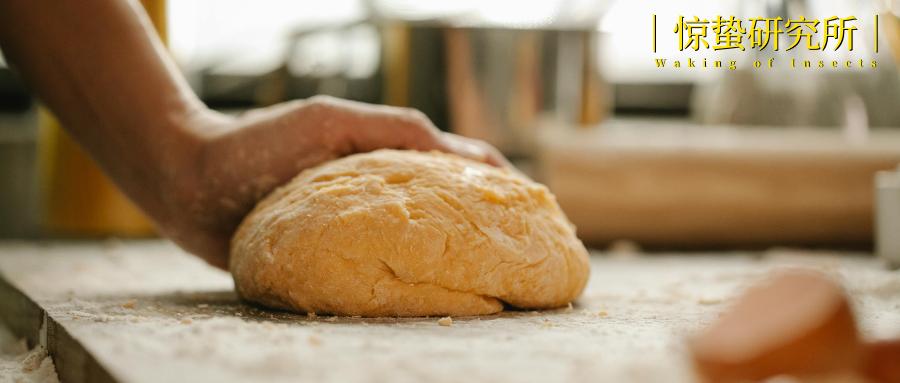
当面包开始“奶茶化”
3 6 Ke· 2026-01-08 04:17
Core Insights - The trend of "milk tea-ification" in the baking industry reflects a shift towards incorporating popular milk tea ingredients like taro and glutinous rice into baked goods, appealing to younger consumers [2][3][5] - This trend is not merely a superficial addition of ingredients but represents a deeper strategy to attract young consumers by merging the successful elements of milk tea with traditional baked products [2][12] Industry Trends - The baking industry is experiencing a significant transformation, with products now featuring a variety of ingredients that were previously exclusive to milk tea, such as taro and glutinous rice, becoming central to baked goods [3][5][7] - The introduction of diverse fillings in baked products, such as cheese, cream, and various sweet and savory ingredients, is becoming a key selling point, with consumers increasingly favoring items that are rich in fillings [8][11] Consumer Behavior - Despite a general trend of consumption downgrade, consumers are willing to spend more on innovative and high-quality baked goods, indicating a shift in spending habits towards frequent, enjoyable food experiences [20][22] - The rise in prices for popular baked items, such as bagels and ciabatta, reflects a willingness among consumers to pay for perceived value and quality, with average prices increasing significantly [20][24] Product Innovation - The concept of "doing addition" in product development is prevalent, where traditional baked goods are enhanced with unexpected ingredients, creating new flavor profiles and experiences for consumers [12][14][17] - Localized adaptations of products, such as ciabatta incorporating regional flavors, demonstrate the industry's responsiveness to consumer preferences and the desire for unique culinary experiences [14][17] Market Dynamics - The baking sector is witnessing a rise in average customer spending, driven by a growing demand for quality and health-conscious products, with an annual growth rate of 8% to 10% in customer spending on baked goods [24][26] - The phenomenon of "milk tea-ification" is reshaping consumer perceptions of baked goods, leading to a broader acceptance of innovative and cross-category products in the food market [19][26]

年度复盘丨2025年零售圈十大IPO事件
Sou Hu Cai Jing· 2026-01-08 03:57
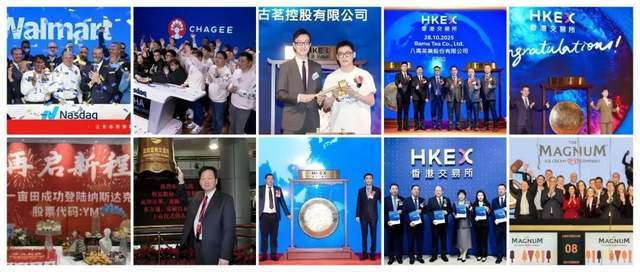
Group 1: IPO Trends in Hong Kong - In 2025, Hong Kong saw a surge in IPOs from retail and consumer companies, with over 23 listings by the end of November, making it the leading sector for IPOs [2][3] - Notable companies that went public include Mixue Group, Shuhang Ayi, and Bama Tea, with Mixue Group setting a record with a frozen capital scale of HKD 1.84 trillion [2] - Despite the IPO excitement, market volatility is evident, with companies like Bama Tea experiencing significant stock price drops shortly after their listings [2][3] Group 2: Performance of Key Companies - Mixue Group reported a closing price increase of over 40% on its first trading day, achieving a market capitalization exceeding HKD 100 billion [2] - Bama Tea's stock price fell dramatically, reaching around HKD 30 by December 30, 2025, reflecting a "roller coaster" performance since its IPO [2][19] - The financial performance of these companies shows mixed results, with Mixue Group achieving a net profit of CNY 3.5 billion in the first nine months of 2024, a 42.3% increase year-on-year [10] Group 3: Market Dynamics and Challenges - The retail and consumer sector in Hong Kong is characterized by a strong IPO presence but lower fundraising amounts compared to other sectors, with the retail sector raising HKD 36.9 billion, ranking fourth overall [3] - The competitive landscape for new beverage brands is intensifying, with many companies facing challenges such as declining same-store sales and increased competition [14][20] - The overall market for tea beverages is highly fragmented, with the top five brands holding only about 5.6% market share, indicating significant competition and challenges for brand differentiation [20] Group 4: Strategic Moves by Major Players - Walmart's transition from the NYSE to NASDAQ marks a significant strategic shift towards a technology-driven retail model, with a stock price increase of 1.32% on its first day on NASDAQ [6][7] - The company aims to enhance its market valuation by aligning itself with technology-focused retail giants like Amazon, leveraging automation and AI in its operations [6][7] - Other companies, such as Anjuke Foods and Haitian Flavor, are also pursuing dual listings to enhance their capital structure and market presence [21][25] Group 5: Future Outlook - The IPO market in Hong Kong is expected to remain active, with projections of 180-200 listings in 2026, potentially raising HKD 350 billion [41][43] - However, the increasing focus on profitability and growth metrics may pose challenges for retail and consumer companies seeking to go public [43] - Regulatory concerns regarding the quality of IPO applications have been raised, indicating a need for companies to demonstrate strong financial health and growth potential [43]

厦门门店全关,被“匠心”耽误的米其林奶茶店
3 6 Ke· 2026-01-08 01:48
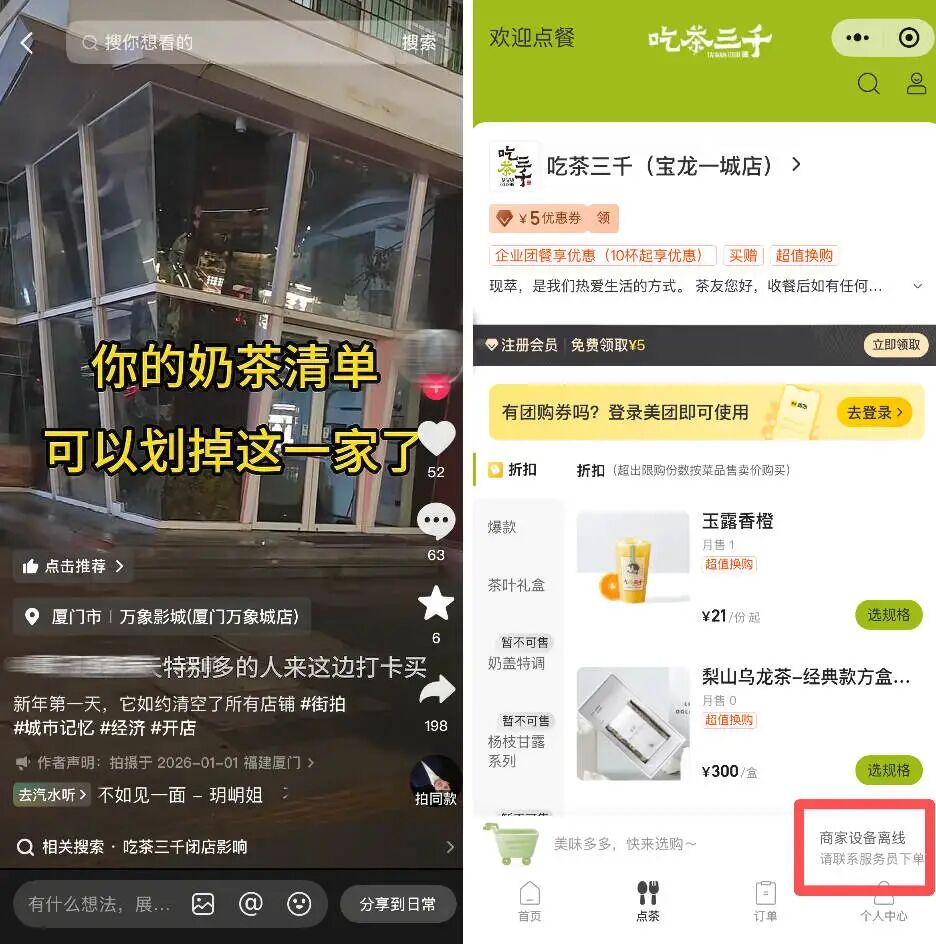
米其林三星茶饮品牌,吃茶三千厦门门店全关 曾被誉为茶饮行业"米其林标杆"的吃茶三千,正迎来大规模门店收缩。 2025年年末,有网友在社交媒体上爆料,吃茶三千将于2025年12月31前关闭厦门的所有门店。消息一出,不少消费者纷纷赶往门店打卡下单,想要赶在在 闭店前喝上最后一杯。其中,吃茶三千万象城店一度因爆单暂停了外卖业务,全力应对线下订单。 至2026年1月1日,网友实地探访发现,吃茶三千厦门万象城店设备全部搬空,招牌也已经撤掉了。厦门其他门店如禾祥西店、宝龙一城店,小程序线上点 单界面显示"商家设备离线"。品牌官方小程序显示,目前吃茶三千仅剩上海金鹰国际店一家门店。 事实上,吃茶三千在厦门的全面撤退并非毫无征兆。在此前的一两年里,吃茶三千已陆续关闭了福州、北京等多个核心城市的门店,收缩战线早已开始。 而当我们将视角拉回几年前,彼时的吃茶三千,正处于高速扩张的黄金时期。品牌的前身,是1998年创立的台湾连锁茶饮品牌喫茶小铺。自创立以来,该 品牌就强调"匠心做茶、真材实料",以"现场鲜萃茶叶"为核心卖点,招牌产品有国王珍珠奶茶、熔岩黑糖波霸鲜奶等。 与同期茶饮品牌不同的是,吃茶三千不使用市面上普遍的大桶泡茶,而 ...
断层第一,喜茶、奈雪、茶百道近30品牌押注,掀起“红色风暴”
3 6 Ke· 2026-01-08 01:08
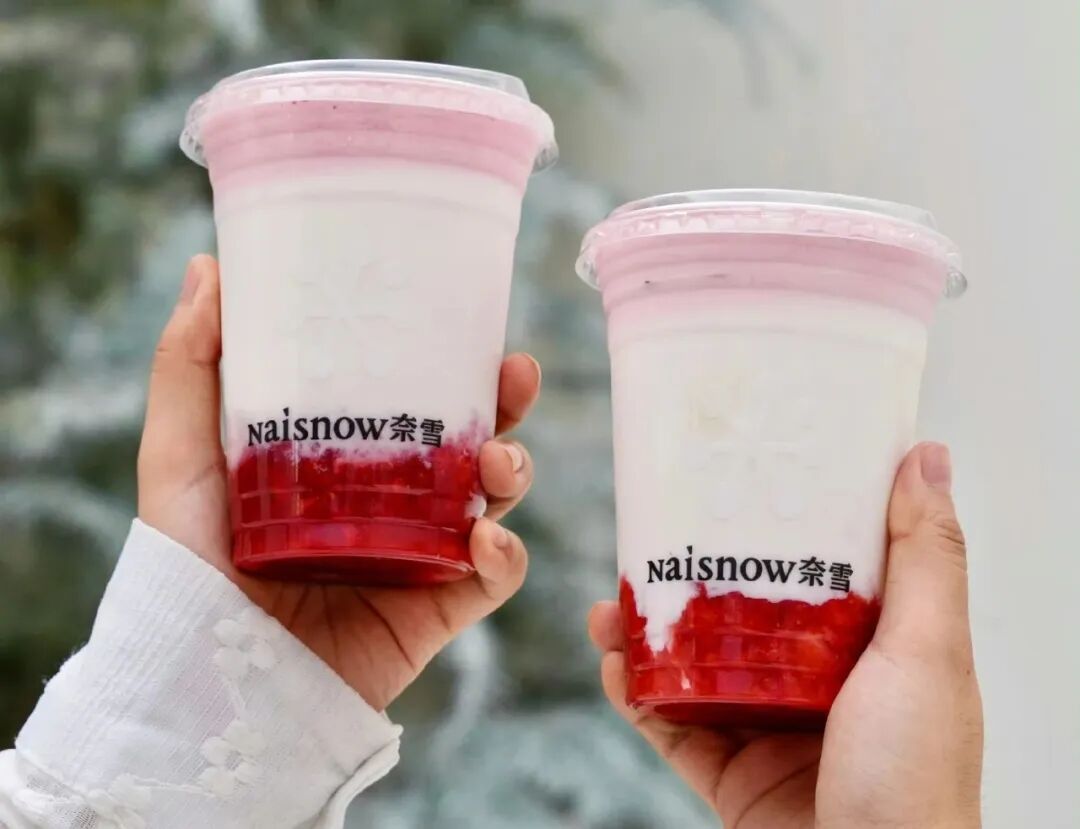
Core Insights - Strawberry has emerged as a dominant flavor in the beverage market, with various brands launching new products featuring this fruit, indicating a significant trend in consumer preferences [1][5][12] Group 1: Market Trends - During the New Year period, Nayuki's "Red Face Strawberry Snow" topped sales charts, showcasing the popularity of strawberry-flavored beverages [1][3] - A total of 71 new strawberry products were launched by 27 brands in the beverage sector, highlighting strawberry's status as a leading fruit in the market [5][12] - The festive season has contributed to the increased demand for strawberry drinks, as they align with celebratory themes and consumer sentiments [5][12] Group 2: Product Innovations - Brands are focusing on "dessertification," transforming traditional fruit teas and milks into drinkable desserts, enhancing the overall consumer experience [7][19] - Popular products include "liquid cakes" that combine multiple ingredients for a richer taste, such as tea, milk, and various dessert elements [7][19] - High visual appeal is becoming a competitive advantage, with brands creating aesthetically pleasing drinks that encourage social media sharing [13][15] Group 3: Flavor and Ingredient Development - Innovative flavor combinations are emerging, with brands experimenting with unique pairings like strawberry with black truffle cheese, expanding the flavor profile of strawberry beverages [16][18] - The use of high-quality ingredients is essential for maintaining the appeal of strawberry drinks throughout different seasons, with a focus on balancing flavors [19][21] - New toppings and ingredients, such as cream and unique dairy products, are being introduced to enhance the texture and flavor of strawberry beverages [21][23]
南农晨读 | 中国年·广东味
Nan Fang Nong Cun Bao· 2026-01-08 01:06
Group 1 - The "Media+" initiative aims to promote Guangdong's local specialties, with a focus on the "Chinese New Year Guangdong Flavor" campaign launching in Shanghai [3][4][5] - The Guangdong government is actively promoting ecological construction and rural revitalization as part of its "14th Five-Year Plan," highlighting significant achievements in these areas [7][9] - The education sector in Guangdong has achieved top national indicators, showcasing the province's commitment to high-quality educational development [10][12][13] Group 2 - Jiangmen's GDP exceeded 420 billion yuan, with an average annual growth rate of 5.2% over the past four years, reflecting strong economic performance [17][20][21] - The "High-speed Rail Brand Agriculture" initiative in Maoming aims to promote local agricultural products through high-speed rail services, enhancing regional connectivity [22][24][25] - The "Warm Winter New Year Goods Festival" is set to launch on January 10, promoting consumption and supporting rural revitalization efforts [32][39][41] Group 3 - Guangdong's first batch of consumer assistance products includes 4,084 items, aimed at enhancing local consumption and supporting rural economies [48][49][50] - The province is focusing on green consumption and high-quality holiday shopping experiences to meet diverse consumer needs [51][52] - The early market for Hainan lychees is expected to see prices reach 24,000 yuan per mu, indicating strong demand ahead of the harvest season [54][56]

徒手拌奶茶、高含咖啡因,霸王茶姬真让人上头
阿尔法工场研究院· 2026-01-08 00:05
Core Viewpoint - The incident involving a staff member of Bawang Chaji preparing tea in an unsanitary manner has led to a significant trust crisis regarding food safety for the brand, despite the company's rapid expansion and unique positioning in the market [2][11][28]. Group 1: Incident Overview - A viral video showed a Bawang Chaji employee preparing tea without gloves or masks, leading to public outrage and scrutiny of the brand's food safety practices [1][4][5]. - The company quickly announced measures in response to the incident, including the indefinite closure of the involved store and the dismissal of the employee [11][10]. - Despite the company's claims that the incident was an isolated case, there are concerns about systemic food safety issues within the brand [16][19]. Group 2: Business Performance and Challenges - Bawang Chaji has experienced a decline in single-store GMV for seven consecutive quarters, raising questions about its ability to balance rapid expansion with food safety and profitability [2][24]. - The brand's aggressive expansion strategy has resulted in over 7,338 stores by Q3 2025, but this has led to increased competition and reduced profitability per store [22][24]. - The total GMV for Bawang Chaji was approximately 79.3 billion, down from 83.01 billion the previous year, indicating a significant drop in sales despite the increase in store numbers [24]. Group 3: Market Position and Competitive Landscape - Bawang Chaji's rapid growth has outpaced competitors like Heytea and Nayuki, but this has also resulted in high store density and intense competition in key markets [22][26]. - Other leading tea brands are slowing their expansion, contrasting with Bawang Chaji's aggressive growth strategy, which may lead to sustainability issues in the long run [26][27]. - The brand's high caffeine content in its products has also sparked consumer concerns, further complicating its market position [19][20]. Group 4: Operational and Management Issues - The company faces challenges in maintaining food safety standards across its franchise network, with reports of unsanitary practices and customer complaints about product quality [19][25]. - Bawang Chaji's franchise model, which accounts for over 80% of its stores, raises questions about the effectiveness of its management and oversight of franchisees [25][24]. - The need for a robust franchise management system is critical to prevent hygiene issues and service disputes, which could undermine the brand's reputation [25][28].

2026年的暴富密码,藏在2025的“意想不到”中
Sou Hu Cai Jing· 2026-01-07 08:56
Group 1 - The film "Nezha 2" achieved a record-breaking box office of 15.4 billion, ranking among the top five globally, showcasing the high industrial standards of Chinese animation and promoting Chinese culture [1][4] - The rapid adoption of artificial intelligence (AI) throughout the year has transformed various industries, with significant advancements in AI applications such as healthcare, education, e-commerce, and finance [3][4] - China has become the world's largest exporter of new energy vehicles, with domestic brands increasing their market share in Europe and Southeast Asia [5][6] Group 2 - The competitive landscape in the food delivery sector intensified as major internet companies engaged in aggressive subsidy wars, leading to significant price reductions for consumers [6][8] - The tea beverage industry saw a surge in IPOs, with brands like Mixue Ice City and others expanding internationally, indicating a strong growth trend in the sector [6][8] - The financial sector experienced a slight increase in average salaries among listed banks, while the total number of employees in major state-owned banks decreased [9] Group 3 - The A-share market saw an 18% increase, reaching a ten-year high with total market capitalization surpassing 100 trillion [9] - The micro-short drama industry surpassed the film industry, achieving a scale of 50 billion, indicating a shift in consumer entertainment preferences [9][11] - Predictions for 2026 include continued growth in AI integration across industries, increased exports of new energy vehicles, and the emergence of new popular IPs in the cultural sector [11][12]

2025年民航全年旅客运输量达7.7亿人次|首席资讯日报
首席商业评论· 2026-01-07 05:06
Group 1 - In 2025, the civil aviation industry is expected to achieve a total passenger transport volume of 770 million, with a year-on-year growth of 5.5% [2] - The total turnover of the industry is projected to reach 1640.8 billion ton-kilometers, reflecting a growth of 10.5% [2] - Cargo and mail transport volume is anticipated to be 10.172 million tons, marking a year-on-year increase of 13.3% [2] Group 2 - The incident involving a staff member of Ba Wang Tea Ji handling milk tea without proper hygiene practices has led to an investigation, emphasizing the importance of food safety and compliance in brand operations [3] - Ba Wang Tea Ji has committed to enhancing daily supervision and training for franchise stores to ensure safe and standardized consumer experiences [3] Group 3 - xAI, led by Elon Musk, has confirmed the purchase of five 380 MW gas turbines from Doosan Enerbility in South Korea, with the first two units expected to be delivered by the end of 2026 [4] - The turbines will provide power for large-scale clusters, indicating a significant investment in energy infrastructure [4] Group 4 - The controlling shareholder of Baotailong Group has received a corrective decision from the Heilongjiang Securities Regulatory Bureau for failing to meet its share buyback commitment, having only repurchased 10.018 million shares out of a promised 20-40 million [5] - This regulatory action does not affect the company's daily operations [5] Group 5 - The Ministry of Commerce forecasts that 17.673 million scrapped vehicles will be recycled nationwide from 2024 to 2025, with an average annual growth rate of 45.8% [6] - The second-hand vehicle market is expected to see 39.686 million transactions, while the recycling of old household appliances and mobile phones is projected to reach approximately 53 million units, growing at about 12% annually [6] Group 6 - The chairman of Taihe Group, Huang Qisen, has had his detention measures lifted, allowing him to resume his duties, while the company's operations remain normal [7] - The company faces significant debt, nearing 70 billion [7] Group 7 - Yuanta Securities (Hong Kong) maintains a "buy" rating for Zhongwei Company, highlighting its strategic acquisition of a 65% stake in Hangzhou Zhonggui, which will enhance its capabilities in core processes [8] - This acquisition is expected to open up further growth opportunities for the company [8] Group 8 - Tesla has announced new purchasing plans for its Model 3 and Model Y vehicles, with low down payments and monthly installments, including a zero-interest option for five years on the Model Y L [9] - This initiative aims to stimulate sales and make electric vehicles more accessible to consumers [9] Group 9 - Star River Power plans to launch the "Vesta-1 Sea Launch Type (Remote 7)" commercial rocket in the near future, indicating ongoing developments in the aerospace sector [10] Group 10 - The UK automotive market is projected to recover in 2025, with new car registrations expected to increase by 3.5% to 2.02 million units, driven by the rising demand for electric vehicles [11] - The market share of electric vehicles continues to grow, reflecting a shift towards greener transportation solutions [11] Group 11 - Henan Province plans to issue 200 million yuan in consumption vouchers to support over 200 housing promotion events in early 2026, aiming to boost economic development [12] Group 12 - Citigroup analysts predict that NVIDIA's autonomous driving initiatives will drive demand for self-driving taxis, with the global market expected to grow from $4.43 billion in 2025 to $188.91 billion by 2034 [13]