
制造业

Search documents
新华视点·关注地方两会丨从地方两会看稳增长促消费新动向
Xin Hua Wang· 2026-02-12 08:47
Economic Growth - Various provinces are setting GDP growth targets around 5% annually for the 14th Five-Year Plan, with Guangdong and Jiangsu leading in high-quality development [1][2] - Shandong aims to become the first northern province with a GDP exceeding 10 trillion yuan by 2025, while Guizhou and Chongqing also set ambitious growth targets [1][2] Income Increase - The focus on increasing residents' disposable income is evident, with Zhejiang targeting an average income of around 90,000 yuan and urbanization rates of 78% by the end of the 14th Five-Year Plan [3] - Provinces like Tianjin and Shaanxi are implementing plans to boost employment and expand the middle-income group, aiming for steady income growth [3] Cost Reduction - Provinces are emphasizing the reduction of financial burdens on citizens, with Hainan and Gansu focusing on investing resources in public welfare and improving social security systems [4][5] - Shanghai aims to enhance public services in education, healthcare, and housing to alleviate the financial pressures on residents [4] Consumption Promotion - There is a strong emphasis on boosting consumption, with initiatives to promote "emotional consumption" and "scenario-based consumption" across various provinces [5][6] - Tianjin and Guangxi are encouraging the development of new consumption trends, including services targeting the elderly and children, as well as enhancing the supply of quality consumer goods [5][6]
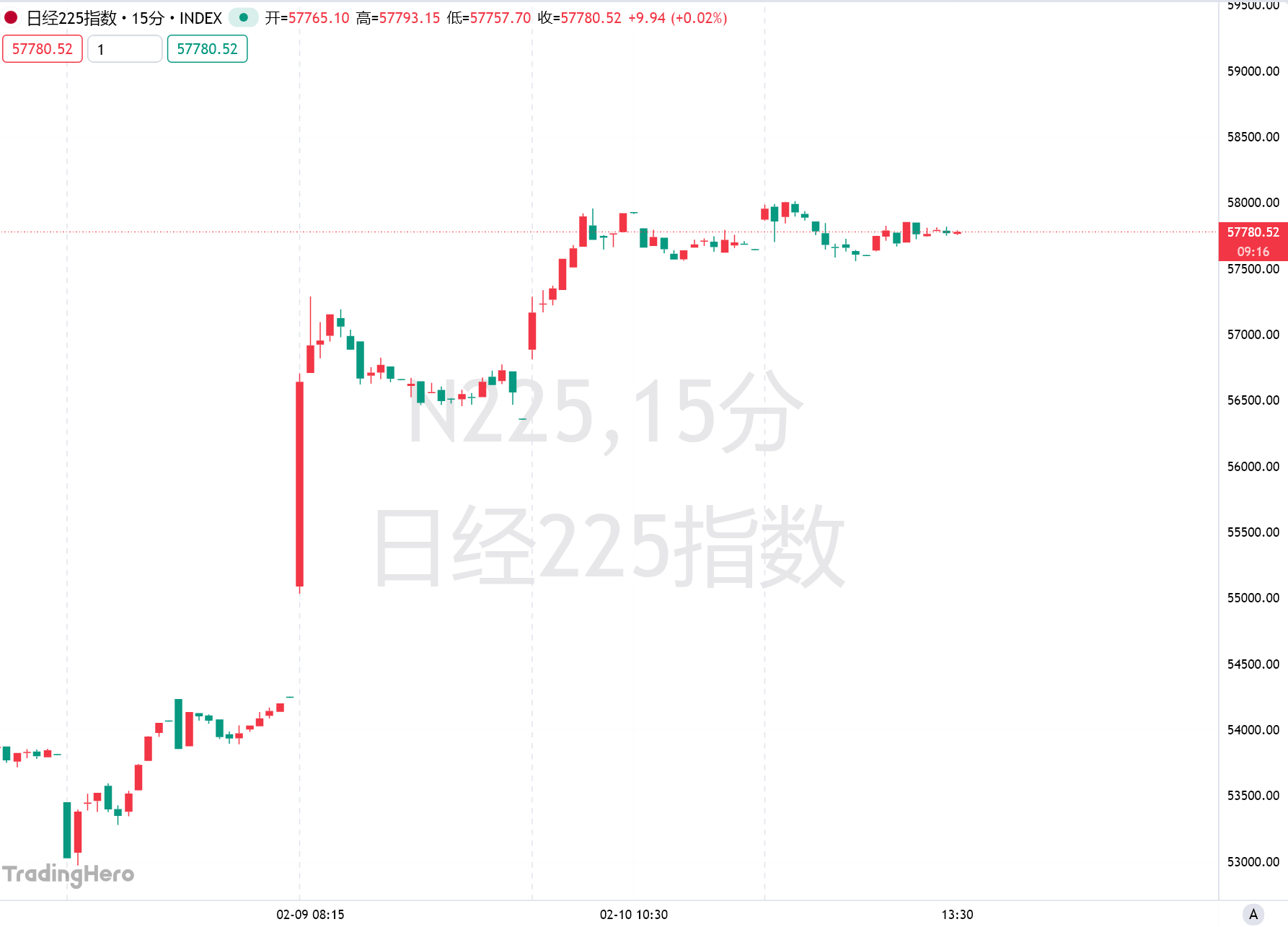
日经指数盘中突破58000点,专家警告涨势与基本面严重脱节
Jin Shi Shu Ju· 2026-02-12 06:10
Market Performance - The Japanese stock market continues to rise, reaching a historical high, driven by renewed confidence in domestic politics and the government's economic agenda [1][3] - The Nikkei 225 index surpassed 58,000 points for the first time, with a year-to-date increase of 15% [1][3] Political Influence - The market rally is largely attributed to the political optimism following Prime Minister Sanae Takaichi's overwhelming victory in the House of Representatives elections [3] - Investors are anticipating larger fiscal spending, tax cuts, and a more aggressive economic agenda as a result of this political support [3] Economic Discrepancies - Analysts warn that the stock market's enthusiasm may be ahead of the clarity regarding policy funding sources, indicating a growing disconnect between stock prices and economic fundamentals [3][4] - Japan's economy contracted by 0.4% quarter-on-quarter for the three months ending in September, marking the first contraction in six quarters, with an annualized decline of 1.8% [4] Debt Concerns - Japan is noted to have the highest debt levels globally, with a projected debt-to-GDP ratio nearing 230% by 2025, raising concerns about the sustainability of increased fiscal spending [5] Market Drivers - The current market dynamics are driven by sentiment, liquidity, and narrative rather than fundamental economic strength [6] - The global AI investment wave has also positively impacted the Japanese stock market, although this connection makes it sensitive to fluctuations in global tech enthusiasm and exchange rate volatility [7][8] Currency Impact - The depreciation of the yen has historically benefited export-oriented manufacturing companies, but this effect may diminish as the yen's value is perceived to be excessively low [9][10] - The yen has depreciated approximately 3.67% against the dollar over the past six months [11] Government Intervention - Japan has indicated potential market intervention if the yen continues to depreciate, with concerns raised by the Finance Minister regarding unilateral yen depreciation [12] Future Outlook - Despite current vulnerabilities, structural reforms in corporate governance, capital efficiency, and shareholder returns are expected to provide sustainable growth momentum [15] - Some asset management firms believe that the overall fundamentals of Japanese companies still have support, contingent on the realization of reform expectations [15][16] - There is a warning that if the pace of improvements slows, there could be downside risks to the market [17]

——1月美国非农就业数据点评:就业反弹推迟降息窗口
Huafu Securities· 2026-02-12 04:16
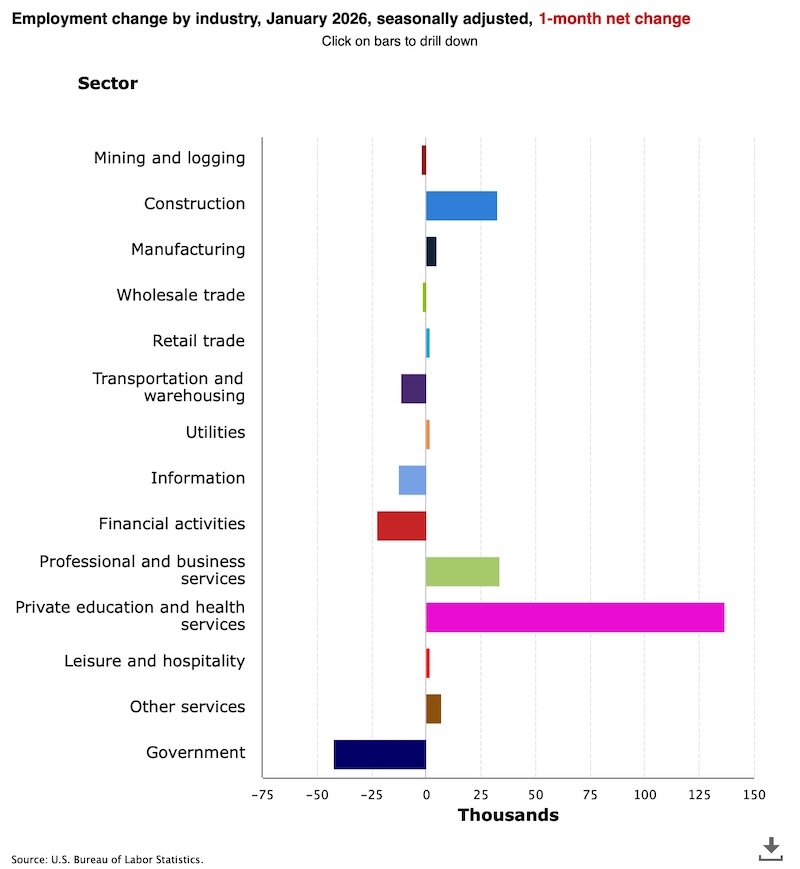
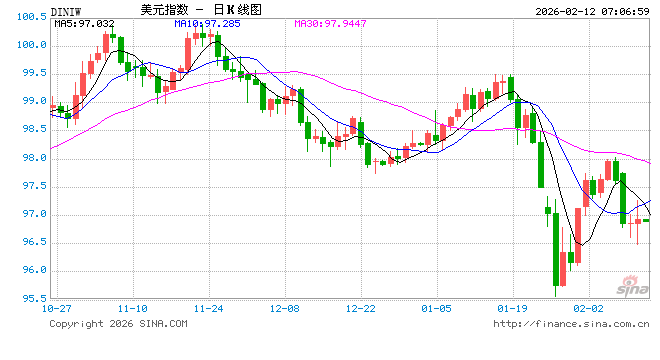
Employment Data - In January, non-farm employment increased significantly by 130,000, surpassing the expected 65,000, marking the largest increase since January 2025[7] - Private sector employment added 172,000 jobs in January, with a three-month average of 103,000 and a fourth-quarter average of 50,000[7] - The education and healthcare sectors contributed the majority of the employment increase, adding 137,000 jobs[8] Unemployment and Labor Participation - The unemployment rate fell by 0.1 percentage points to 4.3%, driven by improved job demand[9] - The labor participation rate rebounded by 0.1 percentage points to 62.5%, primarily due to increases in the 20-54 age group[13] Wage Growth - Average hourly earnings increased by 0.4% month-on-month, exceeding the expected 0.3%[19] - Year-on-year wage growth decreased slightly to 3.7%, remaining stable within the 3.7%-3.9% range since the second half of 2025[19] Market Expectations - Following the strong employment data, the probability of a Federal Reserve rate cut in March dropped from 21.7% to 7.9%, and the probability of a cut before June decreased from 75% to 59.8%[2] - U.S. stock indices rose, the dollar strengthened, and U.S. Treasury yields increased, with the 10-year yield reaching a high of 4.2% before retreating[2]
一个新的全球“工业周期”正在兴起
Hua Er Jie Jian Wen· 2026-02-12 03:26
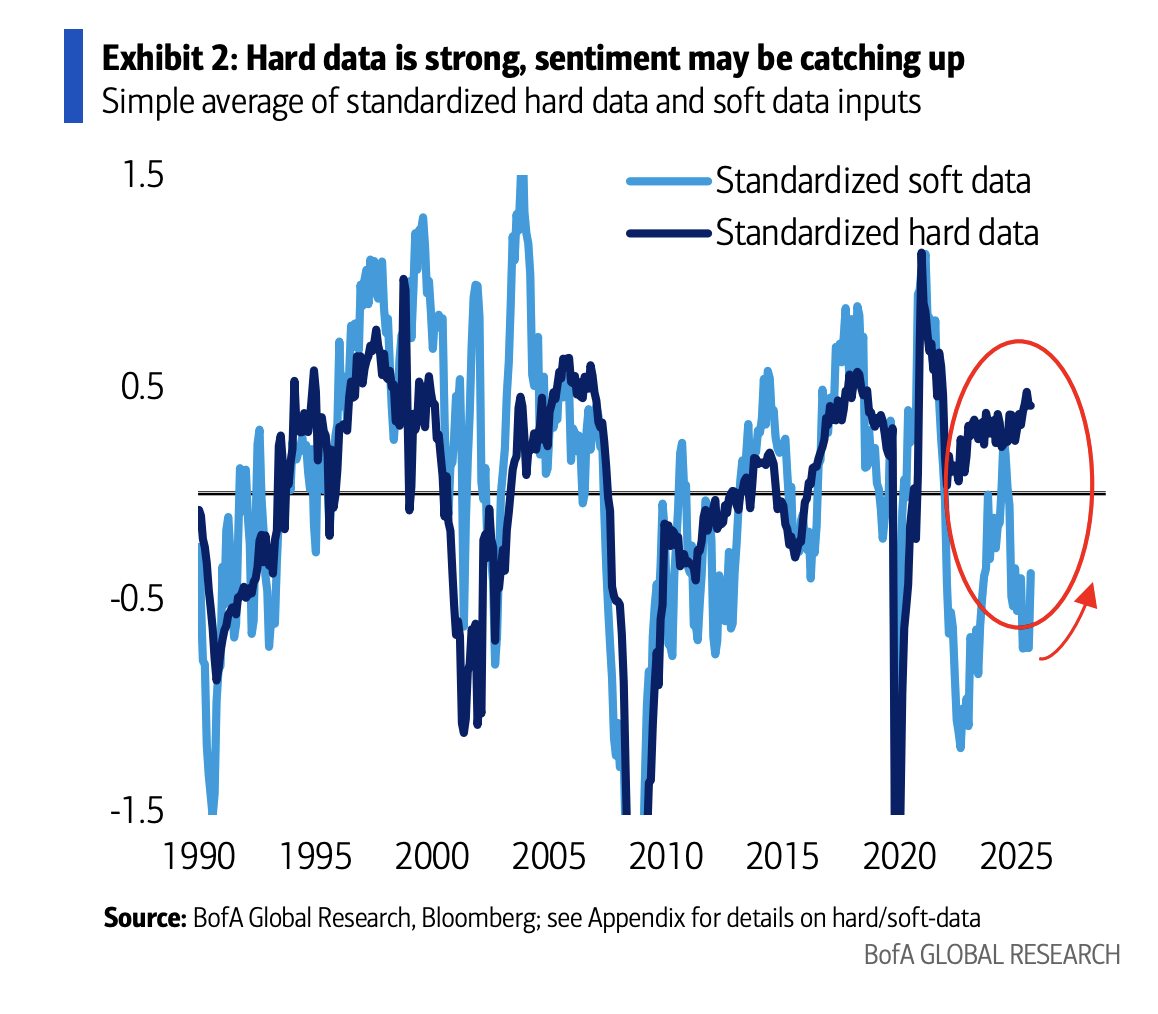
Core Insights - The narrative of global assets may shift from "technology dominance" to "industrial and credit expansion" as new industrial cycles appear to be starting, indicating potential for higher-than-consensus earnings in 2026 [1] - Bank of America (BofA) suggests that the combination of strong hard data, improving soft data, and strengthening industrial momentum points to more opportunities outside crowded trades [1][2] Group 1: Industrial Cycle Indicators - BofA's analysis shows that hard data is above long-term averages, while soft data indicators have improved significantly, with the Michigan Consumer Sentiment Index reaching its highest level since August [2][5] - Several proprietary high-frequency indicators from BofA have strengthened, indicating a positive outlook for global manufacturing PMI and industrial demand [5][10] - The current market narrative may shift from debt-driven consumption to visible organic growth in the industrial sector [8] Group 2: Credit Conditions and Expansion - BofA identifies unfavorable credit terms as a barrier to manufacturing expansion, suggesting that regulatory changes could unlock over $1 trillion in new capital from the banking system by 2026 [9][10] - Specific data points indicate that large U.S. banks hold excess capital above regulatory requirements, and capital requirements are expected to decrease, which could facilitate credit improvements [9][10] Group 3: Semiconductor Industry Impact - The semiconductor sector, particularly analog chips, is viewed as a leading indicator for the industrial cycle, with expectations of a 30% year-over-year growth in chip sales by 2026 [10][11] - The rebound in storage chip prices and increased AI demand are driving significant growth in exports from South Korea, which is linked to broader global earnings revisions [14] Group 4: Market Performance and Asset Allocation - Year-to-date returns show that expansion trades have outperformed stagnant assets, with small and mid-cap industrial stocks leading the gains [15] - Despite strong performance in expansion assets, there remains a significant underallocation in these areas compared to stagnant assets, indicating a potential shift in investment strategies [15][16] Group 5: Risks in Less Transparent Markets - The report highlights risks associated with SPACs, cryptocurrencies, and private credit, which have become more prominent in a low liquidity environment [16][17] - Historical data shows that SPACs have underperformed compared to small-cap stocks, raising concerns about the sustainability of returns in these less transparent markets [16][17]
1月美国非农超预期火爆,美联储降息窗口再添变数?
Di Yi Cai Jing· 2026-02-11 23:43
Core Viewpoint - The recent employment data indicates a surprising acceleration in job growth, which may lead the Federal Reserve to maintain interest rates for a while as they continue to monitor inflation trends [1][9]. Employment Growth - In January, non-farm payrolls increased by 130,000, marking the largest growth in nearly 13 months, with December's figures revised down to 48,000 [2]. - The healthcare sector added 82,000 jobs, the highest increase since July 2020, significantly above the average of 33,000 jobs per month [2]. - Other sectors such as social assistance, construction, and professional services also saw job increases, while the financial sector lost 22,000 jobs [2][11]. Labor Market Dynamics - The unemployment rate decreased from 4.4% in December to 4.3%, although adverse weather affected survey response rates [5]. - Approximately 387,000 individuals entered the labor market in January, with household surveys indicating a surge of 528,000 in employment, surpassing new labor force entrants [8]. - The labor market's performance is a key concern for the Federal Reserve regarding potential interest rate cuts in 2026 [11]. Economic Outlook - Market expectations for a Federal Reserve rate cut have softened, with the probability of maintaining current rates rising to nearly 40% post-data release [9]. - Despite the strong non-farm data, other indicators suggest a sluggish job market, with only 22,000 jobs added in the private sector according to ADP [9]. - Annual employment benchmark revisions revealed a significant downward adjustment, indicating only 181,000 jobs were added in 2025, far below previous estimates [9]. Policy Implications - The current labor market dynamics, influenced by trade and immigration policies, have led to concentrated job growth in specific sectors, particularly healthcare and hospitality [11]. - Economic advisors suggest that a slight reduction in job growth may be reasonable given the context of high GDP growth, with productivity increases potentially mitigating inflation concerns [11][12]. - The Federal Reserve's approach to interest rates may be influenced by the balance of labor supply and demand, with potential implications for inflation and economic stimulus measures [11][12].
深度分析美国一月份就业数据:利好股市,不利于房地产和黄金白银市场
Sou Hu Cai Jing· 2026-02-11 23:25
Group 1 - The article argues against the view that employment growth has been revised down by 60,000 jobs monthly since March 2025, suggesting a smaller adjustment of about 20,000 jobs instead [1] - Recent data indicates that private sector employment has shown minimal downward adjustment, with healthcare sector jobs contributing significantly to the overall growth [1] - The construction industry has seen strong growth, adding 33,000 jobs, while manufacturing has recorded its first increase since November 2024, with 5,000 new jobs [1] Group 2 - The expected breakeven point for non-farm employment growth in 2026 has been revised down to between 0 and 20,000 jobs, reflecting a more cautious outlook [2] - The analysis suggests that limited labor supply growth and moderate demand will characterize the labor market, influenced by demographic trends such as aging population and immigration policy restrictions [2] - A decline in job vacancies has been noted, which may impact the Federal Reserve's policy adjustments, as lower vacancies often correlate with rising unemployment [2][3] Group 3 - The article highlights the importance of the Beveridge Curve in understanding the inverse relationship between job vacancies and unemployment, which has been used to justify past interest rate cuts by the Federal Reserve [3] - Future insights into labor demand may be revealed in the upcoming January JOLTS report, although the low response rate of the survey may lead to significant monthly revisions [3] - Preliminary estimates for February suggest a non-farm employment increase of 65,000 jobs and an unemployment rate of 4.3%, with expectations that employment growth will slightly exceed the structural breakeven point in 2026 [3][4]
美国非农“开门红”意外强劲!美联储将推迟至7月降息?
Xin Lang Cai Jing· 2026-02-11 23:07
Core Viewpoint - The U.S. labor market shows remarkable resilience at the beginning of the new year, with the latest non-farm payroll report exceeding expectations, alleviating concerns about a rapid economic downturn, and prompting traders to reassess the Federal Reserve's policy path [2][10]. Employment Data Summary - In January, the seasonally adjusted non-farm employment increased by 130,000, significantly above the market expectation of 70,000, marking the largest increase since April 2025 [2][10]. - The unemployment rate in January recorded at 4.3%, slightly lower than the expected 4.4%, reaching the lowest level since August 2025 [2][10]. - The non-farm employment figures for November and December were revised downwards, with November's figures adjusted from 56,000 to 41,000 and December's from 50,000 to 48,000, resulting in a total downward revision of 17,000 jobs for these two months [2][10]. Structural Improvements in the Labor Market - Average hourly earnings increased by 0.4% month-on-month, outperforming expectations, while average weekly hours rose to 34.3 hours [4][12]. - The labor force participation rate slightly increased from 62.4% to 62.5%, and the manufacturing sector added 5,000 jobs in January, marking its first positive growth since September 2024 [4][12][13]. - Analysts noted that the dual growth in wages and hours is more critical than just the increase in employment numbers, indicating sustained consumer purchasing power and a higher likelihood of an economic soft landing [4][12]. Historical Data Revisions - The Labor Department made significant adjustments to the annual benchmark, revising the total employment figures for the previous year down by 862,000, exceeding prior estimates of 825,000 [4][15]. - The revised data indicates that the average monthly job growth for 2025 was only 15,000, which is considered dismal compared to previous years [4][15]. Sector-Specific Employment Trends - The healthcare sector led job creation with an addition of 82,000 jobs, while the construction industry added 33,000 jobs [5][13]. - The manufacturing sector's growth is particularly noteworthy, as it defied pessimistic forecasts of job losses, suggesting a potential turnaround after a prolonged period of decline [5][13]. - However, the federal government sector saw a significant reduction of 34,000 jobs, reflecting the direct impact of fiscal tightening policies on public sector employment [6][14]. Broader Economic Context - Despite the strong January data, the underlying foundation of the U.S. labor market remains fragile, with the total employment growth for 2025 being only 181,000, the worst annual performance since 2003 when the economy was recovering from the dot-com bubble [7][15]. - The substantial downward revision of historical data reveals that there were not as many new consumers to drive economic spending as previously thought, contributing to ongoing consumer confidence concerns despite seemingly robust employment figures [7][15].
吴江有国家级绿色工业园区3个、国家级绿色工厂40家 数量全市居首
Su Zhou Ri Bao· 2026-02-11 23:01
Core Viewpoint - The Ministry of Industry and Information Technology has announced the proposed list of national-level green industrial parks and factories for 2025, with Wujiang achieving a record high in the number of entries [1] Group 1: National-Level Green Industrial Parks - Wujiang Economic and Technological Development Zone and Jiangsu Wujiang High-tech Industrial Park have been selected as national-level green industrial parks, with the number of new entries ranking first in the city and accounting for two-thirds of the total [1] - Wujiang now has a total of 3 national-level green industrial parks, the highest in the city [1] Group 2: National-Level Green Factories - 16 enterprises from Wujiang have been selected as national-level green factories, ranking second in the city for new entries [1] - Wujiang has a cumulative total of 40 national-level green factories, also the highest in the city [1] Group 3: Green Development Initiatives - Wujiang District is focusing on building a green manufacturing system to promote green factories and parks through a combination of policies, services, and publicity [1] - The "Three-Year Action Plan for Promoting Green Development in Manufacturing Industry (2024-2026)" has been introduced to systematically advance the cultivation and reserve system for green factories [1] - A three-level cultivation mechanism involving municipal, provincial, and national levels is being established, along with collaboration among green industrial parks and supply chain management enterprises to promote the construction of green factories [1]
都福集团财务优化支撑股价创新高,机构看好其盈利增长潜力
Jing Ji Guan Cha Wang· 2026-02-11 20:42
Core Viewpoint - The financial optimization measures of Dover Corporation (DOV.N) have significantly supported its stock price, which reached a historical high of $232.40, reflecting a year-to-date increase of 19.03% and a price-to-earnings ratio (TTM) of 29.27 times [1] Group 1: Operational Status - The management has implemented a $40 million cost reduction plan for fiscal year 2025, aiming for a profit margin target of 26% by 2026, up from the current 18% [1] - The fiscal year 2025 report shows a net profit margin of 13.56%, with revenue conversion rates exceeding 35% for five consecutive quarters [1] - The sustainability of cost actions, with an average annual reduction of $30 million to $50 million, provides a clear path for profit margin improvement [1] Group 2: Business Progress - The company is shifting towards high-growth, high-margin sectors, with clean energy and fuel solutions accounting for 25% of revenue, and pump and process solutions contributing 24.46% [2] - Emerging businesses such as thermal connectors have rapidly increased revenue from under $10 million, while carbon dioxide systems have grown to an annual revenue of $200 million within 18 months [2] - This business portfolio adjustment has reduced reliance on cyclical businesses [2] Group 3: Financial Status - Operating cash flow for fiscal year 2025 reached $1.334 billion, with free cash flow at $1.113 billion [3] - The company is utilizing strong cash flow to support capital allocation, including an accelerated stock buyback of $500 million and strategic acquisitions focused on small to mid-sized technology or component businesses to enhance return on invested capital, which stands at 13.17% for fiscal year 2025 [3] Group 4: Industry Policy and Environment - The robust demand in the U.S. manufacturing sector, with the ISM manufacturing index at 52.6 in January 2026, supports the industrial sector [4] - As of February 2026, 62% of analysts rated the stock as a buy or hold, with an average target price of $230.56, while institutions like Seaport Global have recently raised the target price to $245, reflecting market recognition of its profit growth potential [4] Group 5: Future Development - The European vehicle services business continues to face industry pressures, and the company's price-to-earnings ratio is above the industry average, which may lead to valuation adjustment pressure if future profit growth does not meet expectations [5]
克罗地亚12月份工业就业人数同比下降3.2%
Shang Wu Bu Wang Zhan· 2026-02-11 17:36
Group 1 - The total industrial employment in Croatia decreased by 0.5% month-on-month and 3.2% year-on-year as of December 2025 [1] - The manufacturing sector accounts for the largest share of industrial employment, representing 92% of total employment, with a month-on-month decline of 0.5% in December [2] - The mining and quarrying sector accounts for approximately 2% of industrial employment, experiencing a month-on-month decline of 2.1% [2] Group 2 - The electricity, gas, steam, and air conditioning supply sector represents 6.1% of industrial employment, with a month-on-month increase of 0.1% [2] - Year-on-year, manufacturing employment decreased by 3.5%, with the largest declines in other transport equipment (-17.9%) and clothing (-14.2%), while the fastest-growing sector was refined petroleum products (+16.8%) [2] - The total industrial employment in 2025 decreased by 2.7% compared to 2024, while industrial labor productivity increased by 6.2% year-on-year from January to December 2025 [2]