外卖

Search documents
塔城市市场监督管理局:和平所开展食品 安全“主体责任”落实检查
Zhong Guo Shi Pin Wang· 2026-01-04 10:10
Core Viewpoint - The article emphasizes the importance of food safety responsibility among large and medium-sized supermarkets, food delivery platforms, and restaurants during the year-end and New Year period, highlighting the need for strict compliance with food safety regulations [1] Group 1: Personnel Requirements - Large and medium-sized supermarkets, food delivery platforms, and restaurants must legally appoint a food safety director and food safety personnel, clearly defining the responsibilities of the main responsible person, director, and safety personnel [1] - Relevant personnel must undergo training and assessment before taking up their positions [1] Group 2: Operational Mechanisms - A strict "daily control, weekly inspection, monthly scheduling" system must be implemented, where safety personnel record risks daily, directors rectify issues weekly, and company leaders schedule and deploy work monthly [1] Group 3: Key Control Areas - Key areas of focus include food procurement inspection, control of storage temperature and humidity, proper labeling, management of near-expiry foods, and closed-loop disposal of non-compliant products, ensuring traceability of sources and destinations [1] Group 4: Future Initiatives - The Peace Market Supervision Office plans to promote exemplary models and benchmark supermarkets and food service units, sharing their management experiences to enhance overall industry responsibility [1]
骑手成抢手资源?美团、淘宝闪购真金白银急挖人
Xi Niu Cai Jing· 2026-01-04 06:45
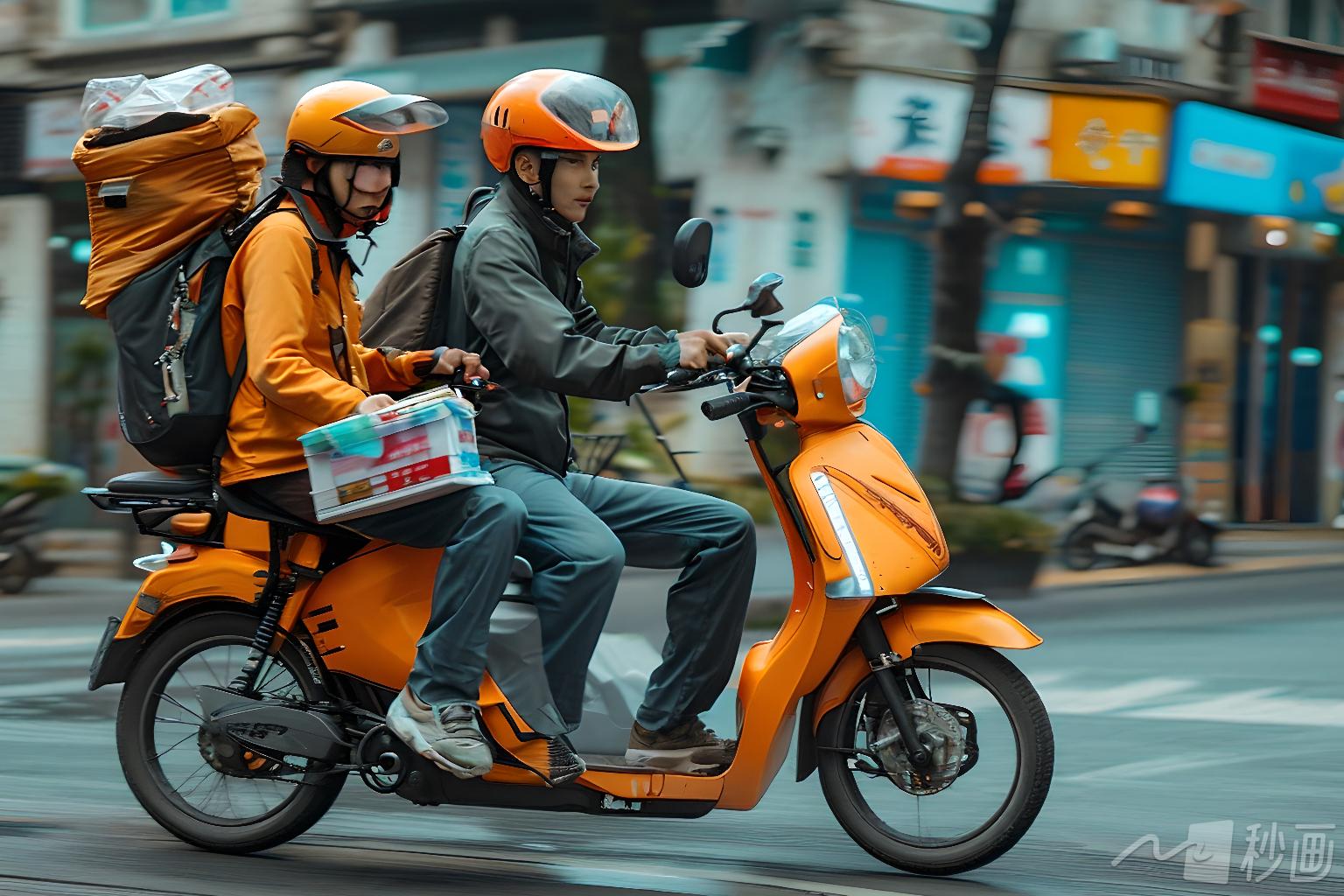
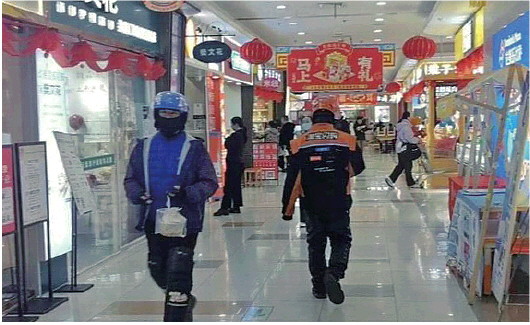
Core Insights - The competition in the food delivery industry is intensifying as major platforms like Meituan and Taobao Flash are offering high "transfer" bonuses to attract quality delivery riders, particularly in key regions like Beijing [2][3] - The battle for riders is a response to the escalating competition in the instant retail sector, with platforms shifting focus from price subsidies to securing human resources for delivery [3][4] Group 1: Rider Incentives - Meituan is offering a recruitment bonus of 2,888 yuan for riders who have completed over 720 orders in November on competing platforms, provided they join Meituan and serve for six weeks [2] - Taobao Flash is providing a 3,000 yuan reward for riders who have completed over 140 orders on other platforms and join Taobao Flash for four consecutive weeks, along with a 1,000 yuan referral bonus for existing riders [2] - These incentives are not nationwide policies and are limited in availability, raising questions about their potential expansion to other cities [2] Group 2: Market Dynamics - The competition among Meituan, Taobao Flash, and JD.com has led to over 10 billion yuan in subsidies since 2025, impacting user, merchant, and fulfillment segments [3][4] - The industry is experiencing a significant shift as platforms prioritize experienced riders who can adapt to diverse delivery scenarios, as training new riders takes at least two weeks [3] Group 3: Financial Performance - Meituan reported its largest loss since going public in Q3 2025, with an adjusted net loss of 16 billion yuan, compared to a profit of 12.83 billion yuan in the same period last year [4] - JD.com's net profit fell by 55% year-on-year, with substantial losses in its food delivery segment contributing to an overall negative operating profit [4] - Alibaba's operating profit decreased by 85% year-on-year, primarily due to significant investments in the instant retail business [4] Group 4: Regulatory Response - The irrational competition in the industry has drawn regulatory attention, leading to the release of national standards aimed at addressing issues like "ghost deliveries" and rider rights [5] - Following the new regulations, major platforms have committed to implementing these standards and are shifting focus from short-term rider acquisition to long-term retention strategies [5] - This transition indicates a potential move away from aggressive cash-burning competition towards a model centered on service quality and compliance, with rider rights and industry ecosystem optimization becoming key competitive factors [5]



2025年新疆乌苏外卖行业党支部网约配送员群体党建工作典型案例
Zhong Guo Shi Pin Wang· 2026-01-04 06:19
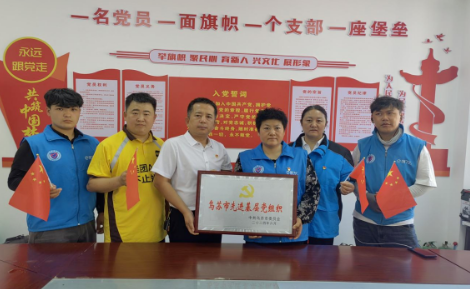
新疆维吾尔自治区乌苏市外卖行业党支部聚焦外卖企业(骑手)"党组织组建难、团结凝聚难、作用发 挥难"等实际问题,坚持强化政治引领、做好暖心关爱、引导参与治理,形成"党建强、服务优、治理 好"生态圈,助力外卖行业高质量发展。 主要做法 突出政治引领,行业领航不走样。一是提升政治功能。支部发挥"把关定向"作用,把外卖行业党支部职 责权限、运行机制、基本保障等重要事项写入企业章程,引导党员担任网(站)点站(组)长,落 实"三重一大"事项党支部前置研究,累计协商共议重大事项30余项,筑牢党组织"话语权"。二是建强党 员队伍。支部坚持将外卖企业业务骨干发展成为党员,将党员锻炼成为业务骨干,吸纳入党申请骑手20 人,接收入党积极分子5人,发展发现外卖骑手党员5人。定制"红骑先锋"胸卡和车贴,引导党员骑手主 动亮明党员身份、开展承诺践诺评议活动,争当"先锋骑手"。三是铸牢思想共识。支部建立"职工住院 必探访、亲人去世必慰问、矛盾必调解、困难必帮扶"关怀机制,常态开展各族骑手结亲互联、工作互 帮、技能互训、国语互学、困难互助、节日互庆等铸牢中华民族共同体意识"微行动",定期开展外卖小 哥谈心谈话、情绪疏导等工作,推动200余名 ...
外卖大战还在继续,只是换了个战场
3 6 Ke· 2026-01-04 03:16
Core Viewpoint - The recent competition among food delivery companies has intensified, with significant financial incentives being offered to attract delivery riders, indicating a fierce battle for market share in the industry [1][2][3]. Group 1: Competition and Incentives - Meituan is offering a one-time transfer reward of 2888 yuan to active riders from Ele.me and JD with monthly orders exceeding 720 [1]. - Taobao Shanguo is providing a subsidy of 3000 yuan to riders who meet specific order criteria on competing platforms, along with additional rewards for referrals [1]. - JD has not engaged in direct recruitment but is investing 22 billion yuan over five years to create "JD Rider Homes" to retain its riders [2]. Group 2: Financial Implications - The total investment by the three major players in the food delivery battle has exceeded 100 billion yuan this year, with a notable increase in transfer subsidies compared to previous years [3]. - Despite the massive financial outlay, profits have not increased, with Alibaba and JD reporting net profit declines of 52% and 55% respectively, while Meituan recorded its largest loss since going public, with a net loss of 16 billion yuan in Q3 [3][4]. Group 3: Marketing and User Growth - Marketing expenses for Alibaba, JD, and Meituan have risen significantly, with year-on-year increases of 106%, 110%, and 91% respectively, despite growth in food delivery orders [4]. - JD's new user conversion rate for food delivery is nearly 50%, contributing to a 40% year-on-year increase in active users and shopping frequency [7]. - Meituan's app has also seen a user growth of over 20% [9]. Group 4: Long-term Outlook and Market Value - The substantial financial investments have not translated into significant improvements in e-commerce revenue growth, with Alibaba's e-commerce growth rate around 9% and JD's fluctuating between 20% and 11.4% [6]. - The value of food delivery remains questionable, as the increase in orders has not led to a corresponding increase in revenue or profitability for the companies involved [10]. - The expectation that high-frequency food delivery could drive low-frequency retail sales has not materialized, as evidenced by the low percentage of new users converting to significant e-commerce spending [10]. Group 5: Local Life Services and Ecosystem Development - The true value of food delivery may lie in its potential to drive local life services, as seen with Meituan's hotel bookings, where 90% of users originated from food delivery [11]. - The competition is not just about food delivery but also about establishing a broader ecosystem that includes various local services, as evidenced by the strategic moves of Alibaba and JD into local life services [14][28]. - Building a comprehensive ecosystem is essential for long-term success, as it requires time and user trust to develop beyond just food delivery [29].
杭州超额完成退役军人就业帮扶民生实事
Hang Zhou Ri Bao· 2026-01-04 01:57
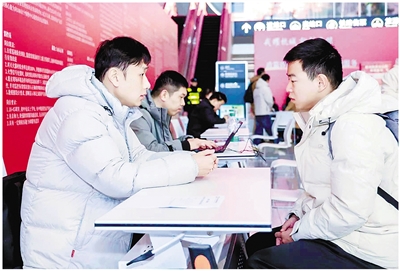
Group 1 - The core objective of the Hangzhou Veterans Affairs Bureau is to promote high-quality and full employment for veterans through a "data-driven + government promotion + social collaboration" service model, achieving employment assistance for 2,240 veterans, exceeding the target of 1,600 set by the municipal government [1][2] - The bureau has established a comprehensive database for veterans by integrating various data sources, allowing for precise identification of employment needs and tailored support strategies for each veteran [2][5] - The city has implemented various policies to support veterans' employment and entrepreneurship, including financial assistance such as rental subsidies totaling 7.81 million yuan and personal entrepreneurial loans amounting to 93.82 million yuan [5][6] Group 2 - The city has organized 31 events related to job matching and recruitment, providing over 25,000 job positions for veterans in 2025 [6] - The establishment of the Veterans Employment and Entrepreneurship Service Center and various talent service stations has created a physical hub for services and resource connections for veterans [5][6] - Future plans include enhancing cross-departmental collaboration and developing an exclusive online recruitment platform for veterans to further strengthen employment opportunities [6]
破除骑手“流量密码”,内容平台应扩大责任边界
新浪财经· 2026-01-03 09:17
Core Viewpoint - The phenomenon of delivery riders becoming a media sensation reflects societal fascination and misunderstanding of their profession, often leading to extreme narratives that either glorify or vilify their experiences [4][10][16]. Group 1: Income and Public Perception - A delivery rider named Zhang Xueqiang claimed to have saved 1.12 million yuan over five years, sparking public debate about the authenticity of such earnings [3][7]. - Research from Zhejiang University indicates that high-frequency riders earn an average hourly wage of 34.6 yuan, with potential monthly earnings reaching 14,000 yuan for those working full-time [7][8]. - There is a significant disparity between public perception and reality, with many believing that riders earn less than 3,000 yuan monthly, reflecting a misunderstanding of their income potential [16]. Group 2: Media Representation and Emotional Manipulation - The media often portrays delivery riders in two extremes: either as high earners like Zhang or as victims of harsh working conditions, which distorts public understanding [10][12]. - Content platforms exploit these narratives for engagement, leading to a cycle of sensationalism that amplifies societal biases against riders [10][18]. - The portrayal of riders often lacks nuance, focusing on emotional extremes that do not accurately represent their daily realities [12][18]. Group 3: Societal Implications and Responsibilities - The societal view of delivery riders is influenced by a combination of prejudice and misunderstanding, with many viewing the profession as low-skill and temporary [16][17]. - There is a call for content platforms to take responsibility for the narratives they promote, ensuring that they do not perpetuate harmful stereotypes or misinformation [18][20]. - A mature society should focus on the real issues affecting riders, such as social security, labor protection, and skill development, rather than sensationalizing their stories for clicks [20][21].

当我们谈论2025年时,会回顾哪些瞬间?!
Sou Hu Cai Jing· 2026-01-02 07:06
Group 1: AI and Technology - The year 2025 saw significant advancements in AI, with models like DeepSeek R1 disrupting the closed-source model dominance and generating global impact [2] - Major tech companies are transitioning towards AI agents that can autonomously utilize external tools for complex tasks, marking a shift from traditional internet interactions [2] - Nvidia became the world's first $5 trillion company, positioning itself as a major winner in the AI era [4] Group 2: Robotics - 2025 was marked as the year of mass production for humanoid robots, with companies like Tesla and Yushutech gaining attention for their advancements [4][6] - Humanoid robots are moving beyond performance showcases to practical applications in factories and homes [6] Group 3: Automotive Industry - The introduction of Tesla's Full Self-Driving (FSD) in China initiated a competitive landscape for intelligent driving, with 2025 being labeled as the year of intelligent driving [6] - New national standards for electric vehicle batteries were implemented, emphasizing safety requirements to prevent fires and explosions [6] - The automotive industry faced increased scrutiny over misleading advertising, leading to a shift in focus towards safety in marketing materials [8] Group 4: Internet and E-commerce - The food delivery market saw intense competition with major players like JD.com entering the space, leading to significant financial losses across platforms [16][18] - The summer of 2025 was characterized as the most expensive in Chinese internet history, with platforms burning through billions in subsidies [16][18] Group 5: Social Media and Influencers - Influencers gained traction with authentic content, as seen with viral figures like "甲亢哥" and "无语哥," who achieved millions of views globally [19] - The rise of "土味扫腿舞" and the emergence of professional-level performances in live streaming indicate a shift towards quality content in social media [21] - Regulatory challenges emerged for influencers, highlighting the need for accountability and adherence to social norms [23] Group 6: Consumer Electronics - The smartphone market experienced a lack of innovation, with flagship models showing signs of homogenization, while the iPhone 17 series gained popularity for its value [25] - The surge in memory prices at the end of the year suggests a potentially dull future for smartphone innovation, as the industry awaits the next breakthrough [25]


二〇二五一通乱战,二〇二六期待改变
Qi Lu Wan Bao· 2026-01-01 16:07
Core Insights - The fierce competition in the food delivery industry in 2025 led to significant financial losses for major platforms, with a total loss exceeding 500 billion yuan across three companies [5][11] - Despite the intense competition benefiting riders with higher earnings, many merchants reported losses due to the low profitability of the increased order volume [3][4] - Regulatory interventions have prompted a shift from aggressive subsidy wars to a more rational and quality-focused competition in the industry [6][11] Group 1: Industry Competition - The food delivery battle in 2025 saw major platforms like JD, Alibaba, and Meituan collectively spend over 220 billion yuan in subsidies during the second and third quarters [2] - Riders experienced record earnings, with one rider achieving a daily income of 1,700 yuan and monthly earnings exceeding 20,000 yuan during peak competition [3] - Many merchants participated in subsidy activities despite low profits, as platforms offered incentives for meeting order volume targets [4] Group 2: Financial Impact - The financial reports of major platforms revealed substantial losses, with Meituan reporting a quarterly loss of 160.1 billion yuan and Alibaba's operating profit dropping by 85% year-on-year [5] - The intense competition led to a decline in order volume as platforms reduced subsidies, resulting in a seasonal downturn in the industry [6][7] Group 3: Regulatory Changes - The introduction of new regulations aimed at curbing predatory pricing and ensuring fair competition has led to a reduction in subsidy activities by platforms [6][11] - The National Market Supervision Administration's interventions have emphasized the need for platforms to adhere to legal standards and protect the rights of merchants and riders [6][11] Group 4: Rider Welfare - Improvements in rider welfare were noted, including reduced insurance costs and the introduction of insurance subsidies by platforms [8] - Platforms have begun to implement better algorithm governance to ensure rider safety and fair working conditions [8] - Despite some challenges, riders expressed gratitude for the job, which provides essential support for their families [10][11]
2025,告辞!2026,你好!
创业邦· 2026-01-01 03:19
Group 1 - In January, the Chinese AI company DeepSeek gained significant attention with its open-source model DeepSeek-V3, which reportedly approaches GPT-4 performance at a training cost only one-twentieth of its counterpart [5][6] - In February, the animated film "Nezha 2" achieved a record box office of 15.4 billion, showcasing China's industrial capabilities in animation, with nearly 2000 out of 2427 shots being special effects [7][8][11] - In March, the competition between JD and Meituan in the food delivery sector reignited, indicating a shift from traffic wars to efficiency and fulfillment capabilities in the local lifestyle market [12][17] Group 2 - In April, the American influencer IShowSpeed's tour in China highlighted the power of authentic experiences, leading to a 77.2% increase in inbound tourists in Chongqing [18][21] - In May, the Jiangsu province's local football league, "Su Chao," became a national sensation, demonstrating how low-barrier events can drive local economic activity and consumer spending [22][25] - In June, the IP LABUBU gained immense popularity, illustrating a successful industrialization of IP through mechanisms that foster repurchase and emotional engagement [27][29] Group 3 - In July, the public inheritance dispute within Wahaha revealed the complexities of family businesses, emphasizing the clash between professional reforms and traditional networks [30][32] - In August, the World Robot Conference showcased a record number of humanoid robots, signaling a transition of AI from theoretical concepts to practical applications in various sectors [34][36] - In September, a controversy over pre-prepared meals highlighted the importance of transparency in the food industry, shifting the focus from taste to trust [39][41] Group 4 - In October, the rise of the "Chicken Chop Guy" in Jingdezhen underscored the value of individual expertise and emotional connection in a saturated market [42][45] - In November, a letter from Yu Minhong sparked discussions about management practices, revealing a disconnect between management narratives and employee expectations [49][51] - In December, the domestic GPU companies Moores Threads and Muxi reached significant market valuations, but challenges remain in integrating products into major computing frameworks [55][57] Conclusion - The year 2025 marked a return to genuine value, with market dynamics increasingly defined by efficiency and emotional engagement, setting the stage for a more competitive and challenging 2026 [59]

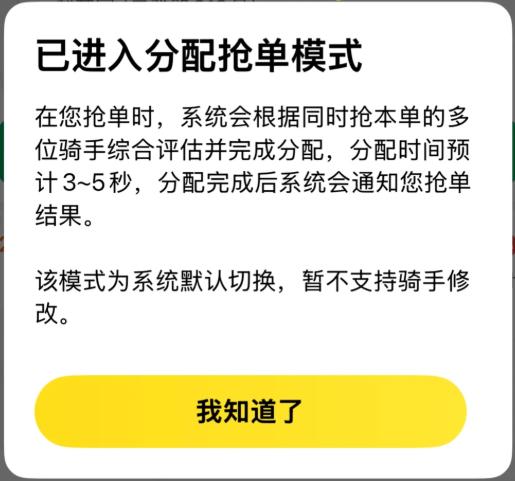
美团上线分配抢单模式,彻底“封杀”单王骑手
3 6 Ke· 2025-12-31 11:56
Core Viewpoint - Meituan has introduced a new order distribution model that replaces the previous pure抢单 (grab order) mechanism, leading to significant changes in the working conditions and income of delivery riders, sparking mixed reactions within the rider community [1][10]. Group 1: Reasons for Changing Order Distribution Rules - The new distribution model was implemented in mid-December and is currently being tested in cities like Guangzhou, Dongguan, Foshan, and Changsha [1]. - The distribution model still allows for a抢单 (grab order) approach, but introduces a 3 to 5 second waiting period for the system to evaluate and assign orders, effectively shifting control from riders to the platform [2][3]. - The previous抢单 model had significant issues, including the prevalence of "外挂" (cheating software) that undermined fair competition, leading to frustration among regular riders [2][3]. Group 2: Impact on Riders - Riders have expressed dissatisfaction with the loss of autonomy in choosing orders, as the new model enforces mandatory order assignments, which can lead to penalties for rejecting orders [10][11]. - Income disparities have emerged, with top riders experiencing a decrease in order volume and income due to the average distribution of orders, while less experienced riders may not see significant income improvements despite receiving more orders [13][14]. - The new model has intensified "order anxiety" among riders, as they are now compelled to accept orders that may not align with their preferences or capabilities, leading to a more stressful working environment [3][10]. Group 3: Strategic Considerations for Meituan - Meituan aims to enhance user experience by ensuring better coverage in less serviced areas, thus increasing overall market share in the competitive food delivery sector [4][7]. - The platform's algorithm is designed to optimize order distribution based on rider, user, and merchant experiences, potentially improving efficiency and reducing delivery times [4][7]. - The shift to a distribution model reflects a long-term strategic adjustment in response to increasing competition and the need for improved rider retention and user satisfaction [7][18].