
轻工

Search documents
应急部发布春节前后工贸企业典型事故:督促各地深刻吸取教训
Nan Fang Du Shi Bao· 2026-02-10 14:13
Core Viewpoint - The Ministry of Emergency Management has released a series of typical accident cases in industrial and trade enterprises to guide and urge regions and companies to learn from these lessons, effectively prevent major safety risks, and curb various accidents [1] Group 1: Accident Cases - On February 7, 2023, an explosion at a small illegal workshop in Shanxi Province resulted in 8 deaths and 3 injuries, prompting the State Council's Safety Committee to oversee the investigation and accountability [1] - On February 18, 2022, an explosion at Huaye Foundry in Guangdong caused 3 deaths and 2 serious injuries due to improper installation and operation of an oxygen lance, leading to a primary and secondary explosion [2] - On February 18, 2024, an explosion at Asia-Pacific Light Alloy in Jiangsu resulted in 5 deaths and 13 injuries due to a failure to install safety components, leading to a catastrophic aluminum liquid leak and explosion [3] - On February 5, 2014, a poisoning incident at Embraco in Beijing resulted in 3 deaths when workers improperly used sulfuric acid for cleaning, leading to the release of hydrogen sulfide gas [4] - On February 15, 2025, a dust explosion at Qianbaiwei Food Ingredients in Shandong caused 5 deaths due to metal sparks igniting dust during equipment installation [5] - On January 10, 2023, a poisoning incident at Fuqiang Hongtai Dyeing in Zhejiang resulted in 3 deaths and 3 injuries due to the release of hydrogen sulfide gas from improperly managed acidic wastewater [6] - On December 27, 2023, a carbon monoxide poisoning incident at a hot pot restaurant in Shanxi injured 23 people due to inadequate ventilation and improper combustion of the cooking equipment [7] Group 2: Lessons Learned - Companies must improve risk identification and safety management, especially during the resumption of operations after holidays, to prevent accidents [1][2][3][4][5][6][7] - There is a need for strict adherence to operational protocols and safety measures, including proper installation of safety devices and conducting thorough safety checks [2][3][4][5][6] - The importance of training employees on safety awareness and emergency response to prevent the escalation of accidents is highlighted [4][5][6][7]
针对重点行业专题解读稳增长系列政策
Xin Lang Cai Jing· 2026-02-08 22:43
Core Viewpoint - The conference held in Shenyang focused on the implementation of the national policies aimed at stabilizing growth in key industries, including automotive, machinery, power equipment, electronic information, petrochemicals, steel, and light industry [1] Group 1: Policy Interpretation - The meeting provided in-depth explanations of the national growth stabilization policies, emphasizing the importance of expanding domestic consumption, improving supply quality, optimizing the development environment, and deepening international cooperation [1] - Experts at the conference suggested that Liaoning should optimize its overall production capacity and enhance collaboration between complete vehicle and component manufacturers to promote scaling and efficiency in vehicle enterprises [1] Group 2: Industry-Specific Recommendations - For the automotive industry, the conference highlighted the need to leverage Liaoning's resource advantages to strengthen technological advancements in low-temperature environments, particularly in power batteries and solid-state batteries [1] - The conference also recommended expanding the application scenarios of new energy vehicles in public transport and logistics, promoting digital transformation in the industry, and improving charging infrastructure [1]
“十五五”开局,上海将这样发力
Guo Ji Jin Rong Bao· 2026-02-07 23:48
Core Viewpoint - Shanghai aims for a GDP growth target of around 5% for the year, emphasizing the importance of five key strategies to achieve a strong start to the 14th Five-Year Plan [2]. Group 1: Economic Development Strategies - Focus on national strategies to deepen reform and opening up, accelerating the construction of five centers and promoting integrated development in the Yangtze River Delta [2]. - Promote consumption and investment while stabilizing foreign demand, with plans for 184 major projects and an investment of 255 billion yuan [2]. - Cultivate new productive forces to lead industrial transformation, enhancing advanced manufacturing and smart, green, and integrated development [3]. Group 2: Industrial System Development - Shanghai will establish a modern industrial system characterized by "2+3+6+6," focusing on advanced manufacturing and traditional industries' transformation [4]. - The city aims to build 500 advanced smart factories and increase the density of industrial robots to 600 per 10,000 people [4]. - Target the development of six emerging pillar industries, including new-generation electronic information and high-end equipment, to create a trillion-yuan industry [4]. Group 3: Artificial Intelligence Initiatives - Shanghai will leverage its advantages in AI, including industry clusters and talent supply, to build a global AI innovation governance center [5][7]. - The city plans to strengthen its AI industry chain, providing substantial support through funding and infrastructure for AI development [6]. - Initiatives will include creating a vibrant environment for young entrepreneurs and establishing international cooperation platforms in AI [7]. Group 4: Future Industries Focus - Shanghai is prioritizing brain-computer interfaces and other future industries, with a systematic layout and multiple pioneering projects [8]. - The city will support various fields such as quantum computing and gene therapy, fostering innovation and industrialization [8][9]. - A governance system for future industries will be established to ensure effective management and promote high-quality economic development [9]. Group 5: Foreign Investment and Trade - Shanghai aims to attract foreign investment, targeting $16.06 billion by 2025, with a focus on high-tech industries [10]. - The city plans to enhance its business environment and support foreign enterprises in upgrading and transforming [11]. - New policies will be introduced to stabilize foreign trade, improve cross-border trade facilitation, and promote new business models in foreign trade [12].
上海市经信委:聚焦智能终端、商业航天等,再造万亿级产业新增量
第一财经· 2026-02-07 13:42
Core Viewpoint - Shanghai is focusing on enhancing its industrial capabilities and core competitiveness in 2026, the first year of the "14th Five-Year Plan," by implementing strategies across four key areas [3]. Group 1: National Strategy Implementation - The city will continue to maintain its advantages in leading industries such as integrated circuits and artificial intelligence, aiming for double-digit growth in manufacturing output [3]. - The integration of "IC + AI" will be leveraged to elevate the overall industrial system [3]. Group 2: Industrial Transformation and Upgrading - Shanghai aims to accelerate the transformation of industries like petrochemicals, steel, and light industry towards digitalization and greening, with plans to establish 500 advanced intelligent factories during the "14th Five-Year Plan" [4]. - The application density of industrial robots is targeted to reach 600 units per 10,000 people, and 200 green manufacturing enterprises at the municipal level will be created [4]. Group 3: Economic Growth and New Industries - The city plans to significantly increase the total industrial economy by developing six emerging pillar industries, including next-generation electronic information and intelligent connected new energy vehicles, targeting new sectors like smart terminals and commercial aerospace [3][4]. - The goal is to generate a trillion-level increase in industrial output [3]. Group 4: Industrial Ecosystem Optimization - Shanghai will guide districts to deepen their leading industries through an industrial map, aiming to create 25 billion-level sub-sectors [4]. - The city's industrial added value grew by 5.1% last year, with total output reaching 4.07 trillion yuan, marking a historical high [4]. - The proportion of "new manufacturing" increased from 40% to 45%, while the share of three leading industries in manufacturing rose from 7.8% to 12.4% [4].

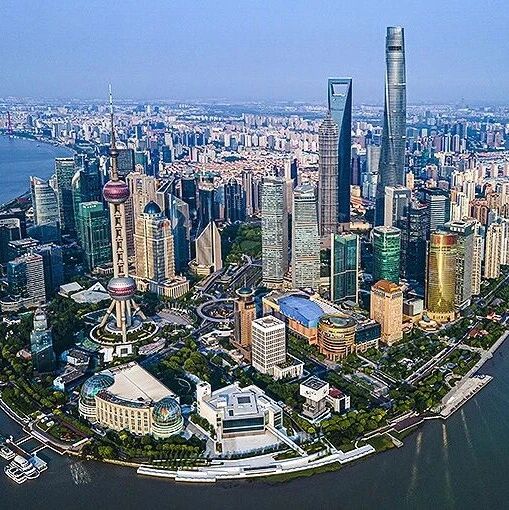
瞄准新赛道,上海将再造万亿级产业新增量
Xin Lang Cai Jing· 2026-02-07 11:29
Group 1 - Shanghai aims to expand its industrial economy by focusing on six emerging pillar industries, including new-generation electronic information and intelligent connected vehicles, targeting a trillion-level industrial increment [1][3] - By 2025, Shanghai's industrial added value is projected to grow by 5.1%, with total output reaching 4.07 trillion yuan, marking a historical high [3] - The city will maintain its advantages in leading industries such as integrated circuits and artificial intelligence, accelerating breakthroughs across the entire industrial chain with double-digit growth in manufacturing output [3] Group 2 - Shanghai plans to promote the transformation and upgrading of traditional industries like petrochemicals and steel towards digitalization and greening, aiming to establish 500 advanced intelligent factories during the 14th Five-Year Plan [3] - The city will create 200 green manufacturing enterprises at the municipal level and enhance the business environment to support outstanding companies [3] - Shanghai will guide districts to cultivate leading industries based on an industrial map, aiming to develop 25 billion-level niche markets [3]
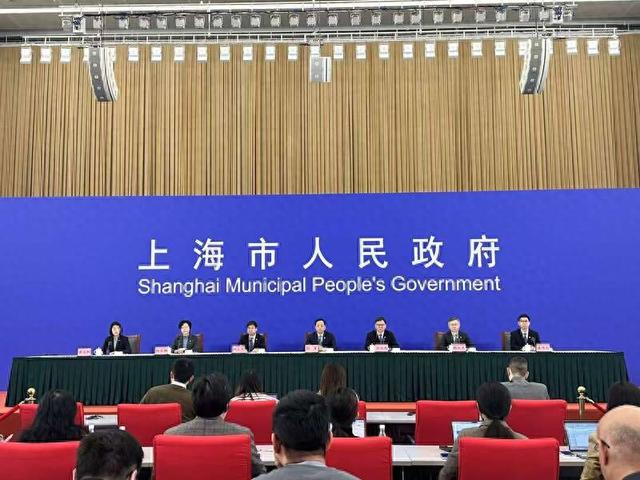
2025年度中国消费名品名单公布 辽宁12个品牌成功上榜
Xin Lang Cai Jing· 2026-02-07 09:25
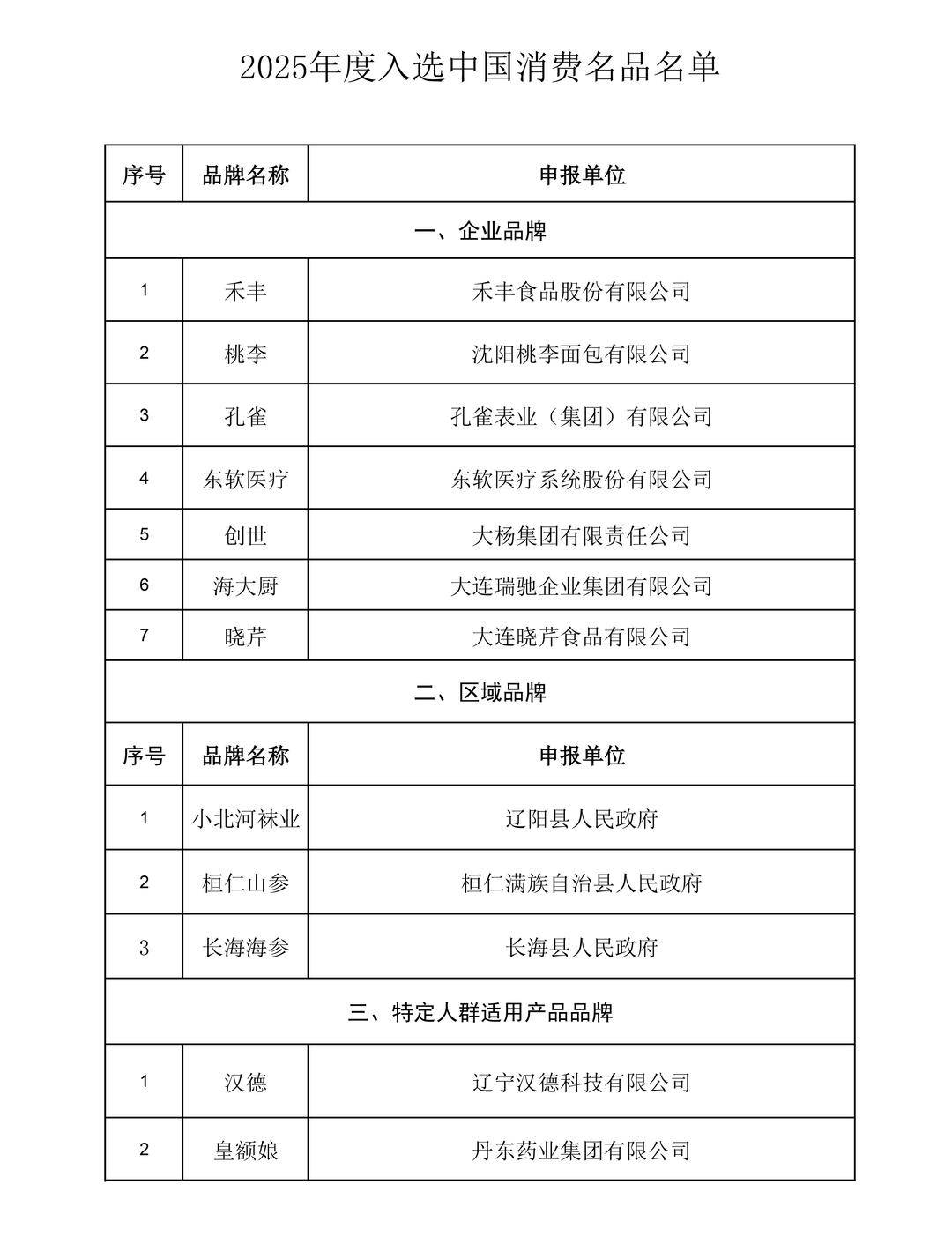
Core Insights - The Ministry of Industry and Information Technology of China announced the 2025 list of consumer brands, with 276 brands selected nationwide, including 12 from a specific province, covering various industries such as food, light industry, pharmaceuticals, and textiles [1] Group 1: Selected Brands - Seven brands were recognized in the "Enterprise Brand - Era Quality Products" category: He Feng, Tao Li, Kong Que, Dong Ruan Medical, Chuang Shi, Hai Da Chef, and Xiao Qin [1] - Three brands were recognized in the "Regional Brand" category: Xiao Bei He Socks, Huan Ren Mountain Ginseng, and Chang Hai Sea Cucumber [1] - Two brands were acknowledged for specific demographic products: Han De for elderly products and Huang E Niang for maternal and child products [1] Group 2: Industry Development Strategy - The provincial government is implementing a gradient cultivation approach to systematically build a lineup of renowned consumer brands, creating a multi-level and tiered development structure [2] - The strategy includes building a brand system focused on key industries, widely collecting and screening quality products, and implementing targeted support [2] - There is an emphasis on cultural empowerment, exploring historical classics, contemporary quality products, and trendy new brands to enhance brand connotation and recognition [2] - The initiative promotes "smart transformation and digital upgrading," accelerating the integration of digital technology and showcasing typical cases to drive industry transformation [2] - The government aims to cultivate characteristic consumer goods industries, promote industrial clustering, and enhance regional brand development to improve overall industry competitiveness [2] - Efforts will be made to strengthen promotional activities through roadshows, exhibitions, and other forms to tell the story of provincial brands and expand their influence and market recognition [2]

大飞机、大邮轮接连取得突破,上海如何进一步提升产业核心竞争力?
Xin Lang Cai Jing· 2026-02-07 05:15
Core Insights - Shanghai aims to achieve an industrial output value exceeding 4 trillion yuan by 2025, marking a historical high, with significant advancements in key sectors such as large aircraft and cruise ships [1] Group 1: Industrial Growth and Achievements - In the past year, Shanghai's industrial added value grew by 5.1%, reaching a total output value of 4.07 trillion yuan, a record high [1] - The proportion of strategic emerging manufacturing industries increased from 40% at the beginning of the 14th Five-Year Plan to 45%, while the share of the three leading industries in manufacturing rose from 7.8% to 12.4% [1] Group 2: Future Development Strategies - Shanghai will focus on four key areas: 1. Implementing national strategies to maintain advantages in integrated circuits and artificial intelligence, aiming for double-digit growth in manufacturing output [2] 2. Accelerating industrial transformation towards digital and green development, with plans to establish 500 advanced intelligent factories and achieve an industrial robot application density of 600 units per 10,000 people [2] 3. Expanding the industrial economy by developing six emerging pillar industries, targeting new sectors such as smart terminals and commercial aerospace [2] 4. Enhancing the industrial ecosystem by guiding districts to cultivate leading industries and creating 25 billion-yuan-level niche markets [2] Group 3: Leadership and Contribution - Shanghai will leverage its leading role to contribute to the construction of a manufacturing powerhouse, embodying a commitment to national responsibilities and innovation [3]
做强中国制造硬实力
Jing Ji Ri Bao· 2026-02-06 20:39
Core Viewpoint - China's manufacturing sector is poised for significant growth and transformation during the "14th Five-Year Plan" period, focusing on stabilizing the economy, advancing industrial upgrades, and fostering innovation to enhance competitiveness and sustainability [1][15]. Group 1: Stability - The reasonable growth of China's manufacturing output is essential for solidifying the economic foundation and supporting quality improvements in the industry [2]. - Key industrial provinces play a crucial role in stabilizing economic growth, contributing 80% of the industrial output value [2]. - The focus on stabilizing key industries, such as automotive and electronics, is vital for maintaining industrial economic growth [2][3]. - The government plans to implement new growth strategies for ten key industries to ensure long-term stability in the industrial economy [2]. Group 2: Progress - The effective enhancement of quality in China's manufacturing will strengthen core competitiveness and promote high-quality development [5]. - The growth rates for major manufacturing sectors, such as equipment and high-tech manufacturing, are projected to exceed the overall industrial growth rate by significant margins [5]. - The focus on high-end manufacturing and technological innovation will drive the industry towards higher value chains [6]. - The digital transformation of manufacturing is emphasized as a key strategy for improving quality and efficiency [6][7]. Group 3: New Growth Drivers - The cultivation of new quality productivity is essential for restructuring and revitalizing the manufacturing sector [9]. - Emerging industries, characterized by high technology and value, are seen as critical for driving economic growth and transitioning to sustainable development [9][10]. - Traditional industries will undergo significant upgrades, leveraging new technologies to support the growth of emerging sectors [10]. - Future industries will be strategically developed to ensure early positioning in high-potential areas such as quantum technology and artificial intelligence [11]. Group 4: Innovation - Technological innovation is identified as a core element for driving new productivity and enhancing industrial vitality [12]. - The government aims to increase high-quality technological supply by focusing on key industry needs and supporting major technological projects [13]. - Enterprises are recognized as the main drivers of R&D investment, with government policies aimed at further stimulating innovation [13][14]. - A collaborative innovation ecosystem will be established to facilitate the integration of various innovation resources into the manufacturing sector [14].
第三批碳足迹核算规则团体标准推荐清单来了!涵盖13个重点行业
2 1 Shi Ji Jing Ji Bao Dao· 2026-02-06 12:48
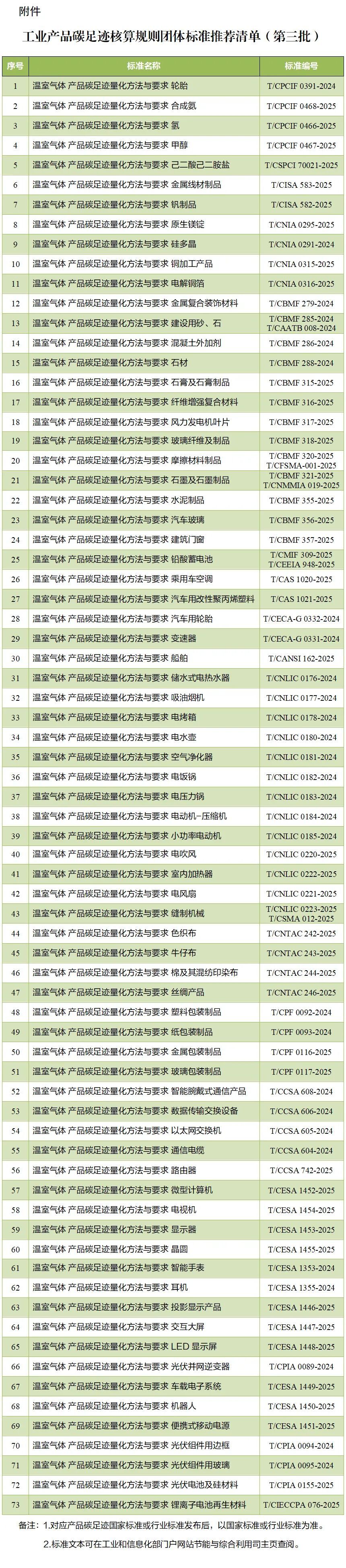
Core Viewpoint - The Ministry of Industry and Information Technology, along with other departments, has released a list recommending 73 carbon footprint accounting standards for industrial products, covering 13 key industries including petrochemicals, chemicals, steel, non-ferrous metals, construction materials, textiles, light industry, machinery, packaging, automotive, shipping, electronics, and communications [1]. Group 1: Recommended Standards - A total of 111 carbon footprint accounting standards have been recommended across three batches, focusing on products with significant market demand and emission reduction potential [5]. - The recommended standards include various products such as high furnace-converter steel products, electric furnace short-process steel products, ethylene, and cement [6]. - The standards have been widely applied in carbon footprint labeling certification, database construction, and information disclosure [6]. Group 2: Industry Impact - The construction materials industry is a major contributor to energy consumption and carbon emissions in China, accounting for over 10% of national carbon emissions, with cement and lime contributing significantly [6]. - The China Building Materials Federation has developed a unified carbon footprint standard system for the industry, addressing the lack of standards for carbon footprints in construction materials [7]. - The federation has published 22 carbon footprint standards for key products, with several already converted into national standards, ensuring comprehensive coverage of major products in the industry [7]. Group 3: Future Directions - Future efforts will focus on improving the carbon footprint standard system, promoting the conversion of group standards into national or industry standards, and developing a unified carbon footprint database and accounting platform [8]. - The China Building Materials Federation plans to expand the coverage of carbon footprint standards, targeting products with trade demand and significant carbon emission data [9].
市场监管“新标”护航“两新” 十大传统产业升级方向明确
Xin Lang Cai Jing· 2026-02-05 20:14
Core Viewpoint - The Market Regulation Administration is set to implement hundreds of standards by 2025 to support industrial upgrades and expand consumption, focusing on optimizing traditional industries and enhancing consumer goods supply-demand compatibility [1][2]. Group 1: Standards Implementation - By 2025, the Market Regulation Administration will introduce hundreds of standards across production, consumption, and recycling to support industrial upgrades and consumption expansion [1]. - The focus will be on ten traditional industries, including petrochemicals, machinery, light industry, steel, non-ferrous metals, building materials, textiles, shipbuilding, automobiles, and electricity, to promote high-quality development [1][2]. - A total of 174 standards will be introduced for production, aimed at enhancing quality and efficiency in industries through the integration of emerging technologies and traditional industry upgrades [2][3]. Group 2: Consumer Goods Standards - The administration will develop 230 standards related to consumer goods, focusing on areas such as product exchanges, service consumption expansion, and housing renovations to enhance product and service quality [2][3]. - These standards aim to address new consumer demands for safety, quality, green, intelligent, and health aspects, thereby facilitating the upgrade of personal and household consumption [1][2]. Group 3: Circular Economy Standards - The introduction of 66 national standards will focus on the entire chain of circular industries, including second-hand product transactions, product recycling, and the use of recycled materials, to promote high-quality development in resource recycling [2]. - The goal is to establish a robust standard system for circular utilization, enhancing the overall efficiency of resource use [2]. Group 4: Mandatory Standards - The Market Regulation Administration plans to accelerate the introduction of 113 mandatory national standards, particularly in critical areas such as health, safety, and environmental protection, to strengthen the enforcement of standards [3]. - The approach will involve creating new standards, updating existing ones, and converting recommended standards into mandatory ones to ensure rigorous compliance [3].