文化产业

Search documents
北京并购重组规则落地!最新解读
券商中国· 2025-10-29 21:25
Core Viewpoint - The article discusses the recent policy initiative in Beijing aimed at promoting mergers and acquisitions (M&A) to enhance the quality of listed companies and stimulate economic development through strategic industry integration [1][2]. Group 1: Policy Framework - The "Opinions" issued by Beijing focus on activating the capital market through M&A, emphasizing market-driven transactions while respecting the autonomy of market participants [1]. - The policy encourages the integration of resources towards new productive forces, particularly in strategic emerging industries such as AI, healthcare, and advanced manufacturing [2][3]. Group 2: Market Dynamics - Since the introduction of the "M&A Six Guidelines," there has been a notable increase in M&A activities in Beijing, with 18 major asset restructuring plans disclosed from September last year to July 2025 [3]. - A significant portion of these restructuring projects (16 out of 18) aims to strengthen core business operations and promote industry chain integration, indicating a shift towards high-value sectors [3]. Group 3: Government and Market Collaboration - The policy emphasizes the collaboration between government and market forces, aiming to enhance transaction efficiency and effectiveness while maintaining market leadership [4][5]. - It supports the establishment of a service platform for M&A, facilitating connections between listed companies and potential targets, and providing comprehensive support services [6][12]. Group 4: Risk Management - The "Opinions" highlight the importance of regulatory oversight in M&A activities, focusing on compliance, risk monitoring, and the prevention of fraudulent practices [7][16]. - There is a call for a balanced approach to ensure both market activity and regulatory compliance, addressing potential risks associated with M&A transactions [7][16]. Group 5: Ecosystem Development - The article outlines the need for a conducive business environment for M&A, including streamlined administrative processes and enhanced financial support mechanisms [8][14]. - It encourages the establishment of M&A funds and the innovation of financial products to support the growth of listed companies through strategic acquisitions [15].


创新实践“人文经济学”——推动文化与经济融合发展(高质量发展故事汇·第12期)
Ren Min Ri Bao· 2025-10-28 22:56
Core Viewpoint - The 20th Central Committee of the Communist Party of China emphasizes the importance of promoting cultural industries and enhancing the influence of Chinese civilization in modern society [1] Group 1: Cultural and Economic Integration - Culture serves as a vital link connecting a nation's past, present, and future, with traditional Chinese culture leading the "new national trend" and driving economic growth [2][3] - The concept of "humanistic economics" was introduced, focusing on integrating traditional cultural values into the socialist market economy to foster high-quality development [3][4] - In 2024, China's cultural industry is projected to achieve a record revenue of 19.14 trillion yuan, highlighting its role as a significant economic growth engine [2] Group 2: Cultural Consumption and Tourism - The integration of culture and tourism has led to a surge in domestic travel, with 5.62 billion trips taken and total spending reaching 5.8 trillion yuan, showcasing the potential for cultural consumption [2][4] - The popularity of museums and cultural experiences among young people has sparked a "museum fever," transforming cultural assets into economic benefits [3][4] Group 3: Technological Empowerment and Innovation - The application of technology in cultural sectors, such as the use of big data and AI, is essential for the innovative development of traditional culture [4][7] - The development of new cultural enterprises and consumption models is encouraged to enhance cultural soft power and stimulate economic growth [7][8] Group 4: People-Centric Development - The focus on meeting the diverse cultural needs of the populace is crucial, with an emphasis on high-quality cultural experiences and products [8] - The integration of cultural initiatives with community engagement, such as local sports events, has proven effective in enhancing cultural participation and economic activity [5][12]
聚焦“十五五”规划建议|鼓励更多文化企业和优秀文化产品走向世界
Xin Hua She· 2025-10-28 17:09
Group 1 - The core viewpoint of the article emphasizes the importance of enhancing China's cultural soft power and international influence through improved international communication mechanisms and deepened cultural exchanges [1][2] - The "Suggestions" propose a multi-layered and three-dimensional international communication framework to better convey and interpret Chinese culture globally [1] - The focus on "strengthening regional and country-specific research" indicates a shift towards a more refined and specialized approach in international communication efforts, aiming to understand different cultural contexts and audience preferences [1] Group 2 - The article highlights the need for extensive international cultural exchanges and cooperation, encouraging cultural enterprises and quality cultural products to reach global markets [2] - It notes the recent trend of cultural products, referred to as the "new three samples," gaining popularity abroad, reflecting a vibrant exchange between Chinese and foreign cultures [2] - The implementation of the "Suggestions" aims to balance high-level outbound cultural initiatives with high-quality inbound cultural exchanges, promoting culturally rich and internationally relevant products [2]
投资策略专题:十五五规划建议稿学习:十个投资方向的指引
KAIYUAN SECURITIES· 2025-10-28 14:13
Core Insights - The report emphasizes the importance of studying the General Secretary's explanation of the 15th Five-Year Plan, highlighting two key statements: the qualitative nature of the economic and social development goals and the focus on economic construction as a central theme [2][9]. Investment Directions - The report outlines ten investment directions based on the 15th Five-Year Plan, with a focus on the qualitative target for per capita GDP and a positive outlook on consumer spending, indicating a need for significant progress in people's livelihoods [3][10]. - The first major section prioritizes "industrial development" over "technological innovation," aiming to facilitate large-scale implementation and industrial transformation of technological innovations [3][10]. - In the "industrial development" dimension, the report notes the sequence of traditional industries, emerging industries, future industries, services, and infrastructure, and identifies ten potential key industries [3][11]. - The "technological innovation" section emphasizes "extraordinary" efforts in key areas such as integrated circuits, industrial mother machines, high-end instruments, foundational software, advanced materials, and biomanufacturing, while promoting "Artificial Intelligence+" and digital China initiatives [3][13]. - The report highlights the importance of boosting domestic consumption, placing it at a higher priority, and includes specific reform measures to enhance consumer spending [3][12]. - Fiscal and financial aspects are also addressed, with a call to accelerate the construction of a strong financial nation [3][14]. - The report stresses the development of a maritime power, focusing on marine equipment manufacturing and emerging marine industries, which presents relevant investment opportunities [4][14]. - Cultural industry development is emphasized, with support for quality cultural enterprises and major projects, promoting the integration of culture and technology [4][15]. - The report discusses the need for high-quality development in real estate and the enhancement of social security through the transfer of state-owned assets [4][15]. - Renewable energy development is highlighted, advocating for a multi-energy approach and the advancement of new energy storage and smart grid technologies [4][16]. - The military sector is identified as a strategic allocation direction, with a focus on accelerating the development of unmanned intelligent combat capabilities and information-based military systems [4][16]. Investment Strategy - The report suggests maintaining confidence in the ongoing bull market, with a structural focus on technology as a priority and PPI trading as a supplementary strategy [4][17]. - It indicates that the core driving force of the current market trend comes from positive signals at the micro level, including support for the capital market and technological innovations [4][17].
“十五五”规划建议全文:加强原始创新和关键核心技术攻关、全面实施“人工智能+”行动、大力提振消费
Xuan Gu Bao· 2025-10-28 09:35
Core Viewpoint - The "15th Five-Year Plan" period is crucial for achieving basic socialist modernization, building on the significant achievements of the "14th Five-Year Plan" period, and addressing complex domestic and international challenges [2][3][4]. Group 1: Achievements and Challenges - The "14th Five-Year Plan" period saw major achievements in economic stability, high-quality development, technological innovation, and social governance despite facing severe challenges such as the pandemic [2]. - The "15th Five-Year Plan" period will focus on consolidating advantages, overcoming bottlenecks, and enhancing weaknesses to secure strategic initiatives in international competition [3][4]. Group 2: Economic and Social Development Goals - The guiding principles for economic and social development during the "15th Five-Year Plan" include adhering to Marxism, promoting high-quality development, and ensuring that modernization benefits all citizens [6][7][8]. - Key goals include achieving significant results in high-quality development, enhancing self-reliance in technology, and improving social governance and public services [10][11][12]. Group 3: Modernization of Industry and Infrastructure - The establishment of a modern industrial system is essential, focusing on optimizing traditional industries and fostering emerging sectors such as new materials and aerospace [13][14]. - Infrastructure development will prioritize integrated planning and the construction of new types of infrastructure to enhance resilience and sustainability [15]. Group 4: Technological Innovation - The "15th Five-Year Plan" emphasizes the importance of technological self-reliance and innovation, aiming to strengthen the national innovation system and enhance the integration of technology and industry [16][17][18]. Group 5: Domestic Market and Consumption - Strengthening the domestic market is a strategic focus, with initiatives to boost consumption and investment while ensuring a positive interaction between supply and demand [21][22][23]. Group 6: High-Quality Development and Economic System - The plan aims to enhance the socialist market economy, stimulate various ownership enterprises, and improve the efficiency of resource allocation [24][25][26]. Group 7: Open Economy and International Cooperation - The strategy includes expanding high-level openness and cooperation, promoting trade innovation, and enhancing investment collaboration to create a win-win situation [27][28][29]. Group 8: Agricultural Modernization - Agricultural modernization is a priority, focusing on improving production capacity, quality, and efficiency while ensuring rural revitalization and integration with urban development [30][31][32]. Group 9: Regional Development - The plan aims to optimize regional economic layouts and promote coordinated development across different regions, enhancing infrastructure connectivity and collaborative growth [33][34]. Group 10: Cultural and Social Development - Cultural prosperity and social welfare are emphasized, with initiatives to enhance public services, promote cultural innovation, and ensure equitable access to resources [36][37][38][39][40].
“十五五”规划建议发布!坚持风光水核等多能并举 统筹就地消纳和外送
Xin Hua Wang· 2025-10-28 08:51
Core Viewpoint - The Central Committee of the Communist Party of China has proposed suggestions for the 15th Five-Year Plan, emphasizing the importance of this period in achieving socialist modernization and addressing both domestic and international challenges [2][3][4]. Group 1: Achievements and Context - The 14th Five-Year Plan has led to significant achievements in China's development, including economic stability, technological innovation, and improvements in people's livelihoods [3]. - The 15th Five-Year Plan is positioned as a critical phase for consolidating these achievements and addressing challenges to ensure the successful realization of socialist modernization [4]. Group 2: Development Environment - The development environment during the 15th Five-Year Plan is characterized by complex changes, including international power shifts, rising unilateralism, and domestic challenges such as unbalanced development and employment pressures [5][6]. Group 3: Guiding Principles and Goals - The guiding principles for the 15th Five-Year Plan include upholding the Party's leadership, prioritizing people-centered development, and focusing on high-quality growth [9][10]. - Key goals include achieving significant progress in high-quality development, enhancing technological self-reliance, and improving social governance and cultural confidence [11][12][13]. Group 4: Economic Structure and Innovation - The plan emphasizes the need to build a modern industrial system, focusing on optimizing traditional industries and fostering emerging sectors [14][15]. - It aims to enhance the integration of technology and industry, promoting innovation in key areas such as artificial intelligence and biotechnology [17][19]. Group 5: Domestic Market and Investment - Strengthening the domestic market is highlighted as a strategic priority, with initiatives to boost consumption and effective investment [22][23]. - The plan aims to eliminate barriers to a unified national market and enhance the efficiency of resource allocation [24][25]. Group 6: Open Economy and International Cooperation - The 15th Five-Year Plan advocates for expanding high-level openness and international cooperation, focusing on trade innovation and investment facilitation [27][28]. - It emphasizes the importance of the Belt and Road Initiative and enhancing global economic governance [29]. Group 7: Rural Development and Agriculture - The modernization of agriculture and rural areas is a key focus, with strategies to improve agricultural productivity and rural living conditions [30][31]. - The plan aims to ensure the sustainability of rural development and prevent poverty [32]. Group 8: Regional Development - Promoting coordinated regional development is essential, with strategies to enhance connectivity and optimize resource distribution across different regions [33][34]. Group 9: Cultural and Social Development - The plan emphasizes cultural innovation and the importance of improving the quality of life for all citizens, aiming for common prosperity [36][39]. - It includes initiatives to enhance education, social security, and public services [41][42].
中共中央关于制定国民经济和社会发展第十五个五年规划的建议
券商中国· 2025-10-28 08:50
Core Viewpoint - The "15th Five-Year Plan" period is crucial for achieving basic socialist modernization, building on the significant achievements of the "14th Five-Year Plan" period, and addressing complex domestic and international challenges to secure strategic advantages in global competition [2][3][4]. Group 1: Achievements and Challenges - The "14th Five-Year Plan" period saw major accomplishments in economic stability, high-quality development, technological innovation, and social governance, despite facing severe challenges such as the pandemic [2]. - The "15th Five-Year Plan" period is positioned as a key phase for consolidating these achievements and addressing bottlenecks to ensure a solid foundation for socialist modernization [3][4]. Group 2: Economic and Social Development Goals - The guiding principles for the "15th Five-Year Plan" include adhering to Marxism, promoting high-quality development, and ensuring that modernization benefits all citizens [6][7]. - Key goals include significant improvements in high-quality development, technological self-reliance, and social governance modernization [10][11]. Group 3: Modernization of Industry and Infrastructure - Emphasis on building a modern industrial system focused on the real economy, enhancing traditional industries, and fostering new and future industries [13][14][15]. - The plan includes constructing a modern infrastructure system that integrates new technologies and enhances resilience [15]. Group 4: Technological Innovation - The plan prioritizes technological self-reliance and innovation, focusing on key areas such as integrated circuits and advanced materials [16][17]. - It aims to deepen the integration of technological and industrial innovation, enhancing the overall effectiveness of the national innovation system [17][18]. Group 5: Domestic Market and Economic Structure - The strategy emphasizes the importance of a strong domestic market as a foundation for modernization, promoting consumption and investment [20][21]. - It includes measures to enhance the efficiency of investment and break down barriers to market integration [22]. Group 6: High-Level Opening Up - The plan advocates for expanding high-level openness and cooperation, enhancing trade and investment relationships, and promoting the Belt and Road Initiative [26][27][28]. Group 7: Agricultural Modernization - Focus on modernizing agriculture and rural areas, ensuring food security, and improving rural living conditions [29][30][31]. Group 8: Regional Economic Coordination - The plan aims to optimize regional economic layouts and promote coordinated development across different regions [33][34]. Group 9: Cultural and Social Development - Emphasis on cultural innovation and the promotion of socialist values, alongside improving social welfare and living standards for all citizens [37][40].
受权发布丨中共中央关于制定国民经济和社会发展第十五个五年规划的建议
Xin Hua Wang· 2025-10-28 08:41
(2025年10月23日中国共产党第二十届中央委员会第四次全体会议通过) 中国共产党第二十届中央委员会第四次全体会议深入分析国际国内形势,就制定国民经济和社会发 展"十五五"规划提出以下建议。 受权发布丨中共中央关于制定国民经济和社会发展第十五个五年规划的建议 新华社北京10月28日电 中共中央关于制定国民经济和社会发展第十五个五年规划的建议 一、"十五五"时期是基本实现社会主义现代化的关键时期 (1)"十四五"时期我国发展取得重大成就。"十四五"时期我国发展历程极不寻常、极不平凡。面对错综复 杂的国际形势和艰巨繁重的国内改革发展稳定任务,以习近平同志为核心的党中央团结带领全党全国各 族人民,迎难而上、砥砺前行,经受住世纪疫情严重冲击,有效应对一系列重大风险挑战,推动党和国 家事业取得新的重大成就。经济运行稳中有进,高质量发展扎实推进;科技创新成果丰硕,新质生产力 稳步发展;全面深化改革进一步推进,高水平对外开放不断扩大;全过程人民民主深入发展,全面依法 治国有效实施;文化事业和文化产业蓬勃发展,精神文化产品丰富多彩;民生保障扎实稳固,脱贫攻坚 成果巩固拓展;绿色低碳转型步伐加快,生态环境质量持续改善;国家安 ...
受权发布|中共中央关于制定国民经济和社会发展第十五个五年规划的建议
Xin Hua She· 2025-10-28 08:35
Core Viewpoint - The "15th Five-Year Plan" period is crucial for achieving basic socialist modernization, building on the significant achievements of the "14th Five-Year Plan" and addressing complex domestic and international challenges [1][2][3] Economic and Social Development Goals - The guiding ideology for the "15th Five-Year Plan" emphasizes Marxism, Xi Jinping's thoughts, and the goal of building a modern socialist country, focusing on high-quality development and comprehensive reforms [6][7] - Key principles include maintaining the Party's leadership, prioritizing people's needs, promoting high-quality development, and ensuring effective market and government collaboration [7][8] - Major goals include achieving significant high-quality development, enhancing self-reliance in technology, deepening reforms, improving social civilization, and increasing the quality of life for citizens [9][10][11] Modernization of the Industrial System - The plan emphasizes the importance of a modern industrial system as the material and technical foundation for Chinese-style modernization, focusing on optimizing traditional industries and fostering emerging sectors [12][13] - It aims to enhance the quality and efficiency of the service sector and build a modern infrastructure system to support economic growth [14] Technological Self-Reliance - The plan highlights the need for technological modernization, focusing on original innovation and breakthroughs in key technologies, while promoting the integration of technology and industry [15][16] - It calls for strengthening the role of enterprises in innovation and fostering a supportive environment for research and development [17] Domestic Market Development - The strategy emphasizes the importance of a strong domestic market as a strategic foundation for modernization, advocating for increased consumption and effective investment [20][21] - It aims to eliminate barriers to a unified national market and enhance the efficiency of resource allocation [22] High-Level Socialist Market Economy - The plan seeks to enhance the socialist market economy by stimulating the vitality of various economic entities and improving the market-oriented allocation of resources [22][23] - It emphasizes the need for effective macroeconomic governance and sustainable fiscal policies to support high-quality development [24] Opening Up and International Cooperation - The strategy promotes expanding high-level openness and cooperation, enhancing trade and investment, and fostering a fair international economic order [25][26] - It aims to strengthen the Belt and Road Initiative and enhance international collaboration in various sectors [27] Agricultural and Rural Modernization - The plan prioritizes agricultural modernization and rural revitalization, focusing on improving agricultural productivity and quality of life in rural areas [28][29] - It emphasizes the importance of integrating urban and rural development and ensuring sustainable agricultural practices [30] Regional Economic Coordination - The strategy aims to optimize regional economic layouts and promote coordinated development across different regions, enhancing infrastructure connectivity and regional collaboration [31][32] Cultural and Social Development - The plan emphasizes the importance of cultural innovation and social development, aiming to enhance the quality of life and promote common prosperity for all citizens [34][37] - It focuses on improving education, social security, and public services to meet the needs of the population [39][40]
武汉这个公园纳税超13亿元
Chang Jiang Ri Bao· 2025-10-28 00:31
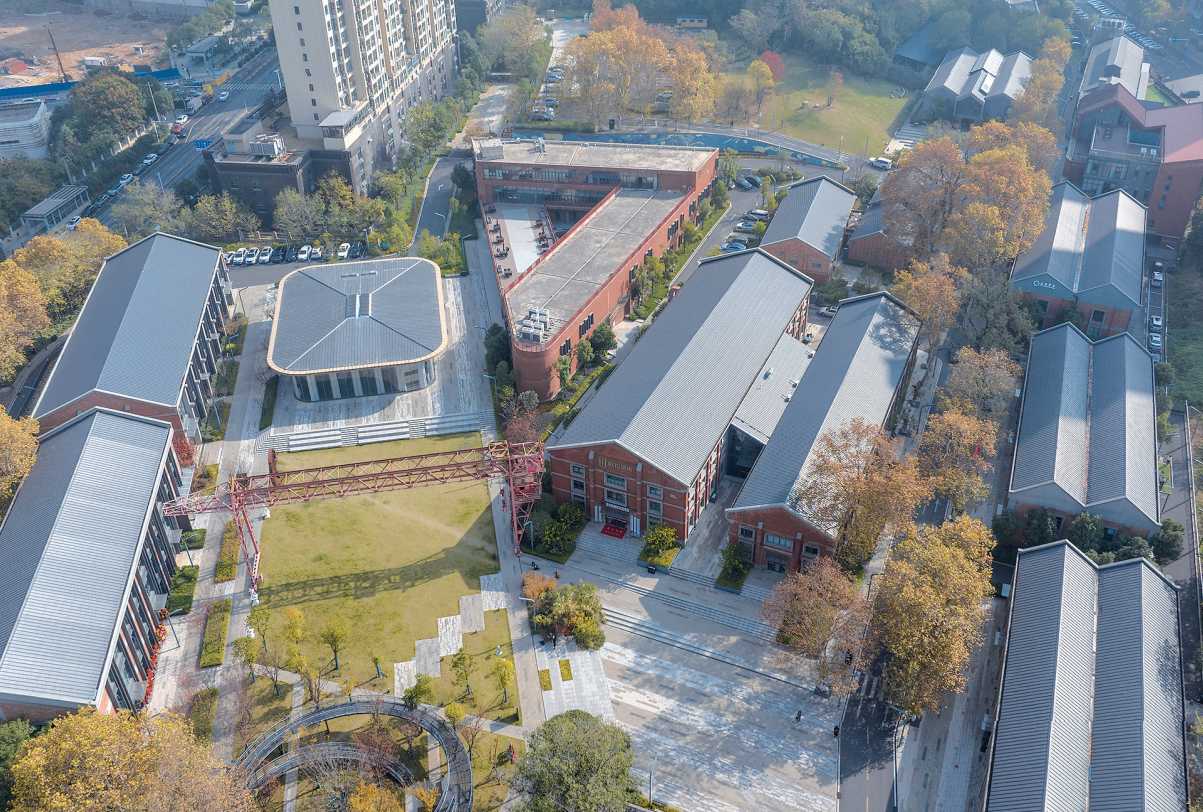
Core Insights - The transformation of the former industrial base into the Huazhong Xiaogui Mountain Financial Culture Park has successfully attracted over 80 financial institutions since its opening in October 2021, generating more than 1.3 billion yuan in tax revenue [4][6] - The park's development aligns with the broader urban planning goals of Wuchang District, aiming to establish a regional financial center [6][7] Group 1: Transformation and Development - The park was established on the site of a former equipment manufacturing base for China Electric Power Construction Corporation, which was operational in the 1970s [4][5] - The decision to transform the old industrial site was made in response to urban development needs, with a focus on creating a high-end capital financial park rather than engaging in real estate [5][6] - The establishment of the Shanghai Stock Exchange Central Base in the park has significantly boosted confidence in its transformation, leading to a near 90% occupancy rate within six months [6][7] Group 2: Urban Renewal and Economic Impact - The Huazhong Xiaogui Mountain Financial Culture Park is part of a larger trend in Wuhan, where multiple old industrial sites are being repurposed into new economic hubs, such as the Hanjiang Bay Artificial Intelligence Industrial Park and the Red T Fashion Industrial Park [8][9] - The city's approach to urban renewal emphasizes the importance of preserving historical industrial sites while enhancing their economic value, contributing to the overall improvement of urban quality and structure [10][12] - The park not only serves as a financial hub but also as a recreational area for local residents, showcasing the dual benefits of urban renewal projects [7][9]