
外卖

Search documents
美团、淘宝闪购开启外卖抢人大战?“转会费”最高3000元
2 1 Shi Ji Jing Ji Bao Dao· 2025-12-28 03:39
Core Viewpoint - The competition in the food delivery industry has intensified as companies like Meituan and Taobao Shanguo are offering substantial "transfer" bonuses to attract experienced riders, indicating a shift from price and subsidy wars to a focus on securing quality delivery personnel [1] Group 1: Company Strategies - Meituan is offering a reward of 2,888 yuan to riders who have completed over 720 orders on Ele.me or JD in November and are willing to join Meituan for six weeks [1] - Taobao Shanguo is providing a 3,000 yuan incentive for riders who completed more than 140 orders on platforms like JD, Meituan, and SF Express between December 15 and 21, and who join Taobao Shanguo for four consecutive weeks, along with a 1,000 yuan reward for the referrer [1] Group 2: Market Dynamics - The recruitment efforts are not nationwide and are characterized by limited availability, with many riders receiving offers that emphasize "limited slots, first come, first served" [1] - The competition for skilled and stable riders has led to a noticeable shift, with reports of several riders moving to Taobao Shanguo due to attractive benefits, although some riders believe that experienced riders are less likely to switch frequently due to the importance of stable order volume and platform experience [1]


如何深入整治“内卷式”竞争
Xin Lang Cai Jing· 2025-12-28 02:56
深化制度保障,纵深推进全国统一大市场建设。加快推进"五统一、一开放",破除阻碍全国统一大市场 建设的堵点卡点,促进有效市场和有为政府更好结合,为优化资源配置、扩大内需、缓解同质化竞争提 供制度保障。持续深入推进政府职能转变,优化完善政府政绩考核体系,健全政府不当干预市场竞争行 为治理规则,规范地方政府经济促进行为,破除地方保护和市场分割,清理行业壁垒,打通区域"小循 环",畅通释放内需潜力的"大循环",为企业创造更加稳定、透明和可预期的发展环境。 巩固动态平衡,供需两侧协同施策稳根基。将扩大内需战略同深化供给侧结构性改革有机结合起来,推 动供给和需求达到更高水平均衡。在需求侧大力提振居民消费,要进一步优化收入分配格局,加大投资 于人力度,提升公共服务水平,加强社会保障体系建设,切实增强居民实际消费能力和消费意愿;同 时,优化消费环境,加快清理限制性措施。在供给侧持续深化结构性改革,要坚持智能化、绿色化、融 合化方向,发展智能制造、绿色制造、服务型制造,分类开展行业治理,大力推动重点行业产能治理, 以高质量的供给适配不断升级的需求,形成需求牵引供给、供给创造需求的更高水平动态平衡。此外, 要统筹国内国际两个大局 ...
2025年终经济观察|破除卡点堵点 纵深推进全国统一大市场建设
Xin Hua She· 2025-12-27 13:39
Core Viewpoint - The construction of a unified national market is essential for establishing a new development pattern in China, with significant progress made over the past year in breaking down barriers and enhancing market efficiency [1]. Group 1: Market Development and Integration - The national unified electricity market has accelerated, exemplified by the successful cross-regional electricity trading between Qinghai and Jilin, enhancing resource allocation efficiency [2]. - Various regions are implementing measures to facilitate the efficient flow of resources, such as the launch of a technology transaction platform in Hunan and a talent-sharing mechanism in Zhengzhou [3]. - The market-oriented allocation of land resources has improved, with significant reforms in rural collective land use, leading to a 60% reduction in land acquisition time for enterprises [2]. Group 2: Breaking Down Local Protectionism - Local governments are encouraged to adopt long-term strategies to prevent closed-off local economies, with initiatives like remote enterprise migration services being implemented [5]. - The Long Triangle region has achieved remote cross-province business registration, streamlining the process for companies relocating [5]. - Efforts to eliminate local protectionism and market segmentation are ongoing, with various provinces actively working to enhance domestic economic circulation [5]. Group 3: Addressing "Involution" in Competition - The introduction of a new pricing mechanism in the national drug procurement process aims to prevent abnormal low pricing that disrupts market order [7]. - Regulatory measures are being strengthened to maintain fair competition, with the implementation of the Fair Competition Review Regulations [9]. - Industries are encouraged to shift from price competition to value creation, with significant investments in innovation and technology observed in sectors like high-tech manufacturing [12].
亲历外卖补贴过山车:他们的爆单、疲惫与重新算账
Di Yi Cai Jing Zi Xun· 2025-12-27 11:20
Core Insights - The recent food delivery war, characterized by over 10 billion yuan in subsidies from major platforms like Meituan, Taobao, and JD, has significantly impacted the industry, leading to increased order volumes but decreased profitability for many merchants [2][3][4] - The competition has altered consumer habits, with a notable shift towards delivery over dine-in, and has resulted in a waste of resources due to excessive promotions [6][9] Group 1: Impact on Merchants - Many merchants, like Yu Li, experienced a surge in sales during the subsidy war, with revenues exceeding 200,000 yuan in July compared to 50,000 yuan in July 2024, but faced doubled costs leading to negligible profits [3][4] - The average order value dropped from over 30 yuan to around 15 yuan during the subsidy period, affecting overall profitability [3][4] - Merchants like Huang Lin noted that low-priced subsidized items did not retain customers, and profits were higher when not participating in such promotions [4] Group 2: Impact on Delivery Riders - Delivery riders, such as Zhou Pengfei, reported increased earnings during the subsidy war, with daily incomes rising by 5,000 yuan and peak earnings exceeding 900 yuan on high-demand days [5] - The number of delivery riders has nearly doubled in some areas, indicating a significant increase in workforce due to the heightened demand [7] Group 3: Financial Performance of Platforms - Meituan reported a 2.8% year-on-year decline in revenue for its core local business in Q3, resulting in an operating loss of 14.1 billion yuan [7] - Alibaba's instant retail business saw a 60% year-on-year revenue increase, but adjusted EBITA fell by 78% to 907.3 million yuan due to investments in user experience and technology [7] Group 4: Industry Trends and Future Outlook - The food delivery industry is expected to enter a new phase as subsidies decrease and regulatory scrutiny increases, with a focus on sustainable operations and improved merchant profitability [10][11] - Platforms are shifting from aggressive market capture strategies to refined operations, aiming to balance user experience with commercial sustainability [10] - Regulatory bodies are emphasizing the protection of small merchants and the establishment of a more rational competitive environment [9][10]


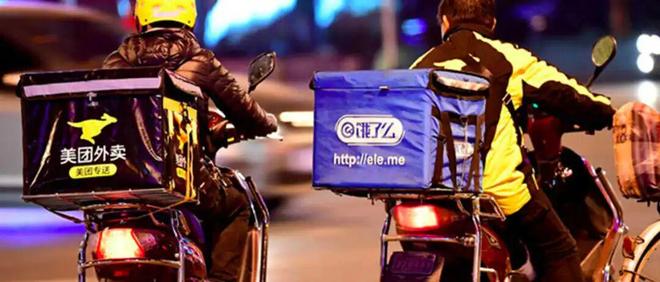
亲历外卖补贴过山车:他们的爆单、疲惫与重新算账
第一财经· 2025-12-27 11:10
Core Viewpoint - The article discusses the intense competition in the food delivery industry during the subsidy war in July 2025, highlighting the challenges faced by restaurants and delivery personnel, as well as the long-term implications for the industry [4][10]. Group 1: Impact of the Subsidy War - The food delivery subsidy war led to a significant increase in order volume, but many restaurants reported that profits did not increase proportionately, with some experiencing losses despite higher sales [6][11]. - The average order value dropped significantly during the subsidy war, with some restaurants reporting a decrease from over 30 yuan to around 15 yuan per order [7]. - The competition resulted in a shift in consumer behavior, with a notable increase in the proportion of orders placed for delivery compared to dine-in [11]. Group 2: Financial Performance of Platforms - Meituan reported a 2.8% year-on-year decrease in revenue for its core local business in Q3 2025, resulting in an operating loss of 14.1 billion yuan [13]. - Alibaba's Q3 financial report indicated a 60% year-on-year increase in revenue from its instant retail business, but a significant decline in adjusted EBITA by 78% [13]. - The intense competition and high spending on subsidies have accelerated the development of instant retail, impacting traditional e-commerce dynamics [13]. Group 3: Industry Adjustments and Future Outlook - The article notes a shift towards more rational competition in the food delivery industry, with platforms beginning to reduce subsidy expenditures and focus on sustainable operations [15][16]. - Regulatory bodies are increasing scrutiny on the industry, addressing issues such as "ghost deliveries" and the rights of delivery personnel, which may lead to a more balanced market [15]. - Experts predict that the industry will evolve into a more mature phase, focusing on a symbiotic relationship between platforms and quality merchants, with an emphasis on user experience and profitability [16].
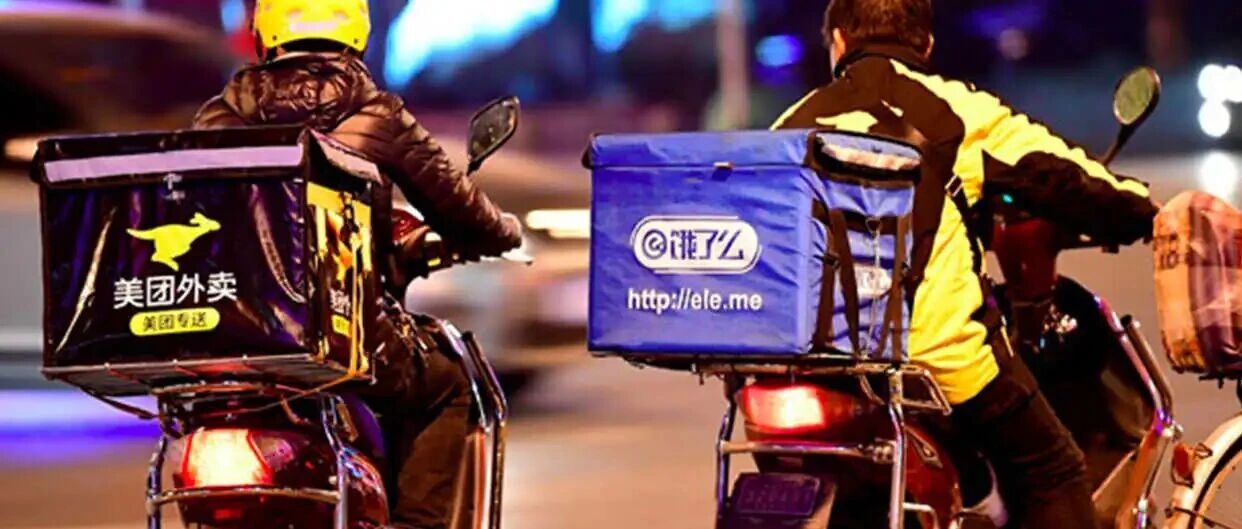
外卖抢人大战,骑手成抢手资源?美团、淘宝闪购真金白银急挖人
Mei Ri Jing Ji Xin Wen· 2025-12-27 06:12
Core Viewpoint - The competition in the food delivery industry has intensified as companies like Meituan and Taobao Flash are offering substantial "transfer" bonuses to attract experienced riders, reflecting a shift from user subsidies to human resource competition [1][2][6] Group 1: Rider Recruitment Strategies - Meituan offers a reward of 2888 yuan for riders who switch from Ele.me or JD with a monthly order volume exceeding 720 [1][4] - Taobao Flash provides a 3000 yuan bonus for riders who have completed over 140 orders on competing platforms and join their service for four consecutive weeks, along with an additional 1000 yuan for the referrer [1][4] - The recruitment efforts are localized and not part of a nationwide campaign, indicating a targeted approach based on specific market conditions [5] Group 2: Industry Dynamics - The competition for riders is seen as a necessary response to the seasonal demand surge and operational challenges faced by delivery platforms [2][6] - The industry has witnessed a significant increase in rider mobility, with many riders switching platforms based on short-term incentives [6][9] - The overlap of active riders across platforms has increased significantly, indicating a trend of riders being in a "wait-and-see" mode regarding their employment choices [7] Group 3: Long-term Strategies and Welfare Improvements - Companies are beginning to focus on long-term rider retention strategies, including social security subsidies, housing support, and improved working conditions [8][9] - Meituan has announced a nationwide social security subsidy program and plans to invest 10 billion yuan over five years to enhance rider welfare [8] - JD has committed to investing 22 billion yuan over five years to provide housing solutions for delivery personnel [8] Group 4: Future Outlook - The industry is transitioning from a focus on short-term subsidies to a more sustainable model that emphasizes rider rights and welfare [9] - The stability and quality of the rider workforce are crucial for enhancing service quality and operational efficiency, which will be key differentiators in the competitive landscape [9]
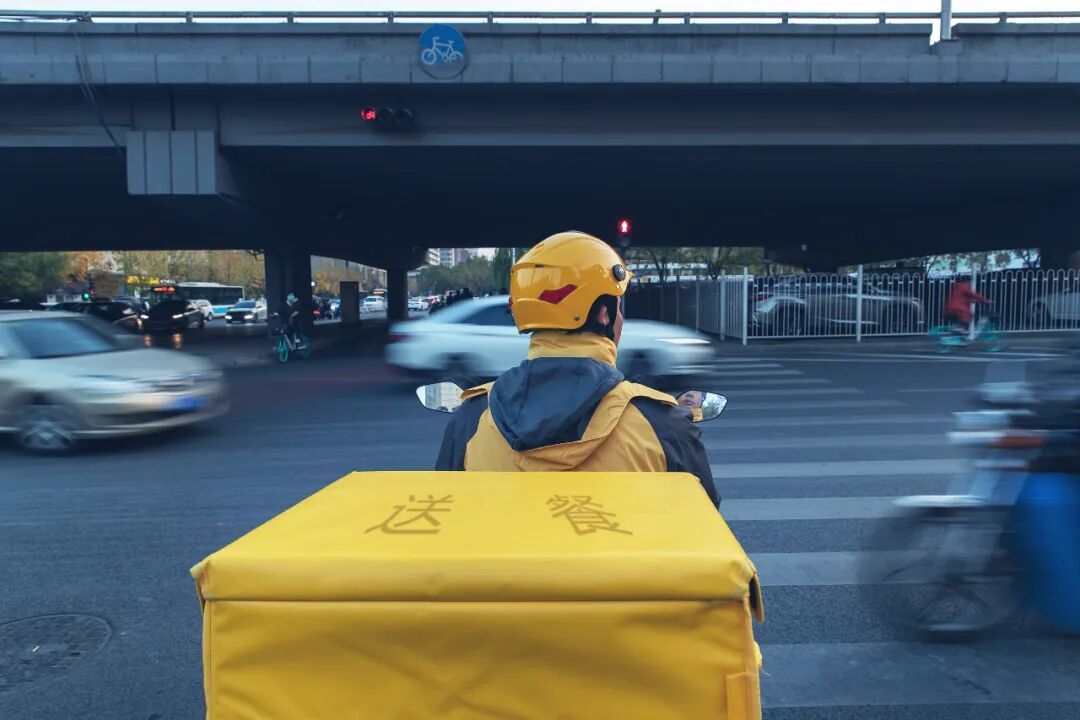
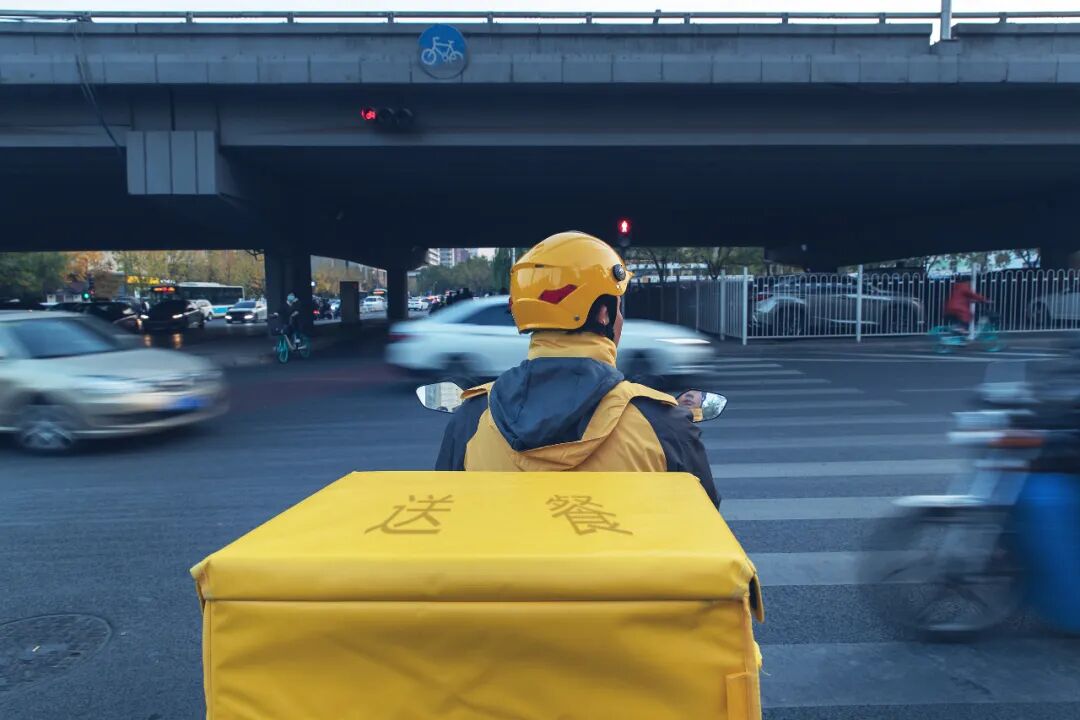
外卖抢人大战,骑手成“抢手资源”?北京城里,美团、淘宝闪购真金白银急挖人
Xin Lang Cai Jing· 2025-12-27 04:55
Core Viewpoint - The competition in the food delivery industry has intensified as companies like Meituan and Taobao Flash are offering substantial "transfer" bonuses to attract experienced riders, reflecting a shift from user subsidies to human resource competition [1][2][13]. Group 1: Transfer Bonuses - Meituan offers a reward of 2888 yuan for riders who have completed over 720 orders on Ele.me or JD in November and are willing to join Meituan for six weeks [1][15]. - Taobao Flash provides a 3000 yuan reward for riders who completed over 140 orders on JD, Meituan, or SF Express between December 15 and 21, along with an additional 1000 yuan for the referrer [1][15]. - These recruitment efforts are limited to specific areas in Beijing and are not part of a nationwide campaign, emphasizing the urgency of addressing rider shortages [6][16]. Group 2: Industry Dynamics - The competition for riders has escalated as platforms seek to address year-end order surges and capacity fluctuations, making short-term incentives a necessary strategy [7][17]. - The industry has seen a notable increase in rider mobility, with many riders switching platforms based on immediate financial incentives [5][18]. - The number of registered delivery riders in China exceeds 12 million, with a significant overlap in active users across platforms, indicating a trend of riders being in a "wait-and-see" mode regarding their employment choices [9][18]. Group 3: Long-term Strategies - Companies are shifting focus from short-term cash incentives to long-term welfare and rights protection for riders, including social security subsidies and improved working conditions [10][19]. - Meituan has announced a nationwide social security subsidy program and plans to invest 100 billion yuan over five years to enhance rider benefits [20]. - JD plans to invest 220 billion yuan over the next five years to provide housing support for delivery personnel, indicating a move towards building a more stable and satisfied workforce [20][21].
外卖抢人大战,骑手成“抢手资源”?北京城里,美团、淘宝闪购真金白银急挖人:“转会费”最高3000元、邀请人再奖1000元
Mei Ri Jing Ji Xin Wen· 2025-12-27 04:41
Core Viewpoint - The competition in the food delivery industry has intensified as companies like Meituan and Taobao Flash are offering substantial "transfer" bonuses to attract experienced riders, reflecting a shift from user subsidies to human resource competition [1][2][8] Group 1: Transfer Bonuses - Meituan offers a reward of 2888 yuan for riders who had over 720 orders on Ele.me or JD in November and join Meituan for six weeks [5] - Taobao Flash provides a 3000 yuan reward for riders who completed over 140 orders on competing platforms from December 15 to 21 and join its preferred program for four consecutive weeks, along with a 1000 yuan bonus for the referrer [4][5] - These recruitment incentives are limited to specific areas in Beijing and are not a nationwide initiative, indicating a targeted approach to address local rider shortages [7] Group 2: Industry Dynamics - The competition for riders is a response to the year-end surge in demand and operational capacity challenges, marking a deeper industry shift towards securing human resources [2][8] - The high turnover of riders, particularly those with less than one year of experience, is influenced by short-term financial incentives, while more experienced riders tend to prioritize stable order volumes and platform reliability [4][8] - The industry has seen a significant increase in rider overlap across platforms, indicating a trend where riders are more willing to switch based on benefits and conditions offered by different companies [9] Group 3: Long-term Strategies - Companies are beginning to implement long-term strategies to improve rider welfare, such as social security subsidies, housing support, and other benefits, moving away from solely relying on cash incentives [10][11] - The focus is shifting towards creating a stable and efficient rider ecosystem, which is crucial for enhancing service quality and user retention [11][12] - Analysts suggest that the future of competition will hinge on the ability to build a sustainable rider workforce through improved working conditions and benefits rather than just short-term financial rewards [10][11]
烧钱的一年 金融时报:外卖大战损害美团利润制约海外扩张
Feng Huang Wang· 2025-12-27 03:59
Core Viewpoint - Meituan is facing intense competition from Alibaba and JD.com in the food delivery market, leading to significant financial losses and impacting its international expansion plans [1][2]. Group 1: Financial Impact - Meituan has incurred its largest quarterly loss since its IPO in 2018, with a loss of 16 billion RMB in Q3 due to heavy subsidies to compete with rivals [2][3]. - Analysts estimate that Meituan is losing approximately 1 RMB on average for each instant delivery order this year [2]. - If the subsidy war continues, Meituan's cash reserves are projected to drop to 74 billion RMB by next year, compared to 110 billion RMB in 2025 [4]. Group 2: Market Dynamics - Alibaba's resurgence has altered the competitive landscape, with the company investing 7 billion USD in subsidies and rapidly increasing its active user base in the food delivery sector [4]. - Meituan's market share in instant delivery is expected to decline from 73% in 2024 to 55% by 2027, while Alibaba's share is projected to rise from 21% to 40% in the same period [5]. Group 3: International Expansion Challenges - The fierce competition in the domestic market is hindering Meituan's international ambitions, as it must focus on defending its local market position [8]. - Meituan has made strides in international markets, surpassing competitors in Hong Kong and Saudi Arabia, but faces tougher challenges in Brazil due to stronger local players [8][9]. Group 4: Employee Morale and Company Culture - Employee morale at Meituan is reportedly low, with staff working long hours to support ongoing subsidy campaigns and manage the demands of both domestic and international operations [10]. - The company's stock has declined over 30% this year, contrasting sharply with the rebound of other Chinese internet stocks [10].

年终盘点| 亲历外卖补贴过山车:他们的爆单、疲惫与重新算账
Di Yi Cai Jing· 2025-12-27 03:01
Core Insights - The takeaway from the article is that the food delivery industry experienced a paradox of record order volumes and declining profits during the peak of the subsidy war in July 2025, leading to significant operational challenges for restaurants and delivery personnel [1][2][3]. Group 1: Industry Dynamics - The food delivery subsidy war peaked on July 5, 2025, with over 100 billion yuan in subsidies from platforms like Meituan, Taobao, and JD, making the delivery sector one of the most discussed industries of the year [2]. - Despite record order volumes, many restaurants reported that profits did not increase proportionately, with some experiencing a decline in profitability due to rising operational costs [3][4]. - The average order value dropped significantly during the subsidy war, with some restaurants reporting a decrease from over 30 yuan to around 15 yuan per order [3]. Group 2: Impact on Restaurants - Restaurant owners like Yu Li and Huang Lin noted that while order volumes surged, the costs associated with labor, ingredients, and platform fees also doubled, leading to minimal or negative profit margins [3][4]. - Huang Lin observed that low-priced subsidized items did not retain customers effectively, and he found that eliminating low-price subsidies allowed for higher average order values and better profit margins [4]. Group 3: Delivery Personnel Experience - Delivery personnel, such as Zhou Pengfei, reported increased earnings during the subsidy war, with some earning up to 900 yuan in a single day due to the high volume of orders [5]. - The number of delivery riders increased significantly, with Zhou noting that his station's rider count nearly doubled during peak times [8]. Group 4: Financial Performance of Platforms - Meituan reported a 2.8% year-on-year decline in revenue for its core local business in Q3, resulting in a significant operating loss of 14.1 billion yuan [8]. - Alibaba's Q3 financials showed a 60% year-on-year increase in revenue from its instant retail business, but adjusted EBITA fell by 78% due to investments in user experience and technology [8]. Group 5: Regulatory and Market Adjustments - The article highlights a shift towards more rational operations in the food delivery industry, with regulatory bodies introducing guidelines to address issues like irrational competition and the rights of delivery personnel [10]. - Experts predict that the industry will transition from aggressive subsidy strategies to refined operations focusing on user experience and sustainable business practices [12].