
石油

Search documents
罕见!股市“吹哨人”,意外发声!美国国内,突发连锁反应!伊朗致信联合国
券商中国· 2026-03-19 07:09
中东战局正让市场变得疲劳! 伊朗局势还在向让人意外的方向发展。据19日午后最新消息,伊朗努尔新闻(Nour News)称,伊朗驻联合国 大使在致联合国秘书长的信中表示,阿联酋因"允许美国从其领土对伊朗发动空袭"而负有赔偿责任。据新华社 最新报道,以色列国防军发言人埃菲·德夫林18日说,以军不会停止针对伊朗高级官员的"系列清除行动"。以 色列国防部长卡茨同日称,他和内塔尼亚胡共同决定,授权以军无需获得批准即可打击"任何伊朗高级官 员","所有伊朗人都是打击目标"。 与此同时,Yahoo/YouGov的最新民调结果显示,伊朗战争引发美国油价大幅上涨,开始在美国国内引发连锁 政治反应。约三分之二(66%)美国受访者表示不赞成美国处理油价的方式。 今天,亚太市场全线下跌,国际油价持续大涨。花旗表示,布伦特原油价格预计在未来几天内升至每桶110至 120美元。有股市"吹哨人"之称的大摩发表报告称,建议投资者在本周股市上涨之际抛售股票,并警告随着能 源价格飙升,市场可能出现更深的跌幅。 伊朗局势与连锁反应 据央视新闻报道,自伊朗方面获悉,近期美国和以色列针对伊朗医疗机构的袭击已造成至少18名医护人员死 亡。美国和以色列2 ...


油价继续涨!白宫将出手→
第一财经· 2026-03-19 06:36
Core Viewpoint - The article discusses the rising oil prices in the U.S. due to geopolitical tensions, particularly in the Middle East, and the government's response to ensure energy supply stability [3][4][5]. Group 1: Oil Price Trends - The average price of regular gasoline in the U.S. has surged to over $3.84 per gallon, up from $2.98 before the attack on Iran on February 28 [3]. - Vice President Vance referred to the high oil prices caused by the Middle East conflict as "temporary fluctuations," echoing former President Trump's sentiments [4]. - Vance noted that current gasoline prices have not reached the levels seen during the Biden administration, where prices exceeded $5 per gallon in June 2022 [5]. Group 2: Government Actions and Industry Response - The White House is expected to announce additional measures within 24 to 48 hours to address the rising oil prices [6]. - The government is considering various options, including a 60-day waiver of the Jones Act, allowing foreign vessels to transport oil and other goods within U.S. waters [6]. - Despite calls from the government for oil producers to increase output in response to high prices, industry executives have not yet acted on these requests, citing concerns over demand drops due to price spikes [9]. Group 3: Industry Challenges - Oil executives are facing a dilemma as they navigate the government's pressure to increase production while dealing with the uncertainty of ongoing geopolitical conflicts [8]. - There have been discussions within the government about potential measures such as limiting crude oil exports and implementing gasoline price controls, but these have been ruled out for now [9]. - Industry leaders express frustration over the government's failure to recognize the impact of sudden price increases on demand and revenue, which complicates the decision to expand drilling operations [9].

霍尔木兹海峡,突传大消息!伊朗:战争已进入“新阶段”!
券商中国· 2026-03-19 06:11
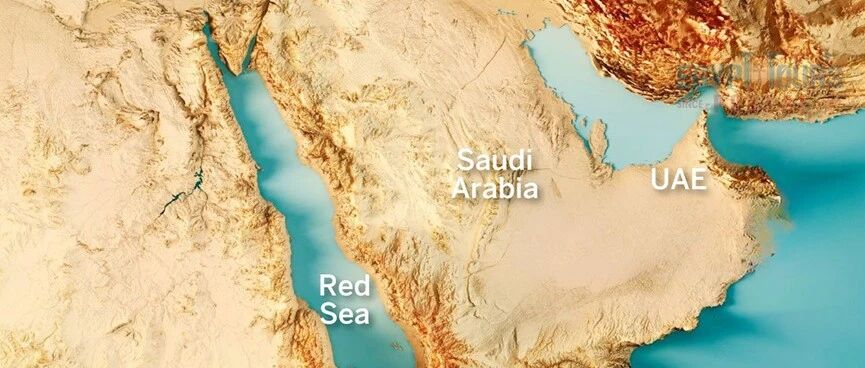
Core Viewpoint - Saudi Arabia's emergency plan to bypass the Strait of Hormuz is proving effective, with significant increases in oil exports through the Yanbu port, despite ongoing regional tensions and threats to energy infrastructure [1][2][3]. Group 1: Saudi Arabia's Oil Export Strategy - Saudi Arabia is utilizing a 1,200-kilometer pipeline to reroute oil to the Yanbu port on the Red Sea, achieving an average export volume of approximately 4.19 million barrels per day over the past five days, which is more than half of its pre-conflict export levels [2][3]. - The Yanbu port has become a focal point in the global energy market, with at least 32 supertankers and Suezmax tankers waiting offshore for loading, indicating a significant logistical operation [3]. - Saudi Aramco has shifted its trade model to a "delivered to destination" strategy for key markets in Asia, enhancing the stability of oil deliveries and reducing buyer risks [3]. Group 2: Regional Tensions and Threats - The Iranian Revolutionary Guard has escalated its operations, claiming to have targeted U.S.-related oil facilities in retaliation, marking a new phase in the conflict with the U.S. and Israel [2][7]. - The potential for attacks in the Red Sea region poses a significant threat to Saudi Arabia's export routes, with the International Energy Agency warning of the largest energy supply disruption in history [5]. - Other Gulf oil producers, such as Kuwait, Iraq, and Bahrain, remain heavily impacted due to a lack of similar bypass infrastructure, leading to widespread export disruptions [4].

刚刚,封死涨停!导弹袭击引爆!特朗普最新发声
天天基金网· 2026-03-19 05:20
Group 1 - The core viewpoint of the article highlights the significant impact of geopolitical tensions in the Middle East on energy markets, particularly following missile attacks on Qatar's LNG facilities, which led to a surge in LPG and other energy-related futures [2][4][6] - The article notes that the market's previous short-term expectations regarding the duration of the conflict are shifting towards a more prolonged outlook, causing increased volatility in global markets [8][9] - UBS strategists have adjusted their MSCI global market index target for 2026 down to 1100 points from 1130 points, indicating a moderate upside potential but with ongoing fluctuations due to heightened uncertainty [8][9] Group 2 - The article discusses the potential for severe international repercussions from the Middle East conflict, with the Australian central bank warning of increased risks to the global economy, particularly in oil and commodity markets [10] - It emphasizes that the current market sentiment is mixed, with defensive sectors like consumer staples and pharmaceuticals not outperforming the market, suggesting that the economic slowdown has not been fully priced in [9][10] - The article also mentions that the risk of supply chain disruptions, particularly in commodities like sulfuric acid and aviation fuel, is being underestimated, contributing to market instability [9]
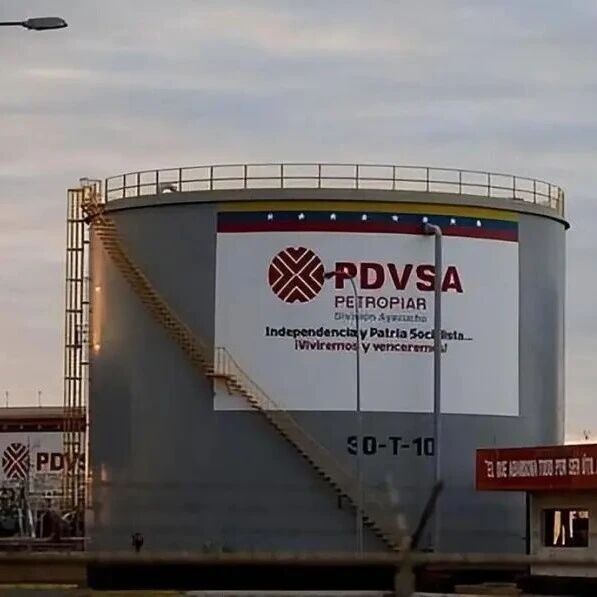
美国财政部:有条件授权美国实体与委内瑞拉石油公司及该公司持有50%或以上权益的企业进行交易
中国能源报· 2026-03-19 04:33
Group 1 - The U.S. Treasury Department's Office of Foreign Assets Control (OFAC) has issued a general license allowing U.S. entities to engage in transactions with the Venezuelan oil company and its subsidiaries holding 50% or more ownership [1] - The transactions authorized include the export, sale, storage, procurement, delivery, and transportation of Venezuelan oil and oil products, as well as the provision of related diluents, goods, services, and technology [1] - The new policy represents a shift in the U.S. approach to sanctions on Venezuela's oil industry, which has seen multiple rounds of strict sanctions in recent years [1] Group 2 - The U.S. has previously conducted military actions against Venezuela, including the capture of President Maduro and his wife, with the intention of managing the country until a "safe" transition occurs [1] - Major U.S. oil companies are expected to enter Venezuela for investment following the easing of sanctions [1] - The OFAC's recent actions indicate a potential opening for new investment contracts and joint ventures in Venezuela's oil and gas sector [1]
绕开霍尔木兹见成效!沙特石油出口恢复过半
财联社· 2026-03-19 03:27
Core Viewpoint - Despite the impact of the Iran conflict, Saudi Arabia has successfully restored its oil export volume to over half of its normal levels by utilizing an emergency pipeline solution to bypass the Strait of Hormuz [1][2]. Group 1: Oil Export Recovery - Saudi Arabia is using a 1,200 km (746 miles) pipeline to reroute oil to the western port of Yanbu, located along the Red Sea coast, as the Strait of Hormuz is nearly closed [1]. - The average daily export volume from Yanbu port has reached approximately 4.19 million barrels over the past five days, significantly higher than the previous average of about 1.4 million barrels per day [2]. - The highest recorded loading from Yanbu this month was 4.65 million barrels in a single day, which has occurred three times, indicating fluctuating short-term loading data [3]. Group 2: Strategic Positioning - Saudi Arabia is the only oil-producing country with significant alternative routes for oil transportation, while the UAE's reliance on the Fujairah port has made it vulnerable to disruptions [2]. - A large fleet of oil tankers is currently gathering around Yanbu, with at least 32 supertankers and Suezmax tankers waiting to load, highlighting the urgency of the situation [2]. - Saudi Arabia plans to increase loading volumes at the Red Sea port for overseas buyers and has offered long-term customers the option to receive supplies from Yanbu [4].
原油成品油早报-20260319
Yong An Qi Huo· 2026-03-19 03:25
1. Report Industry Investment Rating - Not provided in the given content 2. Core View of the Report - This week, the impact of the US-Iran situation on the global crude oil market supply has escalated. VLCCs still cannot pass through the Strait of Hormuz, and about 10 million barrels per day of Middle Eastern production has been shut down. The International Energy Agency has announced the largest - scale emergency oil reserve release in history, but it cannot fundamentally alleviate the upstream production interruption problem. The core depends on the duration of the strait blockade. The crude oil forward curve currently prices the interruption disturbance for about 30 days, but the disturbance time is expected to be longer, and the international crude oil market still faces upward price risks next week [6] 3. Summary by Relevant Catalogs 3.1 Oil Price Data - From March 12 to March 18, 2026, WTI increased by 0.11 to 96.32, BRENT increased by 3.96 to 107.38, and DUBAI increased by 13.58 to 136.42. Other indicators such as SC, OMAN, and various refined oil products also had corresponding price changes [3] 3.2 Daily News - Saudi Arabia's foreign minister stated that the little trust left with Iran has completely broken down - Iran's energy facilities were attacked, and Iran vowed to strike the oil facilities of three Middle - Eastern countries in retaliation - Trump hopes that Israel will suspend further attacks on Iran's energy facilities - US Vice - President Vance will hold a closed - door meeting with oil executives and announce several measures to deal with oil prices within 24 to 48 hours [3][5][6] 3.3 Weekly Inventory - In the week of March 13, US crude oil exports increased by 1.464 million barrels per day to 4.898 million barrels per day, domestic crude oil production decreased by 100,000 barrels to 13.668 million barrels per day. Commercial crude oil inventories (excluding strategic reserves) increased by 6.156 million barrels to 449 million barrels, with a growth rate of 1.39%. EIA gasoline inventory decreased by 5.436 million barrels, and EIA refined oil inventory decreased by 2.527 million barrels [6]
西南期货早间评论-20260319
Xi Nan Qi Huo· 2026-03-19 02:57
1. Report Industry Investment Ratings There is no information regarding industry investment ratings in the provided content. 2. Core Views of the Report - The overall market is affected by multiple factors such as the Fed's interest - rate decision, the Middle - East geopolitical conflict, and domestic economic recovery. Different sectors show various trends, and investors are advised to take different strategies according to the specific situation of each sector [6][9][12] - The Fed maintains the federal funds rate target range at 3.50% - 3.75%, and the market expects cautious monetary policy. The Middle - East conflict has a significant impact on the market, increasing uncertainty and volatility [6] 3. Summary by Directory Fixed - Income (Treasury Bonds) - The previous trading day saw all treasury bond futures close higher. The 30 - year, 10 - year, 5 - year, and 2 - year main contracts rose by 0.23%, 0.12%, 0.08%, and 0.04% respectively. The central bank conducted 205 billion yuan of 7 - day reverse repurchase operations, with a net withdrawal of 60 billion yuan on the day [5] - The Fed's decision to keep interest rates unchanged and the Middle - East conflict have increased the uncertainty of the US economy. The domestic macro - economic recovery momentum needs to be strengthened, and the treasury bond market is expected to face certain pressure, so it is advisable to be cautious [6] Equity Index Futures - The previous trading day saw mixed performance in stock index futures. The CSI 300, SSE 50, CSI 500, and CSI 1000 main contracts changed by 0.14%, - 0.38%, 0.77%, and 0.68% respectively [8] - The domestic economy is stable, but the recovery momentum is weak, and corporate profit growth is low. However, asset valuations are low, and there is room for repair. The policy environment is favorable, but the Iran situation has high uncertainty, so it is recommended to stay on the sidelines [9] Precious Metals - The previous trading day saw gold and silver main contracts decline by 0.24% and 1.62% respectively. The US February PPI data exceeded expectations [11] - The global trade and financial environment is complex, and the long - term logic of precious metals is strong. However, due to the high market pricing and the uncertainty of the Iran situation, it is recommended to stay on the sidelines [12] Steel Products (Rebar, Hot - Rolled Coil) - The previous trading day saw rebar and hot - rolled coil futures fluctuate. The Middle - East conflict may affect sentiment, but has little impact on the actual supply - demand pattern. In the long - term, the real - estate industry's downward trend has not reversed, and the demand for rebar is decreasing. In the medium - term, it is necessary to focus on the peak season. The supply pressure has been alleviated, and prices may rebound but with limited space. Investors can pay attention to low - position long - entry opportunities [14] Iron Ore - The previous trading day saw iron ore futures fluctuate. The Middle - East conflict may affect sentiment, but has little impact on the actual supply - demand pattern. After the key meeting, the daily output of molten iron may increase, which is positive for prices. The inventory is at a high level in the past five years. Investors can pay attention to low - position long - entry opportunities [16][17] Coking Coal and Coke - The previous trading day saw coking coal and coke futures decline slightly. The Middle - East conflict may affect sentiment, but has little impact on the actual supply - demand pattern. The supply of coking coal may increase, and the demand is weak. The supply of coke is stable, and the demand may increase. The prices of coke and coking coal are in a volatile pattern, and investors can pay attention to low - position long - entry opportunities [19] Ferroalloys - The previous trading day saw the manganese - silicon and silicon - iron main contracts decline by 1.51% and 2.19% respectively. The cost of ferroalloys is in a narrow - range fluctuation, and the supply is still in a surplus state. After a rapid price rebound, investors can consider taking profits on long positions [21][22] Crude Oil - The previous trading day saw INE crude oil rise and then fall. Speculators increased their net long positions in US crude oil futures and options. The number of oil and gas rigs in the US increased. The conflict between the US and Iran has intensified, and the global crude oil supply shortage is still a concern. Investors can pay attention to long - entry opportunities in the main crude - oil contract [23][24] Polyolefins - The previous trading day saw the PP market in Hangzhou decline, and the LLDPE market in Yuyao adjust. In the short - term, polyolefins show a contraction trend. In the long - term, the import volume may decrease in April, but new production capacity is planned to be put into operation at home and abroad, and the supply pressure will gradually increase. The demand shows the characteristics of "rising production but cautious purchasing". Investors can pay attention to long - entry opportunities [26] Synthetic Rubber - The previous trading day saw the synthetic rubber main contract decline by 1.62%. The cost support has weakened. The supply pressure is high in the short - term, and the demand is affected by the Middle - East conflict. The inventory has changed from accumulation to depletion. The price is expected to be in a relatively strong volatile pattern [28][29] Natural Rubber - The previous trading day saw the natural - rubber main contract decline by 2.55%, and the 20 - rubber main contract decline by 2.67%. The Middle - East conflict has increased the cost of synthetic rubber, which strengthens the substitution demand for natural rubber. However, the expectation of new - rubber supply and slow demand recovery suppress the price increase. The price is expected to be in a wide - range volatile pattern [31] PVC - The previous trading day saw the PVC main contract decline by 1.31%. The market is driven by overseas geopolitical conflicts and domestic spring demand. The cost support is strong in the short - term, but the high inventory restricts the upward space. The price is expected to be in a relatively strong volatile pattern [34] Urea - The previous trading day saw the urea main contract decline by 1.70%. The market is facing high supply and policy restrictions. The demand is weak, and the export is strictly controlled. The price is expected to be in a weak volatile pattern, with limited downward space [36] PX - The previous trading day saw the PX2605 main contract decline by 0.42%. The PXN spread and short - process profit are slightly compressed. The PX supply is expected to be tight, and the downstream demand is gradually recovering. The price is expected to be in a slightly strong volatile pattern, and investors can consider cautious long - entry at low positions [37] PTA - The previous trading day saw the PTA2605 main contract decline by 0.76%. The PTA processing fee has been adjusted, and the supply - demand situation is expected to improve in March. The price is mainly affected by the cost. Due to the uncertainty of the geopolitical situation, investors can consider cautious long - entry at low positions [38] Ethylene Glycol - The previous trading day saw the ethylene - glycol main contract rise by 1.11%, and the night - session rise by 8.73%. The supply is expected to decrease due to the Middle - East conflict, and the inventory is expected to be depleted. The price is expected to be in a relatively strong volatile pattern [39] Short - Fiber - The previous trading day saw the short - fiber 2606 main contract decline by 0.39%. The supply is gradually increasing, and the terminal demand is recovering. The price is mainly affected by the cost. Investors should pay attention to the geopolitical situation, device dynamics, and downstream factory resumption progress [40] Bottle Chips - The previous trading day saw the bottle - chips 2605 main contract decline by 2.35%. The processing fee has increased significantly, and the supply is expected to decrease. The demand is recovering, and the price is expected to follow the cost and be in a volatile pattern. Investors should be cautious and pay attention to the restart of the maintenance device and cost changes [41] Soda Ash - The previous trading day saw the 2605 main contract close at 1211 yuan/ton, with a decline of 2.57%. The production is stable, the inventory has decreased slightly, and the downstream demand is weak. The market sentiment is weak, but the decline in the number of warehouse receipts may lead to market fluctuations. Investors should control risks [42][43] Glass - The previous trading day saw the 2605 main contract close at 1066 yuan/ton, with a decline of 2.74%. The production line is shrinking, the inventory has decreased slightly, and the demand is recovering slowly. The market is in a state of high - level long - short game, and the price is volatile. Investors should control positions and pay attention to the Middle - East situation and fundamental changes [44] Caustic Soda - The previous trading day saw the 2605 main contract close at 2442 yuan/ton, with a decline of 2.01%. The supply has decreased slightly, and the inventory has decreased. The price of high - concentration caustic soda is rising due to export orders. The market may fluctuate due to the decline in the number of warehouse receipts. Investors should pay attention to overseas device dynamics, export orders, inventory changes, and device maintenance progress [45][46] Pulp - The previous trading day saw the 2605 main contract close at 5040 yuan/ton, with a decline of 2.10%. The domestic production may decrease, and the port inventory has decreased slightly. The downstream demand is weak, and the market lacks substantial positive support [47][48] Lithium Carbonate - The previous trading day saw the lithium - carbonate main contract decline by 4.43%. The global lithium - resource supply - demand balance is being reshaped, and the supply is expected to be tight. The demand in the energy - storage and power - battery sectors is improving, and the inventory is decreasing. The price has strong support, but the short - term volatility may increase [49] Copper - The previous trading day saw the Shanghai copper main contract close at 96340 yuan/ton, with a decline of 2.58%. The geopolitical conflict has increased inflation expectations, and the supply pressure is high in the short - term. The downstream demand has recovered to some extent, but the high inventory and macro - pressure may lead to a weak volatile pattern [50][51] Aluminum - The previous trading day saw the Shanghai aluminum main contract close at 24835 yuan/ton, unchanged; the alumina main contract rose by 0.85%. The supply pressure of alumina is high, and the Middle - East conflict has increased the cost. The supply is expected to tighten, and the domestic consumption is recovering. The price is expected to be in a relatively strong volatile pattern [53] Zinc - The previous trading day saw the Shanghai zinc main contract close at 23000 yuan/ton, with a decline of 1.84%. The domestic supply has increased, and the overseas supply is disturbed. The demand is expected to recover, but the actual recovery strength needs to be verified. The inventory is increasing, and the price may be under pressure and in a volatile pattern [55] Lead - The previous trading day saw the Shanghai lead main contract close at 16585 yuan/ton, with a decline of 0.57%. The production of primary lead has increased, and the recovery of secondary lead is slow. The demand for lead - acid batteries has recovered, but the geopolitical risk affects exports. The inventory is increasing, and the price may be under pressure and adjust [57] Tin - The previous trading day saw the Shanghai tin main contract decline by 3.39%. The geopolitical conflict has increased price volatility. The supply pressure has eased, and the demand in emerging fields is strong. The inventory has decreased, and the price has support, but investors should control risks due to overseas uncertainties [59][60] Nickel - The previous trading day saw the Shanghai nickel main contract decline by 0.69%. The geopolitical conflict has increased price volatility. The supply of nickel ore is expected to be tight, and the cost is rising. The downstream demand is weak, and the inventory is at a relatively high level. The market is in a surplus state, and investors should pay attention to Indonesian policies and macro - events [61] Soybean Oil and Soybean Meal - The previous trading day saw the soybean - meal main contract decline by 0.26%, and the soybean - oil main contract decline by 0.93%. The Brazilian soybean harvest is approaching 60%, and the crude - oil price rise provides support. The domestic soybean import is slowing down, and the supply may be tight in the short - term, but it is expected to be relatively loose in the medium - term. It is advisable to stay on the sidelines due to the uncertainty of the Middle - East conflict [62][63] Palm Oil - The Malaysian palm - oil market has declined for two consecutive days. The export demand in April is a concern. The domestic palm - oil import has increased, and the inventory is at a relatively high level. Investors can consider reducing or closing long positions [64][65] Rapeseed Meal and Rapeseed Oil - The Canadian rapeseed futures have declined. The domestic import policy has changed, and the inventory of rapeseed and rapeseed meal has decreased, while the inventory of rapeseed oil has increased. It is advisable to stay on the sidelines [66][67] Cotton - The previous trading day saw domestic cotton futures decline slightly, and the overseas market fluctuated. The global cotton production is expected to decrease in the new season, and the inventory is expected to decrease. The domestic supply is expected to be tight in the long - term, and the price is expected to be in a relatively strong volatile pattern [69][70] Sugar - The previous trading day saw domestic sugar futures decline slightly, and the overseas market rose. The domestic sugar production is expected to increase, and the import volume is high. The overseas sugar production is lower than expected, and the crude - oil price rise is beneficial to the sugar price. The long - term sugar price bottom may rise [71][72] Apple - The previous trading day saw apple futures fluctuate strongly. The spot market is stable, and it is in the consumption off - season. The inventory is decreasing, and the demand is expected to increase during the Tomb - Sweeping Festival. The market is expected to be stable and strong, and investors should pay attention to inventory reduction and weather conditions [73] Live Pigs - The previous trading day saw the main contract decline by 2.29%. The supply is increasing, and the demand is weak. The government has started the purchase and storage mechanism, but the short - term effect may be limited. It is advisable to hold short positions [74][75] Eggs - The previous trading day saw the main contract rise by 0.29%. The egg supply is expected to be at a high level in March, and the long - term supply improvement is uncertain. It is advisable to hold short positions in the far - month contracts [76] Corn and Corn Starch - The previous trading day saw the corn main contract rise by 0.08%, and the corn - starch main contract decline by 0.51%. The domestic corn supply and demand are basically balanced. The new - season corn cost may be revised down, and the wheat substitution effect may increase. The corn - starch demand has recovered slightly, and the price may follow the corn market. Investors can pay attention to put - option opportunities [77][79] Logs - The previous trading day saw the 2605 main contract close at 806.0 yuan/ton, with a decline of 0.68%. The supply of New Zealand logs has increased, and the downstream demand has improved. The cost pressure has increased, and the market is in a high - level volatile pattern. Investors should pay attention to external quotes, shipping dynamics, and downstream consumption [80][82]
综合晨报-20260319
Guo Tou Qi Huo· 2026-03-19 02:39
Group 1: Energy and Metals Oil - Brent crude futures hit $110/barrel, WTI lagged, and the spread between them reached an 11 - year high. The arbitrage window exists despite a 38% increase in shipping costs from the US Gulf Coast to Europe. Geopolitical conflicts and attacks on Iranian energy facilities intensified supply concerns, while the畅通 of the Strait of Hormuz remains the core variable for oil prices. Trump's temporary exemption of the Jones Act aims to reduce US energy transportation costs. Short - term oil price volatility may increase [2]. Precious Metals - Overnight, precious metals fell. US PPI data exceeded expectations, and the attack on Iranian energy facilities and the threat to Middle - Eastern oil facilities drove up oil prices and inflation concerns. The Fed's stance on interest rates weakened the expectation of a rate cut, and precious metals may see short - term weak oscillations [3]. Copper - After the escalation of the Middle - East situation with energy facility attacks, copper prices dropped. The domestic spot market may buffer the decline during the day, but market sentiment is still guided by the war situation. The Fed's decision to maintain interest rates had little impact [4]. Aluminum - Overnight, Shanghai aluminum followed the decline of non - ferrous metals. Spot discounts in some regions widened, and the social inventory of aluminum ingots and bars reached a multi - year high. However, Middle - East production cuts increased the shortage expectation, and aluminum prices are relatively resilient compared to other non - ferrous metals [5]. Other Metals - Cast aluminum alloy prices follow aluminum prices. The domestic alumina production capacity is stable at around 94 million tons, and the surplus situation has improved. Zinc prices are under pressure, and the market expects a rebound in zinc prices after inventory reduction. Nickel prices are under pressure, and the market is policy - and sentiment - driven. Tin prices are in a downward trend, and the market expects domestic spot replenishment at around 350,000 yuan. Lithium carbonate prices are under pressure, and the market may consider going long on the near - month spread. Polysilicon prices are weak, and the futures may continue to decline. Industrial silicon prices are expected to be weak and oscillating [6][7][8][10][11][12][13][14]. Group 2: Steel and Related Products Steel - Night - session steel prices rebounded after a decline. Rebar demand and production increased, and inventory accumulation slowed down. Hot - rolled coil demand improved, but inventory pressure remains. After the end of the meeting, blast furnace production is expected to resume, but steel mill profits may limit the increase. The real estate investment decline narrowed, and infrastructure and manufacturing investment increased, but the sustainability needs to be observed [15]. Iron Ore - Iron ore prices weakened overnight. Global shipments increased, and domestic arrivals decreased. Terminal demand is improving, and steel mills have production profits. The external geopolitical conflict provides cost support, and the market is expected to oscillate [15]. Coke and Coking Coal - Coke and coking coal prices oscillated downward. Coking profits are average, and inventory changes are small. The supply of carbon elements is abundant, and downstream hot - metal production is decreasing. The market is affected by geopolitical conflicts, and prices may be prone to rise [16][17]. Manganese Silicon and Ferrosilicon - Manganese silicon and ferrosilicon prices oscillated downward. International conflicts affect the cost of manganese ore transportation, and the demand for hot - metal production is decreasing. The supply and inventory of these two products have changed slightly, and the market is affected by geopolitical conflicts [18][19]. Group 3: Shipping and Fuel Container Shipping Index (European Line) - Maersk raised its 14th - week quote, but YML's lower quote may lead to the failure of the price increase in early April. The supply of European - line capacity has increased due to the contraction of Middle - East route demand. The long - term trend depends on the development of the geopolitical situation [20]. Fuel Oil and Low - Sulfur Fuel Oil - Due to the escalation of geopolitical risks, oil - related products rose. The supply of high - sulfur fuel oil is tight, and the supply of low - sulfur fuel oil is also affected. The market is expected to be strong in the short term [21]. Asphalt - With the continuation of the war and the increase in oil prices, asphalt prices followed the upward trend. The refinery production plan in April decreased, and inventory pressure is relatively small. The asphalt market is expected to continue to rise [22]. Group 4: Chemical Products Urea - Urea supply is high, and agricultural demand support is weakening. Compound fertilizer enterprises are increasing production, and urea production enterprises are reducing inventory. Under the influence of policies, the market is expected to oscillate within a range [23]. Methanol - After the attack on the South Pars gas field, methanol prices rose at night. The import volume decreased, and the inventory in ports and production enterprises decreased. Geopolitical factors are the key to the short - term market, and the market is expected to be strong [24]. Other Chemicals - Pure benzene, styrene, polypropylene, plastic, PVC, PX, PTA, ethylene glycol, glass, rubber, and other chemical products are affected by geopolitical conflicts. Their supply, demand, and price trends vary, and the market is affected by factors such as cost, inventory, and downstream demand [25][26][27][28][29][30][31][32][33]. Group 5: Agricultural Products Grains and Oils - The cost of soybeans has increased due to the rise in energy, fertilizer, and shipping costs. Brazilian soybean harvesting is slow, and the price of soybean meal and rapeseed meal futures is affected by the war situation and Brazilian shipments. Vegetable oil prices are affected by the Middle - East situation and the spread between diesel and vegetable oil. Corn prices are stable, and the market is affected by national reserve auctions and futures funds. The prices of domestic soybeans, eggs, cotton, sugar, apples, wood, and pulp are also affected by various factors such as supply, demand, and geopolitical situations [34][35][36][37][39][40][41][42][43][44]. Livestock - The spot price of live pigs is weak, and the futures price is even weaker. The inventory pressure is high, and the market expects a long - term low price to promote capacity reduction. The spot price of eggs is rising, and the futures price is in a state of premium. The market suggests a long - position strategy at low prices [38][39]. Group 6: Financial Products Stock Index - A - shares rebounded after a decline, and the performance of stock index futures was divided. The Fed's decision on interest rates, the Middle - East geopolitical conflict, and the rise in oil prices have suppressed risk preferences. The market suggests an equilibrium allocation strategy and a rotation from high - risk sectors to defensive sectors [45]. Treasury Bonds - Treasury bond futures rose, and the yield curve steepened. The bond market is in a repair phase, and long - term bonds may continue to recover. The yield curve may continue to steepen in the short term [46].
资讯早间报-20260319
Guan Tong Qi Huo· 2026-03-19 02:24
Report Industry Investment Rating No relevant information provided. Core View of the Report The report comprehensively presents the overnight night - market trends of various futures, important macro and industry - specific news, and the performance of financial markets at home and abroad, reflecting the complex and changeable situation of the global economic and financial landscape. Summary by Directory Overnight Night - Market Trends - The main contract of US crude oil rose 3.68% to $99.05 per barrel, and the main contract of Brent crude oil rose 5.7% to $105.06 per barrel [4]. - International precious metal futures generally closed down. COMEX gold futures fell 3.68% to $4823.90 per ounce, and COMEX silver futures fell 5.63% to $75.42 per ounce [5]. - Most London base metals declined. LME aluminum rose 0.59% to $3419.5 per ton, while LME nickel, lead, zinc, tin, and copper all fell [5]. - As of 23:00 on March 18, domestic futures main contracts showed mixed trends. Methanol and low - sulfur fuel oil (LU) rose over 9%, while soybeans No.1 fell over 1% [5]. Important News Macro News - Sino - US relations: The foreign ministry spokesman said that the two sides will continue to communicate on Trump's visit to China [8]. - Trump administration: Temporarily exempted the "Jones Act" to reduce the transportation cost of energy products in the US [8]. - Middle - East situation: Israel killed the Iranian intelligence minister, and the conflict is expected to escalate [8]. - Fed: Kept the benchmark interest rate unchanged at 3.50% - 3.75%, and raised GDP growth, inflation, unemployment, and long - term federal funds rate expectations [8]. Energy and Chemical Futures - Iraq and the Kurdish region reached an agreement to resume oil exports through the Kurdish pipeline [10]. - Japanese oil inventories: As of March 14, commercial crude and gasoline inventories decreased [12]. - Shanghai International Energy Exchange: Adjusted the hedging position limits for non - futures company members, etc. for crude oil and low - sulfur fuel oil contracts [12]. - UAE oil inventories: As of March 16, the total refined oil inventory in Fujairah Port decreased [12]. - Chinese methanol inventory: As of March 18, the total port inventory decreased [13]. - Chemical price adjustment: BASF raised the prices of formic acid and neopentyl glycol in Europe [13]. - Middle - East situation: Iran threatened to attack the oil facilities of Saudi Arabia, UAE, and Qatar, and a missile hit a Qatari industrial city [13][16]. Metal Futures - Chinese alumina: As of the end of February 2026, the built - in capacity was 114.7 million tons/year, and a Guangxi enterprise planned to put new production lines into operation [18]. - Guinea: Planned to limit bauxite exports before early April to stabilize prices [19]. Black - Series Futures - Steel products: As of the week of March 18, the output of key steel products increased, the factory inventory decreased, and the social inventory increased slightly [21]. - Coking coal: The coking coal of Mongolia's small TT company was successfully auctioned on March 18 [21]. Agricultural Products Futures - Sugar industry: As of March 18, 17 sugar mills in Guangxi had completed the sugar - pressing season, 50 less than the same period last year [24]. - US agriculture: S&P Global Energy predicted that US farmers will plant 95.2 million acres of corn and 85 million acres of soybeans in 2026 [24]. - US agricultural exports: Private exporters reported the export of 120,000 tons of soybean meal for the 2026/2027 sales year [25]. Financial Markets Finance - China Securities Regulatory Commission: Deployed key work on comprehensively and strictly governing the Party in 2026, focusing on anti - corruption in key areas [27]. - A - share market: The Shanghai Composite Index rose 0.32%, and the AI computing power industry chain was active, while cyclical stocks generally fell [28]. - Hong Kong stock market: The Hang Seng Index rose 0.61%, and large - model concept stocks and storage semiconductor stocks were active [29]. - Hong Kong financial policy: The Hong Kong Treasury Bureau plans to implement a paperless securities market system [29]. - Tencent: In Q4 2025, its revenue and adjusted net profit increased, and it plans to release the Hunyuan large - model 3.0 in April [29]. Industry - Cloud computing: After Amazon and Google, Alibaba Cloud and Baidu Smart Cloud announced price increases, while JD Cloud announced price cuts [30]. - Sino - Korean cooperation: The fifth Sino - Korean industrial cooperation ministerial dialogue was held, focusing on semiconductor, lithium battery, etc. [30]. - Small hydropower: Seven departments jointly issued a guidance to promote the green transformation of small hydropower [32]. - Seed industry: The Ministry of Agriculture and Rural Affairs emphasized promoting the seed industry revitalization [33]. - Banking: Dozens of banks lowered fixed - deposit interest rates [33]. - Gold jewelry: The Shenzhen Gold and Jewelry Association called for real - name registration of large - value transactions [33]. - Dubai real estate: The rumor of a 50% drop in Dubai housing prices was untrue, but the trading volume declined [33]. Overseas - Fed: Raised GDP growth and core PCE inflation expectations [34]. - US policy: Trump considered further actions against Iran and temporarily exempted the "Jones Act" [35]. - US economic data: The US PPI in February rose 0.7% month - on - month and 3.4% year - on - year [37]. - South Korea: Raised the resource security crisis warning level and considered energy - saving measures [37]. - Japan: In February, imports increased 10.2% year - on - year, and exports increased 4.2% year - on - year. The number of Chinese tourists to Japan decreased [35]. - Canada: The central bank kept the benchmark interest rate at 2.25% [37]. - Brazil: The central bank cut the Selic rate from 15% to 14.75% [38]. International Stock Markets - US stock market: The three major US stock indexes fell, affected by inflation and Fed's remarks [39]. - European stock market: The three major European stock indexes closed down, due to cautious expectations of central bank interest - rate decisions [40]. - Asia - Pacific stock market: Most Asia - Pacific stock indexes rose. South Korea restricted "dual - listing" [40]. - US SEC: Considered adjusting the frequency of corporate financial report disclosures [41]. - Micron Technology: Its Q2 2026 revenue and adjusted gross profit margin exceeded expectations, and it expected strong performance in Q3 [41]. Commodities - Crude oil: US and Brent crude oil prices rose due to Middle - East tensions [42]. - Precious metals: International precious metal futures fell due to the Fed's hawkish signal and inflation data [44]. - Base metals: Most London base metals declined [44]. - Energy policy: Russia considered early "gas cut - off" to Europe, and the EU simplified non - Russian gas import rules [44]. Bonds - Chinese bond market: The bond market was warm, with yields of major interest - rate bonds falling and treasury - bond futures rising [45]. - US Treasury bonds: Japan, China, and the UK increased their holdings of US Treasury bonds in January [45]. - US bond yields: US bond yields rose across the board [46]. Foreign Exchange - RMB: The on - shore RMB against the US dollar rose during the day and fell at night, and the central parity rate rose [48]. - US dollar index: The US dollar index rose, and non - US currencies generally fell [48]. - South Korea: Planned to take measures to stabilize the won exchange rate [48]. Upcoming Events - Central bank events: The Japanese, Swiss, Swedish, British, and European central banks will announce interest - rate decisions, and relevant press conferences will be held [50]. - Corporate events: Nvidia's GTC conference, Huawei's partner conference, Xiaomi's new car launch, and the release of multiple companies' financial reports [50]. - New stock: Lantu Automobile will be listed on the Hong Kong Stock Exchange [50].