
存储芯片

Search documents
应声20CM涨停!A股年报行情如火如荼,16家上市公司净利最高同比预增超200%
Xin Lang Cai Jing· 2026-01-18 09:48
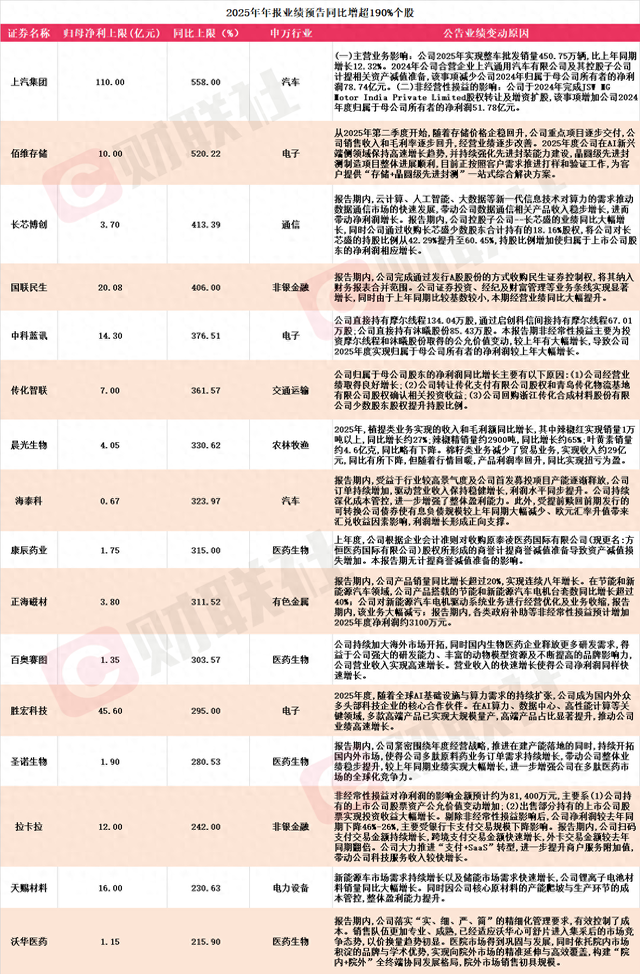
Core Viewpoint - The A-share annual report season is in full swing, with significant performance forecasts for 2025 from various companies, leading to notable stock price increases for several firms [1] Group 1: Performance Forecasts - A total of 366 A-share listed companies have released their 2025 annual performance forecasts, with 16 companies expecting a year-on-year net profit increase of over 200% [1] - SAIC Motor Corporation leads with an expected net profit increase of 438% to 558%, projecting a profit of 9 billion to 11 billion yuan due to increased vehicle sales and a low base from asset impairment in 2024 [2][3] - BAW Storage anticipates a net profit of 850 million to 1 billion yuan, representing a year-on-year growth of 427.19% to 520.22%, driven by a recovery in storage prices and strong demand in AI sectors [3] Group 2: Sector Highlights - Longxin Bochuang expects a net profit of 320 million to 370 million yuan, reflecting a growth of 344.01% to 413.39%, supported by increased demand in data communication markets [5] - Lakala forecasts a net profit of 1.06 billion to 1.2 billion yuan, a growth of 202% to 242%, attributed to increased transaction volumes in cross-border payments and stock investment gains [5] - Shanhua Pharmaceutical anticipates a net profit of 165 million to 194 million yuan, with a growth of 38.16% to 62.45%, driven by strong order volumes in both domestic and foreign markets [7] Group 3: Market Reactions - Following the performance forecasts, several companies experienced significant stock price increases, with Lakala and Shanhua Pharmaceutical both hitting the 20% daily limit up [1][5] - BAW Storage's stock rose over 17% after its earnings announcement, reflecting positive market sentiment towards its growth prospects in AI and advanced packaging solutions [3]





信达证券:涨价或是重要的景气主线
Xin Lang Cai Jing· 2026-01-18 07:29
Core Conclusion - The market's upward momentum has slowed down this week, with active trading funds causing turnover rates to spike, surpassing the high point of August 2025. The spring market is still in progress, and a period of sideways consolidation after excessive short-term trading is normal. Although there are indications of a short-term cooling in policy, the overall stance remains accommodative [1][5]. Market Trends - The market style is shifting, with thematic sentiment cooling and strong sectors returning to the prosperity line. In the liquidity bull market phase, the profit effect is spreading, and price increases are considered a key prosperity line. The current narrative around commodities is driven by de-globalization and supply chain restructuring, leading to a re-pricing of key resource products [1][5]. Commodity Price Dynamics - Long-term, commodity prices tend to move in tandem, even during periods of economic downturn, as seen from 1970 to 1980 when prices continued to rise until 1980. There is optimism for a new super cycle in commodity prices. In the short to medium term, the focus should be on supply constraints, with potential expansion from emerging industry demand to the recovery of traditional demand. Beneficiaries on both supply and demand sides include non-ferrous metals (precious metals, copper, aluminum, strategic metals, rare earths), new energy (new energy materials, power batteries), chemical products (phosphate chemicals, fluorine chemicals), and storage chips [1][3][6]. Supply and Demand Factors - The current commodity price cycle is primarily driven by supply chain security. On the supply side, the control of strategic resources is intensifying amid great power competition, leading to increased scarcity in key mineral sectors. On the demand side, real needs driven by the AI technology revolution, energy transition, and military spending are boosting demand for strategic metals like copper, aluminum, lithium, and rare earths. A weak dollar cycle may support the elevation of commodity price levels [2][6]. Price Movement Patterns - Historically, during a commodity price increase, there are price rotations among commodities due to their interdependencies and relationships within the supply chain. For instance, during the demand expansion-driven price increase from 2009 to 2011, copper led the rise, followed by crude oil and soybeans. In the supply constraint-driven price increase from 2016 to 2018, oil and black commodities rose first, with chemical products showing sustained price increases [2][6]. Future Outlook - There is a strong belief in the potential for a new super cycle in commodity prices. The focus for the current price increase should be on supply constraint elasticity, with expansion likely moving from emerging industry demand to the recovery of traditional demand. Key supply constraints include production capacity limits for critical resources like copper and rare earths, capacity restrictions driven by "anti-involution" policies, and supply shortages driven by high AI demand. Demand opportunities are expected to arise from the transition between new and old driving forces in sectors like new energy vehicles, photovoltaics, and AIDC [3][7].

“一天一个价”!内存条价格翻倍暴涨,“比金条涨得还快”,多品牌手机、电脑涨价,分析:今年可能涨得更凶!什么原因?
新浪财经· 2026-01-18 07:10
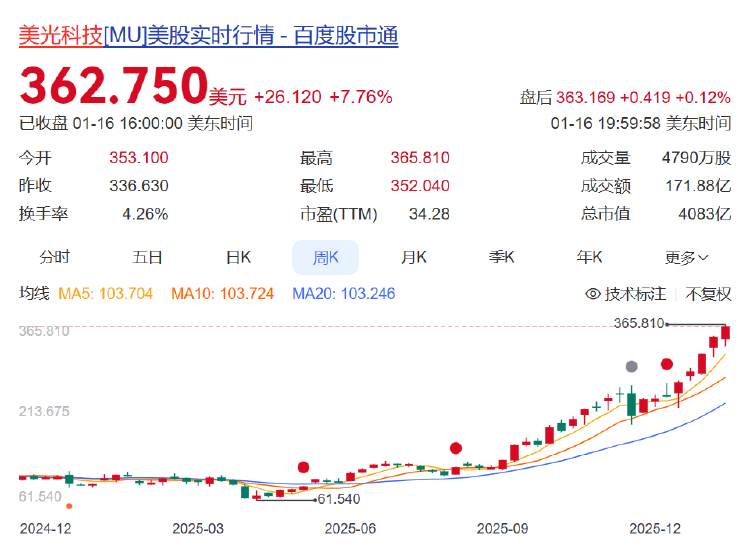
Core Viewpoint - The article highlights a significant surge in storage chip prices, particularly for memory and flash storage, driven by an explosion in demand due to AI applications. Prices for DDR5 memory have increased over 300%, while DDR4 has risen by more than 150% since September 2025 [2][10]. Price Trends - Storage chip prices have seen dramatic increases, with memory modules experiencing price hikes of 40 yuan daily. For instance, a 2TB hard drive's price rose from approximately 1000 yuan to 1500 yuan, and a specific memory module increased from 3000 yuan to 4500 yuan, reflecting a 50% rise [4][6]. - The overall cost of assembling a computer has increased by 25% within a month due to rising storage component prices [4]. Supply Chain and Procurement - Manufacturers are advising customers to procure storage products early, as prices are expected to rise by an additional 10%-15% in January 2026 [6]. - The volatility in prices has tightened supply chain transaction conditions, leading to uncertainty in future pricing [5][6]. Impact on Consumer Electronics - The price increases in storage components are affecting the pricing strategies of consumer electronics manufacturers, with major brands like Lenovo, Dell, and HP raising laptop prices by 500-1500 yuan. Similarly, smartphone prices have increased by 100-600 yuan [8]. - The reduction in promotional discounts on smartphones indicates a shift in pricing strategies due to increased component costs [8]. AI Demand and Market Dynamics - The surge in storage prices is primarily attributed to the skyrocketing demand for AI computing power, which has shifted the focus from computational capacity to storage capabilities [10][11]. - AI servers require 8-10 times more memory than standard servers, consuming 53% of global memory production capacity, which has led to a squeeze on consumer-grade memory availability [11]. Future Outlook - Analysts predict that the upward trend in storage prices will continue into 2026, driven by demand mismatches and technological shifts. The average selling price of server DRAM is expected to rise by 144% year-on-year [11]. - Major companies in the storage sector, such as Micron Technology, have seen their stock prices soar, with Micron's market value reaching $408.3 billion, reflecting a threefold increase in stock price over six months [12][13].


内存价格“涨疯”背后:智能汽车被AI“卡脖子”
经济观察报· 2026-01-18 05:54
Core Viewpoint - The automotive industry is facing a critical crisis due to soaring memory prices and supply shortages, which are significantly impacting the profitability and operational strategies of car manufacturers [2][4][8]. Group 1: Cost Pressures - The automotive sector is experiencing a crisis characterized by intertwined price surges and supply shortages, with memory prices being a major concern [4]. - The demand for memory in high-end smart vehicles has escalated from several GB to 64GB or even 256GB, with some approaching TB levels, making memory a crucial hardware component [4]. - The global DRAM market has entered a "super bull market," with some high-end products seeing price increases of several times within a year, potentially raising manufacturing costs by thousands of yuan per vehicle [4][8]. Group 2: Supply Chain Challenges - The automotive industry is at a disadvantage in the competition for memory resources against the AI sector, which has a higher profit margin and capital investment [7]. - The forecast of a storage chip supply satisfaction rate of less than 50% indicates that car manufacturers face not only high costs but also the risk of unavailability [5]. - The shift in production capacity towards high-bandwidth memory for AI applications has exacerbated the supply challenges for the automotive sector [7]. Group 3: Competitive Landscape and Strategic Responses - The memory crisis is reshaping the competitive landscape, with leading car manufacturers better positioned to absorb costs and secure supplies through long-term agreements [11]. - Companies with robust supply chain management are likely to demonstrate greater resilience, while those with weaker systems may struggle to maintain production stability [10][11]. - The crisis may force car manufacturers to adjust configurations, potentially leading to a slowdown in the advancement of smart vehicle technologies [11]. Group 4: Long-term Strategies - The automotive industry must proactively seek solutions to build a more resilient supply chain, including signing long-term supply agreements and accelerating the validation of domestic storage chips [13]. - Future competitiveness will rely more on the integration of software and hardware rather than solely on hardware specifications, pushing the industry towards optimizing algorithms and system architectures [13]. - Leading manufacturers may adopt vertical integration strategies similar to Tesla and BYD, investing in core components like chips to secure better supply chain positions [13].

策略周报:涨价或是重要的景气主线-20260118
Xinda Securities· 2026-01-18 05:52
Group 1 - The core conclusion indicates that the market's upward momentum has slowed, with trading funds remaining active, leading to a significant increase in turnover rates, surpassing the high point from August 2025 [3][9] - The report suggests that the spring market is still in progress, and a period of sideways consolidation following excessive short-term trading is normal, with policies indicating a temporary cooling but maintaining an overall loose tone [9][10] - The report emphasizes that in the liquidity bull market phase, price increases may be a significant theme, driven by the narrative of re-pricing key resources under the backdrop of de-globalization and supply chain restructuring [4][10] Group 2 - The report highlights that the long-term view remains optimistic about the potential for a new super cycle in commodity prices, despite short-term fluctuations [4][24] - It identifies that the current price cycle is primarily driven by supply chain security, with geopolitical tensions and trade conflicts enhancing the strategic value of resource commodities [10][24] - The report notes that both supply and demand sides benefit from the expansion of new energy vehicles, photovoltaic, and other emerging sectors, while traditional demand is recovering [24][25] Group 3 - The report outlines that the main drivers of the current price increase are supply constraints combined with demand shifts, with a focus on the elasticity of supply [24][32] - It mentions that the supply constraints include capacity limitations in key resources like copper and rare earths, as well as policies aimed at reducing excess capacity [24][32] - The report also points out that the demand side should focus on the expansion opportunities in new energy sectors, which are expected to drive growth [24][32] Group 4 - The report indicates that the market may continue to show strength in the near term, with potential volatility in January, but the overall downward risk is manageable [32][35] - It suggests that the liquidity environment is likely to remain favorable leading up to the Spring Festival, with the possibility of further capital inflows supporting market stability [32][35] - The report emphasizes the importance of monitoring regulatory changes and the speed of supply release as potential sources of market volatility [32][35]
计划扩产,全球存储芯片龙头大动作!科技巨头获南向资金大幅加仓(附名单)
Zheng Quan Shi Bao· 2026-01-18 05:27
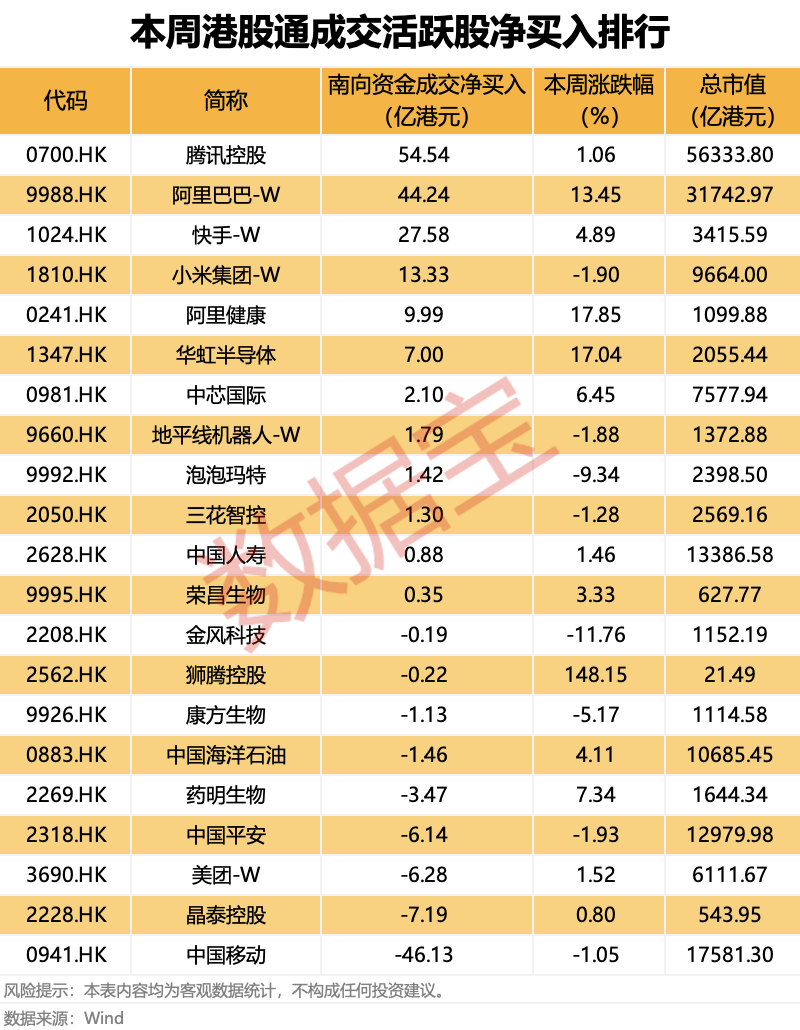
本周(1月12日至1月16日)南向资金合计成交净流入近90亿港元,多只大型科技股获明显加仓。 美光科技斥资18亿美元 收购力积电晶圆厂 1月17日,全球存储芯片巨头美光科技宣布与力积电签署独家意向书,以总价18亿美元现金收购力积电位于中国台湾铜锣的P5晶圆厂。此 意向书旨在建立美光与力积电在美光DRAM晶圆后段组装制程的长期合作关系,并协助力积电精进其既有利基型DRAM产品线。 美光表示,此次策略性收购现有前段制程无尘室,有助于美光提升产能,在需求持续超越供给的市场中更好地服务客户。美光预期,此 收购案将自2027年下半年起,为其DRAM晶圆产能带来显著贡献。 近期,美光科技扩产动作不断。当地时间1月16日,公司在纽约州奥农达加县总投资1000亿美元的巨型晶圆厂正式破土动工。美光表示, 该晶圆厂预计2030年开始生产,在十年内逐步扩大产能。 随着AI需求爆炸式增长,存储产业进入上行周期,全球存储龙头企业纷纷公布扩产计划,三星、SK海力士、美光三大DRAM原厂持续推 进工艺升级和产能扩张。 从行情上来看,成交活跃股本周涨多跌少,狮腾控股涨幅居首,一周累计上涨148.15 %;阿里健康、华虹半导体、阿里巴巴-W随 ...
美光,收购一家台湾晶圆厂
半导体行业观察· 2026-01-18 03:32
Core Viewpoint - Micron Technology has announced a strategic acquisition of Powerchip Semiconductor Manufacturing Corporation's P5 wafer fab in Taiwan for a total price of $1.8 billion, aiming to enhance its DRAM production capacity to meet the growing global demand for storage chips [1][2]. Group 1: Acquisition Details - The acquisition involves a cash payment of $1.8 billion (approximately NT$56.9 billion) for the P5 wafer fab located in Miaoli County, Taiwan, which is a 12-inch wafer facility with a cleanroom area of about 300,000 square feet [1]. - The transaction is expected to be completed by the second quarter of 2026, with significant DRAM capacity growth anticipated starting in the second half of 2027 [1][2]. - The proximity of the P5 fab to Micron's existing facility in Taichung is expected to enhance operational synergies [1]. Group 2: Strategic Importance - Micron's Executive Vice President, Manish Bhatia, emphasized that this acquisition will complement Micron's current operations in Taiwan and effectively increase production capacity to better serve customers in a market where demand exceeds supply [2]. - The P5 fab is set to focus on niche processes such as 55nm and 40nm, with an initial design capacity of approximately 40,000 to 50,000 wafers per month, although only about 8,000 wafers per month of related equipment have been deployed due to market conditions [2]. Group 3: Historical Context - Micron's expansion in the semiconductor industry has been closely tied to the Taiwanese market, having previously acquired Elpida in 2012 and later acquiring a controlling stake in Nanya Technology [3]. - The acquisition of Powerchip's P5 fab is seen as a response to the increasing demand driven by AI applications, highlighting Micron's urgent need to expand its production capacity [3].

“比金条涨得还快”,内存条价格暴涨,多品牌手机、电脑涨价
Mei Ri Jing Ji Xin Wen· 2026-01-18 01:55
Core Insights - The price of storage chips, particularly memory and flash memory, has surged dramatically since the second half of 2025, with prices for memory modules doubling or more, significantly outpacing gold prices [1] - The current market for storage has entered a "super bull market" phase, surpassing historical highs seen in 2018, driven primarily by the explosive demand from AI applications [1][8] Price Trends - Since September 2025, DDR5 memory prices have increased by over 300%, while DDR4 memory prices have risen by more than 150% [1] - In January 2026, a 2TB hard drive's price rose from approximately 1000 yuan to 1500 yuan, and a specific memory module increased from 3000 yuan to 4500 yuan, reflecting a 50% price hike [2] - The price of a specific 256GB DDR5 server memory module has seen multiple increases within ten days, rising from 38,999 yuan to 47,999 yuan, equivalent to the price of a new iPhone 17 Pro [2] Supply Chain and Procurement - The volatility in prices has led to tighter trading conditions in the supply chain, with manufacturers advising clients to procure supplies as soon as possible [3] - The demand for memory from AI servers is 8-10 times greater than that of regular servers, consuming 53% of global monthly memory production capacity [1][7] Impact on Consumer Electronics - The rising costs of storage components are affecting the pricing and availability of consumer electronics, with major brands like Lenovo, Dell, and HP increasing laptop prices by 500 to 1500 yuan [4] - Many smartphones are seeing a reduction in memory specifications, effectively increasing prices without changing the listed price [5] Future Outlook - Analysts predict that the current cycle of rising storage prices, driven by demand mismatches and technological shifts, may continue until late 2026 or even into 2027 [8] - Forecasts indicate that the average selling price (ASP) of server DRAM could rise by 144% year-on-year, with significant profit increases expected for major companies like Samsung and SK Hynix [8][10] - Micron Technology has reported stronger-than-expected financial results and is anticipated to benefit significantly from the ongoing supply shortages in storage chips [10]
业内人士:存储芯片涨价潮或将贯穿2026年
Xin Lang Cai Jing· 2026-01-18 00:57
格隆汇1月18日|据中国经营报,存储芯片涨价潮从2025年持续到2026年,目前还在上涨。查阅装机助 手小程序发现,多款内存最近90天价格飞升。以宏碁掠夺者32G(16G×2)DDR5 6000 PallasⅡ为例, 该款内存2025年10月30日前后价格还在1300元附近,但2026年1月14日就飙涨到2700元左右。相关报道 显示,近期谷歌、微软等美国企业正紧急派遣采购人员飞往首尔,不计成本地争夺日益紧缺的DRAM货 源。 本轮存储芯片涨价潮已经蔓延到产业链中游封测行业,同时,下游厂商持续承压,并出现一定分化。受 访人士皆认为,本轮存储芯片涨价并非简单的"周期反弹",涨价从去年延续至今年是周期因素与产业结 构升级共振的结果。对于存储芯片的未来价格走势,受访人士以及机构皆认为,2026年,存储芯片价格 将继续上涨,景气度至少延续到2026年上半年,市场对景气度持续到2026年之后的判断也在增多。 ...
半导体赛道,新进展!
Zhong Guo Zheng Quan Bao· 2026-01-18 00:17
Group 1: Financial Policies and Market Trends - The People's Bank of China and the National Financial Regulatory Administration announced that the minimum down payment ratio for commercial property loans is adjusted to no less than 30% [1] - The National Energy Administration reported that by 2025, China's total electricity consumption is expected to exceed 10 trillion kilowatt-hours, reaching 10.4 trillion kilowatt-hours, with a year-on-year growth of 5% [3] - The first industry electricity consumption reached 1,494 billion kilowatt-hours, growing by 9.9%, while the second industry consumed 66,366 billion kilowatt-hours, growing by 3.7% [3] Group 2: Technological Advancements - Researchers from Xi'an University of Electronic Science and Technology achieved a breakthrough in semiconductor materials, enhancing chip heat dissipation efficiency and overall performance by converting "island-like" connections into atomically flat "films" [2] - This research transforms aluminum nitride from a specific "adhesive" into a versatile "integrated platform," addressing global challenges in high-quality semiconductor material integration [2] Group 3: Company News - Micron Technology announced plans to acquire PSMC's P5 facility for $1.8 billion, which includes a 300,000 square foot cleanroom, to expand production capacity and meet growing demand for memory solutions [6] - The acquisition is expected to significantly increase Micron's DRAM wafer production starting in the second half of 2027 [6] - Zhongke Aerospace has completed its counseling work and is now in the acceptance phase for its IPO, marking a significant step for the commercial aerospace sector [7] Group 4: Industry Developments - The Ministry of Industry and Information Technology revised the management measures for cultivating high-quality small and medium-sized enterprises, now including technology-based SMEs in the cultivation scope [3] - The report indicates that the electric vehicle charging service industry and information transmission sectors have seen significant electricity consumption growth rates of 48.8% and 17.0%, respectively [3]