美妆

Search documents
2026 数字经济助力文旅融合新业态创新交流会举办
Xin Lang Cai Jing· 2026-01-05 04:16
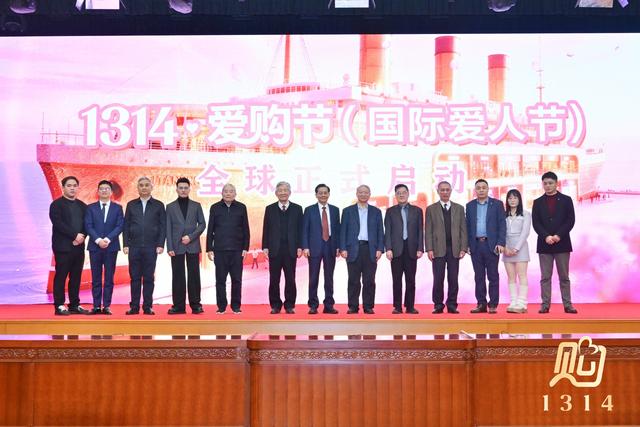
Core Insights - The "2026 Digital Economy Empowering Cultural Tourism Integration New Business Model Innovation Exchange Conference" was successfully held, focusing on the theme of "Enhancing New Quality Consumption and Innovative Business Scenarios" to explore the integration of "Digital Intelligence + Cultural Tourism + Emotional Consumption" for high-quality development in the cultural tourism industry [1][4] - The conference launched the International Lover's Day (1314 Love Shopping Festival), establishing a cultural milestone on January 3rd and 4th at 13:14, aiming to create a new model of "online intelligent consumption + offline immersive cultural tourism" [1][4] Group 1 - Experts discussed the transition of consumption from "material satisfaction" to "emotional resonance," highlighting the importance of emotional consumption in the current market [3] - The integration of digital economy and technology empowerment is emphasized as a key factor for upgrading cultural tourism business models [3] - Strategic partnerships were formed between Beijing 1314 Technology Co., Love Shopping Festival (Beijing) International Business Group, and various brands across food, beauty, and technology sectors, aiming to create a cross-industry integrated ecosystem [3] Group 2 - The 1314 Love Shopping Festival emotional IP aims to meet consumers' spiritual needs through emotional connections while optimizing cultural tourism consumption experiences with digital technology [4] - The conference served as a collaborative innovation platform for government, enterprises, and research institutions, promoting the integration of emotional IP with the cultural tourism industry [6] - The emotional anchor and technological engine of this new paradigm in cultural tourism are expected to continuously release consumption potential and contribute to high-quality economic development [6]

林清轩上市!
Sou Hu Cai Jing· 2026-01-05 04:12
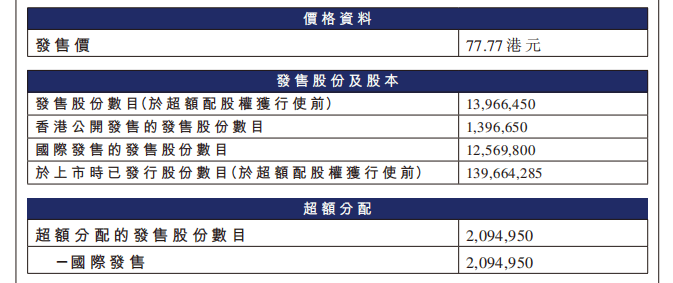
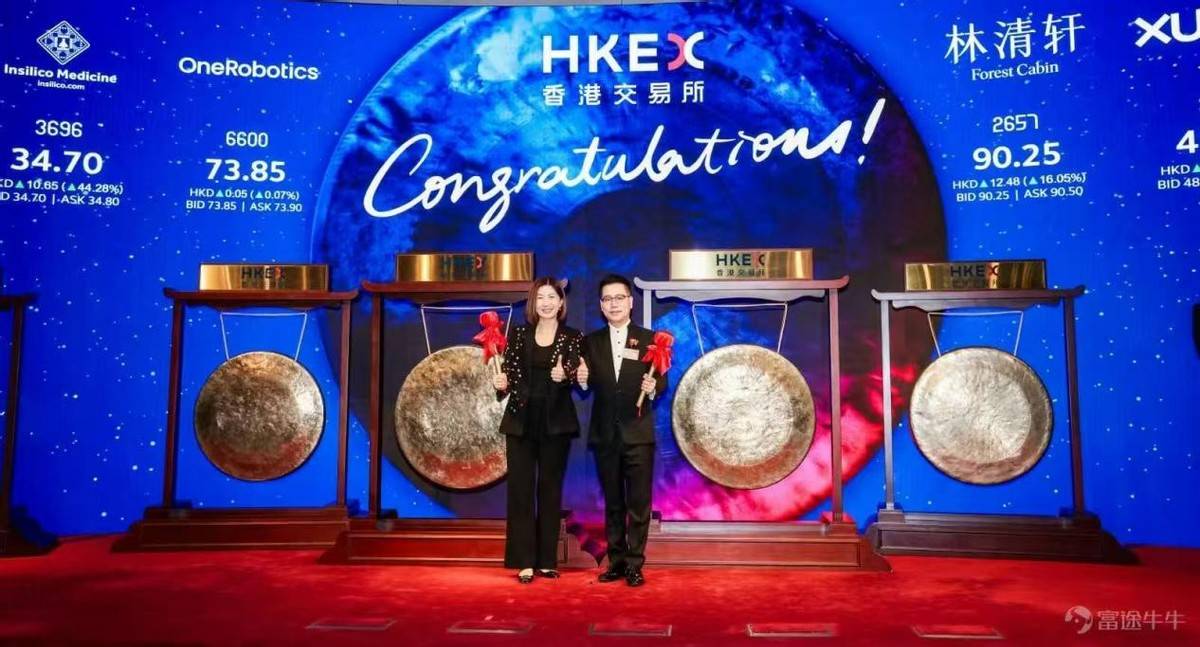
Core Viewpoint - Lin Qingxuan officially listed on the Hong Kong Stock Exchange on December 30, 2025, with a market capitalization exceeding HKD 12 billion, marking a significant milestone in its multi-brand and global expansion strategy [1][3][9]. Summary by Sections Company Overview - Lin Qingxuan, founded in 2003, established its cosmetics factory in Shanghai in 2013 and gained market recognition with its first product, camellia oil, launched in 2014 [3][6]. - The company has maintained its position as the top-selling facial oil brand in China for 11 consecutive years since 2014, with cumulative sales exceeding 50 million bottles [3][4]. Financial Performance - Revenue growth from 2022 to 2024 shows an increase from RMB 691.15 million to RMB 1.21 billion, with a compound annual growth rate (CAGR) of 32.3% [4][5]. - In the first half of 2025, revenue surged by 98.3% year-on-year to RMB 1.05 billion, nearing the full-year net profit of RMB 1.87 billion from 2024 [4][5]. Market Position - Lin Qingxuan ranks first among high-end domestic skincare brands in China and is the only domestic brand in the top 15 high-end skincare brands, including international competitors [3][4]. - The domestic facial oil market is projected to reach RMB 5.3 billion in 2024, with Lin Qingxuan's facial oil revenue growing from RMB 218 million in 2022 to RMB 448 million in 2024 [5][6]. IPO Details - The company issued 13,966,450 shares at an offer price of HKD 77.77 per share, raising approximately HKD 1.086 billion [2][7]. - Key cornerstone investors include Fidelity International and Mega Prime, collectively subscribing to about USD 62 million [7][8]. Brand Strategy and Development - Lin Qingxuan has developed a robust online and offline sales strategy, with over 95% of its 554 stores located in shopping malls as of June 30, 2025 [13][16]. - The company has introduced two new brands, Xiaoxinxuan and Huaiyizhuang, targeting younger consumers and community beauty services, respectively [16]. Research and Innovation - Lin Qingxuan has over 500 formula achievements and 86 patents, focusing on key areas such as camellia oil extraction and anti-wrinkle technology [13][14]. - The company plans to increase investment in research and development, particularly in dermatology and plant science, to enhance its product offerings [14][16].
宇树科技回应“上市绿色通道被叫停”;苹果回应国行版AI上线;段永平再晒部分苹果持仓,累计收益率超16倍;巴菲特退休后最新发声丨邦早报
创业邦· 2026-01-05 00:10
Group 1 - Yushu Technology clarifies that it has not applied for the "green channel" for IPO and that its listing work is progressing normally [2][3] - Apple has initiated a gray test for its "Apple Intelligence and Siri" feature on some domestic devices, with feedback suggesting the AI responses are based on existing Baidu answers [2][3] - Warren Buffett, after retiring, expressed confidence in the new CEO Greg Abel, stating that the company is likely to continue operating for another 100 years [3] Group 2 - Investor Duan Yongping revealed a cumulative return of 1623.48% on his Apple stock investments, amounting to approximately $34.26 million [3] - Meituan has had 3.25 million shares frozen due to a court order, with the freeze lasting for three years [4] - The control struggle at Double Star Celebrity Group has intensified, with founder Wang Hai publicly severing ties with his son and daughter-in-law [5] Group 3 - XPeng's Vice President Chen Yonghai has left the company, with President Wang Fengying temporarily taking over his responsibilities [7] - Romaishi has initiated a restructuring plan called "Rebirth Plan," aiming to complete funding and restructuring by Q1 2026 [8] - GAC Honda has completed the acquisition of Dongfeng Honda Engine Company, changing its name to GAC Honda Engine Company [8] Group 4 - Filorga, a well-known beauty brand, announced the closure of its official flagship store due to strategic adjustments, with the store set to cease operations on January 31, 2026 [8] - Tesla's restaurant has seen a significant drop in customer traffic and the departure of its celebrity chef within six months of opening [8] - The domestic tourism market during the New Year's holiday saw 142 million trips, with total spending reaching 84.79 billion yuan [23] Group 5 - China's automobile exports to Venezuela increased by 130% in 2025, with a total of 17,099 vehicles exported [24] - In November 2025, China's automobile exports reached 818,000 units, a year-on-year increase of 49.2% [24]

“开放的中国将继续为世界提供重要机遇”——外资企业坚定在华长期发展信心
Ren Min Ri Bao· 2026-01-04 22:24
Group 1 - In 2025, China's economy is expected to maintain a stable, advancing, and resilient pattern, boosting global economic confidence as foreign enterprises continue to invest in the Chinese market [1][2] - The number of newly established foreign-invested enterprises in China reached 61,207 in the first 11 months of 2025, marking a year-on-year increase of 16.9%, with November alone seeing 7,425 new enterprises, a 35.3% increase [2] - A report by KPMG indicates that 94% of multinational companies surveyed plan to continue investing in China, reflecting a more optimistic outlook compared to the global economy [2] Group 2 - Significant foreign investments include Bosch's commitment of 10 billion RMB to an intelligent driving control project in Suzhou and Danfoss's 2.7 billion RMB investment in a future factory in Zhejiang [2] - The establishment of the Hainan Free Trade Port is expected to create a more open trade environment, enhancing international competitiveness for companies like Charoen Pokphand Group, which has invested 2 billion RMB in the region [3] - In the first 11 months of 2025, foreign investment in high-tech industries such as e-commerce services, medical equipment manufacturing, and aerospace manufacturing grew by 127%, 46.5%, and 41.9% respectively, indicating a shift towards high-tech sectors [3] Group 3 - Schneider Electric's Shanghai factory has improved production efficiency by 82% and reduced order delivery time by 67% through the integration of AI technologies, highlighting China's role as a global hub for AI innovation [4] - Qualcomm's Snapdragon Summit marked its first event in China, emphasizing the importance of AI and connectivity in driving technological advancements and industry collaboration [5] - Philips has established a comprehensive manufacturing base in Suzhou, underscoring China's significance as a key hub for global innovation and manufacturing [5] Group 4 - The Chinese government is implementing measures to boost domestic consumption, which is expected to unlock significant potential in the service sector, creating a more favorable environment for foreign enterprises [6][7] - L'Oréal's investment in a local skincare brand reflects confidence in China's market, with the company emphasizing the importance of long-term commitment to meet consumer expectations [6] - Panasonic's global vice president noted that China's policies to expand market access and enhance domestic demand will create a more transparent and predictable business environment for foreign companies [7]
贝美国际5.0智造工厂在珠海投产,打造中国美业智造新标杆
Nan Fang Du Shi Bao· 2026-01-04 11:06
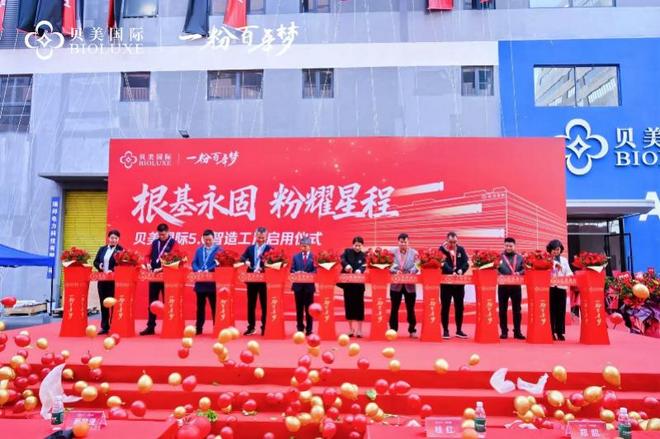
Core Insights - Beimei International has officially launched its 5.0 Intelligent Manufacturing Factory in Zhuhai, aiming to enhance product capability and production capacity through smart manufacturing upgrades [1][3] - The factory embodies Beimei's commitment to its "solid foundation" philosophy, focusing on technological advancements in skincare product research and manufacturing [3] - The factory integrates a BPS management system for full traceability from raw materials to finished products, emphasizing quality and creating an ecosystem for industry partners [5] Group 1 - The 5.0 Intelligent Manufacturing Factory is designed to be a "new heart" of the company, combining forward-looking research, intelligent manufacturing, and smart operations [1] - Beimei's Chairman, Cai Jingxian, highlighted the factory's role in providing exceptional beauty products to global partners and consumers [3] - Experts from various fields acknowledged the factory's strategic significance in research transformation and its contribution to high-quality development in the beauty industry [3] Group 2 - The factory's production lines and cutting-edge biotechnology research center represent not just an upgrade in capacity but also a commitment to quality as a core principle [5] - Beimei's leadership emphasized the importance of innovation and quality in responding to industry demands, aiming to set a benchmark for the beauty industry [7] - The company plans to continue its journey in the beauty industry with a focus on innovation and smart manufacturing, showcasing China's capabilities in the global beauty market [7]
天猫年货节开启,1月4日起现货开售
Xin Lang Cai Jing· 2026-01-04 03:25
Group 1 - Tmall's New Year Goods Festival has officially started, offering discounts starting from 12% off and additional coupons for consumers [1][2] - Consumers can receive up to 3,421 yuan in category coupons for industries such as beauty, apparel, 3C digital products, and outdoor sports [1] - The first wave of 88VIP coupons includes three tiers: 25 yuan off for purchases over 200 yuan, 60 yuan off for purchases over 480 yuan, and 200 yuan off for purchases over 2,000 yuan [1] Group 2 - A new round of national subsidies has begun, allowing major appliances like air conditioners, televisions, washing machines, refrigerators, and water heaters to be available at up to 50% off [2] - The category of national subsidies has expanded to include AI glasses, which experienced explosive growth on Tmall last year, with transaction volume increasing over 15 times year-on-year as of now [2]
2025美妆行业转型:胜者愈胜,弱者重组
3 6 Ke· 2026-01-04 03:22
Core Insights - The global beauty industry is entering a transformation phase, with average growth slowing from 7% (2022-2024) to 5% (2025-2030), indicating a shift towards a more complex and segmented market focused on high-end and fragrance products [1][3][25]. Group 1: Major Corporate Movements - L'Oréal's acquisition of Kering's high-end beauty business for €4 billion is a significant event, expanding L'Oréal's presence in the luxury beauty and fragrance market while allowing Kering to focus on its core fashion business [1][5][11]. - L'Oréal has been active in the beauty capital market with six major global transactions this year, including acquisitions and minority investments, enhancing its portfolio in high-end and trendy markets [5][6][7][11]. - Estée Lauder is undergoing a restructuring plan to focus on high-end fragrances, with a new innovation center in Paris aimed at improving efficiency and product development [12][14]. Group 2: Market Trends and Dynamics - The beauty industry is witnessing a shift from product competition to capital and licensing restructuring, with leading groups focusing on mergers and acquisitions to strengthen their positions in luxury fragrances and high-end segments [3][4][25]. - The rise of domestic brands in China, such as Perfect Diary and Huaxizi, is attributed to the growing interest from Gen Z consumers and effective online marketing strategies, leading to a 10.1% year-on-year growth in the beauty market [18][19][25]. - The trend towards high-end and fragrance products is becoming a growth highlight, with luxury fragrances showing nearly 10% business growth, indicating consumers' willingness to pay for premium beauty experiences [26][29]. Group 3: Strategic Adjustments by Companies - Shiseido is implementing a two-year action plan to rebuild profits through cost-cutting and operational efficiency, successfully turning a previous loss into a profit in its latest financial report [14][15]. - Coty faces significant risks due to the impending expiration of its Gucci licensing agreement in 2028, prompting a strategic review and a focus on fragrance business growth [15][25]. - Consumer goods giants like Unilever and Procter & Gamble are steadily expanding their beauty and personal care segments, with Unilever acquiring several natural and functional brands to enhance its portfolio [17][25]. Group 4: Future Industry Trends - The beauty industry is expected to see continued acceleration in mergers and asset restructuring, with both global giants and local brands adapting to market fluctuations [25][26]. - Digitalization and technological advancements are becoming key competitive factors, with brands leveraging AI and online channels to enhance customer engagement and product offerings [27][29]. - The overall transformation in the beauty industry is characterized by a focus on high-end products, technological innovation, and global expansion, with domestic brands poised to lead in the international market [25][29].


巷纳万象 古今韵味“最杭州”
Xin Hua Wang· 2026-01-04 02:15
Core Viewpoint - The article discusses the urban renewal and cultural revitalization efforts in Hangzhou's historical districts, focusing on the integration of traditional culture with modern urban life, enhancing both the aesthetic and functional aspects of the neighborhoods [1][2][6]. Group 1: Urban Renewal Projects - The urban renewal project in the historical district of Hangzhou aims to enhance the overall protection and utilization of cultural heritage, with over 100 historical streets undergoing transformation [1]. - The renovation of the 23rd Lane, covering an area of 460,000 square meters, has a total investment of 184 million yuan, with the project set to start in May 2024 [2]. - Specific improvements include the renovation of 117,800 square meters of facades and 128,700 square meters of roofs, addressing issues like leaks and structural safety [3]. Group 2: Cultural Integration - The project emphasizes the importance of cultural heritage, with efforts to document and revive local history through collaboration with cultural experts and institutions [3][4]. - New cultural elements, such as the recreation of historical signage and the integration of local poetry into public spaces, are being introduced to enhance the cultural ambiance [5]. - The initiative aims to create a unique identity for each street, reflecting its historical significance and cultural stories [3]. Group 3: Economic Development - The revitalization efforts are also focused on boosting local commerce, with the introduction of diverse business models and the enhancement of existing commercial spaces [6][7]. - The Dajing Lane has seen a significant increase in property usage rates from 60% to 95%, generating annual revenues exceeding 50 million yuan, with 40% of this from cultural activities [7]. - The integration of traditional and modern business practices aims to create a vibrant economic ecosystem that attracts both residents and tourists [6][8]. Group 4: Community Engagement - The urban renewal strategy includes community involvement through the establishment of neighborhood councils to address local needs and enhance social cohesion [8]. - Initiatives to balance the interests of residents, businesses, and tourists are being implemented to ensure sustainable development [8]. - The overall visitor growth in the area has averaged 13.3% annually, indicating the success of these community-driven efforts [8]. Group 5: Future Prospects - The ongoing projects in the Qiantang Smart City aim to create a new industrial ecosystem, with a focus on digital energy and sustainable development [10][11]. - The expected growth in the digital energy, digital fashion, and smart IoT industries is projected to reach 300 billion yuan by 2030, showcasing the long-term vision for urban and industrial development [10][11].
毛利率82.5%,类目第一卖家上市了
Sou Hu Cai Jing· 2026-01-02 08:42
Core Viewpoint - Lin Qingxuan, a Chinese cosmetics brand, successfully listed on the Hong Kong Stock Exchange, achieving a market value exceeding HKD 10 billion shortly after its debut, showcasing its "high margin + high growth" strategy in the capital market [2] Financial Performance - Lin Qingxuan's revenue grew from CNY 6.91 billion in 2022 to CNY 12.10 billion in 2024, with a compound annual growth rate (CAGR) of 32.3% [8] - The company achieved a net profit of CNY 1.87 billion in 2024, marking a significant turnaround from previous losses [8] - The gross margin increased from 78.5% in 2022 to 82.5% in 2024, surpassing both domestic and international competitors [3][8] Product Strategy - Lin Qingxuan's flagship product, the Camellia Oil Essence, has maintained the top sales position in its category for 11 consecutive years, with cumulative sales exceeding 45 million bottles [7] - The brand has adopted a high-end pricing strategy, with core product prices ranging from CNY 200 to over CNY 1,000, directly competing with international brands [6][7] Market Positioning - The brand has successfully differentiated itself by focusing on a niche category of oil-based skincare, which was previously considered a minor segment in the market [5] - Lin Qingxuan's marketing strategy emphasizes a high-end image, with over 95% of its stores located in premium shopping malls, enhancing its brand perception [8] Marketing and Sales Channels - The company employs an OMO (Online-Merge-Offline) model, with over 65.4% of its revenue coming from online sales, while maintaining a strong offline presence [8] - Lin Qingxuan's marketing expenditure significantly outweighs its research and development (R&D) investment, raising concerns about the sustainability of its high-end positioning [10][11] Challenges and Risks - The brand faces structural pressures, including a heavy reliance on a single product, the Camellia Oil Essence, which accounted for 45.5% of total revenue in the first half of 2025 [12] - Lin Qingxuan's R&D investment is relatively low compared to international competitors, with a R&D expense ratio of only 2.5% in 2024, which may impact its long-term competitiveness [10][11] Industry Context - The high-end skincare market in China is predominantly controlled by foreign brands, with international players holding 66.1% of the market share among the top 15 brands [13] - The rise of domestic brands like Lin Qingxuan reflects a broader trend of Chinese cosmetics brands seeking to redefine their value proposition and challenge the dominance of foreign giants [14][18]
抖音美妆或突破2300亿!
Xin Lang Cai Jing· 2025-12-31 05:19
Core Insights - The Douyin beauty sector showed strong performance in 2025, with GMV exceeding 210 billion yuan from January to November, representing a year-on-year growth of over 22% [2][29] - The total GMV for Douyin beauty is expected to surpass 230 billion yuan for the entire year, solidifying its position as a significant player in the e-commerce landscape [2][29] Category & Product - Color cosmetics led the growth, with GMV for color cosmetics, perfumes, and beauty tools reaching approximately 58 billion yuan, a year-on-year increase of 24.8% [30][31] - Five Douyin brands entered the top 10 in color cosmetics, with TILOWE winning the annual top spot, surpassing established brands like YSL and Mao Ge Ping [31] - New entrants like "Hua Jian Song" disrupted the powder market, ending the dominance of Fang Li, with expectations to reach 1 billion yuan in GMV [33] - Multiple subcategories saw new brands claiming top positions, including skincare and men's grooming, with brands like Xiu Ke Fu and Su Shuo Mei Li achieving rapid growth [33][36] Brand & Marketing - The rise of "white label" brands, leveraging founder IP for sales, has become a notable trend, with brands like Mei Shi achieving over 1.5 billion yuan in GMV [39][41] - The pharmaceutical company Sanjing Pharmaceutical experienced explosive growth, achieving over 500 million yuan in GMV through strategic partnerships and effective supply chain management [43] - Influencer marketing remains crucial for both new and established brands, with notable cases of influencers driving significant sales for brands like VEIRFOO and Bai Que Ling [44][46] - Domestic brands like Lin Qing Xuan and Yi Xian E-commerce have successfully transitioned to high-end markets, with Lin Qing Xuan's revenue growing by 98.3% year-on-year [47] Trends & Future Outlook - The competitive landscape in Douyin beauty is evolving, with a shift from merely gaining traffic to demonstrating comprehensive brand capabilities [50][51] - Future competition will focus on overall performance rather than singular successes, requiring brands to excel in product development, supply chain stability, and customer retention [52] - Brands must either establish themselves as experts in specific niches or build emotional connections with consumers to succeed in the changing market dynamics [54][55] - The Douyin beauty sector is entering a new phase of competition, emphasizing the importance of sustained brand strength and consumer trust [56]