茶饮

Search documents
木薯突然爆火,古茗、沪上阿姨、煲珠公都在“抢上新”!
东京烘焙职业人· 2025-12-19 08:34
Core Viewpoint - The article discusses the rapid rise of cassava as a trending ingredient in the beverage industry, particularly in tea and milk tea shops, highlighting its popularity and the reasons behind its sudden fame [5][18][30]. Group 1: Rise of Cassava in the Beverage Industry - Cassava has transformed from a niche ingredient to a mainstream favorite, with brands like 麦记牛奶公司 (Mackey Milk) reporting that their "Cassava Grand Slam" product accounts for 30% of sales [7][21]. - The popularity of cassava is evidenced by over 200 million views on social media related to the ingredient, indicating a significant consumer interest [13][18]. - Major tea brands such as 古茗 (Guming) and 沪上阿姨 (Hushang Ayi) have launched new cassava products, contributing to its rising trend [9][10][12]. Group 2: Unique Qualities of Cassava - Cassava is traditionally a core ingredient in winter desserts in the Guangdong region, known for its sweet and dense texture, which has now gained national attention through various beverage brands [18][21]. - The unique texture of cassava, which combines chewiness and elasticity, sets it apart from other common winter ingredients, making it a memorable experience for consumers [23][25]. - The yellow heart cassava variety, used in many new products, is noted for its superior texture and sweetness compared to the more common white cassava [25][30]. Group 3: Versatility and Application - Cassava's adaptability allows it to be used in various beverage contexts, including as a core ingredient in milk tea and desserts, enhancing the flavor profile of drinks [27][30]. - Brands are experimenting with cassava in different formats, such as slow-cooked desserts and milk tea combinations, showcasing its versatility and appeal [29][30]. - The ingredient's ability to enhance the taste and texture of beverages provides a new avenue for product development in the winter beverage market [30][37]. Group 4: Challenges and Future Outlook - Despite its popularity, the supply chain for cassava faces challenges, including quality variability and limited availability, which may affect large-scale product launches [35][37]. - The industry is cautious about cassava's long-term status as a staple ingredient, as its future depends on supply chain stability and operational standardization in stores [37]. - Cassava has opened new flavor possibilities in the beverage market, indicating its potential to become a mainstay in the industry [38].


2025年职场红利盘点:在这些赛道里,捡回“上行”信心(全文版)
3 6 Ke· 2025-12-19 06:47
Group 1 - The article discusses the impact of AI on the workplace, highlighting both the potential benefits and the challenges faced by employees as AI technologies evolve [2][3] - It notes that many companies are still hesitant to invest in employer branding, focusing instead on product performance and financial results, which diminishes the importance of employee relations [3] - The trend of seeking "versatile talents" in job descriptions is increasing, while the concept of "one-person companies" emerges as a response to workforce reductions, raising questions about the value of teamwork [3] Group 2 - The article reflects on the struggles of an AI startup team, emphasizing the challenges of navigating the AI landscape and the impact of rising price sensitivity among consumers [3][4] - It mentions the organization of various events, including AI talent salons and recruitment fairs, aimed at fostering community and industry engagement [4] - The publication aims to maintain high content standards and neutrality while exploring monetization strategies through paid content, indicating a shift in the media landscape [4] Group 3 - The article presents a list of the top 50 employers in the workplace bonus category, showcasing companies that have excelled in employer branding and employee engagement [8][15] - It highlights the importance of adapting to changing market demands and the emergence of new job roles in sectors like IP management and overseas market promotion due to the globalization of brands [11] - The narrative emphasizes the need for companies to innovate and adapt to the evolving economic landscape, particularly in the context of AI and automation [11]

股价持续调整,港股“新消费三姐妹”怎么了?“流量”和“故事”降温,如何从“网红”变“长红”?
Zheng Quan Shi Bao· 2025-12-19 04:55
Core Viewpoint - The Hong Kong stock market's new consumption sector, represented by the "new consumption trio" of Pop Mart, Lao Pu Gold, and Mixue Group, has experienced significant price corrections due to previous overvaluations and market scrutiny of their business models [1][2][3] Group 1: Market Performance and Valuation - The "new consumption trio" saw stock price declines of 43%, 39%, and 35% from their peak values as of December 18 [1] - High valuations were noted, with Lao Pu Gold's dynamic P/E ratio exceeding 142 times and Pop Mart reaching 113 times, compared to Disney and LVMH's P/E ratios of 20-40 times and 20 times, respectively [2] - The market's correction is attributed to a reassessment of valuation bubbles and skepticism regarding the sustainability of their business models [2][3] Group 2: Consumer Behavior and Economic Environment - Increased global economic uncertainty has led to a decline in consumer confidence and spending power, particularly affecting non-essential goods [3] - Consumers are becoming more cautious, prioritizing cost-effectiveness, which poses challenges for brands like Pop Mart and Lao Pu Gold that target trend-driven and mid-to-high-end markets [3] - The competitive landscape for Mixue Group in the tea beverage market is intensifying, with risks of market share dilution due to easily replicable business models [3] Group 3: Growth Strategies and Future Outlook - Despite stock price declines, the fundamentals of the "new consumption trio" remain strong, with Mixue Group reporting a revenue growth of 39.3% and a net profit increase of 44.1% in the first half of the year [4] - The companies are focusing on creating a "second growth curve" through international expansion, supply chain innovation, and brand value enhancement [4][5] - Mixue Group's coffee brand, Lucky Coffee, has surpassed 10,000 global stores, indicating rapid market penetration for affordable coffee in China [4][5] Group 4: Brand and Cultural Strategy - The "new consumption trio" is urged to transition from a focus on products to building brand culture and emotional connections with consumers [7][8] - Companies are encouraged to innovate continuously across product development, marketing, and service models to maintain competitiveness [8] - Strong supply chain management is essential for enhancing operational efficiency and product quality, which will bolster resilience against market fluctuations [8]

深度丨股价持续调整,港股“新消费三姐妹”怎么了?“流量”和“故事”降温,如何从“网红”变“长红”?
证券时报· 2025-12-19 04:53
Core Viewpoint - The Hong Kong stock market's new consumption sector, represented by the "New Consumption Three Sisters" (Pop Mart, Lao Pu Gold, and Mixue Group), has experienced significant adjustments due to a correction of previously high valuations and a deep examination of the sustainability of their business models [1][3][4]. Group 1: Market Adjustment and Valuation - The "New Consumption Three Sisters" saw stock price declines of 43%, 39%, and 35% from their peak prices as of December 18 [1]. - High valuations were evident earlier this year, with Lao Pu Gold's dynamic P/E ratio exceeding 142 times and Pop Mart reaching 113 times, compared to Disney and LVMH's P/E ratios of around 20-40 times [3]. - The market's skepticism regarding the sustainability of these companies' business models has led to a significant reduction in holdings by major funds during the third quarter [3][4]. Group 2: Business Model Challenges - Pop Mart's reliance on IP and its focus on young consumers face challenges as the popularity of its LABUBU product wanes, indicating difficulties in sustaining single-hit products [3]. - Lao Pu Gold's positioning towards high-income consumers is hindered by high gold prices, creating a conflict between its premium positioning and consumer demand [3]. - Mixue Group is struggling with balancing expansion and profitability in a highly competitive tea beverage market [4]. Group 3: Growth Strategies - Despite stock price declines, the fundamentals of the "New Consumption Three Sisters" remain strong, with Mixue Group reporting a 39.3% revenue growth and a 44.1% net profit increase in the first half of the year [6]. - The companies are actively pursuing a "second growth curve" through international expansion, supply chain innovation, and brand value enhancement [6][7]. - Mixue Group's coffee brand, Lucky Coffee, has surpassed 10,000 global stores, indicating rapid market penetration for affordable coffee in China [6][7]. Group 4: Cultural and Brand Development - The new consumption companies are transitioning from a focus on "traffic selling" to establishing cultural and brand significance, which is essential for long-term sustainability [8][10]. - To compete with international giants like Disney, these companies need to evolve in three dimensions: enhancing value through cultural narratives, building a robust ecosystem beyond single products, and fostering deep trust with consumers [10][11]. - Strong brand culture and continuous innovation are critical for these companies to navigate market cycles and maintain competitiveness [11].

你嫌弃的外卖袋,成了非洲最流行的时尚单品
3 6 Ke· 2025-12-19 02:06
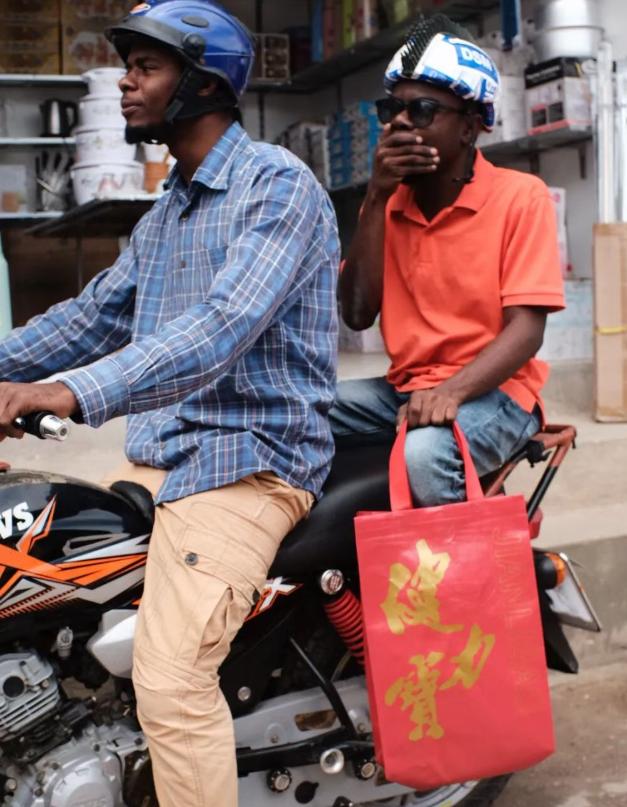
Group 1 - The article highlights the growing presence of Chinese brands and products in Africa, particularly through the use of recognizable takeaway bags that have become popular among local residents [3][6][10] - Brands like "霸王茶姬" and "曼玲粥店" have not yet established physical stores in Africa, but their takeaway bags are already familiar to the local population, indicating a strong brand recognition [3][6] - The demand for reusable bags in Africa has surged due to strict regulations against single-use plastic bags, with 34 African countries implementing punitive measures against plastic bag usage by 2019 [19][21] Group 2 - The Chinese non-woven fabric industry has seen significant growth, with a production capacity of 8.56 million tons in 2024, accounting for 60% of global capacity [36] - The cost of Chinese non-woven fabric is notably lower than that of similar products from other countries, with an export price of $2.92 per kilogram compared to higher prices from Taiwan, Turkey, and Germany [36] - China's robust petrochemical industry, which has developed through strategic investments and technological advancements, supports the production of non-woven fabrics, making them both affordable and high-quality [42][50]
港股“新消费三姐妹”股价持续调整 多元增长能力将成为估值修复基石
Zheng Quan Shi Bao· 2025-12-18 18:08
Core Viewpoint - The new consumption sector in Hong Kong, represented by the "new consumption three sisters" (Pop Mart, Laopuhuang, and Mixue Group), has experienced significant stock price declines, indicating a market correction of previously high valuations and a reassessment of the sustainability of their business models [1][2][3] Group 1: Market Performance and Valuation - The "new consumption three sisters" saw stock price drops of 43%, 39%, and 35% from their peak values as of December 18 [1] - High valuations were noted earlier in the year, with Laopuhuang's dynamic P/E ratio exceeding 142 times and Pop Mart reaching 113 times, compared to Disney's 20-40 times and LVMH's around 20 times [2] - The market correction was driven by a concentration of funds exiting the sector, as many funds significantly reduced their holdings in these stocks during the third quarter [2] Group 2: Business Model Challenges - Experts indicate that the stock price declines stem from market skepticism regarding valuation bubbles and the viability of business models [2] - Pop Mart's reliance on youth and IP is questioned due to declining interest in its flagship products, while Laopuhuang faces demand contradictions due to high gold prices affecting middle-class consumers [2] - Mixue Group is challenged by intense competition in the tea beverage market, with its business model being easily replicable, leading to potential market share dilution [3] Group 3: Growth Strategies - Despite stock price declines, the fundamentals of the "new consumption three sisters" remain strong, with Mixue Group reporting a 39.3% revenue growth and a 44.1% net profit increase in the first half of the year [4] - The companies are actively pursuing a "second growth curve" through international expansion, supply chain innovation, and brand value enhancement [4] - Mixue Group's coffee brand has surpassed 10,000 global stores, indicating rapid market penetration for affordable coffee in China [4] Group 4: Long-term Transformation - The current market correction serves as a "stress test" for the growth logic of the "new consumption three sisters," necessitating a shift from being trend-driven to building brand equity [7] - Recommendations for transformation include elevating value from product sales to cultural storytelling, creating a robust ecosystem beyond single product reliance, and fostering deep trust with consumers [7][8] - Strong brand culture and continuous innovation in product development and supply chain management are essential for sustaining competitiveness in the rapidly changing new consumption sector [8]

砸40万开店月亏上万,餐饮创业这个坑,很多人都踩过……
Sou Hu Cai Jing· 2025-12-18 14:18
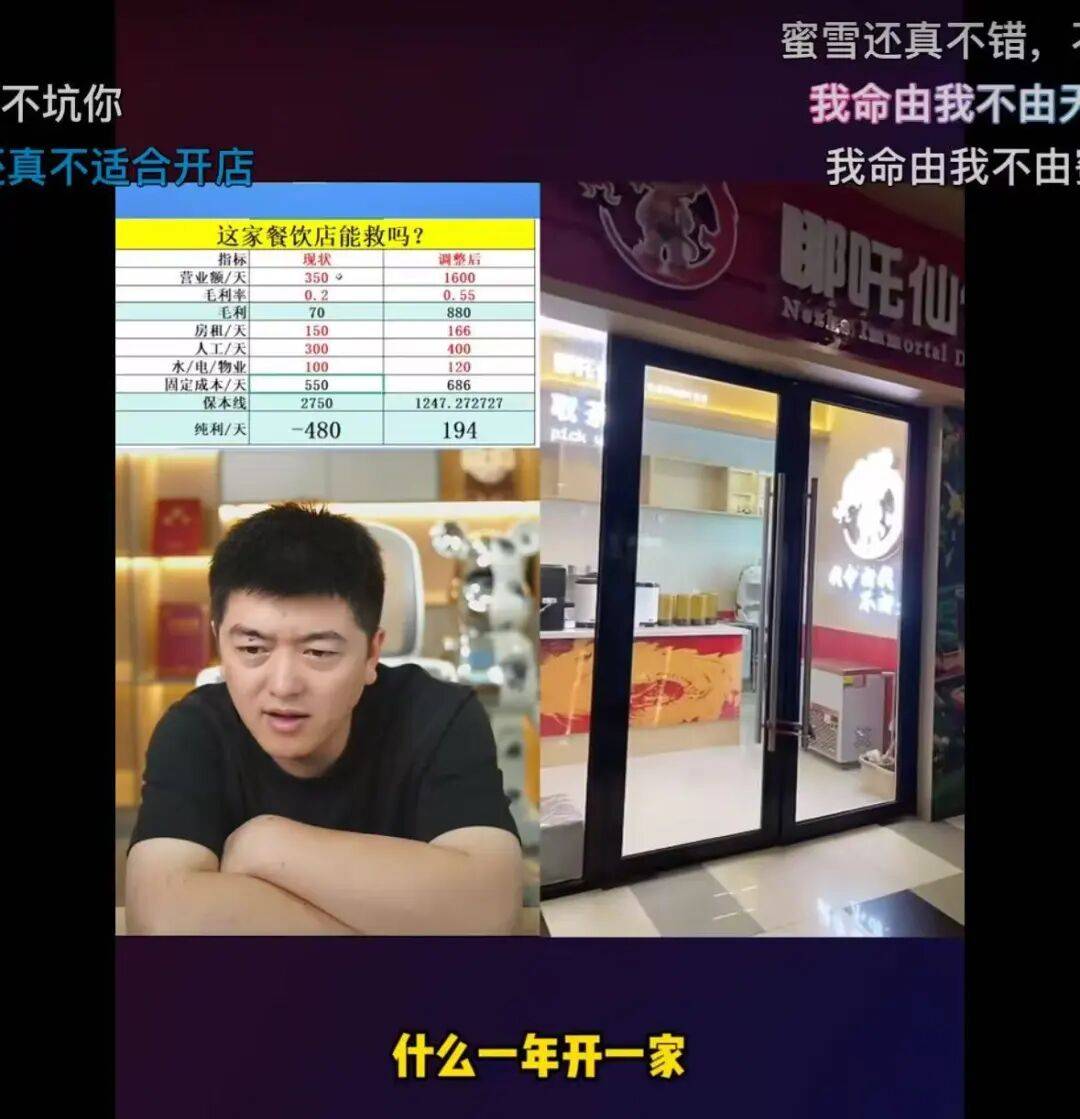
文|红餐网 "不喝蜜雪,不喝瑞幸,就要喝'哪吒仙饮'!" 最近,茶饮品牌"哪吒仙饮"在网络走红,但不是因为产品多好喝,而是其招商加盟引发的诸多争议。 多位哪吒仙饮加盟商曾连线博主"勇哥餐饮创业说"(下文简称为"勇哥"),讲述自己的开店经历。 有人直言自己花40多万成为了品牌区域代理,但门店开业短短8天就发现不对劲,怀疑自己入了快招圈套;也有连麦博主表示自己同样投入不少,目前每 天净亏几百元,但希望通过努力改善现状,让一众网友又急又气...... 哪吒仙饮,到底是"何方神圣"? 投入40万开奶茶店,回本无望还要倒贴? 连麦勇哥的哪吒仙饮加盟商,来自各地,背景也不尽相同,有不差钱的富二代,有一直梦想开一家奶茶店的宝妈,也有在职场辛苦打拼的年轻人。 今年9月,一位成都郫都区的女性加盟商连线勇哥,她原本经营一家小超市,但开奶茶店一直是她的梦想。 她告诉勇哥,最初,自己曾通过官网申请加盟蜜雪冰城,遭拒后,又辗转联系到一个自称"可操作加盟"的中介,但中介最终并没有帮她对接蜜雪冰城,而 是推荐了另一个品牌——哪吒仙饮。 尽管此前从未听过这个品牌,但招商人员描绘的"蓝图"让她动了心:"一年开一店,三年开十店,打败蜜雪冰城"" ...

海南正式封关!全球最大自贸区诞生,有何重大意义?
Sou Hu Cai Jing· 2025-12-18 12:16
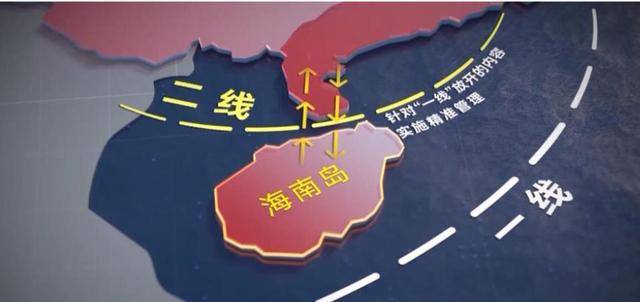
Core Viewpoint - Hainan's official closure marks the establishment of the world's largest free trade zone, enhancing the flow of people, goods, and capital, contrary to the misconception that it implies closed management [1] Group 1: Significance of Hainan's Free Trade Zone - Hainan is the only province-level free trade zone globally, with an area equivalent to eight Dubaies, over thirty Hong Kongs, and more than forty Singapores, providing ample space for global enterprises to invest and establish manufacturing [3] - The favorable tax policies in Hainan, such as a 15% individual income tax and corporate income tax, are more attractive than those in Singapore, making it a competitive location for businesses [3] Group 2: Benefits for Global Enterprises - Global companies can import raw materials to Hainan with zero tariffs, and if they process these materials locally with over 30% value addition, they can enter the Chinese mainland market tax-free, creating significant advantages for foreign businesses [3] - Companies like a chain tea brand are relocating their international headquarters to Hainan to optimize supply chain costs and benefit from tax exemptions on profits repatriated to Hainan [4] Group 3: Impact on Trade Dynamics - Hainan's closure is expected to divert transshipment trade from Singapore, as Hainan's Yangpu Port has a container handling efficiency that is 8% higher than Singapore's, and its electronic customs clearance system significantly reduces processing time [6] - Singapore's transshipment trade volume has been declining, with a reported 11.3% year-on-year drop in trade with China, while Yangpu Port's throughput has surged by 48.4%, indicating a shift in trade dynamics [6] Group 4: Economic Implications - Hainan is positioned to become a preferred entry point for global capital and enterprises into China, while also serving as a base for Chinese companies to expand internationally, thereby amplifying the wealth effect and stimulating the Chinese economy [8]
奶茶店,够了|商业头条No.103
Xin Lang Cai Jing· 2025-12-18 11:10
Core Insights - The tea beverage industry in China is experiencing a significant slowdown after a period of rapid expansion, with many brands facing challenges in maintaining profitability and growth [1][3][25]. Group 1: Industry Overview - The tea beverage market has seen a surge in the number of businesses, with over 1.1 million companies expected by 2025, and a total of 131,000 stores for 30 representative brands as of September [6]. - The growth rate of new store openings has drastically decreased, with major brands like Bawang Chaji seeing a drop from 20%-49% to single digits [3][6]. - The overall market size is projected to reach 350 billion yuan by 2024, but the growth rate has slowed from over 20% pre-pandemic to 6.4% [6]. Group 2: Brand Performance - Bawang Chaji's new store openings have significantly declined, with only 228, 318, and 246 new stores in the first three quarters of the year, compared to previous years' openings of 600-800 [3]. - Other brands like Tea Baidao and Heytea are also experiencing reduced growth, with Tea Baidao's store count increasing by only 0.7% year-on-year [6]. - Bawang Chaji reported a 9.4% decline in net revenue and a 22.3% drop in adjusted net profit in Q3 [25]. Group 3: Franchisee Challenges - Franchisees are struggling with declining profit margins, with some reporting net profit rates dropping by over 50% [3][20]. - High rental costs and increased competition are making it difficult for franchisees to maintain profitability, with many unable to find suitable locations for new stores [8][11]. - The introduction of new tax regulations has further increased the financial burden on franchisees, as reported revenues are now based on pre-discount prices [29]. Group 4: Market Dynamics - The saturation of the market has led to a decrease in consumer interest, with many opting for lower-priced alternatives [20]. - Brands are facing innovation fatigue, with a lack of new product offerings leading to consumer disengagement [12][18]. - The competitive landscape has intensified, with many brands launching similar products, making it hard for consumers to differentiate between them [19][20]. Group 5: Strategic Responses - In response to these challenges, brands are focusing on optimizing supply chains and product differentiation to improve profitability [31]. - Bawang Chaji is implementing a new joint venture model to reduce costs for franchisees, aiming to increase their gross margins [32]. - Brands are also looking to expand internationally, with Bawang Chaji and Heytea seeing significant growth in overseas markets [33][37].
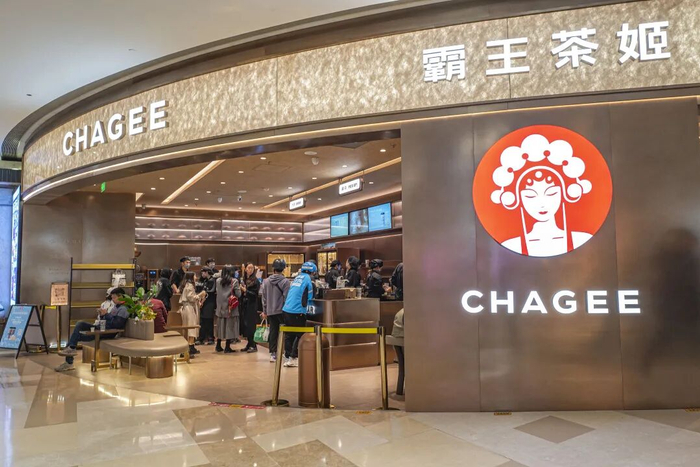
霸王茶姬在京启动“暖冬‘骑’遇”公益行动
Xin Lang Cai Jing· 2025-12-18 03:27
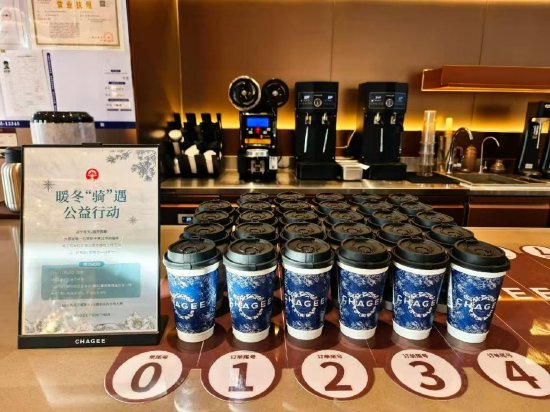
12月18日,近日,霸王茶姬在北京启动"暖冬'骑'遇"公益行动。霸王茶姬在北京指定的84家门店,为骑 手们提供了近3000杯精心制作的免费热饮。 自2022年起,霸王茶姬就在全国积极关怀"城市守护者"。今年8月,霸王茶姬在北京、上海、重庆、成 都和长沙五座城市共送出近万杯茶饮和同等数量的防暑包。为外卖骑手、环卫工人、交警等高温工作者 免费提供"伯牙绝弦"茶饮与防暑包,其中北京区域单店当日便派发2000余份物资,全国累计送出近万杯 茶饮及同等数量防暑包。 12月18日,近日,霸王茶姬在北京启动"暖冬'骑'遇"公益行动。霸王茶姬在北京指定的84家门店,为骑 手们提供了近3000杯精心制作的免费热饮。 自2022年起,霸王茶姬就在全国积极关怀"城市守护者"。今年8月,霸王茶姬在北京、上海、重庆、成 都和长沙五座城市共送出近万杯茶饮和同等数量的防暑包。为外卖骑手、环卫工人、交警等高温工作者 免费提供"伯牙绝弦"茶饮与防暑包,其中北京区域单店当日便派发2000余份物资,全国累计送出近万杯 茶饮及同等数量防暑包。 2024年全年,霸王茶姬共在全国开展了83场关怀"城市守护者"公益活动,向环卫工人、外卖骑手、快递 小哥等赠 ...