
半导体存储

Search documents
存储芯片市场重构格局,DRAM领域迎来HBM技术领航新时代
Xuan Gu Bao· 2025-05-06 14:52
Group 1 - The global DRAM market is expected to grow by 42.5% year-on-year to reach $26.729 billion in Q1 2025, driven by AI server demand and a recovery in PC and mobile demand, along with inventory replenishment triggered by tariffs [1] - SK Hynix has achieved a 36.7% market share, becoming the global leader in the DRAM market, ending Samsung's 40-year dominance [1] - The DRAM industry is entering advanced processes, with OEMs upgrading laptops to DDR5 while DDR4 remains strong in cost-effective products, leading to increased order inquiries and market activity [1] Group 2 - Zhaoyi Innovation is a core player in China's semiconductor storage sector, rapidly rising in the DRAM field through a "self-research + cooperation" model, particularly in niche markets and automotive-grade products [2] - Biwei Storage, a national high-tech enterprise, focuses on the research, design, packaging, testing, production, and sales of semiconductor storage, covering both NAND Flash and DRAM, widely used in consumer electronics and data centers [2] - Xiechuang Data focuses on consumer-grade memory and enterprise storage in the DRAM field, achieving technological breakthroughs through a "self-research + cooperation" model, with a differentiated advantage in DDR5 product lines and storage controller technology [2]
一大批企业递表,要去香港二次IPO
Sou Hu Cai Jing· 2025-05-06 01:09
Group 1 - Hong Kong has become a hotspot for companies seeking secondary IPOs, driven by a combination of factors including innovative technologies and a favorable capital market environment [3][6][7] - Over 30 companies are reportedly planning or have confirmed their intention to pursue secondary listings in Hong Kong, indicating strong interest from the market [8][12] - Notable companies such as Midea Group and SF Holding have successfully raised significant capital through their IPOs in Hong Kong, with Midea raising over 30 billion HKD and SF Holding raising 5.831 billion HKD [10][12] Group 2 - The trend of secondary IPOs is expected to continue into 2024-2025, with a total of 71 new listings anticipated on the Hong Kong Stock Exchange [9] - Companies from various sectors, including renewable energy, biotechnology, and automotive parts, are actively pursuing listings to enhance their international presence and funding capabilities [14][15] - The performance of companies that have gone public in Hong Kong has been mixed, with some experiencing significant stock price increases, such as Jingwei Tian Di with a 542% rise, while others like Tianjin Jianda faced substantial declines [16][18] Group 3 - Secondary IPOs offer companies increased financing opportunities and potential for higher valuations, which can support their growth and competitiveness [21] - However, companies must also navigate risks associated with market conditions and their own financial health, as evidenced by the high rate of stock price declines among new listings [18][20] - The capital market remains a space for risk-takers, with the belief that companies will succeed driving their decisions to pursue secondary IPOs [22]


3D DRAM,蓄势待发
半导体行业观察· 2025-05-05 04:22
Core Viewpoint - The article discusses the impact of the U.S. export restrictions on High Bandwidth Memory (HBM) on the domestic semiconductor industry in China, highlighting the shift towards alternative high-bandwidth storage solutions like 3D DRAM as a response to these challenges [1][21]. Group 1: Impact of HBM Restrictions - The U.S. Department of Commerce imposed stricter export controls on HBM and related semiconductor manufacturing equipment, affecting 140 Chinese entities [1]. - The restrictions particularly target HBM products with a memory bandwidth density exceeding 2GB/s/mm², disrupting the supply chain for advanced storage in China [1]. - Concerns arose that these limitations would significantly pressure the domestic semiconductor industry, especially the AI sector reliant on HBM [1]. Group 2: Emergence of 3D DRAM - 3D DRAM has gained attention among domestic storage manufacturers as a potential alternative to HBM, leveraging advancements in scaling technology [2][3]. - Unlike HBM, which is a stacked-die memory, 3D DRAM aims to increase storage density and reduce production costs by evolving from 2D to 3D structures [4][10]. - The transition to 3D DRAM involves vertical stacking of memory cells, which can enhance performance and efficiency while addressing the limitations of traditional DRAM structures [9][10]. Group 3: Industry Developments and Competition - Major manufacturers like Samsung, SK Hynix, and Micron are actively developing 3D DRAM technologies, with Samsung planning to unveil its initial version this year and achieve mass production by 2030 [11][13]. - SK Hynix has demonstrated a 5-layer stacked 3D DRAM prototype with a yield rate of 56.1%, indicating progress in this competitive landscape [13]. - Micron has been researching 3D DRAM since 2019 and holds a significant number of patents in this area, positioning itself as a key player in the market [16]. Group 4: Technological Innovations - Innovations such as the use of IGZO materials in 3D DRAM are being explored to address bandwidth and latency challenges, enhancing the performance of DRAM chips [16]. - Neo Semiconductor has introduced a technology called 3D X-DRAM, which aims to overcome capacity limitations and achieve high throughput for AI processing [17]. - Domestic companies like Changxin Storage and Yangtze Memory Technologies are also making strides in 3D DRAM development, indicating a growing interest in this technology within China [19][21]. Group 5: Future Outlook - The demand for 3D DRAM is expected to rise rapidly in China as traditional HBM faces restrictions, with 3D DRAM seen as a key direction for overcoming bandwidth bottlenecks [21]. - The global supply chain dynamics and tariff policies are creating opportunities for domestic DRAM manufacturers to innovate and compete effectively in the market [21].


赛道Hyper | 下游需求疲软:佰维存储Q1由盈转亏
Hua Er Jie Jian Wen· 2025-05-01 01:46
Core Viewpoint - Baiwei Storage reported its largest quarterly loss since its IPO in Q1 2025, transitioning from profit in Q1 2024 to a net loss of 197 million yuan, primarily due to declining storage chip prices, increased inventory impairment, and high R&D expenses [1] Financial Performance - Baiwei Storage's Q1 2025 revenue was 1.543 billion yuan, a year-on-year decline of 10.62% [1] - The company experienced a net loss of 197 million yuan, marking its largest quarterly loss since going public [1] - Core business revenues, including embedded storage and PC storage, fell by 15%-18%, with gross margins dropping to a historical low of 1.99% [1] Market Trends - The global storage chip market continued its downward trend from Q3 2024, with DRAM contract prices down 18% year-on-year and NAND contract prices down 22% [2] - The decline in DRAM and NAND prices was attributed to excessive supply and weak demand [3] Competitive Landscape - Competitors like Zhaoyi Innovation and Jiangbolong faced challenges but managed to report growth in specific segments, with Zhaoyi Innovation achieving a revenue increase of 17.32% and a net profit growth of 125.82% [4] - SK Hynix reported an 86.5% year-on-year increase in DRAM revenue, driven by its HBM3E products in the AI server market [5] Strategic Initiatives - Baiwei Storage is focusing on high-value products, such as AI-related storage solutions, and has begun small-scale production of its self-developed UFS controller chip SP9300 [7][8] - The company plans to scale up production of SP9300 in Q2 2025, targeting an annual output of over 5 million units [8] R&D Investments - Baiwei Storage's R&D expenditure reached 123 million yuan in Q1 2025, a year-on-year increase of 25.82%, with a focus on advanced packaging technologies and integrated storage solutions [8] - The company is investing in a 3D stacking and silicon interposer project, expected to start production in the second half of 2025 [8] Customer Dependency - Baiwei Storage's top five customers account for 42% of its revenue, indicating a significant risk if major clients reduce orders [10]
诚邦生态环境股份有限公司2025年第一季度报告
Shang Hai Zheng Quan Bao· 2025-04-30 11:48
Core Viewpoint - The company, Chengbang Ecological Environment Co., Ltd., reported a negative net profit for 2024 and will not distribute cash dividends or issue bonus shares, focusing on optimizing its business structure and expanding into the semiconductor storage sector [1][3]. Company Overview - Chengbang Ecological Environment Co., Ltd. operates in two main business segments: ecological environment construction and semiconductor storage [2][9]. Ecological Environment Construction Business - The Chinese government has set ambitious goals for carbon neutrality by 2060, which presents growth opportunities for the ecological environment sector. However, local government financial constraints due to the real estate downturn have led to reduced investments in municipal landscaping projects, impacting project settlement and revenue [3][10]. - The company holds various construction qualifications, including first-class qualifications in municipal public works and environmental engineering, and has established a strong reputation in the Yangtze River Delta region [3][31]. Semiconductor Storage Business - The global semiconductor industry is projected to reach $627.6 billion in 2024, with the storage market expected to grow by over 81% year-on-year, reaching $167 billion, accounting for 26.61% of the total semiconductor market [5][6]. - The rapid development of AI models is driving increased demand for storage, with AI servers requiring significantly more DRAM and NAND than standard servers [6]. - The domestic market for NAND and DRAM is still developing, with current market shares of 4.1% and below 5%, respectively. However, advancements in technology and government support are accelerating the localization process [7]. - The demand for storage capacity and performance is rising due to the upgrade of terminal devices and the growth of data generation, which is expected to reach nearly 400 ZB by 2028 [8]. Business Strategy and Development - The company aims to develop a dual business model focusing on ecological environment construction and semiconductor storage, enhancing its core competitiveness and industry position [4][33]. - The company has made strategic adjustments, including the divestment of underperforming subsidiaries to optimize resource allocation and improve operational efficiency [29][30]. Financial Performance - The company reported a negative net profit for 2024, leading to the decision not to distribute dividends or issue bonus shares [1][3]. - The company is focused on improving cash flow management and cost control to navigate the complex market environment [28][32].

江波龙(301308) - 2025年4月27日投资者关系活动记录表
2025-04-29 15:18
Group 1: Market Trends and Demand - The demand for high-performance computing and storage hardware is expected to grow due to continuous investment in AI hardware by cloud service providers in 2025 [3] - The semiconductor storage market began to recover gradually from the end of March 2025, with significant price increases anticipated in the latter half of Q1 2025 [3][11] - The company's enterprise storage products achieved revenue of 319 million CNY in Q1 2025, representing over 200% year-on-year growth [7] Group 2: Global Tariff Policies and Company Strategy - The company is closely monitoring global tariff changes and has maintained normal production operations [3] - Following the acquisition of SMART Brazil, the company saw a revenue increase of over 120% in 2024, leveraging low tariff advantages to expand overseas markets [3] Group 3: Gross Margin and Product Strategy - The company's gross margin is positively influenced by rising storage wafer prices, but is also affected by product structure and market competition [4] - The company is advancing its PTM and TCM models to provide comprehensive storage solutions, aiming to stabilize gross margins [4][5] Group 4: Inventory Management and Future Outlook - The company is transitioning towards a service and value-driven model, adjusting inventory strategies based on market demand and operational efficiency [9] - The market for enterprise-level storage products is expected to grow significantly, driven by AI applications and cloud services [7][8]
江波龙(301308):25Q1营收环比+1.5%,看好存储行业回暖+企业级存储放量增长
Great Wall Securities· 2025-04-28 11:34
Investment Rating - The report maintains a "Buy" rating for the company, indicating a positive outlook for the stock price relative to the industry index over the next six months [8][22]. Core Views - The company is expected to benefit from a recovery in the storage industry and an increase in enterprise-level storage demand, with revenue projected to grow significantly in the coming years [2][4]. - The embedded storage segment is anticipated to generate substantial revenue growth, with a forecasted increase of 90.5% year-on-year in 2024 [2]. - The company has successfully launched its self-developed UFS 4.1 controller chip, which is expected to enhance its position in the high-end smart terminal market [3]. Financial Performance Summary - For Q1 2025, the company reported revenue of 4.256 billion yuan, a 1.5% increase quarter-on-quarter but a 4.4% decrease year-on-year [9][10]. - The gross margin for Q1 2025 was 10.35%, reflecting a decline compared to previous periods, primarily due to slow recovery in the consumer electronics market and inventory digestion issues [2][9]. - The company’s net profit attributable to shareholders was -151.81 million yuan for Q1 2025, indicating a significant year-on-year decline [12]. Revenue Projections - Revenue is projected to reach 10.125 billion yuan in 2023, with a compound annual growth rate (CAGR) of 21.6% through 2027, reaching approximately 30.125 billion yuan by 2027 [1][15]. - The company expects to achieve a net profit of 4.99 billion yuan in 2024, a 160.2% increase year-on-year [11]. Market Position and Growth Potential - The company is positioned as a leading independent storage manufacturer in China, with significant growth potential driven by global trends such as AIGC and the "Digital China" initiative [4]. - The enterprise storage segment saw a remarkable revenue increase of over 200% year-on-year in Q1 2025, indicating strong demand in various sectors including internet and finance [3][4].
AI需求旺盛、消费电子复苏缓慢,国内存储厂商一季度业绩冷暖不均
Di Yi Cai Jing· 2025-04-28 10:11
Core Viewpoint - The semiconductor storage market is experiencing uneven performance among manufacturers, with some companies benefiting from AI-related demand while others struggle due to slow recovery in consumer electronics [1][3]. Group 1: Company Performance - Jiangbolong reported a revenue of 4.256 billion yuan in Q1, a year-on-year decline of 4.41%, and a net loss of 152 million yuan [2][3]. - Langke Technology recorded a revenue of 234 million yuan in Q1, a year-on-year increase of 5.19%, but also reported a net loss of 13 million yuan, which widened compared to the previous year [2]. - Companies like Lanke Technology and Jiangbolong are facing challenges due to weak consumer demand and inventory issues, leading to a decline in revenue and profit margins [7][6]. Group 2: Growth Companies - Companies such as Lankai Technology, Zhaoyi Innovation, and Demingli reported significant growth in Q1, with Lankai's net profit increasing by 65.78% to 1.222 billion yuan, and Zhaoyi's revenue growing by 17.32% to 1.909 billion yuan [2][3]. - Demingli's revenue surged by 168.74% to 4.773 billion yuan, with a net profit increase of 1302.3% [3]. Group 3: Market Demand and Trends - The demand for NAND Flash and DRAM is showing signs of recovery, particularly in data centers, while consumer electronics remain sluggish [8][9]. - The global smartphone shipment in Q1 was 304.9 million units, a year-on-year increase of 1.5%, which is lower than the previous year's growth rate [8]. - Companies are adjusting production to stabilize prices, with Micron announcing a 10% reduction in NAND wafer production [9]. Group 4: Future Outlook - Companies expect a gradual recovery in the semiconductor storage market starting from late Q1, driven by inventory digestion and production adjustments by major manufacturers [9][10]. - TrendForce predicts that NAND Flash prices will stabilize in Q2, with expected price increases of 3% to 8% due to a procurement surge [10].


定义存储新标杆!江波龙重磅发布车规级LPDDR4x与全芯定制版车规级eMMC
Zhong Guo Qi Che Bao Wang· 2025-04-28 02:55
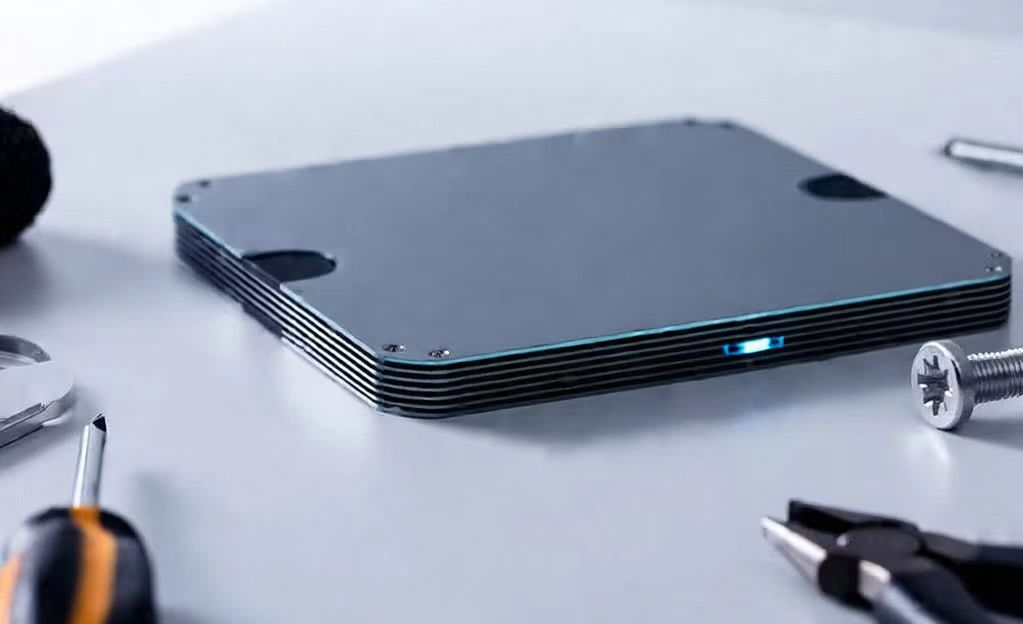
Core Viewpoint - The 2025 Shanghai Auto Show serves as a significant platform for showcasing innovative technologies in the automotive industry, with a focus on smart vehicle storage solutions [1] Group 1: Company Overview - Jiangbolong, a leading enterprise in the semiconductor storage field, debuted its self-developed automotive storage products and PTM full-stack customization services at the auto show, highlighting its strong innovation capabilities in smart automotive scenarios [3][6] - The company has established deep partnerships with over 20 OEMs and more than 50 Tier 1 automotive clients, creating a solid competitive barrier in the automotive storage sector [6] Group 2: Product Launch and Features - Jiangbolong introduced several innovative automotive storage products, including automotive-grade eMMC custom versions, UFS, LPDDR4x, and SPI NAND Flash, all adhering to AEC-Q100 reliability standards, catering to advanced applications like smart driving and automotive AI [3][8] - The automotive-grade eMMC custom version, featuring the WM6000 controller, supports high-speed modes with a maximum capacity of 128GB and operates within a temperature range of -40℃ to 105℃, suitable for mid-lightweight intelligent automotive scenarios [8] Group 3: Technological Innovations - The launch of automotive-grade LPDDR4x represents a significant breakthrough, offering capacities from 2GB to 8GB, a speed of 4266Mbps, and a 30% increase in bandwidth utilization, enhancing AI voice interaction response times in smart cockpits [11] - The LPDDR4x product incorporates advanced technologies such as ODT and DQS, ensuring stable data transmission in complex electromagnetic environments while maintaining performance and energy efficiency [11] Group 4: Future Plans - Jiangbolong is building a comprehensive automotive-grade product matrix, with plans to introduce automotive-grade LPDDR5, NOR Flash, and UFS4.1 in the near future, aiming to set new benchmarks in storage technology for the rapidly evolving smart automotive industry [12]

江波龙一季度营收42.56亿元:企业级存储同比大幅增长超200%,中高端存储持续放量突破
Xin Lang Cai Jing· 2025-04-27 10:22
Core Viewpoint - Jiangbolong (301308) reported a stable revenue of 4.256 billion yuan in Q1 2025, with a net loss of 152 million yuan, indicating an improvement trend in profitability despite slow terminal recovery and inventory digestion [1] Group 1: Financial Performance - The company achieved a revenue of 4.256 billion yuan in Q1 2025, with a net loss of 152 million yuan and a non-recurring net loss of 202 million yuan [1] - The net loss margin significantly narrowed, showing signs of profitability improvement [1] - Revenue from enterprise-level storage (eSSD and RDIMM) reached 319 million yuan, growing over 200% year-on-year [2] Group 2: Product Development and Market Position - Jiangbolong has made significant progress in self-developed main control chips, successfully mass-producing UFS4.1 chips and applying over 30 million self-developed chips [3] - The company has launched new products to meet the urgent demand for high-capacity SSDs and DRAM, enhancing its offerings in mobile and smart wearable markets [3] - Jiangbolong has established deep cooperation with major automotive manufacturers, covering over 10 types of in-vehicle applications, leveraging its early entry into the automotive storage sector [2] Group 3: Brand and Market Expansion - Jiangbolong is the second-largest independent storage company globally and the largest in China, with significant brand presence in both B2B and B2C markets [4] - The Lexar brand achieved a 21% year-on-year revenue growth in Q1 2025, continuing its expansion in the global consumer market [4] - The acquisition of Zilia, a leading storage manufacturer in Brazil, has enhanced Jiangbolong's product offerings and supply chain efficiency [4] Group 4: Strategic Outlook - The company is well-positioned for future growth due to its strategic focus on high-end storage, technological breakthroughs, and effective market expansion [5] - The ongoing demand for AI hardware and high-performance computing is expected to create further opportunities for Jiangbolong's high-end business [1]