咖啡

Search documents
《疯狂动物城2》联名60+品牌,为什么迪士尼永远无法忽视中国?
Jing Ji Guan Cha Wang· 2025-11-26 10:41
Core Insights - The release of Disney's animated film "Zootopia 2" has generated significant box office revenue, with a first-day domestic box office of 1.74 billion and a global box office of 57.64 million [2][4] - The film's marketing strategy in China has involved over 60 brand collaborations, creating a highly commercialized IP marketing environment [5][17] - Disney views the Chinese market as a key area for growth, leveraging the film's popularity to test a new "IP emotional economy" model [13][17] Box Office Performance - The first-day box office reached 1.74 billion, with a cumulative box office of 1.88 billion and a projected total box office of 25.64 billion [4][12] - The film's global box office stands at 57.87 million, with significant contributions from the domestic market [4][12] Marketing Strategy - The marketing campaign is characterized as a large-scale social marketing experiment, integrating various sectors such as food, fashion, and automotive [5][12] - Collaborations with brands like Luckin Coffee and Uniqlo have resulted in significant sales increases, showcasing the effectiveness of the IP in driving consumer engagement [7][10] Brand Collaborations - The film has seen partnerships with brands across multiple industries, including food and beverage, apparel, and automotive, creating a pervasive presence in urban environments [10][12] - The collaboration with automotive brands has provided a visually impactful marketing strategy, enhancing brand visibility [12][13] Consumer Engagement - The emotional connection of characters Judy and Nick resonates with young consumers, making the film's merchandise more appealing [15][16] - The trend of emotional consumption is growing, with brands increasingly focusing on leveraging IP for growth rather than mere aesthetics [15][17] Market Potential - Disney's strategic focus on the Chinese market reflects its recognition of the region's unique consumer dynamics and potential for long-term value [13][14] - The success of "Zootopia 2" in China is indicative of the country's evolving role as a vibrant and creative landscape for international IP [17]



中石油加油站引入挪瓦咖啡带动非油业务转型 单店日销量可破1500杯
Zheng Quan Shi Bao Wang· 2025-11-26 10:23
Core Insights - China National Petroleum Corporation (CNPC) has partnered with Nova Coffee to enhance non-fuel business growth at gas stations, with over 30 stores established in Hubei province and 110,000 cups of coffee sold in six months [1][1][1] Group 1: Partnership and Business Strategy - The collaboration aims to transform traditional gas station operations in response to the rise of electric vehicles and changing consumer demands, with coffee business identified as a key growth engine [1][1] - Nova Coffee has developed a diverse product matrix to meet core needs of drivers, particularly promoting the "Ton Ton Barrel" series, which is characterized by large capacity, portability, and cost-effectiveness [1][1][1] Group 2: Sales Performance and Market Expansion - Nova Coffee reports that individual store daily sales can exceed 1,500 cups, significantly contributing to the growth of non-fuel business at traditional gas stations [1][1] - As of now, Nova Coffee has over 10,000 partnered stores across more than 300 cities and is expanding into international markets [1][1][1] Group 3: Company Background and Investment - Founded in 2019 and headquartered in Shanghai, Nova Coffee was established by Guo Xingjun, who has extensive experience in the food delivery industry [1][1] - As of November 3, 2025, Nova Coffee has opened 7,875 stores across 31 provinces and 266 cities, with a recent B++ funding round in September 2024 raising several hundred million yuan [1][1][1]
2025CAFEEX上海咖啡展总览 - 从咖啡豆到巧克力与威士忌的体验之旅
东京烘焙职业人· 2025-11-26 08:33
Core Viewpoint - The 2025 CAFEEX Shanghai Coffee Exhibition will combine coffee with chocolate and whiskey, offering a unique sensory experience and an opportunity for flavor exploration [3][7]. Event Details - The exhibition will take place from November 28 to 30, 2025, at the Shanghai International Procurement Exhibition Center, featuring immersive experiences related to flavor exploration and lifestyle [7][63]. - The event is designed for both coffee enthusiasts and newcomers, promising surprises and emotional connections [7]. Activities and Experiences - Professional cupping sessions will allow attendees to experience the layers and flavors of coffee up close, while forums will provide opportunities to interact with baristas and industry experts [5][56]. - The exhibition will showcase the latest design trends and technological breakthroughs in coffee-making equipment, emphasizing the importance of tools in enhancing flavor and experience [36]. Related Exhibitions - The CAFEEX will run concurrently with the CHOCEX chocolate exhibition, which will feature a variety of chocolate brands and products, highlighting the stories behind single-origin chocolates and innovative flavor combinations [48][37]. Educational Opportunities - The event will include a series of lectures and discussions led by industry experts, covering topics such as coffee production stability, the relationship between coffee and whiskey, and sustainable practices in coffee production [62][54].

苏州农业产业科创基金首投落地
Su Zhou Ri Bao· 2025-11-26 00:38
Group 1 - Suzhou Agricultural Industry Science and Technology Fund has successfully launched its first investment projects, focusing on empowering industries and capital collaboration [1] - Lasso Biotechnology is a global leader in agricultural molecular breeding, being the only company in China to achieve independent research, production, and commercialization of high-density solid-phase gene chips [1] - Lasso Biotechnology received significant investment from the Suzhou Agricultural Industry Science and Technology Fund during its Series B financing, which will enhance its strategic layout in Suzhou [1] Group 2 - BeanStar Coffee has rapidly expanded since opening its first store in Suzhou in 2022, with over 400 signed stores and nearly 300 operational stores, also entering international markets like Indonesia and Japan [2] - The establishment of BeanStar Coffee's headquarters in Suzhou will facilitate deep integration with the local coffee industry chain, creating a high-quality supply chain system [2] - The Suzhou Agricultural Industry Science and Technology Fund has a total scale of 2 billion yuan, with an initial investment of 600 million yuan, focusing on six core areas including modern seed industry and digital agriculture [2]
世界咖啡主产区代表云南保山寻合作新机遇
Zhong Guo Xin Wen Wang· 2025-11-25 23:39
Core Insights - The third International Specialty Coffee Industry Development Conference opened in Baoshan, Yunnan, with over 500 representatives from various countries discussing new cooperation opportunities in the coffee sector [1][2] - Yunnan is recognized as China's largest coffee cultivation, trading, and export region, with Baoshan being the birthplace of the country's small coffee bean industry [1] Group 1: Industry Development - Baoshan has a coffee plantation area of 150,000 acres and is home to the largest coffee processing park in Yunnan, housing 81 coffee enterprises [1] - The establishment of Yunnan's first public bonded warehouse for coffee is set to enhance the integration of local coffee into domestic and international markets [1] Group 2: International Cooperation - Honduras views coffee as a crucial export and economic pillar, with over 120,000 families relying on the coffee industry, and sees China as a vital market for its coffee exports [1] - Jamaica emphasizes the importance of scientific development and cultural exchange in coffee cultivation, proposing enhanced technical exchanges and cultural activities between Yunnan and Jamaica [1]
1200亿河南奶茶兄弟,又干出1万家咖啡店!
2 1 Shi Ji Jing Ji Bao Dao· 2025-11-25 12:41
Core Insights - The company Lucky Coffee, a subsidiary of Mixue Ice City, has officially announced that its number of stores has surpassed 10,000, making it the third coffee brand in China to reach this milestone after Luckin Coffee and Kudi [2] Company Summary - Lucky Coffee has achieved a significant milestone by opening over 10,000 stores, positioning itself as a major player in the Chinese coffee market [2] - This expansion reflects the growing trend and competition within the coffee industry in China, highlighting the brand's rapid growth and market penetration [2] Industry Summary - The coffee industry in China is witnessing a surge in brand competition, with multiple brands reaching the 10,000 store mark, indicating a robust market demand [2] - The achievement of Lucky Coffee signifies a shift in consumer preferences towards coffee, contributing to the overall growth of the coffee sector in China [2]

打工人“3秒拿铁”风靡北上广,有品牌已卖几百万瓶!
东京烘焙职业人· 2025-11-25 08:33
Core Insights - The article discusses the rising trend of "3-second self-made latte" among office workers, highlighting its convenience and appeal in urban areas [6][9][11]. Group 1: Market Trends - The "3-second latte" has gained popularity in major cities, allowing consumers to easily create their own lattes using fresh milk and coffee liquid or powder from convenience stores [9][12]. - Major dairy companies like Mengniu and Meiji Fresh have launched products combining milk with coffee, catering to the growing demand for quick and transparent beverage options [12][13]. Group 2: Consumer Behavior - Consumers are drawn to the transparency of ingredients in the milk and coffee combination, which contrasts with the often opaque nature of ready-to-drink coffee products [19][21]. - The DIY aspect of making coffee at home appeals to busy office workers, providing a sense of ritual and satisfaction without the need for complex equipment [22][24]. Group 3: Product Development - Companies are responding to consumer demand for convenient and transparent products, with many coffee shops and retailers exploring new offerings that allow for self-preparation of beverages [31][32]. - The combination of milk and coffee liquid is seen as a simple yet effective innovation that meets consumer needs for convenience and quality [43][44].
10个月狂开5000家门店,又一餐饮万店品牌诞生
Xin Lang Cai Jing· 2025-11-25 05:31
Core Insights - Luckin Coffee has officially surpassed 10,000 global stores, becoming the third coffee brand in China to achieve this milestone, following Luckin Coffee and Kudi Coffee [1][11][12] - The rapid expansion of Luckin Coffee is evident as it doubled its store count from over 4,500 at the beginning of the year to over 10,000 in just over 10 months [2][3] Expansion Strategy - Luckin Coffee's aggressive expansion includes a focus on first-tier cities, with a new franchise policy offering two years of fee waivers in major cities like Beijing, Shanghai, and Guangzhou [3][6][8] - The brand has already opened over 1,000 stores in first-tier cities, with Beijing alone having 100 stores [7] Market Dynamics - The achievement of 10,000 stores indicates a shift in strategy, as Luckin Coffee aims to solidify its presence in both lower-tier and higher-tier markets [10][12] - The coffee market is experiencing a trend where consumer demand is shifting towards high-quality, affordable options, supported by the supply chain of the parent company, Mijue Group [13][15] Competitive Landscape - With the entry of Luckin Coffee into the 10,000-store club, competition in the affordable coffee segment intensifies, with existing players like Luckin and Kudi already established [11][17] - New entrants are also emerging, offering ultra-low prices, which poses a challenge for Luckin Coffee to maintain its market position while expanding [18]
幸运咖门店数破万家:咖啡价格战会加剧吗?丨消费参考
2 1 Shi Ji Jing Ji Bao Dao· 2025-11-25 03:03
Group 1 - Luckin Coffee has surpassed 10,000 stores globally as of November 24, 2025, with pricing primarily between 6-8 yuan, making it cheaper than its competitor, Kudi, which has a flat price of 9.9 yuan [1][2] - As of the end of Q3, Luckin Coffee operates 29,214 stores, while Kudi has 18,000 stores. Luckin Coffee has expanded to over 300 cities, including more than 1,000 stores in first-tier cities [2] - The rapid growth of Luckin Coffee is attributed to the competitive landscape driven by delivery service wars, with a 164% year-on-year increase in new store openings in Q2 [2] Group 2 - The reduction of delivery subsidies is impacting the coffee market, with Luckin Coffee's same-store sales growth facing short-term pressure as noted by its executives [3][4] - The coffee price war may stabilize as delivery subsidies decrease, with expectations that prices will settle in a certain range, potentially around 6-8 yuan for Luckin Coffee [6][9] - Luckin Coffee's growth trajectory positions it as a strategic competitor to established players like Luckin and Kudi, especially as it reaches a significant scale [8][9]
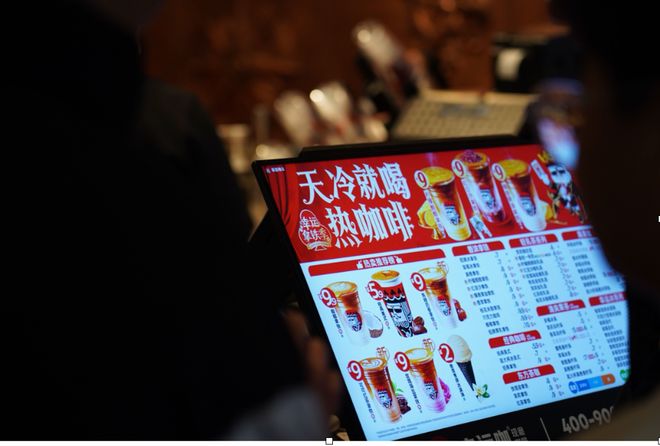
幸运咖成为第三家门店数量破万的咖啡品牌
Jing Ji Guan Cha Wang· 2025-11-24 12:18
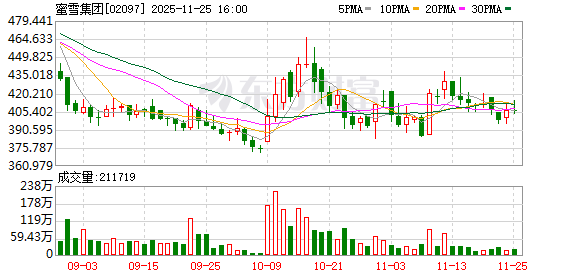
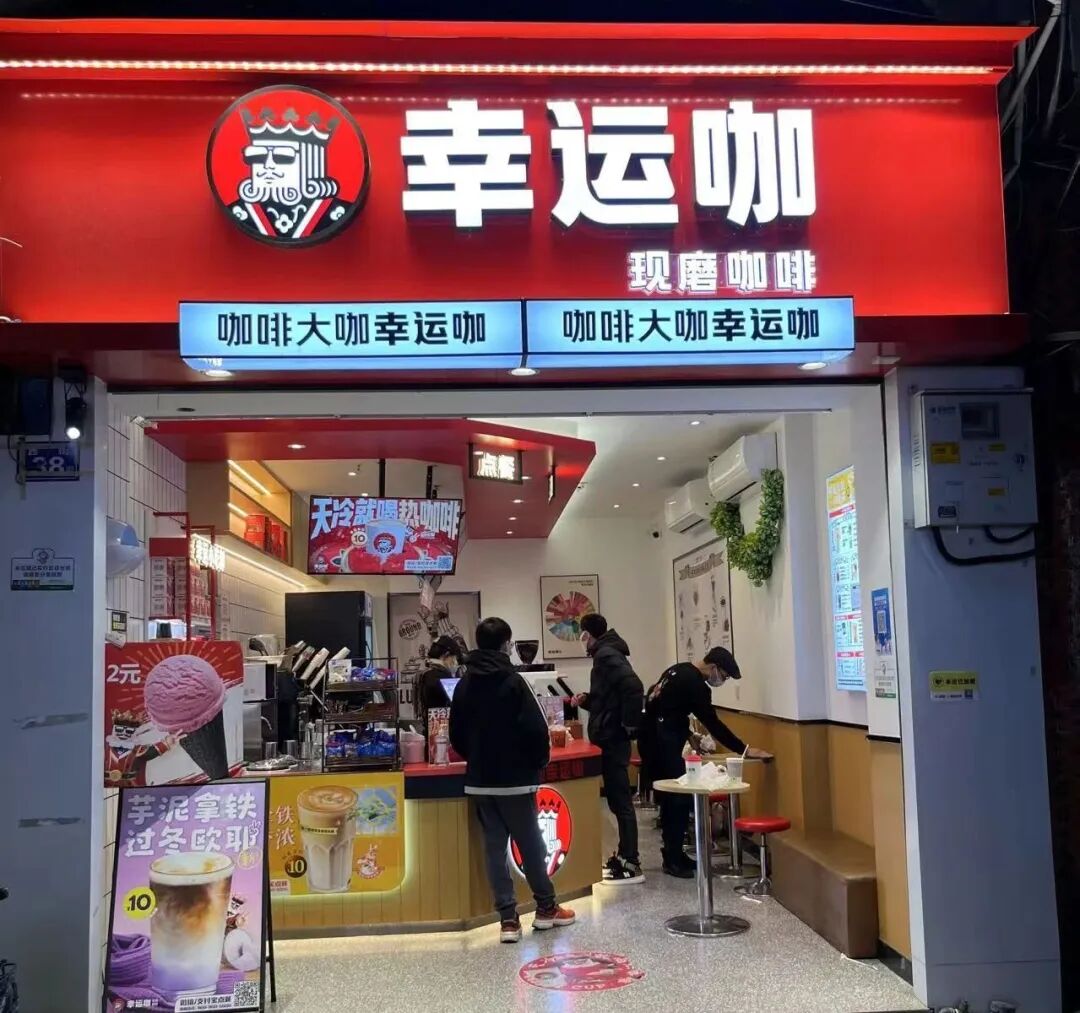
2023年,受价格战等因素影响,幸运咖一度门店数量增长速度放缓。2025年初,幸运咖立下要开1万家店的目标,并扩充市场端人员,降低了开店成本。根 据幸运咖的招商政策,不包括店面装修、租金、转让费等费用,开出一家店的费用是12.7万,其中包括1万元的加盟费、6.6万元的设备费用、3.4万元的首批 物料费等。 一位在县城开幸运咖的加盟商说,在当地开一家瑞幸咖啡门店的成本是幸运咖的两倍多,由于门槛低,所以吸引了很多人前来询问怎么开幸运咖。在他看 来,这些人多为餐饮小白,不懂得如何经营一家店。 11月24日,蜜雪集团(2097.HK)旗下咖啡品牌、被视为第二增长曲线的幸运咖宣布其全球门店数量突破1万家,这是中国第三家门店数量破万的咖啡品 牌,前两家是瑞幸咖啡和库迪咖啡。幸运咖主要产品定价在6元—8元,较前两者价位更低。 早在2017年,幸运咖被蜜雪集团入股孵化,成为独立品牌,由郑州一间精品咖啡店主理人负责运营。2020年,蜜雪集团全资收购幸运咖后,从招商部、市场 部、品牌部等部门各抽调一人,组成了幸运咖的早期团队,并立下了"五年再造一个蜜雪冰城"的目标。 上海啡越投资管理有限公司董事长王振东说,幸运咖是首个由茶饮品牌 ...